Binè
- 01CityNovi Ligure, Italy
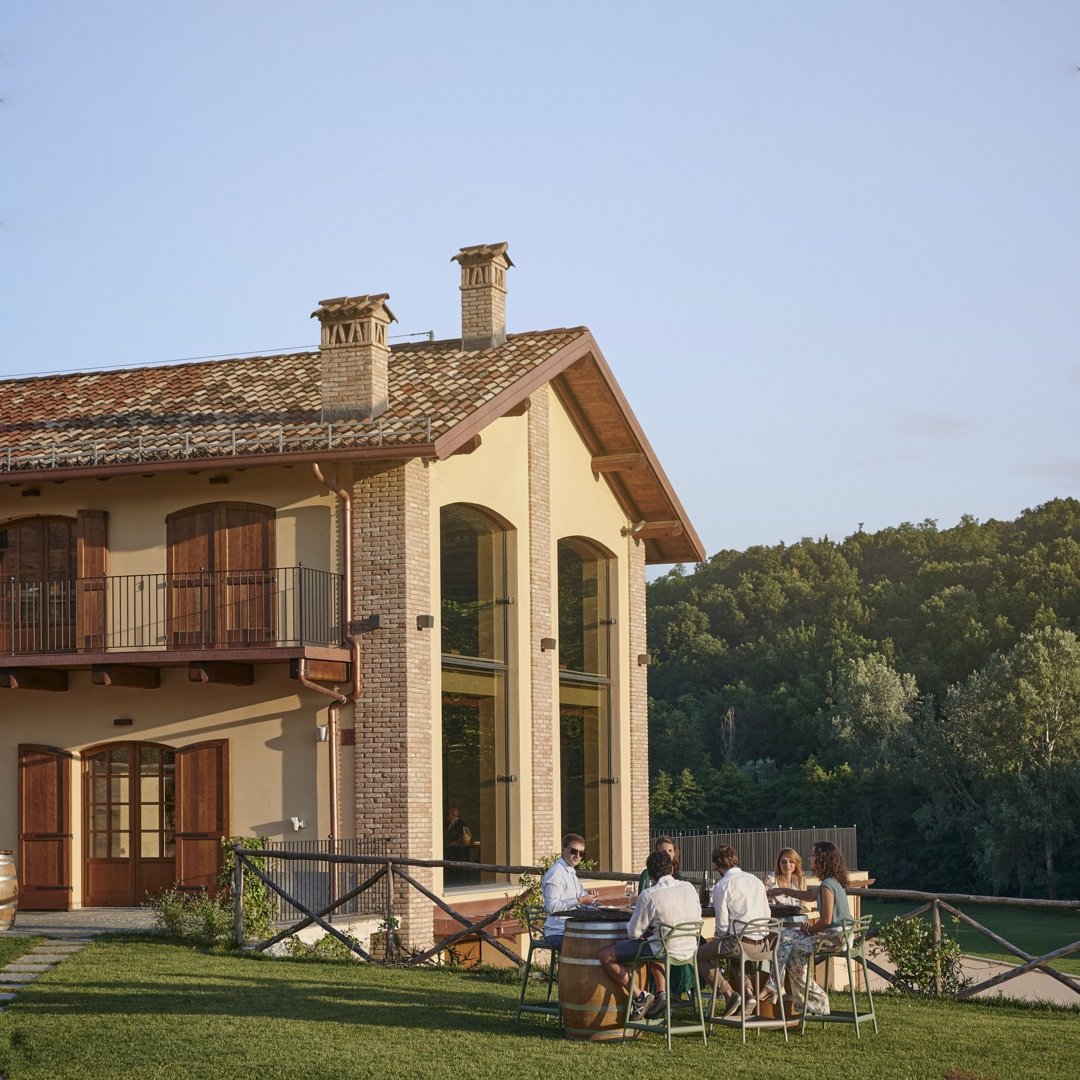
Binè is a family-run wine estate and agriturismo in Novi Ligure, set within the Gavi DOCG hills where Cortese is shaped by maritime air from Liguria and the warmer pull of Piedmont’s inland slopes. Its appeal lies in the combination of an 11-hectare contiguous vineyard, a circular vineyard layout, farmhouse hospitality, and a wine-bar rhythm built around local products and aperitivo culture.
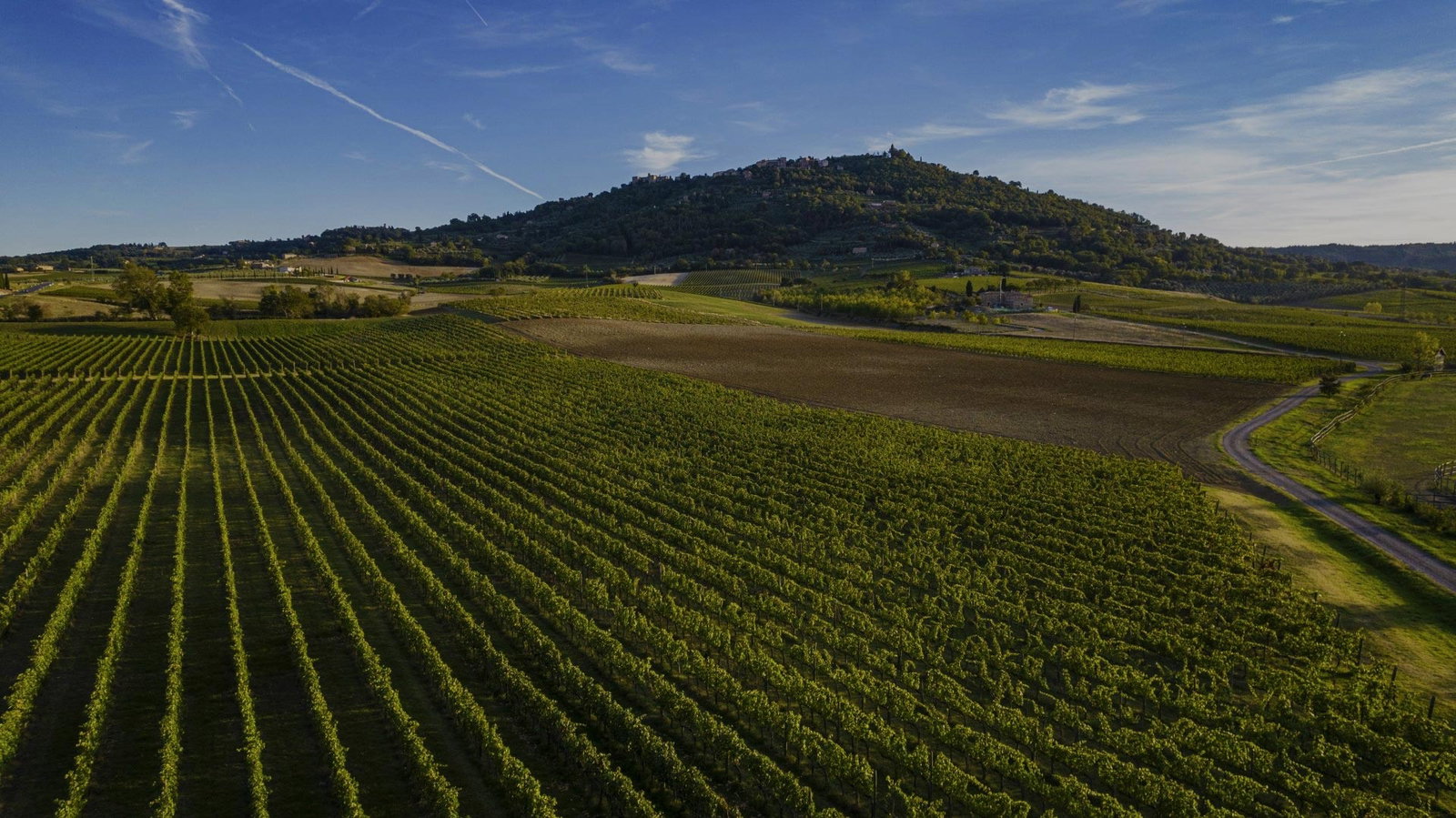
Approaching the Gavi hills around Novi Ligure, the first impression is not grandeur but geometry: rows of vines gathered across slopes that face south and south-west, with the estate’s circular vineyard giving the terrain an unusually composed shape. This is Piedmont without Barolo’s museum-piece intensity. The mood is quieter, closer to the farmhouse than the château, and the wines are tied to a narrower regional argument: what Cortese can do when grown inside the Gavi DOCG zone and allowed to speak through acidity, salinity, and restraint.
Gavi is a small appellation by Italian standards, and its rules matter. The denomination is built around Cortese, and Novi Ligure is one of 11 communes permitted to produce Gavi DOCG. That gives the area a sharper identity than many broader white-wine regions: producers are not trying to be everything at once. The question is how land, exposure, and cellar decisions shape a grape often dismissed by casual drinkers as simple. At its better addresses, Gavi is less about aromatic volume than line, freshness, and the quiet tension between Piedmont’s inland warmth and the Ligurian Sea’s moderating influence.
Cortese shaped by Gavi's inland-maritime tension
Binè works from an 11-hectare vineyard in Novi Ligure, planted on two adjacent hills with south and south-west exposure. That detail is not decorative. In a white-wine appellation where ripeness and freshness need to be held in balance, exposure decides how Cortese moves from lean citrus profile into fuller texture without losing its spine. The estate’s proximity to the Ligurian Sea, around 30 kilometres away, adds the other half of the equation: maritime air tempers the heat, while continental conditions help the fruit reach maturity.
The estate’s circular vineyard is the visual shorthand, but the stronger viticultural point is continuity. A single contiguous holding reduces the patchwork effect common in fragmented wine regions, where small parcels can pull a producer in several directions. Here, the vineyard reads as a coherent site rather than a collection of borrowed identities. The portfolio follows that logic, focusing on Gavi DOCG, Barbera, and Spumante Brut rather than a broad catalogue built for shelf presence.
Gavi’s soils are commonly associated with calcareous marl and clay, and that matters for the style: water retention, mineral tension, and a firmness that suits Cortese when handled with patience. Binè’s own language around time, seasonality, and natural maturation fits the regional grammar. It is not a radical natural-wine posture; it is closer to a Piedmontese argument for pace, where grapes should not be hurried and hospitality should feel connected to the agricultural year rather than separated from it.
Agriturismo rhythm instead of tasting-room theatre
The estate began in 2000 under Luciano Ghio, Michelangelo Ghio, and Rosy Carlevaro, with the first harvest in 2005. Those dates place it in a modern chapter of Gavi rather than among the appellation’s older dynasties, which is part of the interest. The restored Cascina Binè farmhouse gives the operation a hospitality centre, while the family structure keeps the experience close to the agricultural business of the place. Recent involvement from the next generation, Niccolò and Lorenzo, points to continuity rather than reinvention.
The format is agriturismo in the Italian sense: wine, rooms, local products, and the slower social tempo of aperitivo folded into one property. The estate’s terrace looks over the vineyards, and its wine-bar atmosphere leans relaxed rather than ceremonial. That distinction matters for travellers choosing between cellar prestige and rural immersion. This is not the address for a trophy-tasting script packed with critic scores and vertical flights. It is better understood as a Gavi-side stay where the bottle, the vineyard, and the farmhouse are part of the same conversation.
Its recurring “Sunset at Binè” format, held from Wednesday to Sunday, captures the direction of contemporary Italian wine tourism: less formal lecture, more place-led drinking with regional food as context. Across Italy, wineries have been moving from cellar-door transactions into hospitality formats that ask visitors to stay longer and understand the agricultural setting. In Novi Ligure, that shift is especially persuasive because the wine style itself is understated. Cortese benefits from a setting where the land does some of the explaining.
How to place it in a Novi Ligure wine itinerary
For travellers mapping the area, Binè belongs on a Gavi-focused route rather than a generic Piedmont checklist. The wider region often gets read through red wine, truffles, and grand restaurant culture, but Novi Ligure offers a different register: white wines from a disciplined DOCG, small estates, and agriturismo hospitality that rewards a slower schedule. Build the day around vineyard visits, a long aperitivo, and a meal in town rather than treating the estate as a quick stop between larger Piedmont names.
Readers planning beyond one property can use Our full Novi Ligure wineries guide for the local cellar map, with nearby regional context from Cascina degli Ulivi and Società Agricola La Raia. For the rest of the trip, pair the wine route with Our full Novi Ligure restaurants guide, Our full Novi Ligure hotels guide, Our full Novi Ligure bars guide, and Our full Novi Ligure experiences guide.
For a broader reading of small-producer Italy and neighbouring European wine culture, compare the travel logic with 3GP SRL in Treviso, 47 Anno Domini in Trebaseleghe, A Mano Wine in Noci, a6mani in Fragagnano, Abbadia Ardenga in Torrenieri, Abbazia di Crapolla in Neapel, »der Steiner« Hans Steiner in Podersdorf am See, and & Handwein in Mannheim. The through-line is not sameness; it is the rise of wineries that treat lodging, tasting, and regional identity as a single editorial proposition.
The strongest reason to come here is terroir clarity. In a region where Cortese can be flattened into an easy aperitif, Binè’s setting gives the grape a fuller frame: slope, sea air, farmhouse hospitality, and a compact estate model. The result is a useful stop for travellers who want Gavi explained through place rather than through spectacle.
Questions
Frequently asked
How would you describe the overall feel of Binè?
Binè feels like a working Piedmont wine estate rather than a polished tasting-room stop. Its Novi Ligure address and family-run setup, rooted in a project founded in 2000 with the first harvest in 2005, give it a grounded, agrarian character.
What's Binè's location?
Binè is located at Novi Ligure, Piedmont, Italien, Novi Ligure.
What does it typically cost at Binè?
Pricing at Binè is listed as $$$.
What's the standout thing about Binè?
The main draw is its identity as a family-run vitivinicola in Gavi DOCG country, not a generic wine bar. Binè in Novi Ligure carries the rhythm of a farm estate, with the name tied to Cascina Binè and a deliberate, long-view approach to winemaking.
Is Binè reservation-only?
Binè should be treated as a planned visit in Novi Ligure, especially given its estate setting and $$$ price tier. For a place shaped by vineyard work and hospitality at Cascina Binè, advance coordination is the sensible approach.
What kind of traveler is Binè a good fit for?
It suits travelers mapping Piedmont through wine rather than those chasing a city-centre dining room. Binè works well for visitors who want Novi Ligure, Gavi DOCG, and a family-run estate in the same stop.
The field
How it compares
| Place | Notes | Awards |
|---|---|---|
| Binè | Gavi hills, $$$ | · |
| Ardbeg | Port Ellen | · |
| Domaine des Comtes Lafon | Meursault | · |
| Bodegas Muga | Haro | World's 50 Best |
| Valdicava Az Agr | Montalcino | · |
| Château La Mission Haut-Brion | Bommes | · |
| Domaine Henri Jayer | Burgundy | · |