
- Falstaff Winery - 3 Stars · 2026
- Falstaff Winery - 4 Stars · 2026
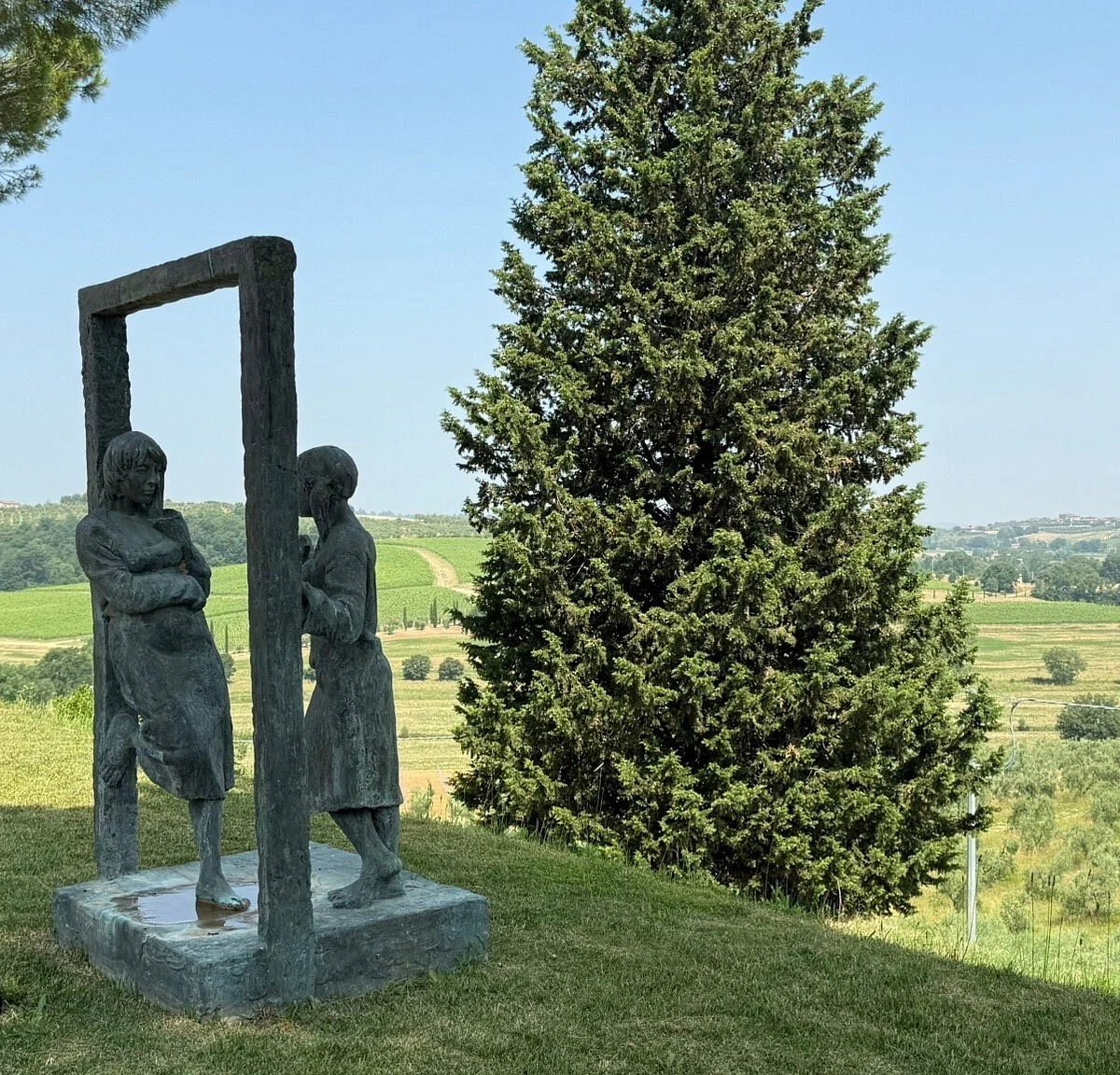
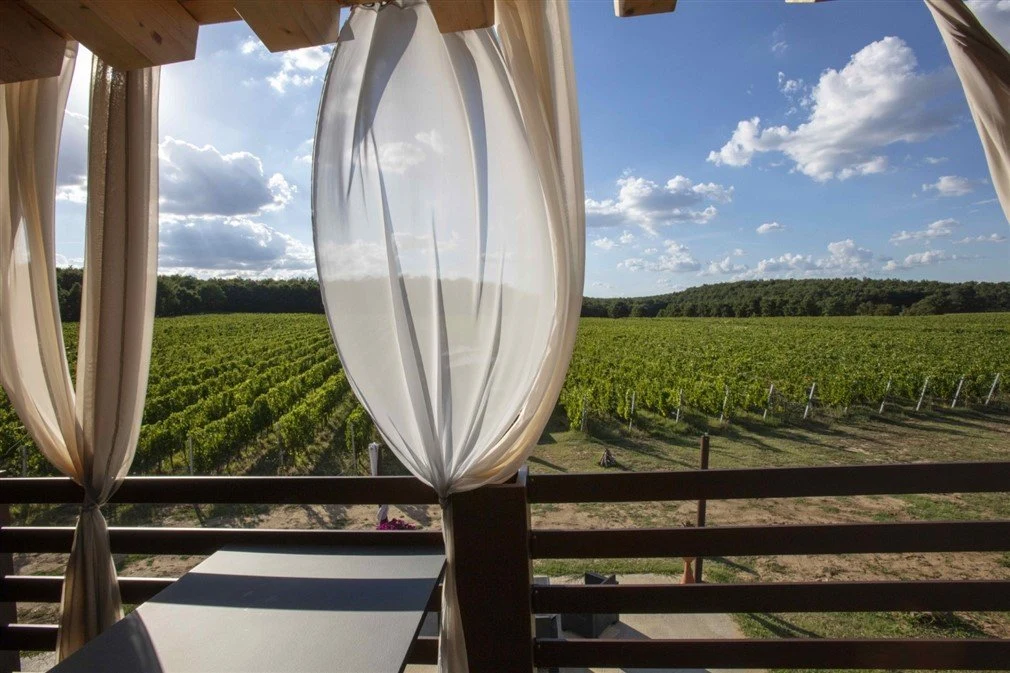
Approaching Vallocaia, the first impression is not machinery or branding but terrain: vineyard rows, open Tuscan hills and the slower rhythm of a working estate built around Vino Nobile di Montepulciano DOCG. Bindella belongs to the kind of Montepulciano visit where the room, the cellar and the cooking are all in service of one question: how Sangiovese behaves in this part of southern Tuscany.
That matters in Montepulciano because Vino Nobile is not a generic Tuscan red category. Its identity rests on Prugnolo Gentile, the local Sangiovese biotype, shaped by altitude, marine-sand soils and the warmth of inland Tuscany. At Vallocaia, the estate works across roughly 150 hectares, with four plots in the Argiano area and a production scale of about 150,000 to 170,000 bottles a year. The numbers place it in the serious estate category, large enough to show range, small enough for the tasting experience to remain attached to place rather than volume.
The Sunday letter
Find new places through the people who run them.
Our Sunday email brings you the chefs, winemakers and hoteliers behind our newest stories. See a sample before you subscribe.
See a sample of the Sunday emailOne email a week. Unsubscribe from any issue.
Sangiovese is the argument, not a supporting grape
Montepulciano rewards visitors who understand that the region’s discipline is quieter than Tuscany’s headline appellations. The wines are built less around power than around site, maturity and the structural language of Sangiovese. Bindella’s focus sits squarely there: Prugnolo Gentile leads the estate’s Vino Nobile program, while Colorino, Canaiolo Nero, Syrah, Merlot and Sauvignon Blanc broaden the range without changing the gravitational pull of the property.
The estate’s clone work gives that focus added depth. More than 30 Sangiovese clones are part of the vineyard approach, including older material, which turns a tasting into a study of variation rather than a simple red-wine flight. The Vallocaia and Fossolupaio vineyards sit at altitude, and the estate’s Vino Nobile is framed through 100% Sangiovese grown in that hill context. For travelers used to Tuscan tastings that move quickly from label to label, this is a more educational mode: the point is to see how one grape carries color, fruit, tannin and shape across different bottlings.
Sustainability here is practical rather than decorative. Organic fertilizers, grassing between vineyard rows and biodiversity management are part of the farming language. Those choices matter because Sangiovese is sensitive to site expression; heavy-handed vineyard work can flatten the differences that Montepulciano is trying to communicate. At Vallocaia, the better reading is through restraint: farming choices are used to keep the soil alive and the wines legible.
The tasting format links cellar, vineyard and table
Modern winery hospitality in Tuscany often splits into two formats: quick counter tastings for travelers passing through, and longer estate visits that connect production with food. Bindella sits in the second camp. The visit type is by reservation, with set tasting flights, food-pairing tastings and vineyard-and-cellar tours forming the core structure. Tour languages include English, Italian, French, German and Chinese, which makes the estate unusually accessible for international visitors without turning the experience into a generic tasting-room script.
The named tasting routes are useful because they separate curiosity levels. Wine Lover introduces bottlings such as Gemella, Fossolupaio, Ardore, Bindella and I Quadri. Sangiovese & Terroir narrows the lens around Montepulciano’s defining grape, moving through labels including Gemella, Fossolupaio, Bindella, I Quadri, Vallocaia and Dolce Sinfonia. Classici & Supertuscans sets local varieties against IGT wines such as Ardore, Antenata and Gioia. That structure gives the visitor a choice: regional literacy, varietal study or a broader Tuscan comparison within the estate’s own range.
Food is not an add-on in this format. The on-site cucina works with seasonal dishes paired to estate wines, and the hospitality leans toward the Tuscan habit of letting wine sit beside cured meats, cheese, garden produce and local pantry staples rather than isolating it in a technical glassware exercise. The estate lists a Gran Tagliere with Cinta Senese cold cuts, Pecorino from Pienza, Tuscan crostino nero and fresh fruit, which is exactly the kind of pairing language that makes Vino Nobile easier to understand: salt, fat, acidity and tannin do the teaching.
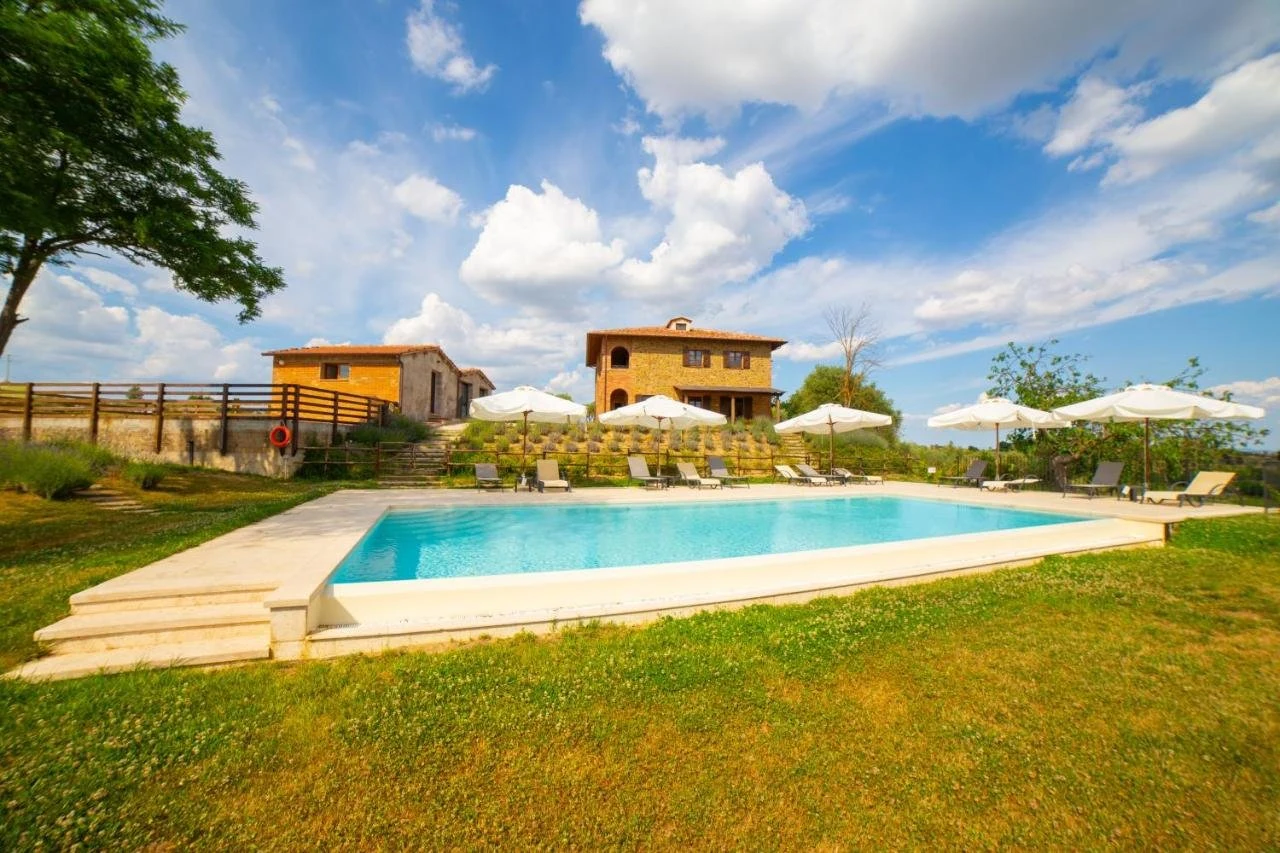
Capacity stays small in feel. Tastings are structured for limited groups, and the quiet noise level suits visitors who want questions answered rather than a room built for spectacle. The estate is also practical for mixed travel days: outdoor seating, on-site parking and a casual dress code make it workable between hill-town wandering and dinner in Montepulciano. For broader planning, pair the winery circuit with Our full Montepulciano restaurants guide, Our full Montepulciano hotels guide, Our full Montepulciano bars guide, Our full Montepulciano wineries guide and Our full Montepulciano experiences guide.
Where it fits in a Montepulciano wine day
The strongest use case is a slow estate visit built around terroir rather than a fast tasting stop. Bindella has been part of the Vallocaia story since 1983, when the estate entered its modern chapter under Rudi Bindella, whose role connects wine, hospitality and gastronomy. That background matters less as biography than as format: this is a winery where the cellar door has been designed to behave like a Tuscan table, with wine, seasonal food and landscape held together in one visit.
For readers mapping a wider Italian wine itinerary, keep the Montepulciano focus tight before widening the net. Nearby planning can include Antico Colle, Avignonesi, Azienda Casale Daviddi, Bindella - Tenuta Vallocaia and Boscarelli. Beyond Tuscany, the same wine-travel research thread can extend to 3GP SRL in Treviso, 47 Anno Domini in Trebaseleghe, A Mano Wine in Noci, »der Steiner« Hans Steiner in Podersdorf am See and & Handwein in Mannheim.
The editorial read is clear: choose this estate when the goal is to understand Montepulciano through Sangiovese, altitude and a table set for wine rather than through cellar theatrics. The panoramic setting helps, but the substance is in the way the visit keeps returning to Vino Nobile’s central grammar: local grape, hill soils, measured farming and food that gives tannin a reason to exist.
Questions
Frequently asked
Who works at Bindella?
Made By profiles Rudi Bindella (Owner) at Bindella.
How expensive is Bindella?
Bindella is listed at a price level of $$.
The field
How it compares
| Place | Notes |
|---|---|
| Bindella | Argiano / Vallocaia (Montepulciano), $$ |
| Fanetti - Tenuta Santa Agnese | Montepulciano |
| I Cipressi | Montepulciano |
| Podere Casanova Montepulciano | Montepulciano |
| Santavenere - Triacca | Montepulciano |
| Terra Antica | Montepulciano |
| Torcalvano Gracciano | Montepulciano |
In residence
Similar places
The Sunday letter
Get the next Made By story in your inbox.
We send one email every Sunday morning with the places and people we covered that week.
See a sample of the Sunday emailOne email a week. Unsubscribe from any issue.