Made ByWinery
Bodega Finca La Anita
- 01CityLuján de Cuyo, Argentina
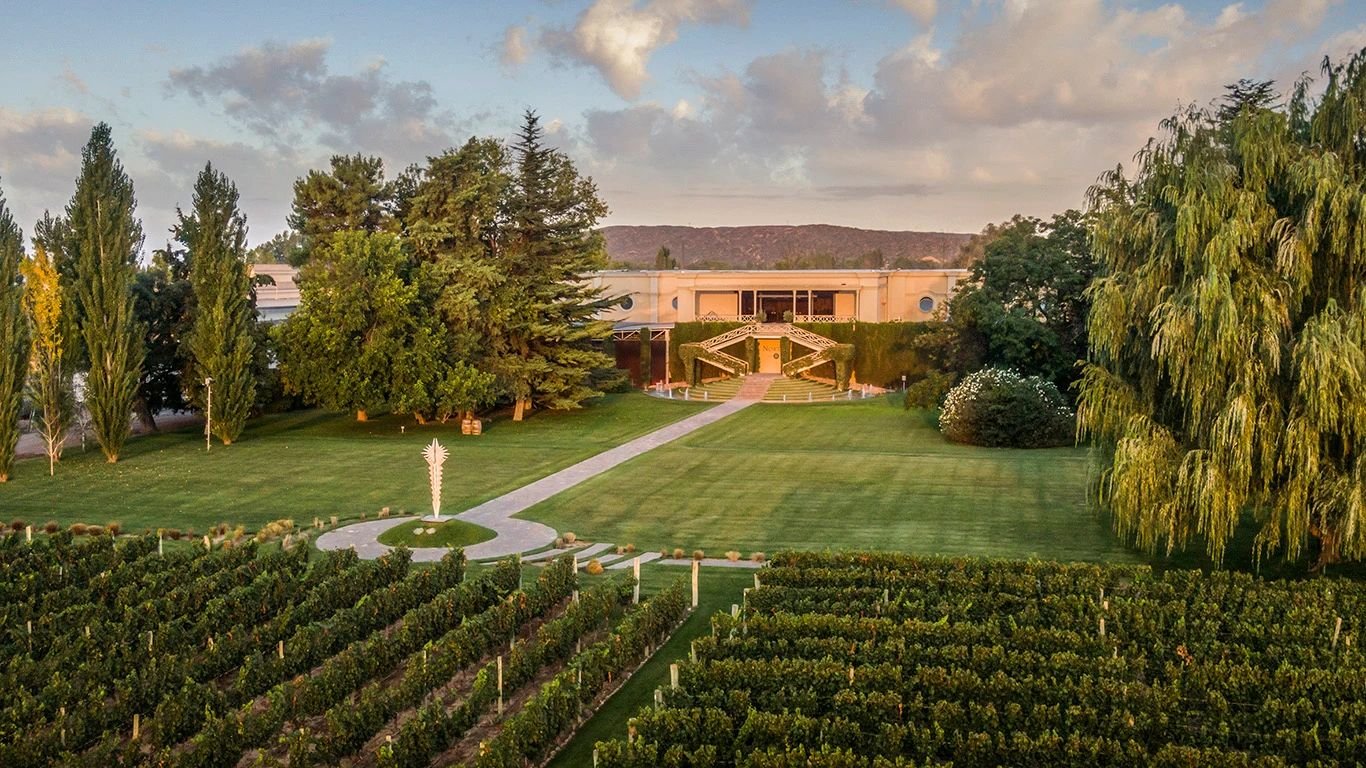
Bodega Finca La Anita sits in Agrelo, one of Luján de Cuyo's most respected sub-appellations, where Andean altitude and alluvial soils define the region's premium Malbec character. Recognised with a Pearl 2 Star Prestige award in 2025, the estate operates in a comparable set defined by terroir-driven production and a clear sense of place. Visits here are framed by the physical drama of the pre-Cordillera at close range.
At a glance
- Price
- $$$
- Per person
- $45
- Neighborhood
- Alto Agrelo
Agrelo, at the Foot of the Andes
The approach to Bodega Finca La Anita tells you something about why Agrelo became one of Luján de Cuyo's defining sub-zones. The road south from Mendoza city passes through increasingly sparse terrain, and by the time Cobos and the surrounding Agrelo flatlands come into view, the Andes feel close in a way that city-based wineries cannot replicate. At around 1,000 metres above sea level, the soils here are stony and well-drained, with alluvial material carried down from the mountains over millennia. That geology is not an abstraction. It shapes the pace at which water moves through the root zone and the thermal range that Malbec vines experience between day and night, factors that Argentine winemakers and critics point to as foundational to what separates Agrelo-grown fruit from lower-altitude production.
Luján de Cuyo was Argentina's first officially recognised appellation of origin, a status it secured decades before the country's wine industry attracted the international attention it now commands. Within that appellation, Agrelo occupies a mid-altitude band that produces wines with more structural weight than the higher-elevation districts of Tupungato or Gualtallary, while retaining the cooling effect that prevents the over-ripeness associated with lower valley floors. Bodega Finca La Anita, at Cobos 13750, sits inside that productive band, a location that places it in direct conversation with some of Mendoza's most serious estate producers.
A 2025 Prestige Recognition in Context
In 2025, Bodega Finca La Anita received a Pearl 2 Star Prestige award in 2025, a recognition that positions it within a tier of producers defined by consistent quality and estate identity rather than volume output. In Luján de Cuyo, that tier is competitive. Neighbours including Cheval des Andes, the Franco-Argentine joint venture drawing on both Pomerol and Mendoza expertise, and Bodega Lagarde, one of the appellation's oldest continuously operating estates, define the benchmark. Bodega Norton, with its long export history and broad range, and Chakana Winery, which has built a following around biodynamic practice, complete a comparable set that spans different production philosophies but shares Luján de Cuyo terroir as a common foundation.
A 2-Star Prestige rating in this context is a meaningful signal. It indicates a producer operating above the regional baseline, with wines that carry the structure and character expected of the appellation at its more serious expression. For visitors planning a tasting itinerary across Luján de Cuyo, it provides a reliable anchor point in the Agrelo area. Durigutti Winemakers, also operating from the appellation, rounds out the local reference points worth considering alongside Finca La Anita for a comparative tasting day.
What the Terroir Produces
Malbec dominates production across Luján de Cuyo, and Agrelo's version of the grape tends toward density and depth. The sub-zone's soils, a mix of sandy loam and stones with good drainage, concentrate flavour without forcing early picking, which means the wines carry ripeness and structure simultaneously rather than trading one off against the other. Cabernet Sauvignon also performs credibly at this altitude, and many Agrelo estates treat it as a serious secondary variety rather than an afterthought blend component.
The comparison with other Argentine wine regions is instructive. Bodega El Esteco in Cafayate works at higher elevation with Torrontés as its headline grape, a different climatic and varietal logic entirely. Bodega Colomé in Molinos pushes into extreme altitude in the Calchaquí Valleys, chasing a different kind of tension in its reds. In the southern Uco Valley, Bodega DiamAndes in Tunuyán operates from alluvial fans at 1,200 metres, producing Malbec and Cabernet with a cooler profile. Rutini Wines in Tupungato and Familia Schroeder in San Patricio del Chañar in Neuquén extend the Argentine premium wine map further. Agrelo's position within this broader picture is as a place where established Luján de Cuyo tradition meets altitude-informed quality, producing wines that are recognisably Mendocino in character while avoiding the heaviness that can affect lower-altitude production.
Visiting the Estate
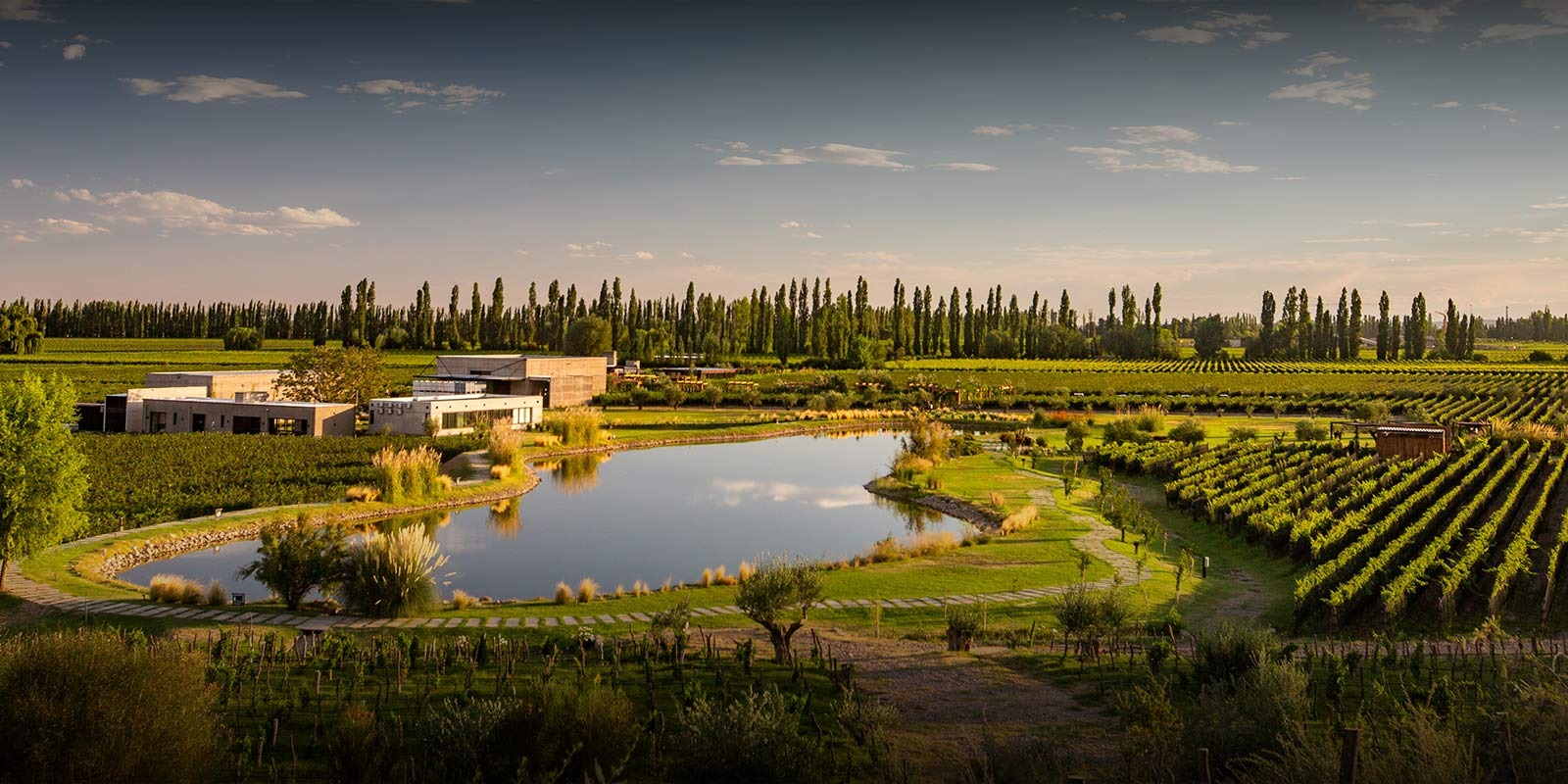
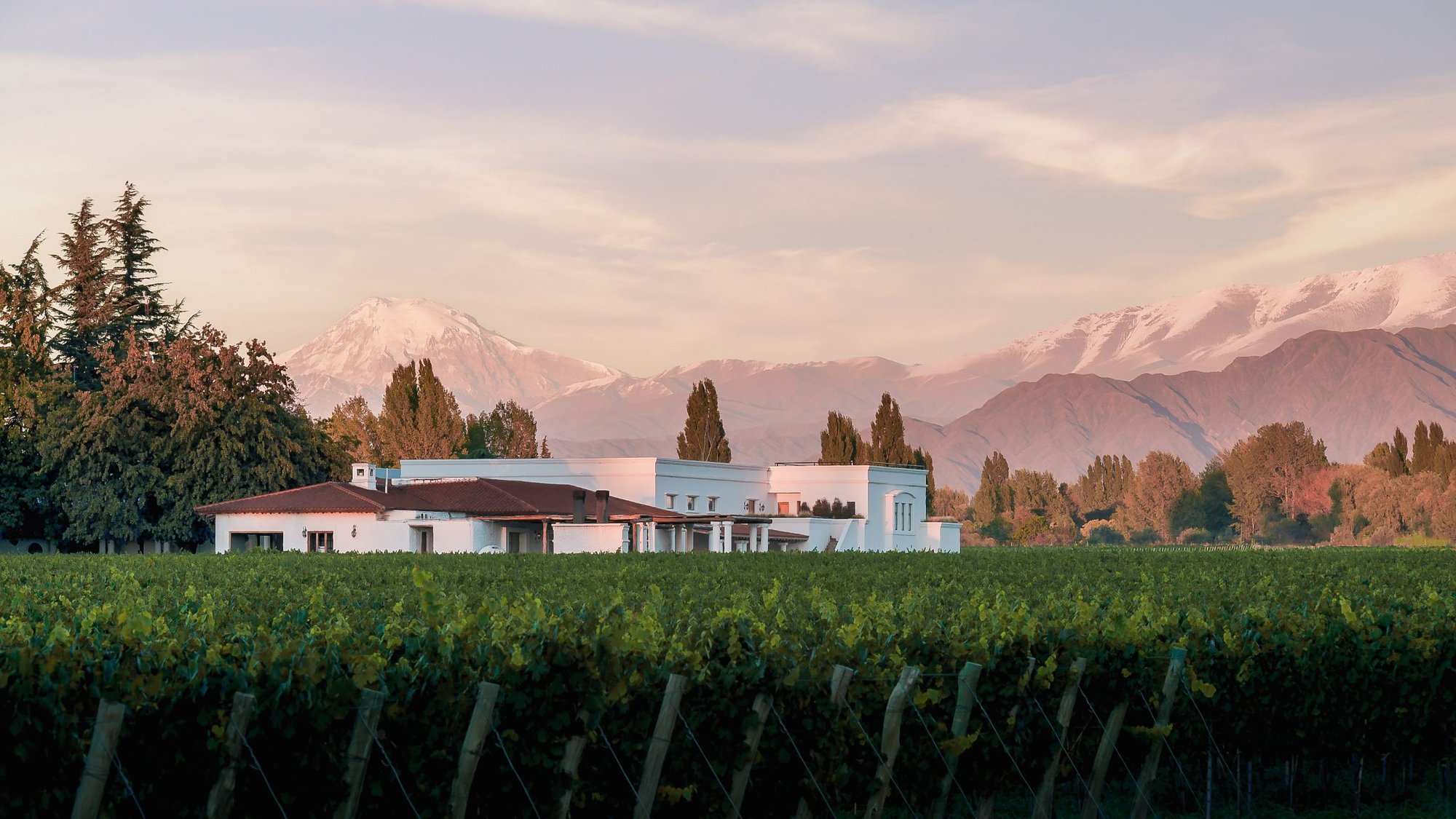
The physical experience of visiting a Luján de Cuyo winery in the Agrelo zone differs meaningfully from urban tasting rooms or smaller cellar-door operations in the city. The estates here are set against a backdrop of vineyards that run in straight rows toward the mountains, with the pre-Cordillera forming a wall of grey and white to the west. In harvest season, roughly March through April in the Southern Hemisphere, vine canopies are at their fullest and the air carries the particular quality of altitude afternoons: clear, dry, and bright. Outside of harvest, the dormant season from June to August reduces vine interest but sharpens the mountain views, with snow on the higher peaks providing a different kind of visual context.
Bodega Finca La Anita sits within driving distance of the broader cluster of Agrelo and Perdriel estates that make up one of Mendoza's most rewarding half-day circuits. The address at Cobos 13750 places the estate in accessible proximity to the Panamericana route connecting Mendoza city to the southern wine zones, making it a natural stop on a route that could extend south to the Uco Valley or loop back north toward the historic Maipú district.
The Broader Argentine Premium Context
Argentina's premium wine scene has consolidated around a smaller group of producers who have moved past generic Malbec and now compete on terroir specificity and estate discipline. That shift is visible in Luján de Cuyo more clearly than almost anywhere else in the country, partly because the appellation has the institutional history to attract serious investment, and partly because the altitude and soil diversity allow genuine differentiation between sub-zones and individual estates. Bodega Finca La Anita's 2025 recognition places it within that consolidated group, alongside international reference points that, while in entirely different categories, share a commitment to place-driven production: Aberlour in Speyside and Accendo Cellars in St. Helena both illustrate how prestige recognition functions as a signal of category seriousness across different producing regions and styles. Closer to home, Escorihuela Gascón in Godoy Cruz and Fratelli Branca in Buenos Aires represent different points on the Argentine drinks map, but the standard of recognition that Finca La Anita has reached in 2025 is one that its Agrelo and Luján de Cuyo peers would recognise as meaningful.
Know before you go
- Dress code
- smart_casual
- Reservations
- recommended
- Parking
- on_site_lot
- Payment
- credit_card, cash
- Outdoor seating
- Yes
- Groups
- Welcomed
- Children
- Welcomed
Frequently asked
Where is Bodega Finca La Anita located?
Bodega Finca La Anita is located at Cobos 13750, M5509 Agrelo, Mendoza, Luján de Cuyo.
Is Bodega Finca La Anita recognized by any major rating lists?
Bodega Finca La Anita has received recognition including: Pearl 2 Star Prestige (2025).
What wines should I try at Bodega Finca La Anita?
Agrelo's position within Luján de Cuyo makes it one of the sub-zones most associated with structured, age-worthy Malbec — the soils and altitude push the grape toward density rather than easy fruit. Finca La Anita's Pearl 2 Star Prestige recognition in 2025 signals a producer operating at a level where terroir-specific bottlings are the focus. Specific current releases are best confirmed directly with the estate before visiting.
What makes Bodega Finca La Anita worth visiting?
The estate sits in Agrelo at Cobos 13750 — a southern pocket of Luján de Cuyo where the approach to viticulture tends to be more deliberate than in higher-volume Mendoza zones. A Pearl 2 Star Prestige award in 2025 places Finca La Anita among a defined group of Argentine producers competing on terroir specificity rather than volume. For visitors tracking the evolution of premium Argentine wine beyond generic varietal bottlings, this sub-zone and this producer are directly relevant.
Address
Cobos 13750, M5509 Agrelo, Mendoza
Alto Agrelo
How it compares
Bodega Finca La Anita
- Notes
- Alto Agrelo, Malbec, Cabernet Sauvignon
- Price
- $$$
Lamadrid Estate Wines
- Notes
- Agrelo, Malbec, Cabernet Franc
- Price
- $$$
Bodega Weinert
- Notes
- Luján de Cuyo, Malbec, Cabernet Sauvignon
- Price
- $$$
Bodega Casarena
- Notes
- Perdriel, Luján de Cuyo, Malbec, Cabernet Sauvignon
- Price
- $$$
Cheval des Andes
- Notes
- Luján de Cuyo, Malbec, Cabernet Sauvignon
- Price
- $$$$
Nieto Senetiner
- Notes
- Vistalba, Malbec, Bonarda
- Price
- $$