Made ByWinery
Bodega Suter
- 01CitySan Rafael, United States
Bodega Suter holds a Pearl 1 Star Prestige (2025), positioning it among San Rafael's most formally recognised producers in a wine region that remains underexposed relative to its output. The tasting experience here sits within a broader tradition of Mendoza-adjacent, high-altitude viticulture that the San Rafael appellation has quietly refined for generations. For visitors approaching Argentine wine beyond the Luján de Cuyo circuit, Suter offers a considered entry point.
San Rafael's Tasting Room Tradition and Where Suter Sits Within It
Argentina's wine story gets told, repeatedly, through Mendoza city and the Luján de Cuyo corridor. San Rafael, located roughly 230 kilometres to the south, produces under different thermal conditions, with greater diurnal temperature variation and a distinct rainfall pattern that pushes viticulture toward concentration without the heat-driven weight common further north. The region has its own appellation identity, and the producers working within it, including Bodega Valentín Bianchi, Bodega Goyenechea, and Bodega Jean Rivier, have developed tasting room cultures that reflect the area's relative quietness: less theatre than Luján, more emphasis on the liquid in the glass.
Bodega Suter fits within that tradition. It carries a Pearl 1 Star Prestige award for 2025, a credential that positions it at a recognised level of quality within the formal evaluation frameworks applied to Argentine producers. That kind of recognition, earned in a region that doesn't generate the same volume of critical attention as Mendoza's central belt, signals a producer operating with deliberate intent rather than riding an established appellation wave.
Approaching the Experience: What the Tasting Room Format Signals
Tasting rooms in San Rafael generally fall into two broad formats. The first is the large-estate model, where visitor infrastructure scales to match production volume and the experience is efficient but broad. The second is the more focused producer visit, where the ratio of wine to context shifts: fewer labels, more explanation, a format that rewards visitors who arrive with some knowledge of Argentine viticulture and want to test that knowledge against what's in the glass.
The Pearl 1 Star Prestige credential suggests a producer whose wines repay attention. Staff at producers operating at this tier are generally calibrated to discuss the wines technically rather than simply pour them. The conversation at the table tends to track toward site, elevation, and variety selection rather than staying at the level of brand story.
For context on what that kind of producer visit looks and feels like across different wine regions, the spectrum runs wide. At one end, properties like Alpha Omega Winery in Rutherford or Artesa Vineyards and Winery in Napa operate within a high-infrastructure, high-visitor-volume model that Californian wine tourism has refined over decades. At the other end, producers like Adelsheim Vineyard in Newberg or Au Bon Climat in Santa Barbara have built reputations that draw visitors on the strength of the wine program alone, with the tasting experience structured around that rather than around scenery or architecture. San Rafael producers, Suter among them, tend to operate closer to the latter end of that spectrum.
The San Rafael Wine Context: Reading the Appellation
Understanding what Bodega Suter produces requires some orientation to what San Rafael does well as a growing zone. The Atuel and Diamante rivers shape irrigation patterns across the region's vineyards, and the elevation range, generally between 600 and 900 metres, creates growing conditions that differ meaningfully from the lower-altitude zones of central Mendoza. Malbec planted here typically shows different textural properties than Luján examples, the cooler nights slow phenolic development and preserve acidity in ways that can extend ageing potential.
That distinction matters for the tasting room experience. When a San Rafael producer walks a visitor through a range, the comparison isn't only internal. The wines are implicitly positioned against what Mendoza's central belt does with the same varieties, and a thoughtful visit to a producer like Suter becomes, almost unavoidably, a lesson in appellation character. Producers in comparable positions, working with altitude-influenced material, seeking formal recognition, operating in a region that hasn't yet attracted the same volume of international attention, include Adelaida Vineyards in Paso Robles and Alban Vineyards in Arroyo Grande, both of which have built identities in California appellations that operate somewhat in the shadow of larger, better-marketed neighbours.
Formal Recognition and What It Means in Practice
The Pearl 1 Star Prestige (2025) that Bodega Suter carries is the relevant trust signal for a visitor deciding how to allocate time in San Rafael. Award frameworks applied to Argentine wine have become more granular over the past decade, and a prestige-tier recognition from a formal evaluation body is not awarded to producers whose output sits at a generic commercial level. It implies a degree of quality consistency, some level of investment in either viticulture or vinification (usually both), and wines that hold up under structured assessment rather than casual tasting conditions.
For the visitor, this translates practically: the wines at Suter are worth approaching with some attention. This is not the kind of producer where you arrive, pour through a lineup quickly, and leave with a bottle of the easiest-drinking red. The recognition suggests a range with some complexity, and the tasting experience is likely structured to communicate that.
For broader comparisons across wine regions receiving similar formal recognition, Accendo Cellars in St. Helena, Andrew Murray Vineyards in Los Olivos, and Alexander Valley Vineyards in Geyserville all demonstrate how award-tier producers approach the visitor experience differently depending on the scale and character of their operations. The commonality is that the visit has been designed to reflect the wine program, not merely to process guests.
Planning a Visit: Practical Orientation
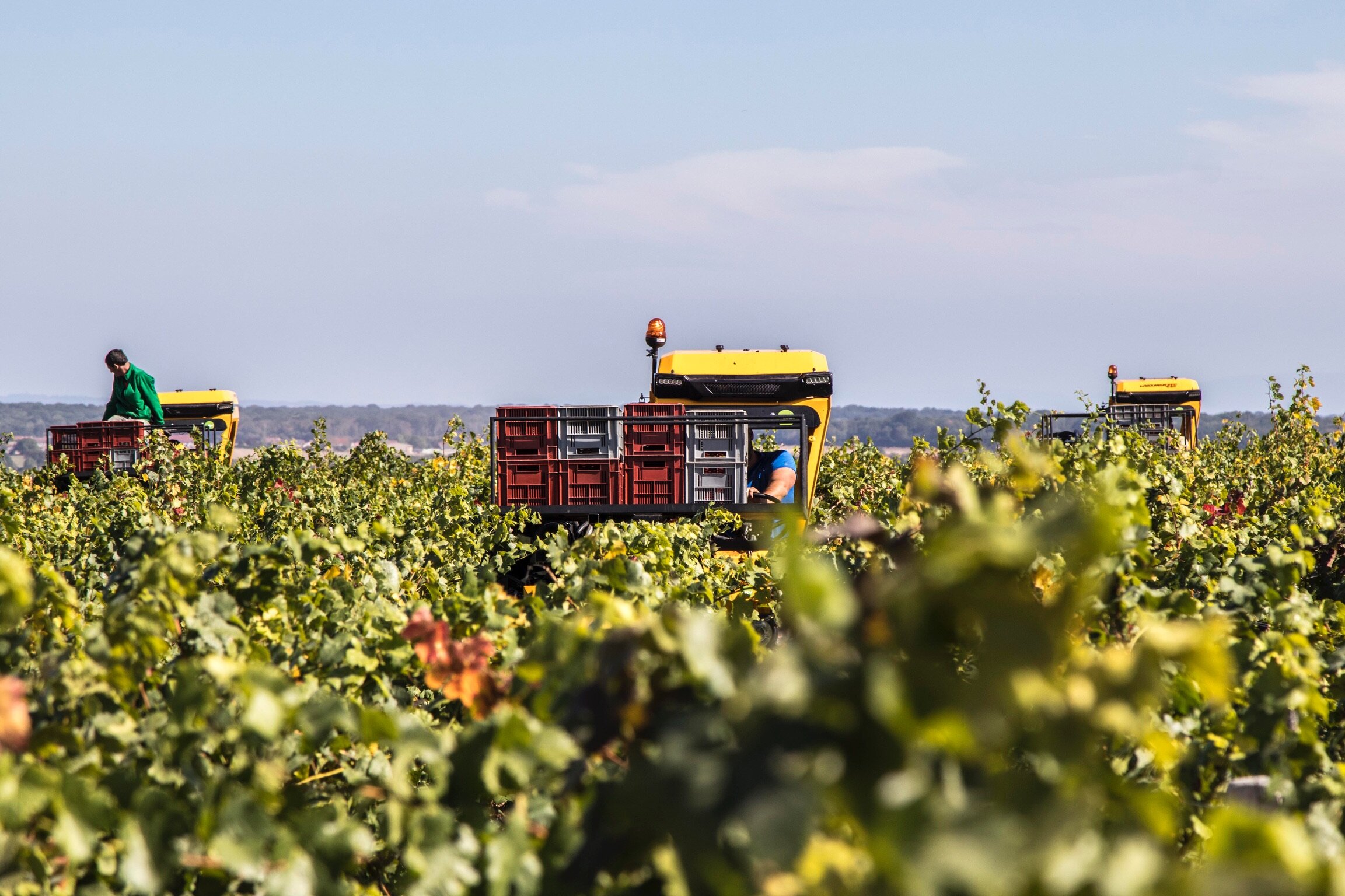
San Rafael is accessible from Mendoza city by road, and the journey south is itself useful context for understanding the shift in landscape and elevation that shapes the appellation. As with most San Rafael wineries, visits outside of peak Argentine summer tend to be quieter, and the shoulder seasons around harvest (late February through April) offer the practical advantage of seeing vineyard activity alongside the tasting room experience.
Visitors building a San Rafael itinerary would do well to treat Suter as part of a focused producer circuit rather than a standalone stop, given that the region rewards comparison across its producers. Pairing the visit with stops at Bodega Jean Rivier and Bodega Valentín Bianchi builds the kind of appellation literacy that a single visit rarely delivers on its own. For visitors with broader Argentine wine interests, producers like Achaia Clauss and Aberlour offer reference points for how old-world producer heritage translates into tasting room culture across very different wine traditions.
Frequently asked
Is Bodega Suter more formal or casual?
Bodega Suter operates as a tasting room destination in San Rafael, which positions it closer to the vineyard visit format than a fine-dining reservation. That said, the Pearl 1 Star Prestige (2025) recognition signals a level of curation that separates it from drop-in cellar doors. Visitors should expect a structured tasting experience rather than a purely self-guided tour.
Is Bodega Suter recognized by any major rating lists?
Bodega Suter has received recognition including: Pearl 1 Star Prestige (2025).
What's the best wine to try at Bodega Suter?
San Rafael's growing conditions, shaped by the Atuel and Diamante rivers at elevations that differ meaningfully from Luján de Cuyo, favour varieties that express cooler diurnal shifts. To get the most from a visit to a Pearl 1 Star Prestige property in this appellation, ask staff to anchor your tasting around the wines that reflect the estate's interpretation of the San Rafael terroir specifically.
What is Bodega Suter known for?
Bodega Suter is one of the established wine producers in San Rafael, the southern Mendoza appellation that sits roughly 230 kilometres from Mendoza city and operates largely outside the mainstream visitor circuits. The bodega holds a Pearl 1 Star Prestige award (2025), which places it among formally recognised producers in the region and gives it a credential that distinguishes it from the broader San Rafael estate cluster.
How hard is it to get in to Bodega Suter?
San Rafael wineries rarely carry the same booking pressure as high-demand Mendoza city restaurants or Luján de Cuyo marquee estates. Bodega Suter's Pearl 1 Star Prestige (2025) may attract more advance planning than a typical cellar door, but San Rafael's position outside the main tourist corridor generally means access is more considered than competitive. Checking ahead for tasting availability is advisable for weekend visits.
How does Bodega Suter's Pearl 1 Star Prestige recognition compare to other wineries in San Rafael?
The Pearl 1 Star Prestige (2025) is a formal award designation that places Bodega Suter among a selective tier of recognised producers in Argentina. San Rafael as an appellation has historically been overshadowed by Mendoza city's marketing pull, which means formally awarded estates in the region carry added weight as orientation points for visitors allocating time in the south. For travellers arriving in San Rafael specifically to explore the wine scene, Suter's award credential makes it a logical anchor for a tasting itinerary.
How it compares
Bodega Suter
- Cuisine
- Winery
- Awards
- 1 recognition
- Notes
- San Rafael
Bodega Jean Rivier
- Cuisine
- Winery
- Awards
- 1 recognition
- Notes
- San Rafael
Bodega Goyenechea
- Cuisine
- Winery
- Awards
- 1 recognition
- Notes
- San Rafael
Bodega Valentín Bianchi
- Cuisine
- Winery
- Awards
- 1 recognition
- Notes
- San Rafael
Ascendant Spirits
- Cuisine
- Winery
- Awards
- 1 recognition
- Notes
- Buellton
Prager Winery & Port Works
- Cuisine
- Petite Sirah, Chardonnay
- Awards
- 1 recognition
- Notes
- St. Helena, $$