Bodega Valentín Bianchi sits at the intersection of Alto Las Paredes terrain and San Rafael's established winemaking tradition, earning a Pearl 1 Star Prestige in 2025. The property operates at the higher end of San Rafael's winery tier, positioning it alongside recognised names such as Bodega Goyenechea and Bodega Jean Rivier in a region that is still largely off the radar for international wine travellers.
Bodega Valentín Bianchi is a winery in Alto Las Paredes, San Rafael, Mendoza, at Ruta 143 & Valentín Bianchi St. Bodega Valentín Bianchi sits at the corner of Ruta 143 and Valentín Bianchi Street in this district, and the address itself signals something about how the winery fits into San Rafael's geography. This is not a city-centre tasting room or an industrial estate bottling facility; it is planted in the agricultural fabric of a region that has been growing wine grapes at altitude for well over a century.
San Rafael occupies a distinct position within Mendoza Province. Mendoza's northern zones, particularly Luján de Cuyo and the Uco Valley, attract the bulk of international attention, but San Rafael operates at a higher average altitude and with a cooler growing season, conditions that historically supported a different style of viticulture. The region's producers tend to draw from a deep local tradition rather than chasing the export-facing format that defines much of northern Mendoza's contemporary premium offer. Visiting San Rafael wineries, including those in Alto Las Paredes, requires deliberate planning; this is not a circuit that rewards a casual day trip from Mendoza city without prior arrangements.
Bodega Valentín Bianchi received a Pearl 1 Star Prestige award in 2025. The relevant comparison is local: Bodega Goyenechea, Bodega Jean Rivier, and Bodega Suter are among the wineries that define San Rafael's established category; Bianchi sits within that tier and is measured against it rather than against the larger Mendoza city operations or internationally distributed brands.
That context matters for how a visitor should approach the visit. San Rafael's premium wineries do not generally compete on the same axes as Napa or Uco Valley showcase estates. There is less emphasis on architectural spectacle and visitor-centre programming, and more on direct engagement with the wine and the land. Producers at this level in the region tend to offer a closer and more considered experience than the scale of their international counterparts would suggest. For comparison across the EP Club winery network, operations like Accendo Cellars in St. Helena or Alpha Omega Winery in Rutherford occupy a different tier partly because their regional infrastructure supports a different visitor economy. San Rafael remains less built-out for tourism, which keeps entry-points lower and visits more focused.
Alto Las Paredes benefits from the same elevation and diurnal temperature swing that defines San Rafael's agricultural character. The daily temperature differential between daytime highs and night-time lows in this zone is considerable, and that shift is one of the primary reasons San Rafael's red wines can carry both concentration and structural freshness. Malbec planted at altitude in this southern Mendoza zone tends to produce a different register than the richer, darker profile associated with lower-altitude Luján de Cuyo plantings: less glycerol weight, more defined tannic architecture, and a cooler aromatic profile.
Regions that share this high-altitude, wide-diurnal-range logic often produce wines that age with more grace than their early-release versions suggest. The same principle applies across the EP Club winery network in comparable climates: Adelaida Vineyards in Paso Robles uses its western-slope elevation and marine-influenced temperature swings to similar structural effect, while Adelsheim Vineyard in Newberg exploits Oregon's cool-to-warm swing for Pinot precision. The underlying logic, that temperature variation between day and night preserves acidity while sunlight accumulates phenolic ripeness, is consistent across all three regions, even though the grape varieties and stylistic outcomes differ considerably.
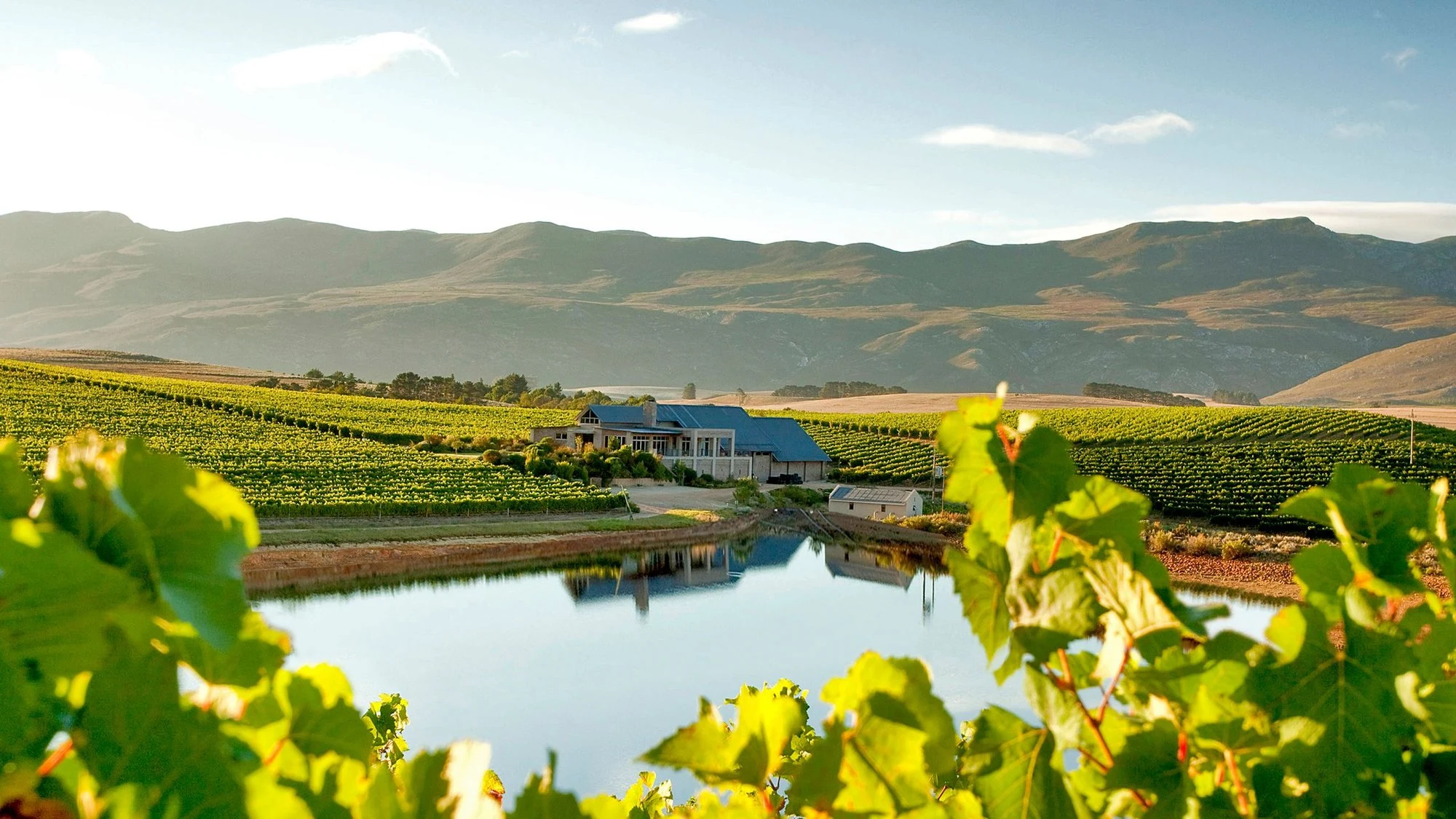
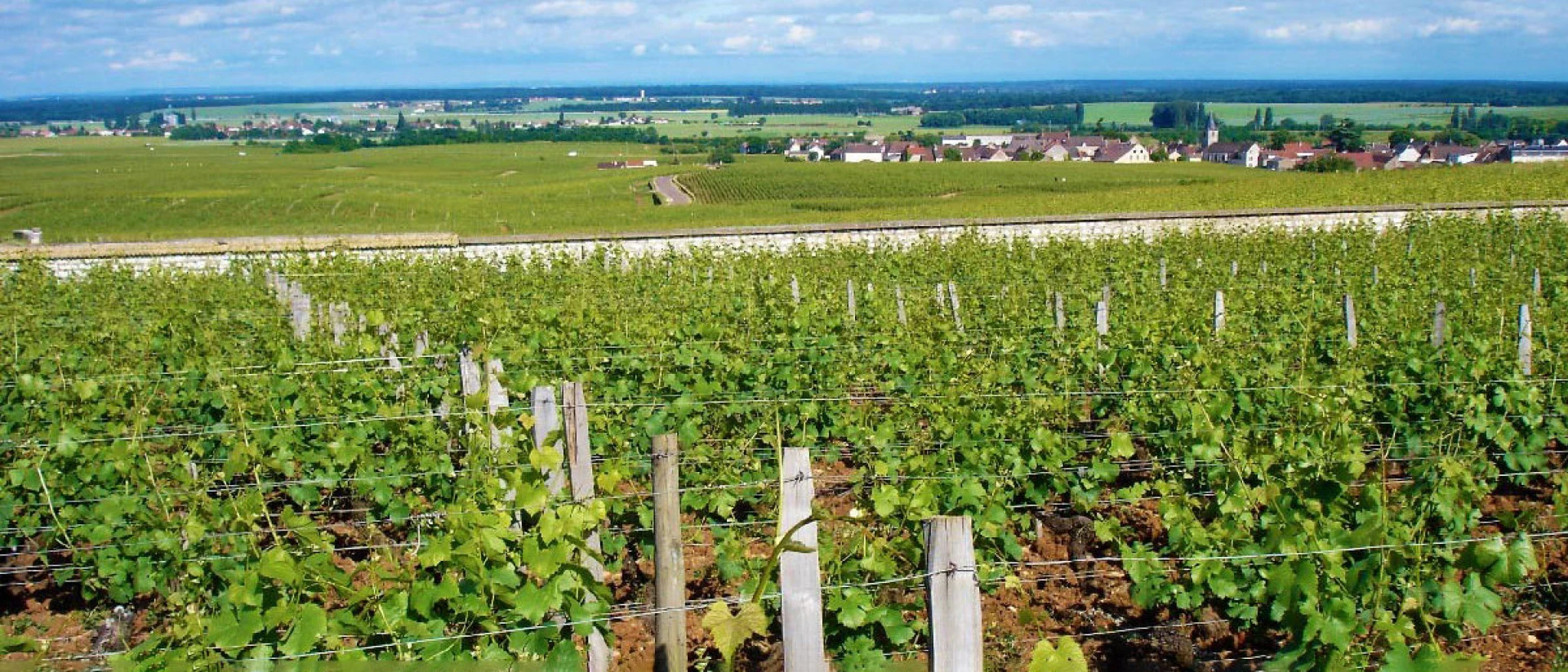
For a visitor approaching Alto Las Paredes from the perspective of place rather than brand, the vineyard environment itself is part of the proposition. The Andes backdrop that frames the property is not decorative; it is the explanation for the climate that produces the wine. Visitors who understand that connection tend to read the wines differently on the palate.
San Rafael's producers have historically operated in the shadow of greater Mendoza's marketing apparatus. The northern zones, with their proximity to the provincial capital, their international airport, and their density of high-profile export labels, have commanded most of the international wine press coverage. San Rafael's producers, including those at the Pearl 1 Star Prestige level, are in many cases doing work that is not yet well-reflected in international visibility.
That asymmetry is relevant to any serious wine traveller. Properties like Bodega Valentín Bianchi are positioned to offer access at a level that comparable-quality producers in Napa or even northern Mendoza would not offer, because the regional visitor infrastructure here has not yet priced in the level of recognition the wine quality warrants. The dynamic is comparable to what happened in regions like Santa Barbara County in California before broader critical attention arrived: Au Bon Climat in Santa Barbara built a strong reputation well before the region's tourism infrastructure caught up with its wine quality. San Rafael may be at an earlier version of that curve.
Producers at the other end of the EP Club network, such as Andrew Murray Vineyards in Los Olivos or Alban Vineyards in Arroyo Grande, illustrate how regional Rhône-variety specialists can sustain deep critical credibility with relatively limited visitor infrastructure. San Rafael's relationship with Malbec, Cabernet, and Bonarda operates on a similar axis: the critical case for the region is built on the wines, not on lifestyle amenities.
Getting to Alto Las Paredes requires either a rental car or a pre-arranged transfer from San Rafael city; public transport does not serve the winery zone with any practical reliability. The internal San Rafael roads are generally good by rural Argentine standards, but distances between properties are real, and attempting multiple winery visits in a single morning without a driver is not advisable.
Travellers should confirm current visit availability through the San Rafael tourism office or their accommodation concierge before travelling.
Seasonal timing matters in this region. Harvest runs roughly from late February through April, when the property is operationally focused on production rather than visitors. The autumn period after harvest and the spring shoulder season before the growing season accelerates are generally the most practical windows for a considered visit. Summer in San Rafael brings intense midday heat; tastings scheduled for early morning or late afternoon are considerably more pleasant than midday sessions in the vineyard.
For visitors assembling a broader Andes-and-wine itinerary, the EP Club network covers comparable-tier producers across Argentina, Chile, California, and Oregon. Properties such as Artesa Vineyards and Winery in Napa, Alexander Valley Vineyards in Geyserville, and international producers including Aberlour in Aberlour and Achaia Clauss in Patras provide cross-reference points for understanding where San Rafael fits in the global winery tier structure.
Bodega Valentín Bianchi is located at Ruta 143 & Valentín Bianchi St., Alto Las Paredes, San Rafael, Mendoza, San Rafael.
Bodega Valentín Bianchi has received recognition including: Pearl 1 Star Prestige (2025).
What the 2025 Pearl 1 Star Prestige recognition does signal is a production standard that puts Valentín Bianchi among San Rafael's credentialed producers. Alto Las Paredes, the zone where the winery sits, benefits from elevation and wide diurnal temperature swings that favour structured reds and aromatic whites — the same conditions that define San Rafael's agricultural character.
The clearest verifiable answer is consistency at scale within San Rafael's wine tier: the 2025 Pearl 1 Star Prestige award places Valentín Bianchi in a defined peer group within the region, which historically operates outside greater Mendoza's northern marketing apparatus. The Alto Las Paredes address also matters — producers at that altitude and latitude work with a terroir distinct from Luján de Cuyo or the Uco Valley, giving San Rafael wines a character that earns attention on their own terms rather than by proximity to more publicised zones.
Alto Las Paredes does not have public transport access, so logistics are the primary planning constraint: a rental car or pre-arranged transfer from San Rafael city is required before booking anything else. Given the 2025 Pearl 1 Star Prestige recognition, demand during Mendoza's peak harvest season (March to April) and the southern hemisphere autumn travel window will be higher than the region's baseline.
San Rafael sits roughly 200 kilometres south of Mendoza city, placing it outside the Luján de Cuyo and Uco Valley circuits that dominate international wine tourism. That geographic separation has historically kept San Rafael producers, including Valentín Bianchi, off the main wine route itineraries despite holding verifiable credentials — in Valentín Bianchi's case, a 2025 Pearl 1 Star Prestige award. The Alto Las Paredes sub-zone specifically works with elevation and thermal range conditions that are distinct from the northern zones, producing wines with a regional identity that rewards visitors willing to add the drive south.
Ruta 143 & Valentín Bianchi St., Alto Las Paredes, San Rafael, Mendoza
Bodega Valentín Bianchi
Bodega Jean Rivier
Bodega Goyenechea
Bodega Suter
Eaglepoint Ranch
Harper’s Rest