
Neapolitan dough, Beijing fire
- 50 Top Pizza Asia-Pacific #10 · 2026
- 50 Top Pizza World #50 · 2026
- 50 Top Pizza World Best Pizza #51 · 2025
The oven sets the station
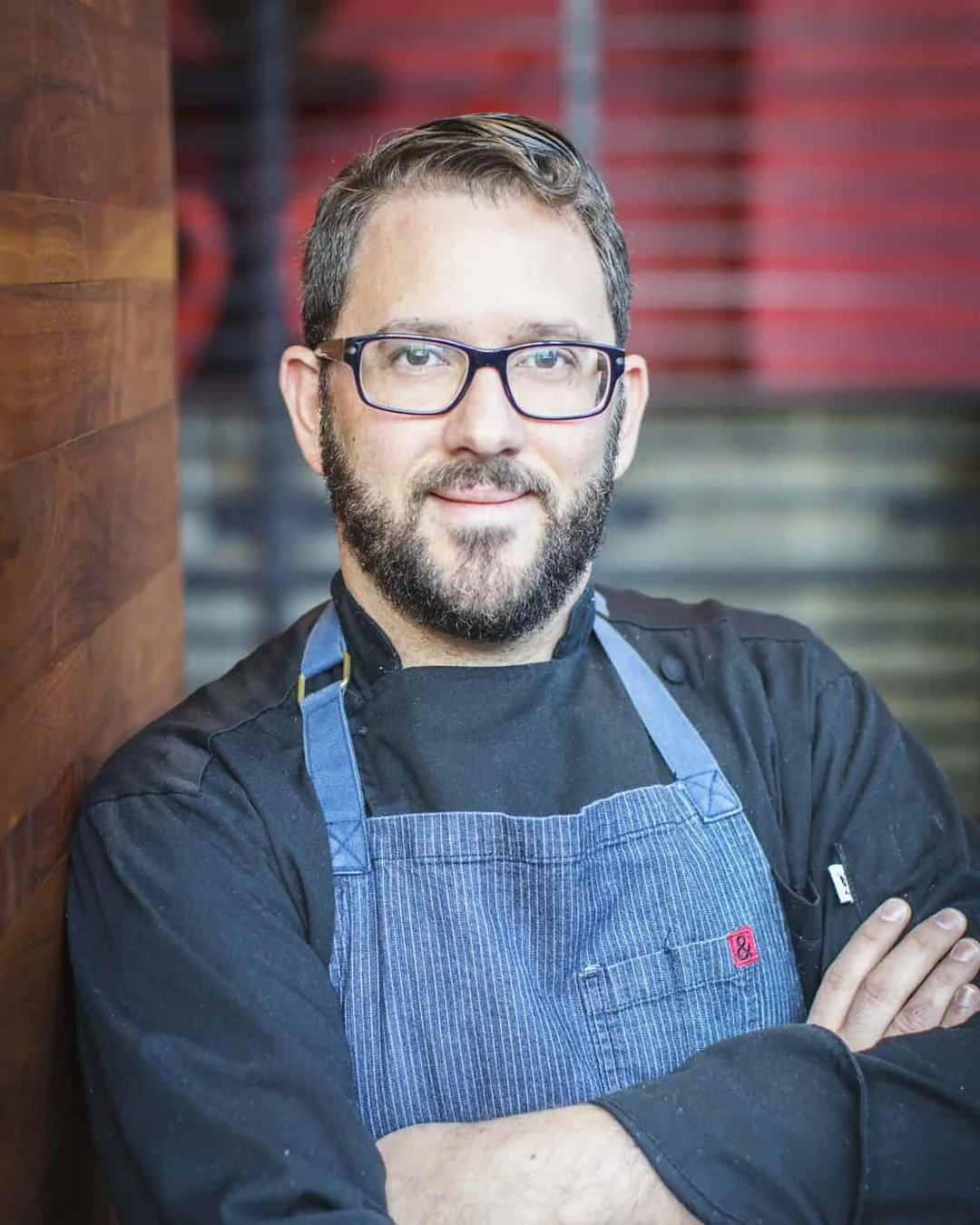
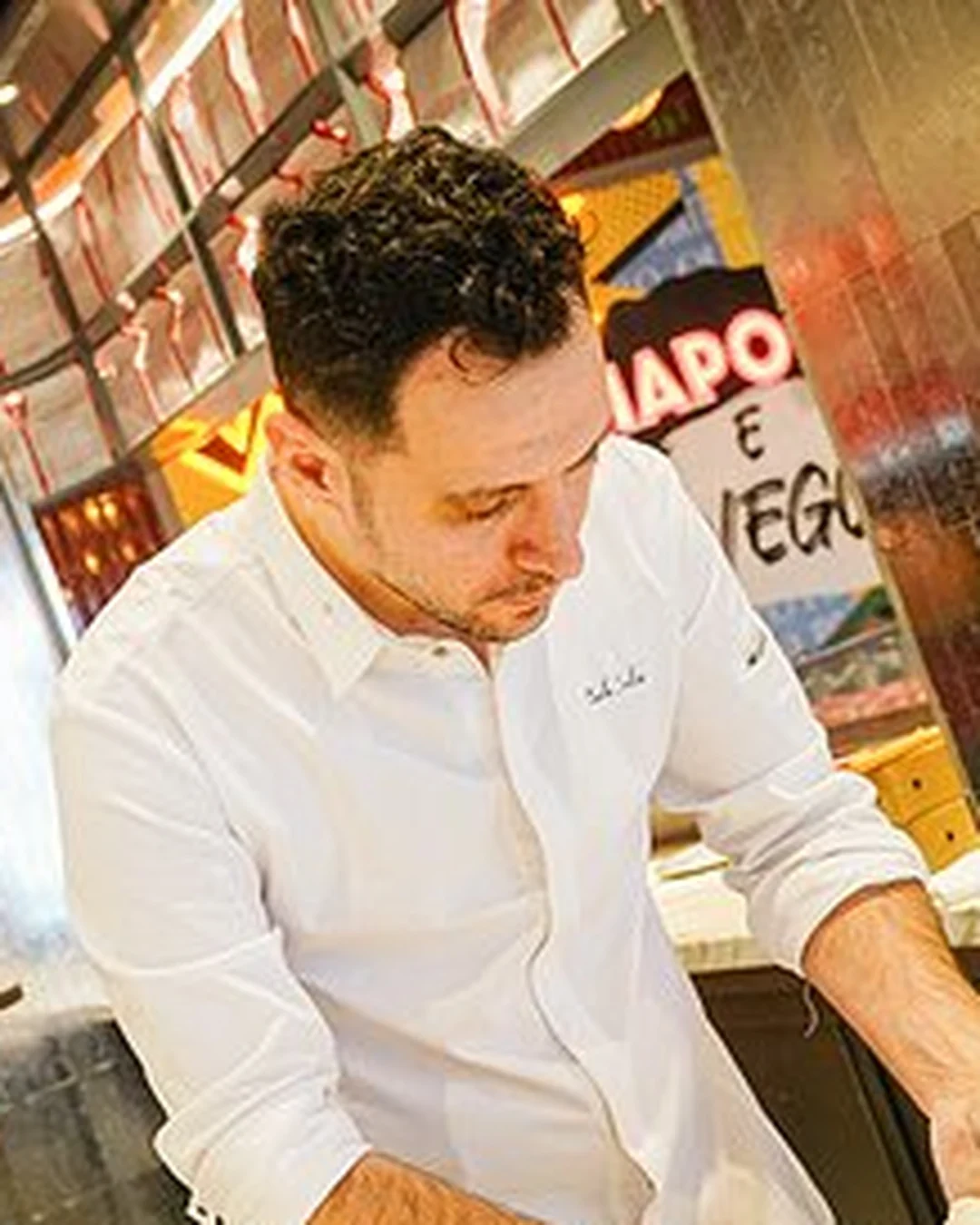
Paolo Salvo reads the heat at the red wood-fired oven as chef at Bottega in Xinyuanli, Beijing, before the dough reaches the peel. His work here sits in the narrow register of Neapolitan pizza, where the hand has little room to hide: dough opened without force, toppings held in proportion, the bake judged by seconds, flame and lift. Salvo is a third-generation pizzaiolo from Naples, and Bottega gives that lineage a public station in Beijing rather than treating it as decoration. The craft is carried in repetition, not ceremony.
His route into the work includes technical training at Istituto Tecnico Industriale Galileo Ferraris and time as master pizzaiolo with Bottega in Shanghai, a setting that asked for control at pace. At the Xinyuanli room, that discipline returns to the bench each service. Bottega belongs to BFB Group, and a custom 3-ton oven imported from Naples anchors the kitchen, with the menu built around what that oven can do to flour, water, tomato, cheese and heat.
The Sunday letter
Find new places through the people who run them.
Our Sunday email brings you the chefs, winemakers and hoteliers behind our newest stories. See a sample before you subscribe.
See a sample of the Sunday emailOne email a week. Unsubscribe from any issue.
A Neapolitan method under Beijing pressure
Bottega opened in Beijing in 2014 with a traditional pizza program at its centre, then widened around pastas, small plates and Italian classics without moving the pass away from the oven. The signature dishes show the span: Beef Rib Pizza, Slow-cooked Beef Sauce Pasta and Four Seasons Pizza. The beef sauce carries a 6-hour stew of Australian beef brisket, red wine and tomatoes, a different patience from pizza but the same demand for timing. One dish asks for slow reduction; the other asks for a fast, clean finish.
The approach is traditional rather than nostalgic. Salvo works with imported Neapolitan technique and ingredients where the house chooses them, then folds the menu into the appetite of a Beijing dining room that moves from families to business tables to late groups of friends. Bottega’s award count belongs to the house, with 2 total awards and 1 in the current year, but the daily measure is still the bake: a rim that rises, a base that holds, a topping line that does not turn abundance into weight.
The room around the pass
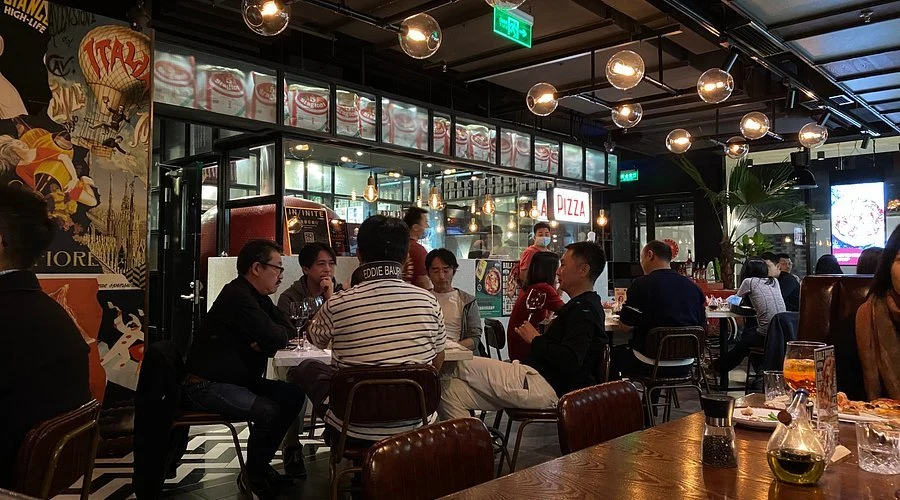
The Xinyuanli restaurant sits at Jinshang Building, close to Liangmaqiao, with the open kitchen doing much of the room’s talking. The atmosphere is lively rather than hushed. Guests see the bench, the peel, the oven mouth and the quick exchange at the pass; the pizza program is not hidden behind a back wall. Italian-inspired decor gives the room its warmth, but the better texture comes from service in motion, plates crossing from fire to counter while the bar and tables keep their own rhythm.
That openness matters because Neapolitan pizza is a visible discipline. A stretched base can be overworked. A pie can sit too long before the fire. The pass makes those decisions immediate, and Salvo’s station lets the room read the method as it happens. When the service tightens, the most concrete thing in the restaurant remains Bottega’s red oven.
Questions
Frequently asked
Who cooks at Bottega?
Chef Paolo Salvo works the red wood-fired oven at Bottega in Xinyuanli. He is a third-generation pizzaiolo from Naples, and the restaurant’s pizza program is built around his Neapolitan method.
What kind of food does Bottega serve?
Bottega serves authentic Neapolitan pizza, with pastas, small plates and Italian classics alongside it. The signature dishes listed for the restaurant are Beef Rib Pizza, Slow-cooked Beef Sauce Pasta and Four Seasons Pizza.
What is Bottega known for in the kitchen?
A custom 3-ton oven imported from Naples anchors the kitchen, and the menu is shaped around what that oven can do to flour, water, tomato, cheese and heat. The restaurant opened in Beijing in 2014 with a traditional pizza program at its centre.
Do people need to book, and is there a dress code?
Reservations are recommended. The dress code is smart casual.
What price level should diners expect?
Bottega is in the $$$ price tier, with an approximate spend of $35 per person.
The field
How it compares
| Place | Cuisine | Notes | Awards |
|---|---|---|---|
| Bottega | Authentic Neapolitan Pizza | Sanlitun, $$$ | · |
| Blackswan | Modern French Fine Dining | Beijing | Michelin 1 Star |
| Chao Shang Chao (Chaoyang) | Modern Teochew (Chaoshan) Fine Dining | Beijing | Michelin 3 Stars |
| Chef 1996 | Refined Sichuan Fine Dining | Beijing | World's 50 Best |
| Jing | Modern French with Asian Influences | Beijing | Michelin 1 Star |
| King's Joy | Modern Vegetarian Chinese Fine Dining | Beijing | Michelin 2 Stars |
| Lamdre | Modern Plant-Based Chinese Vegetarian | Beijing | Michelin 1 Star, World's 50 Best |
In residence

Similar places
Modern French Fine Dining
Blackswan
Beijing, China
★
Modern Teochew (Chaoshan) Fine Dining
Chao Shang Chao (Chaoyang)
Beijing, China
★★★
Refined Sichuan Fine Dining
Chef 1996
Beijing, China
50 Best
Modern French with Asian Influences
Jing
Beijing, China
★
Modern Vegetarian Chinese Fine Dining
King's Joy
Beijing, China
★★
Modern Plant-Based Chinese Vegetarian
Lamdre
Beijing, China
★ · 50 Best
The Sunday letter
Get the next Made By story in your inbox.
We send one email every Sunday morning with the places and people we covered that week.
See a sample of the Sunday emailOne email a week. Unsubscribe from any issue.