Made ByWinery

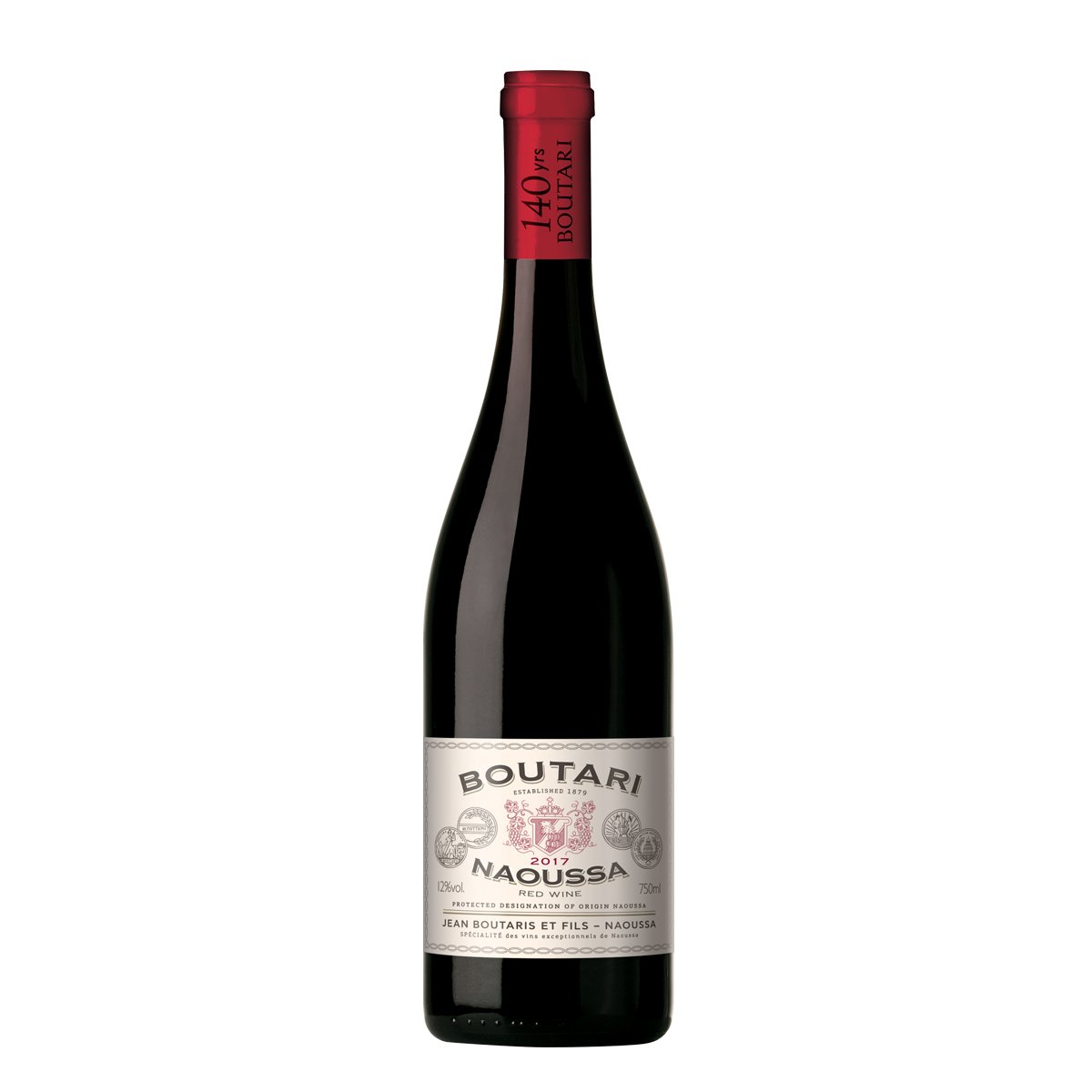
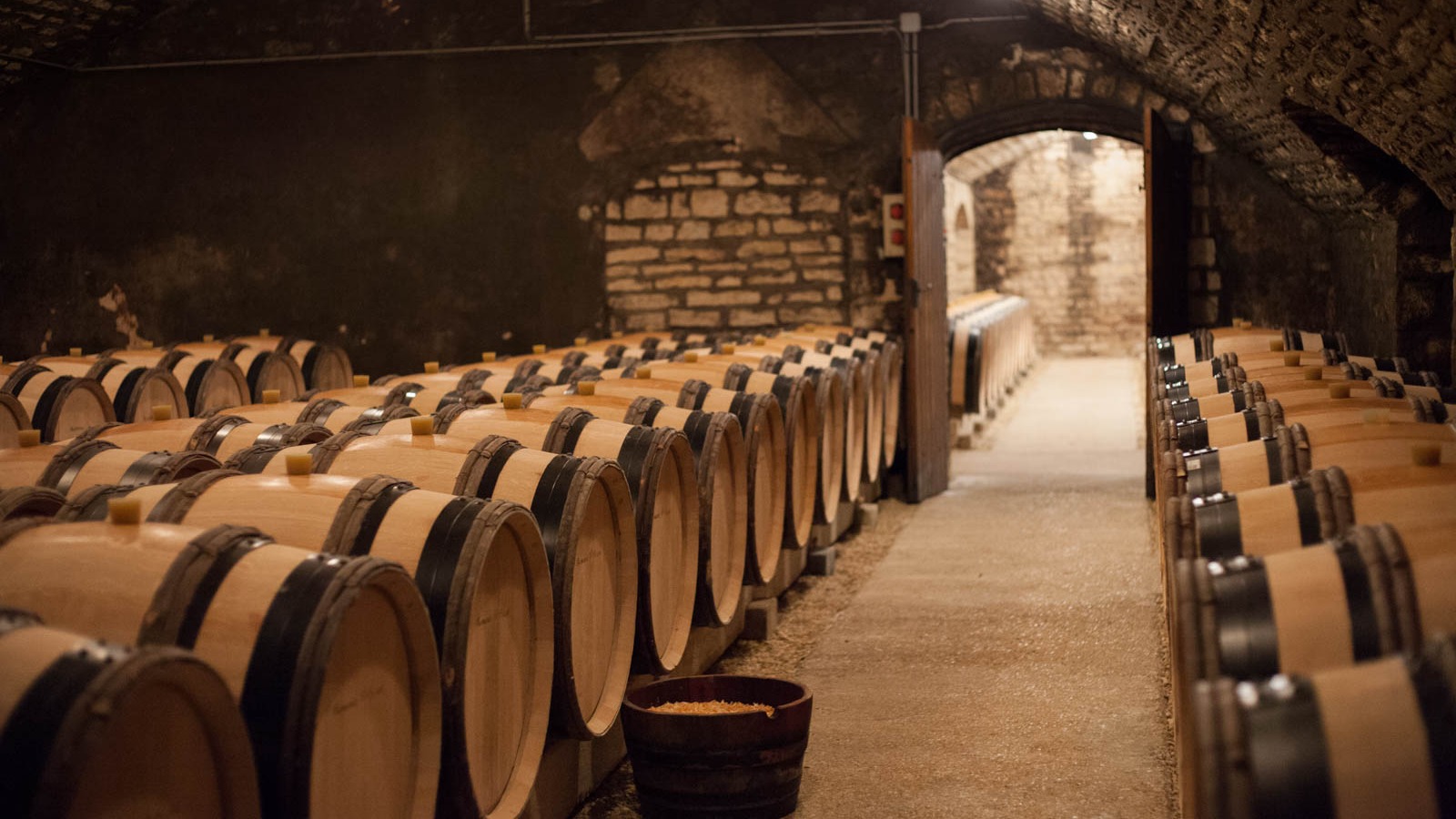
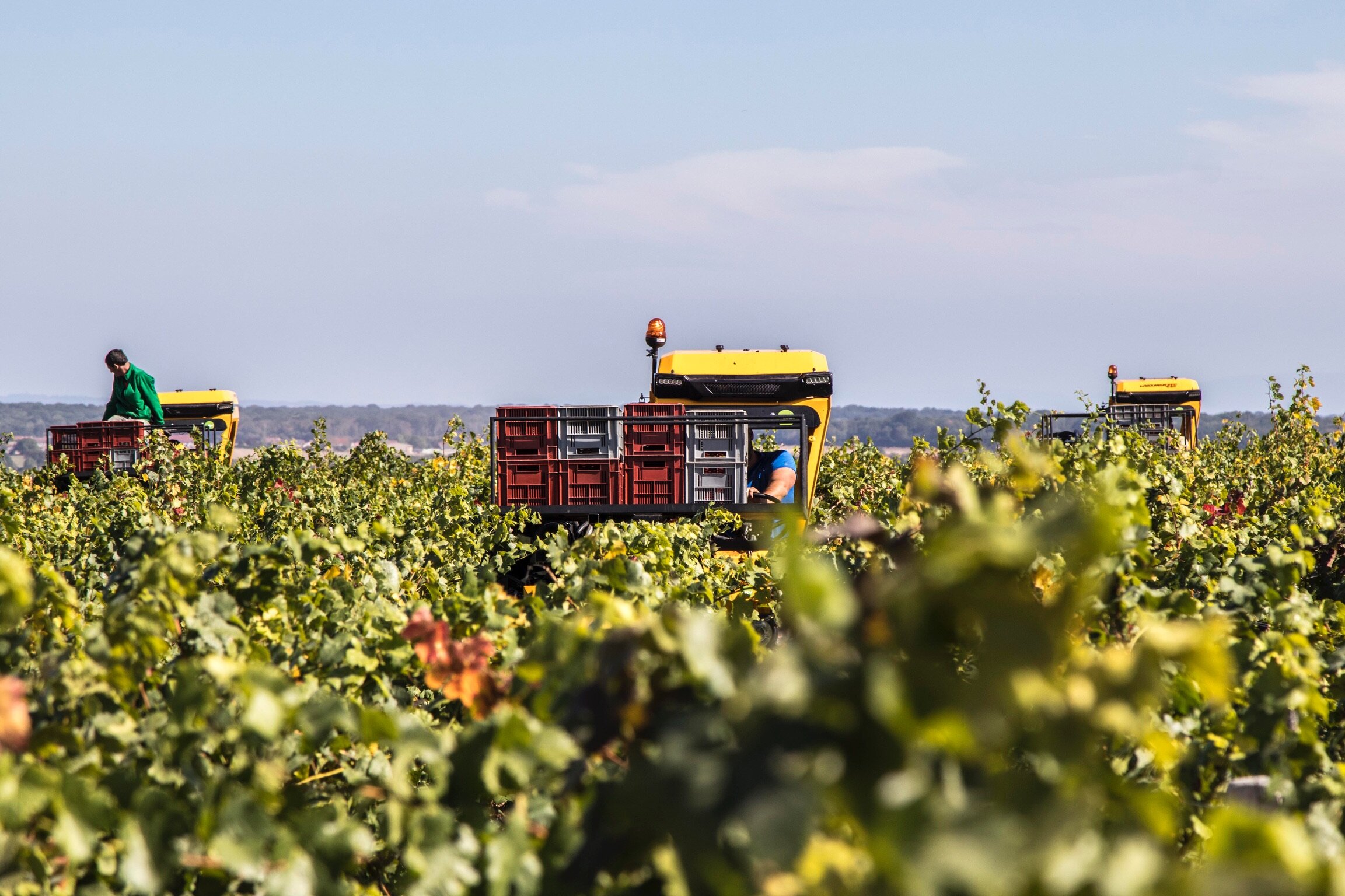
Boutari Winery sits in Stenimachos, the mountainside village that anchors Naoussa's most serious Xinomavro production. Awarded Pearl 2 Star Prestige recognition in 2025, it represents the northern Greek region's longstanding argument that altitude and volcanic soil can produce reds with both structural grip and genuine longevity. For visitors travelling the Naoussa wine corridor, it is a reference point for understanding how this appellation developed its international reputation.
At a glance
- Price
- $$
- Neighborhood
- Naoussa
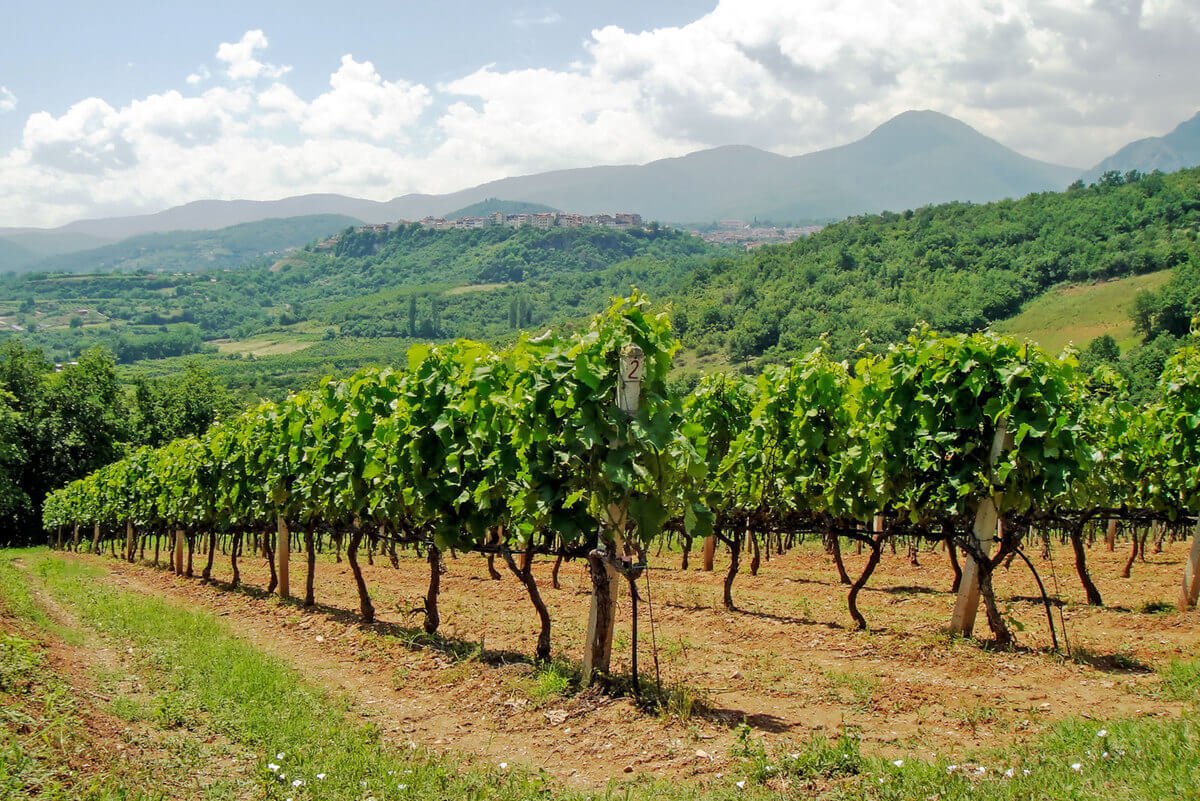
<h2>Stenimachos and the Soil Beneath Naoussa's Reputation</h2><p>The road from Naoussa up to Stenimachos climbs through terraced vineyards where the elevation is not incidental, it is the argument. At somewhere between 200 and 400 metres above sea level, the growing conditions here diverge sharply from the warmer flatlands further south. Cooler nights preserve acidity. Volcanic and alluvial soils contribute mineral tension to the finished wine. These are not marketing abstractions; they are the structural reasons Naoussa has held Protected Designation of Origin status since 1971, one of the earliest formal PDO recognitions in Greek wine.</p><p>Boutari Winery, addressed at Epar.Od. Naousas-Kato Vermiou in Stenimachos, sits within this geography. Its position on that mountain road places it inside the appellation's most historically significant corridor, where the terrain does measurable work that producers elsewhere in Greece cannot replicate. Understanding Boutari means understanding first what that land demands from a winemaker and what it gives back in return.</p><h2>Xinomavro: The Grape That Makes Naoussa Difficult and Rewarding</h2><p>No discussion of the Naoussa wine scene is complete without confronting Xinomavro honestly. The variety is not accommodating. High acidity, firm tannin, and low colour extraction make it a technically demanding grape to vinify, and in lesser hands it produces wines that feel angular and austere rather than structured and age-worthy. The comparison frequently drawn is to Nebbiolo in Piedmont: both varieties shed colour early, both demand patience from the drinker, and both reward cellaring in ways that more immediately approachable varieties cannot.</p><p>What Naoussa's elevation and soil profile contribute to Xinomavro specifically is a lengthening of the ripening window. The cooler temperatures in the Stenimachos area delay harvest relative to lower-altitude sites, which allows phenolic development to catch up with sugar accumulation. The result, in successful vintages, is wine where the tannin feels integrated rather than aggressive, and where the characteristic tomato and dried herb aromatic profile of the variety comes through with clarity rather than being buried under alcohol heat. This is the terroir argument that producers across the appellation, from <a href="https://www.enprimeurclub.com/wineries/kir-yianni-estate-naoussa-winery">Kir-Yianni Estate</a> to <a href="https://www.enprimeurclub.com/wineries/diamantakos-winery-naoussa-winery">Diamantakos Winery</a> and <a href="https://www.enprimeurclub.com/wineries/vaeni-naoussa-naoussa-winery">Vaeni Naoussa</a>, are each making in their own register.</p><h2>A 2025 Prestige Recognition and What It Signals</h2><p>Boutari Winery received Pearl 2 Star Prestige recognition in 2025. Within the EP Club rating framework, this places the winery at the upper tier of assessed producers, a designation that reflects consistent quality signals across the evaluated criteria rather than a single standout vintage or isolated achievement. For a region like Naoussa, where the grape variety itself creates year-to-year variability, sustained recognition of this kind carries more weight than a single competition medal.</p><p>The Naoussa PDO as a category has been gaining attention from international critics and importers over the past decade, driven partly by growing interest in alternatives to the dominant French and Italian red wine canon. Boutari's 2025 rating arrives at a moment when that interest is converting into purchasing decisions at serious retail and restaurant levels across Northern Europe and North America. Producers in the appellation who carry recognised credentials have a clearer entry point into those conversations.</p><h2>Placing Boutari in the Naoussa Producer Set</h2><p>The Naoussa wine corridor spans a relatively compact geographic area, but the producer range within it is broader than casual visitors often expect. At one end sit smaller, artisan-scale estates where annual production is limited and distribution is primarily local or export-only through specialist importers. At the other, larger producers with established distribution networks have built the appellation's international recognition over decades. Boutari occupies a position within that range where scale and historical presence have contributed to the Naoussa name beyond Greece's borders.</p><p>Comparative context across the wider Greek wine scene is useful here. Operations like <a href="https://www.enprimeurclub.com/wineries/alpha-estate-amyntaio-winery">Alpha Estate in Amyntaio</a> are making similar arguments about northern Greek terroir with different varieties and elevation profiles. Further south, producers at <a href="https://www.enprimeurclub.com/wineries/acra-winery-nemea-winery">Acra Winery in Nemea</a> are working Agiorgitiko through its own set of soil and climate conditions. Greece's wine geography is more internally diverse than its reputation in export markets has historically suggested, and Naoussa is one of the appellations doing the most sustained work to make that case on quality grounds.</p><p>For visitors moving through the broader Greek wine circuit, the contrast between a Naoussa Xinomavro and the sweeter, more immediately accessible styles found at producers like <a href="https://www.enprimeurclub.com/wineries/achaia-clauss-patras-winery">Achaia Clauss in Patras</a> is instructive. The stylistic distance between those two points maps roughly onto the climate and soil distance between northwestern Macedonia and the Peloponnese.</p><h2>Visiting Stenimachos: Practical Orientation</h2><p>Stenimachos sits above the town of Naoussa in the Imathia regional unit of Central Macedonia. The village is accessible by road from Naoussa, with the winery addressed on the Epar.Od. Naousas-Kato Vermiou route that tracks up toward the Vermio mountain range. The area is a logical stop within a broader Naoussa wine itinerary, and visitors who combine it with the town itself will find a local food scene, covered in the full Naoussa restaurants and wineries guide, that takes its wine context seriously.</p><p>Prospective visitors should verify arrangements in advance of travel. The physical address at Stenimachos 590 35 provides a reliable reference point for navigation. Booking directly with the winery before arrival is advisable for any producer in this appellation, as visiting formats and capacity vary considerably between estates.</p><p></p>
Know before you go
- Dress code
- casual
- Reservations
- recommended
- Parking
- on_site_lot
- Payment
- cash, credit_card
- Groups
- Welcomed
Frequently asked
Where can I find Boutari Winery?
Boutari Winery is located at 592 00, Epar.Od. Naousas-Kato Vermiou, Stenimachos 590 35, Naoussa.
Has Boutari Winery won any awards?
Boutari Winery has received recognition including: Pearl 2 Star Prestige (2025).
What wines should I try at Boutari Winery?
Boutari's Naoussa operation is built around Xinomavro, the PDO appellation's defining red variety. Given the winery's Pearl 2 Star Prestige recognition in 2025, their estate-level Naoussa bottlings are the logical starting point.
What makes Boutari Winery worth visiting?
The winery sits in Stenimachos, above Naoussa in the Imathia regional unit, where elevation and volcanic-influenced soils give Xinomavro its structural tension. Boutari received Pearl 2 Star Prestige recognition from EP Club in 2025, placing it among the upper tier of assessed producers in the region. That combination of site specificity and documented recognition makes it a reference point for anyone mapping the Naoussa producer set seriously.
Do they take walk-ins at Boutari Winery?
The Stenimachos estate sits outside central Naoussa on the Epar.Od. Naousas-Kato Vermiou road, so arriving without an appointment carries real logistical risk. Contacting the winery in advance is the practical approach before making the drive up.
How does Boutari Winery's EP Club rating compare within the Naoussa wine region?
Boutari Winery earned Pearl 2 Star Prestige from EP Club in 2025, which places it at the upper tier of producers assessed within the rating framework. The Naoussa PDO zone in Imathia, Central Macedonia, contains a range of producers, but Pearl 2 Star Prestige is not a common designation, making Boutari one of the higher-rated estates in the corridor. For visitors using EP Club ratings to plan a Naoussa wine itinerary, this credential is a concrete differentiator.
What's the best use case for Boutari Winery?
Boutari is most relevant for visitors who want a structured reference point on Xinomavro and the Naoussa PDO rather than a casual drop-in tasting. The Pearl 2 Star Prestige rating (2025) signals a producer operating at the upper end of assessed quality in the region, which positions it well for wine-focused itineraries through Central Macedonia. It also serves as a useful anchor when comparing against the wider Naoussa producer corridor.
Address
592 00, Epar.Od. Naousas-Kato Vermiou, Stenimachos 590 35
Naoussa
How it compares
- Cuisine
- Xinomavro, Moschofilero
- Price
- $$
- Awards
- 1 recognition
- Notes
- Naoussa
- Cuisine
- Xinomavro, Syrah
- Price
- $$
- Awards
- 1 recognition
- Notes
- Naoussa
- Cuisine
- Xinomavro, Preknadi
- Price
- $$
- Awards
- 1 recognition
- Notes
- Mademi
- Cuisine
- Xinomavro, Merlot
- Price
- $$
- Awards
- World's 50 Best #48
- Notes
- Yiannakohori
- Cuisine
- Winery
- Price
- —
- Awards
- 1 recognition
- Notes
- Arta
- Cuisine
- Winery
- Price
- —
- Awards
- 1 recognition
- Notes
- Egira