Made ByWinery
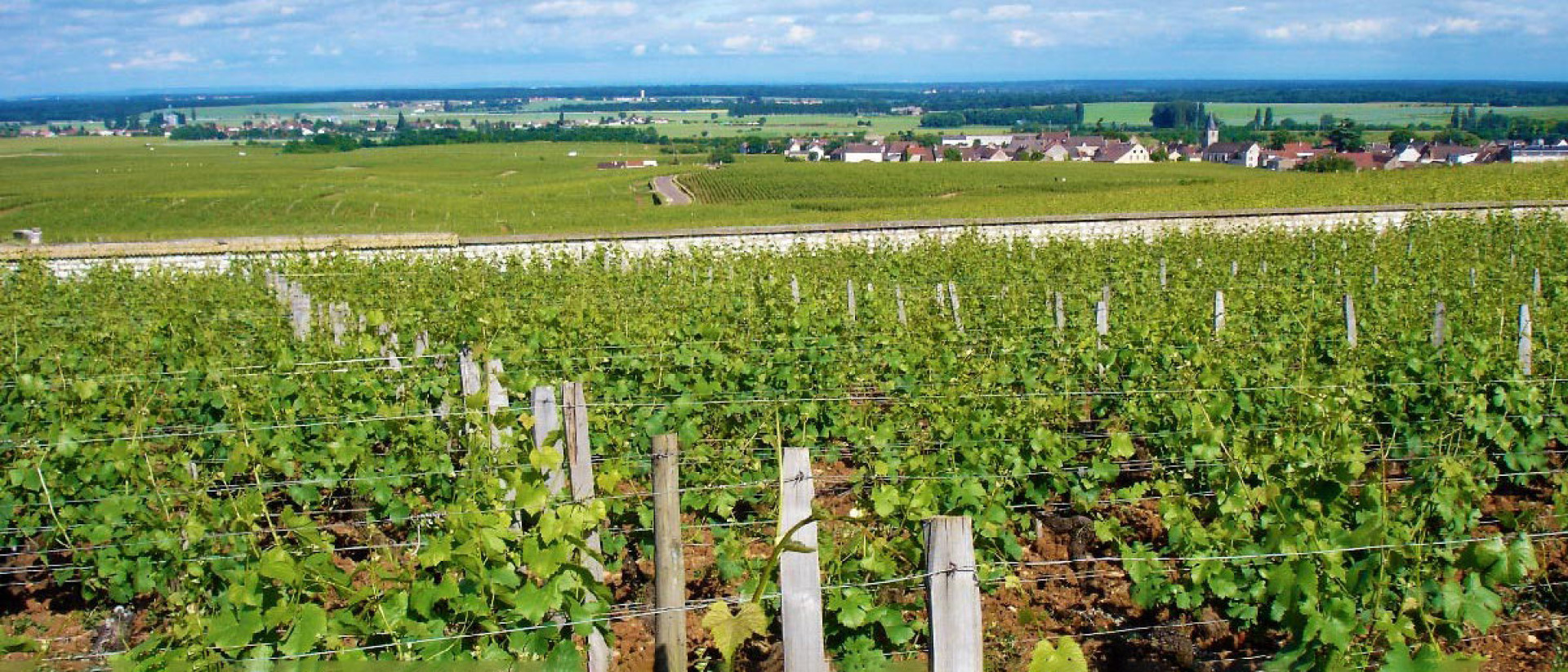
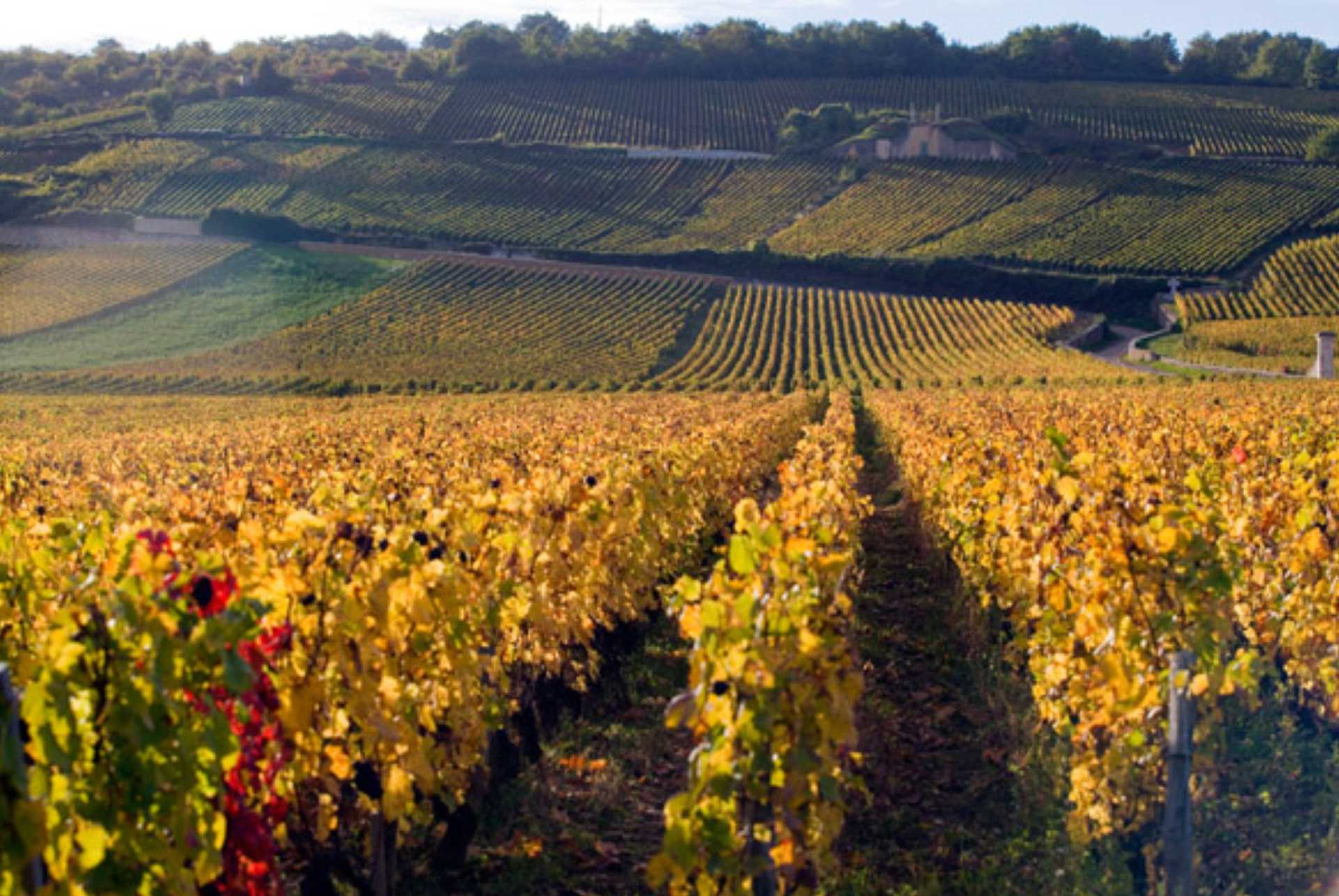
Domaine Leroy in Vosne-Romanée pairs biodynamic and organic sourcing with vineyard views at 15 Rue de la Fontaine; 2026 Michelin 3 Grapes and Falstaff Winery recognition adds context for planning.
At a glance
- Price
- $$$$
- Neighborhood
- Vosne-Romanée
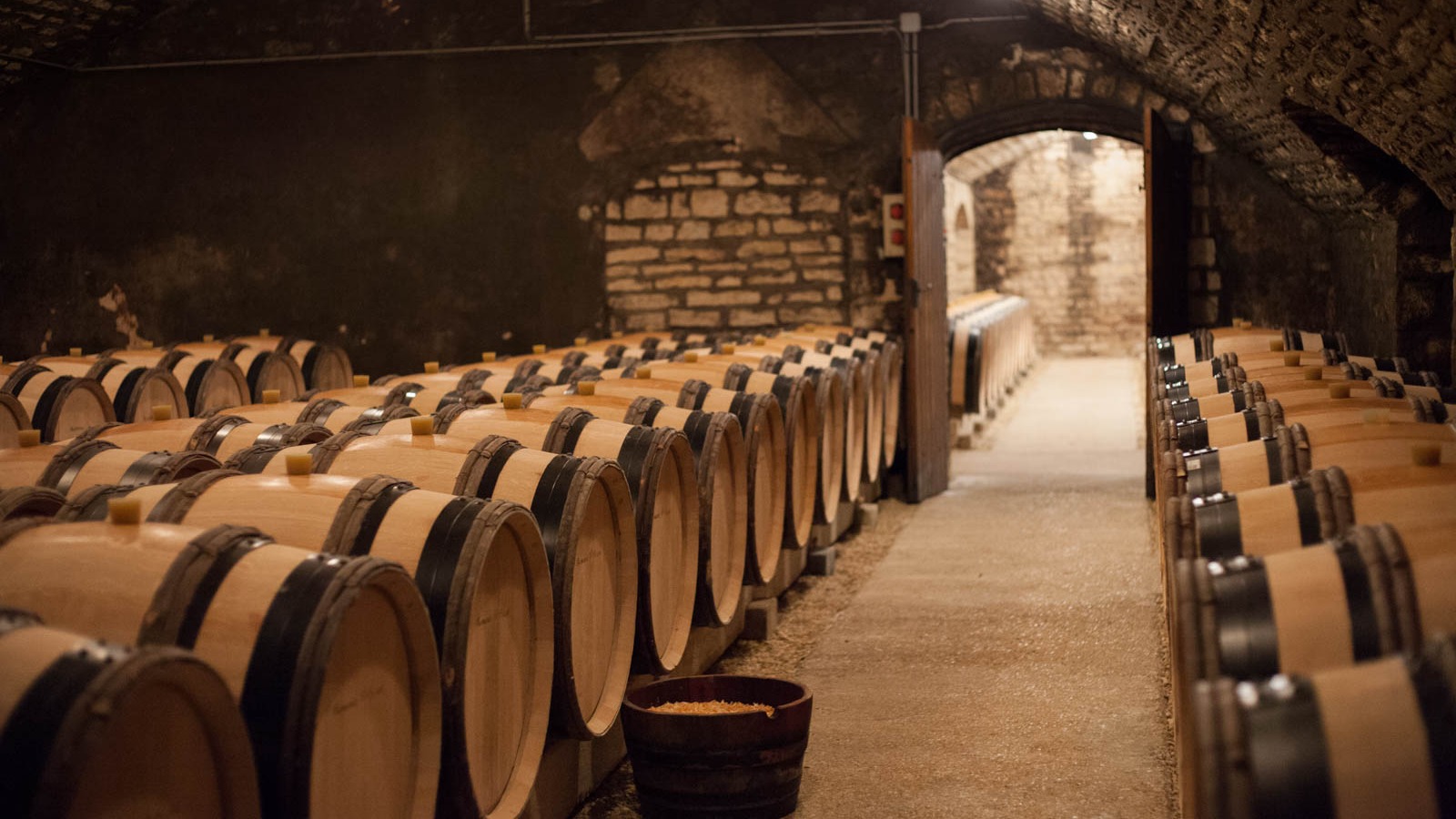
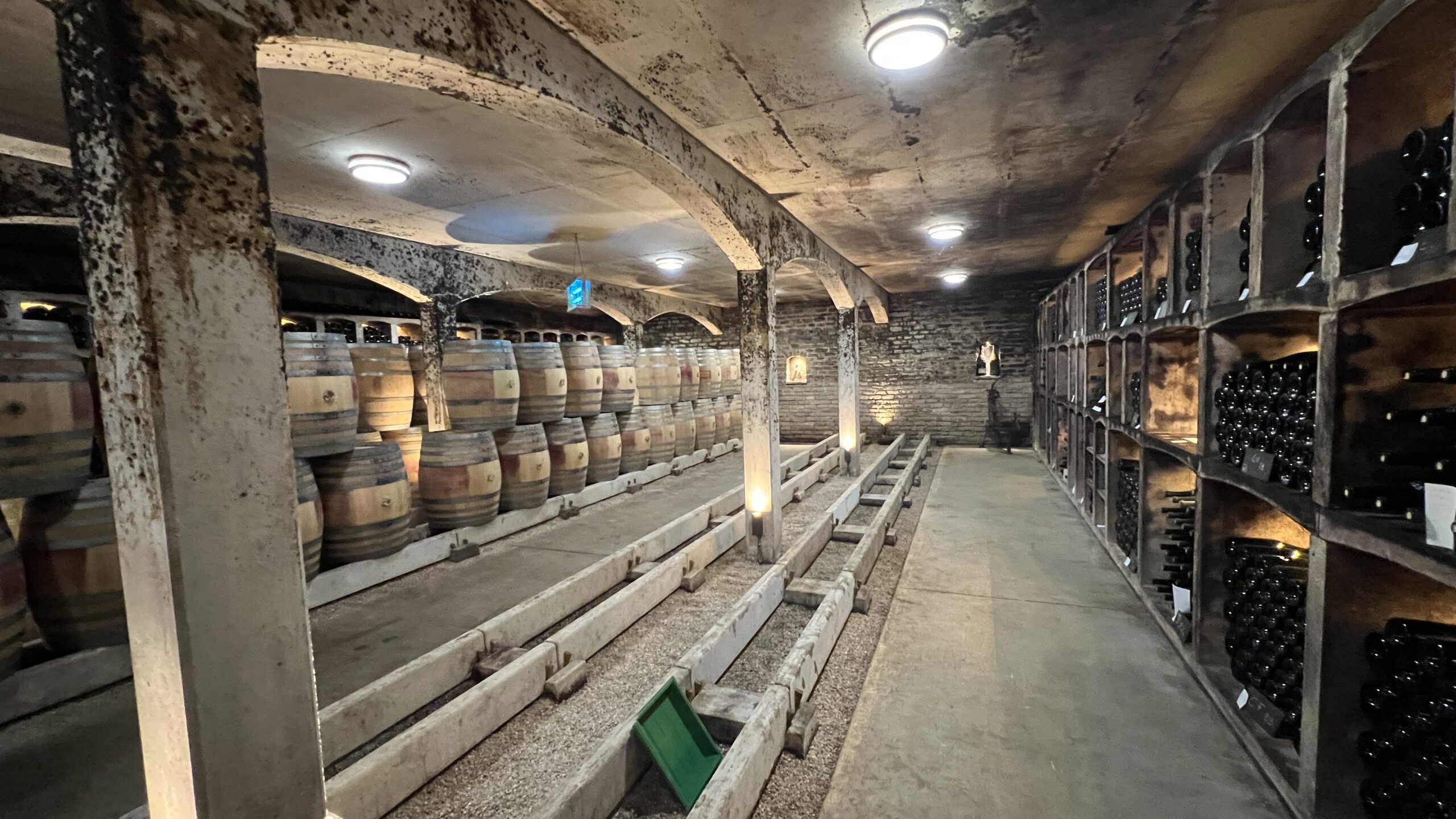
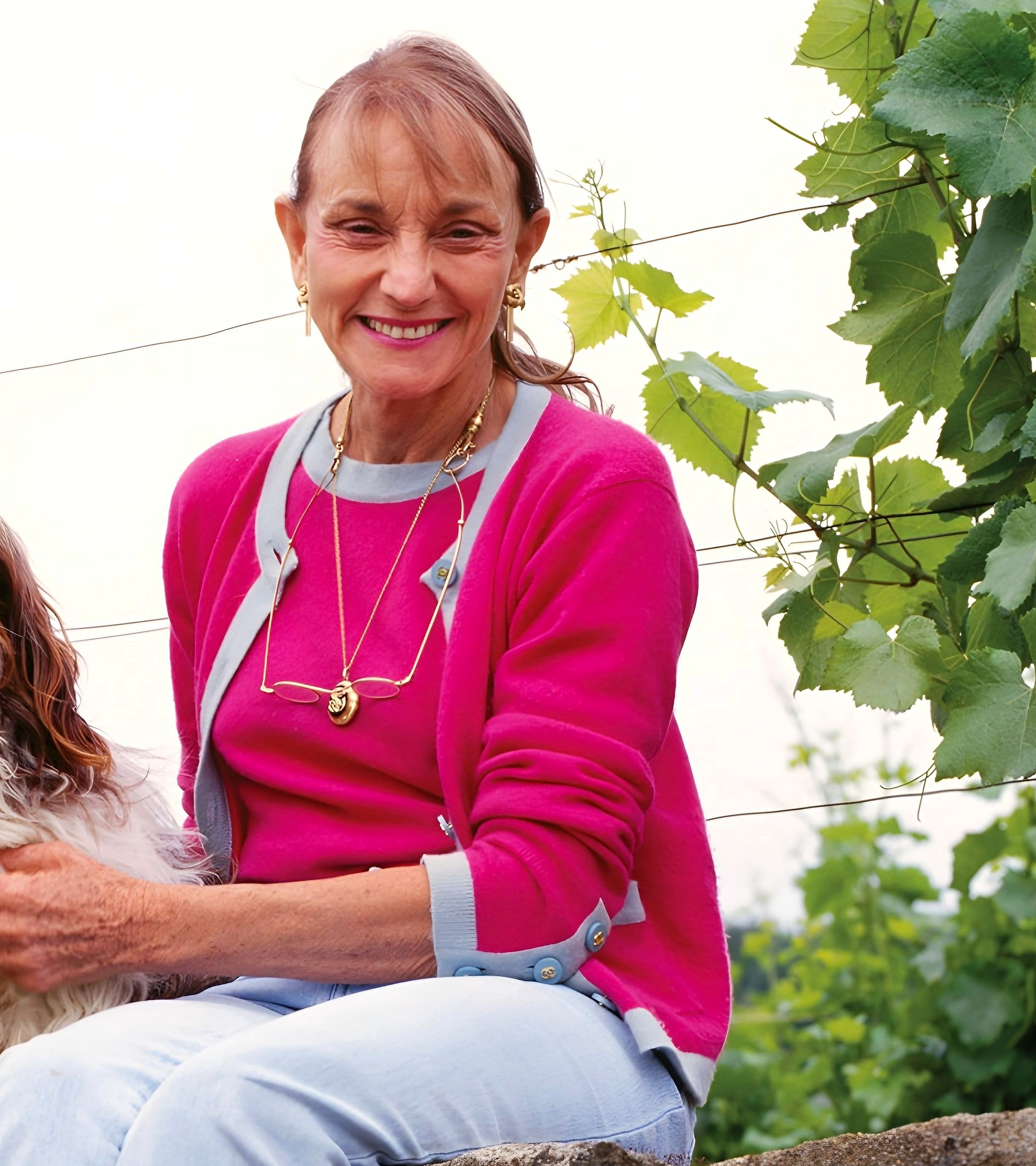
Biodynamic viticulture in Burgundy's grands crus now functions as the leading edge of winemaking discipline across the Côte d'Or. Rudolf Steiner's agricultural calendar, fermentation under indigenous yeasts, and extreme restrictions on vineyard yield have become the technical baseline for the domaine tier that sits above négociant production. Domaine Leroy, established as a vineyard estate in 1988 (though the Leroy family's négociant business dates to 1868), operates inside that biodynamic lineage with a doctrinal intensity uncommon even within its peer set: yields often dip below 15 hectolitres per hectare (against an appellation ceiling of 35 hl/ha for grand cru Pinot Noir), fermentation runs entirely without temperature control or sulfur addition until élevage, and the estate has worked under full biodynamic certification (Demeter and Biodyvin) since 1989. Winemaker and co-proprietor Lalou Bize-Leroy, a figure whose tenure spans more than six decades in the Burgundian wine trade, first as co-director of Maison Leroy, then as co-manager of Domaine de la Romanée-Conti from 1955 to 1992, and finally as sole director of Domaine Leroy since its acquisition, has shaped the estate into a reference point for extreme low-intervention viticulture applied to some of the Côte de Nuits' most storied vineyard sites. The domaine holdings include parcels in Musigny, Richebourg, Romanée-Saint-Vivant, Clos de la Roche, and Clos de Vougeot at the grand cru tier, and premier cru sites in Vosne-Romanée and Nuits-Saint-Georges. Annual production across all bottlings typically sits below 3,000 cases, with allocations determined by long-standing trade relationships rather than by open distribution. The resulting wines command secondary-market prices that routinely exceed those of DRC for equivalent appellations, a peer-set positioning driven not by domaine marketing but by a global collector base that treats Leroy grands crus as reference expressions of biodynamic Burgundy. The vineyard work at Leroy begins with planting density. The domaine plants at 10,000 to 12,500 vines per hectare, well above the Burgundian norm of 8,000 to 10,000 vines per hectare, which forces root competition and reduces per-vine yield. Biodynamic preparations — horn manure (BD 500), horn silica (BD 501), and the nine compost preparations (BD 502 through BD 510) — are applied according to the lunar calendar published annually by Maria Thun, with field spraying timed to root days for BD 500 and fruit days for BD 501. Cover crops are sown between rows in all parcels; no synthetic herbicides, pesticides, or fungicides are used. Harvest timing is determined by tasting rather than by measured Brix or acidity levels, and the domaine typically picks later than its neighbors, sometimes by as much as two weeks, to capture phenolic ripeness at the expense of refined alcohol. The sorting protocol is conducted in the vineyard at the time of picking, with a second optical sort at the winery; whole-cluster percentage varies by vintage and by parcel but often exceeds 50% in grands crus. Fermentation occurs in open-top wooden vats without pigeage or remontage beyond a single manual punch-down per day during peak fermentation. No commercial yeasts are added; no chaptalization is performed even in difficult vintages; no temperature control is applied during fermentation, which can see peak temperatures above 35°C in warm years. The resulting wines are aged in new French oak for 16 to 24 months depending on the cuvée, with barrels sourced from tonnelleries that air-dry staves for a minimum of three years. Sulfur is added only once, at bottling, typically at levels below 30 mg/L free SO2, well under the appellation ceiling of 50 mg/L for red Burgundy. The wines are neither fined nor filtered. The domaine's grand cru holdings were assembled over three decades, beginning with the 1988 purchase of Charles Noëllat's parcels in Vosne-Romanée (including 0.78 hectares in Richebourg and 0.99 hectares in Romanée-Saint-Vivant), and continuing with the 1989 acquisition of Philippe Remy's holdings in Musigny (0.27 hectares), the 1991 purchase of parcels in Clos de la Roche (0.67 hectares), and the 1995 addition of Clos de Vougeot (1.91 hectares). The Musigny parcel sits mid-slope in the lieu-dit Les Musigny, directly below the Comte Georges de Vogüé monopole and adjacent to Domaine Georges Roumier's holding; the Richebourg parcel abuts DRC's Richebourg to the south and Domaine Arnoux-Lachaux's to the north; the Romanée-Saint-Vivant sits in the lower third of the climat, bordering the Route Nationale 74. Each parcel is vinified separately and bottled as a single-vineyard cuvée. The domaine also produces premier cru bottlings from Aux Brûlées in Vosne-Romanée (1.21 hectares), Les Beaux Monts in Vosne-Romanée (0.84 hectares), and a village Vosne-Romanée from parcels immediately below the premier cru line. Across all tiers, the domaine's yield protocol is the same: severe green harvest in July and August to achieve cluster counts of four to six per vine (against a Burgundian norm of eight to ten), and a final pre-harvest drop of any clusters that have not achieved full phenolic ripeness. The resulting yields often fall below 20 hl/ha even in generous vintages, and occasionally dip to 12 hl/ha in hail-affected or frost-affected years. The domaine does not declassify fruit into a second label; parcels that do not meet the quality threshold are sold off in bulk to négociants under contract terms that prohibit the use of the Leroy name. Lalou Bize-Leroy's winemaking philosophy sits at the doctrinal extreme of the biodynamic Burgundy lineage. Where Domaine de la Romanée-Conti, which converted to biodynamic viticulture in 1985 under Lalou's co-management, applies biodynamic preparations but supplements with measured sulfur additions during élevage and permits occasional chaptalization, Leroy operates under a stricter no-intervention protocol that forbids any addition to the must beyond a single sulfur dose at bottling. Where Domaine Dujac and Domaine Dugat-Py in Burgundy work with high whole-cluster percentages but still conduct pigeage during fermentation, Leroy ferments with minimal intervention and relies on carbonic maceration within the intact clusters to drive extraction. The resulting wines are polarizing within the trade: critics and collectors who value transparency and site expression regard Leroy as the apex reference for terroir-driven Burgundy, while others find the wines reductive in youth, volatile-acid-forward, and structurally austere to the point of being unapproachable before a decade of bottle age. The domaine does not adjust its protocol in response to critical opinion; the same fermentation and élevage regime has been applied to every vintage since 1988, regardless of vintage conditions or market feedback. This doctrinal consistency has produced a secondary-market pricing structure that now exceeds DRC on a per-bottle basis for comparable appellations: the 2015 Leroy Musigny trades at approximately $8,000 to $10,000 per bottle on the secondary market, and the 2015 Leroy Richebourg sits at $5,000 to $6,500 per bottle against $4,500 to $5,500 for the 2015 DRC Richebourg. These multiples reflect not only the domaine's lower production volume — Leroy's annual Musigny bottling runs to approximately 100 cases — but also a collector base that has come to regard Leroy as the purest expression of biodynamic viticulture applied to Burgundy's grands crus. Access to Leroy's wines is governed by a strict allocation system administered through the domaine's office in Vosne-Romanée. The domaine does not sell directly to consumers and does not participate in en primeur campaigns; all wines are released to a closed list of importers and négociants who have maintained continuous purchasing relationships with the estate for a minimum of ten years. In the United States, the primary importer is Wilson Daniels, which distributes Leroy through a sub-allocation system to approximately 200 retailers and 150 restaurants nationwide. In the United Kingdom, the wines are allocated through Corney & Barrow and Justerini & Brooks. In Asia, distribution runs through a small number of Hong Kong-based importers who supply the restaurant and private-client markets in Hong Kong, Singapore, and Tokyo. Restaurants that receive allocations typically list the wines at three to four times the importer cost, with the result that a bottle of Leroy Richebourg on a wine list in New York or London often exceeds $15,000. The domaine does not operate a tasting room and does not offer cellar visits to the public; trade visits are conducted by appointment only and are limited to importers, sommeliers, and journalists with established relationships to the estate. The biodynamic lineage that Leroy represents in Burgundy traces directly to the Steiner agricultural lectures of 1924 and to the introduction of biodynamic viticulture in France through the work of the Mouvement de Culture Bio-Dynamique in the 1960s. Lalou Bize-Leroy's adoption of biodynamic protocols at Domaine Leroy in 1988, and her earlier introduction of those protocols at DRC in 1985, positioned both estates as among the first in Burgundy to convert fully to biodynamic certification. The peer set that followed includes Domaine Cécile Tremblay in Morey-Saint-Denis (biodynamic since 2003), Domaine Benoît Chevallier in Nuits-Saint-Georges (biodynamic since 2007), and Domaine Gérard Mugneret in Vosne-Romanée (organic certified but not biodynamic). The technical distinction between Leroy and this broader peer set lies in the domaine's refusal to compromise on yield or to adjust the protocol in difficult vintages: where many biodynamic producers will apply a curative copper-sulfate spray in high-pressure mildew years, Leroy does not, and will accept crop loss rather than deviate from the biodynamic calendar. The resulting wines are extreme expressions of the technique — higher in volatile acidity, more reductive in youth, structurally denser, and slower to evolve than the wines of biodynamic peers who apply the protocol with more flexibility. This doctrinal purity has made Leroy the reference point for the no-compromise wing of the biodynamic Burgundy school, and has influenced a younger generation of producers who regard the domaine as the technical and philosophical model for low-intervention winemaking in the region. The secondary-market pricing structure that now positions Leroy above DRC reflects that influence: the wines are purchased not only as drinking bottles but as artifacts of a winemaking philosophy that sits at the limit case of what biodynamic viticulture can produce in Burgundy's grands crus. Domaine Leroy also maintains a sister operation, Domaine d'Auvenay in Saint-Romain, which Lalou Bize-Leroy owns independently and which functions as a separate estate with its own vineyard holdings and bottlings. Domaine d'Auvenay's parcels include grands crus in Bonnes-Mares, Mazis-Chambertin, and Chevalier-Montrachet, as well as premier cru holdings in Meursault and Puligny-Montrachet; the winemaking protocol at d'Auvenay mirrors that of Leroy, with the same biodynamic certification, the same extreme low yields, and the same no-intervention fermentation and élevage regime. The two estates are administratively separate and are marketed under distinct labels, but the collector market treats them as a single portfolio, and allocations for d'Auvenay are distributed through the same importer network that handles Leroy. The secondary-market pricing for d'Auvenay's grands crus sits slightly below that of Leroy's — the 2015 d'Auvenay Bonnes-Mares trades at approximately $4,000 to $5,000 per bottle against $5,000 to $6,500 for the 2015 Leroy Richebourg — but the pricing differential reflects production volume rather than quality perception. Both estates are regarded as the apex expressions of biodynamic Burgundy, and both function as reference points for the broader low-intervention winemaking movement that has reshaped the Côte d'Or's technical landscape over the past three decades.
Know before you go
- Dress code
- smart_casual
- Reservations
- appointment_only
- Parking
- street
Address
15 Rue de la Fontaine, 21700 Vosne-Romanée
Vosne-Romanée · Burgundy
How it compares
- Awards
- 1 recognition
- Cuisine
- Pinot Noir, Chardonnay
- Notes
- Vosne-Romanée, $$$$
- Awards
- 1 recognition
- Cuisine
- Pinot Noir, Chardonnay
- Notes
- Vosne-Romanée, $$$$
- Awards
- 1 recognition
- Cuisine
- Pinot Noir, Aligoté
- Notes
- Vosne-Romanée, $$$$
- Awards
- 1 recognition
- Cuisine
- Pinot Noir, Chardonnay
- Notes
- Vosne-Romanée, $$$$
- Awards
- 1 recognition
- Cuisine
- Pinot Noir
- Notes
- Vosne-Romanée, $$$$
- Awards
- 1 recognition
- Cuisine
- Pinot Noir, Chardonnay
- Notes
- Vosne-Romanée, $$$$