The Winemakers Behind Burgundy's Three MICHELIN Grape Wineries
Michelin’s first Grape Selection names nine Burgundy estates at the top, shifting attention from bottle scores to vineyard work.
HM
Director of Editorial Standards
Hugo Marchetti
Filed July 12, 2026
13 min read
Gwendal Poullennec gave Michelin’s new wine rating its working edge in one sentence: "Excellence is not defined solely by the prestige of a name. It is expressed above all through the precision of the work carried out both in the vineyard and in the cellar." The Three MICHELIN Grapes Burgundy list, revealed in 2026 in Dijon, names nine estates at the top of Michelin’s first Grape Selection, a system that rates wine estates rather than restaurants or individual bottles.
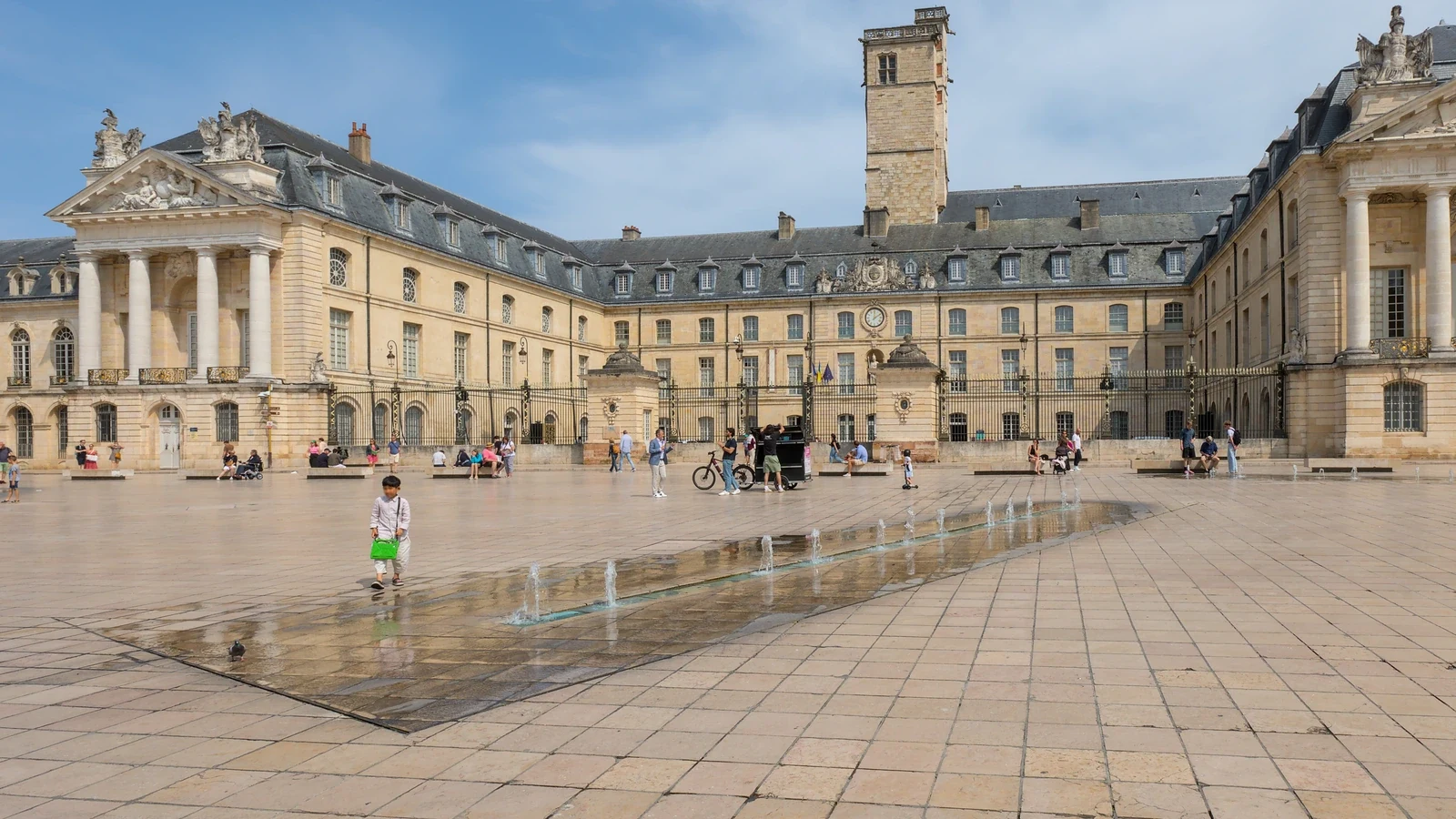
Michelin unveiled the Burgundy selection at the Palace of the Dukes of Burgundy (Palais des Ducs) in Dijon, placing 94 estates across four tiers: Selected, One MICHELIN Grape, Two MICHELIN Grapes, and Three MICHELIN Grapes. For the first time, Michelin has rated wineries rather than restaurants: the Michelin Grape Selection Burgundy is the guide's first move into wine, and this Michelin Burgundy list leads its expansion. The top tier went to Cécile Tremblay, Dugat-Py, Domaine Georges Roumier, Domaine de la Romanée-Conti, Domaine Leroy, Domaine d'Auvenay, Coche-Dury, Jean-Marc & Thomas Bouley, and Hubert Lamy. Nine names. In Burgundy, that number affects allocation lists, cellar planning, and the way drinkers read maker lineage.
The Sunday letter
Get our new stories in your inbox every Sunday.
One email with our newest profiles and guides. See a sample before you subscribe.
What Are the Three MICHELIN Grapes Burgundy Estates?
Michelin’s Grape Selection changes the unit of judgment. The object is not a single vintage, cuvee, or critic’s note attached to one bottle. Michelin’s inspectors assess estates across five criteria: agronomy, technical mastery, identity, balance, and consistency across vintages. That last phrase carries weight. Burgundy is read through weather, parcel, hand, and year; a producer-level distinction asks whether the work holds when the season changes.
The first region is Burgundy, and the selection focuses on estates, not restaurants with cellars. That distinction matters to sommeliers, collectors, and cooks who track wine as part of a wider craft culture. A restaurant rating can tell you where a kitchen stood at inspection. A grape rating asks how a domaine works its vines, makes its wines, and carries its identity over time.
The Three MICHELIN Grapes Burgundy group cuts across village identities. Morey-Saint-Denis, Gevrey-Chambertin, Chambolle-Musigny, Vosne-Romanée, Saint-Romain, Meursault, Volnay, and Saint-Aubin all appear in the top tier. The names include estates whose wines already sit on short allocation lists, but Michelin’s stated criteria point back to the tasks before the bottle: pruning, soil care, harvest decisions, cellar control, and the capacity to make a wine that reads as itself.
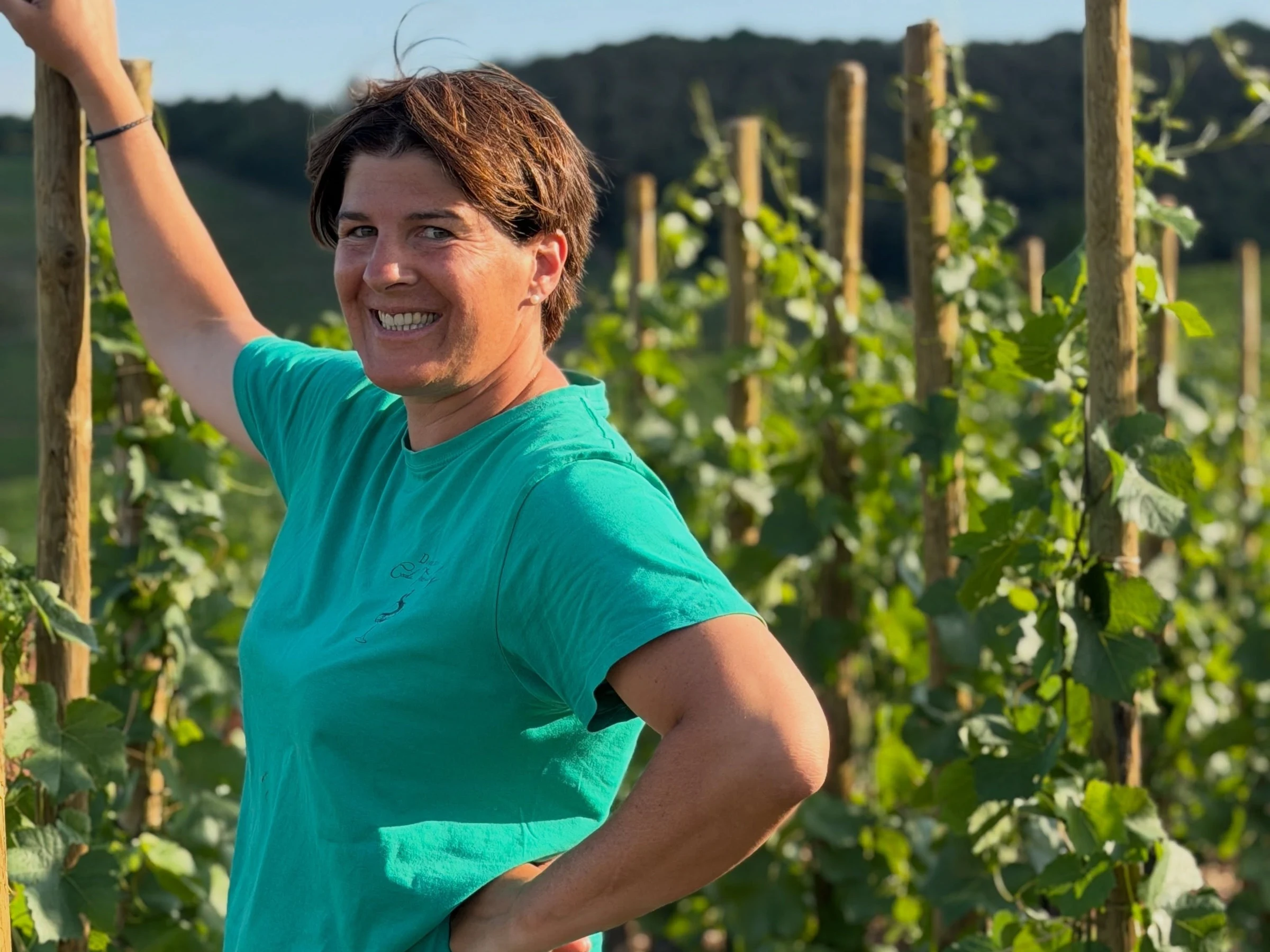
A winemaker poses among the vineyard rows with wooden support stakes, showcasing the traditional viticulture methods used in Burgundy's wine regions.
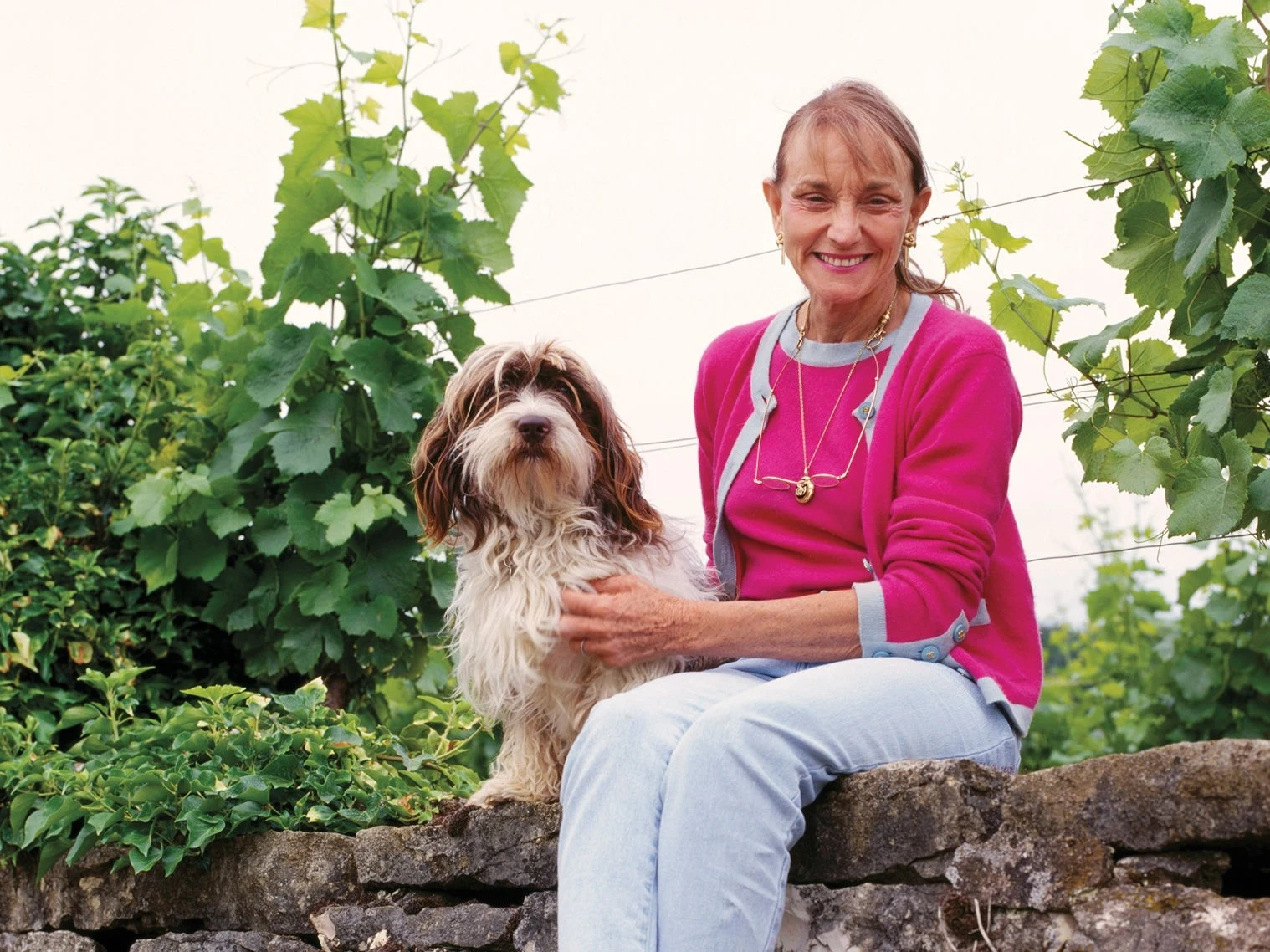
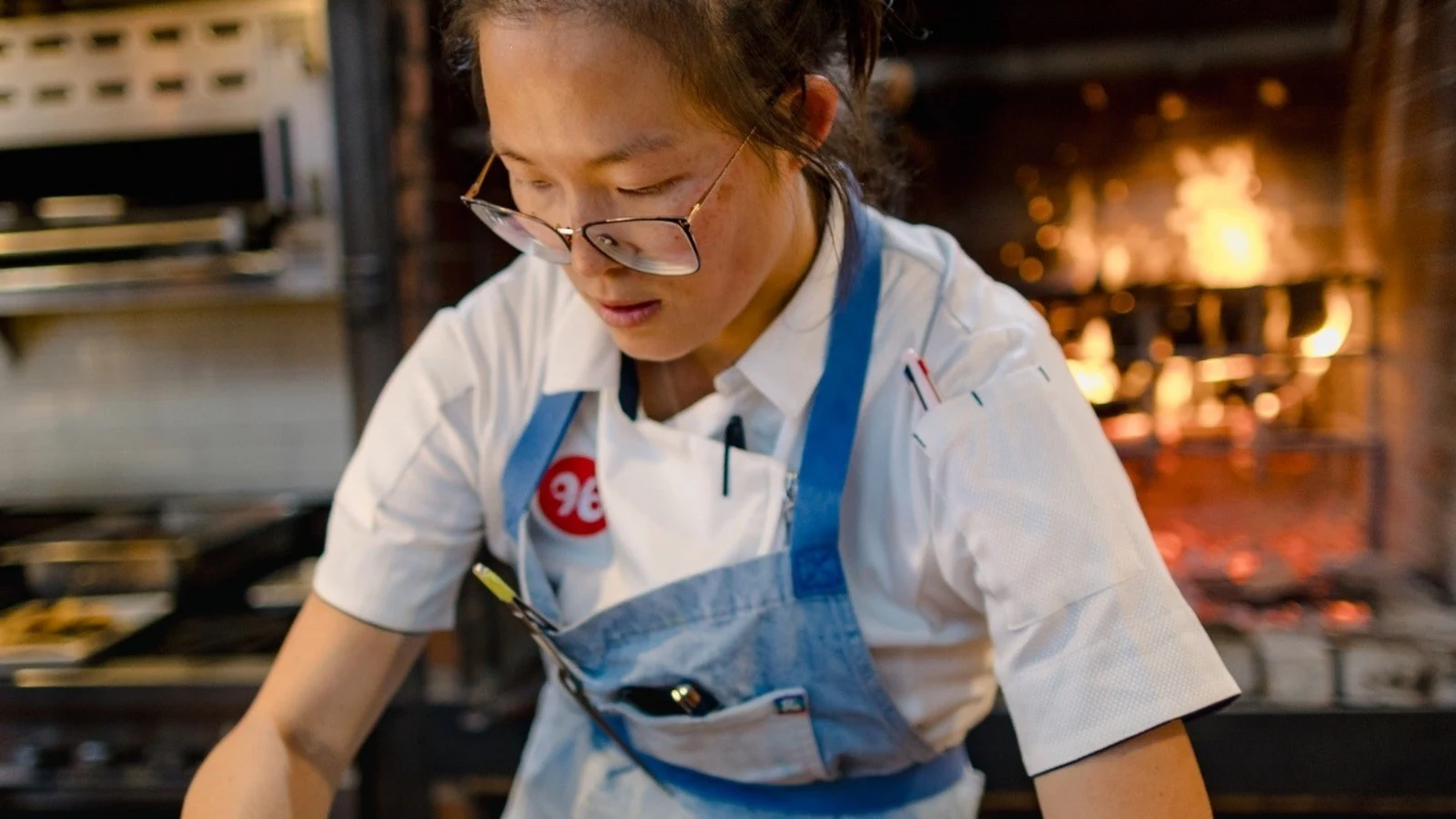
Cécile Tremblay reclaimed her family’s vines and built her domaine from 2003, farming biodynamically and shaping reds away from extraction. Her place among the nine Three MICHELIN Grapes estates reads as recognition for a domaine built over two decades, not inherited as a finished reputation.
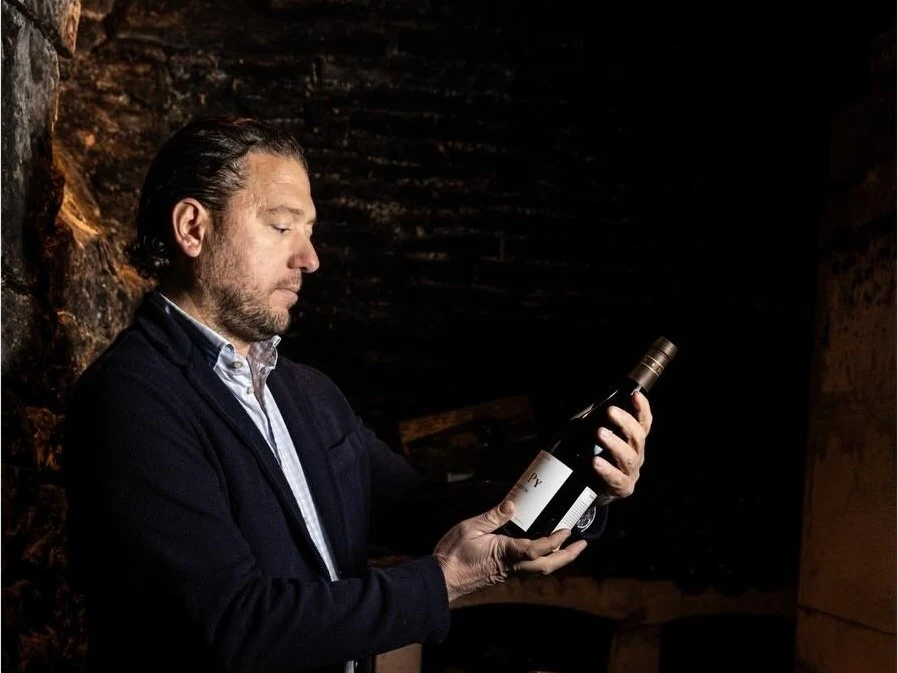
At Dugat-Py, Loïc Dugat-Py took over from his father Bernard in 2015. Three markers define the wines: old vines, tiny yields, and deep Gevrey reds. Concentration begins before the vat, in vine age and crop level, then carries into a Gevrey profile with density.
Christophe Roumier, Domaine Georges Roumier (Chambolle-Musigny)
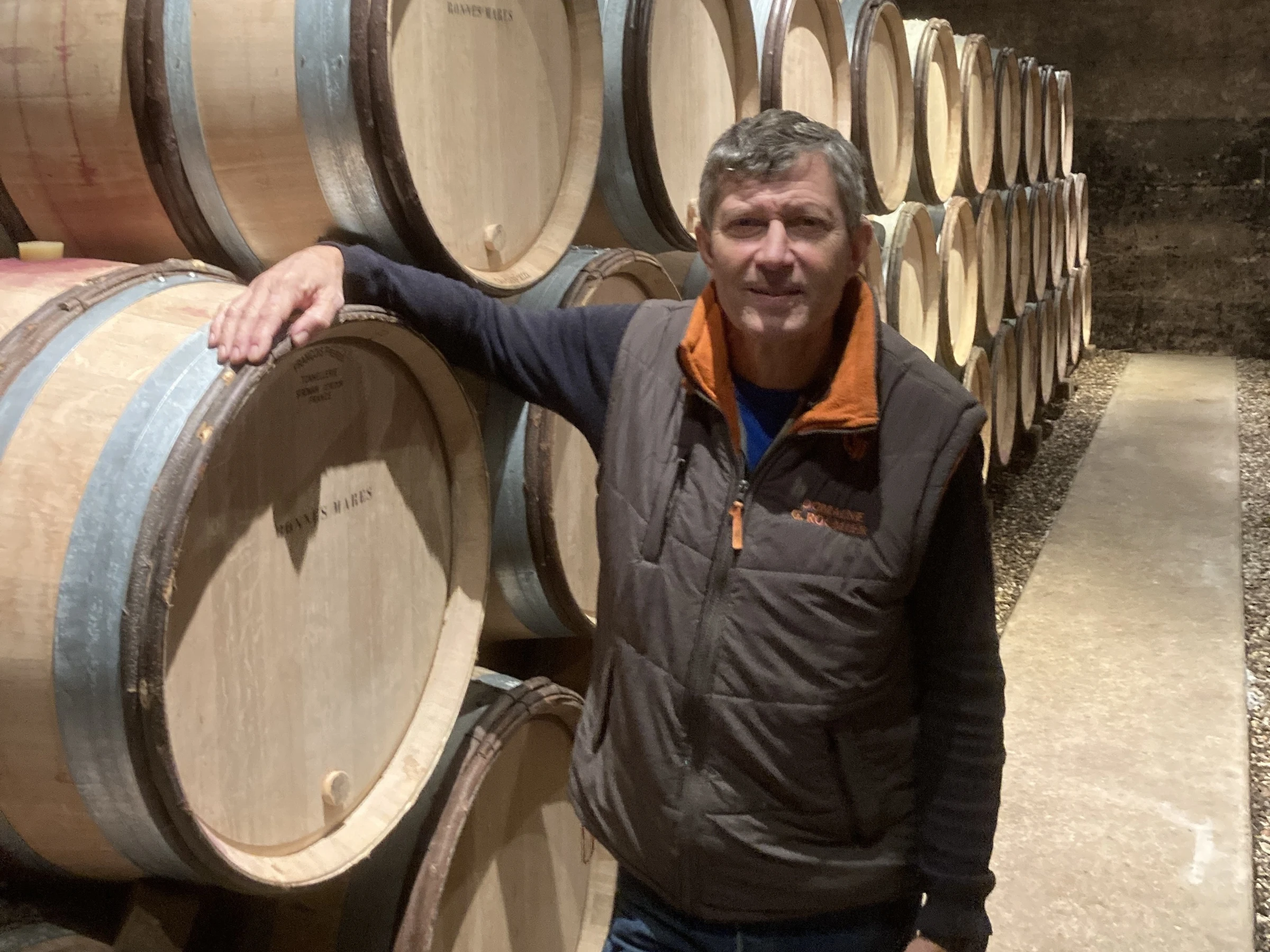
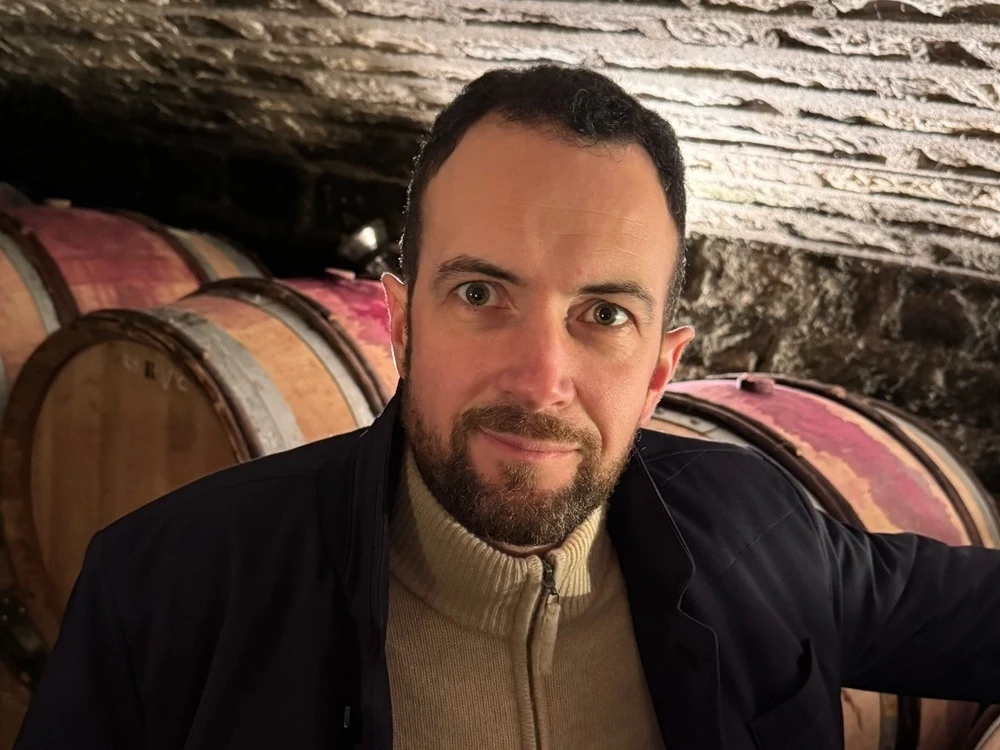
Christophe Roumier among the Bonnes-Mares barrels in the Domaine Georges Roumier cellar (via The Fine Wine Review)
Christophe Roumier has run Domaine Georges Roumier since 1990, with the estate’s Bonnes-Mares and Musigny standing as benchmarks in a village where small differences in handling can flatten or preserve site character.
Bertrand de Villaine & Perrine Fenal, Domaine de la Romanée-Conti (Vosne-Romanée)
Bertrand de Villaine and Perrine Fenal, co-directors of Domaine de la Romanée-Conti (via Wilson Daniels)
Domaine de la Romanée-Conti is led by co-directors Bertrand de Villaine and Perrine Fenal, who succeeded Aubert de Villaine in 2022. Cellar master Alexandre Bernier completes the team. Michelin’s consistency criterion makes the rating a judgment on the present team, not only on inherited reputation.
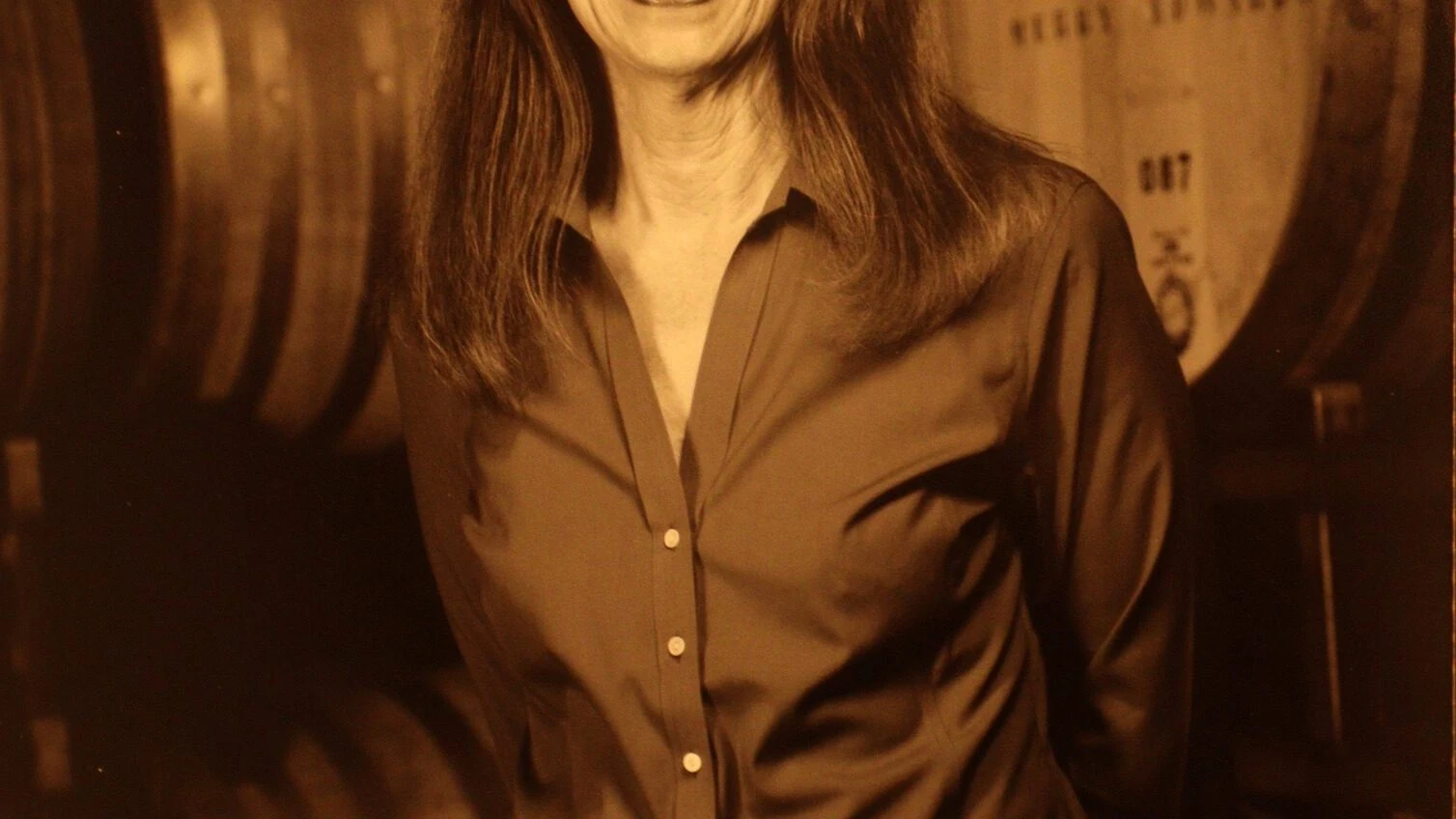
Lalou Bize-Leroy, Domaine Leroy (Vosne-Romanée)
Lalou Bize-Leroy, owner of Domaine Leroy and Domaine d'Auvenay (via The World of Fine Wine)
Domaine Leroy puts Lalou Bize-Leroy at the center of the top tier. In her early 90s she still blind-tastes every bottle, working biodynamically at microscopic yields. The story is not volume; it is selection, farming, and the final sensory authority of the maker.
Domaine d'Auvenay is Lalou Bize-Leroy's tiny personal estate in Saint-Romain, the source of her hardest-to-find whites and reds. It is the second of her two estates in the Three-Grape tier, farmed to the same uncompromising standard as Leroy.
Raphaël Coche, Coche-Dury (Meursault)
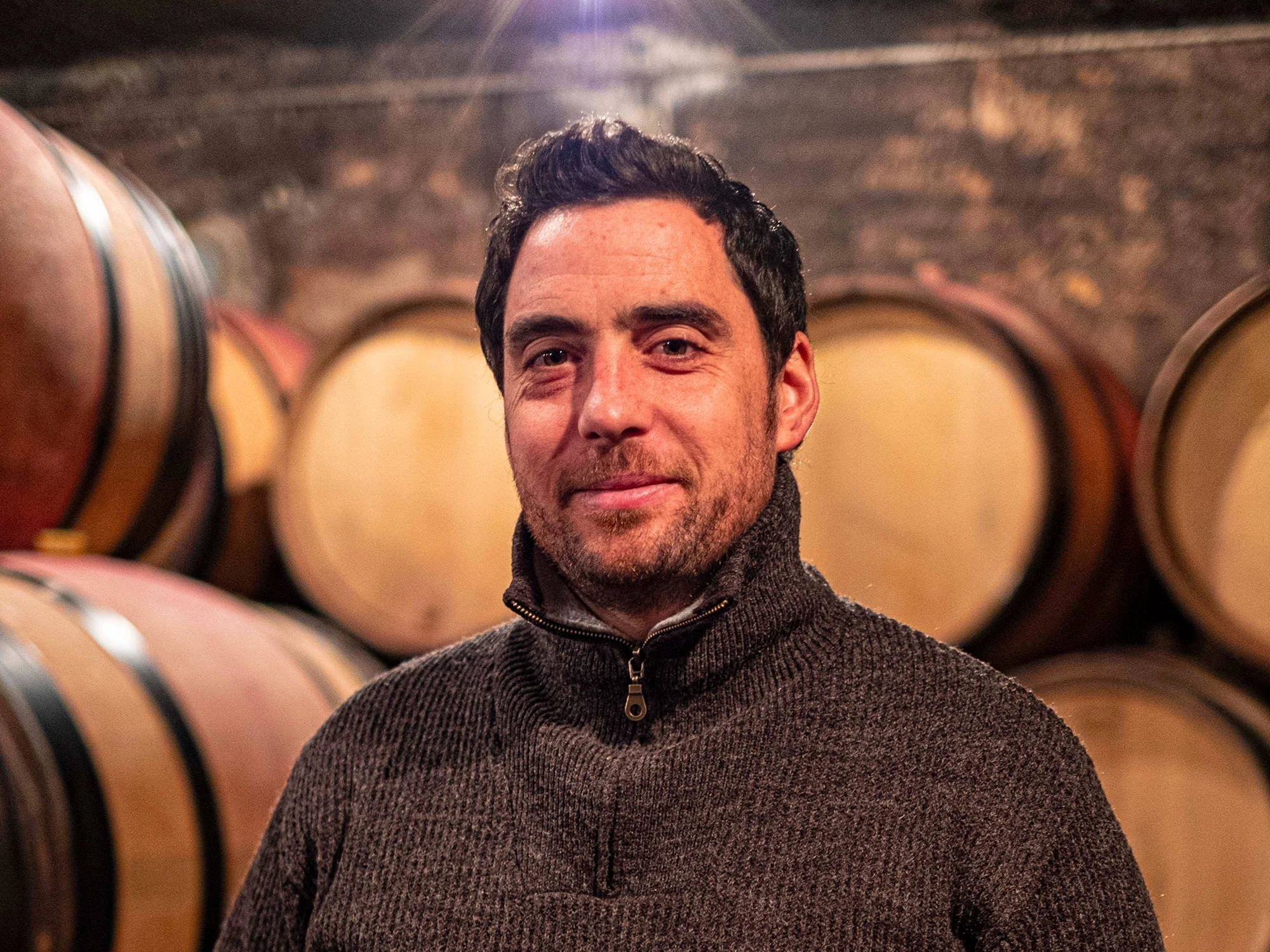
Raphaël Coche, who now leads Coche-Dury, in the domaine's Meursault cellar (via Kermit Lynch)
Raphaël Coche succeeded his father Jean-François Coche-Dury at Coche-Dury, the Meursault benchmark. The detail that matters is succession. The domaine’s standing depends on whether the next hand can keep the line steady.
Thomas Bouley, Jean-Marc & Thomas Bouley (Volnay)
Thomas Bouley, who runs Domaine Jean-Marc & Thomas Bouley in Volnay
Thomas Bouley, who took over from his father Jean-Marc in 2012, works precise Volnay and Pommard. Volnay often asks for restraint from the cellar; Pommard can ask for different control. A domaine that holds both without blurring them speaks to Michelin’s criterion of identity.
Olivier Lamy, Hubert Lamy (Saint-Aubin)
Olivier Lamy, Hubert’s son, is the maker behind Hubert Lamy, known for ultra-high-density plantings that helped put Saint-Aubin on the map. Density is spacing, competition, root behavior, canopy pressure, and labor. Lamy’s inclusion may be the clearest example of Michelin rewarding a technical vineyard idea that changed how many drinkers read a village.
How Michelin Evaluates Wine Estates: Five Criteria
The five criteria are the most useful part of the announcement for anyone trying to read beyond the symbol. Agronomy puts the soil and vine before the cellar. Technical mastery asks whether the estate can convert that material without losing the thread. Identity asks whether the wine speaks with a recognizable house and place signature. Balance asks whether structure, fruit, texture, and energy sit in proportion. Consistency across vintages asks whether the estate can repeat its standard when the year changes.
Those criteria explain why Michelin’s Grape Selection is not restaurant language carried into wine. A wine inspector assessing an estate must look across releases, farming choices, and the way a producer’s work survives multiple years. Professional wine inspectors employed by the Michelin Group carry out the assessments, using a model that mirrors the anonymity and independence of Michelin’s restaurant work.
For Burgundy, the vineyard criterion has teeth. The region is often discussed through parcels and classification, but Michelin’s top tier does not rate a climat by itself. It rates the producer. That makes the person in charge visible: Tremblay reclaiming vines, Loïc Dugat-Py limiting yields, Christophe Roumier carrying a house line since 1990, Bertrand de Villaine and Perrine Fenal managing DRC after the 2022 handover, Lalou Bize-Leroy tasting and selecting, Raphaël Coche following Jean-François Coche-Dury, Thomas Bouley runs the estate, which his father Jean-Marc handed to him in 2012, and worksing Volnay and Pommard, Olivier Lamy testing density in Saint-Aubin.
What the Rating Means for Collectors
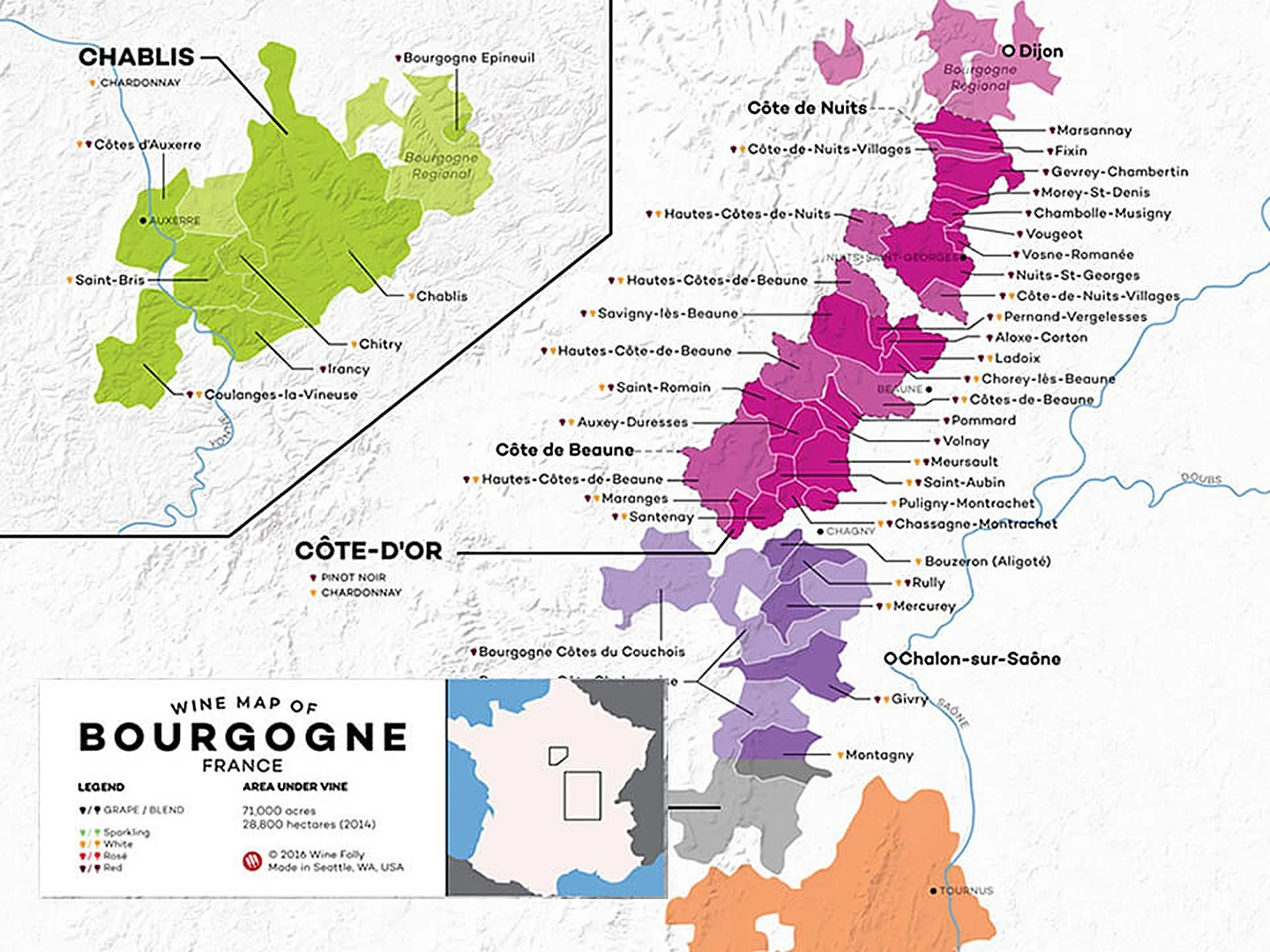
Burgundy's wine appellations, from the Côte de Nuits and Côte de Beaune to the Côte Chalonnaise
The collector signal is simple but not final: Michelin has placed nine Burgundy estates in the highest tier of its first wine-estate rating. That does not replace tasting, cellar history, importer trust, or the long work of learning a domaine over vintages. It does add a producer-level mark from an organization whose new wine criteria emphasize farming, cellar work, identity, balance, and durability across years.
For allocation planning, the Three MICHELIN Grapes Burgundy list will not make rare wines less rare. Domaine Leroy, Domaine d'Auvenay, Coche-Dury, and Domaine de la Romanée-Conti already move through constrained channels. The more practical use is comparative: ask why each estate made the top tier, then read that answer against the five criteria. Which estates are there through vine age and yield? Which through succession? Which through village identity? Which through a farming idea that changed the way a place is read?
For practitioners, the list rewards patience more than spectacle. It names makers whose work can be described through duration: Tremblay building from 2003; Christophe Roumier at the helm since 1990; Bertrand de Villaine and Perrine Fenal carrying DRC after the 2022 handover; Raphaël Coche working after Jean-François Coche-Dury; Thomas Bouley in Volnay; Olivier Lamy extending Hubert Lamy’s name through plant density and Saint-Aubin focus. The award is new. The work behind it is not.
The Other 85 Estates in the Burgundy Selection
The Burgundy selection includes 94 estates in total. The nine at the top sit inside a broader field of 20 Two MICHELIN Grapes estates, 33 One MICHELIN Grape estates, and 32 Selected estates. The other 85 estates are listed below by appellation and tier.
What are the Three MICHELIN Grapes Burgundy estates?
The Three MICHELIN Grapes Burgundy estates are nine domaines awarded the highest tier in Michelin's 2026 Grape Selection: Cécile Tremblay, Dugat-Py, Domaine Georges Roumier, Domaine de la Romanée-Conti, Domaine Leroy, Domaine d'Auvenay, Coche-Dury, Jean-Marc & Thomas Bouley, and Hubert Lamy. Michelin selected estates using five criteria: agronomy, technical mastery, identity, balance, and consistency across vintages.
How many estates received Three MICHELIN Grapes in Burgundy?
Nine estates received Three MICHELIN Grapes in Burgundy's inaugural 2026 selection. The total Burgundy selection included 94 estates across four tiers.
What criteria does Michelin use to award Three Grapes to Burgundy wine estates?
Michelin's inspectors assess estates across five criteria: agronomy, technical mastery, identity, balance, and consistency across vintages. Unlike bottle-specific ratings, the Grape Selection evaluates the estate's work over multiple years and harvests.
Where was the Three MICHELIN Grapes Burgundy selection announced?
The Three MICHELIN Grapes Burgundy selection was unveiled in 2026 at the Palace of the Dukes of Burgundy in Dijon. This marked Michelin's first regional Grape Selection, focused on wine estates rather than restaurants or individual bottles.
Which villages are represented in the Three MICHELIN Grapes Burgundy list?
The nine Three MICHELIN Grapes Burgundy estates span eight villages: Morey-Saint-Denis, Gevrey-Chambertin, Chambolle-Musigny, Vosne-Romanée, Saint-Romain, Meursault, Volnay, and Saint-Aubin.
The Sunday letter
Get the next Made By guide in your inbox.
We send one email every Sunday morning with the guides and profiles we published that week.