Made ByWinery
- Michelin 1 Grape · 2026
- Falstaff Winery - Listed · 2026
- Pearl 3 Star Prestige · 2025
The Sunday letter
Find new places through the people who run them.
Our Sunday email brings you the chefs, winemakers and hoteliers behind our newest stories. See a sample before you subscribe.
See a sample of the Sunday emailOne email a week. Unsubscribe from any issue.
The Burgundy négociant model has produced two distinct schools of winemaking since the post-phylloxera era: the large-volume houses that blend across dozens of parcels to maintain consistency, Bouchard, Drouhin, Jadot, the century-old names anchored in Beaune, and the micro-négociants who work parcel by parcel, vintage by vintage, inside a protocol closer to grower-producers than to classical négociant practice. Benjamin Leroux, established in Beaune in 2007, sits in the latter category. Leroux worked as winemaker and general manager at Domaine du Comte Armand in Pommard from 1999 to 2013, where he rebuilt the estate's reputation around low-intervention viticulture and minimal new-oak regimes; the house style he developed there, whole-cluster fermentation where the vintage permits, extended post-fermentation maceration, aged-oak barrels rather than new-oak blankets, carried into the négociant operation he launched in parallel. The Maison Benjamin Leroux catalogue now spans roughly thirty cuvées per vintage, all contracted from grower parcels across the Côte de Beaune and Côte de Nuits, with production volume deliberately capped below 6,000 cases annually to maintain parcel-level site selection.
Leroux succeeded Pascal Marchand at Domaine du Comte Armand in 1999, and sits inside the broader post-Jayer generation of Burgundy winemakers who rejected the high-extraction, 100%-new-oak protocols that dominated the region in the 1980s and early 1990s. The Jayer influence, Henri Jayer's cold pre-fermentation maceration, minimal pumping-over, long élevage in aged oak, shaped a cohort of winemakers now in their forties and fifties who work inside a lower-intervention technical frame than their predecessors. Leroux sits inside that cohort alongside figures like Sylvain Pataille in Marsannay, Cécile Tremblay in Morey-Saint-Denis, and Claude Dugat in Gevrey-Chambertin. The shared grammar: whole-cluster fermentation percentages that vary by vintage and by parcel rather than by house rule, sulfur additions deferred until after malolactic conversion, and oak programs built around three-to-five-year-old barrels sourced from coopers who work with air-dried staves rather than kiln-dried. Leroux's own oak protocol favors François Frères and Berthomieu barrels with a four-to-six-year service life, turning over roughly 15% to 20% of the barrel stock per year.
The Maison Benjamin Leroux structure functions as a hybrid between a traditional négociant and a courtier operation. Leroux does not own vineyards; all fruit is contracted from grower parcels under multi-year agreements that specify harvest date, yields, and exclusivity. The contracts cover roughly twenty-five growers across the Côte de Beaune and Côte de Nuits, with parcel size ranging from 0.15 hectares for premier cru and grand cru bottlings to 1.5 hectares for village-level cuvées. Leroux maintains control over harvest decisions and fermentation protocols, with growers delivering fruit to the Beaune cellar within two hours of picking. The cellar itself is a rented industrial space on the Route de Pommard in Beaune, deliberately utilitarian rather than architecturally grand, no tasting salon, no visitor programming, no hospitality infrastructure. Barrel élevage runs sixteen to eighteen months for village and premier cru wines, eighteen to twenty-two months for grand cru; bottling is unfined and unfiltered across the range. The operation employs three full-time staff including Leroux, with seasonal harvest labor drawn from the Beaune enology-school network.
Leroux's parcel selection concentrates in four communes: Auxey-Duresses, Beaune, Pommard, and Volnay on the Côte de Beaune; Chambolle-Musigny, Morey-Saint-Denis, and Gevrey-Chambertin on the Côte de Nuits. The Auxey-Duresses holdings include premier cru Les Duresses and village-level Les Crais; the Beaune holdings include premier cru Grèves, Bressandes, and Teurons; the Pommard holdings include premier cru Pézerolles and village Pommard; the Volnay holdings include premier cru Santenots. On the Côte de Nuits, the Chambolle-Musigny holdings include premier cru Les Beaux Bruns and village Chambolle; the Morey-Saint-Denis holdings include premier cru Aux Charmes; the Gevrey-Chambertin holdings include village Gevrey. The grand cru bottlings, Clos de Vougeot, Chambertin, and Corton-Charlemagne, are produced in tiny volumes, typically one to three barrels per vintage, and are released onto allocation lists only. The pricing structure reflects parcel prestige rather than négociant volume economics: village-level wines release at €30 to €40 per bottle ex-cellar, premier cru at €60 to €90, grand cru at €150 to €300. The allocation list is managed directly by the domaine and is weighted toward European restaurants and specialist importers; retail access in the United States is limited to roughly six importers with combined annual volume below 1,000 cases.
Leroux's winemaking protocol is built around late harvest and extended maceration rather than around extraction intensity. Harvest typically occurs one to two weeks later than the Beaune négociant-house average, targeting physiological ripeness and brown-seed tannins over maximum sugar accumulation. Whole-cluster percentages vary by parcel and by vintage: 2015 and 2018, hot vintages with advanced phenolic ripeness, saw whole-cluster percentages between 60% and 100% depending on parcel; 2016 and 2017, cooler vintages with slower tannin polymerization, saw whole-cluster percentages between 20% and 50%. Fermentation is initiated with indigenous yeasts and runs in small open-top wooden fermenters holding 1,200 to 2,500 liters; temperature peaks are held below 30°C through manual punch-downs rather than pump-overs. Post-fermentation maceration extends two to three weeks after dryness, with the wine resting on skins until the tannins soften and the color stabilizes. Sulfur additions are deferred until after malolactic conversion completes in barrel, typically three to five months post-harvest, with total SO2 at bottling held below 80 mg/L across the range. The protocol reads as Jayer-influenced but with longer skin-contact windows than Jayer himself practiced; it sits closer to the Sylvain Pataille school in Marsannay and the Tremblay practice in Morey than to the shorter-maceration, higher-sulfur approach of the large Beaune négociants.
The Leroux house style, as read through the bottlings themselves, emphasizes mid-palate density and structural tannin over fruit-forward ripeness. The wines are darker in color than the Beaune négociant baseline, with more brown and black tones than red; the aromatics lean toward savory rather than floral, with more black tea, black olive, and iron than red cherry or violet. The tannins are firm and long, with grip that extends through the finish rather than dissolving mid-palate; the acidity is lower than the Côte de Nuits grower baseline but higher than the large-négociant baseline, with the wines reading as balanced rather than lifted. Barrel influence is restrained but present, with toast and vanilla notes subordinate to the fruit and earth signatures. The wines age slowly, typically requiring five to seven years post-vintage to integrate fully, and hold structure through fifteen to twenty years in bottle for premier cru and grand cru bottlings. The style sits between the muscular, high-extraction school represented by Domaine Ponsot and Domaine Dujac, and the lighter, more acid-driven school represented by Domaine de la Vougeraie and Domaine Méo-Camuzet; it reads as dense but not extracted, structured but not heavy.
Critical reception for Maison Benjamin Leroux has been consistently strong in the specialist Burgundy press since the first releases in 2008. Allen Meadows at Burghound has scored the premier cru and grand cru bottlings between 89 and 94 points across the 2008 to 2018 vintages, with praise for the wines' structural integrity and aging potential; the 2015 Beaune Grèves scored 92 points, the 2016 Volnay Santenots scored 93 points, the 2017 Chambolle-Musigny Les Beaux Bruns scored 94 points. Neal Martin, writing for Vinous, has placed the Leroux bottlings in the upper tier of the micro-négociant category, noting the parcel selection and the low-intervention winemaking as distinguishing features. The Wine Advocate has been more reserved, with scores typically in the 89 to 92 range, citing the wines' firm tannins and savory profiles as less accessible to near-term drinking than the fruit-forward style the publication has historically favored in Burgundy. The critical consensus positions Leroux as a technically rigorous producer working inside the post-Jayer lineage, with wines that reward patience and cellar time over immediate drinkability.
Leroux's access model is allocation-only for premier cru and grand cru bottlings, with village-level wines available through specialist importers on an open-order basis. The allocation list is managed by email and is updated twice per year, in spring for the previous vintage's barrel samples and in fall for confirmed bottling volumes. Allocations are expressed as case multiples with mixed-case orders permitted; individual-bottle allocations are not offered. The list is weighted toward European accounts, with roughly 60% of annual production allocated to French, Belgian, and Swiss buyers; 25% to the United States; 10% to the United Kingdom; and 5% to Asia. Minimum order size is six bottles; maximum order size is capped at one case per cuvée per account per vintage for premier cru and grand cru, three cases per cuvée per account per vintage for village wines. The domaine does not operate a tasting room and does not receive unscheduled visitors; trade visits are arranged by appointment only, typically in the weeks immediately following bottling. Ex-cellar pickup is not offered; all shipments are handled through the domaine's logistics partners in Beaune. The access structure reflects the micro-négociant economics: production volume is too small to support open retail distribution, but large enough to require a formal allocation system rather than the fully closed, invitation-only model practiced by a handful of grower-producers in the region.
The broader competitive landscape for low-intervention Burgundy négociants has thickened considerably since Leroux launched in 2007. The generation of winemakers who trained in the 1990s and early 2000s, Marchand, Pataille, Tremblay, Alex Gambal, Frédéric Cossard, has now been joined by a younger cohort launching their own négociant operations in the 2010s: Charles Lachaux in Vosne-Romanée, David Duband's former cellar hand Julien Altaber in Morey-Saint-Denis, and a cluster of natural-wine-aligned micro-négociants working with even lower sulfur additions and even longer skin-contact windows. Leroux's positioning inside this landscape is as a first-wave micro-négociant whose technical clarity and consistent quality have established a peer set rather than simply occupying one. The wines are priced below the top-tier grower-producers, Domaine de la Romanée-Conti, Domaine Leroy, Domaine Georges Roumier, but above the village-level négociant baseline; they are easier to access than the invitation-only growers but harder to access than the large Beaune houses. The trade positioning reads as mid-tier prestige: serious enough to merit allocation protocols, accessible enough to support a working restaurant list.
Questions
Frequently asked
Who works at Maison Benjamin Leroux?
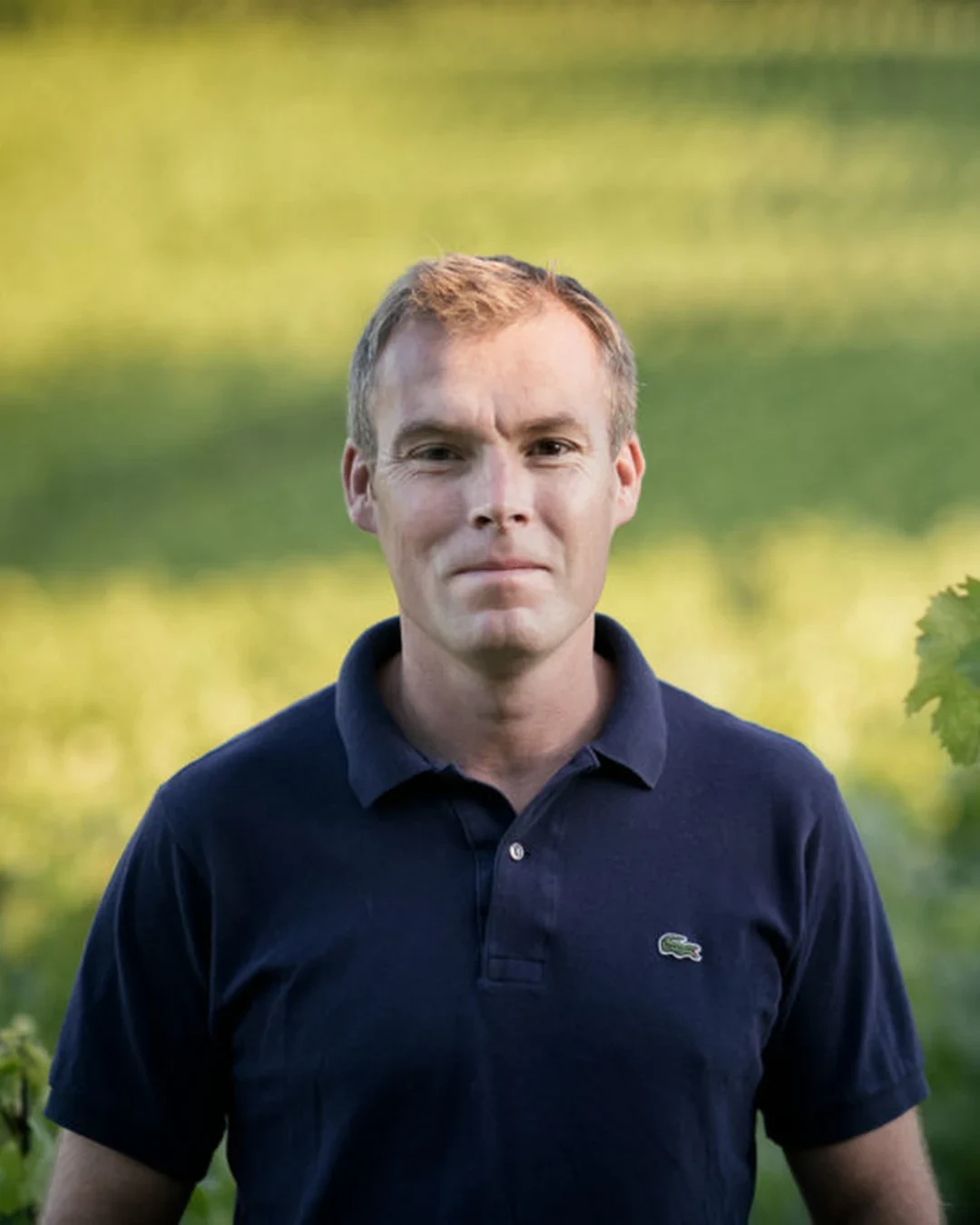
Made By profiles Benjamin Leroux (Winemaker) at Maison Benjamin Leroux.
How expensive is Maison Benjamin Leroux?
Maison Benjamin Leroux is listed at a price level of $$$.
The field
How it compares
| Place | Notes |
|---|---|
| Maison Benjamin Leroux | Beaune, $$$ |
| Domaine Bouchard Père et Fils | Beaune |
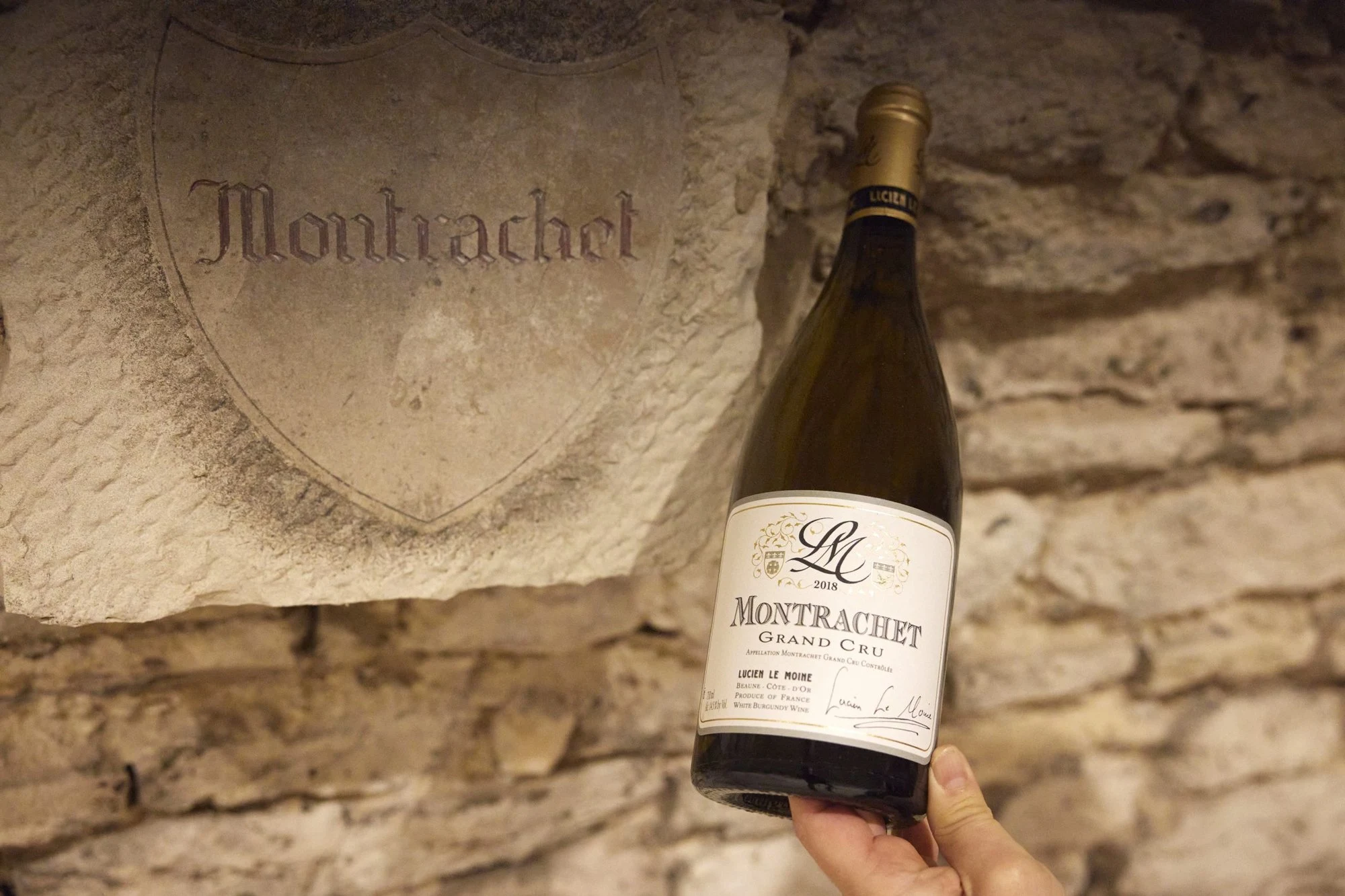
| Lucien Le Moine | Beaune |
| Maison Albert Bichot | Beaune |
| Maison Joseph Drouhin | Beaune |
| Maison Louis Jadot | Beaune |
| Maison Louis Latour | Beaune |
In residence
Similar places

The Sunday letter
Get the next Made By story in your inbox.
We send one email every Sunday morning with the places and people we covered that week.
See a sample of the Sunday emailOne email a week. Unsubscribe from any issue.