Made ByWinery
- Falstaff Winery - 3 Stars · 2026
- Michelin 1 Grape · 2026
- Pearl 4 Star Prestige · 2025
The Sunday letter
Find new places through the people who run them.
Our Sunday email brings you the chefs, winemakers and hoteliers behind our newest stories. See a sample before you subscribe.
See a sample of the Sunday emailOne email a week. Unsubscribe from any issue.
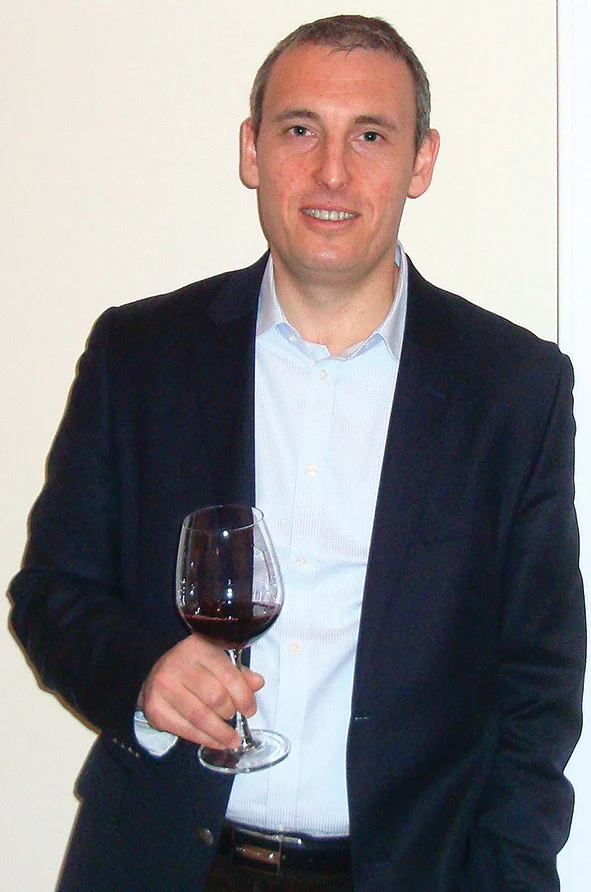
Burgundy's negociant tradition emerged in the eighteenth century as a commercial response to a fragmented vineyard landscape, tens of thousands of small parcels, hundreds of family growers, and the impossibility of any single domaine accumulating sufficient holdings to supply export markets at scale. The negociant house bought must or finished wine from contract growers, blended across parcels to create consistent regional cuvées, and aged and bottled under the house name. Maison Louis Jadot, founded in Beaune in 1859 by the Jadot family and operating continuously under that name since, sits squarely inside this lineage and has never deviated from the core negociant model. The house today contracts with more than 150 growers across the Côte d'Or and the Côte Chalonnaise, bottles approximately 6 million bottles per year across all appellations, and maintains one of the deepest vertical libraries of premier cru and grand cru Burgundy in the region. The house was acquired by the American Kobrand Corporation in 1985 but retained its Beaune headquarters, its contract-grower network, and its winemaking team under that ownership. Frédéric Barnier has been technical director and head winemaker since 2013, following a tenure at Maison Joseph Drouhin that began in 1991 and ran through senior winemaking roles at Drouhin's Oregon estate. Barnier's appointment continued a house tradition of long-tenured technical directors. His predecessor, Jacques Lardière, held the role from 1970 to 2013, a forty-three-year span during which Lardière's minimal-intervention protocol and extended lees-aging regime became the recognizable Jadot style.
The Jadot portfolio is organized around three tiers of sourcing and production. At the base, the regional appellations—Bourgogne Rouge, Bourgogne Blanc, Mâcon-Villages, Côte de Beaune-Villages—are blended from contracted fruit across multiple villages and bottled in high volume. These cuvées function as the house's commercial engine and represent roughly 60 percent of total production by volume. The middle tier comprises village-level appellations and premier cru vineyards under the negociant label: Gevrey-Chambertin, Chambolle-Musigny, Nuits-Saint-Georges, Meursault, Puligny-Montrachet, and a long list of named premier crus across the Côte de Nuits and the Côte de Beaune, all sourced from long-term grower contracts and vinified separately by parcel. At the top, the house owns and operates a portfolio of estate vineyards under separate domaine labels—Domaine Louis Jadot, Domaine Gagey, Domaine des Héritiers Louis Jadot—totaling approximately 240 hectares across Burgundy, including grand cru holdings in Corton-Charlemagne, Chevalier-Montrachet, Chambertin-Clos de Bèze, Bonnes-Mares, and Clos de Vougeot. These estate wines are produced under the domaine label and marketed separately from the negociant cuvées, though the same winemaking team oversees both. The distinction between negociant and domaine production is load-bearing in Burgundy: negociant wines carry the Maison Louis Jadot label and are sourced from contract growers; domaine wines carry the Domaine Louis Jadot label and are produced from estate-owned parcels. The house maintains the separation rigorously in labeling and pricing, and the estate wines command a premium that reflects the scarcity and the control afforded by ownership.
Barnier's winemaking protocol holds close to the minimal-intervention style Lardière established over four decades. Red wines are destemmed to approximately 30 to 50 percent whole-cluster inclusion depending on vintage and appellation, fermented in open-top wood fermenters with indigenous yeasts, and aged in French oak barrels for 12 to 18 months depending on the cuvée, with new-oak percentages ranging from 10 percent for village-level wines to 40 percent for grand crus. White wines are whole-cluster pressed, settled for 12 to 24 hours, and fermented in barrel with indigenous yeasts, then aged on full lees for 10 to 15 months with weekly bâtonnage for the first three months. The house does not fine or filter its premier cru and grand cru wines, and SO2 additions are kept to minimal levels throughout the aging process, with total sulfur at bottling typically below 100 milligrams per liter for reds and below 120 milligrams per liter for whites. The result is a house style that sits between the high-extraction, heavily oaked Burgundies of the 1980s and 1990s and the ultra-minimal, no-sulfur natural wines that have emerged in the Côte d'Or over the past fifteen years. Jadot wines are recognizable for their balance between fruit concentration and structural restraint, their moderate oak presence, and their long aging curve. The house recommends a minimum of five years of bottle age for its premier cru reds and ten years for its grand crus, and the older Lardière-era bottlings from the 1990s and early 2000s continue to show well in recent tastings.
The house's contract-grower network is one of the most extensive in Burgundy and functions as a parallel sourcing model to the estate holdings. Jadot contracts with growers across approximately 500 hectares of vineyards, with agreements that typically run for multiple decades and include yield restrictions, harvest-date coordination, and vineyard-management protocols aligned with the house's winemaking standards. The contracts are structured as grape purchases rather than must or finished wine, and the fruit is transported to the Jadot cellars in Beaune for vinification, which gives the house control over the full winemaking process from harvest onward. This model distinguishes Jadot from smaller negociants that purchase finished wine from growers and blend or re-bottle under their own label. The house's control over vinification and aging allows it to maintain consistency across its portfolio and to apply the same minimal-intervention protocol to contracted fruit that it applies to estate fruit. The grower network includes parcels in premier cru and grand cru vineyards that the house could not afford to acquire outright—Musigny, Romanée-Saint-Vivant, Clos de la Roche, Montrachet—and the resulting negociant cuvées from these sites carry the Maison Louis Jadot label and are priced well below the domaine-produced equivalents from other houses, though still at a premium relative to village-level wines.
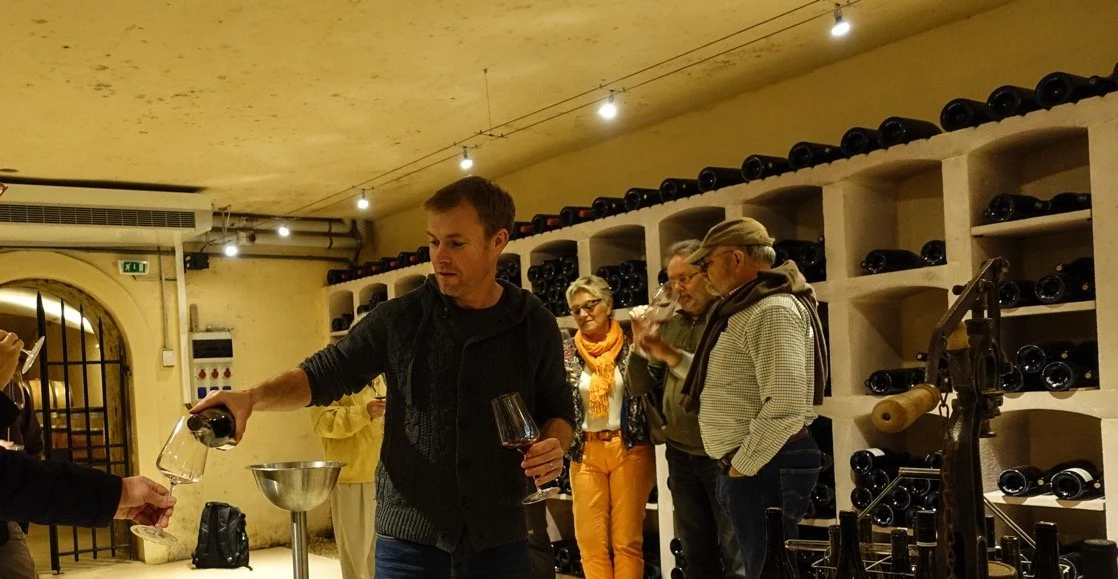
Jadot's Beaune headquarters and cellars occupy a complex of eighteenth- and nineteenth-century buildings in the center of Beaune, including a series of underground cellars dating to the 1700s that the house uses for barrel aging and bottle storage. The cellars maintain a constant temperature of approximately 12 to 14 degrees Celsius and a relative humidity above 85 percent, which allows for slow, stable aging of both barrels and finished wines. The house's vertical library is stored in a separate section of the cellars and includes vintages dating back to the 1940s for certain cuvées, with a focus on premier cru and grand cru wines that the house has released over the past seventy years. The library is not open to the public, but trade visitors and members of the press can request access to older vintages for tastings, and the house periodically releases small quantities of library wines through its allocation channels. The Beaune cellars also house the house's cooperage workshop, where a team of coopers maintains and repairs the house's stock of approximately 8,000 barrels, though the house does not produce its own barrels and sources new oak from a small group of French cooperages including Rousseau, François Frères, and Remond.
Access to Jadot wines varies significantly by tier and by market. The regional appellations and village-level wines are widely distributed through wholesale channels in France, the United States, the United Kingdom, and other major export markets, and are available on restaurant wine lists and in retail shops at standard wholesale pricing. The premier cru and grand cru cuvées, both negociant and domaine, are allocated through a list maintained by the house's export team, with allocations determined by historical purchase volume and by market. The allocation system functions similarly to those of other major Burgundy houses—Bouchard Père & Fils, Domaine Joseph Drouhin, Domaine Albert Bichot—and favors long-term wholesale partners over newer buyers. The house does not operate a direct-to-consumer sales channel in France or in export markets, and all sales are conducted through wholesale partners or through the house's export offices. The Beaune tasting room is open to trade visitors and to consumers by appointment, with a standard tasting menu that covers the regional, village, and premier cru tiers. Grand cru tastings are available by request but require advance coordination with the house. The tasting room does not sell wine directly, and visitors are directed to local retail partners in Beaune for purchases. The house's production volume and its wide distribution footprint place it closer to the large-scale negociant model of Bouchard Père & Fils and Domaine Joseph Drouhin than to the smaller, boutique negociants that have emerged in Burgundy over the past two decades, including Benjamin Leroux and Alex Gambal, which operate at a fraction of Jadot's scale and focus exclusively on premier cru and grand cru production.
Barnier's tenure as technical director has seen the house maintain the core Lardière protocol while adjusting to the realities of climate change in Burgundy. The Côte d'Or has seen earlier harvest dates, higher sugar levels at harvest, and increased alcohol levels in finished wines over the past twenty years. The house has responded by reducing whole-cluster inclusion in warmer vintages to avoid excessive tannin extraction, by shortening maceration times for certain cuvées, and by increasing the use of larger-format barrels—500-liter puncheons and 600-liter demi-muids—for village-level and premier cru reds to reduce oak influence and allow for slower, more gradual aging. The house has also increased its focus on organic and biodynamic viticulture within its estate vineyards, with approximately 80 percent of the estate holdings now farmed organically or in conversion, though the contract-grower network remains a mix of conventional and organic practices depending on the individual grower. The house does not pursue organic or biodynamic certification for its finished wines, and the decision to farm organically is framed as a vineyard-management choice rather than as a marketing position. This approach aligns with the broader Burgundy negociant tradition of pragmatic, market-oriented winemaking rather than ideological natural wine production, and the house's wines continue to be received in the trade as reliable, consistent, and technically sound rather than as avant-garde or experimental.
Jadot's peer set within the Burgundy negociant landscape includes Bouchard Père & Fils, Maison Joseph Drouhin, Domaine Albert Bichot, and Faiveley, all of which operate at similar production volumes, maintain deep contract-grower networks, and own significant estate holdings across the Côte d'Or. Within this peer set, Jadot sits closest to Drouhin in terms of winemaking style. Both houses favor minimal intervention, indigenous yeasts, and extended lees aging, while Bouchard Père & Fils and Albert Bichot lean toward slightly higher oak influence and more structured, tannic reds. Faiveley, based in Nuits-Saint-Georges, operates a similar model but focuses more heavily on the Côte de Nuits than on the Côte de Beaune, where Jadot has its deepest holdings and its strongest grower relationships. The house's pricing sits in the middle of the negociant peer set: Jadot's village-level wines are priced slightly below Drouhin and Faiveley but above smaller negociants, while its premier cru and grand cru wines are priced competitively with Bouchard and Bichot. The house's allocation system and its distribution footprint give it a market advantage over smaller negociants, but its reliance on contract-grower fruit for the majority of its production means that the house does not command the same premiums as domaine-only producers with equivalent vineyard holdings. This trade-off between scale and exclusivity is the defining tension of the Burgundy negociant model, and Jadot has navigated it by maintaining a clear separation between its negociant and domaine labels and by pricing each tier accordingly.
Questions
Frequently asked
Who works at Maison Louis Jadot?
Made By profiles Frédéric Barnier (Winemaker) at Maison Louis Jadot.
How expensive is Maison Louis Jadot?
Maison Louis Jadot is listed at a price level of $$$.
The field
How it compares
| Place | Notes |
|---|---|
| Maison Louis Jadot | Beaune, $$$ |
| Domaine Bouchard Père et Fils | Beaune |
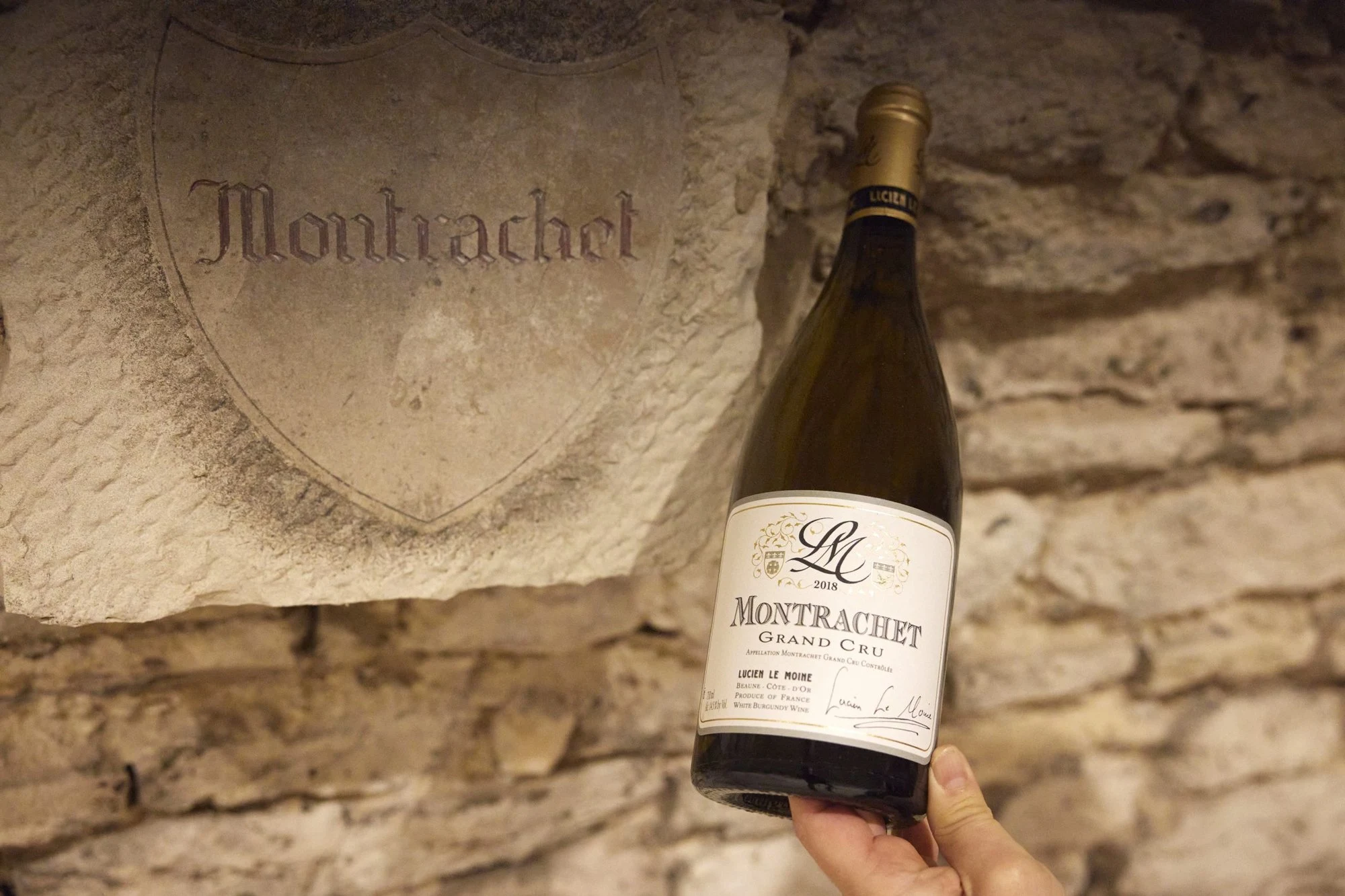
| Lucien Le Moine | Beaune |
| Maison Albert Bichot | Beaune |
| Maison Benjamin Leroux | Beaune |
| Maison Joseph Drouhin | Beaune |
| Maison Louis Latour | Beaune |
In residence
Similar places

The Sunday letter
Get the next Made By story in your inbox.
We send one email every Sunday morning with the places and people we covered that week.
See a sample of the Sunday emailOne email a week. Unsubscribe from any issue.