Winemaker
Thierry Pillot
Winemaker, Domaine Paul Pillot
- Discipline
- Winemaker
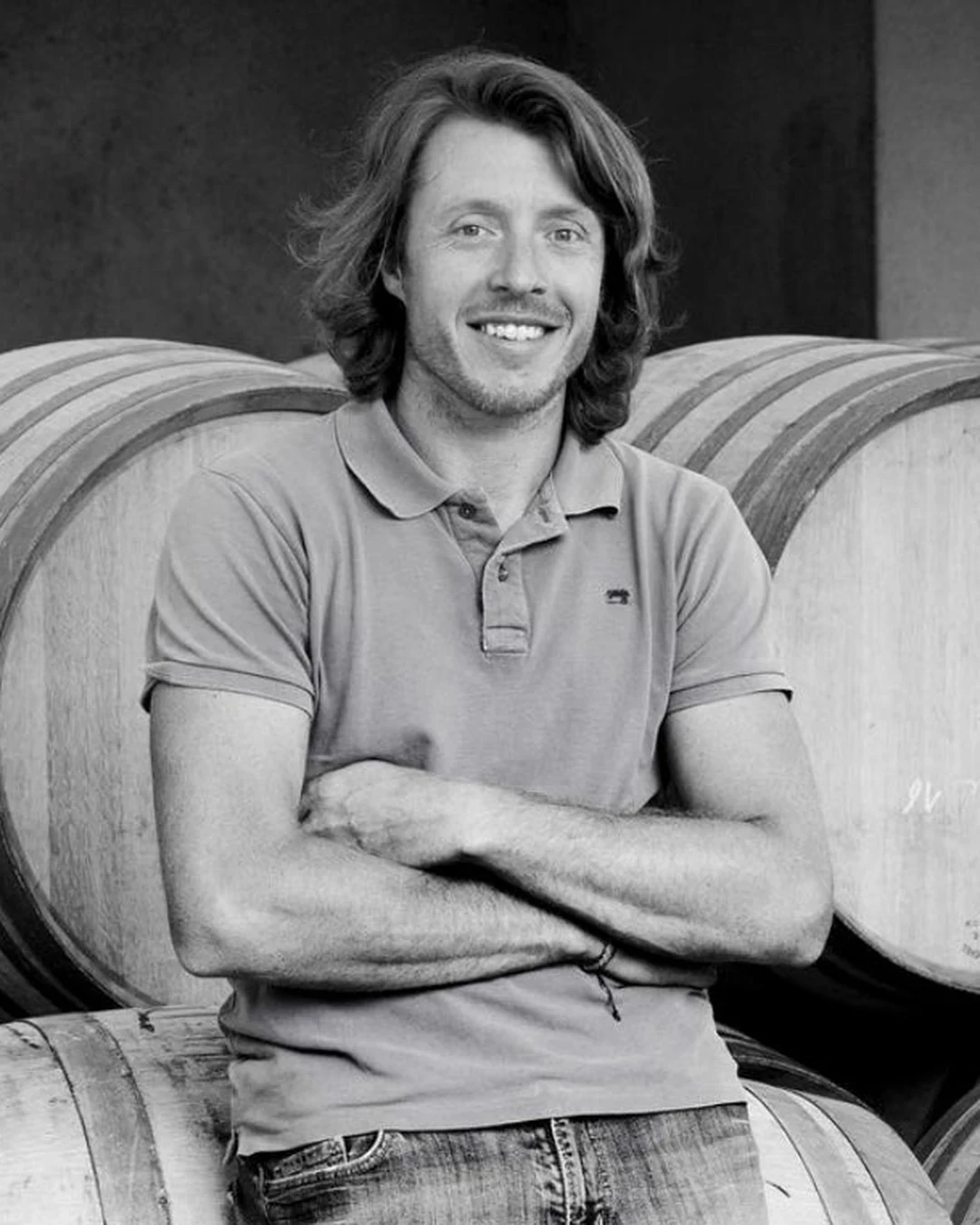
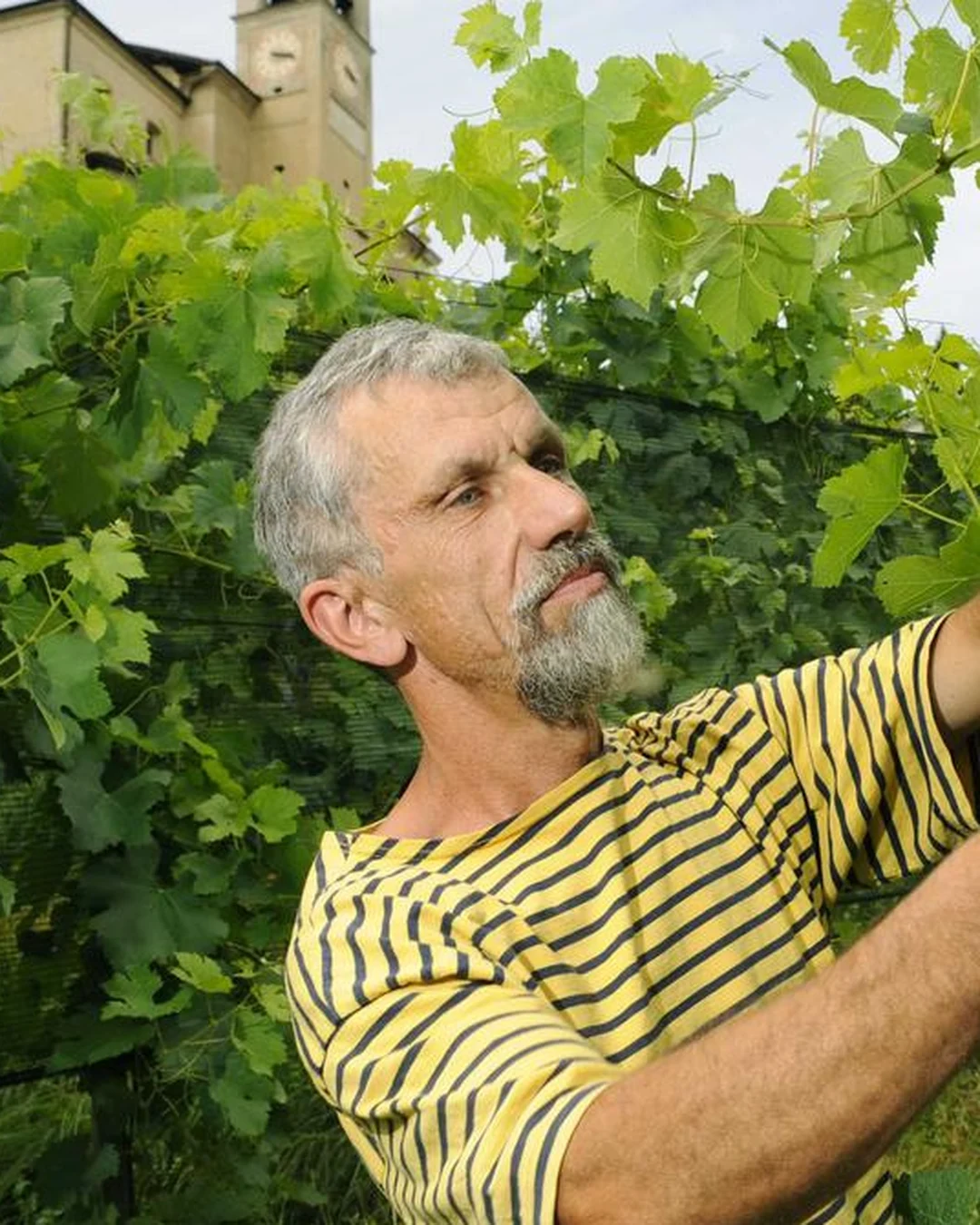
Portrait of Thierry Pillot
i. Biography
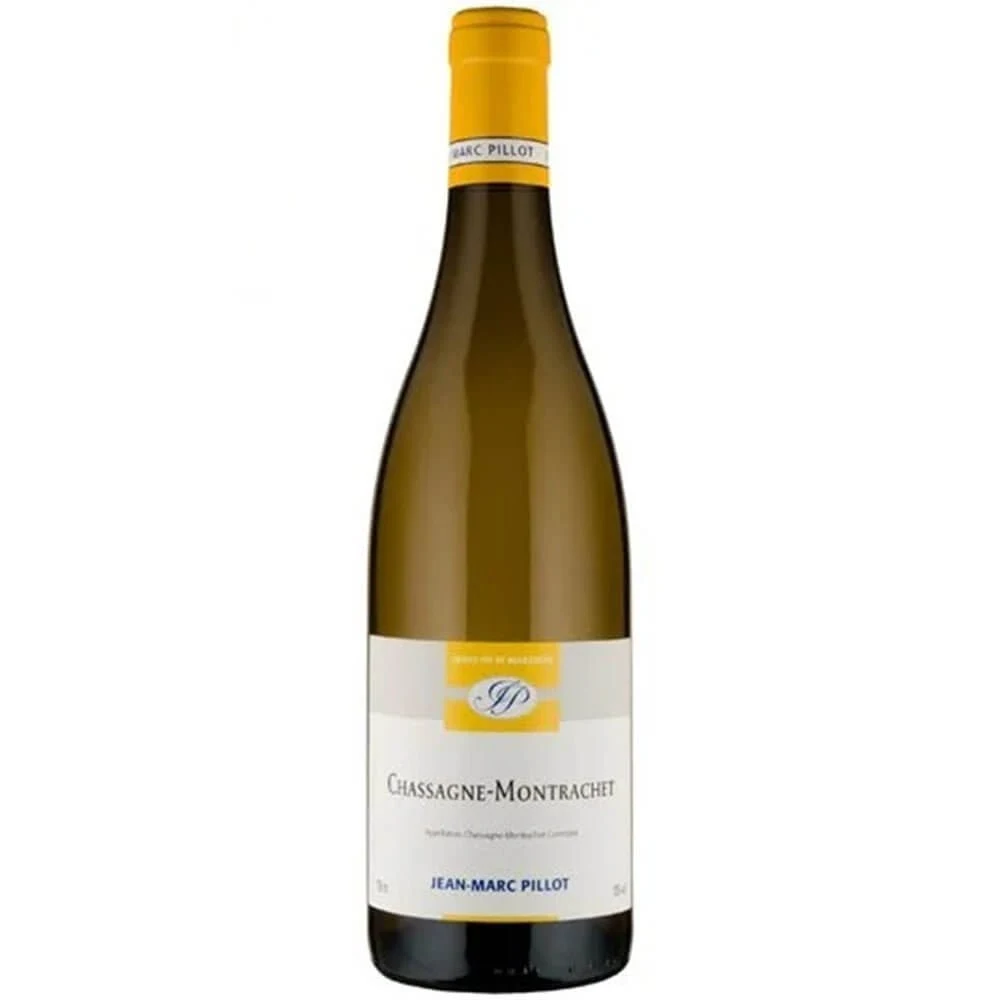
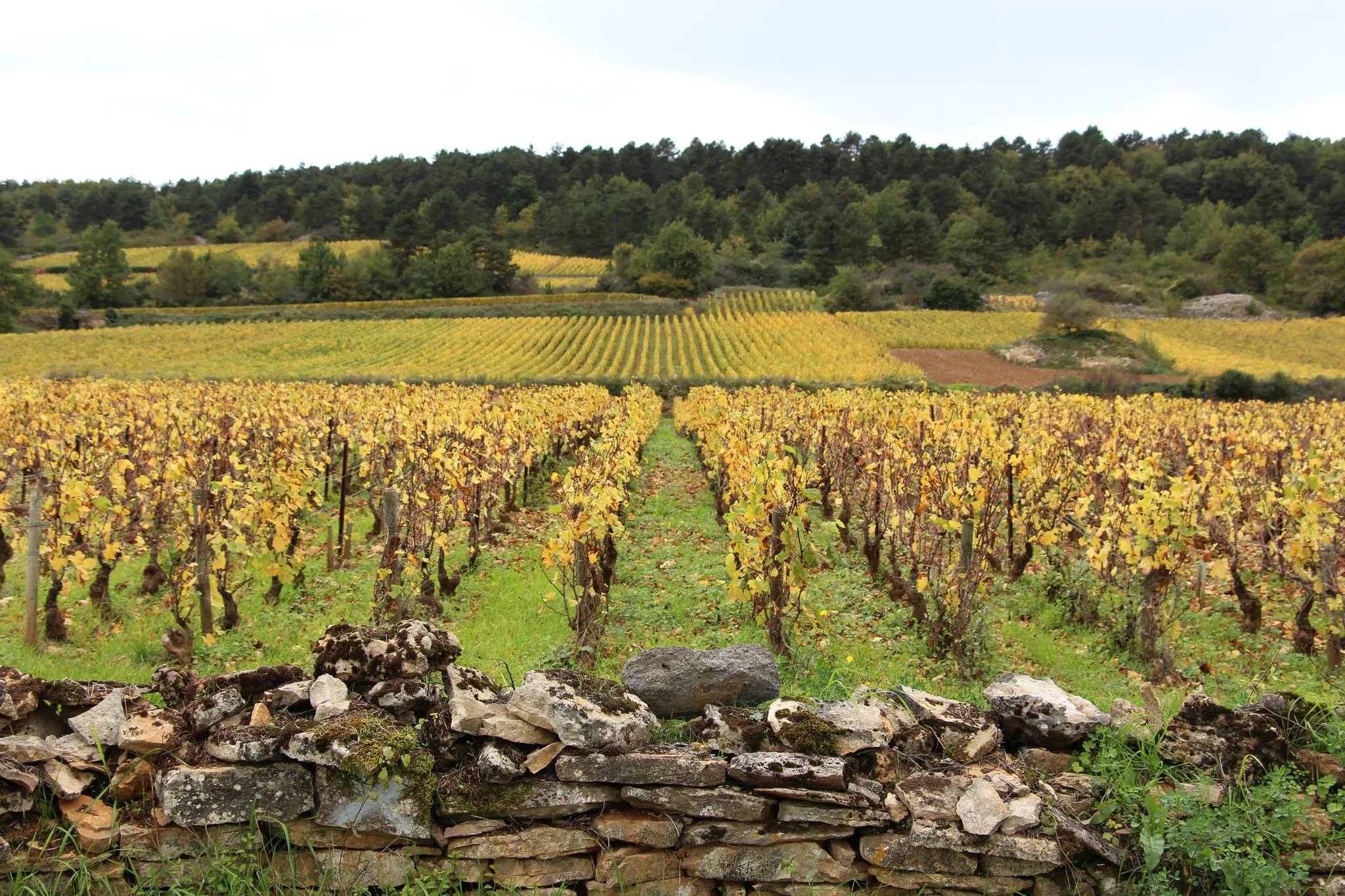
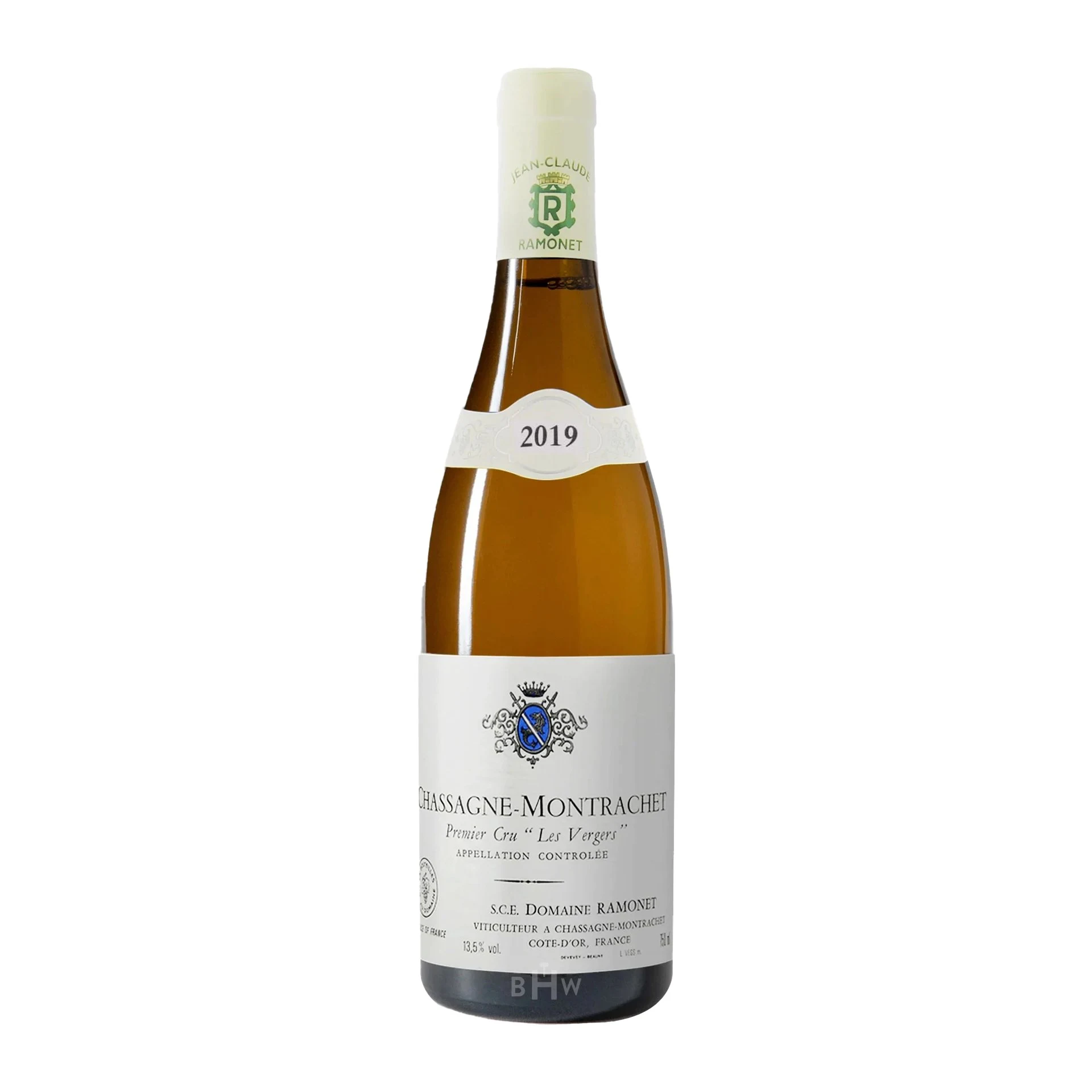
Thierry Pillot runs Domaine Paul Pillot with his sister Chrystelle in Chassagne-Montrachet, France. The domaine is shaped by family work, inherited vineyards, and a contemporary cellar practice aimed at benchmark white wines. Its evolution has come through reduction rather than rupture, with less imposed shape and more attention to energy, restraint, and the limestone character of the Côte de Beaune. At the center of the work is a clear idea of Burgundy: fidelity to terroir, precision in texture, and wines that remain legible to their sites. Pillot learned the domaine from the inside. Work at Domaine Paul Pillot meant absorbing the daily rhythm of the growing season, cellar judgement, and the responsibilities attached to family land. Since taking direction of the domaine, he has carried the inherited address while sharpening the wines through line, balance, and site expression. His approach treats continuity as essential, with change measured in the glass through refinement, purity, and the degree to which the vineyard remains visible. Benchmark white Burgundy from Chassagne-Montrachet remains the core of the domaine’s identity. The vineyards are worked organically without certification, and Premier Cru and Grand Cru parcels are handled by hand. Canopy work is part of the winemaking process from the start, with vines trained higher and leaves managed for aeration and sun protection. In the row, the aim is to support clarity in the finished wine through practical choices that preserve balance and freshness. The cellar practice follows the same restraint. Pillot uses a natural, straightforward approach with minimal new oak and a non-interventionist method once the fruit arrives. The wines mature for about 18 months on lees, with the final six months in stainless steel. Larger-format barrels are used to keep wood in the background, and there is no lees stirring. The structure is built around length and line rather than oak influence, and the wines are intended to reflect the unique terroir of Burgundy’s Côte de Beaune. Pillot describes the shift plainly: he converted to organic wine making, uses less new oak, less intervention, and no batonage, with longer elevage extending from 12 months to 18 months. He also says he does not follow a set of rules and makes wine with feeling. His sense of freedom is tied to an earlier life in a rock band, which he says influences his approach to winemaking as free thinking and out of the box thinking. In the cellar, that freedom appears as fewer corrective gestures, longer aging, and a refusal to make the wines by formula. The domaine’s signature bottlings include Chassagne La Romanée vertical, a format that shows how one site changes across vintages while retaining its central shape. Recognition of the work is tied to the standing of the wines themselves, which are regarded as benchmark, pure, and intense white Burgundies from Chassagne-Montrachet. Top cuvées include Meursault Genevrières, Perrières, Charmes, and Puligny Caillerets. A Chassagne La Romanée vertical has also been noted for revealing the greatness of a small parcel aged without new oak in large barrels. The result is a style that has become purer and more refined vintage by vintage, with parcel, patience, and restraint kept in balance.
The Sunday letter
Read Made By's new profiles every Sunday.
Meet the chefs, winemakers and sommeliers behind the places we cover. See a sample below before you subscribe.
See a sample of the Sunday emailOne email a week. Unsubscribe from any issue.
Explore
In the same rooms
Similar Winemakers

The Sunday letter
Get the next Made By profile in your inbox.
We send one email every Sunday morning with the people we profiled that week.
See a sample of the Sunday emailOne email a week. Unsubscribe from any issue.