Nineteen hectares, twenty-five appellations
- Falstaff Winery - Listed · 2026
- Michelin Main Selection · 2026
- Pearl 3 Star Prestige · 2025
Plot by plot in Chassagne-Montrachet
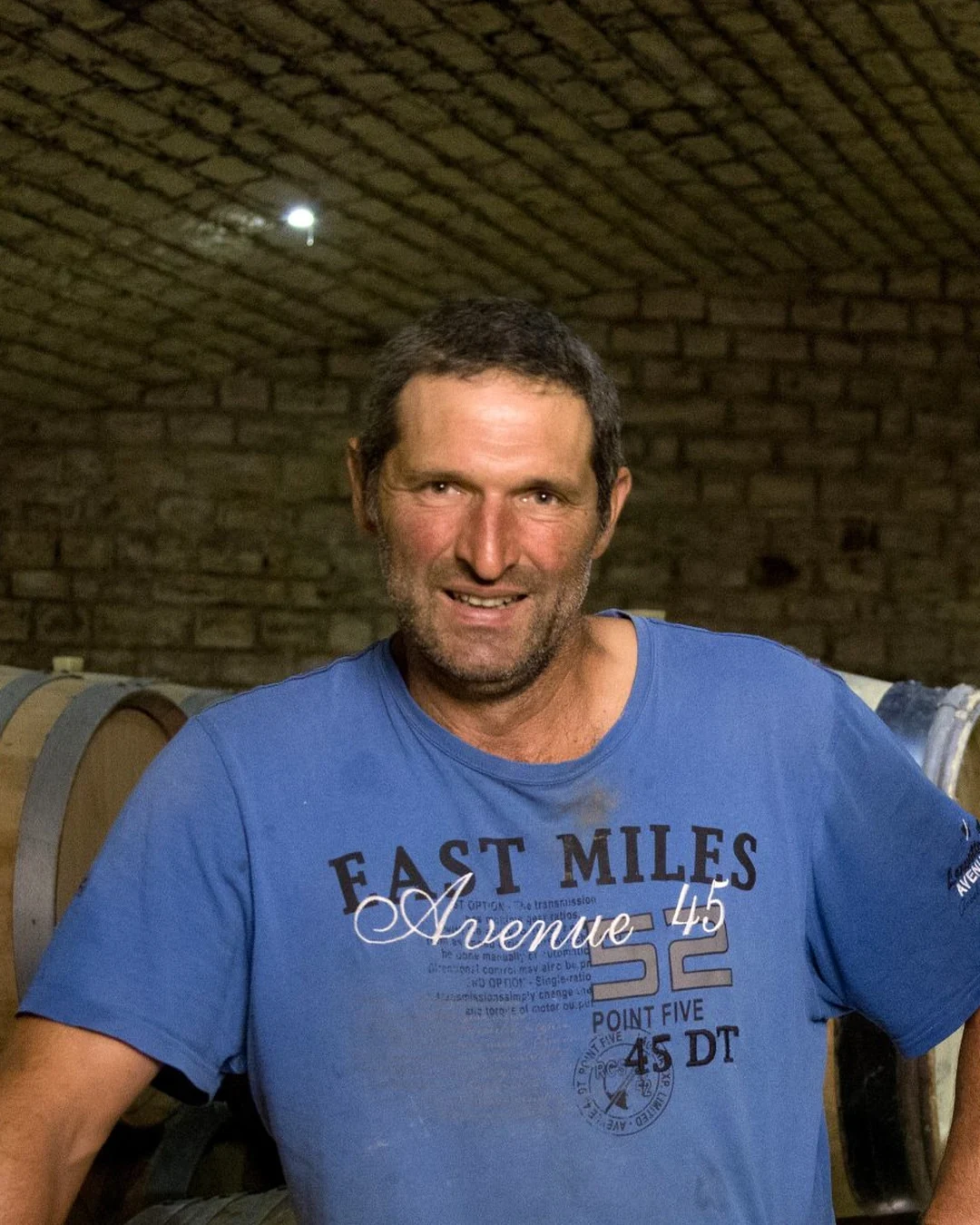
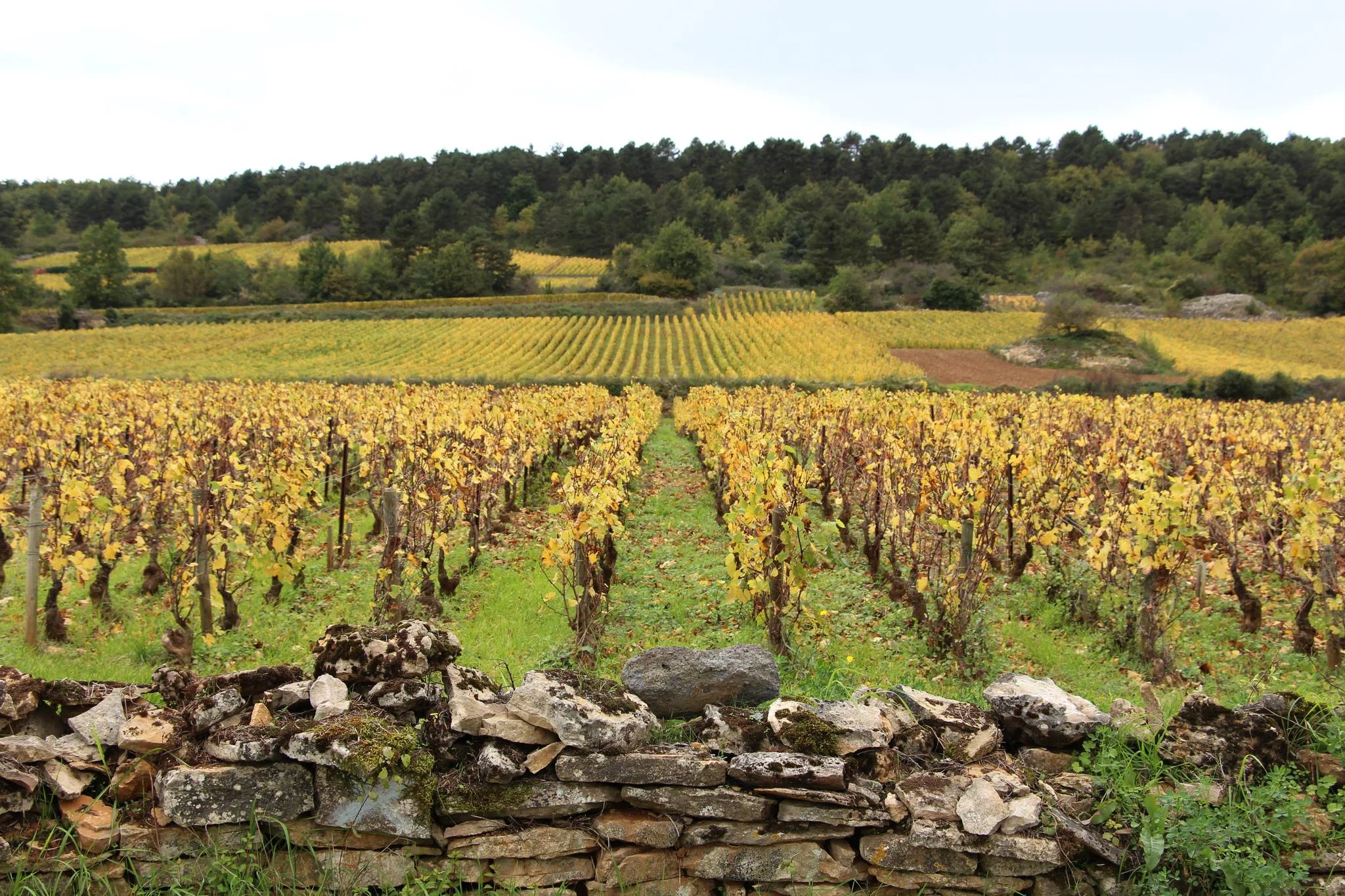
Slope, soil, exposure, and the rhythm of the growing season guide Noël Ramonet, winemaker at Domaine Ramonet in Chassagne-Montrachet, before a barrel is asked to explain anything. Noël Ramonet has worked from that vineyard-led discipline at the family domaine, reading parcels in Chassagne-Montrachet and Puligny-Montrachet as separate pieces of ground rather than as a general Burgundy idea. The role asks for restraint. It also asks for memory, because a decision in one plot has to carry through harvest, élevage, and bottle without losing the place that made it.
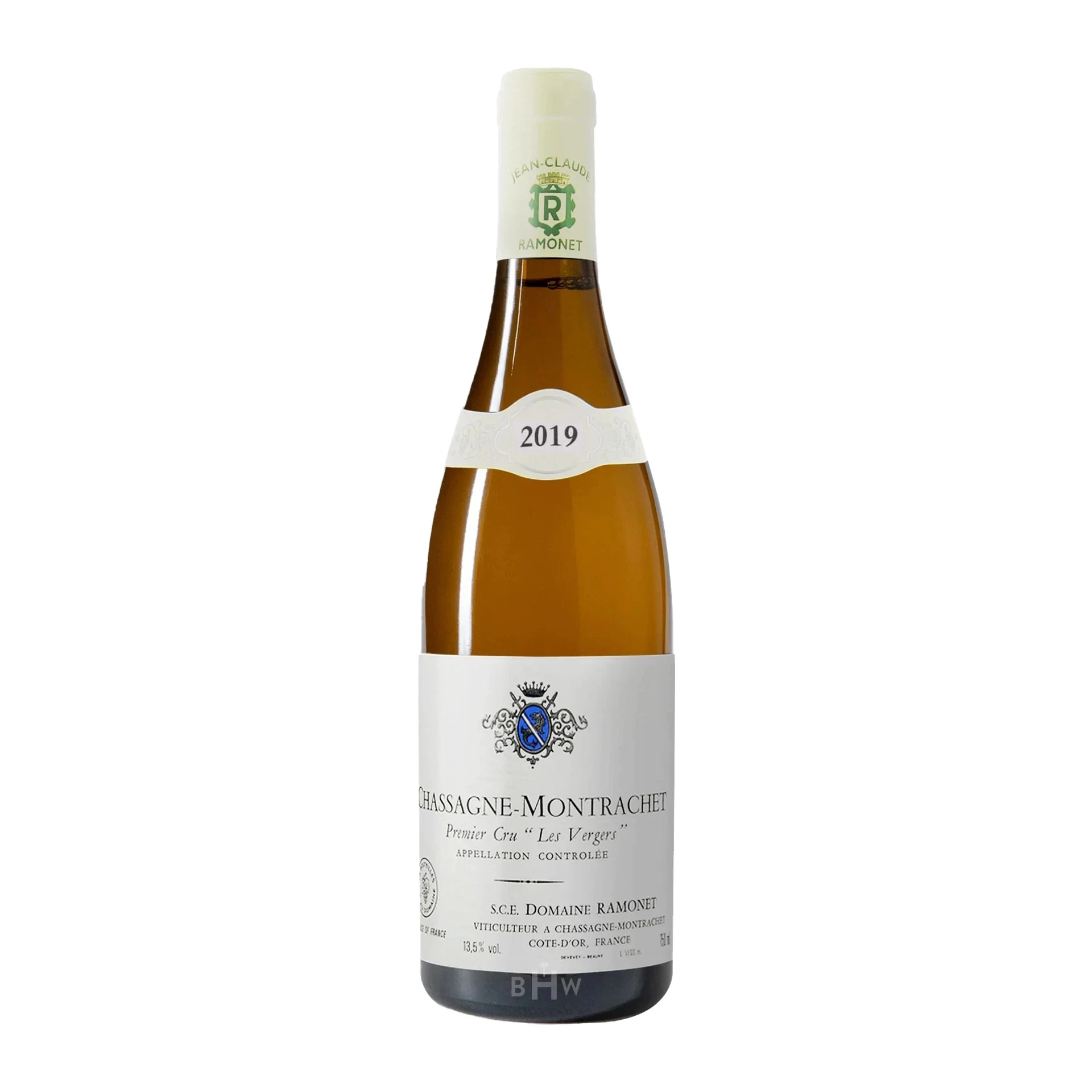
Jean-Claude Ramonet has held the winemaker post here since 2013, working inside the same demand for continuity. His place in the cellar is not described by display, but by maintenance of a line: balance, precision, and follow-through across wines that include Chassagne-Montrachet 1er Cru Les Ruchottes, Corton-Charlemagne, Puligny-Montrachet Les Pucelles, Le Cailleret, and Chevalier-Montrachet. Noël’s work is tied to parcel identity and the transmission of know-how; Jean-Claude’s tenure carries the cellar discipline that keeps those decisions legible after fermentation. At Domaine Ramonet, the family name is not an ornament. It is a working structure.
The Sunday letter
Find new places through the people who run them.
Our Sunday email brings you the chefs, winemakers and hoteliers behind our newest stories. See a sample before you subscribe.
See a sample of the Sunday emailOne email a week. Unsubscribe from any issue.
Nineteen hectares across twenty-five appellations
The domaine farms 19 hectares across 25 appellations, with Chardonnay and Pinot Noir as the central materials. Production remains small to medium in scale, with approximately 120,000 bottles in peak years, drawn primarily from own vineyards and some rented parcels. The stated farming direction is sustainable, and the practical emphasis is old vines, low yields, and the separate handling of sites whose differences matter in the finished wine.
The white wines carry much of the estate’s reputation, especially Montrachet Grand Cru, where the expected life can run to 30-50+ years. That span is not a romance of age for its own sake; it depends on acidity, mineral depth, and the discipline to avoid excess in the cellar. The program also includes still red wine, which keeps Pinot Noir within the estate’s field of work rather than leaving the domaine defined by Chardonnay alone. In a cellar like this, technique is partly the refusal to blur. Each parcel must arrive with its own pressure, texture, and length intact.
The cellar keeps the tone low
The cellar at Domaine Ramonet is traditional in bearing, quiet rather than theatrical, with cave tasting and barrel tasting held close to the work. The atmosphere is austere and serious, the sort of room where attention gathers around the barrel, the glass, and the small differences between neighboring sites. There is no need for spectacle when the estate’s frame already contains Chassagne-Montrachet AOC, Montrachet Grand Cru, and a set of named Côte de Beaune parcels whose reputations have to be met vintage after vintage.
That quietness matters. It lets the hands stay on the method: vine to vat, barrel to bottle, release only when the wine can carry its site without explanation. The close of the work is not a flourish, but a clear glass of Chassagne-Montrachet 1er Cru Les Ruchottes.
Questions
Frequently asked
Who runs the winemaking at Domaine Ramonet?
Noël Ramonet works parcel by parcel on the vineyards, and Jean-Claude Ramonet has held the winemaker post since 2013. The family name functions here as a working structure rather than a decorative one.
What is Domaine Ramonet known for?
The domaine is known for wines from Chassagne-Montrachet and Puligny-Montrachet, with white wines carrying much of its reputation. Its range includes Montrachet Grand Cru, Chassagne-Montrachet 1er Cru Les Ruchottes, Corton-Charlemagne, Puligny-Montrachet Les Pucelles, Le Cailleret, and Chevalier-Montrachet.
How large is the estate?
Domaine Ramonet farms 19 hectares across 25 appellations. Production is small to medium in scale, with approximately 120,000 bottles in peak years.
How does visiting work?
Visits are by appointment only. The cellar is described as traditional and quiet, with cave tasting and barrel tasting held close to the work, and the dress code is smart casual. There is also an on-site parking lot.
The field
How it compares
| Place | Notes |
|---|---|
| Domaine Ramonet | Chassagne-Montrachet, $$$$ |
| Domaine Alex Moreau | Chassagne-Montrachet |
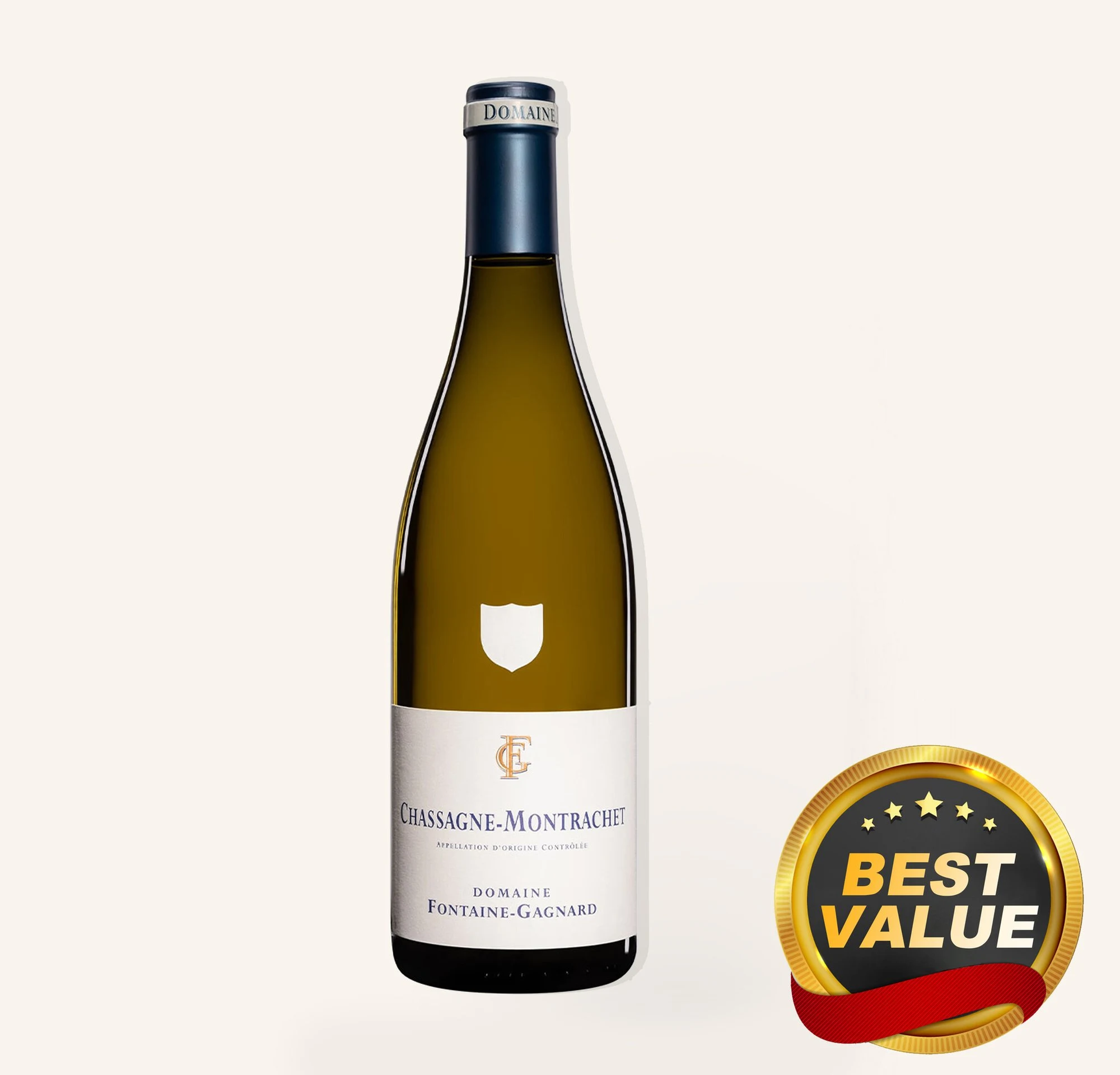
| Domaine Fontaine-Gagnard | Chassagne-Montrachet |
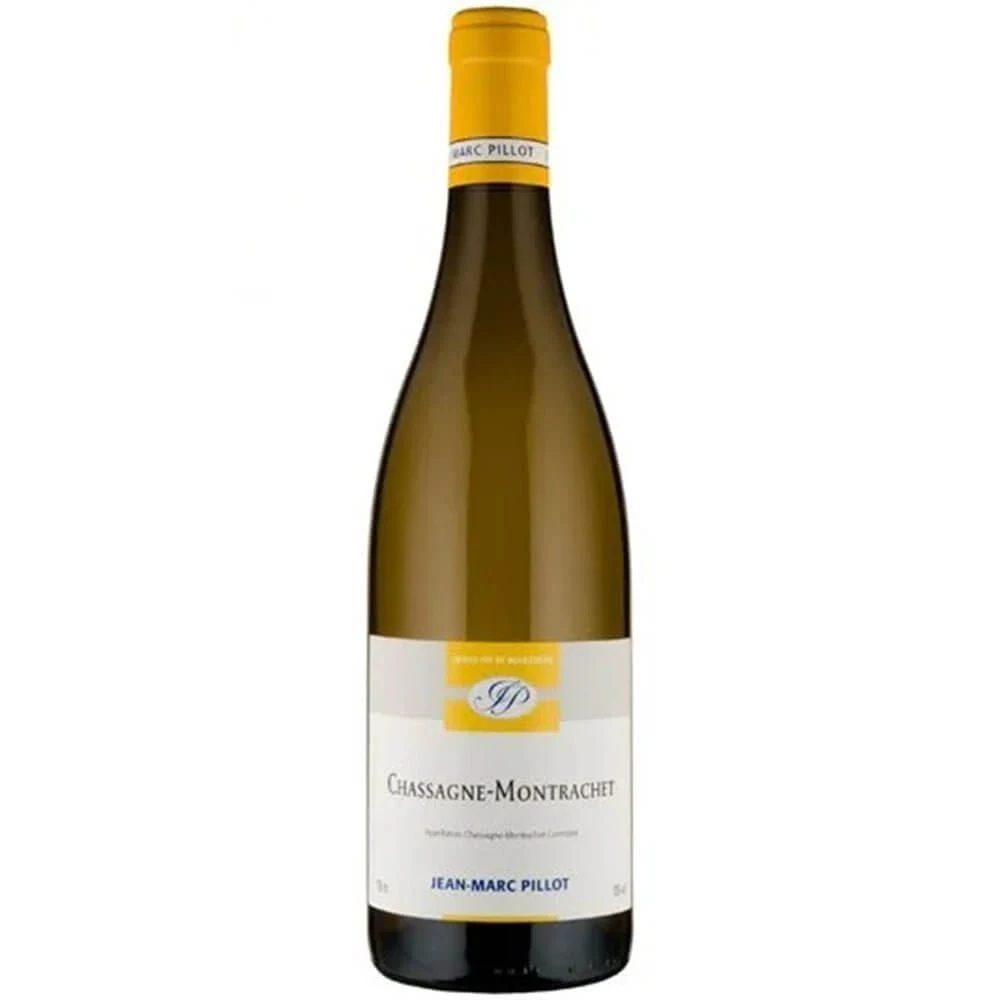
| Domaine Jean-Marc Pillot | Chassagne-Montrachet |
| Domaine Jean-Noël Gagnard | Chassagne-Montrachet |
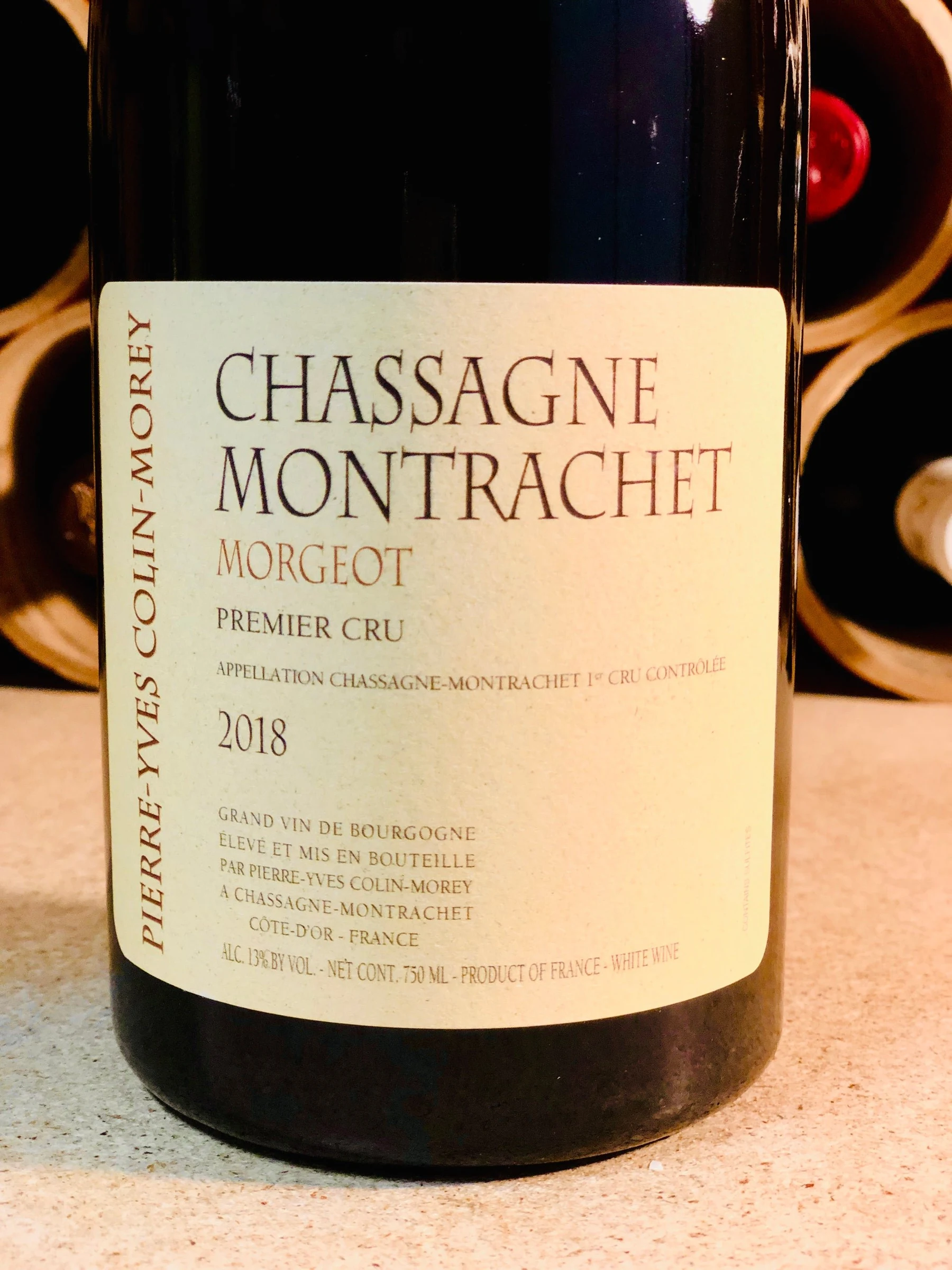
| Domaine Pierre-Yves Colin-Morey | Chassagne-Montrachet |
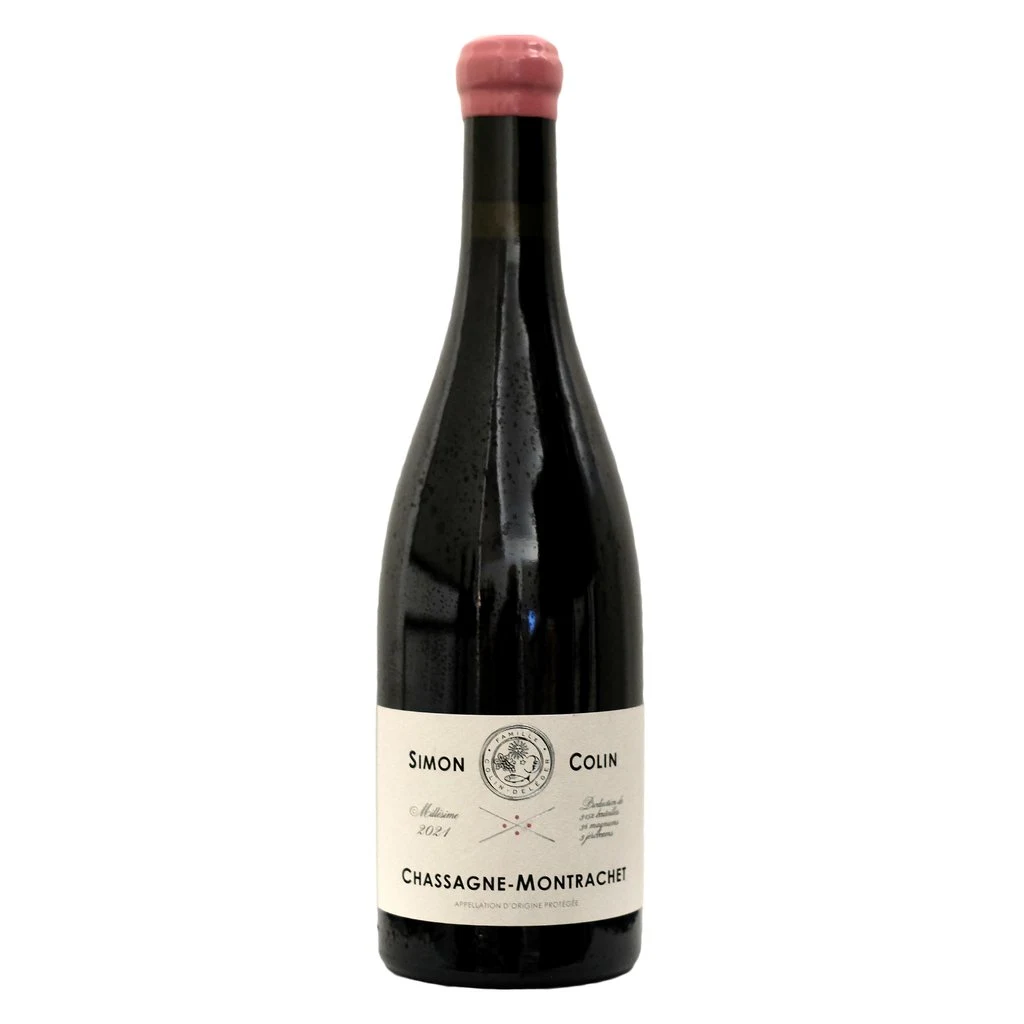
| Domaine Simon Colin | Chassagne-Montrachet |
In residence
Similar places
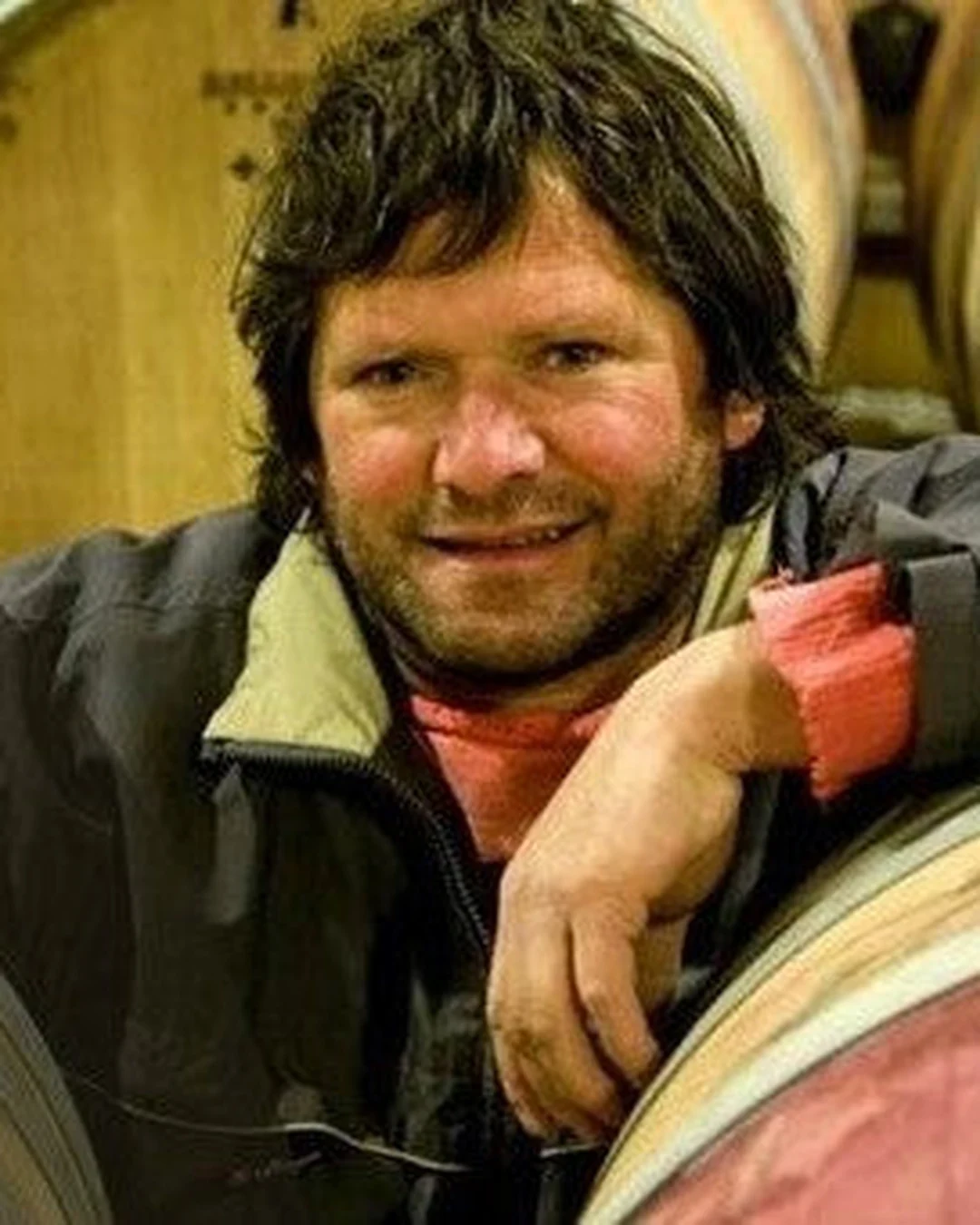
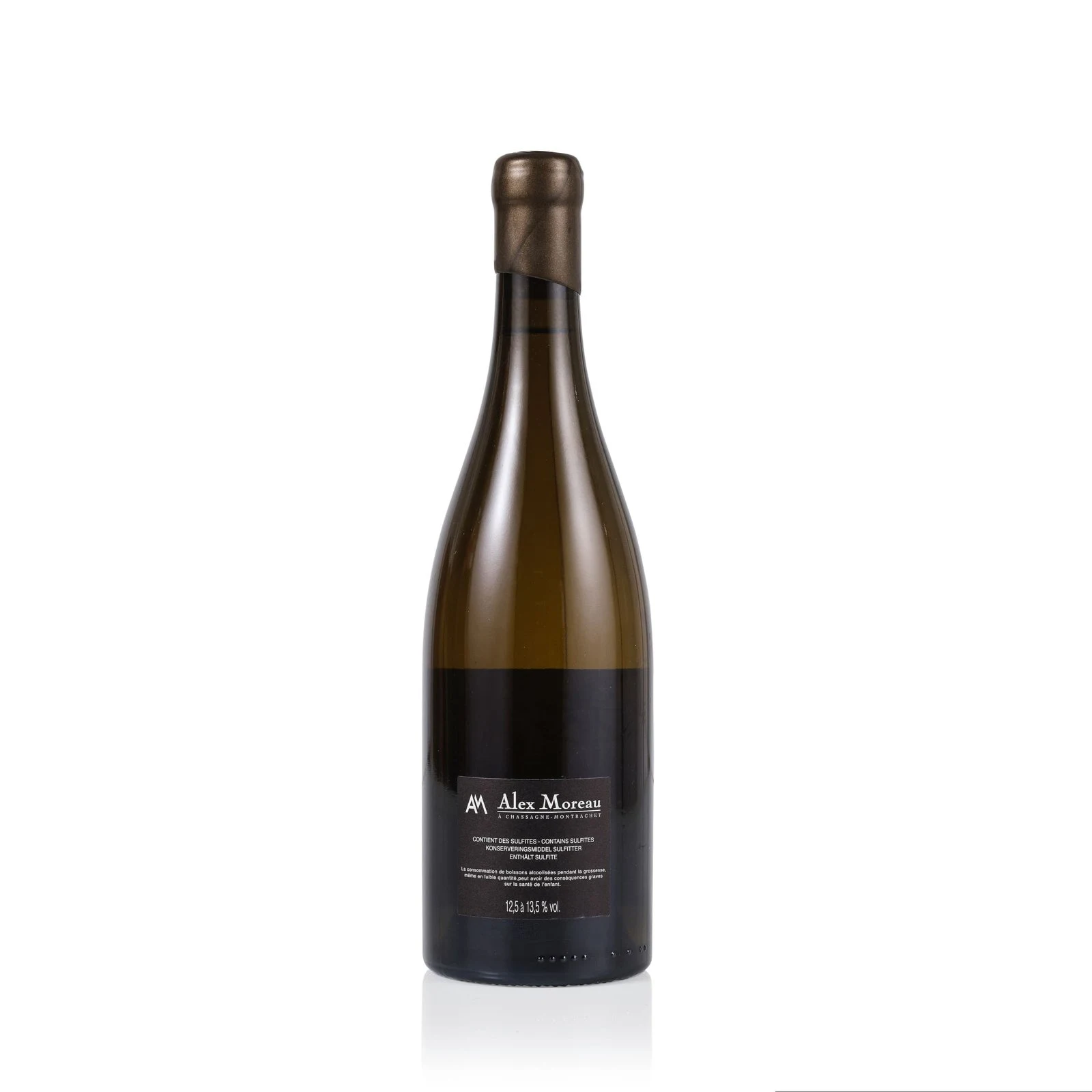
Domaine Alex Moreau
Chassagne-Montrachet, France
Domaine Fontaine-Gagnard
Chassagne-Montrachet, France
Domaine Jean-Marc Pillot
Chassagne-Montrachet, France
Domaine Jean-Noël Gagnard
Chassagne-Montrachet, France
Domaine Pierre-Yves Colin-Morey
Chassagne-Montrachet, France
Domaine Simon Colin
Chassagne-Montrachet, France
The Sunday letter
Get the next Made By story in your inbox.
We send one email every Sunday morning with the places and people we covered that week.
See a sample of the Sunday emailOne email a week. Unsubscribe from any issue.