Made ByWinery
Domaine Bonneau du Martray
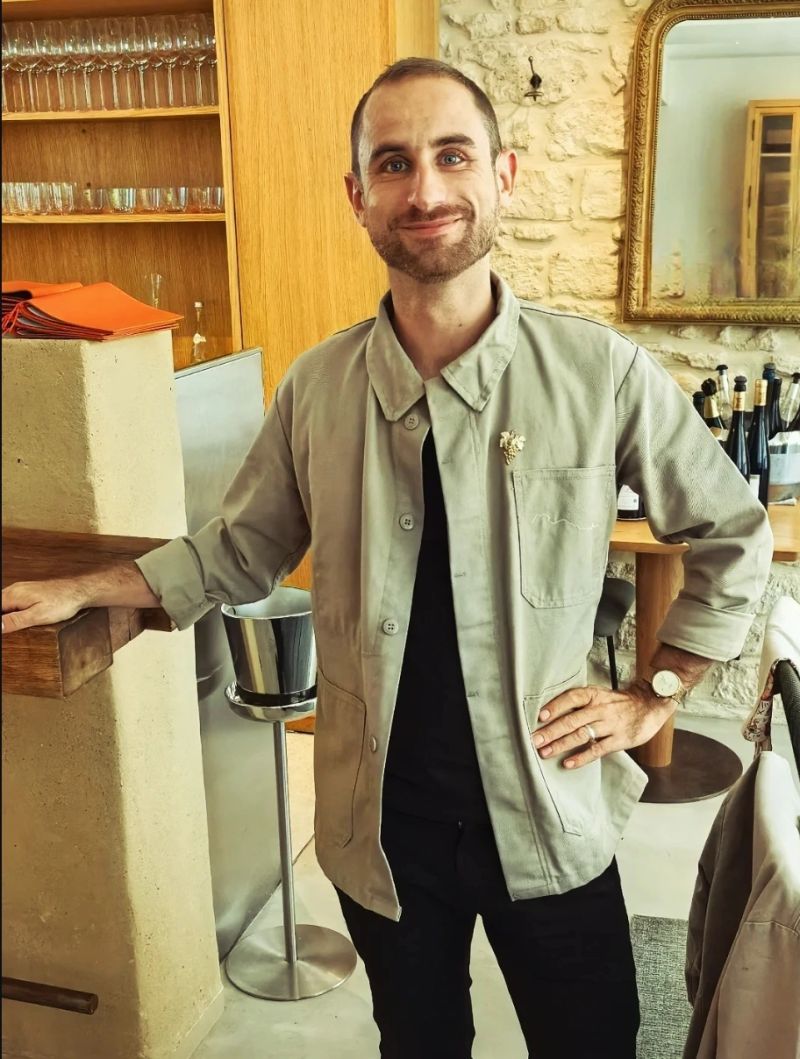
Chef in Residence
Thibault Jacquet
Winemaker
- 01CityPernand-Vergelesses, France
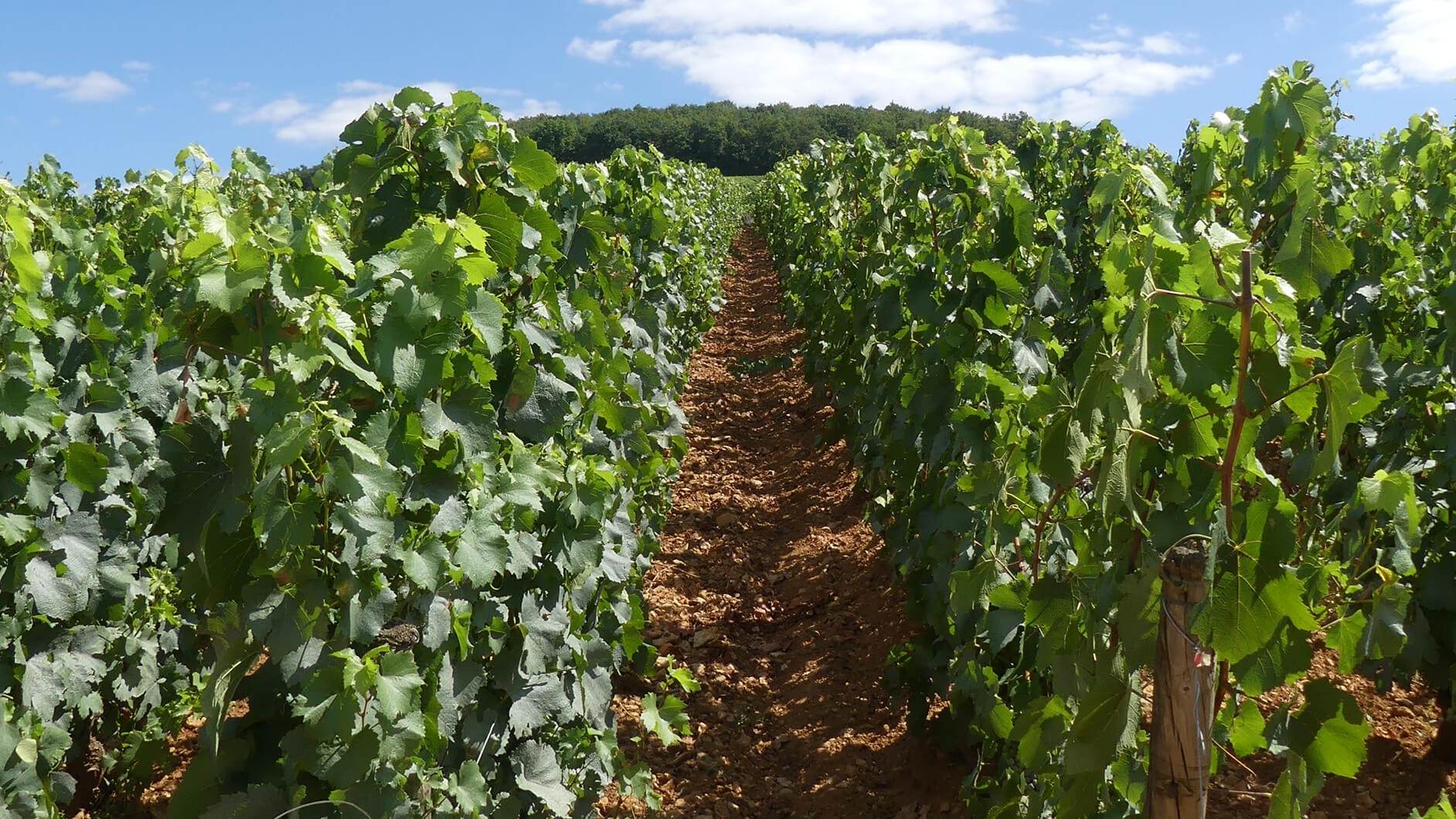
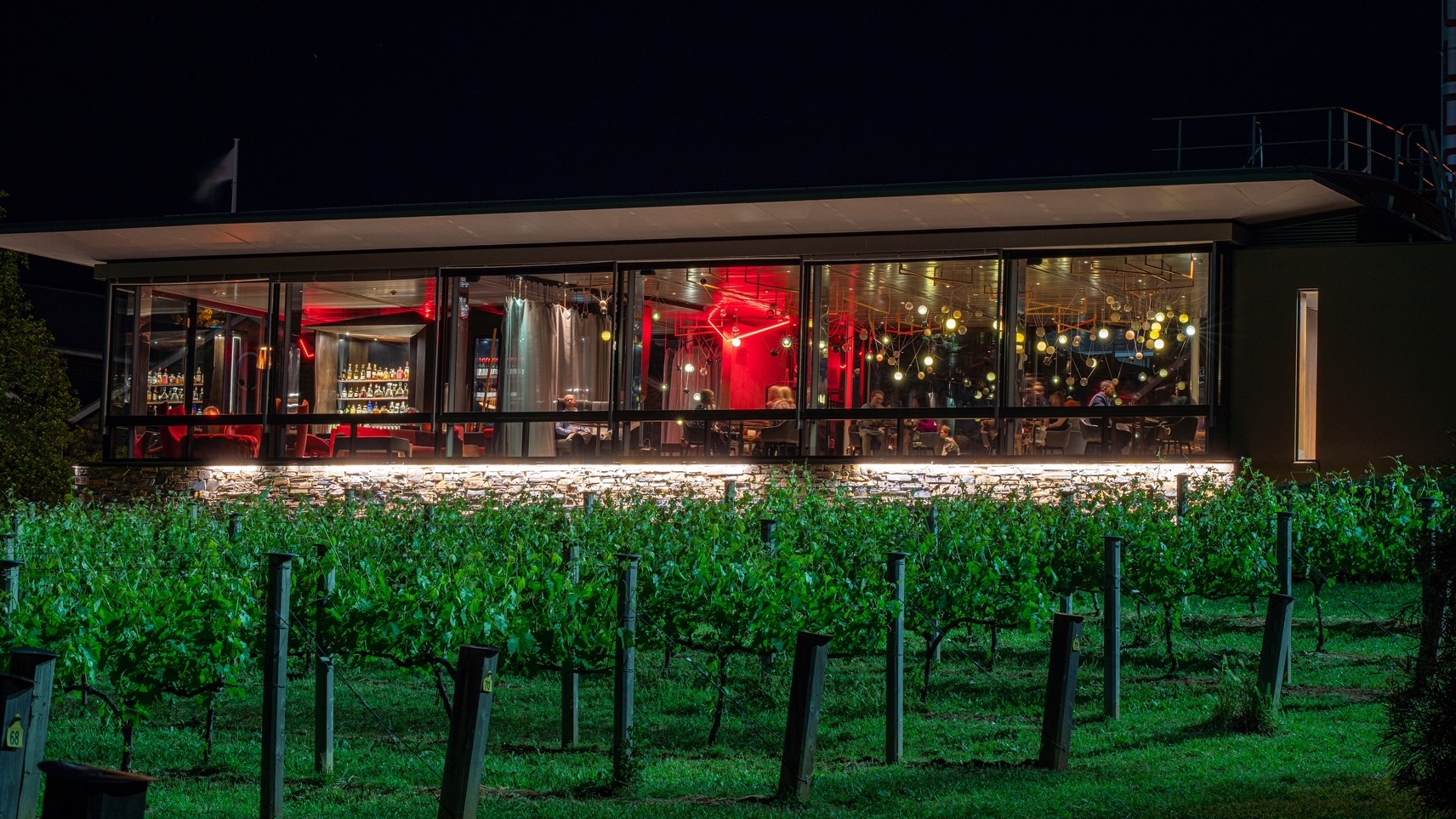
Domaine Bonneau du Martray pairs vineyard tours, barrel room and cave tastings with quiet pacing, vineyard and mountain views, and 2026 Michelin 2 Grapes plus Falstaff 4 Stars.
At a glance
- Price
- $$$$
- Neighborhood
- Pernand-Vergelesses
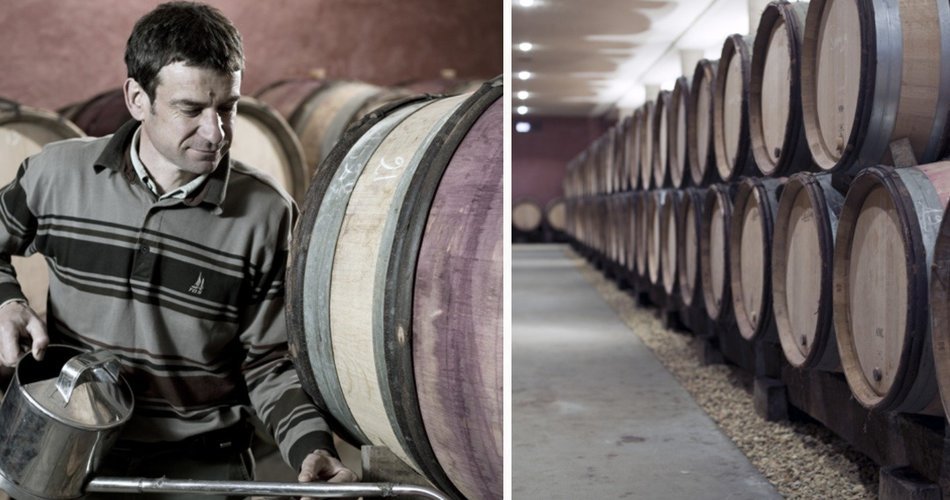
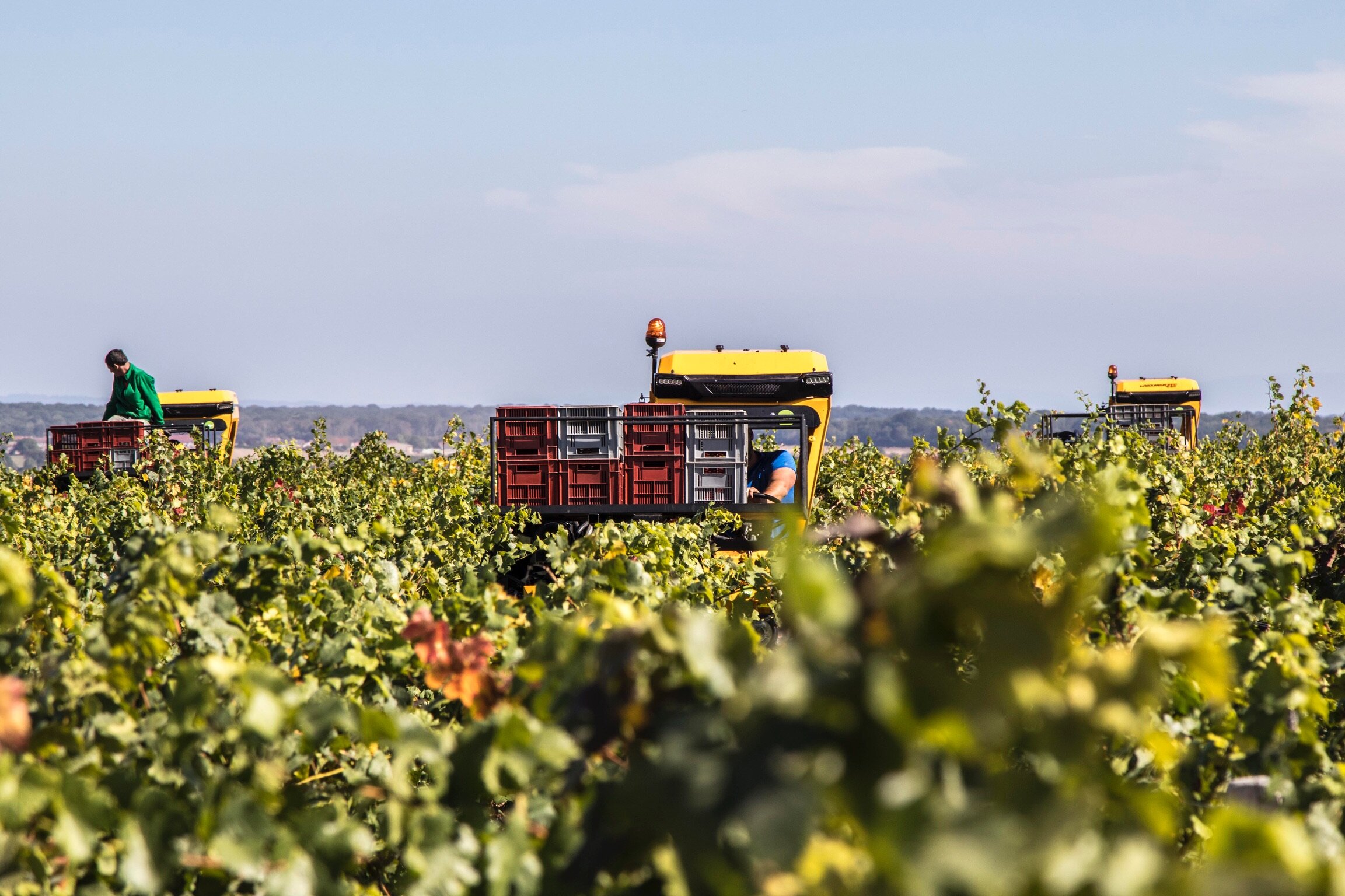
Domaine Bonneau du Martray The monopole structure, single ownership of a grand cru climat across its entire delimitated surface, remains rare inside the Burgundian cadastre, with fewer than a dozen such holdings of record across the Côte d'Or. Domaine Bonneau du Martray in Pernand-Vergelesses owns 9.5 hectares of Corton-Charlemagne grand cru, the largest single-ownership parcel inside the appellation, and worked that parcel under family ownership from the domaine's founding in 1830 until 1994. The estate's red-wine parcel, 2.5 hectares of Corton grand cru, sits adjacent on the hill, bringing the total grand cru surface to 12 hectares, a scale and concentration unusual even among Burgundy's most recognized holdings. Thibault Jacquet has led winemaking at the domaine since 2013, following a training sequence at Domaine de la Romanée-Conti and Domaine Leroy, and has held biodynamic certification (Demeter) across the estate since 2017, a conversion initiated under the previous generation. The Corton-Charlemagne appellation, planted to Chardonnay on the western and southwestern slopes of the Corton hill, comprises 51.5 hectares across three communes, Pernand-Vergelesses, Aloxe-Corton, and Ladoix-Serrigny. Domaine Bonneau du Martray's 9.5-hectare parcel represents nearly 20% of the total appellation surface and sits entirely within the Pernand-Vergelesses sector, on limestone-rich marl soils at 260 to 330 meters elevation. The parcel's southwestern exposure and slope gradient (8 to 12 degrees across the length of the climat) place it inside the appellation's historical core, the sector Charlemagne himself is documented to have held as vineyard property in the 8th century, a lineage claim no other Burgundy climat can match with equivalent documentary precision. The Corton grand cru parcel, planted to Pinot Noir, sits immediately upslope on deeper marl over limestone bedrock, in the climat known as Le Corton, and represents one of the estate's two red-wine holdings alongside a small Pernand-Vergelesses premier cru parcel. Single-parcel structure shapes both viticulture and cellar practice in ways that distinguish Bonneau du Martray from the parcellaire complexity typical of Burgundian négociant houses and smaller grower-domaines. Where most Côte d'Or estates assemble their grand cru bottlings from multiple small parcels across different climats, Domaine Leflaive's Chevalier-Montrachet, for example, draws from 1.99 hectares across four separate parcels, and Coche-Dury's Corton-Charlemagne from less than 0.35 hectares. Bonneau du Martray works a single contiguous surface and bottles a single Corton-Charlemagne cuvée each vintage, typically 3,500 to 4,000 cases depending on yield. The bottling represents the climat in its entirety rather than a selection from within it, and the winemaking protocol reflects that single-parcel logic: whole-cluster pressing, indigenous-yeast fermentation in 350-liter and 600-liter barrels (approximately 20% new oak per vintage, sourced from Tonnellerie Rousseau and Tonnellerie Chassin), and 12 to 14 months' élevage with minimal bâtonnage. Jacquet's approach since 2013 has reduced new-oak percentage from the estate's historical 25 to 30% range and extended the élevage window slightly, both adjustments that shift the house style toward greater mineral clarity and away from the richer, more reductive profiles common to Corton-Charlemagne of the 1990s and early 2000s. Biodynamic conversion under Jacquet's tenure followed a three-vintage observation period (2013 to 2015) and full Demeter certification in 2017, placing Bonneau du Martray inside the narrow cohort of grand cru Burgundy estates working certified-biodynamic protocols at scale. The viticulture program includes preparation 500 (horn manure) and preparation 501 (horn silica) applied according to the biodynamic calendar, estate-produced compost from estate vine cuttings and marc, and cover-crop mixes of legumes and grasses across the inter-rows, replanted each autumn after harvest. The estate has eliminated synthetic fungicides, herbicides, and insecticides entirely, a transition that required investment in additional vineyard labor (the domaine employs 12 full-time vineyard workers across 12 hectares, a ratio typical of top-tier Burgundy estates but high relative to Burgundy's regional average) and a willingness to accept lower yields in difficult vintages. Average yield across the Corton-Charlemagne parcel sits at 38 to 42 hectoliters per hectare, below the appellation maximum of 48 hl/ha and consistent with the yield profiles of Domaine Leroy, Domaine d'Auvenay, and Domaine Leflaive's grand cru parcels. The Corton grand cru bottling, a Pinot Noir from 2.5 hectares in Le Corton, follows a parallel protocol: whole-cluster fermentation at 15 to 20% inclusion depending on vintage, indigenous yeast, 12 to 14 days of maceration, and 16 to 18 months' élevage in 228-liter barrels at approximately 25% new oak. The estate produces 800 to 1,000 cases per vintage. The bottling sits inside the broader Corton peer set alongside Domaine Méo-Camuzet, Domaine Comte Senard, and Domaine Tollot-Beaut, all of whom work significant Corton holdings. Jacquet's handling of the red program has moved toward longer maceration windows and slightly cooler fermentation temperatures (peak fermentation at 28 to 30°C rather than the 32 to 34°C range common in the 1990s), adjustments that preserve aromatic lift and reduce the extracted, darker-toned profiles that characterized many Corton bottlings of the preceding generation. The domaine's historical record extends to 1830, when the Bonneau family consolidated the Corton-Charlemagne parcel into single ownership. The estate remained in Bonneau family hands until 1994, when it was sold to an American investment group led by Jean-Charles le Bault de la Morinière, who continues as co-owner and managing director. The estate was subsequently acquired by Stanley Kroenke in 2017. The ownership transition in 1994 marked the estate's first departure from family succession in over 160 years and coincided with a cellar modernization program that included temperature-controlled fermentation capacity and expanded barrel-storage infrastructure. Jacquet's appointment in 2013 represented the domaine's second winemaking succession under le Bault de la Morinière's tenure, following René Bonneau's retirement (René Bonneau, the last family winemaker, had overseen the estate from 1968 to 2013). The current winemaking protocol reflects both Jacquet's Leroy and DRC training lineage and the estate's longer single-parcel tradition: restrained oak, extended élevage, minimal intervention in cellar, and bottling without filtration. Allocation access to Bonneau du Martray follows the standard Burgundy négociant and importer structure. The estate allocates approximately 60% of annual production to long-term négociant partners and importers (primarily in the United States, the United Kingdom, Japan, and Switzerland), with the remaining 40% sold through the domaine's direct mailing list and cellar-door sales. The Corton-Charlemagne is typically allocated at a ratio of one bottle per account per vintage for new list members, with allocations scaling upward for multi-vintage account holders. The Corton grand cru follows a similar structure but at smaller volumes. The estate does not operate a public tasting room, and cellar visits are by appointment only, typically scheduled through the domaine's export partners or through direct inquiry via the estate website. Release pricing for the Corton-Charlemagne sits at €120 to €140 per bottle ex-cellar (2020 and 2021 vintages), positioning the bottling inside the upper tier of white Burgundy grand cru pricing alongside Coche-Dury Corton-Charlemagne, Ramonet Montrachet, and Domaine Leflaive Chevalier-Montrachet. Secondary-market pricing for the Corton-Charlemagne runs at 1.8 to 2.2 times release price for recent vintages (2015 to 2019) and higher multiples for older stock, a profile consistent with the estate's position inside the top decile of Burgundy white-wine producers by both critical recognition and market demand. How It Compares Domaine Bonneau du Martray sits inside the Corton-Charlemagne peer set alongside a small number of producers working significant holdings in the appellation: Domaine Coche-Dury (0.34 hectares), Domaine d'Auvenay (0.53 hectares), Domaine Faiveley (2.5 hectares), Domaine Latour (2.0 hectares), and Domaine Rapet Père & Fils (2.0 hectares). The single-parcel structure distinguishes Bonneau du Martray from all of these. Coche-Dury and d'Auvenay work tiny parcels and produce Corton-Charlemagne only in select vintages, while Faiveley, Latour, and Rapet assemble their bottlings from multiple parcels across the appellation. The result is that Bonneau du Martray's Corton-Charlemagne is the only bottling in the appellation that represents the climat in its entirety rather than a selection from within it, and the scale of production (3,500 to 4,000 cases per vintage) makes it the most widely distributed single-parcel Corton-Charlemagne on the market. For buyers prioritizing single-parcel clarity and consistent availability within allocation channels, Bonneau du Martray is the reference Corton-Charlemagne; for buyers prioritizing scarcity and micro-parcel intensity, Coche-Dury and d'Auvenay remain the higher-difficulty acquisitions. Inside the broader white Burgundy grand cru landscape, Bonneau du Martray sits closer to the restrained, mineral-driven style of Domaine Raveneau Chablis grand cru and Domaine Leflaive Chevalier-Montrachet than to the richer, more reductive profiles of Meursault-based producers or the more oxidative handling typical of Jura-influenced natural-wine Burgundy. Jacquet's reduced oak percentage and extended élevage push the house style toward transparency and away from the butter and toast notes that characterized many Corton-Charlemagne bottlings of the 1990s. Wine Advocate scores have run at 93 to 96 points across recent vintages (2015 to 2020), and the bottling appears regularly on Vinous' year-end Burgundy white retrospectives. The Corton grand cru rouge sits slightly lower in the critical hierarchy, with scores typically in the 90 to 93 range, reflecting both the greater density of competition inside red Burgundy grand cru and the estate's historical emphasis on white-wine production. For trade buyers assembling a Burgundy list, Bonneau du Martray offers a rare combination of grand cru pedigree, single-parcel provenance, biodynamic certification, and relative allocation accessibility, a profile shared by few estates inside the Côte d'Or. Allocation difficulty for Bonneau du Martray sits below Domaine de la Romanée-Conti, Domaine Leroy, Coche-Dury, and Domaine d'Auvenay, the tier of Burgundy estates where multi-year waiting lists and seven-figure account histories are standard, but above the broadly available négociant-Burgundy tier represented by Louis Jadot, Joseph Drouhin, and Bouchard Père & Fils. New list members can typically secure an allocation within one to two vintages of initial inquiry, and the estate's direct mailing list remains open to new applicants, unlike the closed or inheritance-only lists common among the top-tier domaines. For sommeliers and buyers seeking a Corton-Charlemagne reference bottling with documented single-parcel provenance and biodynamic handling, Bonneau du Martray is the most accessible entry point inside the appellation; for collectors prioritizing secondary-market appreciation and long aging potential, the estate's historical releases (1990s and earlier) trade at multiples consistent with the broader grand cru Burgundy market and represent a defensible hedge inside a white Burgundy portfolio.
Know before you go
- Dress code
- smart_casual
- Reservations
- appointment_only
- Payment
- credit_card
- Groups
- Welcomed
Address
2 Rue de Fretille, 21420 Pernand-Vergelesses
Pernand-Vergelesses · Burgundy
How it compares
- Cuisine
- Chardonnay, Pinot Noir
- Price
- $$$$
- Awards
- 1 recognition
- Notes
- Pernand-Vergelesses
- Cuisine
- Pinot Noir, Chardonnay
- Price
- $$$$
- Awards
- 1 recognition
- Notes
- Nuits-Saint-Georges
- Cuisine
- Pinot Noir, Aligoté
- Price
- $$$$
- Awards
- 1 recognition
- Notes
- Vosne-Romanée
- Cuisine
- Pinot Noir, Chardonnay
- Price
- $$$$
- Awards
- 1 recognition
- Notes
- Gevrey-Chambertin
- Cuisine
- Chardonnay, Pinot Noir
- Price
- $$$$
- Awards
- 1 recognition
- Notes
- Meursault
- Cuisine
- Pinot Noir, Chardonnay
- Price
- $$$$
- Awards
- 1 recognition
- Notes
- Vosne-Romanée