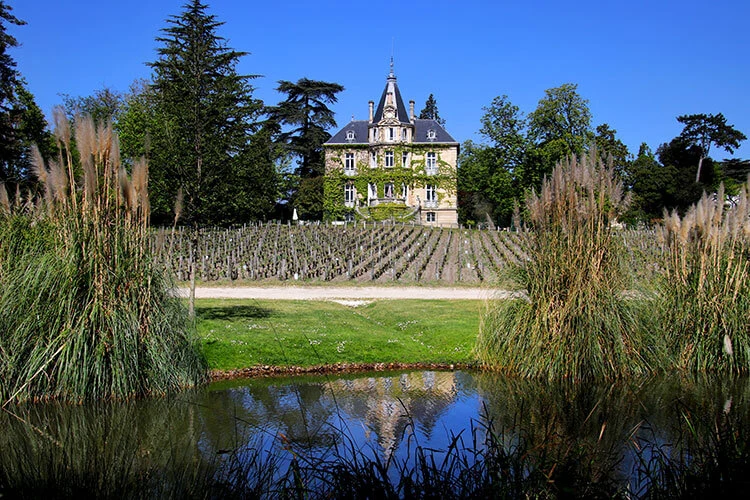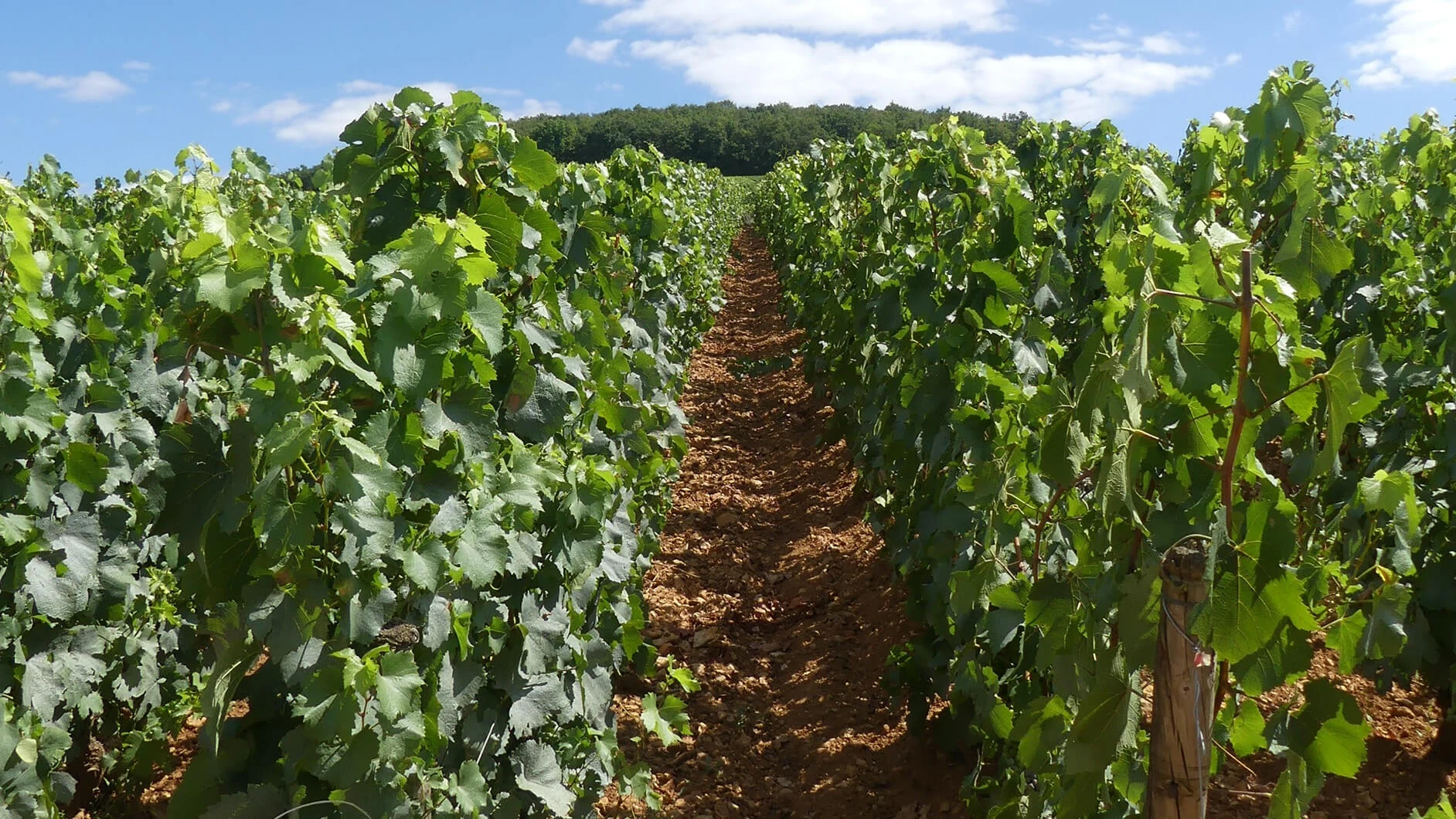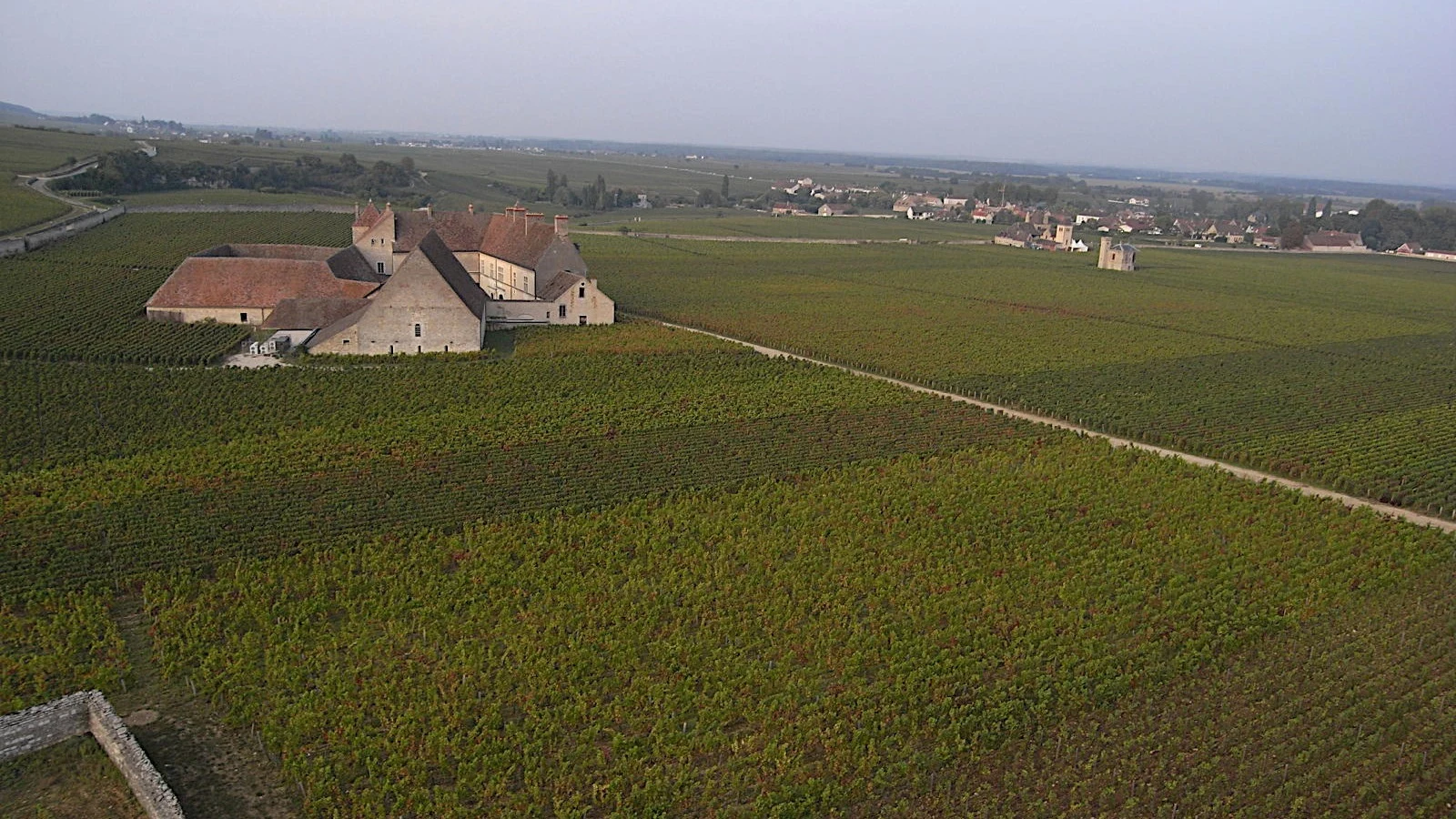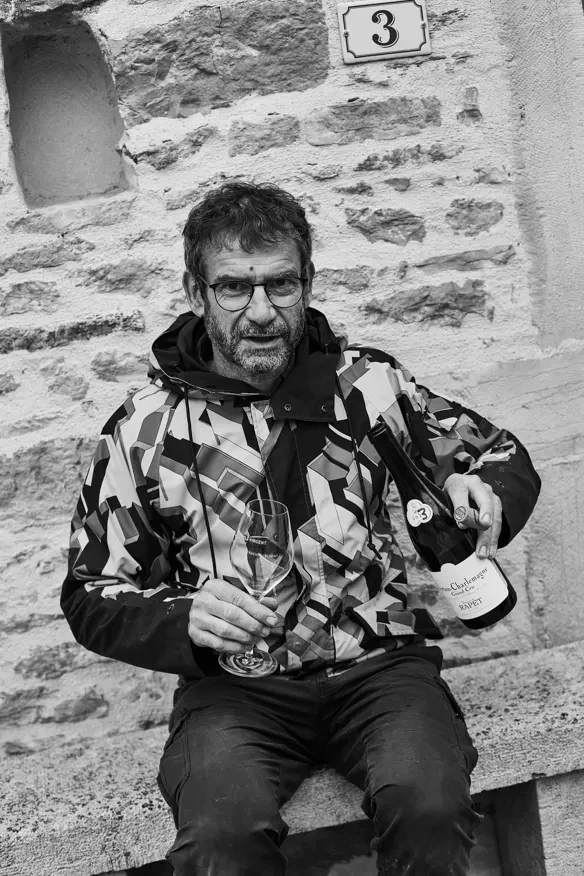
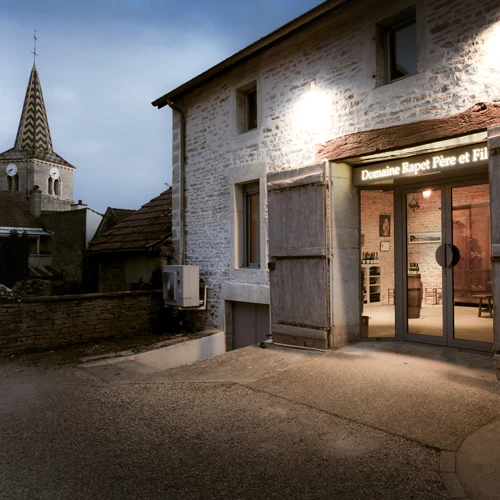
Eighth-generation Burgundy domaine in Pernand-Vergelesses. Vincent Rapet runs 0.60ha Corton-Charlemagne parcel; no-MLF protocol on whites.
Pernand-Vergelesses sits in the amphitheatre of hillside vineyards above Beaune, a quiet outlier among the Côte de Beaune's more publicised grand cru communes. The village holds a fraction of the land in Corton and Corton-Charlemagne, the two appellations that anchor the northern end of the Côte de Beaune, and a cluster of premier cru parcels under its own name. The white-wine production here, particularly from Corton-Charlemagne, has long been the technical focus of the village's most durable houses. Domaine Rapet Père & Fils has worked inside that Corton-Charlemagne lineage since 1765, making it one of the oldest continuously operating domaines in Burgundy. The estate remains family-held; Vincent Rapet, the eighth generation, has run the cellar since the early 2000s after a succession that began with his father Roland Rapet in the 1960s. The domaine's holdings span five communes, Pernand-Vergelesses, Beaune, Corton, Savigny-lès-Beaune, and a small parcel in Aloxe-Corton, with the core of the production centred on Corton-Charlemagne, Corton, and the Pernand premier crus. The Corton-Charlemagne grand cru appellation sits on the upper slopes of the Corton hill, a limestone ridge that runs roughly east-west above Pernand-Vergelesses and Aloxe-Corton. The appellation was historically planted to Chardonnay rather than Pinot Noir because the upper-slope exposures and the thin, stony soils favour the variety's capacity to retain acidity under ripeness stress. Domaine Rapet holds 0.60 hectares in Corton-Charlemagne, positioned on the Pernand side of the hill with a west-northwest exposure. The parcel sits at roughly 300 to 320 metres above sea level, a band where the topsoil thins to 20 to 30 centimetres over a white marlstone base. Vincent Rapet's cellar protocol on Corton-Charlemagne, as on all the domaine's whites, avoids malolactic conversion, a choice that places the cuvée inside the higher-acid, longer-lived technical lane rather than the rounder, earlier-drinking style that defines many Côte de Beaune whites. The fermentation occurs in 228-litre Burgundian pièces, roughly 20 to 25 per cent new oak, with a primary fermentation that typically runs 18 to 24 days at ambient cellar temperature. The wine remains on its lees for 12 months, with one or two bâtonnages in the first four months, then rests in tank for a further six months before bottling. The total élevage is 18 months, slightly shorter than the 20- to 24-month cycle common at the appellation's largest producers. The domaine's red-wine holdings centre on Corton itself, the grand cru appellation that wraps the mid-slope band of the Corton hill and includes parcels in three communes: Aloxe-Corton, Ladoix-Serrigny, and Pernand-Vergelesses. Domaine Rapet works 0.80 hectares across three lieux-dits within Corton: Clos du Roi, Pougets, and Perrières. The Clos du Roi parcel, on the Pernand side, sits at roughly 280 metres with a north-northeast exposure, a cooler microclimate than the Aloxe-Corton face of the hill. The Pougets and Perrières parcels, both on the Aloxe side, occupy slightly warmer exposures with more direct morning sun. The blended Corton bottling that the domaine releases combines fruit from all three lieux-dits, a practice that reflects the historical cooperative model of grand cru viticulture in Burgundy, multiple small parcels vinified as a single cuvée rather than as individually bottled climats. Vincent Rapet's red-wine protocol follows a cold pre-fermentation maceration of five to seven days at roughly 12 to 14 degrees Celsius, then a fermentation at 28 to 30 degrees with manual pigeage twice daily. The total cuvaison runs 18 to 21 days, a mid-length maceration by contemporary Burgundy standards. The wine is pressed to barrel, 30 to 40 per cent new oak, Tronçais and Allier forests, and aged for 16 to 18 months before bottling unfined and unfiltered. The style sits inside the classical Corton frame: firm tannin, high-toned red fruit, a structural emphasis over a textural one, and a 10- to 15-year drinking window from vintage. Domaine's premier cru holdings in Pernand-Vergelesses include parcels in Île des Vergelesses, Sous Frétille, and Clos du Village, the last a monopole of 1.20 hectares that the Rapet family has held since the 18th century. Île des Vergelesses, the village's most recognised premier cru, sits on the mid-slope band directly below the Corton grand cru line, with exposures ranging from east to southeast. The climat produces both red and white wines; Domaine Rapet bottles both. The white Île des Vergelesses follows the same cellar protocol as the Corton-Charlemagne, no malolactic, 12 months on lees in 20 per cent new oak, six months in tank, and the resulting wine reads as a technical step down in concentration and length but a stylistic sibling in its lean, high-acid profile. The red Île des Vergelesses, from 0.40 hectares, undergoes the same maceration and élevage as the Corton but typically shows a lighter tannic load and a more immediate aromatic profile, a function of the lower altitude and slightly deeper topsoil. Sous Frétille, a smaller premier cru on the western edge of the appellation, produces white wine only; Domaine Rapet works 0.30 hectares there. The Clos du Village monopole, a walled parcel in the village centre, sits at 260 to 270 metres with a southeast exposure and produces red wine in a style that sits between the premier cru and village tiers, more structure than a typical Pernand-Vergelesses village bottling, less density than Île des Vergelesses. Domaine also holds parcels in Beaune premier cru, specifically in Clos du Roi (a different Clos du Roi from the Corton lieu-dit) and Grèves, and in Savigny-lès-Beaune premier cru, in the Aux Vergelesses climat that sits adjacent to Pernand's Île des Vergelesses across the communal boundary. The Beaune Clos du Roi parcel, 0.25 hectares, produces red wine in the firmer, more structured style typical of the northern Beaune premier crus. The Savigny Aux Vergelesses, 0.35 hectares, sits at the same mid-slope elevation as the Pernand premier crus and follows the same cellar protocol; the resulting wine reads as slightly more rustic in tannin profile than the Pernand bottlings, a reflection of the Savigny terroir's characteristic mineral edge. The domaine also produces a village-tier Pernand-Vergelesses blanc and rouge, a Beaune village rouge, and a small volume of Aloxe-Corton village rouge from parcels immediately below the Corton grand cru line. Vincent Rapet's cellar practice reflects the Pernand village tradition of minimal intervention within a classical technical frame. The domaine does not destem its reds; whole-cluster fermentation is not part of the protocol. All parcels are hand-harvested, sorted at the vineyard, and sorted again on a vibrating table in the cellar. The whites are pressed immediately in a pneumatic press at low pressure, two to three hours of pressing per batch, and settled for 12 to 18 hours before racking to barrel. No enzymes, no temperature control beyond ambient cellar cooling, no inoculated yeasts. The reds undergo a similar non-interventionist fermentation: indigenous yeasts, no temperature manipulation beyond the initial cold soak, manual pigeage rather than remontage. The domaine does not use rotation barrels or other mechanised extraction tools. The approach reads as Pernand-classical rather than as aligned with the low-intervention or natural-wine movements that have reshaped parts of Burgundy's cellar culture over the past two decades. Vincent Rapet's bottlings show no volatile acidity above sensory threshold, no reduction, and no brett character, markers of a cellar that prioritises clean fermentation and controlled élevage within the no-addition frame. The domaine's annual production sits at roughly 5,000 to 6,000 cases across all cuvées, a mid-sized output by Pernand standards. The allocation structure is split between traditional Burgundy négociant channels and direct domaine sales, with a portion of the production exported to the United States, the United Kingdom, and Japan. The Corton-Charlemagne and the Corton rouge are the domaine's most allocated bottlings, with typical release volumes of 150 to 200 cases and 250 to 300 cases respectively per vintage. The premier cru bottlings, Île des Vergelesses blanc and rouge, Sous Frétille, Clos du Village, are more widely available, though still subject to allocation in some markets. The village-tier wines are open-distribution. Domaine Rapet does not operate a tasting room open to walk-in visits; cellar visits are by appointment only, a standard protocol among working Burgundy domaines that do not maintain a retail presence. The Rapet lineage in Pernand-Vergelesses extends across eight generations, a span that places the domaine among the village's oldest continuously family-operated estates. The 1765 founding date is documented in communal land records; the domaine's current holdings reflect gradual parcel acquisition over the 19th and early 20th centuries rather than a single large inheritance or purchase. Roland Rapet, Vincent's father, expanded the domaine's holdings in Corton-Charlemagne and Corton in the 1970s and 1980s, the period when many Burgundy domaines consolidated their grand cru positions through purchases from retiring growers. Vincent Rapet took over winemaking responsibility in the early 2000s and assumed full operational control by the mid-2000s. The transition did not result in a marked stylistic shift; the domaine's cellar protocol under Vincent remains consistent with the protocol under Roland, with minor adjustments in oak regimes (a slight reduction in new-oak percentage on both reds and whites) and a move toward earlier bottling dates (18 months rather than 20 to 24 months) to preserve freshness. Domaine's peer set in Pernand-Vergelesses includes Domaine Bonneau du Martray, the largest single holder of Corton-Charlemagne at roughly 9 hectares, and Domaine Rollin Père & Fils, another multi-generation family estate with significant holdings in Pernand premier crus. Bonneau du Martray works a biodynamic viticulture protocol and employs a longer élevage, 18 to 20 months in barrel with no tank time before bottling, resulting in a Corton-Charlemagne that sits at a different ripeness and textural point than the Rapet bottling. Rollin Père & Fils operates at a similar scale to Rapet and follows a similar no-malolactic protocol on whites, placing the two domaines in close stylistic alignment. Outside Pernand, the domaine's technical lane aligns more closely with mid-sized classical Côte de Beaune producers, Jean-Marc & Thomas Bouley in Volnay, Domaine Michel Lafarge in Volnay, Domaine des Comtes Lafon in Meursault on the white side, than with the larger négociant-scale operations or the smaller natural-wine-aligned grower-producers that have come to define opposite poles of the Burgundy producer landscape. Domaine does not participate in the Hospices de Beaune auction, does not release special cuvées or micro-bottlings, and does not operate a tiered allocation system with preferred-customer access. The bottlings are labelled with the standard Burgundy nomenclature, appellation, climat or lieu-dit where applicable, mis en bouteille au domaine, and carry no proprietary cuvée names. The approach reflects the Pernand village ethos of craft consistency over market differentiation, a posture that has kept the domaine outside the speculative secondary market that drives pricing on allocations from Domaine de la Romanée-Conti, Domaine Leroy, Coche-Dury, and the handful of other Burgundy producers whose wines trade as collectibles. Domaine Rapet's Corton-Charlemagne typically releases at roughly 40 to 50 per cent of the price of a Coche-Dury Corton-Charlemagne from the same vintage, a spread that reflects both the difference in parcel size (Coche-Dury holds only 0.30 hectares in the appellation versus Rapet's 0.60 hectares) and the difference in market positioning. For those seeking a grounding reference point inside Pernand-Vergelesses' Corton-Charlemagne lineage, Domaine Rapet offers a working example of the appellation's classical high-acid, no-malolactic school, with a production scale and allocation structure that keeps the wine accessible to serious Burgundy buyers without requiring the multi-year waitlist or secondary-market premiums that define the category's most sought-after producers. The domaine's broader portfolio, spanning Corton rouge, Pernand premier crus in both colours, and Beaune and Savigny premier crus, provides a technical cross-section of the northern Côte de Beaune's mid-slope viticulture, all worked inside a consistent cellar protocol and all carrying the lineage weight of an eight-generation family operation. The wines are distributed through standard trade channels in Pernand-Vergelesses and regionally; for direct access, appointments can be arranged through the domaine's contact channels listed on regional trade directories and Burgundy winery resources.
Pernand-Vergelesses, Cote de Beaune, Bourgogne-Franche-Comté, Frankreich
Pernand-Vergelesses