Domaine Dubreuil-Fontaine
- 01CityPernand-Vergelesses, France
- Falstaff Winery - Listed · 2026
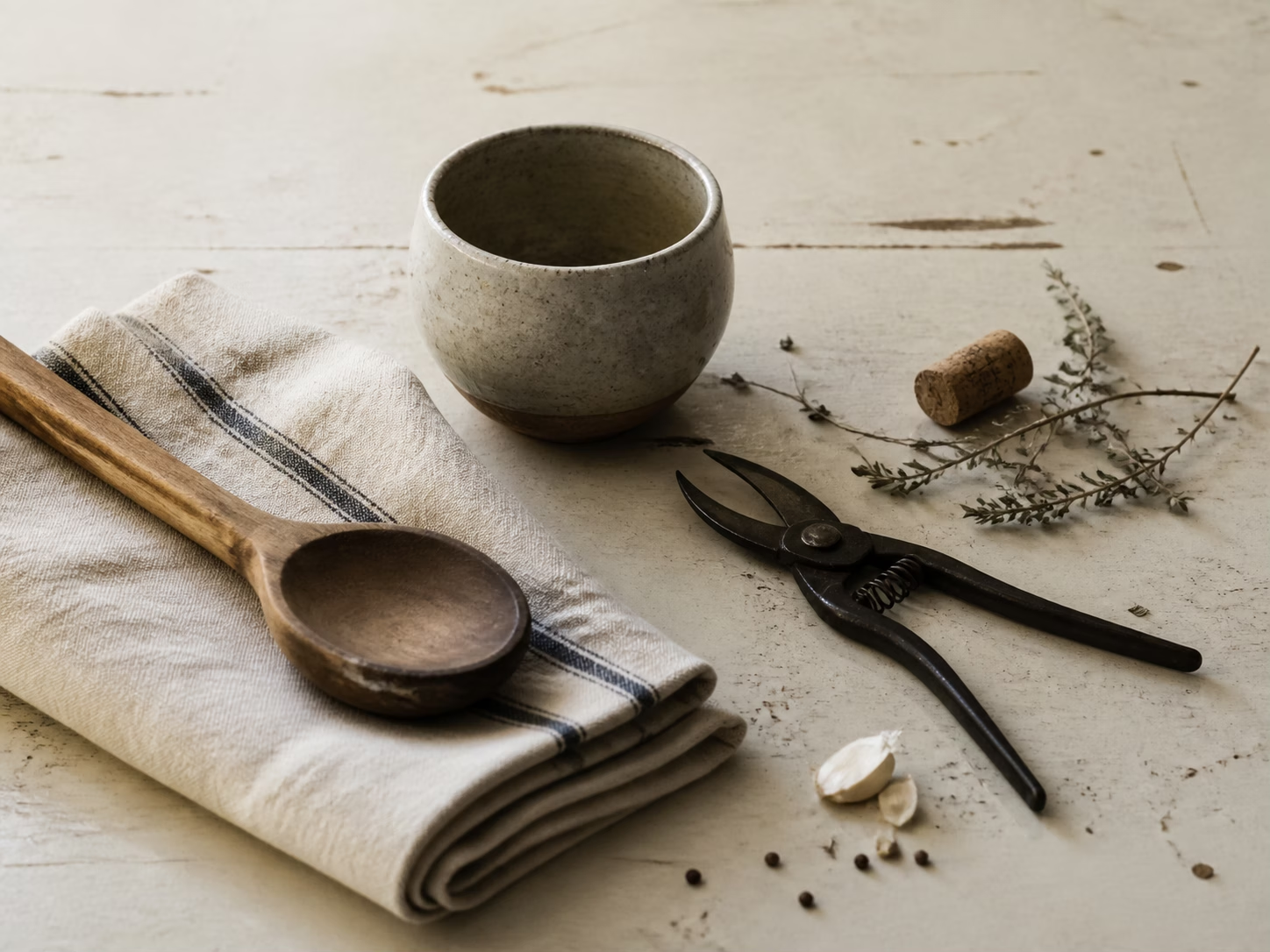
Domaine Dubreuil-Fontaine is a family-run Burgundy wine estate in Pernand-Vergelesses. The picture is deliberately simple: a traditional, terroir-focused cellar-and-vineyard setting, with a quiet, rustic and classic feel rather than a highly staged hospitality concept. The wines are described as fine-boned, elegant and pure, so the appeal is more about restraint and place than spectacle. In other words, this is not a profile that needs grand language to make sense. Its centre of gravity is the familiar Burgundy relationship between family, village, cellar and vineyard, where the most persuasive details are often the least theatrical.
Pernand-Vergelesses is best approached with that same mindset. For this estate, the grounded information points to Burgundy wine, family continuity and a cellar setting shaped by vineyard context. That is enough to give the address a clear editorial identity, even without expanding into unsupported claims about labels, vineyard holdings, farming choices or visitor formats. Domaine Dubreuil-Fontaine reads as a place for drinkers who are comfortable with understatement, and who understand that a restrained Burgundy profile can be more revealing than a heavily packaged experience.
A terroir-focused Burgundy estate in Pernand-Vergelesses
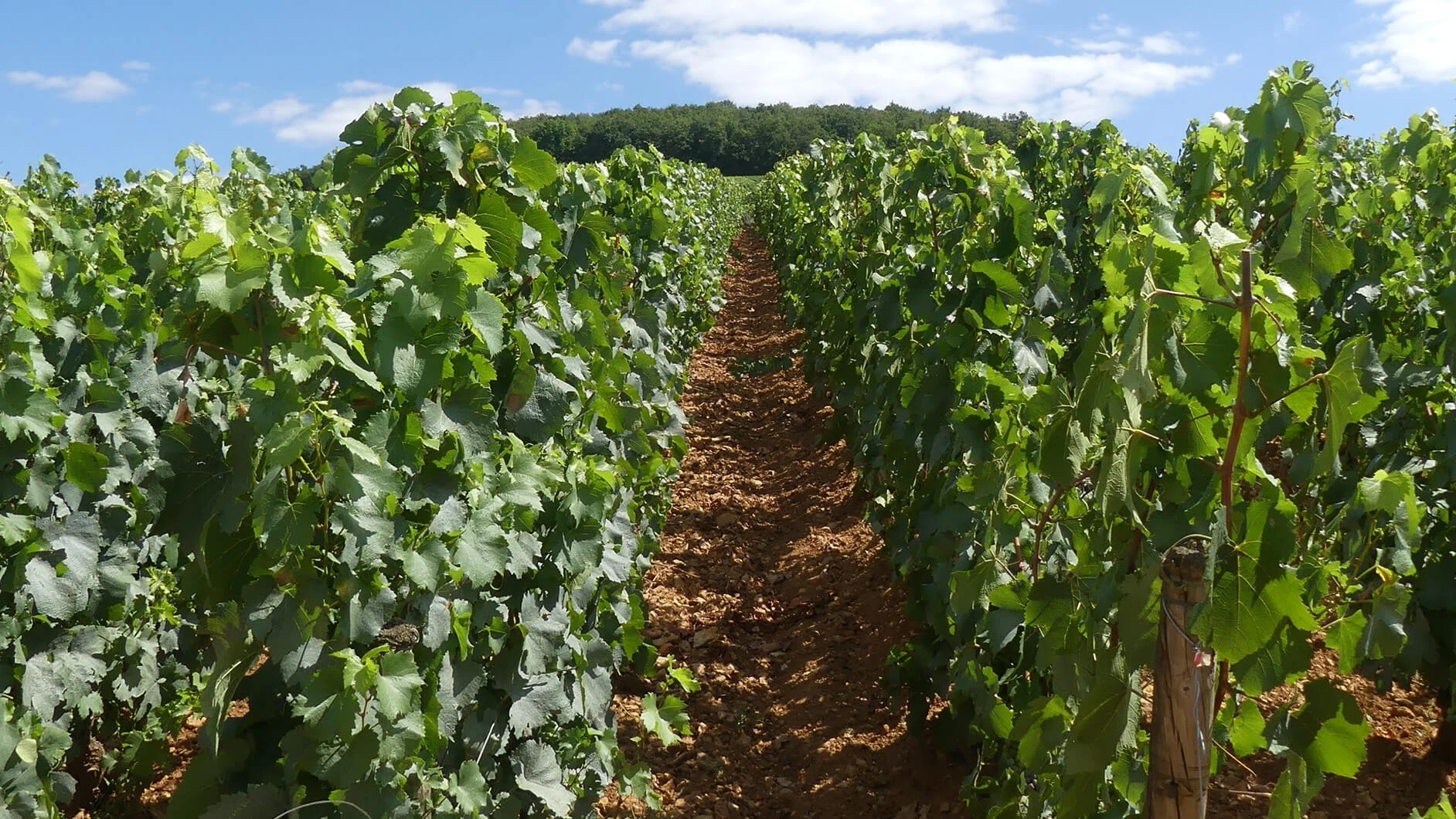
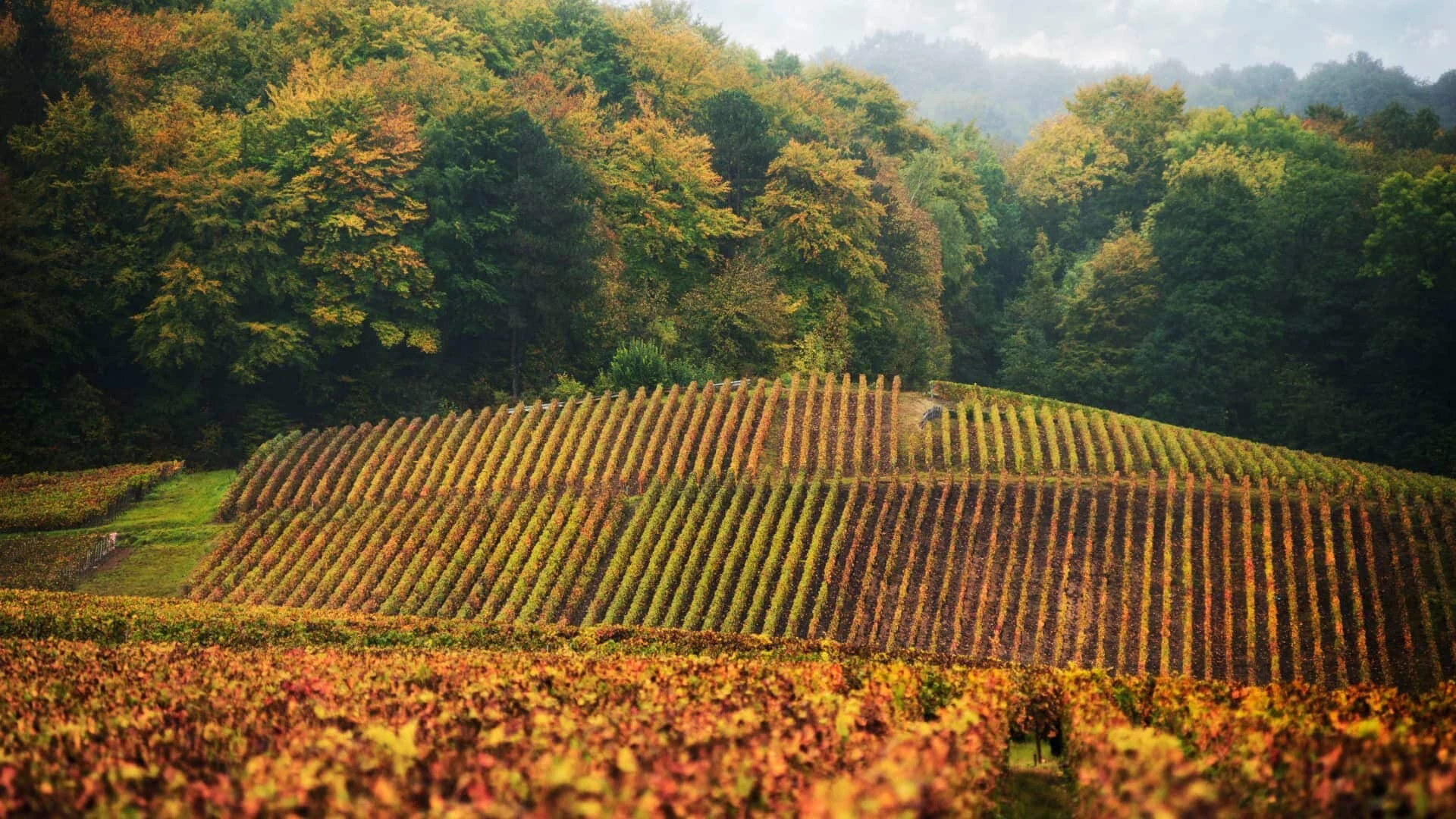
What can be said confidently is that Domaine Dubreuil-Fontaine is presented as a terroir-focused Burgundy estate in Pernand-Vergelesses, with a traditional cellar-and-vineyard identity. That description matters because it places the domaine firmly within the language of Burgundy: not just wine as a finished bottle, but wine as an expression of origin, site, season and the accumulated habits of a family estate.
That makes the estate most relevant for drinkers who want a classic Burgundy context rather than a luxury tasting-room script. The style language is fine-boned, elegant and pure, which suggests a focus on precision, restraint and clarity. These are not words of excess; they point instead to wines valued for balance and line, and to an estate image that feels aligned with modesty rather than show. The pleasure, on this reading, is in paying attention to nuance.
Because the available data is limited, it is better not to overstate the range, farming details or individual bottlings. Read Domaine Dubreuil-Fontaine as a family-run Pernand-Vergelesses wine estate with a quiet, rustic, elegant character. That restraint is important editorially as well as stylistically: the strongest way to describe the domaine is to stay close to what is actually known. The resulting impression is clean and coherent, without needing to borrow glamour from elsewhere.
A traditional cellar language, not a luxury tasting-room script
Domaine Dubreuil-Fontaine’s appeal lies in its family-run Burgundy identity and its traditional, terroir-focused setting. The tone is classic and quiet, grounded in cellar and vineyard rather than in restaurant-style service details or invented hospitality claims. This is the kind of profile where the absence of a loud concept is part of the point. The setting is better understood through continuity, place and wine language than through the expectations of a polished visitor attraction.
No specific service format, tasting arrangement, production method, ownership biography or cellar protocol is here. Travellers should therefore treat any visit-planning specifics as something to confirm directly with the estate. That caution is not a weakness; it is simply the most accurate way to handle a domaine whose available description is focused on identity rather than logistics. Anyone planning around it should separate the estate’s wine character from practical assumptions about how a visit might work.
What remains useful is the editorial profile: a Pernand-Vergelesses domaine for people who value Burgundy’s quieter register, where elegance and purity matter more than display. The words fine-boned, elegant and pure create a compact but meaningful frame. They suggest wines and a setting that reward attention, patience and sensitivity to detail, rather than a search for immediate drama. For the right traveller, that is exactly the attraction.
Within Pernand-Vergelesses, the most natural comparison is Domaine Dubreuil-Fontaine itself: a traditional family estate whose identity is best understood through its cellar-and-vineyard setting. Rather than forcing a broader hierarchy or ranking, it is more useful to let the estate stand on its own terms. Its personality is not built from spectacle, but from a rooted Burgundy vocabulary: family-run, traditional, terroir-focused, rustic, classic and quiet.
How to read the estate in a wider French wine itinerary
Domaine Dubreuil-Fontaine suits travellers building a Burgundy itinerary around atmosphere, terroir and restraint. It fits best when the purpose of the route is not simply to collect famous names or elaborate experiences, but to understand how a village estate can express a particular local mood. In that sense, it offers a counterweight to more performative wine travel, asking the visitor to slow down and read the details more carefully.
For travellers extending the route beyond the village, keep the contrast general: other regions and wine estates may offer different hospitality styles, but Domaine Dubreuil-Fontaine should be understood on its own terms as a family-run Burgundy domaine. Its value in an itinerary is not that it promises every possible visitor amenity, but that it represents a quieter, more traditional idea of wine culture. It is the sort of stop that makes sense when the surrounding journey is organised around place, texture and a clear sense of regional character.
The verdict is direct: this is a Pernand-Vergelesses estate for Burgundy drinkers drawn to a traditional cellar-and-vineyard setting and wines described as fine-boned, elegant and pure. Approach it with an appetite for subtlety rather than spectacle, and the profile becomes easy to understand. Domaine Dubreuil-Fontaine is best read as a restrained, family-run Burgundy address whose appeal lies in elegance, quietness and fidelity to place.
Questions
Frequently asked
How expensive is Domaine Dubreuil-Fontaine?
Domaine Dubreuil-Fontaine is listed at a price level of $$$.
The field
How it compares
| Place | Notes | Awards |
|---|---|---|
| Domaine Dubreuil-Fontaine | Pernand-Vergelesses, $$$ | · |
| Biondi-Santi Tenuta Greppo | Montalcino | · |
| Domaine Bonneau du Martray | Pernand-Vergelesses | · |
| Domaine Jean-Baptiste Boudier | Pernand-Vergelesses | · |
| Domaine Marius Delarche | Pernand-Vergelesses | · |
| Rapet | Pernand-Vergelesses | · |
| Ruinart | Reims | World's 50 Best |