Domaine Jean-Baptiste Boudier
- 01CityPernand-Vergelesses, France
Indigenous yeast and parcel-led Burgundy
- Falstaff Winery - Listed · 2026
Since the first vines of his own
The choice came before the label: Jean-Baptiste Boudier, winemaker at Domaine Jean-Baptiste Boudier in Pernand-Vergelesses, set his work around organic farming and a lighter hand in the cellar. He had the technical base from the Lycée Viticole in Beaune, then time in apprenticeship across domaines abroad and in Burgundy, including work with Nicolas Rossignol in Volnay until 2014. In 2014–2015 he returned to the Boudier family property in Pernand-Vergelesses, working with his parents before taking his own line.
Since 2015, his station has been this small grower domaine in the Côte de Beaune, where family farming continuity and an independent cellar identity meet. The estate began with 3 hectares of vines and now works about 5.52 hectares, with parcels in Pernand-Vergelesses, Aloxe-Corton, Savigny-lès-Beaune and Ladoix-Serrigny. The frame is narrow by design. Chardonnay and Pinot Noir carry the work, and the names on the bottles keep the map close: Pernand-Vergelesses Blanc, Les Fichots Premier Cru, Corton Grand Cru, Les Renardes, Bourgogne Rouge Les Barrigard.
Four parcels into the white
The white program begins with whole-cluster pressing for Chardonnay, then indigenous yeast fermentation in stainless steel tanks and barrels. Pernand-Vergelesses Blanc is built from four parcels, including Les Pins with western exposure, Le Devant des Cloux on white marl, Sous Frétille with southeastern exposure, and a fourth parcel the domaine does not name publicly. For the 2023 Pernand-Vergelesses Blanc, the wine was fermented and aged in barrel with 10% new wood, and the finished wine carried 14% alcohol.
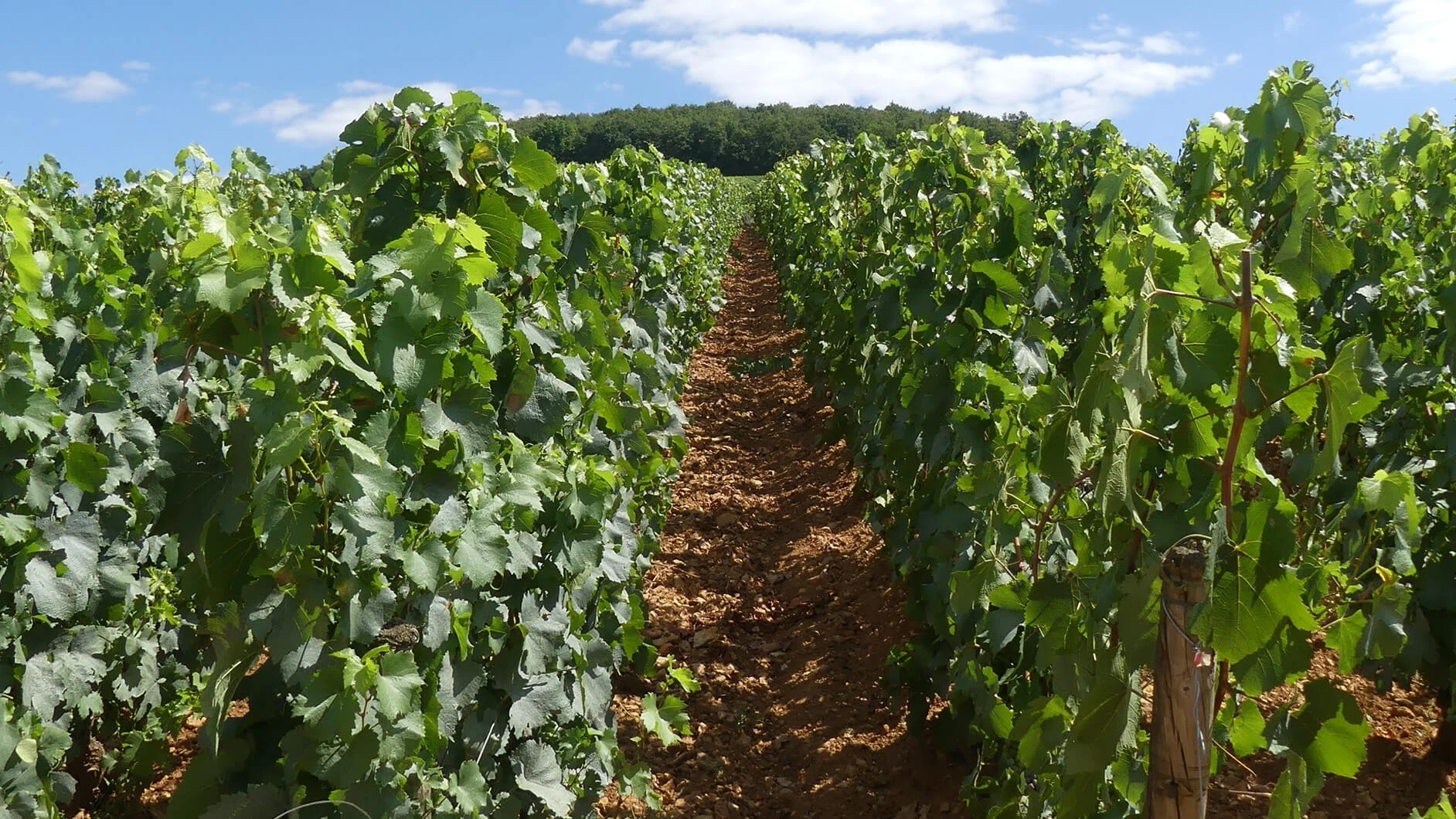
The red work follows a different discipline. Pinot Noir is fully destemmed, fermented for 2 weeks with indigenous yeast in concrete tanks, and handled with gentle extraction. Aging runs 12–18 months in barrel, with 15–20% new wood. Les Fichots sits on deep, red, iron-rich clay, planted in 1955 with eastern exposure. Bourgogne Les Barrigards comes from Ladoix-Serrigny, on shallow clay over Bresse marls from the Plio-Pleistocene, at 225m altitude. These are not decorative details. They are the grammar of the cellar.
A quiet cellar below Corton
The domaine sits in Pernand-Vergelesses, close to the Corton hill, where clay-limestone slopes and west-exposed parcels set the pace before any tank is filled. The room is a grower’s room rather than a visitor machine: quiet, small, and producer-led, with the cellar and vineyard held in the same conversation. There is no need for spectacle when the work depends on sorting exposure, soil, vessel and barrel by parcel.
In the tasting room, the most useful texture is proximity to the bottles’ origins: Chardonnay from the village and its slopes, Pinot Noir from sites with named soils and exposures, whites moved through press and barrel, reds through concrete and time. The current shape of the domaine rests on that daily sequence, from Les Pins to Les Fichots to Les Barrigards.
Questions
Frequently asked
Who runs Domaine Jean-Baptiste Boudier?
The domaine is run by Jean-Baptiste Boudier, a winemaker who trained at the Lycée Viticole in Beaune and worked in Burgundy and abroad before returning to the family property in Pernand-Vergelesses.
What kind of wines does the domaine make?
Domaine Jean-Baptiste Boudier works mainly with Chardonnay and Pinot Noir, with wines including Pernand-Vergelesses Blanc, Les Fichots Premier Cru, Corton Grand Cru, Les Renardes and Bourgogne Rouge Les Barrigard.
How is the vineyard farmed?
The estate is worked organically and by hand, with a lighter hand in the cellar.
What is the style of winemaking here?
The white wines are whole-cluster pressed, then fermented with indigenous yeast in stainless steel tanks and barrels, while the reds are fully destemmed, fermented for two weeks in concrete tanks and aged in barrel with gentle extraction.
Can you visit without an appointment?
Visits are by appointment only.
The field
How it compares
| Place | Notes | Awards |
|---|---|---|
| Domaine Jean-Baptiste Boudier | Pernand-Vergelesses, $$$ | · |
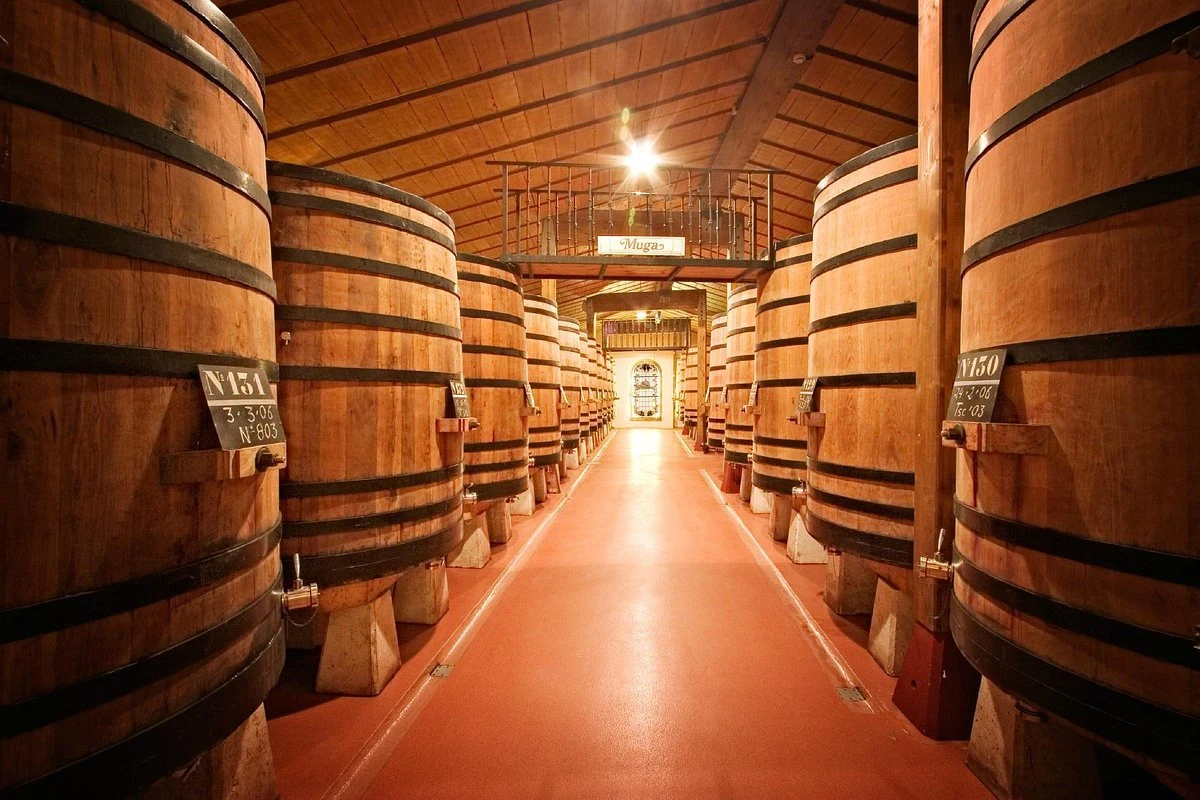
| Bodegas Muga | Haro | World's 50 Best |
| Domaine Bonneau du Martray | Pernand-Vergelesses | · |
| Domaine Dubreuil-Fontaine | Pernand-Vergelesses | · |
| Domaine Marius Delarche | Pernand-Vergelesses | · |
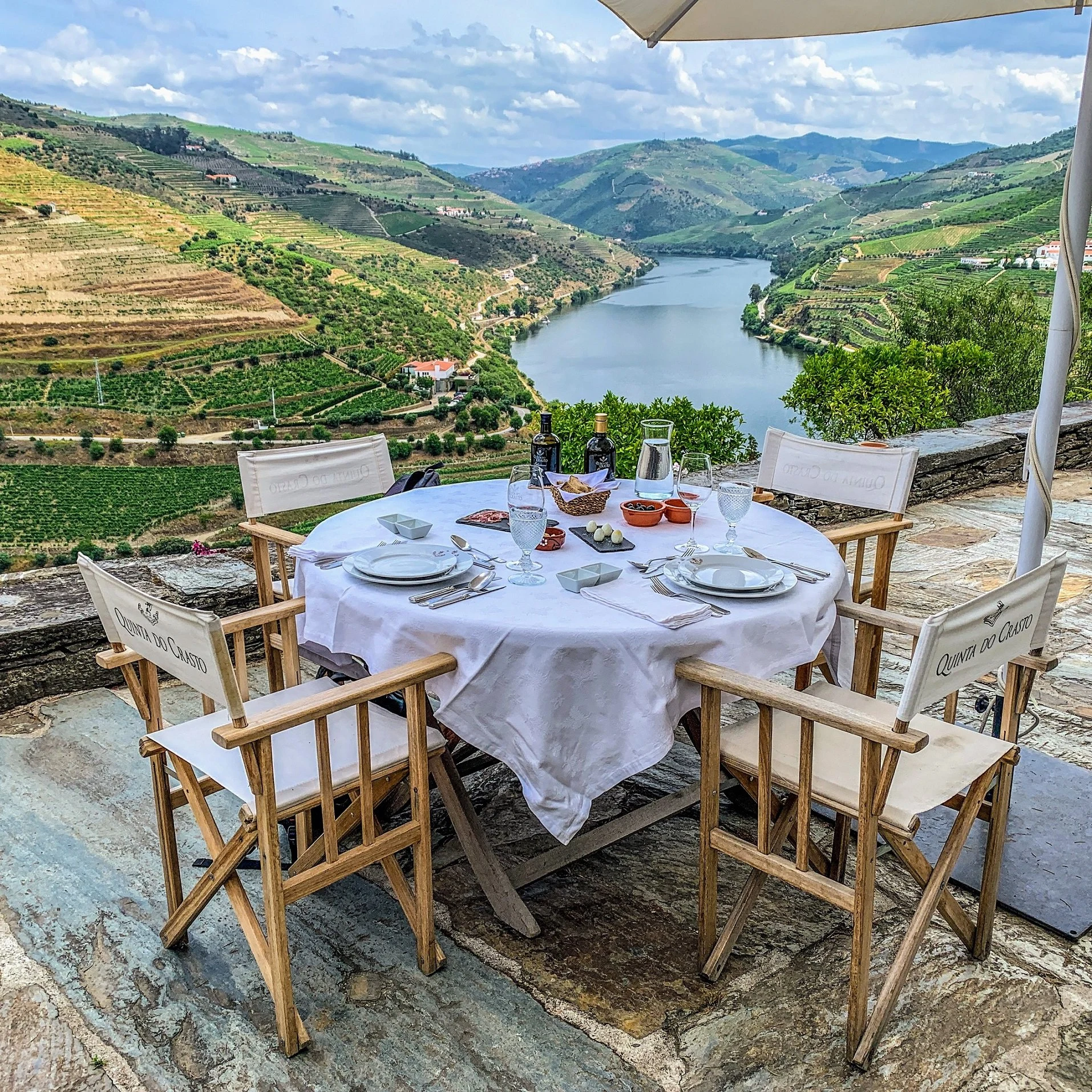
| Quinta do Crasto | Sabrosa | World's 50 Best |
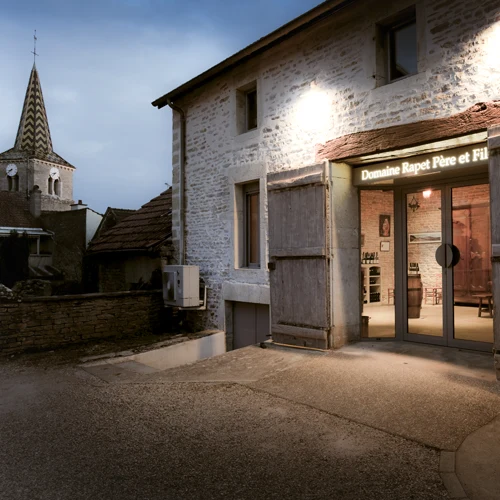
| Rapet | Pernand-Vergelesses | · |