Made ByWinery
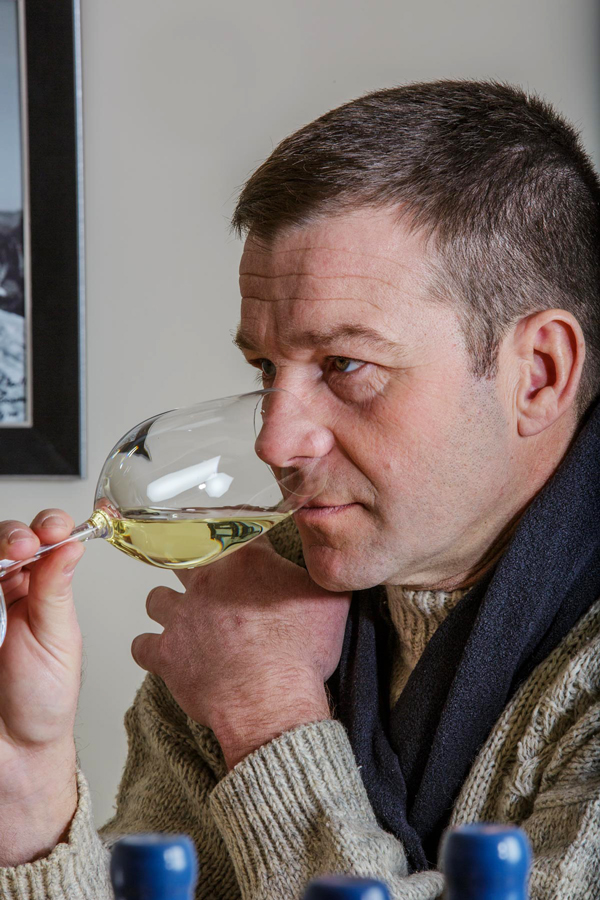
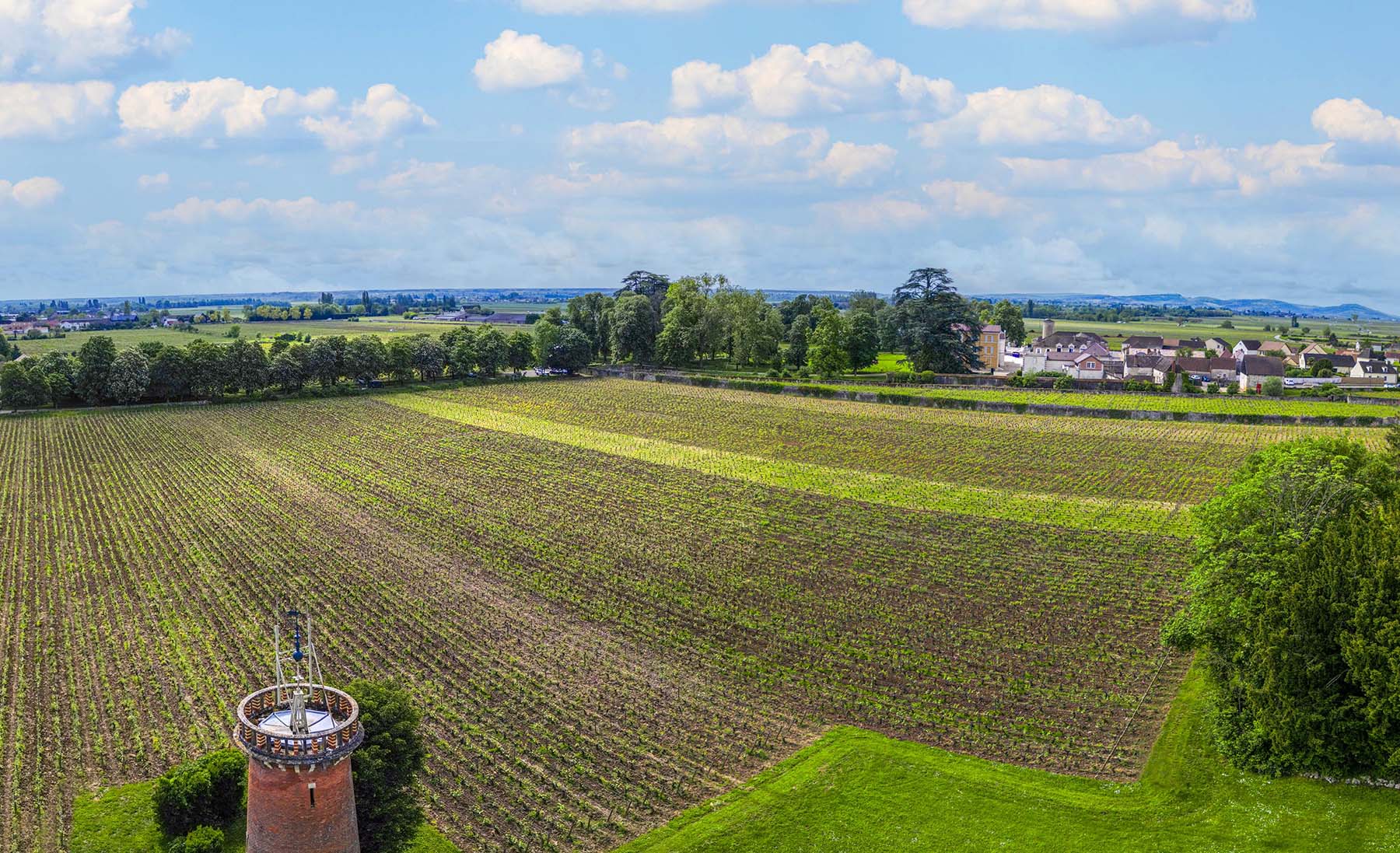
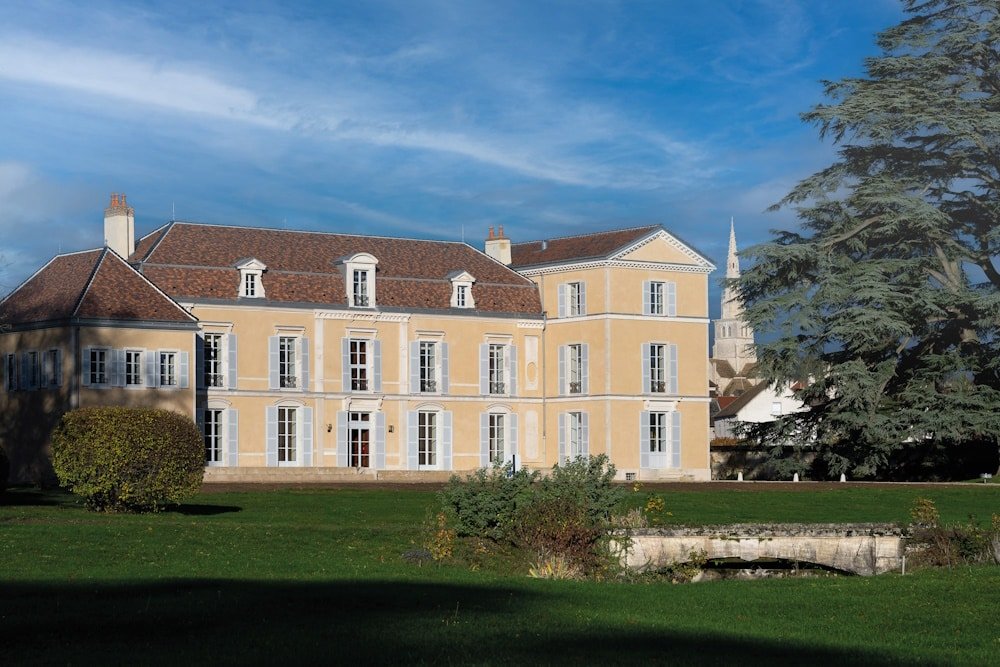
Domaine Arnaud Ente in Meursault pairs organic sourcing with cave tasting, vineyard tours, and vineyard views, with Michelin 2 Grapes recognition in 2026.
At a glance
- Price
- $$$$
- Neighborhood
- Meursault
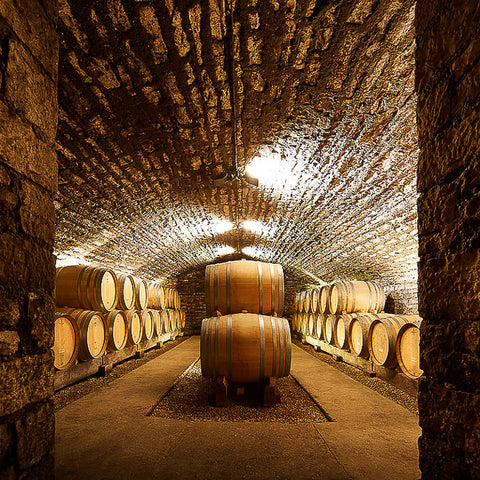
Meursault's white Burgundy tradition has long been defined by the tension between opulence and precision, wines that can be both generously textured and tightly structured, depending on the site and the winemaker's hand. Domaine Arnaud Ente, established in 1992, works squarely inside that tension, producing Meursault, Puligny-Montrachet, and Volnay from estate and négociant holdings that span some of the Côte de Beaune's most expressive terroirs. The domaine operates at the intersection of low-intervention cellar practice and high-extraction vineyard management, a pairing that yields wines of considerable density without drifting into the over-ripe, over-worked profile that characterized much of the region in the 2000s. Arnaud Ente trained in the Burgundy cellar tradition during the 1980s and early 1990s, a period when the region's winemaking was moving away from the heavy-handed oak and malo regimes of the 1970s and toward greater sensitivity to site expression. The domaine's vineyard holdings include parcels in Meursault Les Gouttes d'Or and Puligny-Montrachet Les Referts, alongside premier cru and village-level fruit sourced through long-term grower contracts. The production model is deliberately small-scale. Annual output typically runs between 2,000 and 3,000 cases across all cuvées, with individual vineyard bottlings often limited to 200 to 400 cases, and the wines are allocated through a narrow network of importers and négociants who have worked with the domaine since its founding. The cellar protocol at Domaine Arnaud Ente is built around extended lees contact, restrained bâtonnage, and a partial indigenous-yeast fermentation regime. Most white cuvées undergo 12 to 18 months in barrel, with new oak percentages held between 20% and 40% depending on the vineyard and the vintage. The new-oak fraction is lower than the Meursault norm during the 1990s and early 2000s, when many producers were running at 50% or higher, and the result is a wine that shows more stone-fruit and citrus transparency than the butter-and-vanilla profile that still dominates much of the appellation's commercial output. Ente does not fine or filter most cuvées, and bottling occurs on a per-cuvée schedule rather than in a single campaign, a logistical choice that preserves the elevage timeline for each wine but complicates allocation and distribution. The domaine's Meursault holdings sit primarily in lieu-dits that emphasize minerality over weight. Les Gouttes d'Or, historically one of the appellation's densest sites, is the exception. Ente's bottling from this vineyard typically shows higher extract and more textural grip than the Clos des Ambres cuvées, and it ages on a longer arc, often requiring five to eight years in bottle to resolve the tannin and phenolic structure. The Puligny-Montrachet Les Referts cuvée, sourced from a premier cru parcel on the border with Blagny, sits between the two in profile, more saline and mineral than the Meursault wines, but with the textural richness that marks Ente's handling across the range. The results are polarizing inside the Burgundy trade. Access to Domaine Arnaud Ente is structured through a mailing list and a small number of long-standing importer relationships in the United States, the United Kingdom, and northern Europe. The wines are not sold at the cellar door, and the domaine does not participate in en primeur campaigns or futures offerings. Allocation is determined by prior purchasing history, and new clients are rarely added to the list unless an existing relationship is vacated. Pricing at the producer level has risen sharply over the past fifteen years. The village Meursault cuvées now release at rates comparable to premier cru bottlings from larger, more commercially visible estates, but secondary-market pricing has risen faster, and the domaine's wines routinely trade at multiples of two to three times their release price within a year of allocation. This pricing structure positions Domaine Arnaud Ente inside the same allocation-driven peer set as Coche-Dury, Roulot, and Pierre-Yves Colin-Morey, though the domaine's production is smaller than any of these and its distribution is narrower. The winemaking lineage at Domaine Arnaud Ente does not follow the celebrity-apprentice model that shapes much of Burgundy's contemporary narrative. Arnaud Ente did not train under a famous name, did not stage at a grand cru domaine, and does not court press attention or critical scores. The domaine's reputation has been built instead through the wines themselves, which entered the allocation market in the late 1990s and early 2000s as examples of a post-modern Burgundy style: less oak, less malo, less extraction than the previous generation, but more texture and density than the ultra-minimal school that emerged in the 2010s. The peer set for this style includes Domaine Anne Boisson, Camille & Guillaume Boillot, and portions of the Domaine Ballot-Millot range, all of which work inside a similar register of restrained cellar intervention and refined vineyard expression. The domaine's place inside the broader Burgundy allocation hierarchy is somewhat anomalous. It is not a grand cru producer, and its premier cru holdings are limited. The Meursault villages wines and the Puligny-Montrachet premier cru Les Referts cuvée carry the bulk of the critical and commercial attention, and both are priced and allocated at levels typically reserved for grand cru bottlings from more famous houses. The explanation lies in the consistency of the wines across vintages. Domaine Arnaud Ente has had no weak vintages since the mid-2000s, a claim that few Burgundy producers can make, and in the rarity of the wines, which are almost never available at retail and almost never appear on restaurant lists outside of a handful of Michelin-starred programs with long-standing allocations. Cellar at Domaine Arnaud Ente is located in Meursault village, a short walk from the central square and the Église Saint-Nicolas. The facility is small, with barrel storage for fewer than 100 casks, and the operation is run entirely by Arnaud Ente and a single assistant. This scale is typical of Burgundy's micro-domaine tier, where annual production is measured in the low thousands of cases and the winemaker is also the vineyard manager, the cellar master, and the sales director. The intimacy of the operation is part of the appeal for collectors and allocation buyers, but it also limits the domaine's ability to expand production or to take on new vineyard contracts, and the result is a production profile that has remained essentially static since the domaine's founding. Broader Meursault appellation context is necessary to position Domaine Arnaud Ente's work. Meursault is the largest white-wine village in the Côte de Beaune, with roughly 400 hectares under vine and more than 100 producers operating inside the AOP. The appellation has no grand cru vineyards, a historical anomaly that reflects the region's 1930s classification politics rather than the quality of the terroir, and the premier cru tier is relatively shallow. The result is an appellation where the villages-level wines often carry the same commercial and critical weight as the premier cru bottlings, and where producer reputation matters more than vineyard hierarchy. Domaine Arnaud Ente sits at the top of this reputational stack, alongside Coche-Dury and a handful of other allocation-only producers whose villages wines are priced and traded as though they were classified one or two tiers higher. Domaine's handling of the 2018, 2019, and 2020 vintages, three consecutive warm, early-harvest years that challenged Burgundy's producers to maintain freshness and tension, illustrates the consistency of the cellar regime. All three vintages show refined alcohol levels relative to the domaine's 2015–2017 output, but none show the flabbiness or over-ripeness that marked many Meursault producers' work during the same period. The key is earlier picking than the appellation norm. Ente typically harvests seven to ten days ahead of the village average, accepting slightly lower sugar accumulation in exchange for higher acidity and more precise aromatics, and a refusal to compensate for lower must weights with extended lees stirring or malo manipulation. The result is a style that holds its line even in warm vintages, a technical achievement that has reinforced the domaine's standing inside the allocation market. For those seeking access, the path runs through one of the domaine's importing partners or through the secondary market. Direct cellar sales are not available, and the wines do not appear at auction with any frequency. Most allocation buyers hold the bottles rather than flipping them. The mailing list is effectively closed to new entrants, and the few bottles that do reach retail are typically sold through long-standing relationships with specialist wine shops in Paris, London, New York, and Hong Kong. This access structure places Domaine Arnaud Ente inside the same rarefied tier as Domaine d'Auvenay and a handful of other Burgundy producers whose wines function more as collectibles than as working bottles on restaurant lists or in retail inventory. The peer-set comparison that matters most for understanding Domaine Arnaud Ente's position is not the grand cru Montrachet producers, who work at a different scale and price point, but the micro-domaine tier of Meursault and Puligny-Montrachet villages specialists: Domaine Bernard-Bonin, Domaine Ballot-Millot, and the Anne Boisson villages cuvées. Within this peer set, Domaine Arnaud Ente occupies the most extreme position on the allocation-scarcity spectrum, with the smallest production, the narrowest distribution, and the highest secondary-market pricing. The wines are not necessarily better than those of the named peers. Micro-domaine Burgundy is too vintage-dependent and too site-specific for absolute rankings to hold, but they are rarer, and in the allocation economy of contemporary Burgundy, rarity is often the decisive factor in both pricing and prestige. Those exploring the broader context of Meursault's winemaking tradition will find additional depth in the village's roster of established names. Meursault's dining scene offers several venues where allocated Burgundy appears on the list, though Domaine Arnaud Ente is rarely among them. Accommodation options in the village cater primarily to the wine-trade visitor, and the local bar and tasting-room circuit provides access to the appellation's larger-production estates. For those working through the northern Côte de Beaune more broadly, Domaine Cécile Tremblay in Morey-Saint-Denis, Domaine Dugat-Py in Gevrey-Chambertin, and Domaine Georges Roumier in Chambolle-Musigny represent parallel micro-domaine operations on the red-wine side, each operating at a similar scale and allocation intensity. Guided experiences in Meursault occasionally include access to smaller producers, though Domaine Arnaud Ente does not participate in such programs.
Know before you go
- Dress code
- smart_casual
- Reservations
- appointment_only
- Parking
- street
- Payment
- credit_card
Address
12 Rue de la Gare, 21190 Meursault
Meursault · Burgundy
How it compares
- Cuisine
- Chardonnay, Pinot Noir
- Awards
- 1 recognition
- Notes
- Meursault, $$$$
- Cuisine
- Chardonnay, Pinot Noir
- Awards
- 1 recognition
- Notes
- Meursault, $$$
- Cuisine
- Chardonnay, Pinot Noir
- Awards
- 1 recognition
- Notes
- Meursault, $$$$
- Cuisine
- Chardonnay, Pinot Noir
- Awards
- 1 recognition
- Notes
- Meursault, $$$
- Cuisine
- Chardonnay, Pinot Noir
- Awards
- 1 recognition
- Notes
- Meursault, $$$$
- Cuisine
- Chardonnay, Pinot Noir
- Awards
- 1 recognition
- Notes
- Meursault, $$$