Made ByWinery
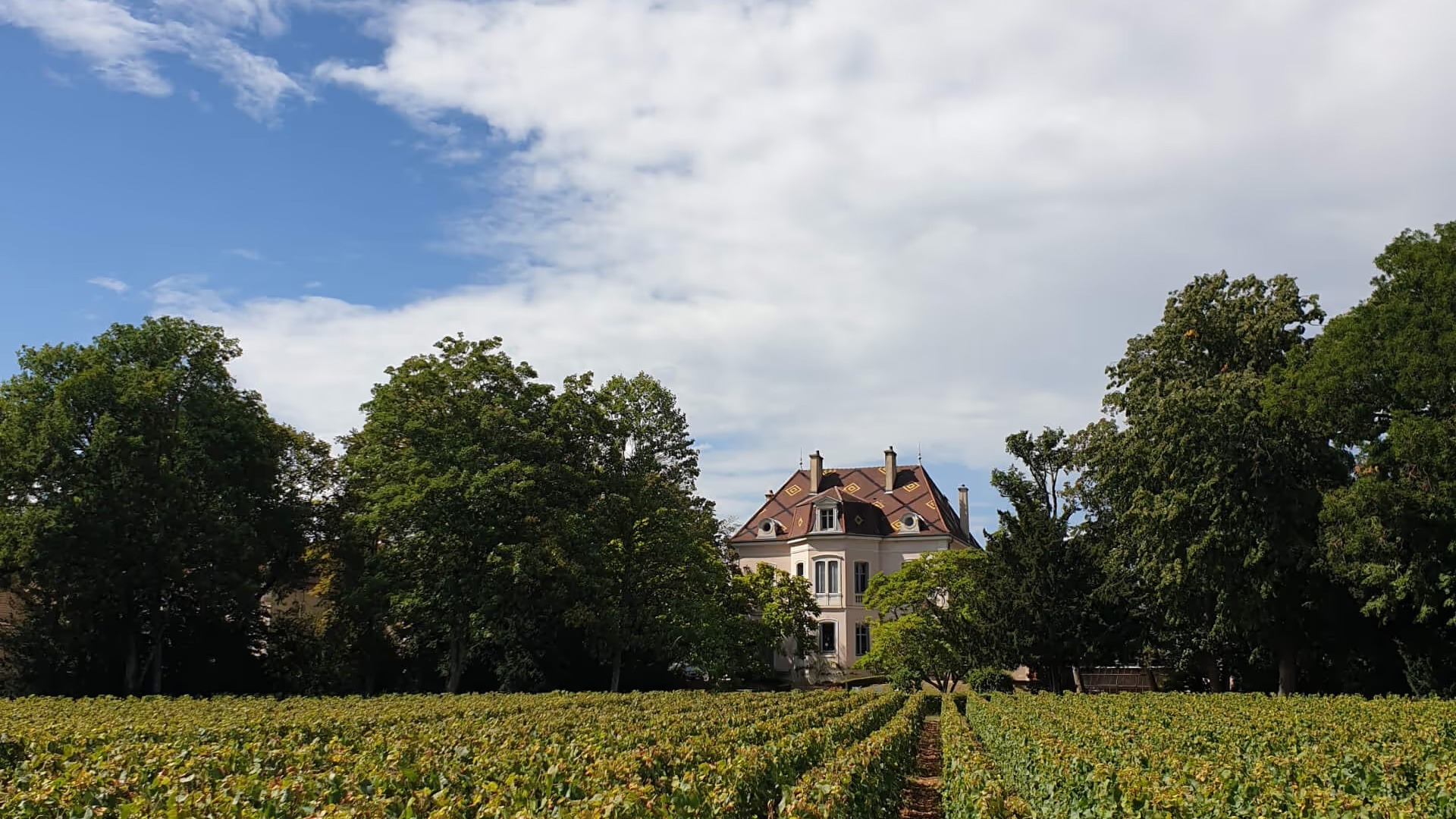
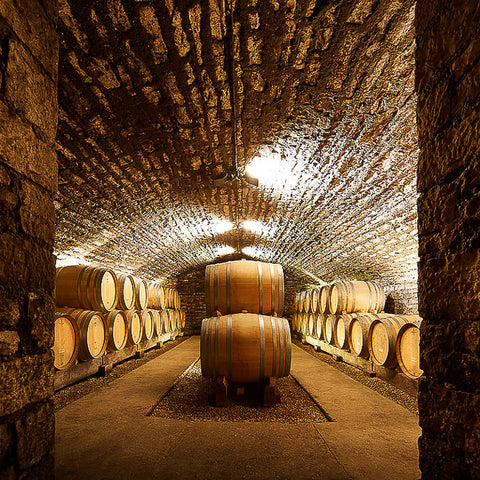
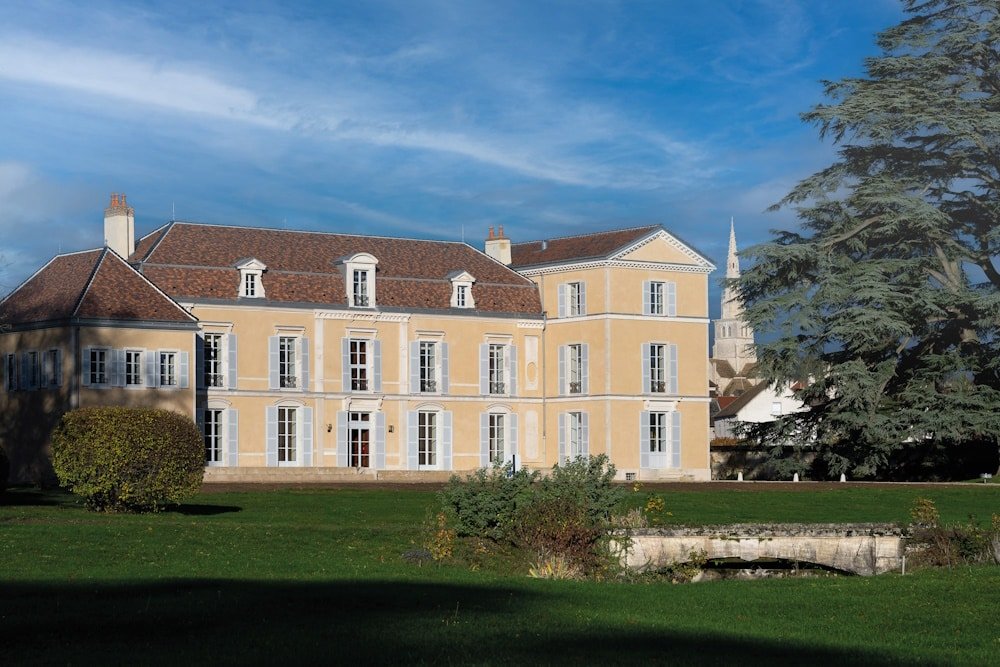
Domaine Coche-Dury in Meursault pairs vineyard views with cave tastings, quiet conditions, and smart casual dress.
At a glance
- Price
- $$$$
- Neighborhood
- Meursault
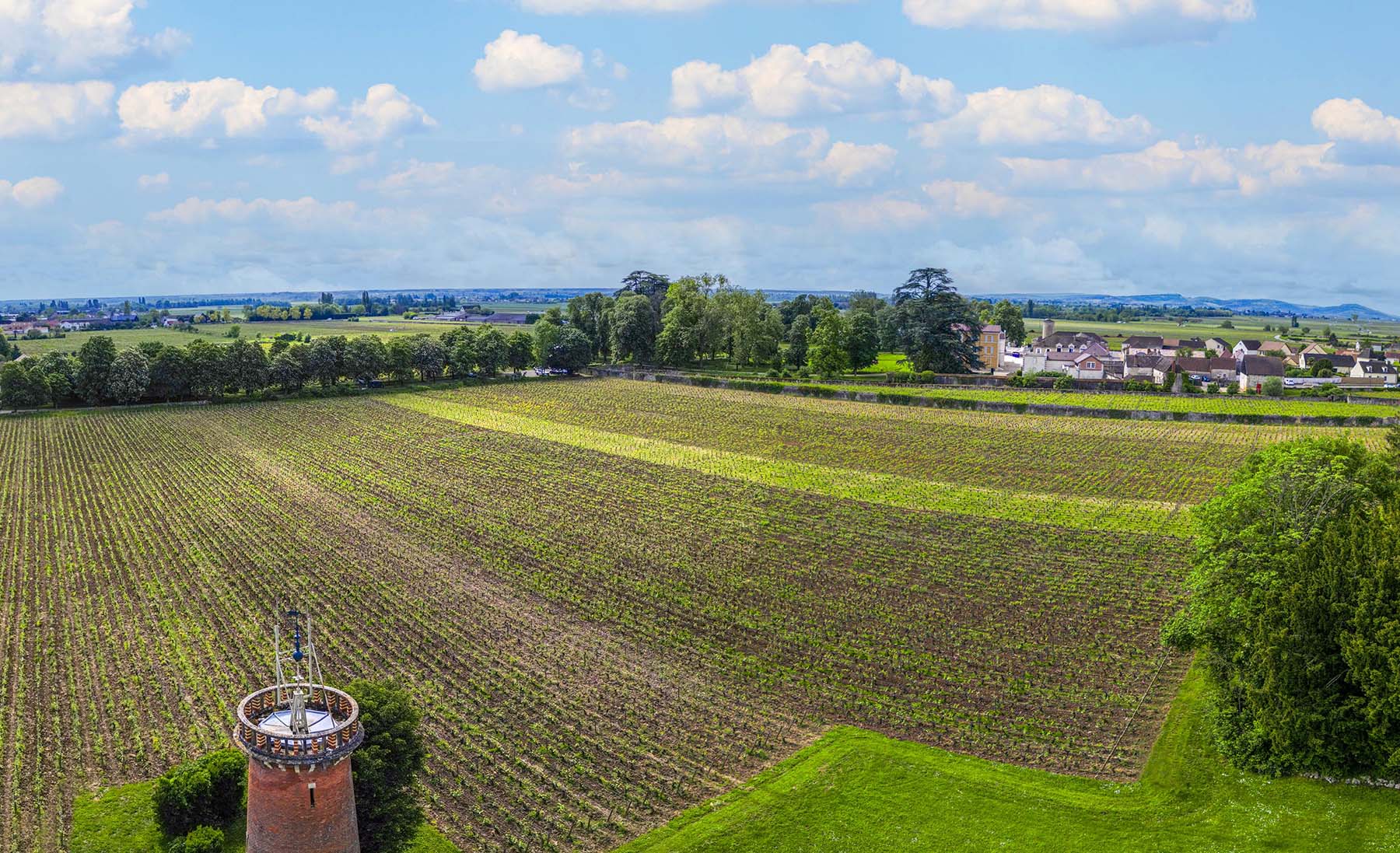
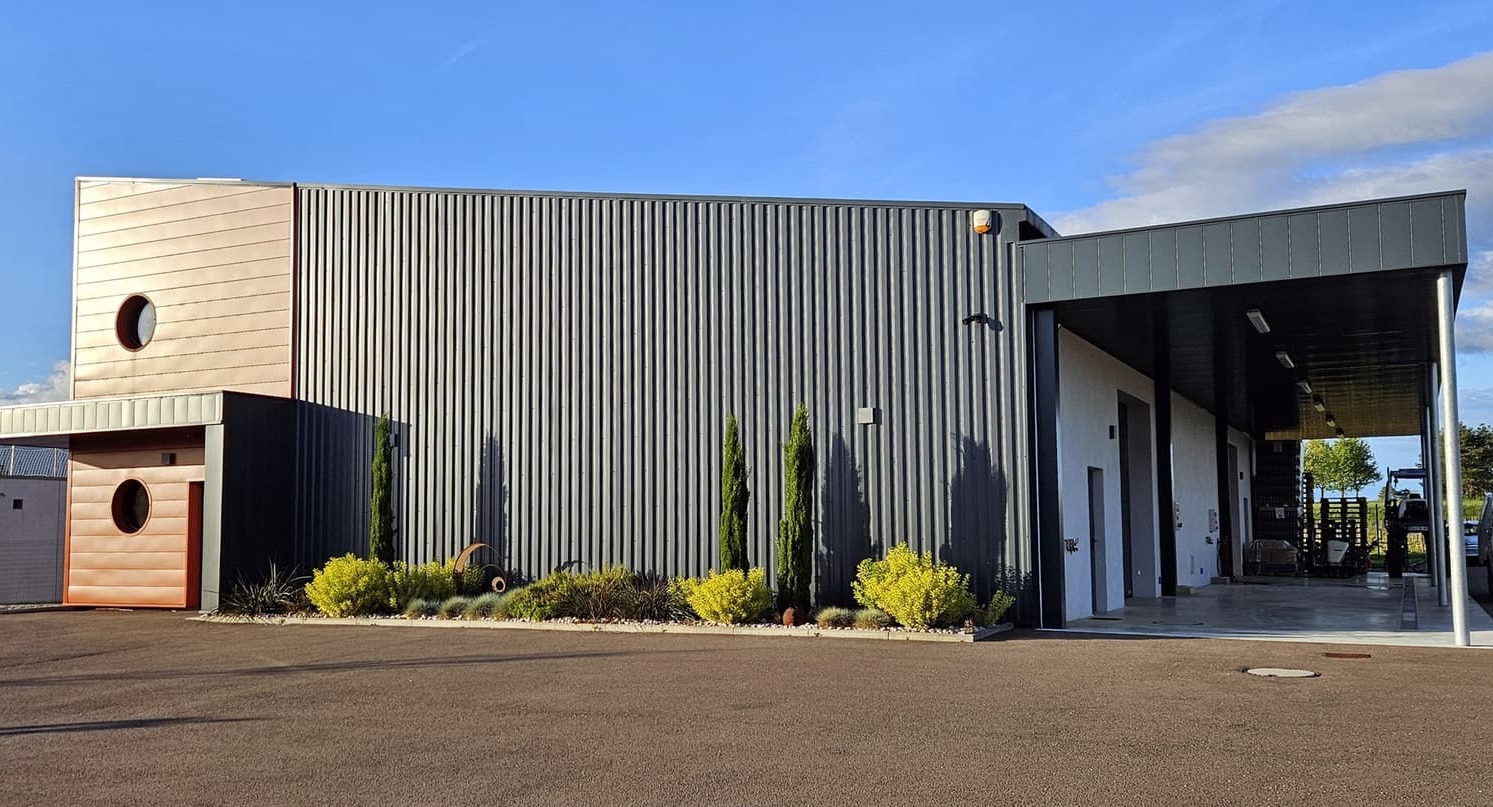
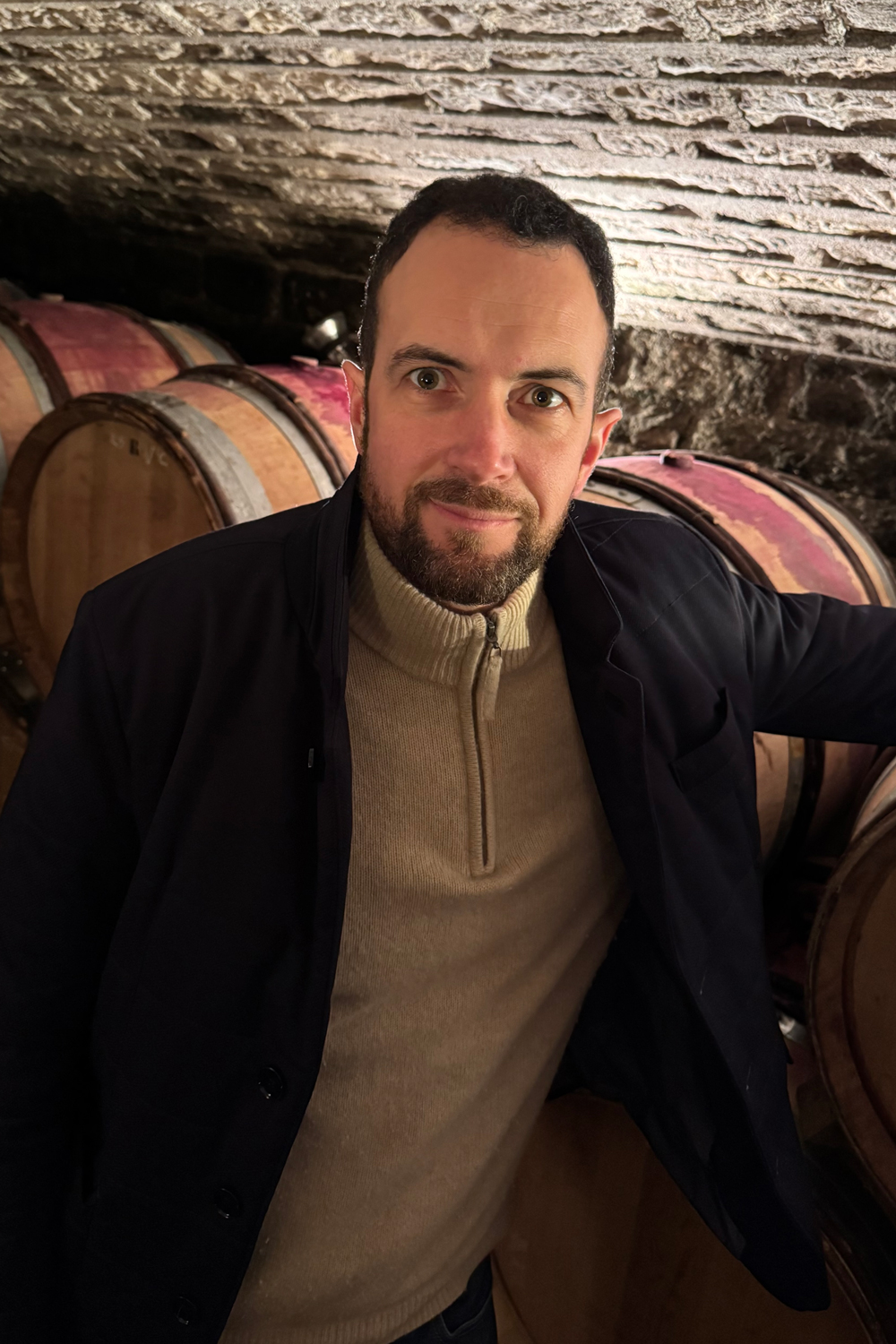
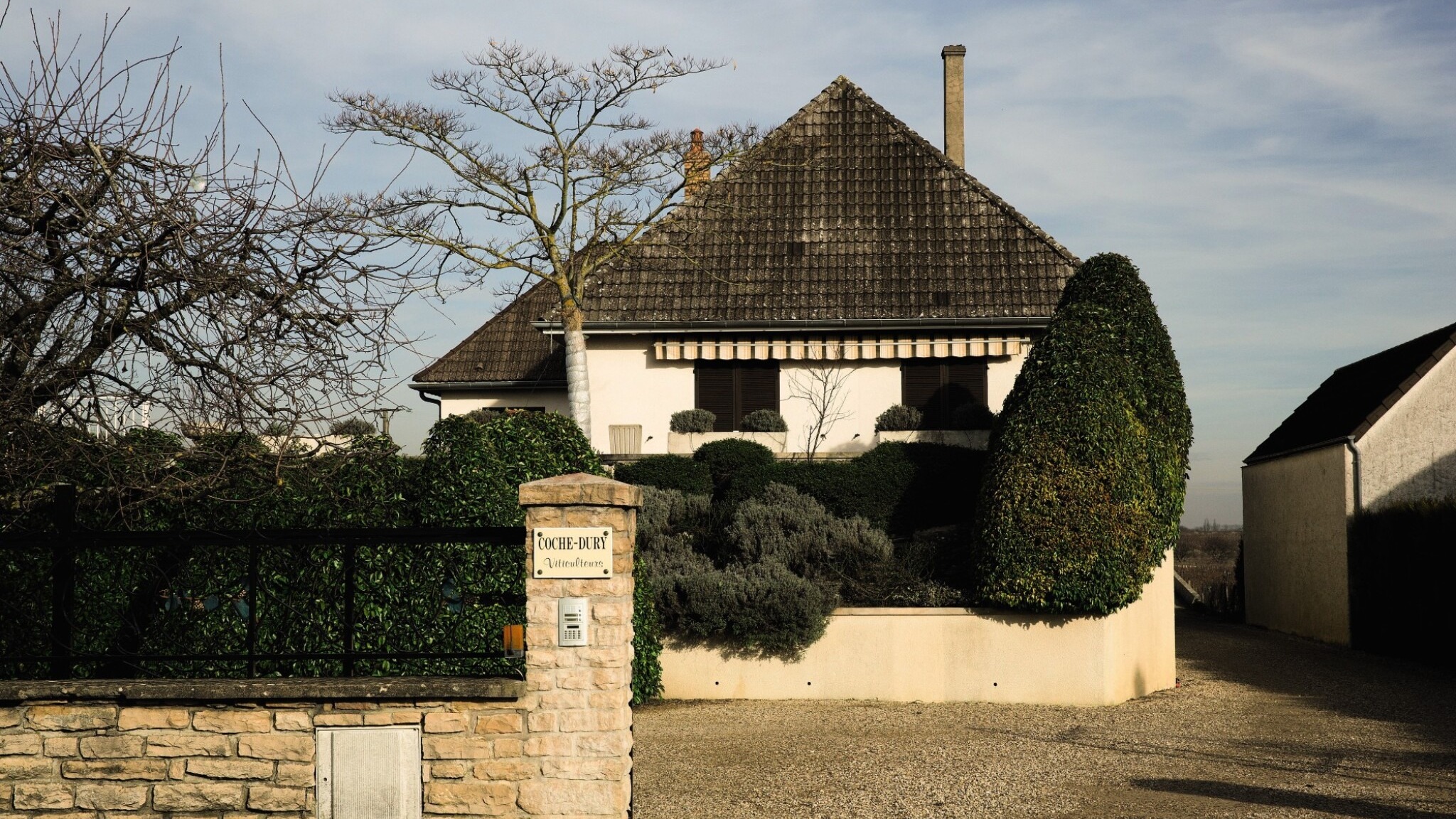
The Meursault white-wine program that emerged from the Coche family cellar between 1975 and the present sits inside the same Burgundian grand cru tradition that shaped Leflaive, Raveneau, and Ramonet, but operates at a lower annual production volume, typically 3,500 to 4,500 bottles per cuvée across the estate's nine parcels, and with a fermentation and élevage protocol that extends barrel time beyond the Leflaive baseline by four to six months. Raphaël Coche, who assumed full cellar responsibility in 2010 after working alongside his father Jean-François Coche from 1996, has maintained the house style established in the late 1970s: whole-cluster pressing without débourbage, indigenous-yeast fermentation in 228-litre Burgundian pièces with 20 to 30 percent new oak annually, and 18 to 22 months on fine lees with minimal bâtonnage. The resulting wines sit at higher phenolic extraction and longer mid-palate development than the majority of Côte de Beaune whites, a profile that has positioned Coche-Dury inside the secondary-market peer set with Domaine de la Romanée-Conti's Montrachet, Domaine Leflaive's Chevalier-Montrachet, and Raveneau's Les Clos. Auction prices for the estate's Corton-Charlemagne regularly exceed €1,800 per bottle at release, and the Meursault Les Perrières trades at €1,200 to €1,500 when available. The domaine's nine hectares are distributed across Meursault premier cru parcels (Les Perrières, Les Genevrières, Les Rougeots, Les Caillerets), Puligny-Montrachet premier cru (Les Enseignères), Corton-Charlemagne grand cru, Volnay premier cru (primarily red fruit from Les Taillepieds and Clos des Chênes), and village-level Meursault and Auxey-Duresses. The white program accounts for roughly 75 percent of annual production, with the Meursault Les Perrières serving as the estate's signature cuvée since the 1980s. Les Perrières is a 0.85-hectare parcel planted in 1958 on the mid-slope limestone band that runs east-west through the southern edge of Meursault's premier cru zone; the parcel sits at 260 to 280 metres elevation, with shallow topsoil over Bathonian limestone and a southeast exposure that delays morning warmth by thirty to forty-five minutes relative to the more easterly Genevrières parcels. The resulting wines show higher phenolic structure and slower aromatic development than Genevrières, a trait Jean-François Coche amplified through extended barrel time and minimal sulfur additions at bottling, typically 25 to 35 milligrams per litre free SO₂, well below the Burgundy baseline of 40 to 50 milligrams per litre. The domaine was formed in 1975 when Jean-François Coche married Odile Dury, combining their family vineyard holdings, working initially from a small cellar beneath the family home on Rue Charles Giraud in Meursault village. The domaine's early bottlings were sold primarily through Burgundy négociants and regional wine merchants; by the mid-1980s, the estate had begun direct allocation sales to private collectors and restaurant programs in France, the United States, and the United Kingdom. The 1986 vintage marked the first release of the Corton-Charlemagne cuvée, sourced from a 0.35-hectare parcel in the Corton hill's southwest-facing band at 300 to 320 metres elevation. The Corton-Charlemagne program operates at even lower yields than the Meursault premier crus, 25 to 30 hectolitres per hectare versus 35 to 40 hectolitres per hectare for Les Perrières, and ferments at slightly lower temperatures (16 to 18°C versus 18 to 20°C) to preserve the parcel's high natural acidity. The resulting wines require a minimum of ten years' cellaring before the phenolic structure integrates; the 2010 and 2014 vintages are currently showing full aromatic development, while the 2017 and 2019 releases remain tight and mineral-driven. Raphaël Coche's cellar tenure has introduced incremental shifts to the house protocol without altering the core program. Fermentation vessels remain exclusively 228-litre Burgundian pièces, sourced from Tonnellerie François Frères and Tonnellerie Sirugue, with a toast level of medium-plus rather than the lighter medium toast favored by Leflaive and Ramonet. Barrel aging extends to 18 months for village-level Meursault and 20 to 22 months for premier cru and grand cru cuvées, with racking conducted once at 12 months and a second time at 16 to 18 months for the longer-aged wines. Bâtonnage is applied sparingly, once every three to four weeks during the first six months of élevage, then discontinued, a protocol that sits closer to the Ramonet school than to the more interventionist Leflaive approach. The estate does not practice cold-settling or pre-fermentation clarification; whole-cluster pressing proceeds directly into barrel, with indigenous yeasts initiating fermentation within 48 to 72 hours. This protocol carries higher phenolic extraction risk than the débourbage baseline practiced at Leflaive, Domaine des Comtes Lafon, and Domaine Roulot, but produces wines with greater textural density and longer aging curves. The estate's allocation structure operates on a tiered system established in the early 1990s and maintained under Raphaël Coche's cellar tenure. Allocation clients are divided into three categories: long-standing private collectors who have purchased consistently since the 1980s or earlier, Michelin-starred restaurant programs with established Burgundy lists, and a small number of importers in key markets (the United States, the United Kingdom, Japan, Hong Kong). Annual production volume constraints mean that even allocation clients receive limited case quantities: typically two to six bottles of the Meursault Les Perrières per client per vintage, and one to three bottles of the Corton-Charlemagne. Total estate output rarely exceeds 30,000 bottles across all cuvées. The estate does not maintain a public mailing list, does not accept new allocation requests, and does not sell through retail channels or at the cellar door. Secondary-market availability is correspondingly tight; auction lots for the Meursault Les Perrières and Corton-Charlemagne appear infrequently, with hammer prices regularly exceeding twice the original allocation price within five years of release. The domaine's red program, though smaller in volume than the white portfolio, follows a parallel protocol adapted for Pinot Noir. Volnay premier cru parcels in Les Taillepieds and Clos des Chênes are destemmed entirely, cold-soaked for four to six days at 12 to 14°C, then fermented at 28 to 30°C with indigenous yeasts and minimal extraction. Punch-downs occur once daily during peak fermentation, a gentler regime than the twice-daily protocol practiced at Domaine Dugat-Py or Domaine Georges Roumier. Barrel aging proceeds for 16 to 18 months in 228-litre pièces with 30 to 40 percent new oak, slightly higher than the white program's new-oak percentage. The resulting wines show brighter red-fruit character and lower tannin density than the more extracted Vosne-Romanée and Gevrey-Chambertin references, positioning the estate's red program inside the lighter, more floral Volnay tradition rather than inside the structured Côte de Nuits school. The estate's village-level Meursault cuvée, sourced from parcels in Les Chevalières and Les Narvaux at lower elevation (240 to 260 metres) than the premier cru holdings, operates as a de facto entry point into the Coche-Dury program for allocation clients. Annual production volume for the village Meursault sits at approximately 6,000 bottles, roughly double the volume of the Meursault Les Perrières, and the wine is aged for 18 months in barrel with 15 to 20 percent new oak, a lighter oak regime than the premier cru protocol. The village cuvée trades at €300 to €400 per bottle on the secondary market, still well above the Meursault village baseline of €50 to €80 per bottle from producers such as Domaine Ballot-Millot or Domaine Roulot, but accessible relative to the Les Perrières and Corton-Charlemagne releases. The wine shows the same phenolic structure and aging curve as the premier cru holdings, though with shorter mid-palate development and less pronounced mineral character, a reflection of the lower-elevation parcels' deeper topsoil and reduced limestone exposure. The Puligny-Montrachet Les Enseignères parcel, a 0.25-hectare holding planted in 1962, sits at the northern edge of the Puligny premier cru zone adjacent to the Meursault border. The parcel's southwest exposure and shallow limestone topsoil align it more closely with the Meursault Les Perrières terroir profile than with the mid-slope Puligny parcels such as Les Pucelles or Les Combettes, and the wine is vinified identically to the Meursault premier crus: 20 to 22 months in barrel with 20 to 30 percent new oak, minimal bâtonnage, and no cold-settling. Annual production from Les Enseignères rarely exceeds 1,200 bottles, making it the estate's scarcest white cuvée after the Corton-Charlemagne. Secondary-market pricing sits at €1,000 to €1,200 per bottle, roughly in line with the Meursault Les Perrières, though the wine shows slightly higher acidity and more pronounced citrus character in the first ten years after release. The estate's cellar infrastructure remains deliberately low-tech by contemporary Burgundy standards. Fermentation and élevage occur in a temperature-controlled underground cellar beneath the family home, with no stainless-steel tanks, no pneumatic presses, and no temperature-controlled fermentation vessels beyond the passive cooling provided by the cellar's 12 to 14°C ambient temperature. Whole-cluster pressing proceeds in a vertical basket press, a slower and gentler extraction method than the pneumatic presses used at Domaine Arnaud Ente, Domaine Bernard-Bonin, and Domaine des Comtes Lafon. The press cycle runs for four to six hours per load, with juice transferred directly into barrel without intermediate storage in stainless steel. This protocol eliminates the oxidation risk associated with tank storage but requires precise timing: the press must finish its cycle within the working day, and barrels must be filled immediately to avoid phenolic pickup from extended air exposure. The resulting wines show higher phenolic density and more pronounced texture than pneumatic-press references, a house signature that has remained consistent across the Jean-François and Raphaël Coche eras. The estate does not participate in the Burgundy en primeur system, does not release pricing publicly, and does not engage with wine critics or trade publications beyond occasional producer interviews. Allocation pricing is communicated privately to allocation clients, typically in March or April following the vintage, with delivery scheduled for the subsequent autumn after bottling. This closed-system approach has limited the estate's visibility in trade publications relative to more media-engaged producers such as Domaine Leflaive or Domaine de la Romanée-Conti, but has also insulated the estate from vintage-quality speculation and secondary-market volatility. The estate's reputation rests entirely on bottle performance and long-term aging curves, both of which have positioned Coche-Dury inside the upper tier of Burgundy white-wine production since the late 1980s. Raphaël Coche's cellar tenure has extended beyond viticulture and vinification into parcel management and replanting strategy. The estate's oldest parcels, planted in the late 1950s and early 1960s, are now reaching the end of their productive span; replanting has proceeded incrementally since 2015, with new vines planted on a rotating schedule to avoid sudden drops in production volume. The estate uses massal selection rather than clonal selection for replanting, sourcing cuttings from the estate's oldest vines rather than from commercial nurseries. This approach maintains genetic continuity with the original plantings but requires longer lead times: massal-selection vines typically reach full production three to four years later than clonal vines, and the estate withholds fruit from newly planted parcels for five to six years rather than the standard three to four years. The replanting program is expected to continue through the mid-2030s, with the Meursault Les Perrières and Corton-Charlemagne parcels scheduled for partial replanting in the late 2020s. For further exploration of Meursault producers operating inside adjacent technical lineages, see Camille & Guillaume Boillot, Domaine Anne Boisson, and the broader Meursault wineries guide. Additional Burgundy context across dining and hospitality infrastructure is available through the Meursault restaurants guide, Meursault hotels guide, and Meursault bars guide.
Know before you go
- Dress code
- smart_casual
- Reservations
- appointment_only
- Parking
- street
Address
25 Rue Charles Giraud, 21190 Meursault
Meursault · Burgundy
How it compares
- Cuisine
- Chardonnay, Pinot Noir
- Price
- $$$$
- Notes
- Meursault
- Cuisine
- Pinot Noir, Chardonnay
- Price
- $$$$
- Notes
- Meursault
- Cuisine
- Chardonnay, Pinot Noir
- Price
- $$$$
- Notes
- Meursault
- Cuisine
- Chardonnay, Pinot Noir
- Price
- $$$$
- Notes
- Meursault
- Cuisine
- Chardonnay, Pinot Noir
- Price
- $$$
- Notes
- Meursault
- Cuisine
- Chardonnay, Pinot Noir
- Price
- $$$
- Notes
- Meursault