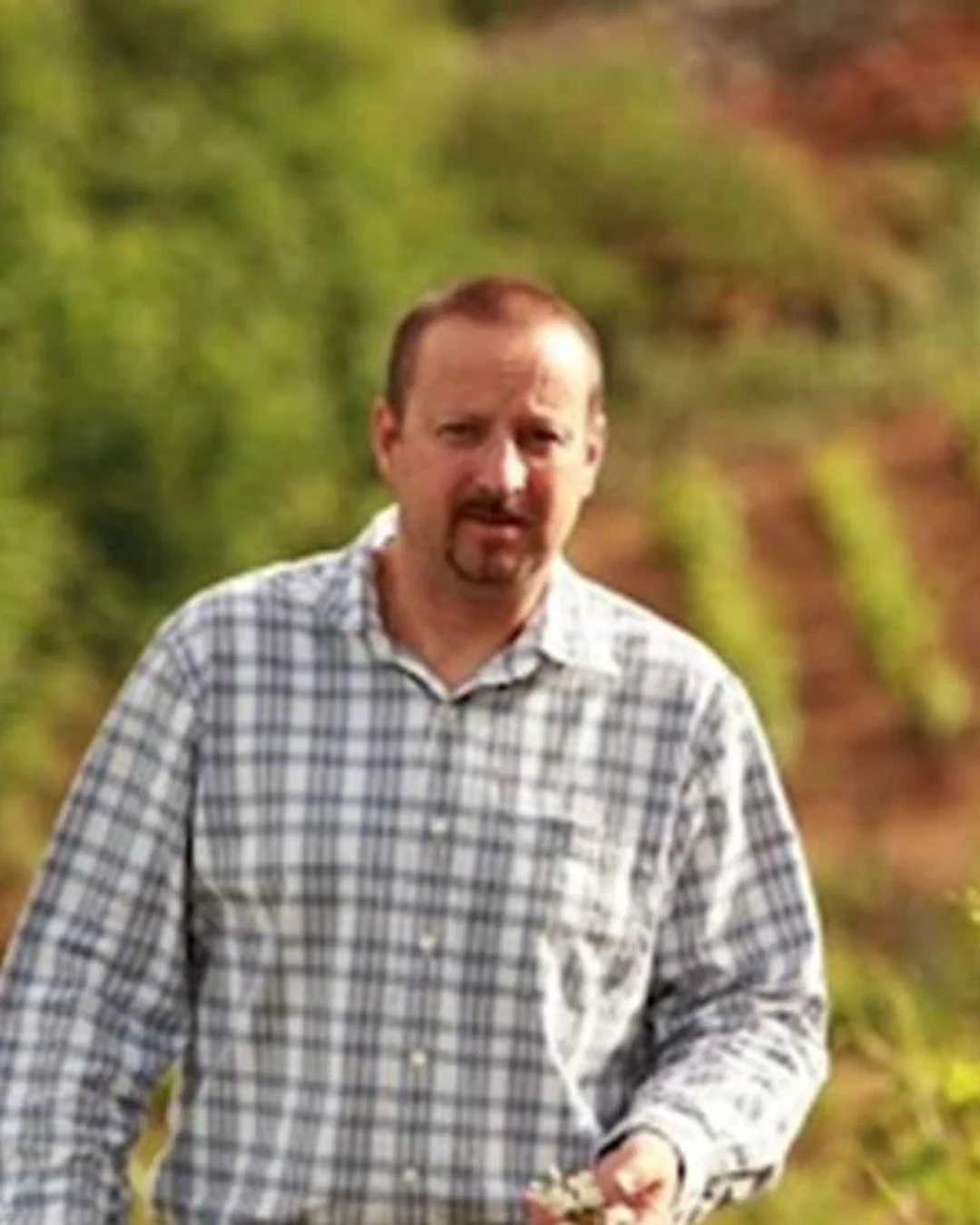
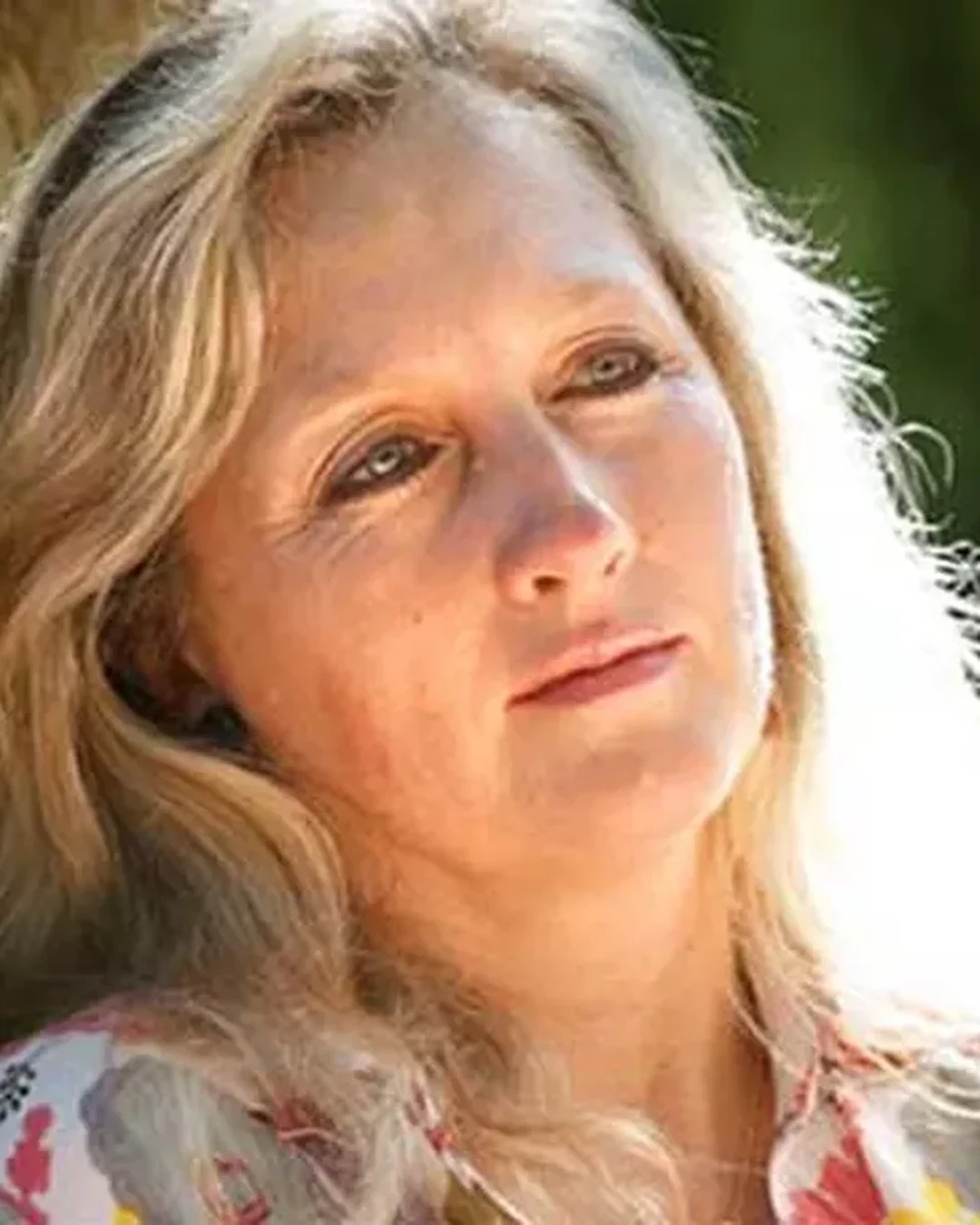
Portrait of Jean-Marie Fourrier
i. Biography
Jean-Marie Fourrier works in a Gevrey-Chambertin model where inheritance matters only when disciplined by farming, selection, and restraint in the cellar. He has been head and winemaker at Domaine Fourrier since 1994, carrying the family domaine forward with a style built on origin, fruit clarity, and careful handling. His path began with formal study at University of Dijon, then apprentice work with Henry Jayer in Vosne-Romanée in the late 1980s, followed by winemaking work at Domaine Drouhin in Oregon before returning to the family domaine in Gevrey-Chambertin. That background shaped a practice that is direct rather than showy. In the vineyard, attention to old vines and timing is central, and only fruit from vines older than 30 years is retained for the domaine. In the cellar, the approach is minimal intervention: gentle extractions, no racking, no fining, no filtration, and oak kept to about 20% new barrels. The wines are allowed to become naturally clear over 16 to 20 months without racking. The emphasis is on purity of fruit and line, with concentration coming from the vines rather than from overt cellar shaping. He has described the work as beginning in the vineyards and before the wines go into barrel. Alongside Domaine Fourrier, he operates the micro-négoce label Jean-Marie Fourrier, which extends the same approach without changing the central measure. The label keeps the focus on origin, fruit, and transparency, while remaining aligned with the restraint that defines the domaine. His most closely associated wines include Gevrey-Chambertin and Chambertin Clos de Bèze. They are recognized for purity, balance, finesse, elegance, and refinement, with an interest in fragrance, texture, structure, and place rather than cellar ornament. Griotte-Chambertin and Clos St. Jacques are also among his most notable holdings, coming from vines planted between 1902 and 1910 and made in very limited quantities. Across these wines, his reputation rests on bringing out the character of the Côte de Nuits through meticulous vineyard work and a low-intervention approach.
The Sunday letter
Read Made By's new profiles every Sunday.
Meet the chefs, winemakers and sommeliers behind the places we cover. See a sample below before you subscribe.
See a sample of the Sunday emailOne email a week. Unsubscribe from any issue.
Explore
Similar Winemakers
The Sunday letter
Get the next Made By profile in your inbox.
We send one email every Sunday morning with the people we profiled that week.
See a sample of the Sunday emailOne email a week. Unsubscribe from any issue.