Winemaker
Pascal Mugneret
Winemaker, Domaine Gérard Mugneret
- Discipline
- Winemaker
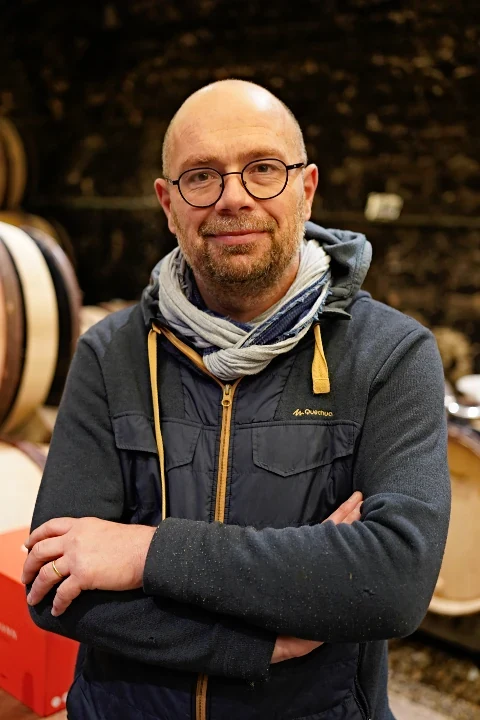
Portrait of Pascal Mugneret
i. Biography
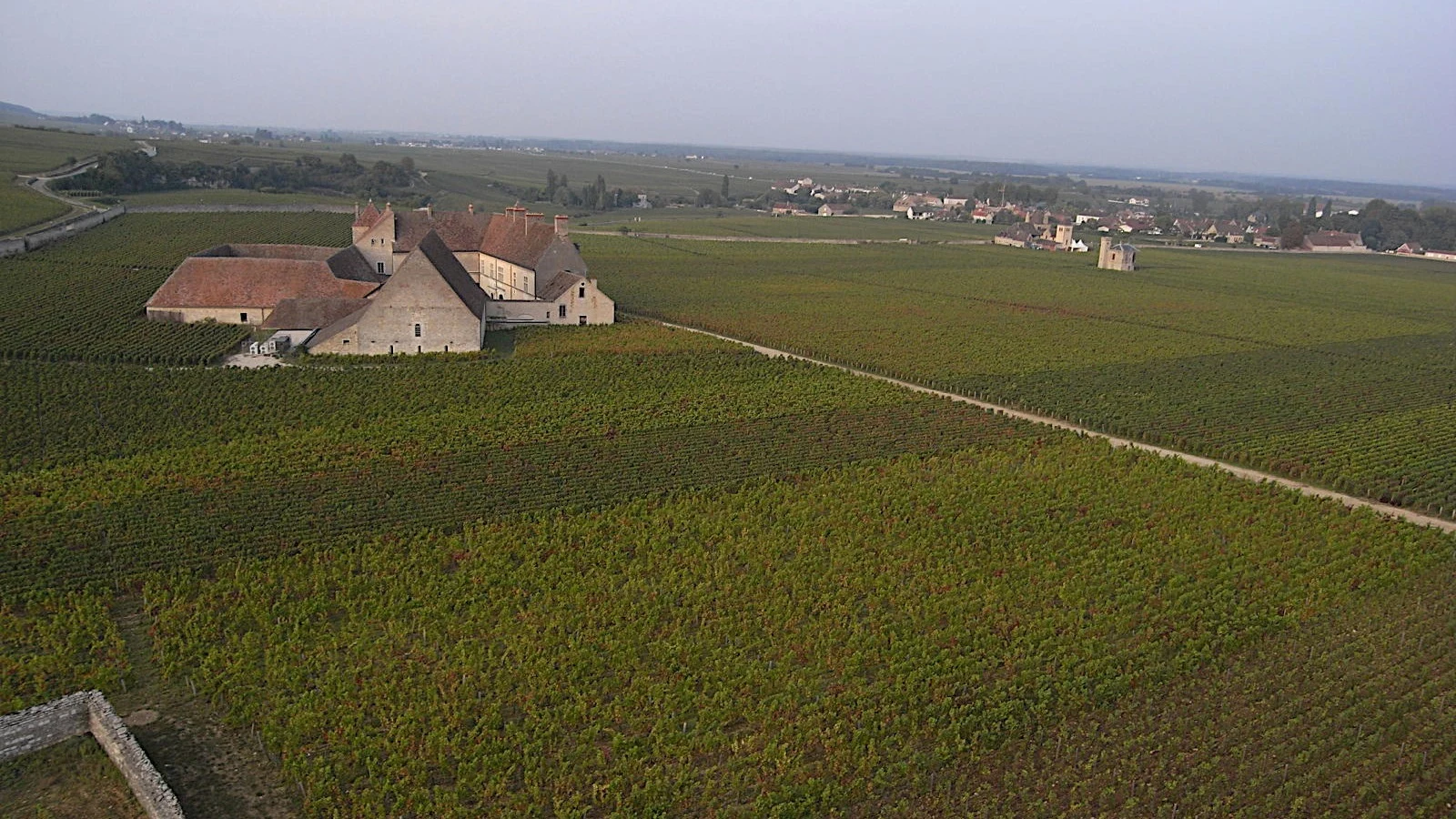
Pinot Noir in the Côte de Nuits is exacting work at small scale: row by row, barrel by barrel, tasting by tasting. At Domaine Gérard Mugneret in Vosne-Romanée, France, Pascal Mugneret has worked as vigneron from 2005, carrying the family domaine through farming, vinification, aging, and tasting, with fruit from its home village and nearby Côte de Nuits appellations as the core material. The work is defined by technical discipline, restrained intervention, and close reading of place.
The Sunday letter
Read Made By's new profiles every Sunday.
Meet the chefs, winemakers and sommeliers behind the places we cover. See a sample below before you subscribe.
See a sample of the Sunday emailOne email a week. Unsubscribe from any issue.
The Trajectory
Engineering trains a practitioner to read systems, consequences, tolerances, and failure points. Early in his career, Pascal Mugneret worked as an engineer before turning fully toward the vineyards, and that background remains relevant to how his winegrowing is described: measured, precise, and attentive to cause and effect. Since 2005, he has overseen the estate as vigneron, applying that discipline across vineyard and cellar work. In the village, stewardship is not an abstract role. It is a sequence of practical calls made before the wine reaches the glass: when to intervene, when to wait, how to hold energy in the fruit without forcing expression. Mugneret’s route into wine sets up a useful working tension for Pinot Noir: calculation against instinct, observation against trust.
The Work Today
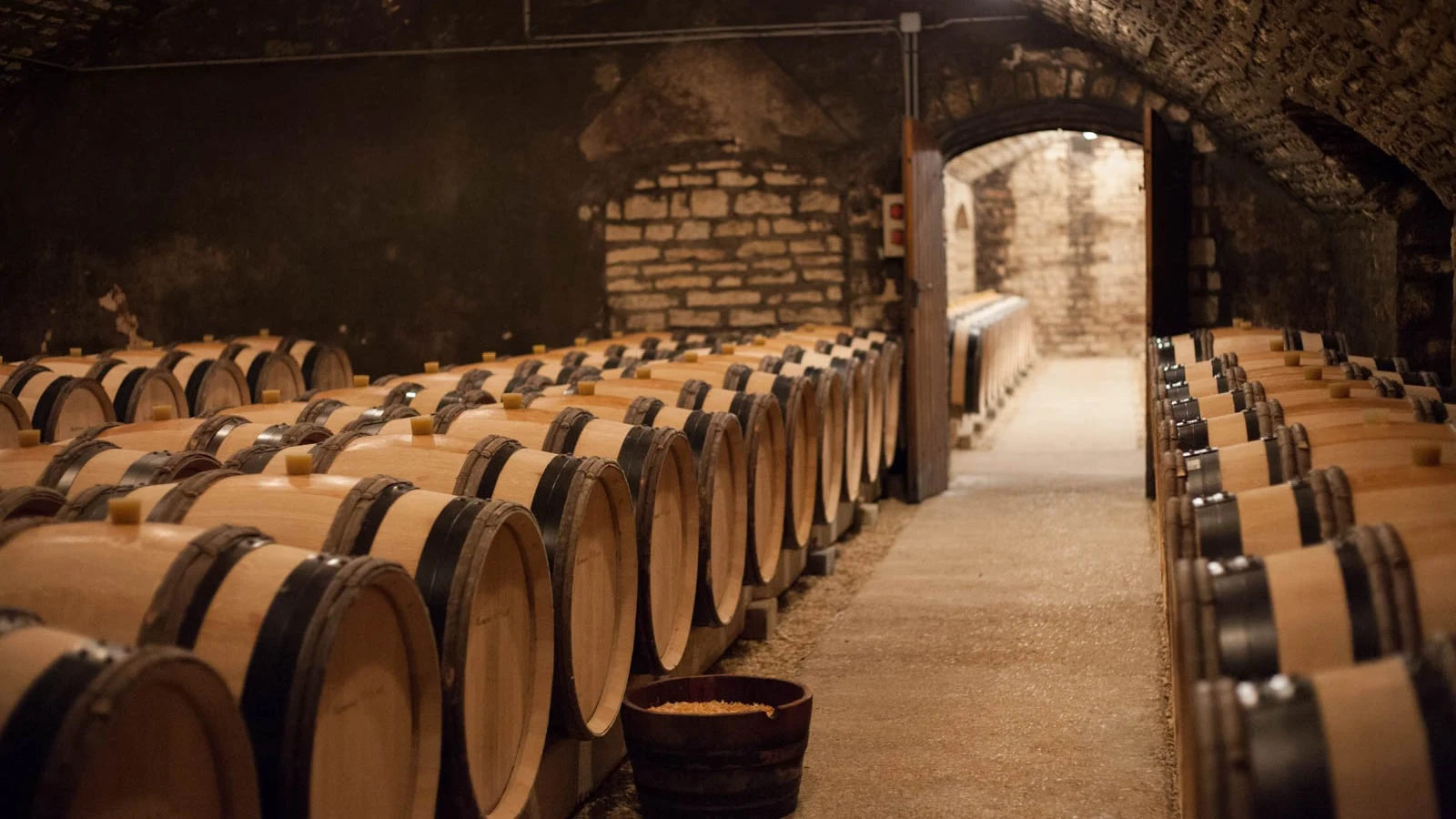
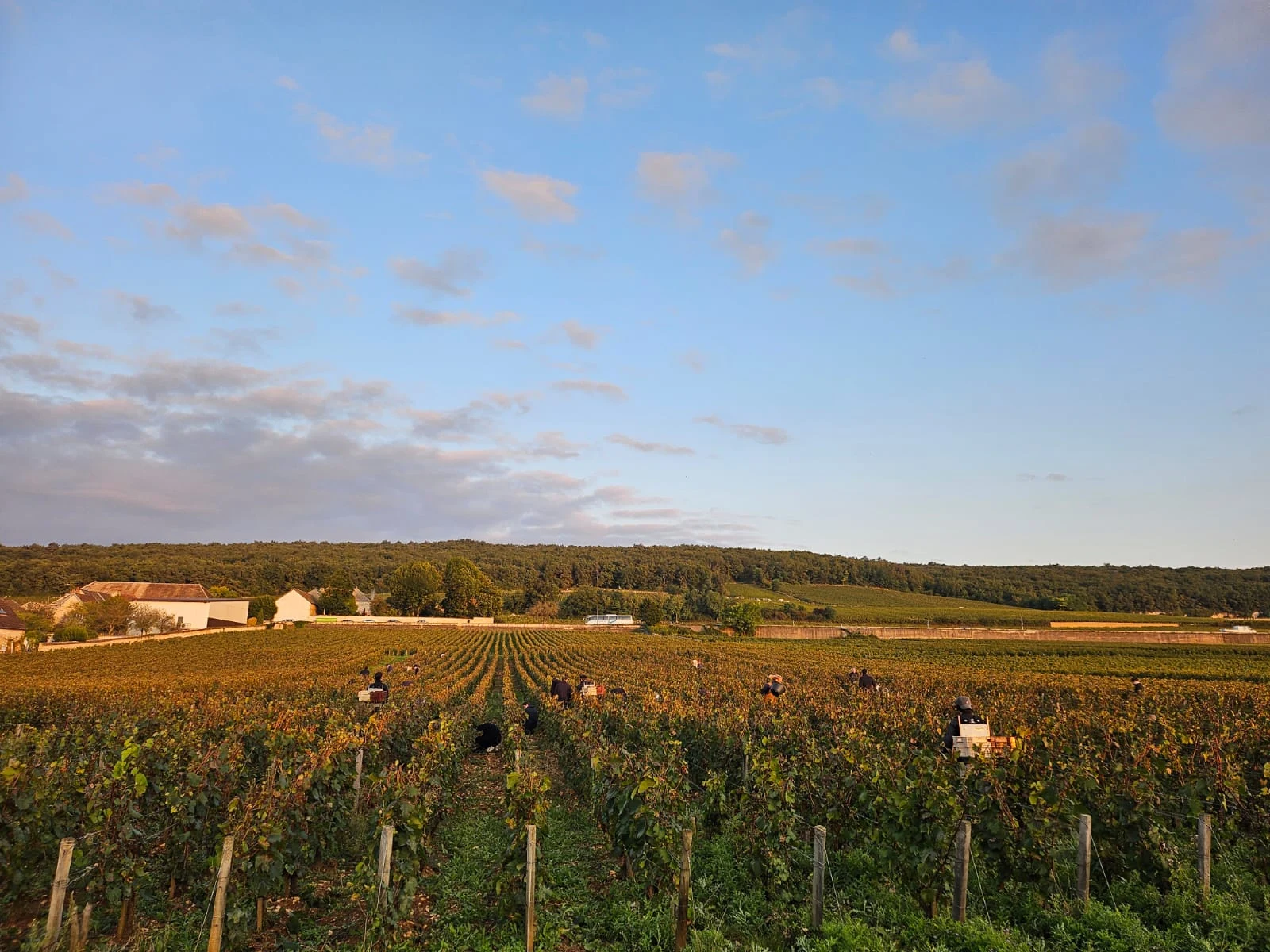
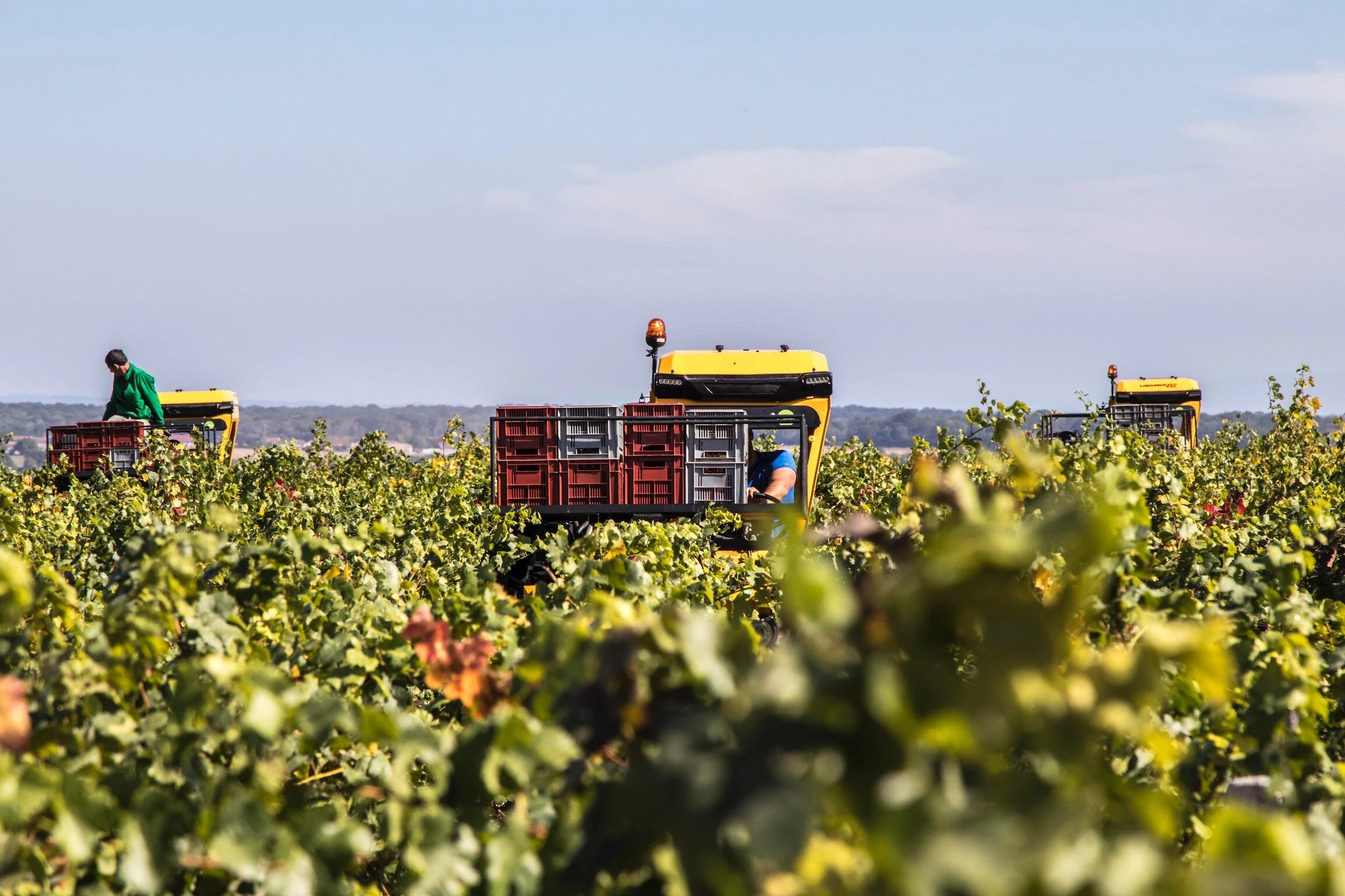
The domaine’s work sits across farming, soil microbiology, vinification, aging, and tasting. Under Mugneret, the specialty remains refined wines from Vosne-Romanée, with Pinot Noir drawn from the village and nearby Côte de Nuits appellations. Low-intervention farming here is described through specific choices rather than as a slogan. Vineyard work limits tilling, uses cover crops, integrates plants and whey to reduce sulfur use, hedges high, and preserves apical buds. Those practices treat each site as a living system in which soil, vine, canopy, and microbial life affect the finished wine. Cellar work follows the same controlled restraint. Mugneret uses 20–100% whole-cluster vinification, indigenous yeast fermentations, limited pigeage, oak aging, and very moderate sulfur additions. The framework is not fixed for its own sake; it leaves room for vintage and parcel while giving fruit from the home village and nearby Côte de Nuits appellations enough structure to be legible. The wines are described as natural in farming and additives, with slightly more pronounced tannin extraction and some new oak. Mugneret states the working balance directly: “I hope to make wines that tell a story, and for them to be able to do so freely there has to be a balance between control and letting go."
Career - Vigneron; oversees the domaine — Domaine Gérard Mugneret, Vosne-Romanée, Côte de Nuits, Burgundy (2005–present) - Engineer
Signature
Signature bottlings include Vosne-Romanée 2012, Vosne-Romanée Quatrain, and Vosne-Romanée Aux Vigneux. They define the domaine’s work through origin and separation: Vosne-Romanée as the base of expression, Pinot Noir as the material, and individual bottlings as a way to mark finer distinctions within the village.
Accolades
Parcel selection gives two later signatures their shape. Vosne-Romanée Quatrain is separated from village Vosne-Romanée parcels and described by Pascal as a bright, fresh, elegant wine created from complementary northern and southern climats. Vosne-Romanée Aux Vigneux is isolated from two parcels and described by him as harmonious, dense, and suave, with notes of spiced bread and ripe fruit. Across the work, the craft remains the daily discipline of winegrowing: farming decisions, microbial attention, extraction choices, élevage, and repeated tasting. At Domaine Gérard Mugneret, Pascal Mugneret’s stated aim is expression held inside form, allowing Vosne-Romanée, its parcels, and nearby Côte de Nuits appellations to come through with clarity, texture, and narrative force.
FAQ What is Pascal Mugneret known for? Refined wines from Vosne-Romanée.

The Sunday letter
Get the next Made By profile in your inbox.
We send one email every Sunday morning with the people we profiled that week.
See a sample of the Sunday emailOne email a week. Unsubscribe from any issue.