Made ByWinery
Domaine du Clos de Tart pairs biodynamic sourcing with vineyard views and historic estate grounds in Morey-Saint-Denis; 2026 Michelin 1 Grape and Falstaff Winery recognition suit a planned visit.
At a glance
- Price
- $$$$
- Neighborhood
- Morey-Saint-Denis
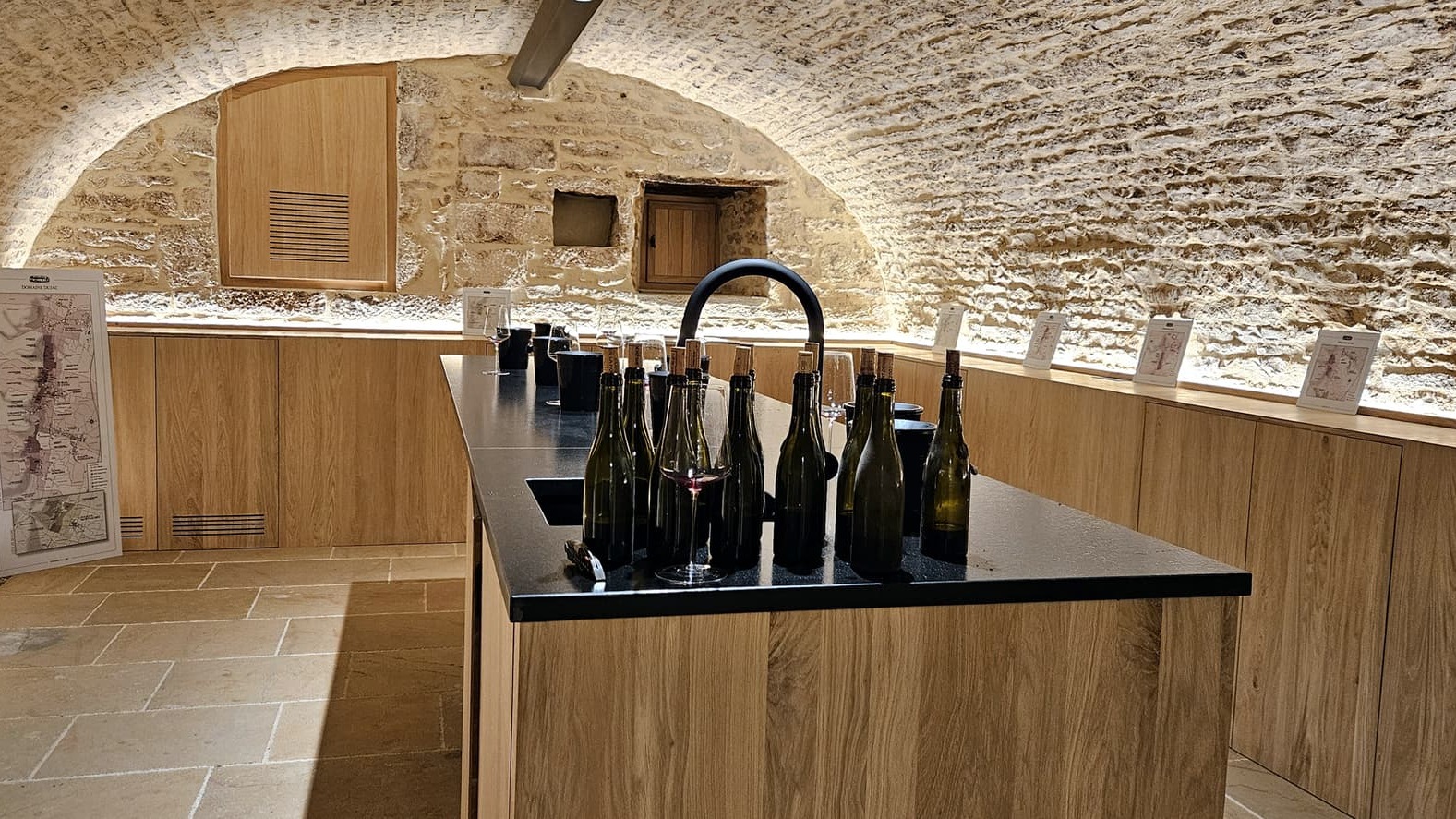
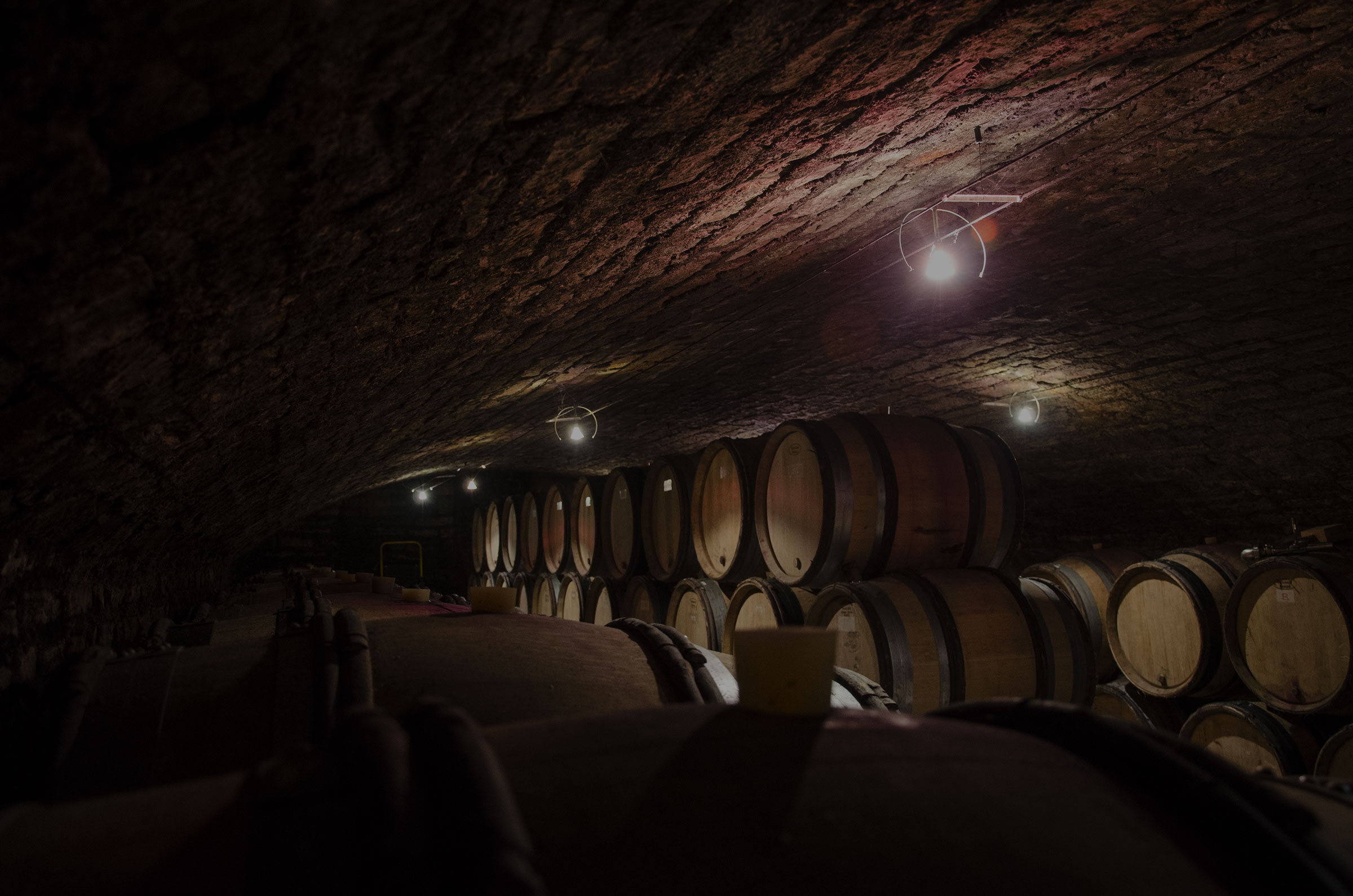
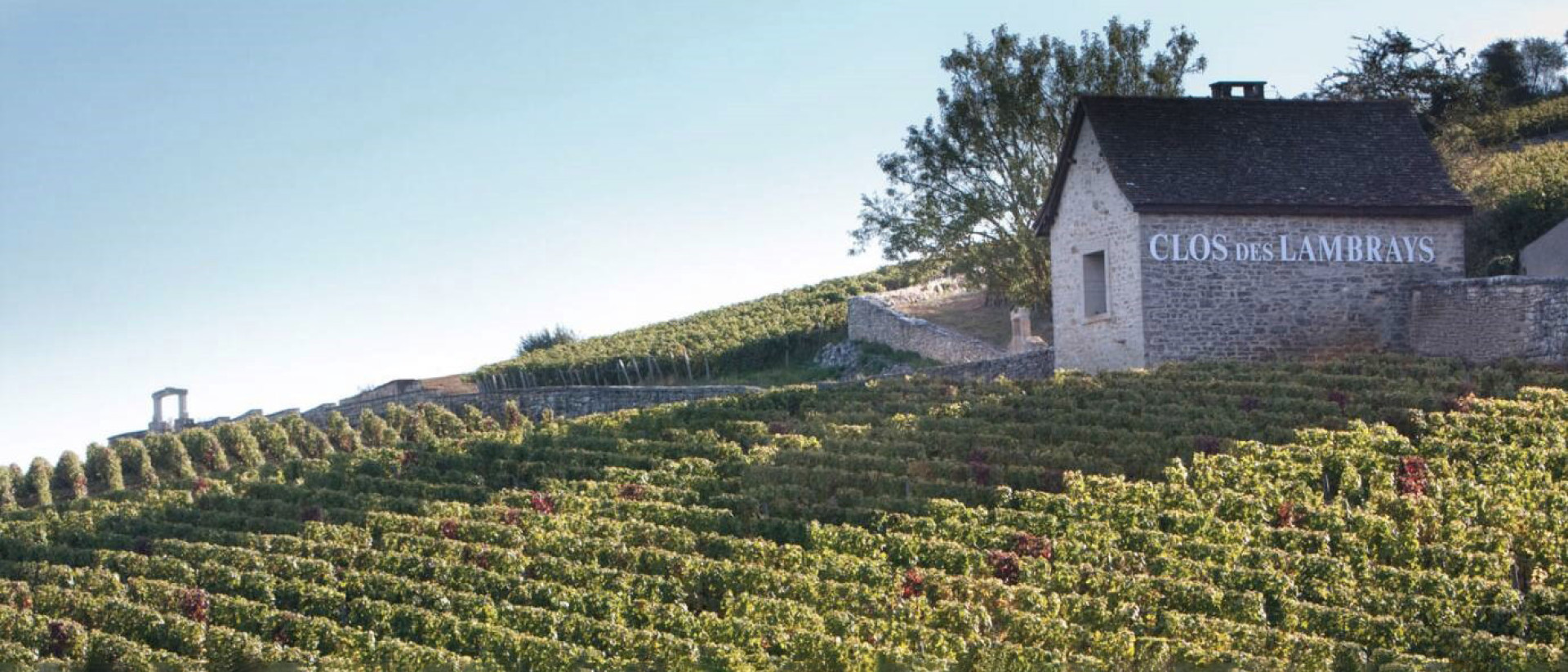
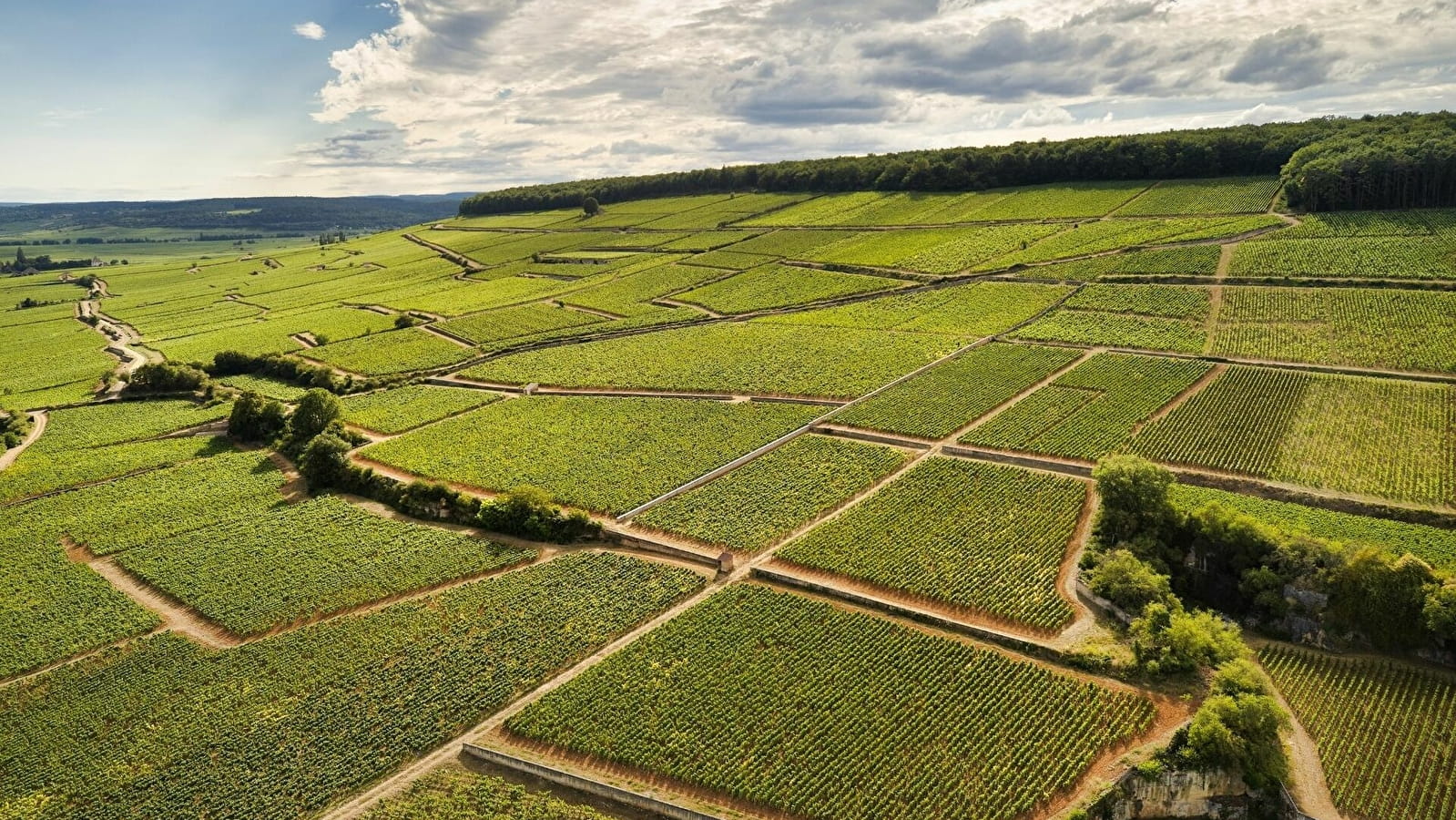
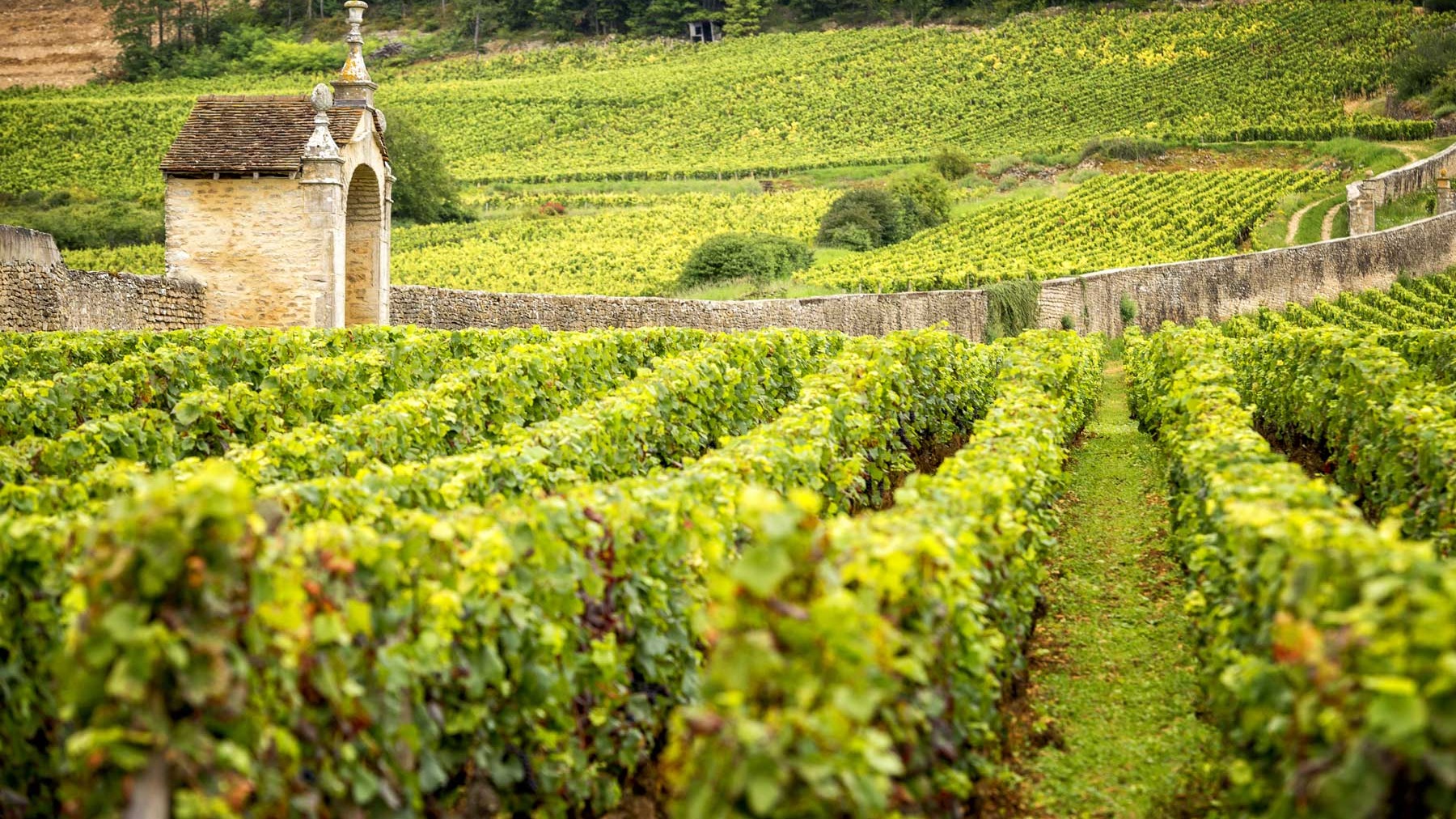
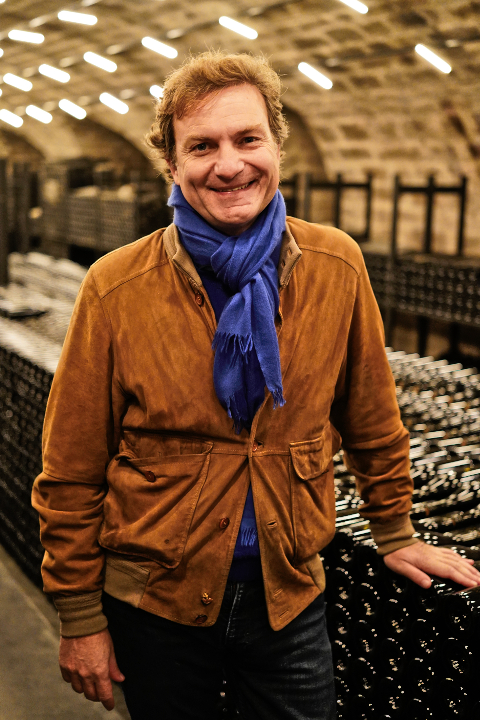
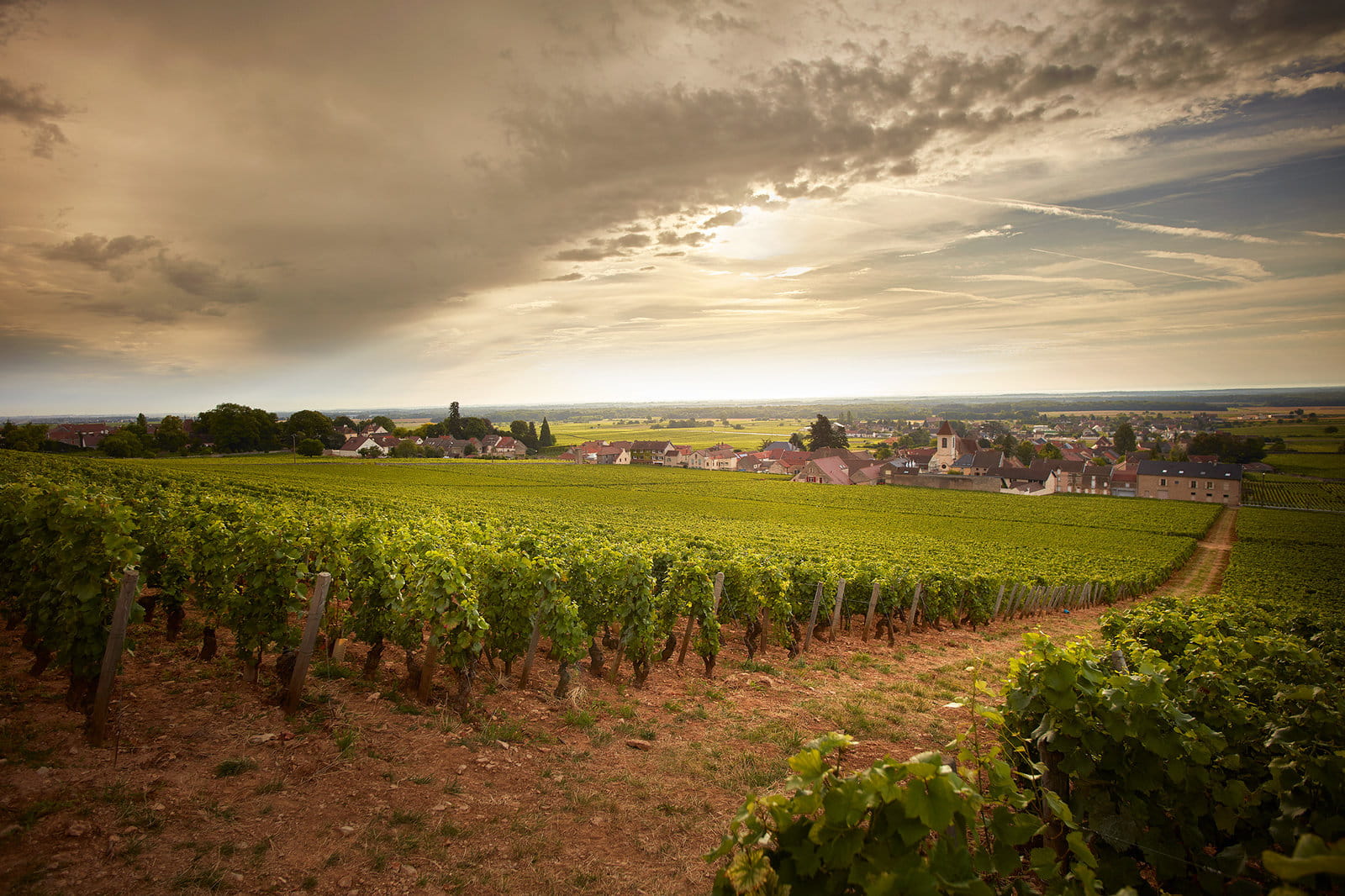
Clos de Tart belongs to Burgundy's monopole lineage, a tradition in which a single producer controls the entirety of a grand cru climat from vineyard to cellar, permitting no fractional holdings and no négoce blending. The monopole structure, rare across the Côte d'Or, eliminates the site-expression variability that defines most Burgundian appellations, where a single climat may be divided among a dozen growers working under different protocols. Clos de Tart is a 7.53-hectare grand cru monopole within Morey-Saint-Denis, planted entirely to Pinot Noir and surrounded by the 12th-century stone walls that historically bounded the Cistercian holdings of the Abbey of Notre-Dame de Tart. The domaine has operated as a continuous production site since 1791, when the revolutionary seizure of Church lands transferred ownership from the nuns of Tart to private hands. The monopole model sets Clos de Tart alongside Romanée-Conti, La Tâche, La Romanée, La Grande Rue, Clos des Lambrays, and Clos de Vougeot as one of only six Côte de Nuits grand cru monopoles. The walled vineyard occupies the northern corner of Morey-Saint-Denis, immediately upslope from the village and adjacent to Bonnes-Mares. The site's position and elevation, 260 to 300 metres above sea level, place it in the cooler, later-ripening zone of the appellation, and the domaine's historical practice has been to harvest Clos de Tart several days after the surrounding climats in Morey reach ripeness. The monopole structure has also permitted a level of viticultural uniformity unavailable to multi-grower appellations: the entire parcel is farmed under a single protocol, with no variation in rootstock selection, trellising, or harvest timing across fractional holdings. Alessandro Noli has served as winemaker and technical director at Clos de Tart since 2015. He arrived two years before the domaine's acquisition by the Pinault family's Artémis Domaines in 2017. Noli arrived from a fifteen-year tenure as winemaker at Domaine de l'Arlot in Nuits-Saint-Georges, where he oversaw the domaine's conversion to biodynamic viticulture and established a reputation for low-intervention Pinot Noir bottlings with minimal sulfur and extended lees aging. At Clos de Tart, Noli has retained the domaine's traditional whole-cluster fermentation program. The estate ferments between 80% and 100% whole clusters depending on vintage conditions. He has introduced a stricter sorting regime at harvest and a longer pre-fermentation cold soak, typically lasting seven to ten days before spontaneous fermentation begins. The oak regime under Noli holds at approximately 80% to 90% new French oak, sourced primarily from Tronçais and Allier, with élevage running 16 to 18 months before bottling. The domaine produces two primary cuvées: the grand cru Clos de Tart bottling, which carries the full 7.53 hectares of production, and a second wine, La Forge de Tart, introduced in 2015 from declassified lots and younger vines. The Clos de Tart grand cru bottling typically accounts for 1,200 to 1,500 cases per vintage, with production volume varying according to harvest conditions and the domaine's declassification protocol. The parcel's geology, a patchwork of Bajocian and Bathonian limestone over marl and clay subsoils, permits Noli to divide the site into smaller vineyard blocks for selective harvesting and separate vinification before assemblage, though the final grand cru bottling is always released as a single cuvée under the Clos de Tart label. The domaine does not produce a vineyard-designated or parcel-designated bottling; the monopole structure is itself the entirety of the site expression. Clos de Tart's viticultural regime under Noli and the Artémis ownership has shifted toward lower yields and stricter green-harvest protocols. Average yields across the parcel now sit at approximately 30 to 35 hectolitres per hectare, well below the 40 hl/ha ceiling permitted under grand cru AOP regulations and below the yields historically practiced at the domaine prior to 2015. The domaine has also replanted approximately 1.5 hectares of the monopole since 2017, using massal-selection cuttings taken from the oldest parcels within the site and working with a targeted vine density of 12,500 vines per hectare. The replanting program is scheduled to continue incrementally over the next decade, with Noli and the domaine's viticultural team prioritizing the oldest parcels first. Some sections of the site still carry vines planted in the 1940s and 1950s. The cellar at Clos de Tart sits directly adjacent to the monopole's northern wall, in the village of Morey-Saint-Denis. Fermentation occurs in open-top wooden vats, with punch-downs performed manually twice daily during active fermentation. The domaine's total fermentation and maceration period typically runs 28 to 35 days, including the pre-fermentation cold soak and a post-fermentation extended maceration on skins before pressing. Noli has retained the domaine's historical practice of minimal racking during élevage. The grand cru cuvée is racked only once, at the end of the first winter, and then held sur lie in barrel until assemblage and bottling. The La Forge de Tart cuvée follows a similar protocol but is aged in a higher percentage of older oak, typically 50% to 60% new barrels versus 80% to 90% for the grand cru bottling, and is bottled several months earlier. Clos de Tart's pricing structure places the domaine at the upper tier of Burgundian grand cru release pricing, though below the Vosne-Romanée monopoles and below Domaine Leroy. Recent vintages of the Clos de Tart grand cru bottling have been released at approximately €800 to €1,000 per bottle on the French domestic market, with allocations tightly controlled through the domaine's négociant distribution network and direct sales to long-standing restaurant and collector accounts. The domaine does not operate a public tasting room, and cellar visits are by appointment only, structured primarily for trade buyers and members of the wine press. The La Forge de Tart cuvée, introduced as a second wine to absorb declassified lots and to provide a more accessible entry point into the domaine's production, is released at approximately €150 to €200 per bottle and accounts for roughly 20% to 25% of the domaine's total annual production by volume. The monopole's historical lineage runs through several ownership periods, each of which shaped the domaine's winemaking philosophy and its position within the Côte de Nuits hierarchy. From 1791 to 1932, the domaine was held by the Marey-Monge family, who established the modern viticultural layout of the monopole and introduced the whole-cluster fermentation protocol that remains the house style. In 1932, the Mommessin family, a Mâconnais négociant house, acquired the domaine and held it until 2017, during which period the cellar was overseen by a succession of winemakers including Sylvain Pitiot, who ran the domaine from 1996 to 2015 and shaped the current oak and élevage regime. The Artémis acquisition in 2017 brought Clos de Tart into the Pinault family's portfolio alongside Château Latour in Pauillac, Domaine d'Eugénie in Vosne-Romanée, and Eisele Vineyard in Napa Valley, and marked a significant capital investment in replanting, cellar modernization, and viticultural intensification under Noli's technical direction. Clos de Tart's peer-set position within Morey-Saint-Denis places it alongside Domaine des Lambrays, the appellation's other grand cru monopole, and Domaine Dujac and Domaine Ponsot, both of which produce grand cru bottlings from fractional holdings in Clos de la Roche and Clos Saint-Denis. Clos de Tart's whole-cluster fermentation program and extended maceration protocol align it more closely with the Dujac house style than with the destemmed, shorter-maceration protocols favored by Ponsot, though the domaine's oak regime under Noli is heavier than Dujac's and sits closer to the Vosne-Romanée school of new-oak intensity. The monopole structure itself places Clos de Tart in a separate category from the fractional-holding domaines: the site's expression is not a question of terroir interpretation across multiple growers, but rather a single grower's uncontested expression of a single climat over time. Access to Clos de Tart is structured through allocation rather than retail distribution. The domaine's annual production is pre-sold to a network of négociants, importers, and direct accounts, with no open-market release on the French domestic retail channel. Trade buyers and restaurant sommeliers seeking allocations typically work through the domaine's négociant partners or approach the domaine directly for consideration in future allocation cycles. The waiting list for new allocation accounts is managed by the domaine's commercial team in Morey-Saint-Denis, and priority is given to accounts with a demonstrated track record of cellaring and reselling older Burgundian vintages. The La Forge de Tart cuvée follows a similar allocation structure but is more widely distributed and occasionally appears on the open market through specialist Burgundy retailers in France, the UK, and the US. The domaine's technical position within the Burgundy wine region reflects the tension between monopole continuity and stylistic evolution under new ownership. Noli's arrival in 2015 and the subsequent Artémis acquisition brought a higher level of viticultural precision and cellar investment than the domaine had historically operated under, but the core elements of the Clos de Tart house style, whole-cluster fermentation, extended maceration, heavy new oak, have remained intact. The result is a bottling that sits stylistically between the lighter, more transparent Morey-Saint-Denis expressions produced by Domaine Hubert Lignier and the darker, more structured Vosne-Romanée monopoles such as Domaine de la Romanée-Conti and Domaine Leroy. Clos de Tart's peer-set within the Côte de Nuits is defined less by appellation geography than by monopole structure and pricing tier: the domaine competes for collector attention and allocation demand not against other Morey-Saint-Denis producers, but against the handful of single-owner grand cru sites that command similar release pricing and similar cellar aging curves. For additional Morey-Saint-Denis context, see our full Morey-Saint-Denis wineries guide.
Know before you go
- Dress code
- smart_casual
- Reservations
- appointment_only
- Parking
- on_site_lot
Address
7 Rte des Grands Crus, 21220 Morey-Saint-Denis
Morey-Saint-Denis · Burgundy
How it compares
- Cuisine
- Pinot Noir
- Awards
- 1 recognition
- Notes
- Morey-Saint-Denis, $$$$
- Cuisine
- Pinot Noir, Chardonnay
- Awards
- 1 recognition
- Notes
- Morey-Saint-Denis, $$$$
- Cuisine
- Pinot Noir, Chardonnay
- Awards
- 1 recognition
- Notes
- Morey-Saint-Denis, $$$$
- Cuisine
- Pinot Noir, Chardonnay
- Awards
- 1 recognition
- Notes
- Morey-Saint-Denis, $$$
- Cuisine
- Pinot Noir
- Awards
- 1 recognition
- Notes
- Morey-Saint-Denis, $$$$
- Cuisine
- Pinot Noir, Chardonnay
- Awards
- 1 recognition
- Notes
- Morey-Saint-Denis, $$$$