Made ByWinery

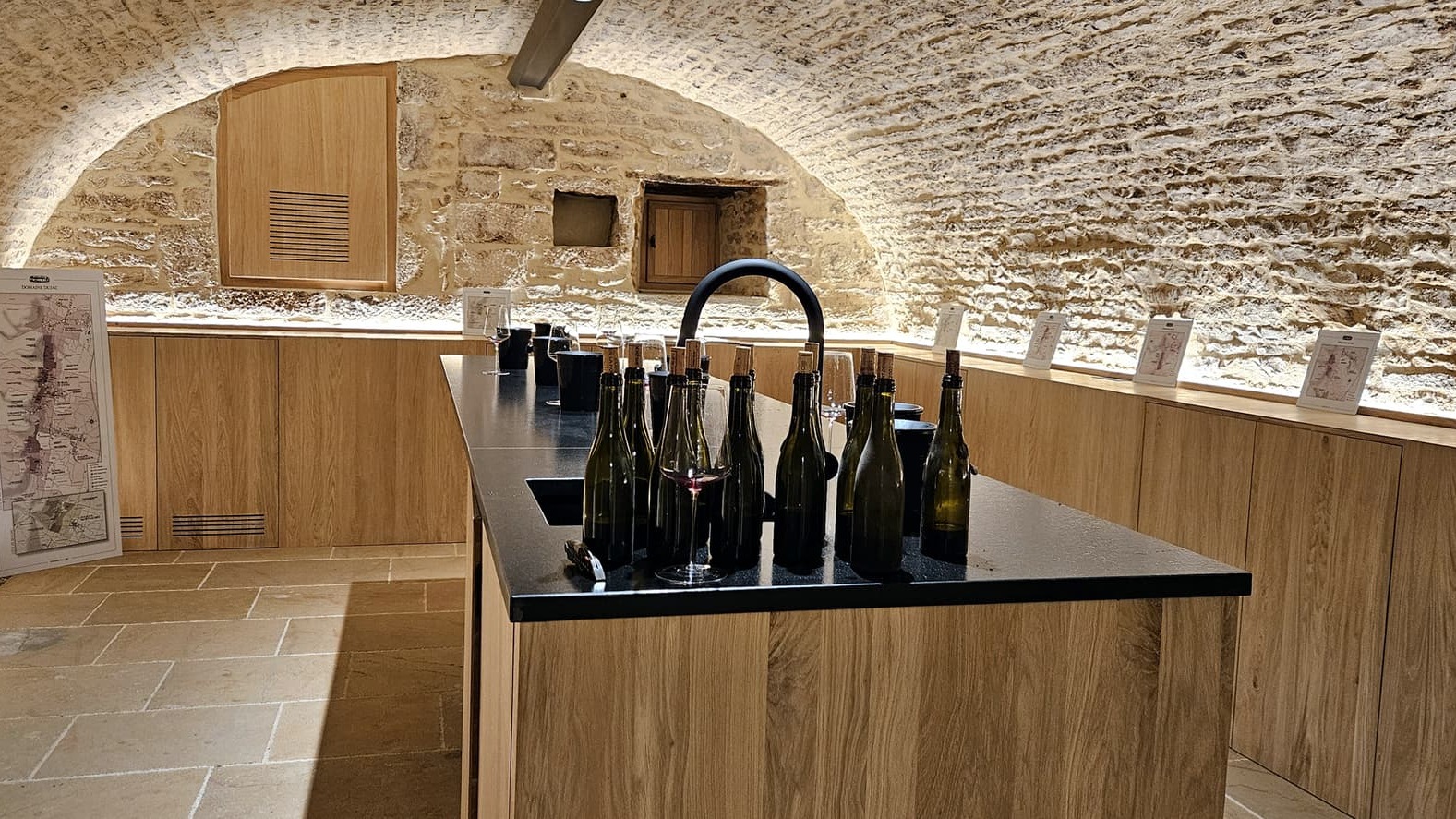
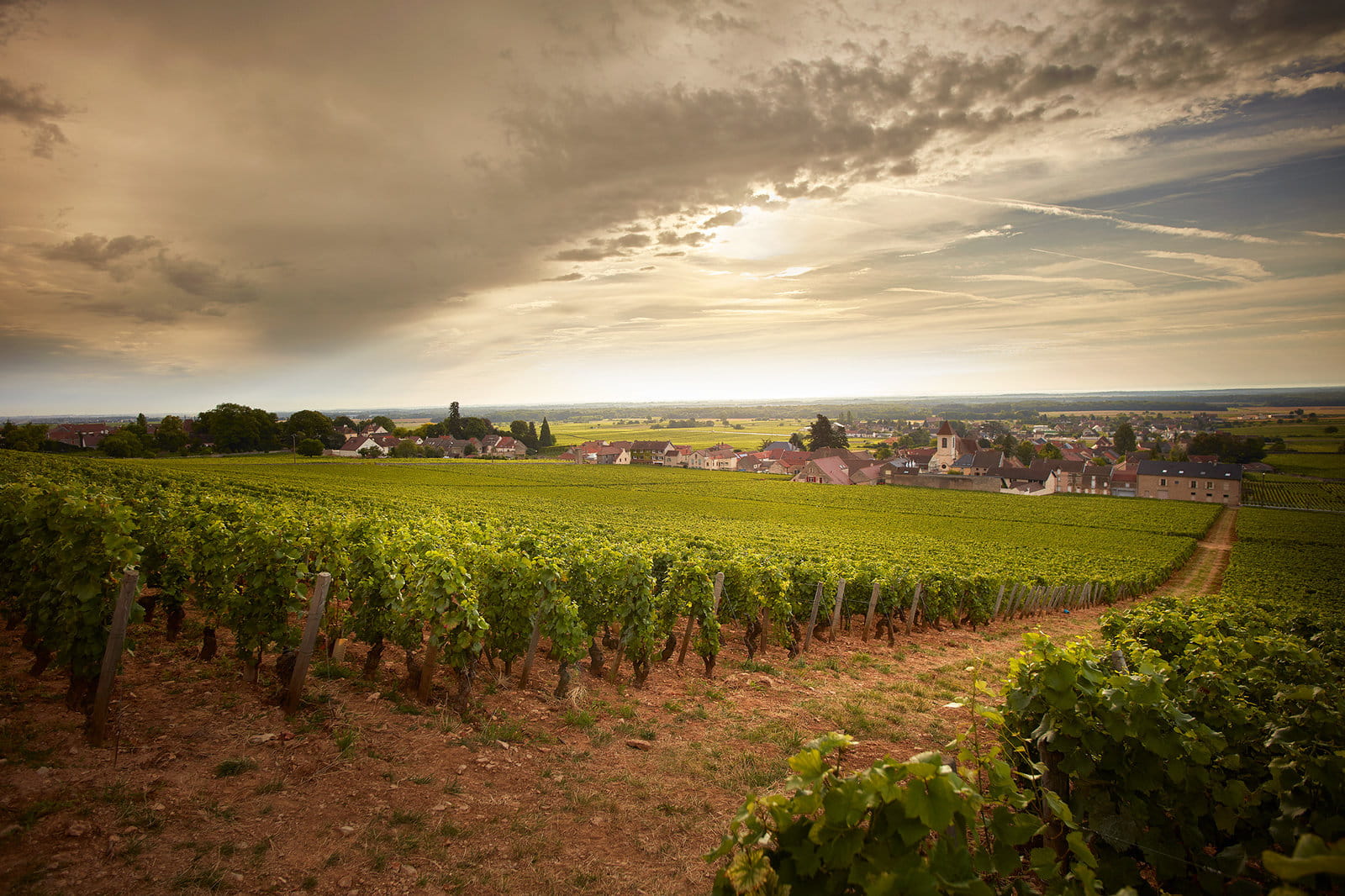
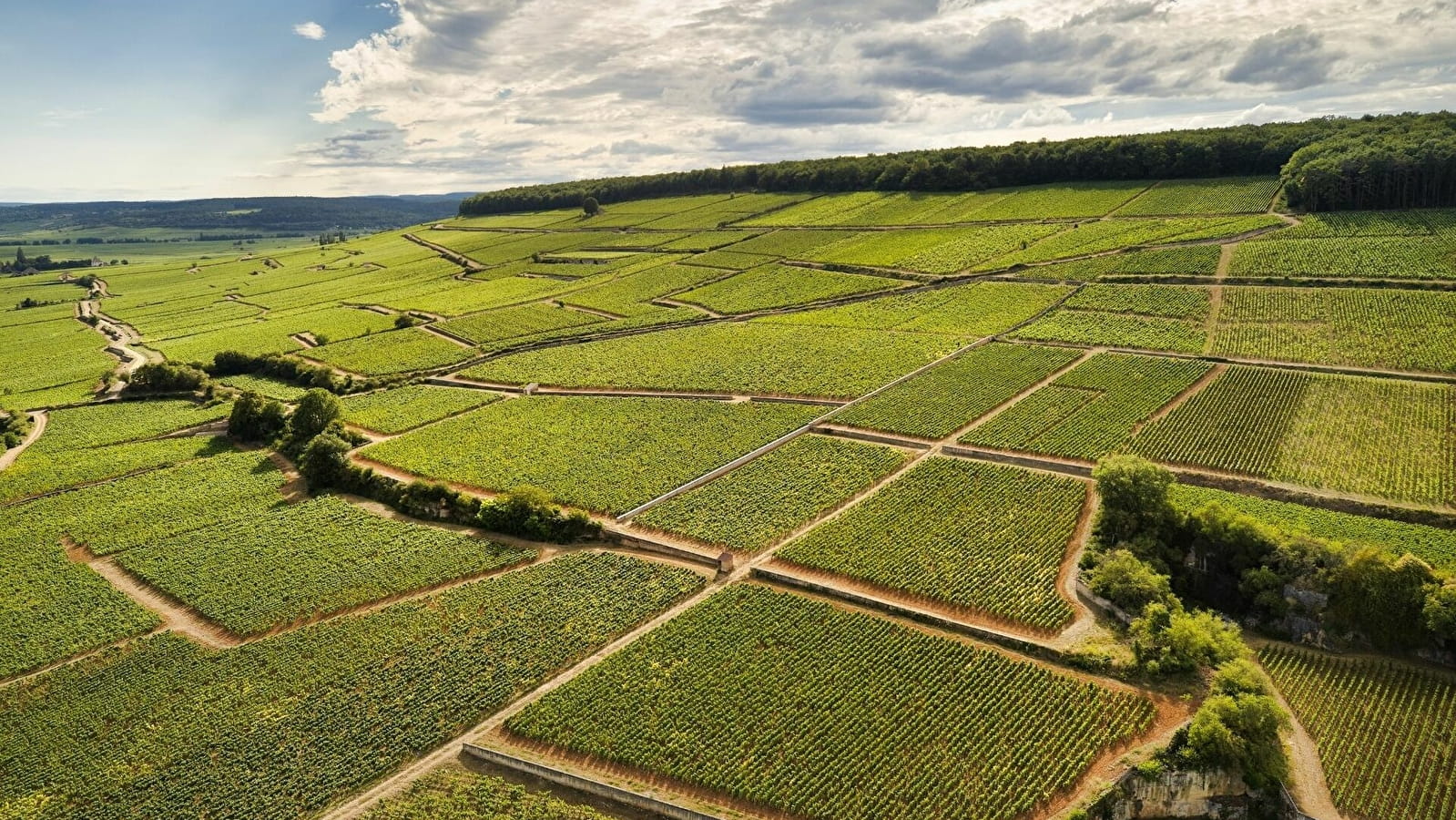
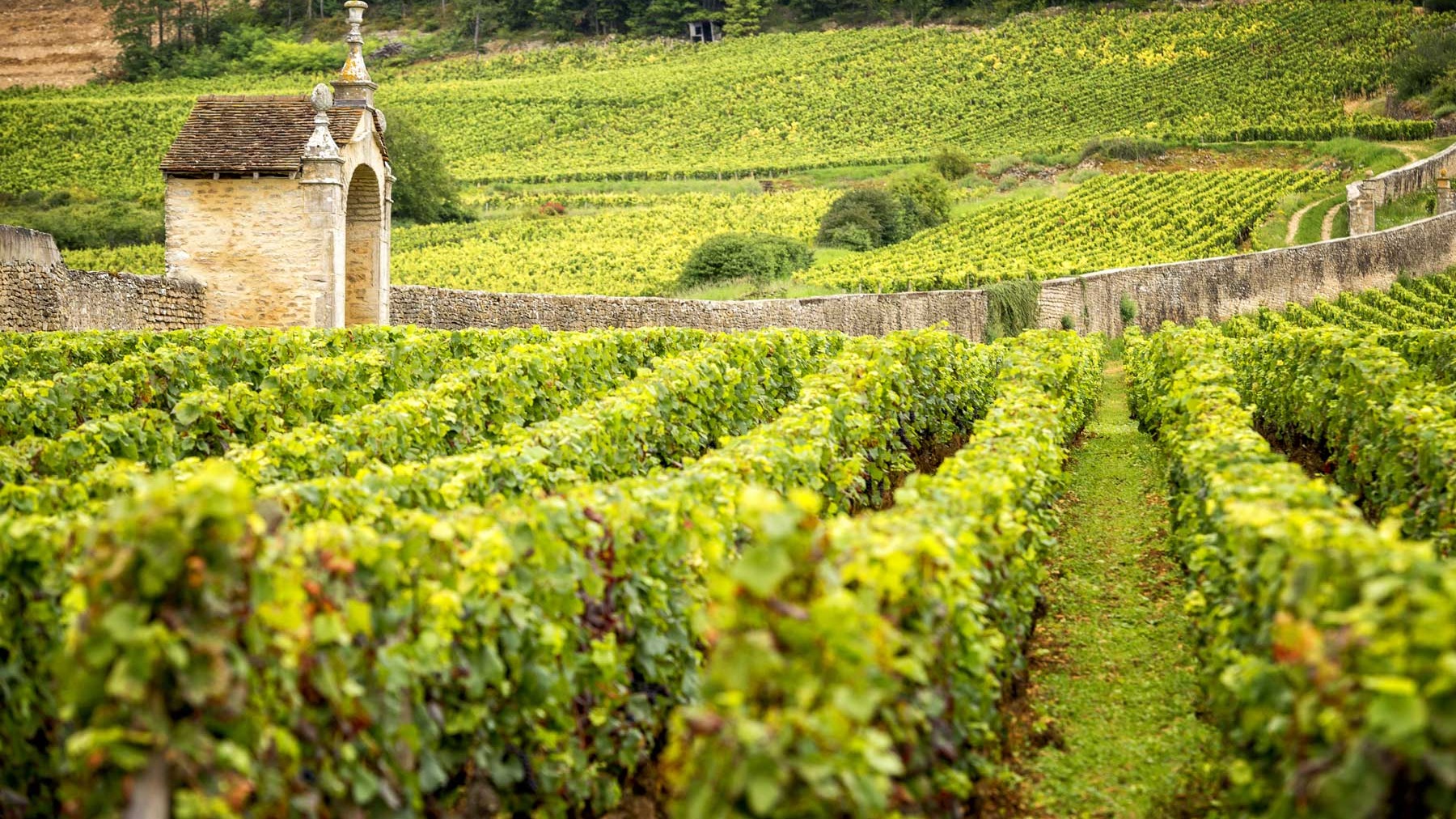
Domaine Dujac opens onto a vineyard setting at 7 Rue de la Bussière in Morey-Saint-Denis, with quiet tastings and organic, biodynamic sourcing.
At a glance
- Price
- $$$$
- Neighborhood
- Morey-Saint-Denis
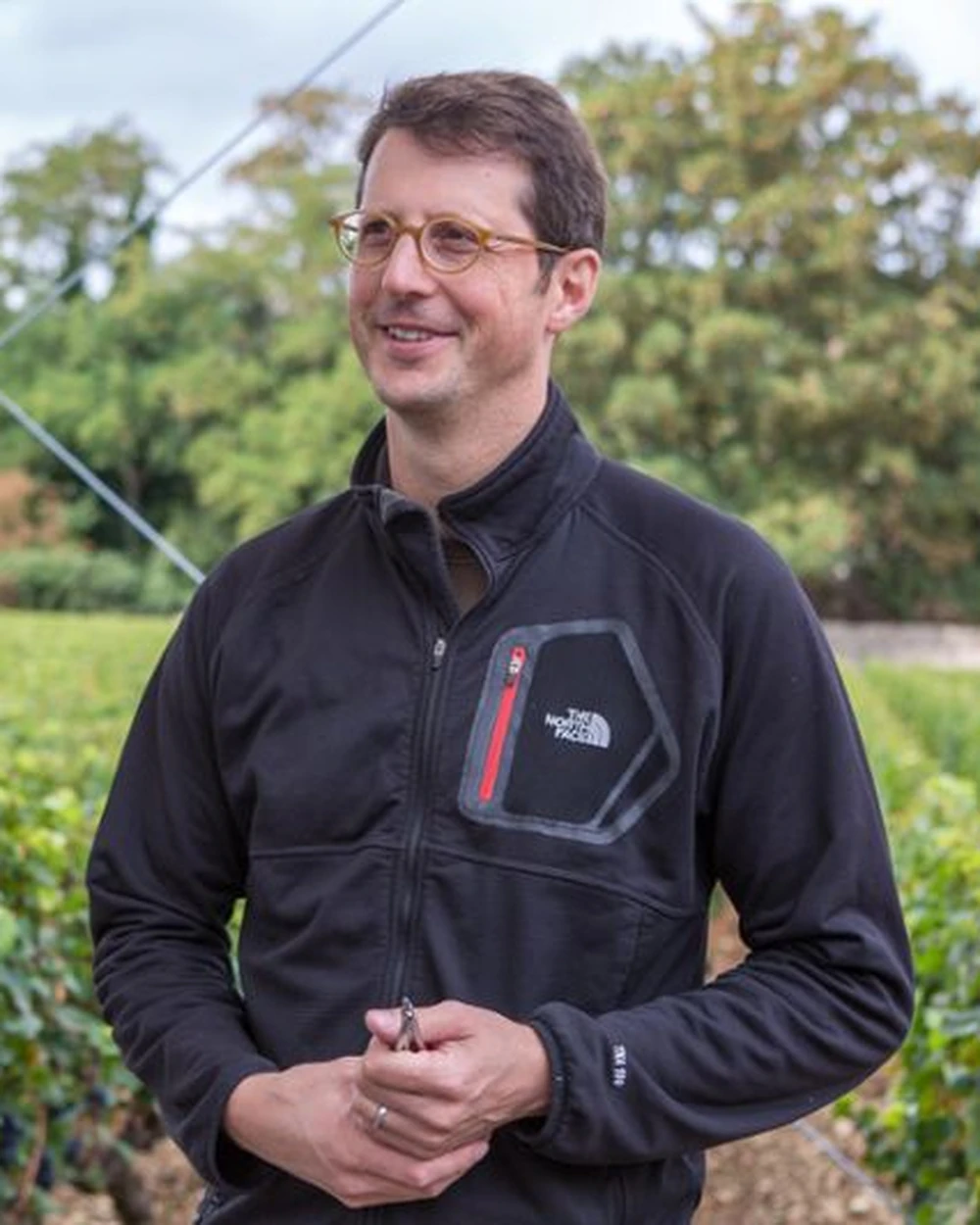
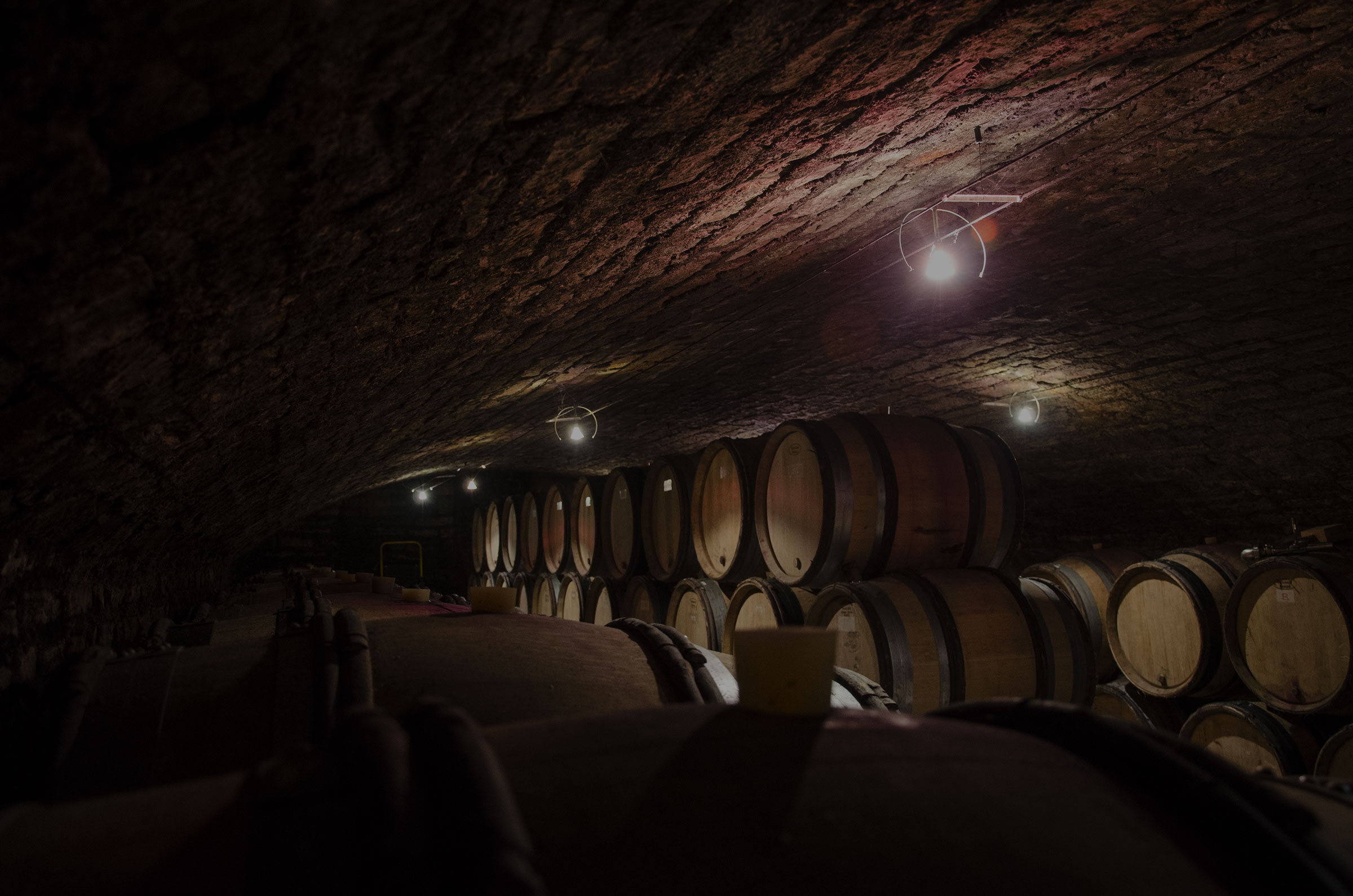
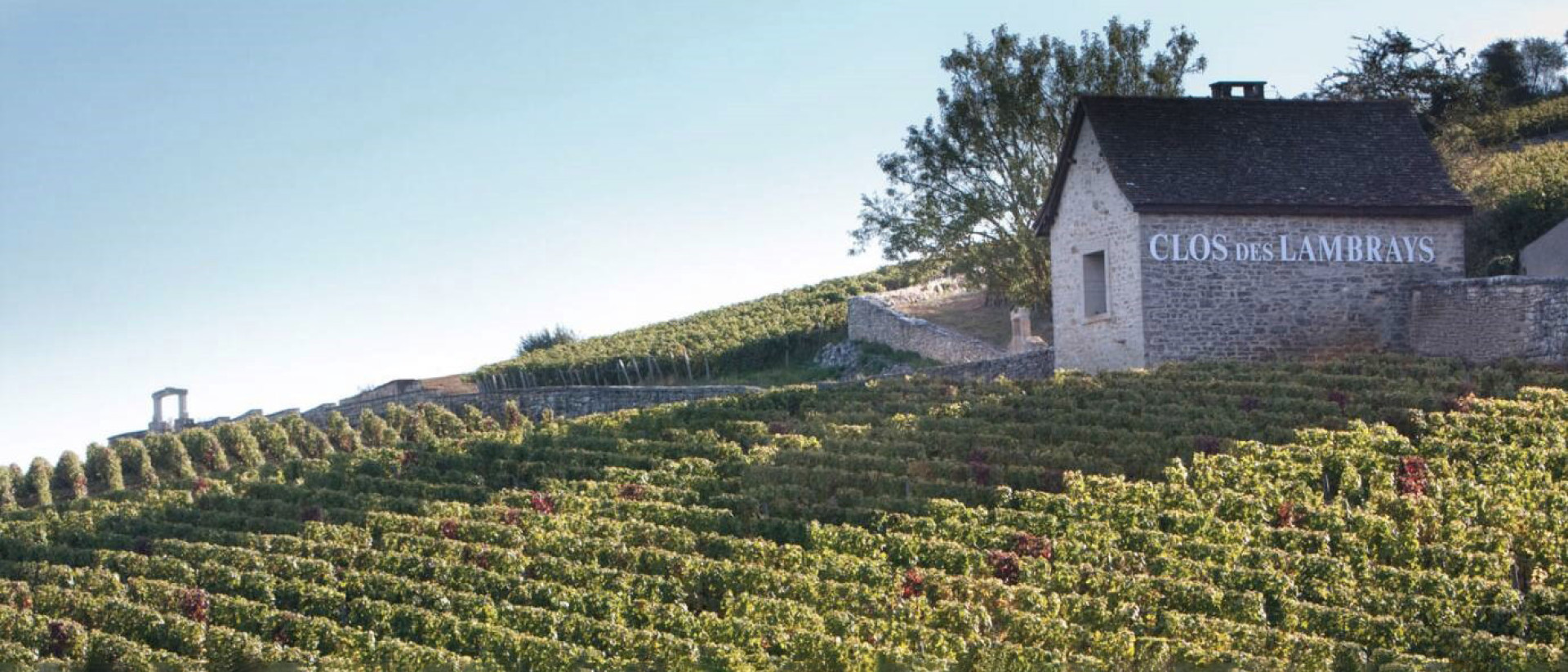
The Burgundian low-intervention school that emerged in the late 1960s and early 1970s, long before the vin nature term crystallized, found its most technically rigorous anchor in a small cluster of growers working the Côte de Nuits villages. Domaine Dujac, founded in 1968 by Jacques Seysses in Morey-Saint-Denis (though he purchased the property, then called Domaine Graillet, in 1967), sits inside that founding cohort alongside Domaine Ponsot in the village and the Lalou Bize-Leroy lineage at Domaine Leroy in Vosne-Romanée. The technical frame Seysses established in the first vintages, whole-cluster fermentation rates averaging 50 to 80 percent, fermentation vessels open to ambient yeast, minimal SO₂ at bottling, aging in a deliberately reduced new-oak percentage against the wider Burgundy norm, has persisted across five decades under his son Jeremy Seysses, who took cellar direction in the early 2000s and formalized winemaking control in 2010. The domaine now farms 11.5 hectares across seven Morey-Saint-Denis climats and five grands crus, with plantings extending into Gevrey-Chambertin, Chambolle-Musigny, and Vosne-Romanée. Annual production runs 4,000 to 5,000 cases across roughly fifteen cuvées, nearly all estate-grown, with a small négociant program (Dujac Fils et Père) launched in 2000 handling purchased-fruit bottlings separately. The whole-cluster protocol sits at the technical center of the Dujac house style and positions the domaine inside a lineage that runs parallel to but distinct from the destemmed, structured Domaine de la Romanée-Conti school. Where DRC destemmed completely until the 2010s and introduced whole clusters incrementally thereafter, Dujac has held whole-cluster percentages above 50 percent since the founding vintage, with recent cuvées often running 80 to 100 percent stems-in depending on vintage ripeness and stem lignification. The resulting wines show the whole-cluster signature, lifted aromatics, a firm but fine tannin frame, transparency to site rather than to oak, and read inside the trade as the stylistic opposite pole to the densely extracted, heavily oaked Burgundy that dominated the 1990s and early 2000s. Jeremy Seysses's cellar work since 2010 has sharpened the whole-cluster discipline further, with fermentation temperatures held low (peak temps rarely exceed 30°C), maceration extended to 18 to 25 days, and aging oak reduced to 30 to 50 percent new barrels depending on cuvée hierarchy, with village wines seeing closer to 20 percent new oak. The oak regime sits well below the 60 to 80 percent new-barrel norm for grand cru Burgundy in the 1980s and 1990s, and aligns Dujac with the transparency-over-structure lineage that now dominates critical discourse in the region. The domaine's grand cru holdings anchor its peer-set position. Clos de la Roche (1.95 hectares), Clos Saint-Denis (1.5 hectares), and Bonnes-Mares (0.5 hectares) form the spine of the annual release, with smaller parcels in Échézeaux, Charmes-Chambertin, and a monopole holding in the premier cru Clos de la Roche "Monts Luisants" blanc (a rare white-wine parcel planted to Chardonnay and Aligoté inside the otherwise red-wine Clos de la Roche boundary). The Morey-Saint-Denis village and premier cru bottlings, including parcels in Les Gruenchers, Les Millandes, and Les Monts Luisants rouge, form the access tier for the domaine, with village Morey released at roughly €80 to €100 per bottle on the French retail market and premier cru Morey at €120 to €150. Grand cru release prices sit at €250 to €400 per bottle depending on cuvée, with Clos de la Roche and Clos Saint-Denis anchoring the top tier. Secondary-market pricing on mature vintages runs significantly higher, with 1990s and 2000s Clos de la Roche trading at €500 to €800 per bottle and exceptional vintages (1985, 1990, 2005, 2015) clearing €1,000 or more at auction. The domaine does not operate a direct-to-consumer allocation list for estate bottlings; nearly all fruit is committed to long-standing négociant contracts and importers, with French retail handled through a small network of cavistes and restaurant clients. Access for private buyers runs almost entirely through retail channels, with most cuvées allocated heavily to trade accounts and fine-wine retailers rather than released to open-market distribution. The Dujac whole-cluster fermentation protocol differs from the ambient-yeast, zero-intervention school that emerged in the Beaujolais and the Loire in the 1980s and 1990s. Jeremy Seysses does not target carbonic maceration, the sealed-vat, whole-berry fermentation method that defines Beaujolais cru bottlings, and does not avoid sulfur categorically. Instead, the Dujac protocol sits closer to the Domaine Ponsot model: ambient yeast to start fermentation, whole clusters layered into open-top wood fermenters, light manual punch-downs rather than pump-overs, sulfur additions held to roughly 30 to 50 mg/L total SO₂ at bottling (well below the 80 to 100 mg/L norm for conventionally made red Burgundy but above the zero-added school). The resulting wines show more structure and age-worthiness than the softer, earlier-drinking vin nature bottlings from producers like Domaine Prieuré Roch or Domaine de la Cadette, and sit inside the trade as Burgundy first, low-intervention second. The domaine's secondary-market performance reflects this: Dujac grands crus age on a curve comparable to DRC, Domaine Georges Roumier, and Domaine Leroy rather than on the earlier-plateau curve typical of vin nature Burgundy. Jeremy Seysses represents the second-generation transition inside a broader Burgundy pattern where founding growers of the 1960s and 1970s have passed cellar control to children trained both in the family domaine and in formal enology programs. Seysses studied enology at the Université de Bourgogne in Dijon, worked harvest at Domaine Dujac from childhood, and spent time in Oregon and New Zealand before returning full-time to Morey-Saint-Denis in the early 2000s. The transition from Jacques to Jeremy occurred gradually across the 2000s, with Jeremy taking formal winemaking control in 2010 but the house style remaining continuous across the handoff. The domaine's peer set inside Morey-Saint-Denis includes Clos de Tart (now under Artemis Domaines ownership following the 2017 sale, with winemaker Alessandro Noli running the cellar), Domaine Ponsot (Laurent Ponsot departed in 2017; the domaine is now run by his sister Rose-Marie Ponsot), Domaine des Lambrays (under LVMH ownership since 2014, with winemaker Boris Champy directing the cellar), and Domaine Hubert Lignier (now run by Laurent Lignier following Hubert's retirement). Dujac sits alongside Ponsot and Lignier as the family-held, second-generation-operated domaines in the village, while Clos de Tart and Domaine des Lambrays represent the corporate-acquisition model that has reshaped much of the Côte de Nuits since 2010. The Dujac négociant program, Dujac Fils et Père, operates as a separate label with distinct fruit sourcing and distribution. Launched in 2000 by Jeremy Seysses and his father Jacques, the négociant arm purchases fruit from contract growers across the Côte de Nuits and the Côte de Beaune, with bottlings including village-level Chambolle-Musigny, Vosne-Romanée, Gevrey-Chambertin, and Nuits-Saint-Georges, plus premier cru and occasional grand cru parcels. The winemaking protocol mirrors the estate program, whole-cluster fermentation, ambient yeast, reduced new oak, but the fruit sourcing is disclosed on the label and the pricing sits roughly 30 to 40 percent below equivalent estate bottlings. The négociant label allows the domaine to extend production volume without acquiring additional vineyard holdings (a near-impossible task in Burgundy given land scarcity and seven-figure per-hectare pricing for grand cru parcels) and functions as an access tier for buyers priced out of the estate range. Dujac Fils et Père bottlings are widely available through retail channels in France, the U.S., and the U.K., while estate Dujac remains tightly allocated. The Morey-Saint-Denis appellation itself sits inside the Côte de Nuits as the least commercially prominent of the major villages, smaller in production and lower in name recognition than neighboring Gevrey-Chambertin to the north and Chambolle-Musigny to the south. The village holds five grands crus, Clos de la Roche, Clos Saint-Denis, Clos des Lambrays, Clos de Tart, and a sliver of Bonnes-Mares shared with Chambolle, but produces only about 10 percent of the volume of Gevrey-Chambertin and lacks the marquee single domaine (like DRC in Vosne-Romanée) that drives international collector demand. Dujac, Ponsot, and Clos de Tart function as the three anchor domaines for the village, with Dujac and Ponsot holding the longest continuous family ownership and the deepest holdings across multiple grands crus. The village's lower commercial profile relative to Gevrey or Vosne translates to modestly lower pricing on equivalent grand cru parcels, Dujac Clos de la Roche trades at roughly 60 to 70 percent of the per-bottle price of DRC La Tâche or Romanée-Saint-Vivant on the secondary market, despite comparable critical scores and aging potential, and positions Morey-Saint-Denis as the value-access point inside the Côte de Nuits for buyers working at the grand cru level. Access to the estate's annual production is structured entirely through trade channels. The domaine does not operate a mailing list, does not host a tasting room open to the public without appointment, and allocates nearly all fruit to a fixed network of importers and négociants established over decades. In the U.S., Domaine Dujac is imported by Wilson Daniels (the same importer that handles DRC, Domaine Leroy, and Domaine Leflaive), with allocations distributed to a small set of fine-wine retailers and restaurant accounts. Retail buyers in the U.S. typically access Dujac through stores like K&L Wine Merchants, Chambers Street Wines, Flatiron Wines, or The Rare Wine Co., with most cuvées selling out on release. In the U.K., the domaine is handled by Corney & Barrow and Justerini & Brooks, with similar allocation structures. In France, allocations run through cavistes in Paris, Lyon, and Beaune, with restaurant placements concentrated in Michelin-starred dining rooms. Private cellar visits are possible by appointment but are not structured as consumer tastings; the domaine prioritizes trade, press, and long-standing client visits over walk-in tourism. The nearest open-access tasting context for Dujac wines is the biannual La Paulée de Meursault festival, where the domaine occasionally pours library vintages, or at Burgundy-focused trade tastings in Paris, London, and New York. The whole-cluster fermentation lineage that Dujac sits inside extends beyond Burgundy into a broader conversation about phenolic extraction, tannin management, and the transparency of site expression in Pinot Noir. The Dujac model influenced a cohort of Oregon Pinot producers in the 1990s and 2000s, including Bergström Wines (where winemaker Josh Bergström worked harvest at Dujac in the 1990s) and Eyrie Vineyards (where founder David Lett maintained a close relationship with Jacques Seysses). In New Zealand, the Central Otago Pinot producers working at the whole-cluster end of the spectrum, Burn Cottage, Rippon, Pyramid Valley, cite the Dujac lineage as a technical reference. In Burgundy itself, the whole-cluster school now includes Domaine Cécile Tremblay in Nuits-Saint-Georges, Domaine Taupenot-Merme in Morey-Saint-Denis, and the younger generation at Domaine Comte Georges de Vogüé in Chambolle-Musigny, all working stems-in percentages above 50 percent and targeting the lifted, site-transparent profile that defines the school. The countervailing lineage, destemmed fermentation, higher new-oak percentages, longer maceration, persists at domaines like Domaine Dugat-Py in Gevrey-Chambertin and Domaine Méo-Camuzet in Vosne-Romanée, and the stylistic divide remains one of the sharpest technical debates inside the Burgundy trade. For further exploration of the Morey-Saint-Denis appellation and its working domaines, see our full Morey-Saint-Denis wineries guide. The village's dining and hospitality infrastructure is covered in our full Morey-Saint-Denis restaurants guide and our full Morey-Saint-Denis hotels guide. The broader Burgundy wine region context, including the Côte de Nuits village hierarchy and the AOP framework governing grand cru and premier cru classifications, is covered in the regional overview. For comparison with other grands crus producers working inside the low-intervention, whole-cluster lineage, see Domaine Leroy in Vosne-Romanée and Domaine Georges Roumier in Chambolle-Musigny.
Know before you go
- Dress code
- smart_casual
- Reservations
- appointment_only
- Parking
- street
Address
7 Rue de la Bussière, 21220 Morey-Saint-Denis
Morey-Saint-Denis · Burgundy
How it compares
- Notes
- Morey-Saint-Denis, Pinot Noir, Chardonnay
- Price
- $$$$
Domaine Robert Groffier Père & Fils
- Notes
- Morey-Saint-Denis, Pinot Noir, Gamay
- Price
- $$$
- Notes
- Morey-Saint-Denis, Pinot Noir, Aligoté
- Price
- $$$$
- Notes
- Morey-Saint-Denis, Pinot Noir, Chardonnay
- Price
- $$$$
- Notes
- Morey-Saint-Denis, Pinot Noir, Chardonnay
- Price
- $$$
- Notes
- Morey-Saint-Denis, Pinot Noir, Aligote
- Price
- $$$