Made ByWinery

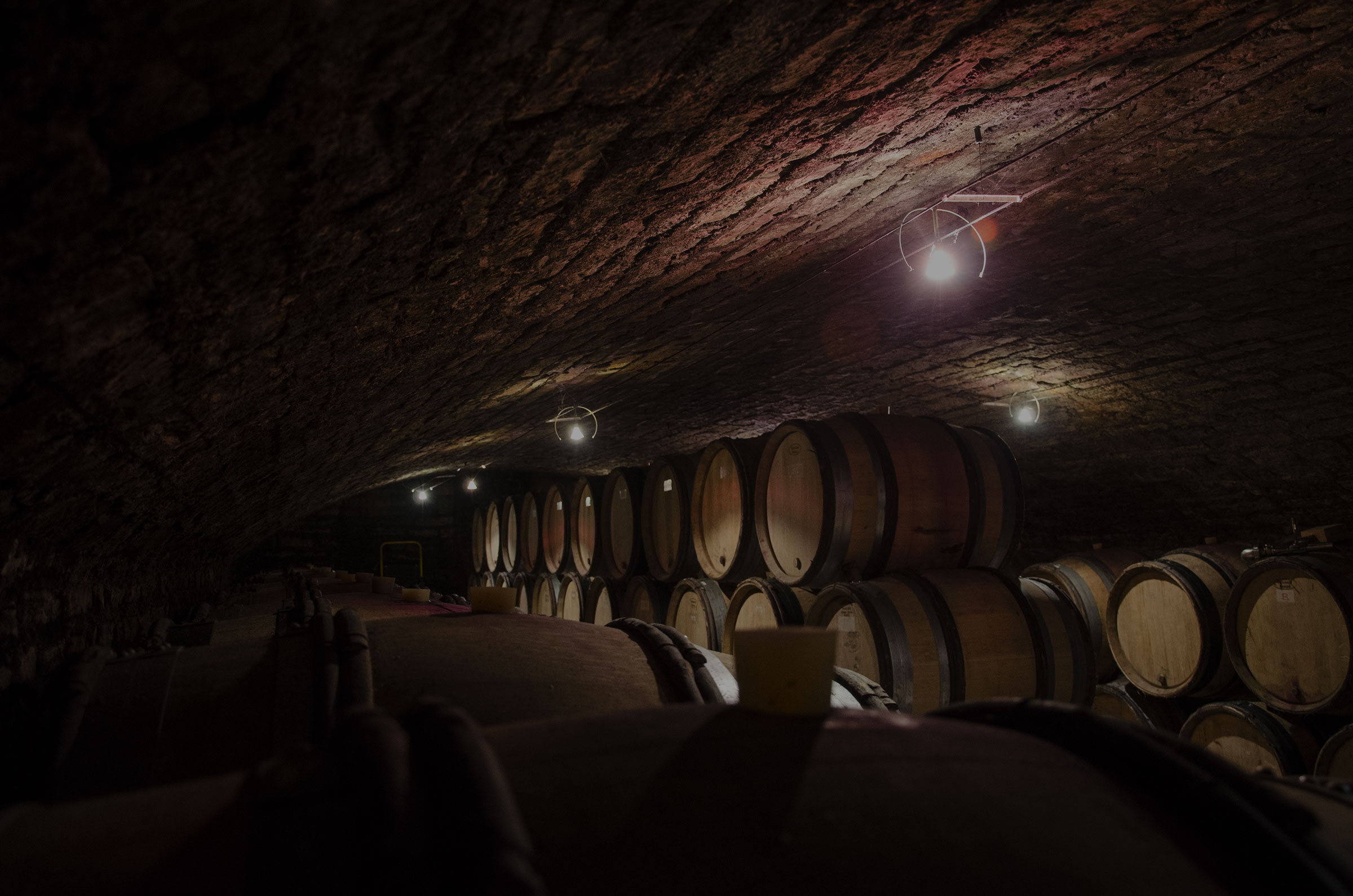
Domaine Hubert Lignier pairs vineyard views with quiet, smart casual visits and cave tastings, and holds Michelin Main Selection 2026 recognition.
At a glance
- Price
- $$$$
- Neighborhood
- Morey-Saint-Denis
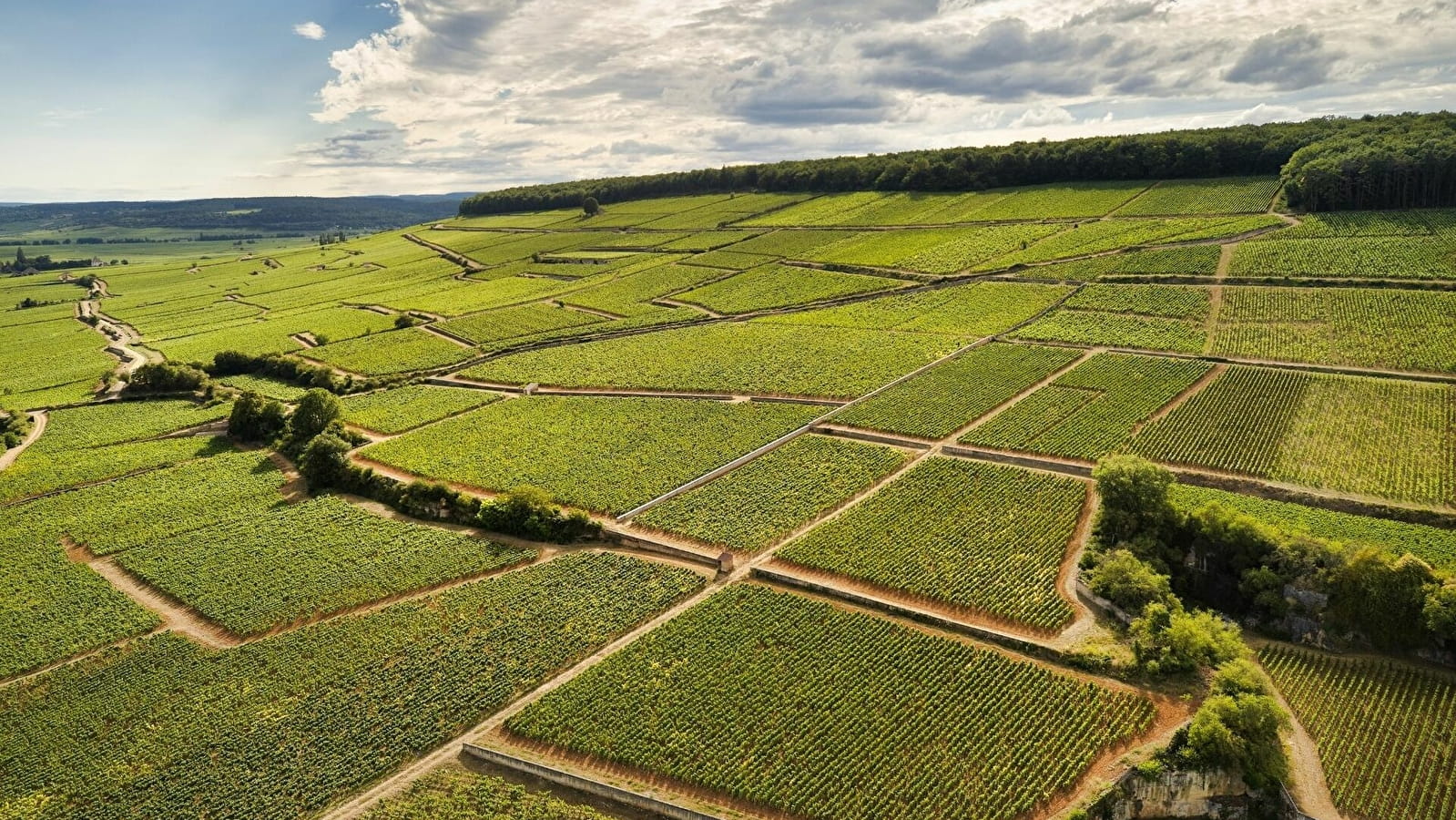
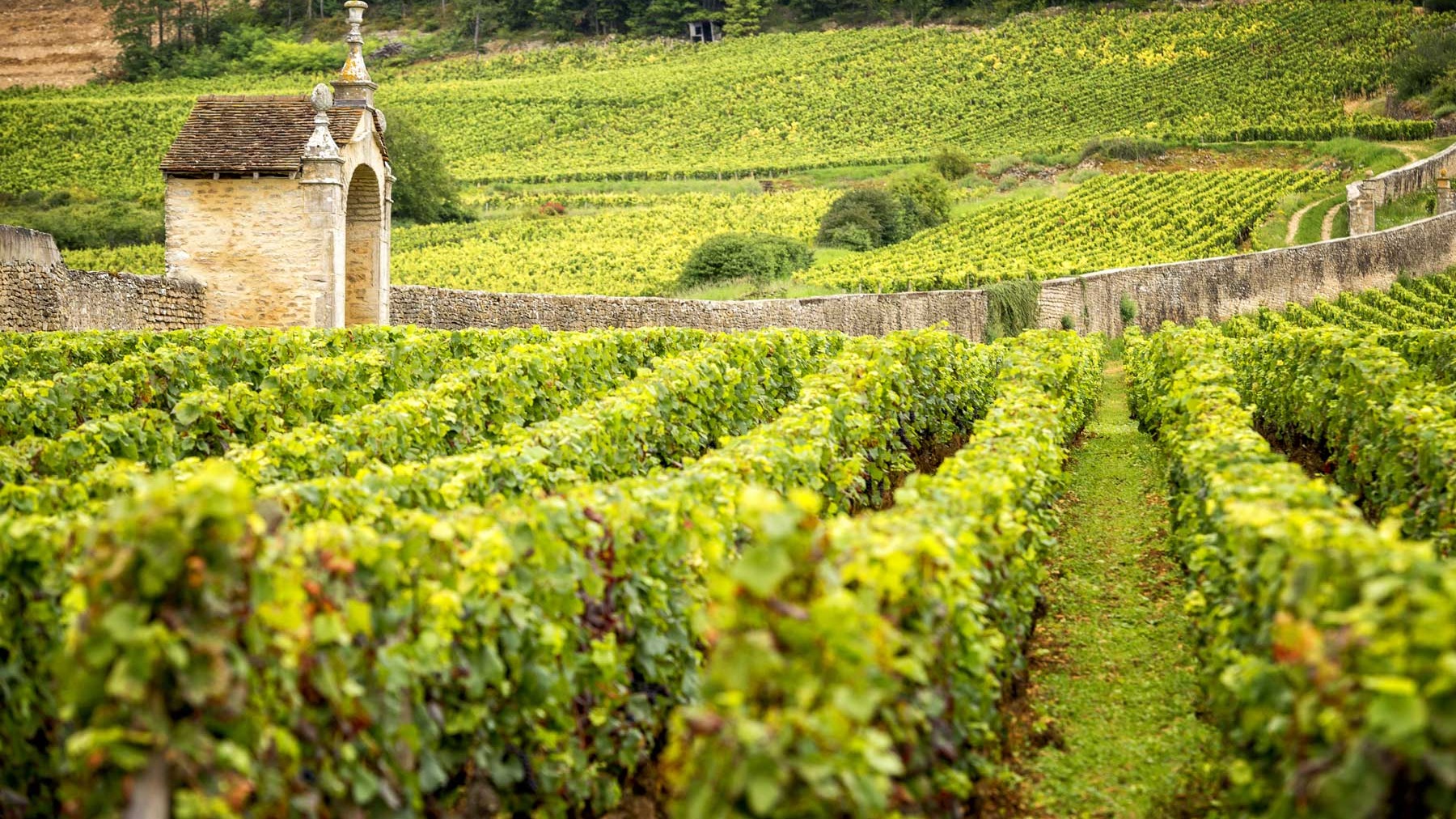
Morey-Saint-Denis remains the Côte de Nuits commune where grand-cru acreage outweighs village acreage, four grands crus (Clos de la Roche, Clos Saint-Denis, Clos de Tart, Clos des Lambrays) and a fifth shared parcel of Bonnes-Mares, yet the commune has historically produced fewer household names than Gevrey-Chambertin to the north or Chambolle-Musigny to the south. Domaine Hubert Lignier operates inside this quiet grand-cru density, a family domaine whose original Morey parcels were planted around 1880 by Jacques Lignier and reconstituted under its current legal structure in 2006, when Laurent Lignier took sole control of the 8.5-hectare estate after a two-generation succession. The holdings span eleven appellations, Morey-Saint-Denis premier-cru Vieilles Vignes from the lieu-dit Les Chaffots, Chambolle-Musigny premier cru Les Baudes, Gevrey-Chambertin premier cru Les Combottes, Nuits-Saint-Georges premier cru Les Didiers, Pommard Les Chanlins, and a 0.17-hectare parcel of Clos de la Roche grand cru, a spread that reads as classic Morey holdings but with an unusually high proportion of premier-cru vineyard relative to village-level fruit. The domaine bottles roughly 3,500 cases annually, split across those eleven cuvées, and releases through a small allocation list that prioritises long-standing importer relationships in the United States, the United Kingdom, and Japan. Laurent Lignier is the fourth-generation vigneron; his great-grandfather planted the original Morey parcels around 1880, his grandfather Hubert expanded the holdings through acquisition and marriage in the 1950s and 1960s, and the estate divided into two separate legal entities in 2006, Laurent taking Domaine Hubert Lignier, his brother Romain taking the newly formed Domaine Romain Lignier. The 2006 vintage marks the first bottling under Laurent's name alone, and the wines since that date reflect a technical shift toward longer élevage, higher new-oak percentages in premier and grand cru, and earlier picking dates than the Romain Lignier house style. The cellar protocol at Domaine Hubert Lignier follows the classic Burgundian destemming-optional model, with whole-cluster percentages varying by cuvée and by vintage acidity. Clos de la Roche grand cru typically sees 40 to 60 percent whole cluster, depending on stem ripeness; Chambolle-Musigny Les Baudes and Gevrey-Chambertin Les Combottes sit at 20 to 40 percent; village-level Morey-Saint-Denis is fully destemmed. The cold maceration window runs three to five days at 12 to 14°C before natural fermentation begins in open-top wood fermenters, with pigeage twice daily during active fermentation and a post-fermentation maceration of seven to ten days. Total cuvaison for premier and grand cru cuvées averages eighteen to twenty-two days, shorter than the Dujac house style (twenty-five to thirty days) and closer to the Ponsot protocol. Élevage for grand cru runs sixteen to eighteen months in barrel, with 60 to 80 percent new Tronçais oak from Tonnellerie Rousseau; premier cru sits at 40 to 60 percent new oak; village-level Morey and Chambolle see 20 to 30 percent new oak. The domaine does not fine and filters only in vintages where brett risk is refined, 2008, 2011, 2014 all bottled unfiltered; 2013 and 2016 saw light plate filtration before bottling. Bottling occurs without racking in a single session per cuvée, typically in late March or early April of the second year following harvest. The protocol is broadly conservative within the Morey school, closer to Domaine Ponsot's oak restraint than to Domaine Dujac's whole-cluster maximalism, and closer to Domaine Georges Roumier's élevage length than to Domaine Leroy's extended barrel time. The resulting wines read as mid-weight Morey, more structure than Chambolle, less tannin than Gevrey, with the characteristic Morey iron-and-stone minerality that separates the commune from its neighbours. Laurent Lignier's shift toward earlier picking dates, harvest typically begins in the last week of September, five to seven days before Domaine Dujac and Domaine Ponsot, produces wines with lower final alcohol and higher acid retention than the Morey peer set, particularly in warm vintages. The 2015 Clos de la Roche grand cru bottled at 13.2 percent alcohol, where the Dujac and Ponsot Clos de la Roche bottlings from the same vintage sit at 13.8 to 14.0 percent. The 2018 Chambolle-Musigny Les Baudes bottled at 12.9 percent, against a commune average near 13.5 percent. This early-picking protocol aligns Laurent Lignier's technical approach with the Roumier school in Chambolle-Musigny and with the Rousseau approach in Gevrey-Chambertin, both of which prioritise acid retention and moderate alcohol over phenolic ripeness. The resulting tannin profile is less polished in youth than the Dujac or Ponsot wines, the 2017 and 2019 premier crus require five to seven years of bottle age before the tannins integrate fully, but the wines age on a longer arc, with the 2006 and 2009 Clos de la Roche now showing the tertiary complexity typical of fifteen-year-old grand-cru Burgundy. The domaine's allocation structure reflects the shift from father-son operation to single-generation control. Prior to 2006, the Lignier family sold roughly 40 percent of production in bulk to négociants, with the remaining 60 percent bottled under the domaine label. Laurent Lignier eliminated bulk sales entirely in 2006, moving all production to estate bottling, and formalised the allocation list in 2008. The list now includes approximately thirty importers globally, with the largest allocations going to the United States (Kermit Lynch Wine Merchant, Louis/Dressner Selections) and the United Kingdom (Corney & Barrow, Berry Bros. & Rudd). The Japanese allocation runs through Racines, the Tokyo-based importer that handles much of the Burgundy grand-cru trade in Asia. Retail pricing for the Clos de la Roche grand cru sits between $180 and $220 per bottle on release in the U.S. market, positioning the wine below the Dujac and Ponsot Clos de la Roche bottlings ($250 to $300 per bottle) and well below the Clos de Tart monopole ($400 to $500 per bottle). The premier-cru cuvées, Chambolle-Musigny Les Baudes, Gevrey-Chambertin Les Combottes, Nuits-Saint-Georges Les Didiers, release at $80 to $110 per bottle, a pricing structure that reflects the domaine's second-tier position within the Morey grand-cru peer set. The wines trade actively on secondary markets, with the 2009 and 2010 Clos de la Roche now commanding $300 to $350 per bottle at auction, and the 2015 and 2017 premier crus holding close to release pricing. The vineyard holdings themselves carry significant lineage weight. The Clos de la Roche parcel was acquired by Hubert Lignier in 1954 from a retiring vigneron whose family had worked the parcel since the 1860s; the vines were replanted in 1956 and 1958, making the current parcel roughly sixty-five years old. The Chambolle-Musigny Les Baudes parcel came through marriage in 1962, planted in 1948 and never replanted, now seventy-five-year-old vines on original rootstock. The Gevrey-Chambertin Les Combottes parcel was purchased in 1978, planted in 1965, and sits adjacent to the Domaine Dugat-Py holdings in the same climat. The Nuits-Saint-Georges Les Didiers parcel, the southernmost holding in the domaine's spread, was acquired in 1982 and replanted in 1985. The Pommard Les Chanlins parcel, an outlier in the otherwise Côte de Nuits-focused portfolio, came through a 1990 purchase and represents Laurent Lignier's only Côte de Beaune holding. The spread reads as typical for a multi-generation Burgundy domaine, acquisitions layered over time through purchase, marriage, and inheritance, with parcels scattered across multiple communes rather than concentrated in a single village. The average vine age across the estate sits near fifty years, with the oldest vines in Les Baudes and the youngest in Les Didiers. Laurent Lignier's approach to canopy management and yield control follows the lutte raisonnée protocol that has become standard among Burgundy's mid-tier domaines, minimal chemical intervention, organic compost rather than synthetic fertiliser, and manual green harvest in July to bring yields down to 35 to 40 hectolitres per hectare for premier and grand cru. The domaine has not pursued organic or biodynamic certification, a position shared by Domaine Ponsot and Domaine Dujac, both of which work organically in practice but decline certification for commercial flexibility. The soils across the Lignier parcels reflect the classic Morey limestone-clay gradient: the Clos de la Roche parcel sits on shallow topsoil over Bajocian limestone, with 20 to 30 centimetres of clay-limestone mix above the bedrock; the Chambolle-Musigny Les Baudes parcel sits on deeper clay with more silt, giving the wine its characteristic mid-palate softness; the Gevrey-Chambertin Les Combottes parcel sits on iron-rich clay over hard limestone, producing the firmest tannin structure in the premier-cru range. The Morey-Saint-Denis premier-cru Vieilles Vignes from Les Chaffots, the domaine's flagship village-level cuvée, comes from a 1.2-hectare parcel on the slope directly below the Clos de la Roche boundary, with similar Bajocian limestone but deeper topsoil, 40 to 50 centimetres, giving the wine more immediate fruit and less structural grip than the grand cru. The domaine's position within the Morey-Saint-Denis appellation hierarchy is direct: third-tier among the grand-cru producers, behind Dujac and Ponsot in critical reputation and secondary-market pricing, and behind Clos de Tart in monopole prestige. The wines sit inside the same technical peer set as Domaine Cécile Tremblay in Nuits-Saint-Georges and Domaine des Lambrays in Morey, competent, well-farmed, technically sound, but without the single-vineyard mastery or the critical acclaim that elevates a domaine into the first tier. The 2006 succession and the shift to estate-only bottling have not yet produced the generational reputation-building that would move the domaine into the Dujac-Ponsot peer set; the wines remain discovery purchases rather than allocation-list anchors, and the secondary market reflects that positioning. For trade buyers sourcing Morey-Saint-Denis for a Burgundy-focused list, the Lignier wines offer mid-tier quality at mid-tier pricing, a reliable source of village and premier-cru bottles that represent the commune's iron-and-stone signature without commanding the premiums of the top-tier producers. Access to the domaine's wines runs almost entirely through the allocation structure described above. The cellar door does not operate a tasting room, and visits are by appointment only, typically reserved for trade buyers and long-standing private clients. The domaine does not sell directly to consumers through a website or mailing list, a position shared by most Burgundy grand-cru producers. For U.S. buyers, the wines appear on retail shelves through Kermit Lynch Wine Merchant's distribution network in California and Louis/Dressner's network in New York and the Northeast, with sporadic availability in secondary markets through independent retailers who source from those importers. For U.K. buyers, Corney & Barrow and Berry Bros. & Rudd handle the bulk of the allocation, with occasional releases through smaller London-based merchants. The Japanese allocation rarely reaches secondary markets, moving directly to high-end restaurants and private collectors through Racines' Tokyo network. The allocation list does not expand year-over-year, production volume remains fixed at 3,500 cases, and the importer relationships are multi-decade commitments, so new buyers face a closed-door scenario unless an existing importer or retailer drops out of the list.
Know before you go
- Dress code
- smart_casual
- Reservations
- appointment_only
- Parking
- street
Address
13 N Route nationale, 21220 Morey-Saint-Denis
Morey-Saint-Denis · Burgundy
How it compares
- Awards
- 1 recognition
- Cuisine
- Pinot Noir, Chardonnay
- Notes
- Morey-Saint-Denis, $$$$
- Awards
- 1 recognition
- Cuisine
- Pinot Noir, Chardonnay
- Notes
- Morey-Saint-Denis, $$$
- Awards
- 1 recognition
- Cuisine
- Pinot Noir, Chardonnay
- Notes
- Morey-Saint-Denis, $$$$
- Awards
- 1 recognition
- Cuisine
- Pinot Noir, Aligoté
- Notes
- Morey-Saint-Denis, $$$$
- Awards
- 1 recognition
- Cuisine
- Pinot Noir, Aligote
- Notes
- Morey-Saint-Denis, $$$
- Awards
- 1 recognition
- Cuisine
- Pinot Noir
- Notes
- Morey-Saint-Denis, $$$$