Made ByWinery

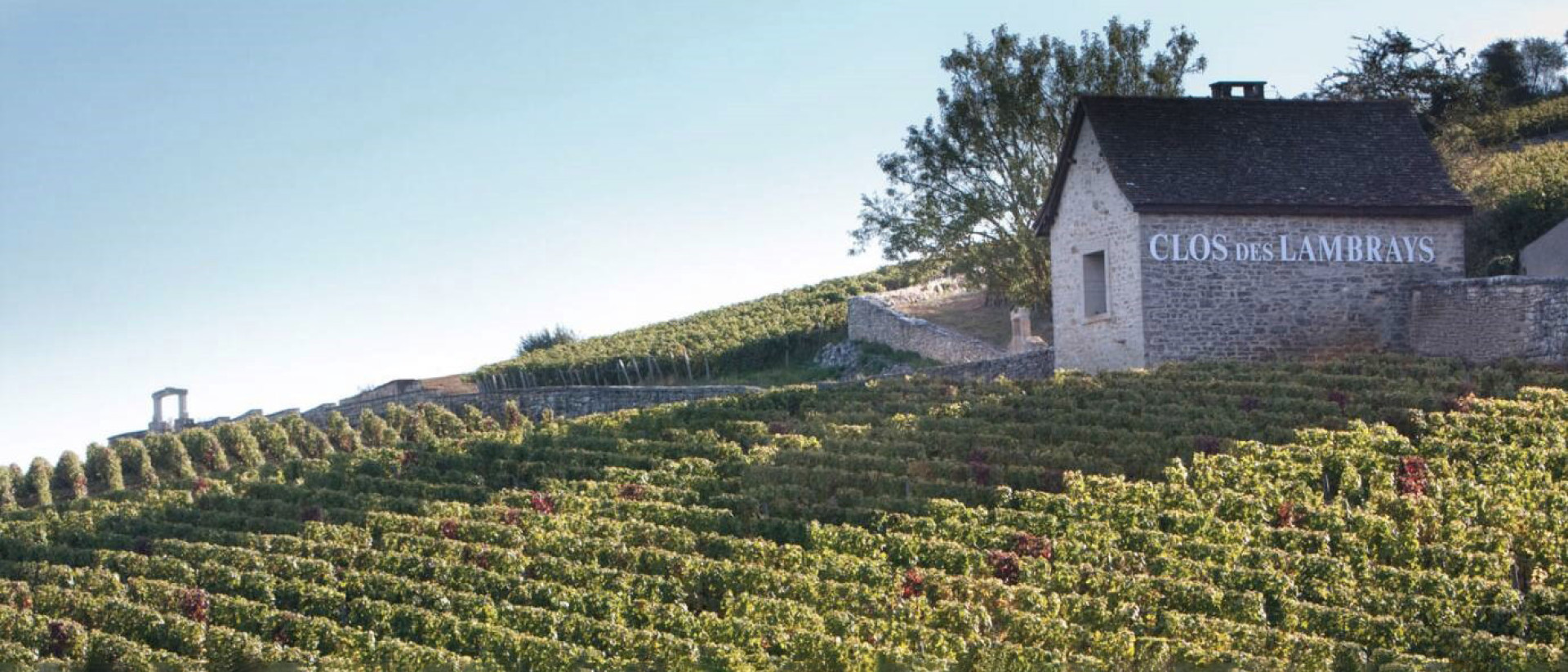
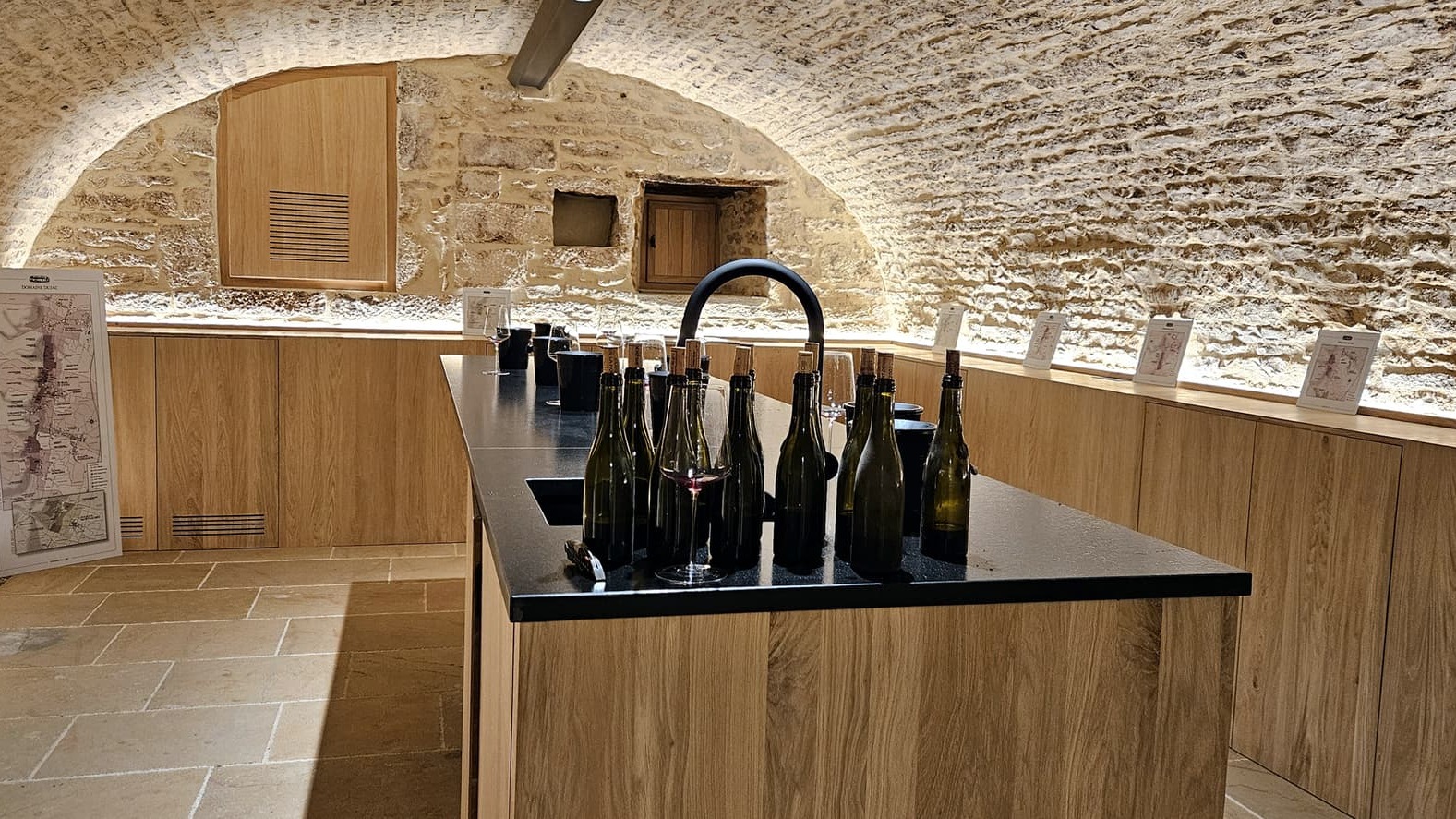
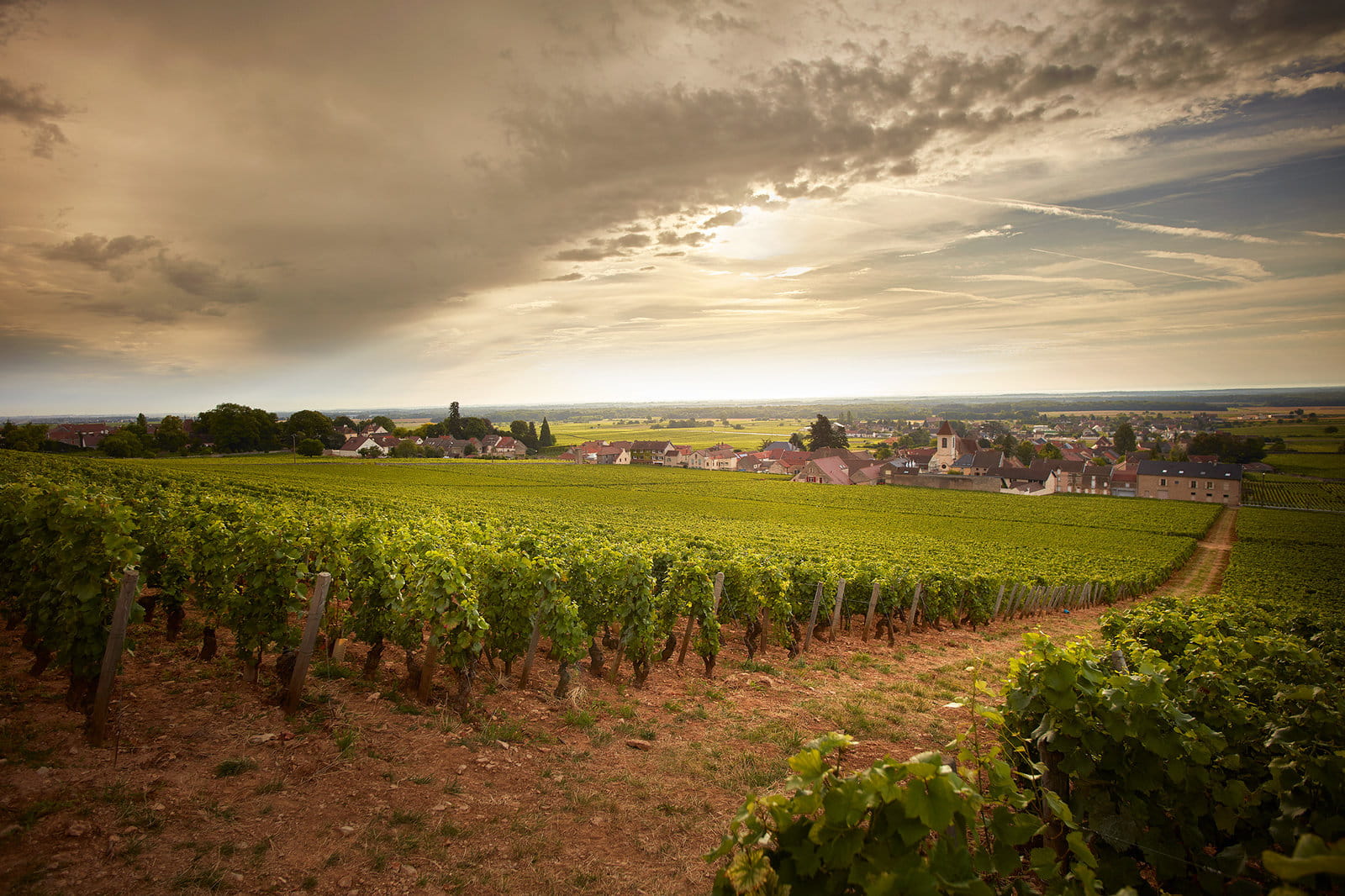
Domaine des Lambrays pairs organic sourcing with vineyard views, quiet visits, and cave tastings in a historic building at 31 Rue Basse in Morey-Saint-Denis.
At a glance
- Price
- $$$$
- Neighborhood
- Morey-Saint-Denis
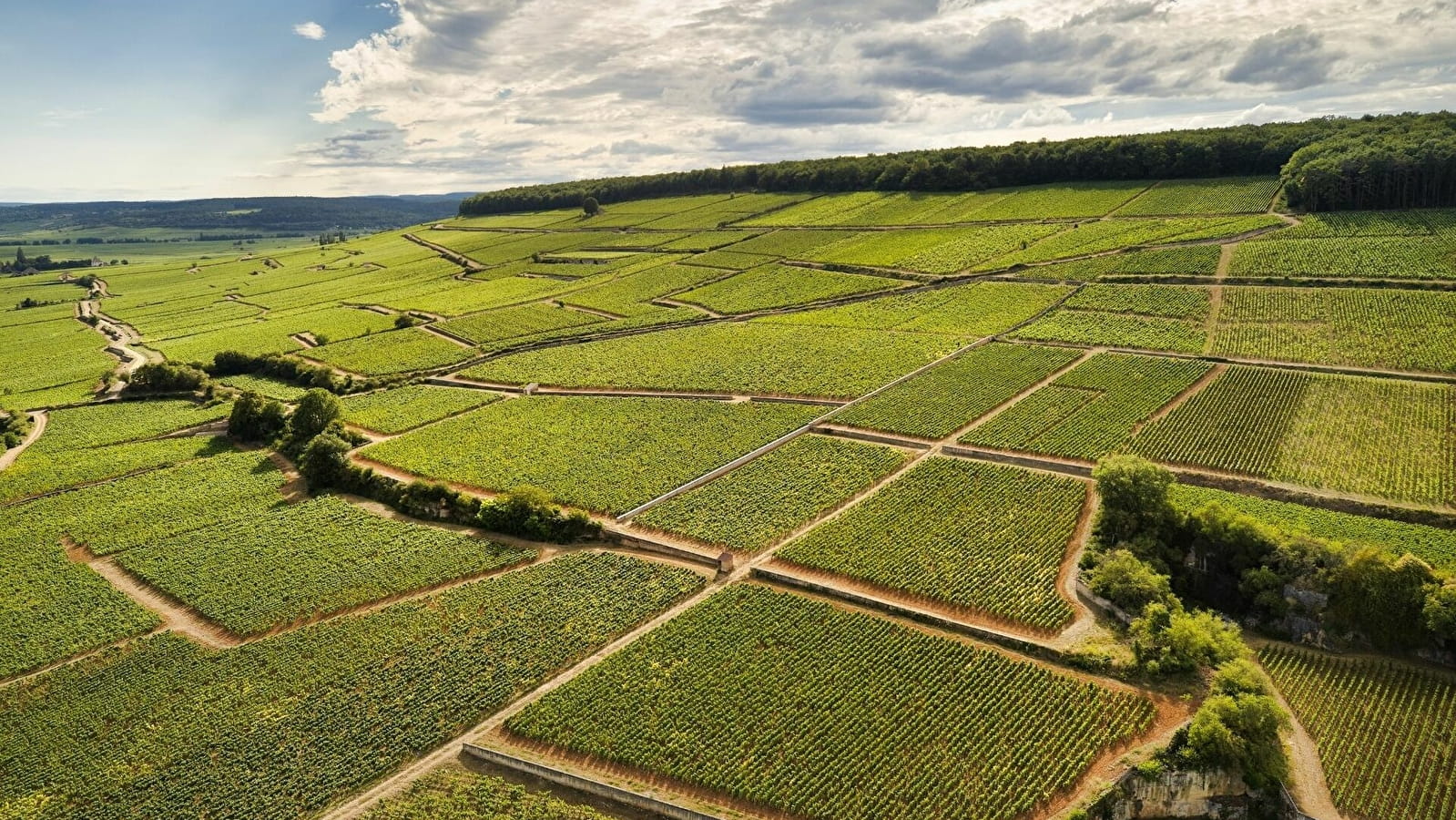
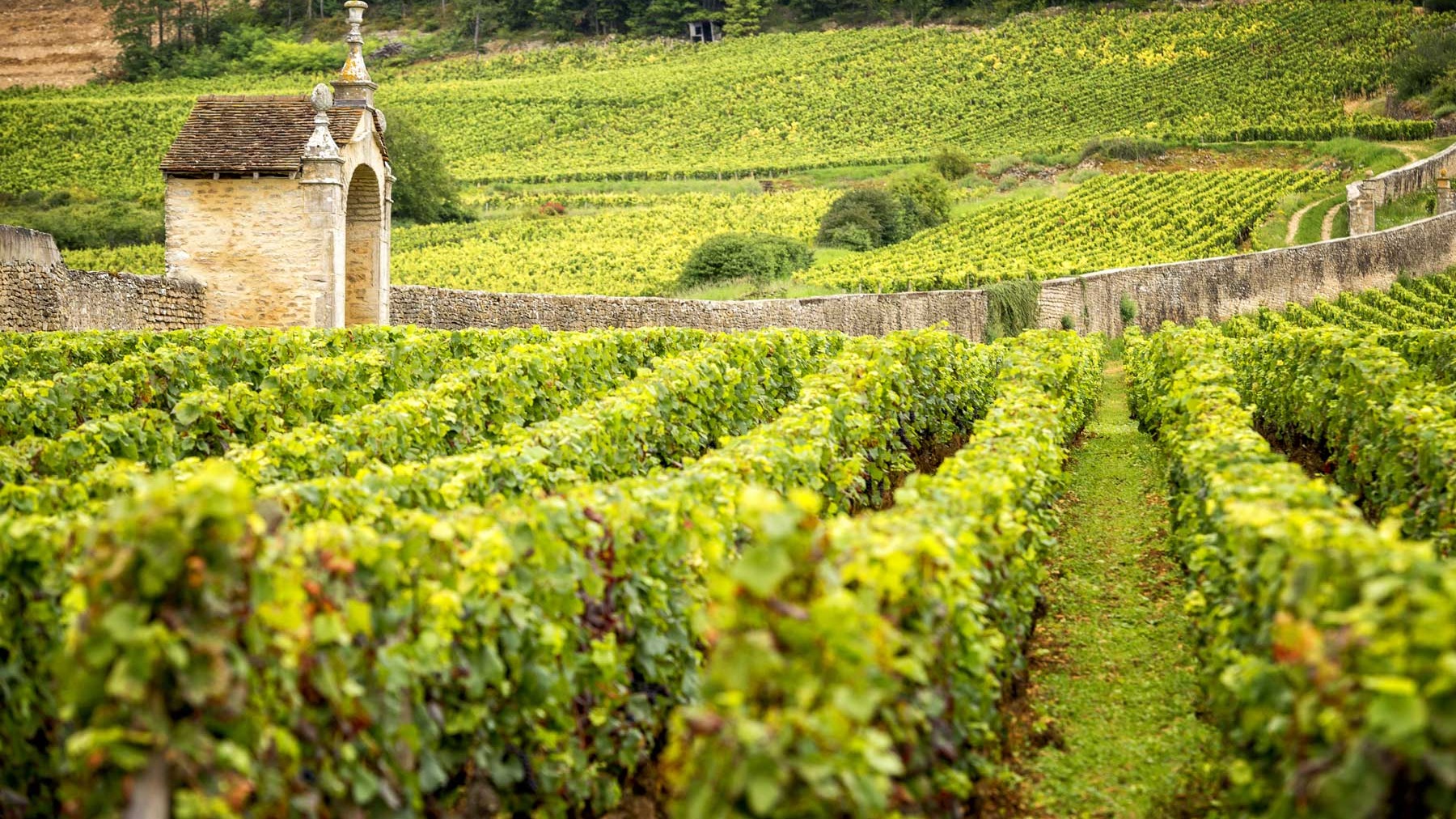
The 8.66-hectare Clos des Lambrays, of which Domaine des Lambrays owns the vast majority (with a small parcel held by Domaine Taupenot-Merme), enclosed behind its eighteenth-century walls in Morey-Saint-Denis, has operated as a single-holding Grand Cru since the 1981 INAO decree refined the climat to its current classification. The domaine that bears the Clos name sits inside the modern Burgundian winemaking lineage shaped by the post-1990 stabilization of the estate under first the Freund family and then LVMH acquisition in 2014, with current winemaker Jacques Devauges overseeing the technical program since 2019. The shift from a historically inconsistent producer to a reference-level estate over the past three decades makes Domaine des Lambrays a case study in how institutional capital, long-term cellar investment, and a return to rigorous viticultural protocols can rehabilitate a climate whose reputation had been damaged by ownership instability and volume-driven winemaking during the mid-twentieth century. Devauges trained at Domaine de la Romanée-Conti before joining Domaine des Lambrays, bringing the DRC-school approach to long fermentation timelines and extended élevage in French oak with minimal new-wood influence. The estate's current cellar protocol runs primary fermentation for 18 to 24 days with whole-cluster percentages ranging from 40% to 60% depending on vintage conditions, higher in warmer years, lower in cool vintages, a whole-cluster philosophy that aligns with the extended maceration approach characteristic of the Vosne-Romanée school rather than the shorter, more extractive fermentations historically associated with Morey-Saint-Denis cooperative production. Aging runs 16 to 18 months in French oak, with new-barrel percentages held to 30% to 35% for the Grand Cru and 20% to 25% for the estate's holdings in Morey-Saint-Denis Premier Cru Les Loups and Puligny-Montrachet Premier Cru Clos du Cailleret. The cellar holds approximately 1,000 barrels at any given time, with annual production from the Clos itself typically ranging from 2,500 to 3,000 cases depending on harvest yield, placing Domaine des Lambrays at the larger end of single-holding Grand Cru estates but still well below the volume output of négociant houses working across multiple appellations. The 8.66 hectares of Clos des Lambrays sit at the northern edge of Morey-Saint-Denis, bordered by Clos de Tart to the south and Clos Saint-Denis to the east, with the climate's elevation ranging from 270 to 300 meters and a southeast-facing slope orientation that provides earlier ripening than the cooler, higher-elevation parcels of Clos de la Roche. The soil profile runs to Bajocian limestone with shallow topsoil and high stone content, a profile that sits closer to the limestone-dominant terroir of Chambolle-Musigny than to the clay-rich soils of Gevrey-Chambertin, and the resulting wines typically show more aromatic lift and less tannic density than Gevrey benchmarks, though with more structure than the lighter Chambolle expressions. The monopole status means the estate controls the entire climat and can impose a unified viticultural approach across the parcel, a significant advantage over multi-owner climates like Clos de la Roche or Clos Saint-Denis, where viticultural practices vary by grower and blend consistency depends on négociant sourcing. Vine age across the Clos averages 55 to 60 years, with the oldest parcels planted in the early 1950s and a replanting program that targets no more than 5% of the vineyard in any given year, maintaining the overall vine-age profile while avoiding the gap-generation problem that affects estates with large-scale replanting events. Devauges's viticultural program emphasizes vine balance and canopy management, with green harvesting conducted in July to target yields of 30 to 35 hectoliters per hectare in the Grand Cru, below the 35 hl/ha maximum permitted under AOC regulations and well below the 40 to 45 hl/ha yields that were typical during the estate's pre-2000 era. Harvest is conducted manually with sorting conducted in the vineyard and again on a tri-table at the winery, and the estate moved to certified organic viticulture in 2019, with biodynamic practices adopted on a trial basis in select parcels but not yet applied estate-wide. The organic conversion aligns the estate with the broader shift toward certified viticulture among top-tier Burgundy producers, though Domaine des Lambrays entered the organic cohort later than early adopters like Domaine Leflaive or Domaine Leroy, both of which achieved certification in the 1990s. The delayed conversion reflects the estate's ownership transitions and the cellar-first investment priorities of the LVMH period, which focused initially on barrel-room infrastructure, temperature-controlled fermentation capacity, and cellar-staff training before turning to vineyard certification. The estate's Premier Cru holdings add complexity to the portfolio but remain secondary to the Clos des Lambrays bottling in both volume and market positioning. The 0.50-hectare parcel of Morey-Saint-Denis Premier Cru Les Loups sits immediately outside the Clos walls at lower elevation and produces approximately 150 to 180 cases per vintage, typically showing earlier drinkability and less aging potential than the Grand Cru. The 0.36-hectare parcel of Puligny-Montrachet Premier Cru Clos du Cailleret, planted to Chardonnay and acquired during the LVMH ownership period, produces approximately 100 to 120 cases of white Burgundy and functions as a small-volume diversification offering for négociant and allocation clients, though the white wine remains a minor component of the estate's identity relative to the Pinot Noir holdings. The decision to bottle and market the Premier Cru parcels separately rather than blending them into a village-level Morey-Saint-Denis reflects the estate's shift toward single-parcel transparency and away from the blended village bottlings that were more common during the mid-twentieth-century cooperative era. Access Structure and Market Positioning Domaine des Lambrays operates on an allocation model for its Grand Cru bottling, with distribution split between direct domaine sales, long-term négociant contracts, and a global allocation network managed through Berry Bros. & Rudd in the United Kingdom and a rotating roster of U.S. importers. The estate does not maintain a public tasting room or walk-in sales program, and visits to the domaine are by appointment only, typically arranged through trade contacts or established allocation clients. Release pricing for the Clos des Lambrays Grand Cru has tracked steadily upward since the LVMH acquisition, with recent-vintage ex-domaine prices in the €120 to €150 per bottle range, placing the estate above mid-tier Grand Cru benchmarks like Clos de Vougeot or Grands-Échézeaux but below the top-tier pricing of Domaine de la Romanée-Conti, Domaine Leroy, or Domaine Armand Rousseau. Secondary-market pricing on older vintages, particularly the 2005, 2009, 2010, and 2015 releases, has appreciated significantly, with auction results for mature bottles reaching €250 to €400 per bottle depending on provenance and storage documentation, a pricing trajectory that reflects the estate's rehabilitation in critic scores and trade perception over the past two decades. The estate's allocation structure prioritizes long-term restaurant accounts and private collectors with multi-vintage purchase history, and the domaine does not participate in en primeur futures sales at the same volume as négociant houses, preferring to hold inventory for 18 to 24 months post-bottling before release. This delayed-release model aligns the estate with other single-holding Grand Cru producers like Clos de Tart and Domaine du Comte Liger-Belair, both of which favor mature-release strategies over the immediate post-harvest futures model that dominates Bordeaux and much of the Burgundy négociant trade. The trade-off is reduced liquidity at harvest but greater control over release timing and pricing, and the model suits estates with strong balance sheets and limited cash-flow pressure, a structural advantage that LVMH ownership provides and that smaller family-held domaines often cannot afford. Peer-Set Landscape and Technical Comparisons Within Morey-Saint-Denis, Domaine des Lambrays sits alongside Domaine Dujac and Domaine Ponsot as the three largest Grand Cru producers in the village, though the estates operate with distinct technical approaches. Dujac's program under Jérémy Seysses emphasizes higher whole-cluster percentages (typically 60% to 80%) and shorter élevage (14 to 16 months), producing wines with more immediate aromatic lift and earlier drinkability; Ponsot's program under Laurent Ponsot favored extremely old vines and late-harvest picking, producing richer, more alcoholic wines with polarizing reception in the trade. Domaine des Lambrays under Devauges sits between these poles, with moderate whole-cluster use, extended but not excessive élevage, and a focus on structural balance rather than on either early charm or late-harvest concentration. The estate's wines read as more classical in profile than Dujac's aromatic expressions and more restrained than Ponsot's high-alcohol vintages, positioning Domaine des Lambrays closer to the Domaine Hubert Lignier or Domaine Cécile Tremblay peer set, estates prioritizing vineyard transparency and structural clarity over stylistic signature. Compared to Clos de Tart, the monopole Grand Cru immediately adjacent to Clos des Lambrays, the two estates share similar terroir profiles but diverge in winemaking philosophy. Clos de Tart, under the direction of winemaker Alessandro Noli since the 2017 Artemis acquisition, has moved toward lower yields (25 to 28 hl/ha), higher whole-cluster percentages (up to 100% in some vintages), and minimal sulfur additions, producing wines with pronounced reduction and requiring extended bottle age before tertiary development. Domaine des Lambrays maintains higher yields, moderate whole-cluster use, and more conventional sulfur regimes, producing wines that are more approachable at release but potentially less age-worthy over 20-plus-year timelines. The stylistic divergence reflects broader debates within Burgundy about whole-cluster fermentation, sulfur minimalism, and the trade-offs between early accessibility and long-term complexity, debates that divide producers even within the same village and the same soil type. Outside Morey-Saint-Denis, the most relevant peer comparisons sit with other monopole Grand Cru estates: La Romanée and La Grande Rue in Vosne-Romanée, La Tâche and Romanée-Conti under Domaine de la Romanée-Conti, and Clos de Tart. These estates operate with the structural advantages of single-owner control, unified viticultural management, consistent winemaking protocols, and the ability to impose long-term investment timelines without negotiating among multiple stakeholders. The monopole model also simplifies brand positioning: the climat and the domaine are synonymous, and the estate's reputation rises or falls on a single wine rather than on a portfolio of village, Premier Cru, and Grand Cru bottlings. For Domaine des Lambrays, this monopole clarity has been both a liability and an asset, a liability during the mid-twentieth-century period of inconsistent ownership and winemaking, when the Clos des Lambrays name carried little prestige relative to Clos de la Roche or Bonnes-Mares, and an asset during the post-1990 rehabilitation, when the estate could rebuild its reputation on a single, technically consistent wine without the dilution that comes from managing a broad portfolio. Critic Reception and Market Trajectory Critic scores for Domaine des Lambrays have tracked upward steadily since the early 2000s, with recent vintages receiving consistent 92-to-95-point scores from Neal Martin, Allen Meadows, and Antonio Galloni, a range that places the estate in the upper tier of Morey-Saint-Denis producers but below the 95-to-98-point range typical of Domaine de la Romanée-Conti or Domaine Georges Roumier. Meadows, writing in Burghound, has noted the estate's marked improvement in fruit purity and structural precision since the mid-2000s, attributing the shift to reduced yields, improved vineyard sorting, and more careful oak management. Martin, in his Vinous coverage, has emphasized the estate's classicism and restraint, positioning Domaine des Lambrays as a counterpoint to the reductive, whole-cluster-dominant style that has gained traction among younger Burgundy winemakers. Galloni has highlighted the estate's consistency across vintages, a trait that reflects the cellar's technical investment and the domaine's ability to manage vintage variation through sorting, fermentation adjustments, and oak selection. The estate's rehabilitation over the past three decades places it inside the broader narrative of Burgundy quality improvement during the 1990s and 2000s, when investments in viticultural precision, cellar technology, and yield management transformed estates that had underperformed during the cooperative-dominated mid-twentieth century. Domaine des Lambrays, along with estates like Domaine Dugat-Py in Gevrey-Chambertin and Jean-Marc & Thomas Bouley in Volnay, exemplifies how second-generation family investment or institutional ownership can rebuild reputations damaged by prior inconsistency. The trajectory is not universal, some historically prestigious estates have declined during the same period, and some lesser-known estates have remained obscure despite improved winemaking, but the pattern is clear enough to form a recognizable cohort within the Burgundy trade. For collectors and trade buyers evaluating Domaine des Lambrays within the Morey-Saint-Denis peer set, the estate offers a middle path: more consistent and technically refined than Ponsot, more structured and age-worthy than Dujac's early-drinking expressions, and more accessible in both allocation and pricing than the top-tier monopoles of Vosne-Romanée. The estate's wines sit comfortably on Michelin-starred wine lists and in private cellars focused on classic Burgundy expressions, though they lack the cult cachet and secondary-market premiums that attend Domaine de la Romanée-Conti or the rarest Rousseau bottlings. For sommeliers and buyers prioritizing technical consistency, vineyard transparency, and long-term drinkability over speculative investment potential, Domaine des Lambrays functions as a reference-level Morey-Saint-Denis producer, a status the estate has rebuilt methodically over three decades of viticultural and cellar refinement.
Know before you go
- Dress code
- smart_casual
- Reservations
- appointment_only
- Parking
- on_site_lot
Address
31 Rue Basse, 21220 Morey-Saint-Denis
Morey-Saint-Denis · Burgundy
How it compares
- Price
- $$$$
- Awards
- 1 recognition
- Notes
- Morey-Saint-Denis, Pinot Noir, Chardonnay
- Price
- $$$$
- Awards
- 1 recognition
- Notes
- Morey-Saint-Denis, Pinot Noir
- Price
- $$$$
- Awards
- 1 recognition
- Notes
- Morey-Saint-Denis, Pinot Noir
- Price
- $$$$
- Awards
- 1 recognition
- Notes
- Morey-Saint-Denis, Pinot Noir, Chardonnay
- Price
- $$$$
- Awards
- 1 recognition
- Notes
- Morey-Saint-Denis, Pinot Noir, Aligoté
- Price
- $$$
- Awards
- 1 recognition
- Notes
- Morey-Saint-Denis, Pinot Noir, Chardonnay