Made ByWinery
Domaine Trapet Père et Fils
Chef in Residence
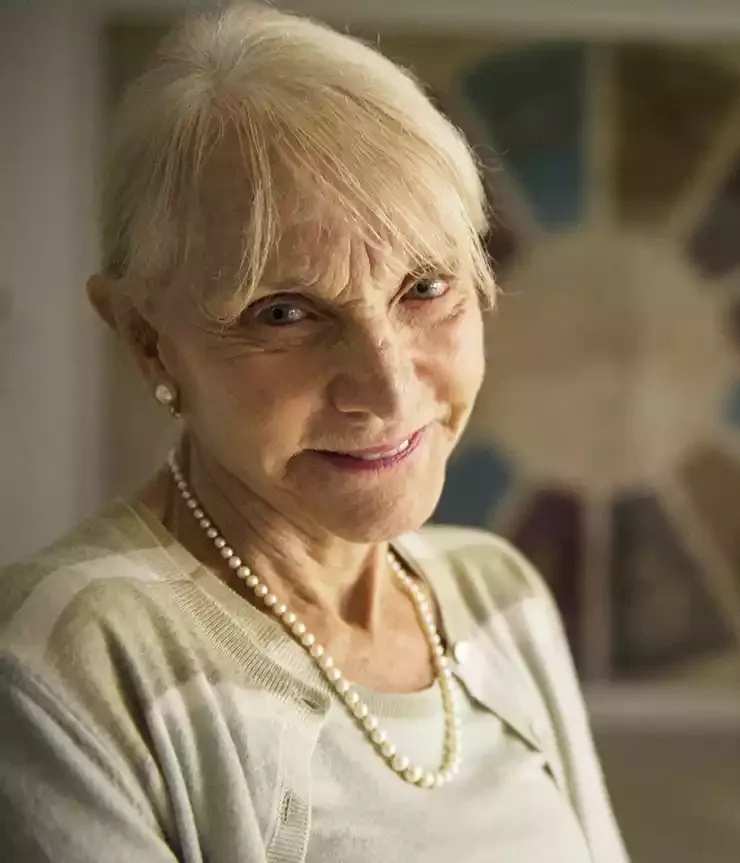
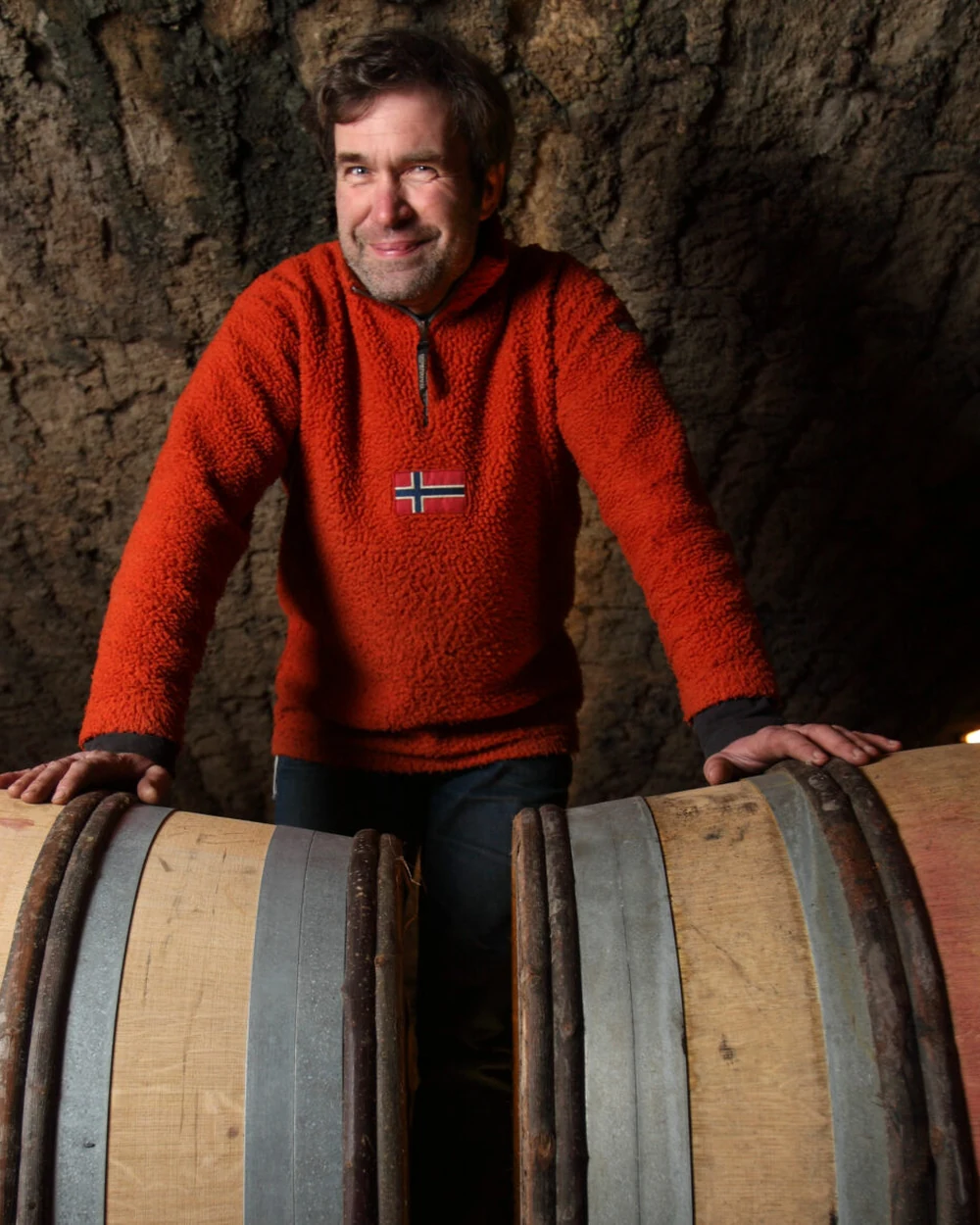
Jean-Louis Trapet
Winemaker
- 01CityGevrey-Chambertin, France
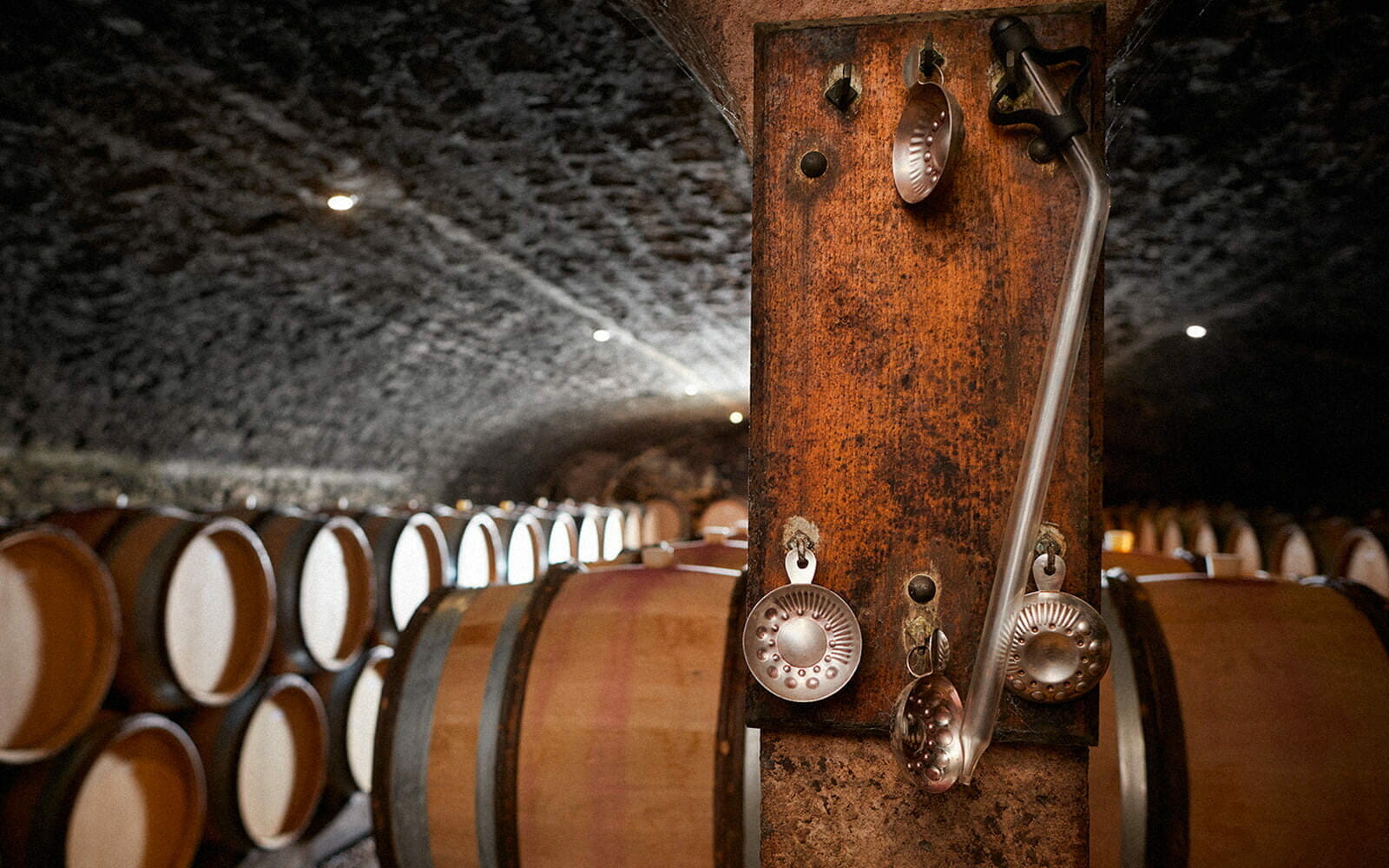
Domaine Trapet Père et Fils runs vineyard tours, estate grounds visits, and cave tastings on a vineyard-facing property; 2026 Michelin 1 Grape and Falstaff Winery recognition back a quiet, planned stop.
At a glance
- Price
- $$$$
- Neighborhood
- Gevrey-Chambertin
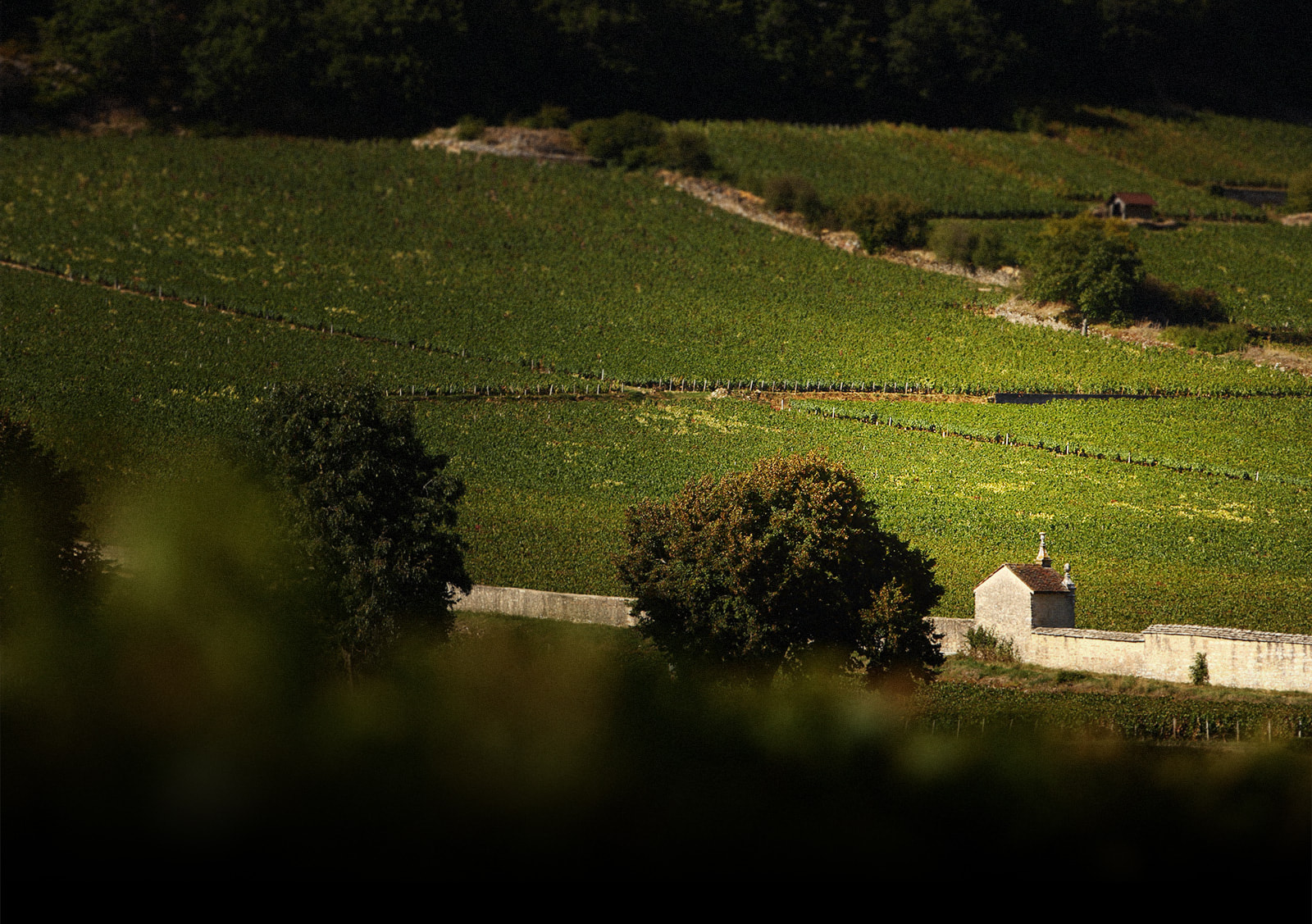
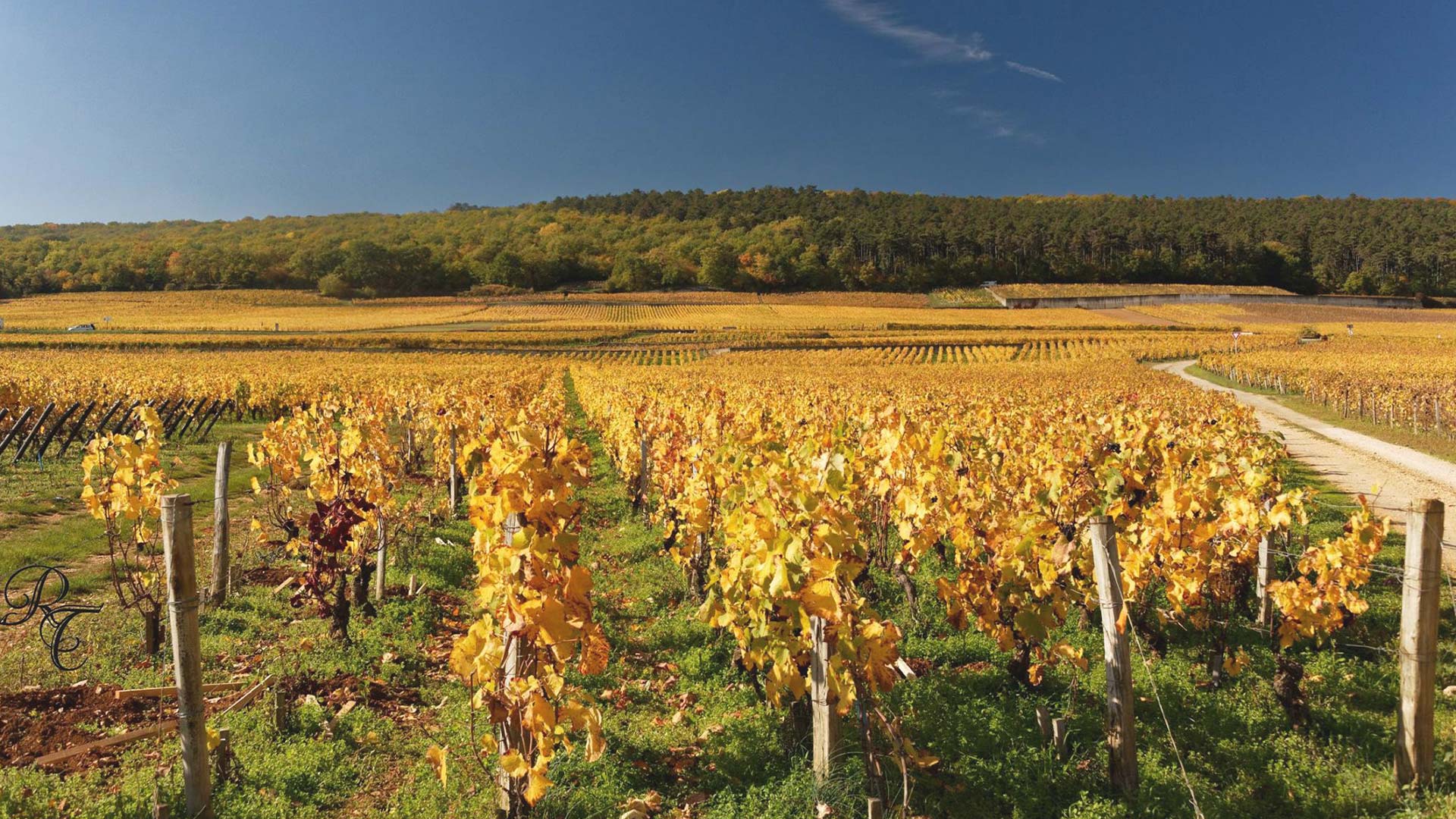
Burgundy's shift toward biodynamic viticulture in the 1990s ran counter to the post-phylloxera intensification that had defined most of the Côte d'Or since the 1950s, herbicides, synthetic fertilisers, machine harvesting, and the first domaines to commit fully to Demeter certification risked both yield and peer credibility. Domaine Trapet Père & Fils in Gevrey-Chambertin was among the earliest to make that commitment at scale, converting all holdings to biodynamic practice beginning in 1996 and receiving full Demeter certification in 1998. Jean-Louis Trapet, thirteenth-generation vigneron at the domaine, took the cellar in 1990 after enology studies at the Université de Bourgogne and a stage at Domaine de la Romanée-Conti. His conversion to biodynamics preceded the broader Burgundian movement by nearly a decade. Domaine Leflaive completed its conversion in 1997, Domaine Leroy had been working biodynamically since the 1980s but with less public certification visibility, and the wider Côte d'Or adoption wave did not begin in earnest until the early 2000s. The Trapet holdings include parcels in five grands crus: Chambertin, Latricières-Chambertin, Chapelle-Chambertin, Gevrey-Chambertin Clos Prieur (village-level monopole), and a small parcel of Chambertin Vieilles Vignes, totalling roughly 13 hectares across Gevrey-Chambertin and Marsannay. The domaine was founded in 1870 as Domaine Louis Trapet; the Père & Fils suffix was added in the mid-twentieth century when Jean Trapet took over from his father Louis. The estate remained in the traditional Burgundian co-ownership structure until 1995, when the family completed a full separation from the Rossignol-Trapet lineage (another branch of the extended family) and began bottling all production under the Trapet Père & Fils label. Prior to 1995, a portion of the estate's grand cru production had been sold to négoce; post-separation, the domaine bottles the entire harvest. The biodynamic conversion at Trapet followed Rudolf Steiner's 1924 agricultural calendar and preparation protocols: the 500 and 501 preparations (cow manure and ground quartz buried in cow horns, exhumed and applied as field sprays on specific lunar calendar dates), tisanes of horsetail and nettle, compost teas, and a prohibition on synthetic inputs. The conversion coincided with a replanting program across several parcels, with massal selection from the domaine's oldest Chambertin vines (planted in the 1920s) rather than clonal material from the Dijon nurseries. The average vine age across the Trapet holdings now sits above fifty years; the Chambertin Vieilles Vignes parcel, planted in the 1920s, is over ninety. Yields are managed through green harvesting and bunch thinning to roughly 28 to 35 hectolitres per hectare, well below the Chambertin grand cru AOC maximum of 37 hl/ha and closer to the sub-30 hl/ha regime at Domaine Rousseau and Domaine Leroy. Hand harvesting in small crates is standard; the fruit is sorted twice (once in the vineyard, once at the cellar) before destemming. The cellar protocol under Jean-Louis Trapet runs to the reductive rather than oxidative side of the Burgundian spectrum: whole-cluster fermentation is used selectively (typically 10% to 30% whole cluster depending on vintage ripeness), cold maceration runs three to five days before wild-yeast fermentation begins, total cuvaison lasts fourteen to eighteen days, and pigeage (punch-down) is manual. The press wine is reincorporated selectively, typically only the first press for grand cru cuvées. Élevage is eighteen months in barrel, with new-oak percentages held deliberately low: 20% to 30% for village-level Gevrey-Chambertin, 30% to 40% for premier cru, and 40% to 50% for grand cru. The coopers are François Frères and Rousseau, both Burgundian tonnelleries working medium-toast regimes. Sulphur use is minimal, typically 30 to 50 ppm total SO2 at bottling, and the wines are bottled unfined and unfiltered. The Trapet peer set in Gevrey-Chambertin divides along three axes: biodynamic commitment, new-oak regime, and whole-cluster percentage. Domaine Armand Rousseau and Domaine Claude Dugat work within conventional viticulture (Rousseau integrated pest management, Dugat lutte raisonnée), higher new-oak percentages (Rousseau 60% to 80% new for Chambertin, Dugat 50% to 70%), and minimal to zero whole-cluster inclusion. Domaine Joseph Roty, under Philippe Roty, works biodynamically but with significantly higher new-oak (70% to 100% for grand cru) and longer élevage (twenty-four months). Domaine Duroché, now under Pierre Duroché and his son Aurélien, converted to organic viticulture in 2008 (full certification 2011) and works a protocol closer to Trapet's: moderate new oak (30% to 40% for grand cru), minimal whole-cluster, eighteen-month élevage, but without Demeter biodynamic certification. The stylistic centre of gravity at Trapet sits closer to Domaine Duroché and to the slightly lighter, more mineral-driven school of Gevrey-Chambertin than to the richer, more oak-inflected Rousseau or Dugat style. The estate's Chambertin is consistently cited in trade as one of the more age-worthy expressions of the climat, with critics noting that the biodynamic soil management and the reduced oak regime produce wines that require ten to fifteen years to show their full structure. The 2015 and 2019 vintages were both rated 94+ by Vinous, with tasting notes emphasising graphite minerality and restrained fruit rather than the darker, more immediately expressive profile typical of higher-extraction Gevrey-Chambertin. Trapet's Latricières-Chambertin, a 0.75-hectare parcel planted in 1954, is the estate's second grand cru in terms of both volume and critical attention. The climat sits immediately south of Chambertin on slightly shallower soils, more limestone, less clay, and the wines typically show earlier aromatic lift than the Chambertin but with less mid-palate density. The domaine's protocol for Latricières mirrors the Chambertin élevage (eighteen months, 40% to 50% new oak, unfined and unfiltered) but with slightly higher whole-cluster inclusion (up to 40% in ripe vintages). The result is a wine that reads as more floral and less sinewy than the Chambertin, and which reaches approachability roughly five years earlier. The estate's Chapelle-Chambertin, a smaller 0.6-hectare parcel, is the lightest and most delicate of the three grands crus. The climat sits at the northern edge of the Gevrey-Chambertin grand cru band, on thinner topsoil with more exposed limestone bedrock, and the wines are correspondingly higher-toned and less structured. The domaine's premier cru Gevrey-Chambertin Clos Prieur, a 1.8-hectare monopole parcel enclosed by stone walls and planted in the 1960s, functions as the estate's mid-tier reference point, priced below the grands crus but vinified with the same protocol (18-month élevage, 30% to 40% new oak) and often cited in trade as over-performing its premier cru designation. The village-level Gevrey-Chambertin, sourced from parcels in Champerrier and Evocelles, is vinified in larger-format barrels (350-litre and 500-litre pièces rather than the standard 228-litre Burgundian barrique) with 20% to 30% new oak, and represents roughly 40% of the estate's total production by volume. The domaine also produces two appellations outside Gevrey-Chambertin: a Marsannay rouge from a 3-hectare parcel on clay-limestone soils in the lieu-dit Les Longeroies, and a Marsannay rosé from the same parcel. The Marsannay rouge is vinified identically to the village Gevrey-Chambertin (18-month élevage, 20% new oak, minimal whole-cluster) and functions as the estate's entry-point bottling. The rosé, a direct-press Pinot Noir with no skin contact, is aged in older barrels for twelve months and released earlier than the reds. Neither Marsannay bottling is widely exported; the domaine allocates roughly 70% of Marsannay production to French domestic retail and restaurants, and the remaining 30% to northern European importers. The grand cru production is more tightly allocated: Chambertin and Latricières-Chambertin are distributed primarily through the estate's allocation list (a mix of long-standing private clients, Michelin-starred restaurant sommeliers, and a small number of importers in the UK, Belgium, Switzerland, and the United States). Release prices for the Chambertin have tracked closely with Domaine Denis Bachelet and slightly below Domaine Dugat-Py. The 2019 Chambertin was released at approximately €280 per bottle ex-cellar, compared to Rousseau's Chambertin at €400+ and Dugat-Py's Chambertin at €350. The secondary market for older vintages (2005, 2010, 2015) has remained steady rather than speculative, with auction results showing the wines trading closer to release-price multiples of 1.5x to 2x rather than the 3x to 5x multiples seen for Rousseau or DRC. Jean-Louis Trapet's role at the domaine extends beyond the cellar: he has been an active voice in the broader biodynamic movement within Burgundy, co-founding the Renaissance des Appellations grower group with Nicolas Joly in the early 2000s and serving as a technical advisor to younger vignerons converting to biodynamic practice. His daughter Andrée Trapet joined the domaine in 2015 after enology studies in Beaune and stages at Domaine Cécile Tremblay and Domaine Georges Roumier; she now manages the cellar alongside her father and is expected to take over the domaine fully within the next decade, continuing the fourteenth-generation succession. The estate's biodynamic protocols have remained unchanged since the 1998 certification: the same 500/501 preparation schedule, the same lunar calendar for racking and bottling, the same tisane and compost-tea program. The vineyard soils have shown measurable increases in microbial activity and organic matter content over the twenty-five-year span, according to soil assays conducted by the Université de Bourgogne in 2005, 2012, and 2020. The domaine does not publish these results publicly, but the data has been cited in academic studies on long-term biodynamic viticulture in Burgundy. Access to Trapet's grands crus is structured through a mailing-list allocation system managed directly by the domaine. New clients are added to the list selectively, typically through referrals from existing clients or from Michelin-starred sommeliers who have worked with the estate for multiple vintages. The domaine does not sell through en primeur futures; all wines are released after bottling, typically eighteen to twenty-four months post-harvest. Retail availability outside the allocation list is limited to a small number of specialist cavistes in Paris (La Cave des Papilles, Les Vendanges) and Brussels (Rob Vins), and to a handful of restaurant wine lists, primarily three-star Michelin kitchens with strong Burgundy programs (Arpège in Paris, De Karmeliet in Bruges, The Clove Club in London). Walk-in cellar visits are not offered; the domaine receives trade professionals and journalists by appointment only, typically during the spring and autumn racking periods. Tasting-room retail is not available. The village-level Gevrey-Chambertin and the Marsannay bottlings are more widely distributed, available through standard wholesale channels in France, Belgium, Switzerland, the UK, and select U.S. markets (New York, San Francisco, Chicago), but even these entry-level cuvées are not shelf stock at most retailers. The estate's total annual production sits at roughly 50,000 bottles across all appellations; the Chambertin represents fewer than 3,000 bottles per vintage, the Latricières-Chambertin roughly 2,500 bottles, and the Chapelle-Chambertin fewer than 2,000 bottles. The allocation list absorbs the majority of grand cru production, with fewer than 20% of bottles reaching open retail or restaurant distribution.
Know before you go
- Dress code
- smart_casual
- Reservations
- appointment_only
- Parking
- on_site_lot
- Payment
- credit_card
Address
53 Rte de Beaune, 21220 Gevrey-Chambertin
Gevrey-Chambertin · Burgundy
How it compares
- Cuisine
- Pinot Noir, Gamay
- Price
- $$$$
- Awards
- 1 recognition
- Notes
- Gevrey-Chambertin
- Cuisine
- Pinot Noir
- Price
- $$$$
- Awards
- 1 recognition
- Notes
- Gevrey-Chambertin
- Cuisine
- Pinot Noir
- Price
- $$$$
- Awards
- 1 recognition
- Notes
- Gevrey-Chambertin
- Cuisine
- Pinot Noir
- Price
- $$$$
- Awards
- 1 recognition
- Notes
- Gevrey-Chambertin
- Cuisine
- Pinot Noir
- Price
- $$$$
- Awards
- 1 recognition
- Notes
- Gevrey-Chambertin
- Cuisine
- Pinot Noir, Chardonnay
- Price
- $$$$
- Awards
- 1 recognition
- Notes
- Gevrey-Chambertin