Made ByWinery
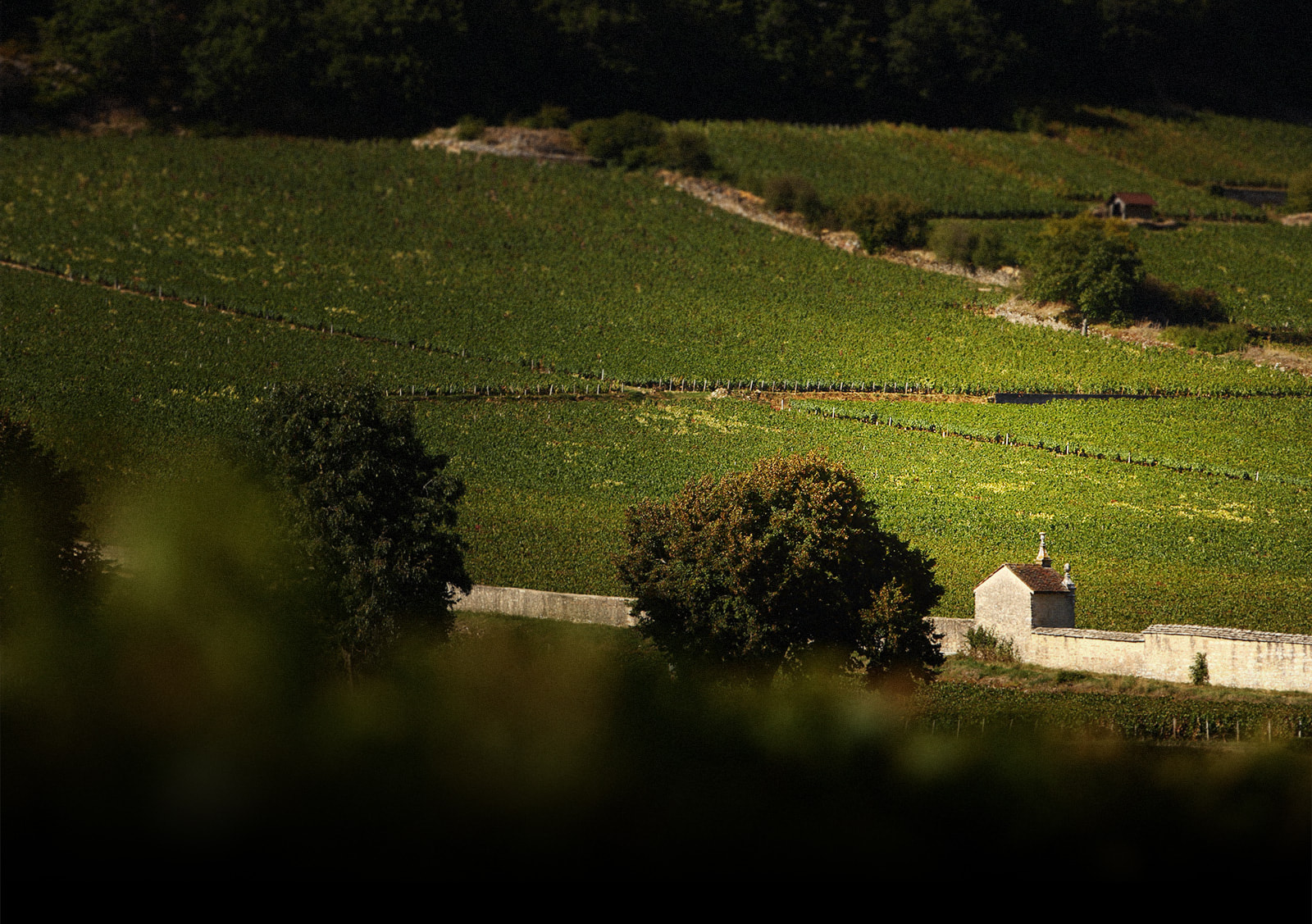
Domaine Armand Rousseau pairs vineyard views with cave tasting and vineyard tours, in a quiet smart casual setting that suits a slower wine-focused visit.
At a glance
- Price
- $$$$
- Neighborhood
- Gevrey-Chambertin
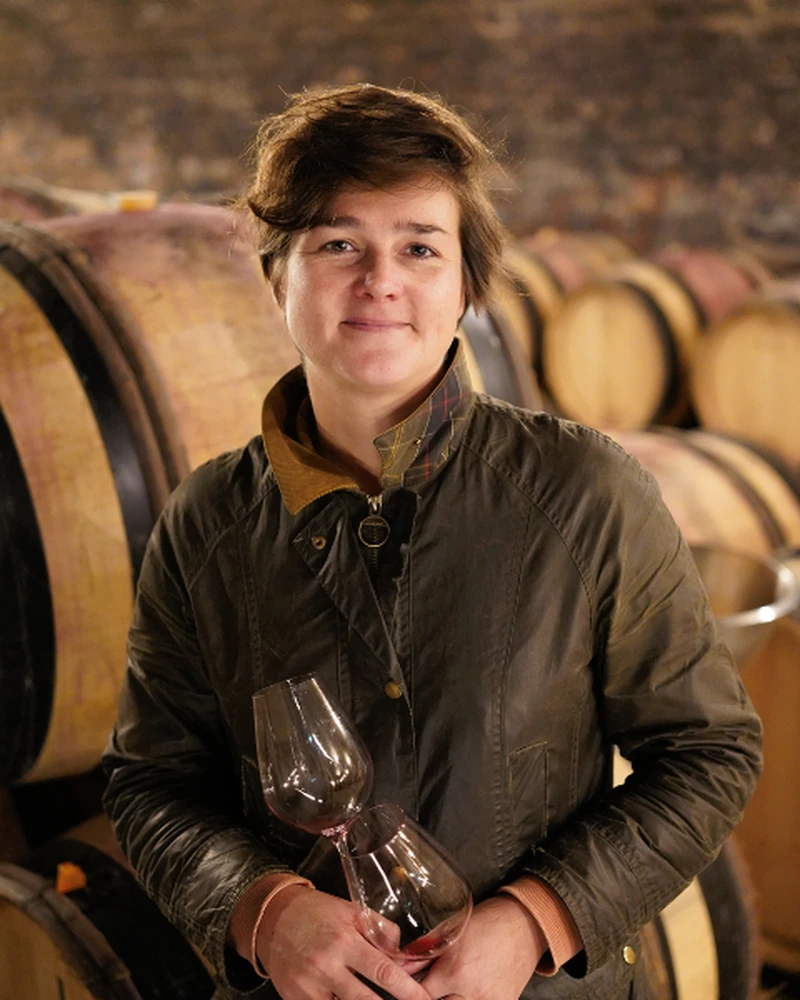
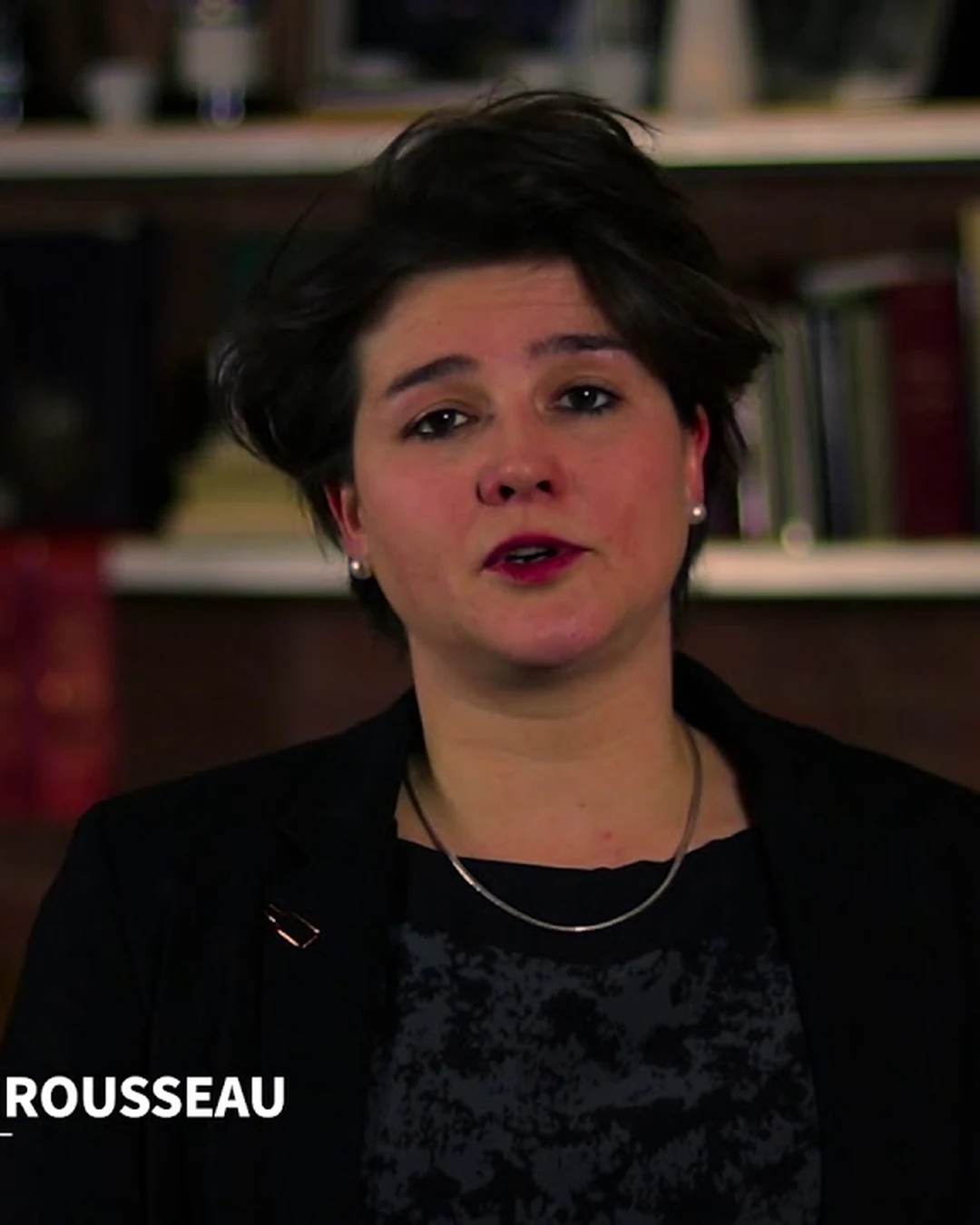
The Burgundian grand cru school in Gevrey-Chambertin has been defined by a small set of domaines whose holdings in Chambertin, Clos de Bèze, and the village's other grands crus have set the technical benchmark for Pinot Noir since the early twentieth century. Domaine Armand Rousseau, founded in 1909 and still family-held under fourth-generation ownership, operates inside that lineage as one of the appellation's most technically consistent producers, with an estate portfolio that includes parcels in Chambertin, Chambertin-Clos de Bèze, Clos de la Roche, Clos Saint-Jacques, and Mazis-Chambertin, a grand cru and premier cru holding that places the domaine among the half-dozen most significant landholders in the Côte de Nuits. Armand Rousseau père assembled the estate between 1909 and the mid-1930s, a period when parcellaire holdings in the grands crus were still being consolidated after phylloxera reconstitution and the collapse of the négociant-dominated structure that had prevailed in the nineteenth century. The domaine's 2.15 hectares in Chambertin and 1.42 hectares in Clos de Bèze, both among the largest single-domaine holdings in either climat, were acquired during this window, along with parcels in Clos de la Roche (1.48 hectares), Mazis-Chambertin (0.53 hectares), and Charmes-Chambertin (1.42 hectares). This parcellaire structure has remained stable through four generations: Charles Rousseau succeeded his father Armand in the 1950s and held the domaine through the late 1970s; Eric Rousseau took over in the early 1980s and remains the operating owner; Cyrielle Rousseau, Eric's daughter, entered the domaine in the early 2010s and now manages day-to-day winemaking and cellar operations alongside her father. The transition from Eric to Cyrielle has been gradual rather than abrupt, a transmission model common in long-tenured Burgundian family domaines where vineyard knowledge and cellar practice pass through overlapping decades rather than through discrete handoffs. The technical program at Rousseau sits inside the classical Gevrey school: whole-cluster fermentation at moderate percentages (typically 20 to 40 percent, vintage-dependent, with the grands crus receiving higher whole-cluster inclusion than the village bottlings), indigenous yeast, fermentation in open wooden cuves, manual pigeage, post-fermentation maceration extending total vat time to 18 to 24 days, and aging in oak at roughly 30 to 50 percent new-barrel for the grands crus and 20 to 30 percent for the premiers crus and village bottlings. The whole-cluster regime places Rousseau closer to the Roumier and Dujac practices than to the fully destemmed programs that dominated Burgundy in the 1980s and 1990s; the return to partial whole-cluster fermentation across the Côte de Nuits over the past two decades reflects a broader reassessment of the structure and aging potential that stem inclusion provides, particularly in warmer vintages where the stem tannins can offset overripeness in the fruit. Rousseau's program predates this wider shift, Charles Rousseau maintained whole-cluster fermentation through the destemming era, a technical continuity that has become part of the domaine's stylistic signature. Rousseau's vineyard work follows the AOP Gevrey-Chambertin protocols but with estate-specific detail on yields and harvest timing. Yields across the grands crus are typically held to 30 to 35 hectoliters per hectare, below the AOP ceiling of 37 hl/ha for grand cru Chambertin and Clos de Bèze; the premiers crus and village bottlings run slightly higher at 35 to 40 hl/ha, still below the 40 hl/ha AOP maximum for premier cru. Harvest timing is late relative to the Gevrey peer set, Rousseau routinely picks one to three days after Dugat-Py, Fourrier, and Bachelet, a delay that reflects a house preference for phenolic ripeness over sugar accumulation and a tolerance for higher potential alcohol in the must. The resulting wines typically show 13.5 to 14 percent alcohol in grands crus in balanced vintages, rising to 14.5 percent in warmer years, a range that sits at the upper end of the classical Burgundy register but below the 15-percent-plus outliers that became more common in the 2000s and 2010s. Rousseau's bottling program distinguishes between several climat-specific cuvées within the domaine's grand cru holdings. The domaine produces separate bottlings of Chambertin and Chambertin-Clos de Bèze rather than blending the two into a single Chambertin cuvée, a choice that reflects both the distinct parcellaire character of the two climats and the market's willingness to pay a premium for the Chambertin name over the Clos de Bèze name, despite the technical equivalence of the two appellations under AOP law (both are grand cru, both may be labeled simply as Chambertin, but Clos de Bèze producers have historically used the hyphenated form to distinguish their parcels). Rousseau also produces a Clos de la Roche bottling and a Mazis-Chambertin bottling, both from single parcels; the Charmes-Chambertin is typically blended across two small parcels within the climat. The domaine's premier cru holdings include Clos Saint-Jacques (0.22 hectares), Lavaux Saint-Jacques (2.0 hectares combined across several parcels), and Cazetiers (0.50 hectares); the Clos Saint-Jacques bottling has become one of the domaine's most allocated cuvées, priced and distributed at a level closer to the grands crus than to the other premiers crus, reflecting both the climat's reputation as the qualitative equal of grand cru within Gevrey and the domaine's limited parcel size within it. The domaine's release structure follows the Burgundian mist-en-bouteille model: wines are bottled roughly 16 to 18 months after harvest and released to the trade within a few months of bottling, typically in the autumn following the vintage. Allocation is managed through a fixed list of importers and négociants, with the majority of production going to long-standing European and North American accounts. Rousseau does not operate a significant direct-to-consumer program and does not maintain a tasting room open to walk-in visitors; domaine visits are by appointment only and are rarely granted outside of established trade relationships. This access structure is standard for top-tier Burgundy domaines and reflects both the limited production volume (total annual output across all cuvées is roughly 5,000 to 6,000 cases, with individual grand cru bottlings in the 200- to 600-case range) and the near-total pre-sale of each vintage through the allocation system before release. Rousseau's position in the secondary market provides a clear peer-set benchmark. Grand cru bottlings from Rousseau, particularly Chambertin and Clos de Bèze, trade at price levels comparable to Domaine Leroy, Domaine de la Romanée-Conti's non-DRC-labeled cuvées, and the top Dujac and Roumier grands crus. A 750ml bottle of Rousseau Chambertin from a strong vintage (2015, 2019, 2020) typically lists at £800 to £1,200 on release in the UK trade, rising to £1,500 to £2,500 for the same bottle on restaurant lists in London or New York within two to three years of release; secondary-market pricing for back-vintage Rousseau Chambertin from the 1990s and 2000s runs £2,000 to £4,000 per bottle depending on vintage and provenance. The Clos de Bèze sits 10 to 15 percent below the Chambertin in most vintages despite no qualitative difference in the wine, a pricing anomaly driven entirely by the hierarchical perception of the Chambertin name within the collector market. Rousseau's premiers crus, Clos Saint-Jacques in particular, trade at levels closer to mid-tier grands crus from less-prestigious climats (Mazoyères-Chambertin, Chapelle-Chambertin) than to the premier cru peer set, a premium that reflects the climat's reputation and the domaine's limited parcel size. The critical record on Rousseau is dense and consistent. Allen Meadows at Burghound has scored Rousseau's grands crus in the 93-to-97-point range across most vintages since the early 2000s, with the Chambertin and Clos de Bèze regularly entering the 95-to-97 range in strong years. Jancis Robinson MW has written extensively on the domaine's technical consistency and its role in the partial-whole-cluster renaissance. Neal Martin, formerly of Wine Advocate and now at Vinous, has placed Rousseau among the five most important Gevrey producers alongside Dugat-Py, Fourrier, Claude Dugat, and Denis Mortet (the latter now continued by Mortet's sons following Denis Mortet's death in 2006). The trade consensus places Rousseau's style closer to the structured, long-aging Gevrey school than to the more immediately accessible, fruit-forward profile that some newer Gevrey producers have pursued; Rousseau wines are routinely described as needing a decade or more of bottle age to fully resolve, a timeline that aligns with the domaine's whole-cluster tannin structure and its harvest-timing preference for phenolic ripeness. Cyrielle Rousseau's entry into the domaine in the 2010s has not produced a sharp stylistic shift, but close followers of the domaine note incremental changes in the vineyard program and in the oak regime. Rousseau has reduced new-oak percentages slightly across the range since roughly 2015, moving from 40 to 50 percent new for the grands crus to 30 to 40 percent, a shift that reflects both the wider Burgundian move away from heavy toast levels and a desire to let the whole-cluster tannins express more clearly without oak overlay. Vineyard work has shifted toward earlier green-harvesting and more selective hand-sorting at harvest, practices that have become standard across the Côte de Nuits but that were less rigorously applied at Rousseau under Charles and early Eric tenure. These are refinements rather than overhauls, and the through-line of the domaine's style, structure, whole-cluster inclusion, late harvest, extended maceration, long aging potential, remains unchanged. Access and Allocation Domaine Armand Rousseau does not sell directly to consumers and does not maintain a public tasting room. Access to the wines is entirely through trade allocation: established importers and négociants receive fixed annual allocations based on long-term purchase history, and those allocations are distributed to retail accounts, restaurants, and private collectors within each importer's network. Individual bottles rarely reach open retail in significant quantity; most Rousseau grands crus are pre-sold on allocation before they leave the domaine, and any bottles that do appear on retail shelves are priced at a substantial markup over the importer release price. Restaurants with strong Burgundy lists, particularly in London, New York, Hong Kong, and Tokyo, hold small stocks of back-vintage Rousseau, but these are typically reserved for high-spend tables or sold at list prices that reflect secondary-market rather than original-release valuations. Domaine visits are by appointment only and are granted primarily to long-standing trade contacts, journalists with established Burgundy coverage, and a small number of private collectors with direct relationships to the family. Casual visitors and wine tourists are not accommodated, a policy consistent with most top-tier Burgundy domaines and driven by the small scale of the operation and the limited staff available to manage hospitality.
Know before you go
- Dress code
- smart_casual
- Reservations
- appointment_only
- Parking
- street
Address
1 Rue de l'Aumônerie, 21220 Gevrey-Chambertin
Gevrey-Chambertin · Burgundy
How it compares
- Cuisine
- Pinot Noir
- Price
- $$$$
- Awards
- 1 recognition
- Notes
- Gevrey-Chambertin
- Cuisine
- Pinot Noir
- Price
- $$$
- Awards
- 1 recognition
- Notes
- Gevrey-Chambertin
- Cuisine
- Pinot Noir, Chardonnay
- Price
- $$$$
- Awards
- 1 recognition
- Notes
- Gevrey-Chambertin
- Cuisine
- Pinot Noir
- Price
- $$$$
- Awards
- 1 recognition
- Notes
- Gevrey-Chambertin
- Cuisine
- Pinot Noir
- Price
- $$$$
- Awards
- 1 recognition
- Notes
- Gevrey-Chambertin
- Cuisine
- Pinot Noir
- Price
- $$$$
- Awards
- 1 recognition
- Notes
- Gevrey-Chambertin