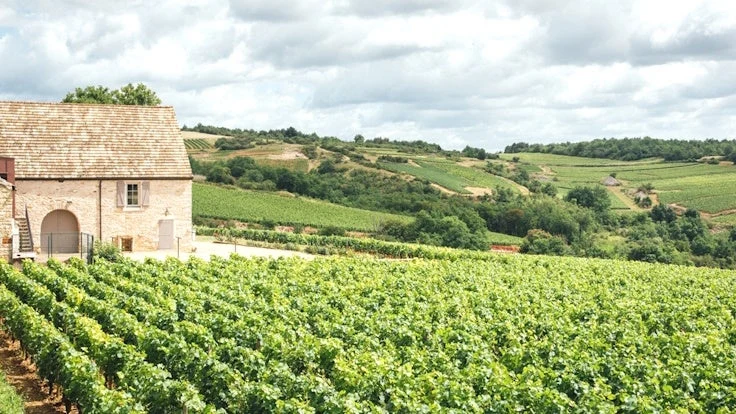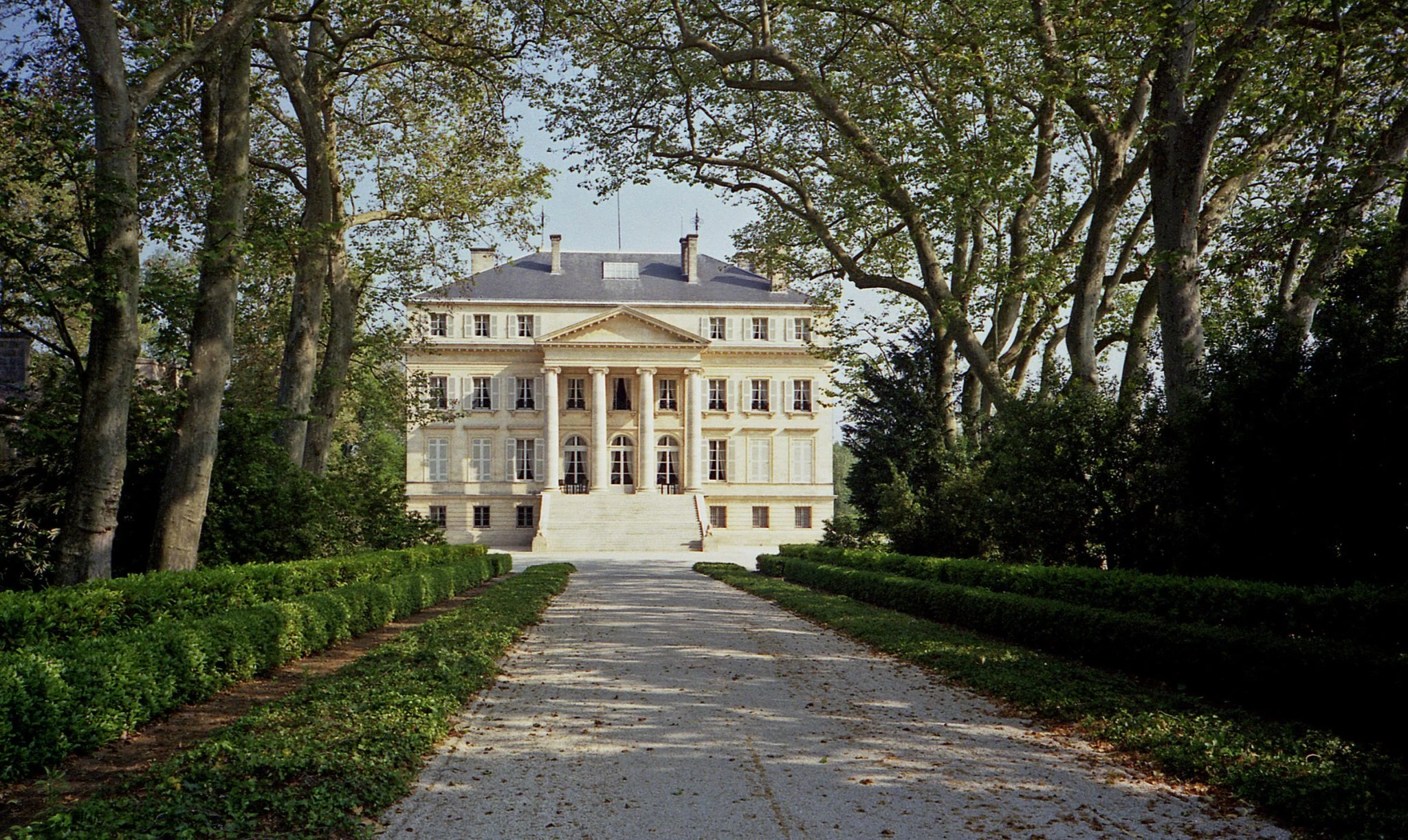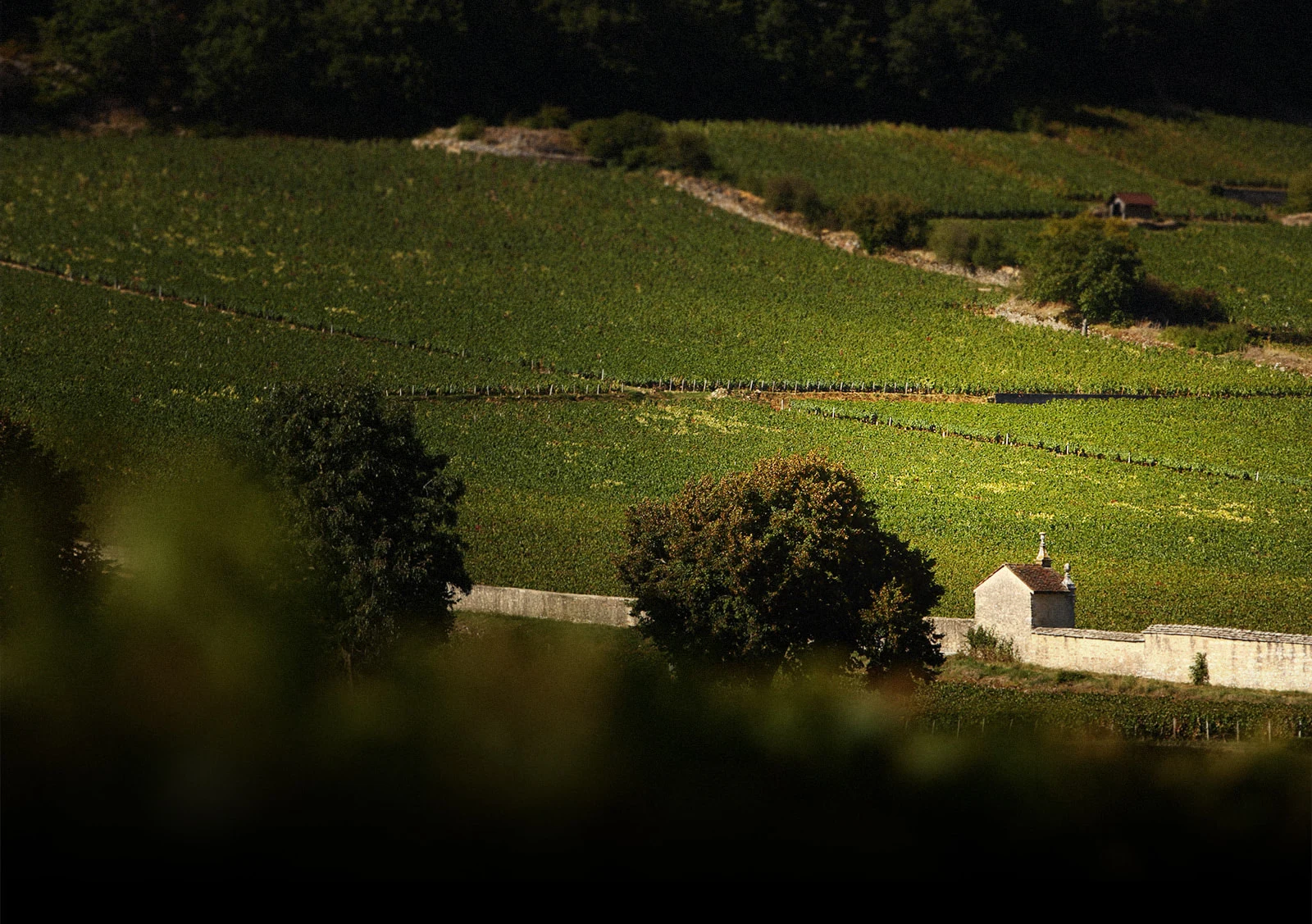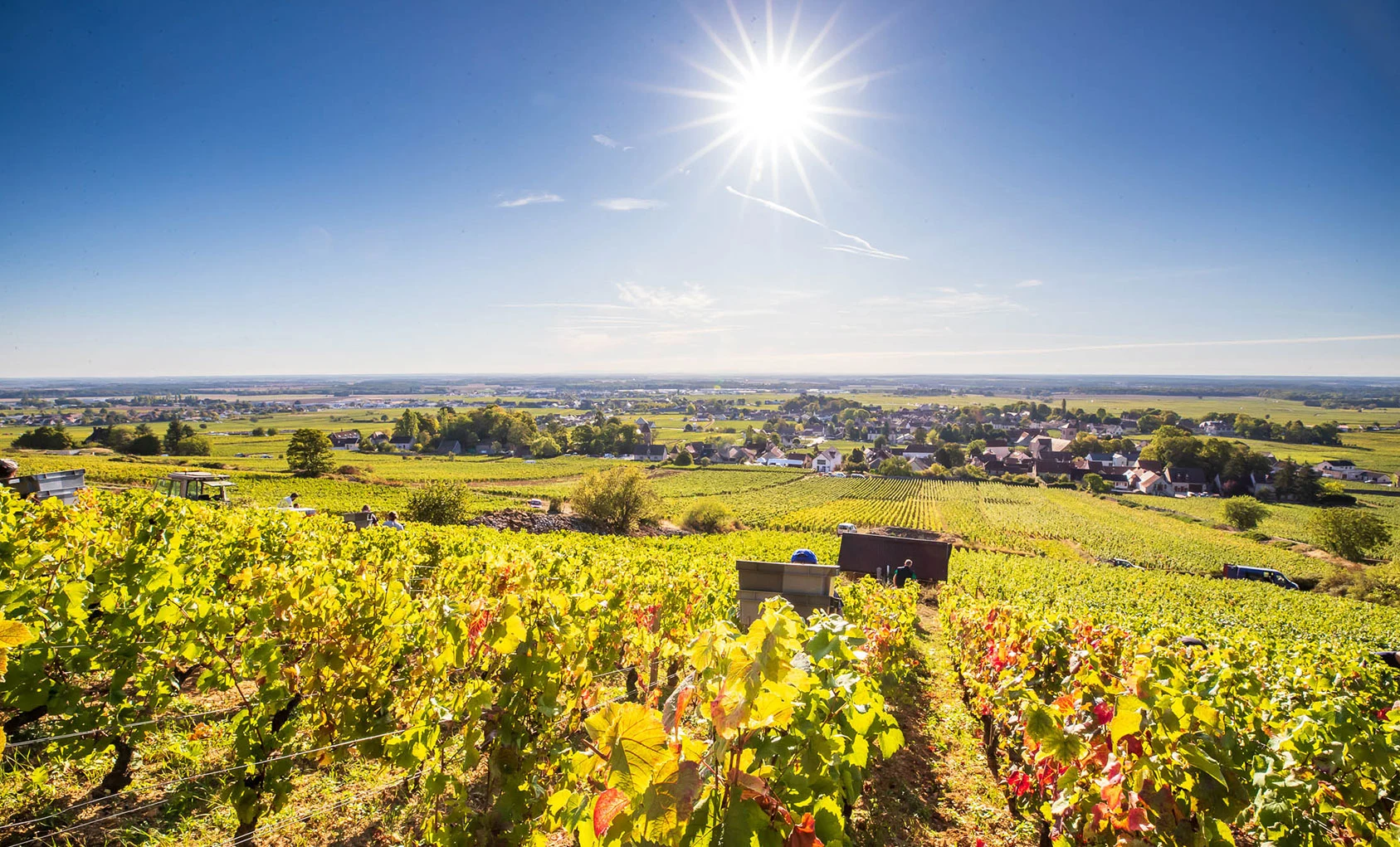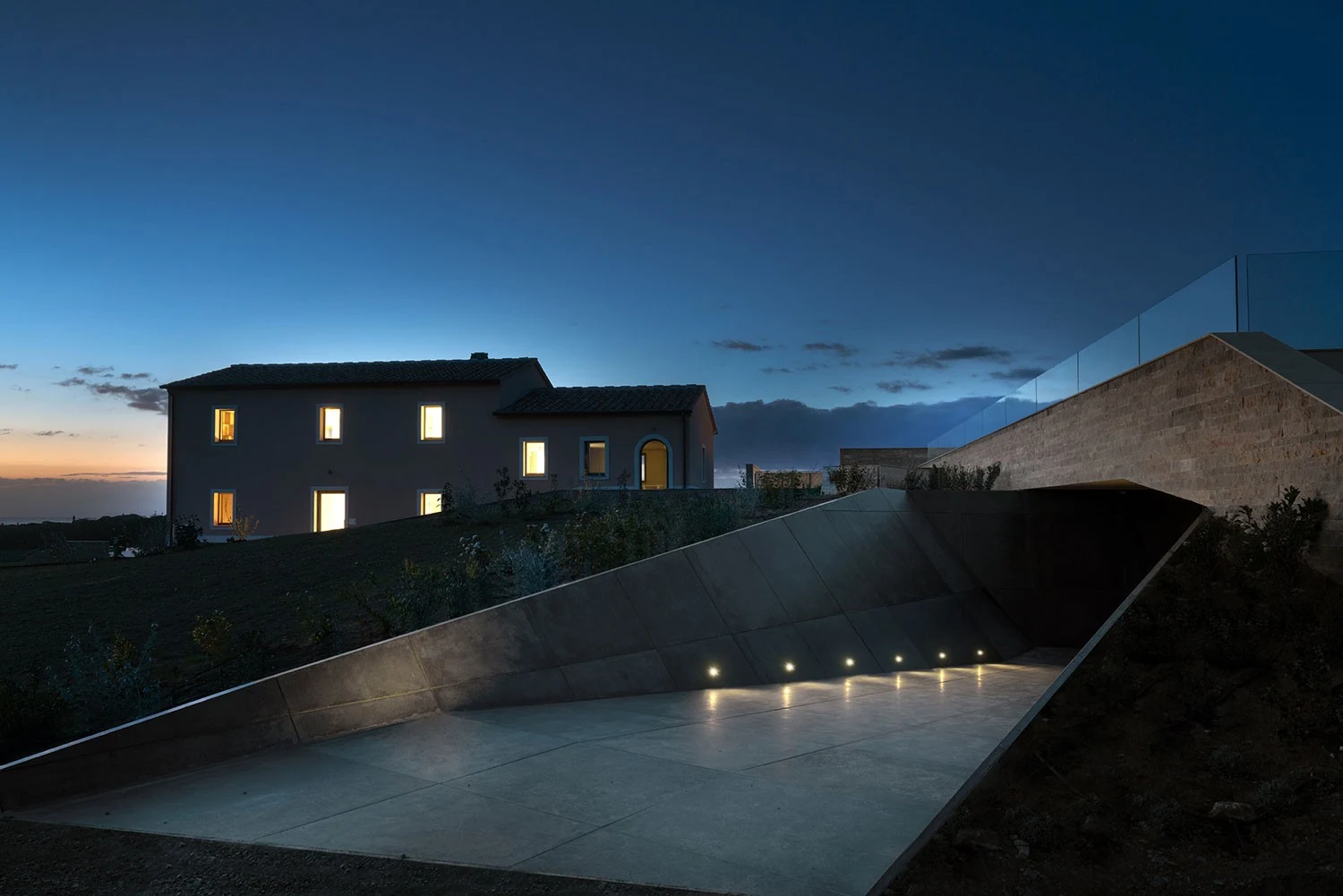
Domaine d'Auvenay in Village Bas, Saint-Romain pairs vineyard views with quiet cave tastings and estate grounds; 2026 Michelin 3 Grapes, biodynamic and organic.
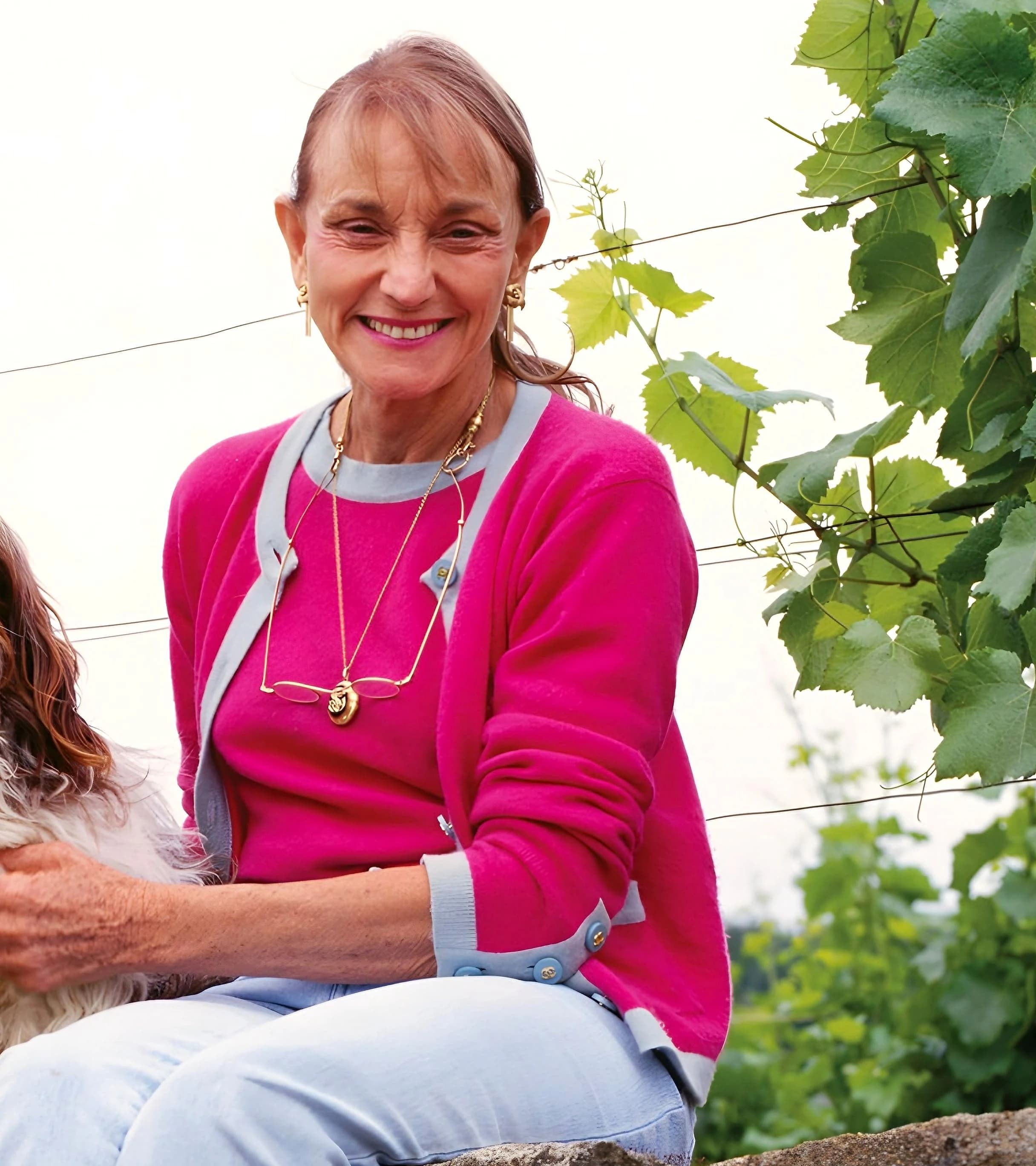
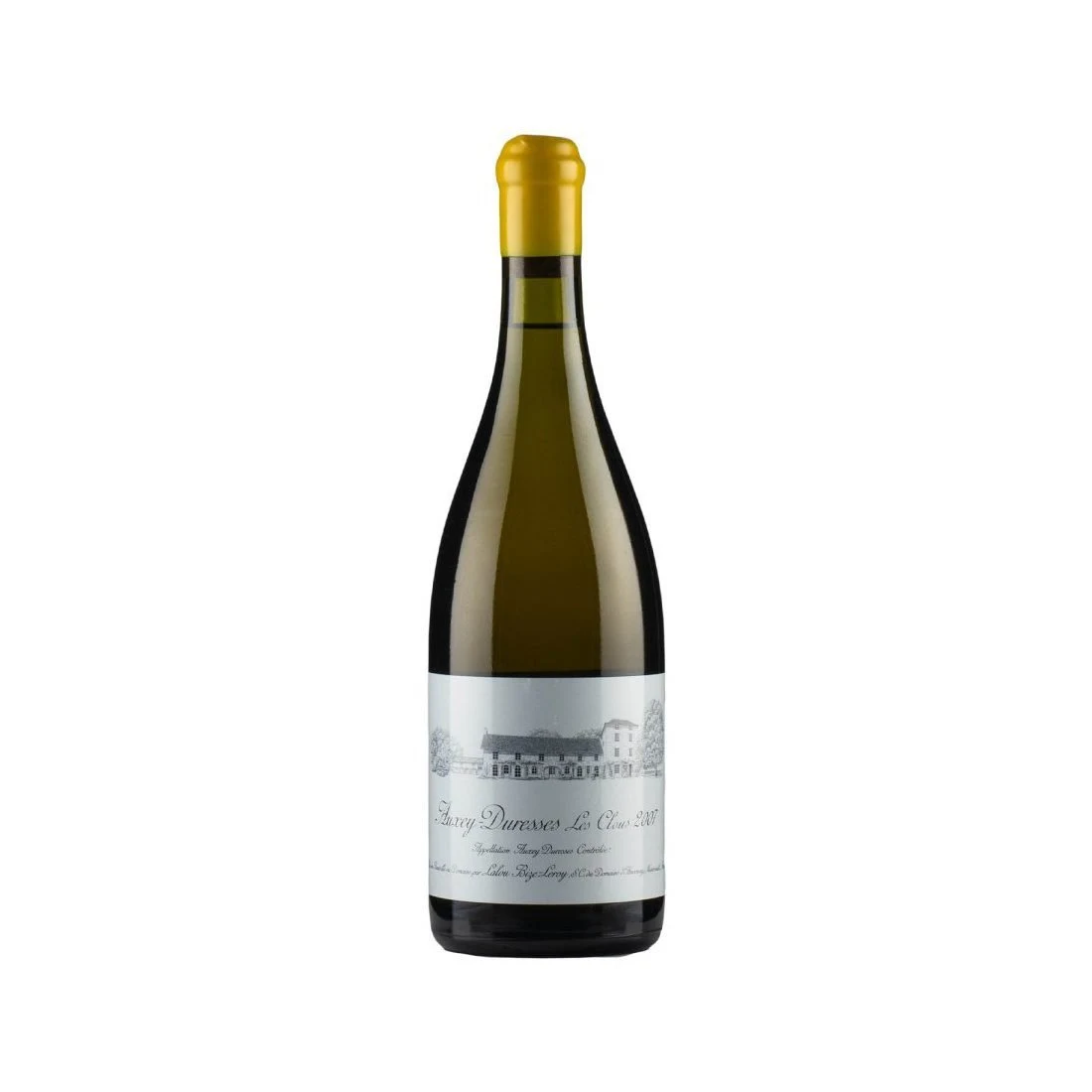
The Burgundian model of estate winemaking, domaine-bottling at the origin, vineyard-parcel identity, long élevage in oak, crystallized across the Côte d'Or through the postwar period, but few operations have practiced it at the technical intensity and allocative scarcity of Domaine d'Auvenay. Based in Saint-Romain, a village that sits just behind the slope of Meursault and Auxey-Duresses in the Côte de Beaune, the domaine operates as a separate entity from Domaine Leroy, though both are under the direction of Lalou Bize-Leroy, who has held the cellar since she founded the domaine in 1988, assembling holdings. The d'Auvenay name derives from the maiden name of Lalou Bize-Leroy's mother; the estate itself was assembled from parcels purchased incrementally across the 1980s and 1990s, with holdings now spanning some of the most scrutinized vineyard sites in Burgundy: Chevalier-Montrachet, Criots-Bâtard-Montrachet, Puligny-Montrachet Premier Cru Les Folatières, Meursault Premier Cru Les Gouttes d'Or, and Mazis-Chambertin, among others. Total production across all cuvées sits below 3,000 bottles per vintage, with certain single-vineyard bottlings, Chevalier-Montrachet, for instance, released in volumes of 200 to 300 bottles globally. The allocative structure is closed: no direct retail, no domaine visits, no walk-in sales. Distribution runs through a small global allocation list held by négociants and long-standing trade accounts, with bottles appearing on secondary markets at multiples of four to eight times the original release price, and occasionally higher for older vintages. The Bize-Leroy approach to Burgundian viticulture and vinification operates inside the biodynamic tradition codified by Domaine Leroy in the same period, but d'Auvenay parcels receive even more intensive manual intervention: no herbicides, no synthetic treatments, ploughing by horse in certain parcels, extremely low yields averaging 15 to 20 hectolitres per hectare (the Burgundy AOP ceiling for Grand Cru sits at 45 hl/ha, and even the most quality-focused producers rarely drop below 25 hl/ha). Harvest is by hand, with multiple sorting passes in the vineyard and again on sorting tables at the cellar. Fermentation for white cuvées is conducted in barrel, typically 100% new oak from François Frères, with no temperature control and no added yeast; the indigenous fermentation can run slowly, sometimes finishing only after several months. Élevage extends 18 to 24 months in barrel, with minimal racking and no fining or filtration before bottling. The resulting wines show an oxidative register in youth, a burnished gold color even at release, a phenolic grip unusual for white Burgundy, a closed, reductive nose that requires years or decades to open, and age along a curve more commonly associated with Grand Cru whites of an earlier generation, the 1960s and 1970s, when premature oxidation was not yet a widespread quality concern and when the house style across many leading domaines favored deeper extraction and longer time on lees. Lalou Bize-Leroy's lineage traces through the Leroy family négociant business, established in Auxey-Duresses in 1868 and expanded significantly under her father Henri Leroy, who also held a stake in Domaine de la Romanée-Conti from 1942 until his death in 1980. Lalou Bize-Leroy co-managed DRC alongside Aubert de Villaine from 1974 until her departure in 1991, a tenure that coincided with DRC's adoption of biodynamic protocols and its shift toward even lower yields and more rigorous sorting. The technical orientation she applied at DRC, severe crop thinning, late harvest dates, whole-cluster fermentation for reds, extended élevage, no compromise on parcel selection, carried directly into the Domaine Leroy project she launched in 1988 by acquiring the Charles Noëllat holdings, and then into Domaine d'Auvenay. The d'Auvenay holdings were assembled specifically for white Grand Cru and Premier Cru parcels, complementing the red-focused holdings of Domaine Leroy, and the viticulture and cellar protocols are functionally identical across both estates. The Bize-Leroy school of Burgundian winemaking now sits as a distinct lane within the wider biodynamic movement in the region, characterized by yields lower than even other biodynamic producers (Domaine de la Romanée-Conti, for comparison, averages 25 to 30 hl/ha; Domaine Leflaive under biodynamic conversion in the 1990s sat at 35 to 40 hl/ha), by an embrace of phenolic extraction and oxidative handling that most other white Burgundy producers have moved away from since the premox crisis of the early 2000s, and by an allocative model so restricted that d'Auvenay and Leroy bottlings function as much as collectibles and auction lots as they do as working wines on restaurant lists. The holdings break into two categories: Grand Cru whites and Premier Cru or village-level parcels. The Grand Cru whites, Chevalier-Montrachet (a parcel of roughly 0.11 hectares in Les Demoiselles), Criots-Bâtard-Montrachet (approximately 0.18 hectares), Bâtard-Montrachet (a holding acquired in the 1990s, roughly 0.10 hectares), represent the core of d'Auvenay's reputation. Chevalier-Montrachet, the most sought-after of the three, comes from one of the highest-elevation parcels in the climat, with rocky limestone soils and a steep southeast exposure that produces wines of extreme concentration and high acidity even in warm vintages. Criots-Bâtard-Montrachet, a smaller climat within Bâtard-Montrachet located at the border of Chassagne-Montrachet and Puligny-Montrachet, yields a slightly richer, more phenolic expression than Chevalier, with less overt minerality and more weight on the mid-palate. The Premier Cru holdings include Meursault Les Gouttes d'Or (approximately 0.23 hectares), a parcel on the slope above Meursault village that produces one of the domaine's more accessible wines in terms of both allocative availability and aging curve, and Puligny-Montrachet Premier Cru Les Folatières (roughly 0.13 hectares), a climat adjacent to Bâtard-Montrachet that shares some of the same limestone subsoil and drains similarly but lacks the Grand Cru designation. Village-level bottlings include a Meursault and an Auxey-Duresses, both in tiny quantities and rarely seen outside of long-standing allocation accounts. Red wine production is limited to a single cuvée, Mazis-Chambertin, from a small parcel in the Gevrey-Chambertin Grand Cru, vinified in the same whole-cluster, extended-élevage style as Domaine Leroy's red holdings. The technical signatures across all cuvées reflect the same cellar philosophy: barrel fermentation in 100% new oak, with fermentation temperatures allowed to rise naturally and often reaching 25°C or higher for whites, which is warmer than the standard Burgundian practice of chilled fermentation for Chardonnay. The high fermentation temperature, combined with extended time on lees and minimal stirring (bâtonnage is avoided entirely in certain vintages), produces a phenolic structure and a reductive character that distinguishes d'Auvenay whites from the more polished, fruit-forward style that has come to dominate white Burgundy since the late 1990s. The wines often show struck-match reduction, waxy lanolin textures, and a deep golden color even at release, characteristics that the premox-wary segment of the Burgundy market has learned to avoid, but which d'Auvenay has maintained as a deliberate stylistic choice. The aging curve is long, most bottlings require a minimum of 10 years before the phenolic grip softens and the fruit begins to re-emerge, and the Grand Cru cuvées can age for 30 years or more without decline. Older vintages from the 1990s, now appearing at auction with increasing frequency, show honeyed complexity, oxidative nuttiness, and a saline minerality that aligns more closely with aged Jura Chardonnay or with older white Burgundy from producers like Coche-Dury or Raveneau than with the typical profile of modern Grand Cru whites from Puligny or Chassagne. The pricing structure reflects this aging potential and the extreme scarcity: release prices for Chevalier-Montrachet sit around €3,000 per bottle at allocation, with secondary-market prices for the same wine reaching €8,000 to €12,000, and mature vintages from the 1990s trading at €15,000 or higher when they appear. Access to d'Auvenay is structured entirely through allocation. The domaine does not maintain a tasting room, does not accept visits, and does not sell directly to consumers. Allocation accounts are held by a small number of négociants in Burgundy, by select importers in major markets (the United States, the United Kingdom, Japan, and Hong Kong), and by a handful of high-end restaurants with long-standing relationships with the estate. Bottles released into allocation are typically pre-sold before they leave the cellar, and the waiting lists for new allocation slots are closed indefinitely. The secondary market functions as the only realistic access point for most buyers, with d'Auvenay bottlings appearing regularly at fine-wine auctions in London, New York, and Hong Kong. The auction market for d'Auvenay has remained stable even during broader corrections in Burgundy pricing, with Chevalier-Montrachet and Criots-Bâtard-Montrachet consistently achieving high hammer prices and low pass rates. The trade perception of d'Auvenay as a collectible rather than as a working wine, bottles purchased for cellar storage and eventual resale rather than for near-term drinking, has insulated the domaine's pricing from the broader premox concerns that have affected other top white Burgundy producers, though it has also narrowed the audience for the wines to a small segment of collectors and high-net-worth buyers willing to cellar bottles for a decade or longer before opening. The peer set for d'Auvenay sits at the intersection of two overlapping categories: ultra-low-production biodynamic estates, and allocative-scarcity collectible producers. In the first category, Domaine Leroy is the obvious comparison, with similarly low yields, similarly intense manual viticulture, and a similarly restricted allocative structure. Other biodynamic producers in Burgundy, Domaine Leflaive, Domaine Trapet, Domaine de la Vougeraie, operate at higher yields and with more open distribution, and their wines are more widely available on restaurant lists and in retail. In the second category, Domaine de la Romanée-Conti functions as the closest peer in terms of allocative scarcity, secondary-market pricing, and collectible status, though DRC's production is larger (roughly 6,000 to 8,000 bottles per cuvée for most Grand Cru reds, versus d'Auvenay's 200 to 1,500 bottles per cuvée across whites), and DRC's aging curve is less oxidative and more fruit-forward in style. Within the white Burgundy segment specifically, Coche-Dury in Meursault is the other major allocative-scarcity producer, with similarly closed distribution, similarly long aging curves, and similarly high secondary-market pricing, though Coche-Dury's cellar style is more reductive and less phenolic than d'Auvenay's, and the Coche-Dury holdings include more Premier Cru and village-level parcels relative to Grand Cru. Domaine Arnaud Ente, also in Meursault, operates at a similar production scale (roughly 2,000 to 3,000 bottles per vintage across all cuvées), but with a more fruit-forward, less oxidative cellar style and with distribution that includes some retail availability outside of strict allocation. The d'Auvenay position inside this peer set is defined by the combination of extreme scarcity, extreme technical intensity, and a deliberate embrace of oxidative aging protocols that most other top white Burgundy producers have moved away from. The critical reception of d'Auvenay is nearly unanimous at the top end of the fine-wine press, with consistent scores above 95 points from critics including Allen Meadows at Burghound, Antonio Galloni at Vinous, and Jancis Robinson, though the wines are noted for their closed, reductive character in youth and for requiring patience that many drinkers are unwilling to extend. The Bize-Leroy lineage, the connection to Domaine de la Romanée-Conti, the co-founding of Domaine Leroy, the biodynamic protocols that shaped both estates, adds a layer of historical prestige that reinforces d'Auvenay's position as one of the benchmark producers in Burgundy, though the extreme scarcity and the high secondary-market pricing have also made the wines inaccessible to all but a small segment of the market. The domaine's influence on the wider Burgundian winemaking community is more limited than that of Domaine Leroy or DRC, in part because the d'Auvenay model, sub-20-hl/ha yields, 100% new oak, oxidative handling, closed allocation, is financially unsustainable for most producers, and in part because the stylistic direction d'Auvenay has pursued runs counter to the broader trend in white Burgundy toward earlier bottling, less new oak, and more protective winemaking to avoid premature oxidation. The domaine's continued success in the auction market and its consistent critical acclaim suggest that a segment of the fine-wine market values the d'Auvenay approach as a deliberate counterpoint to the modern Burgundian style, even if that approach remains economically and technically out of reach for most working winemakers.
Village Bas, 21190 Saint-Romain
Saint-Romain
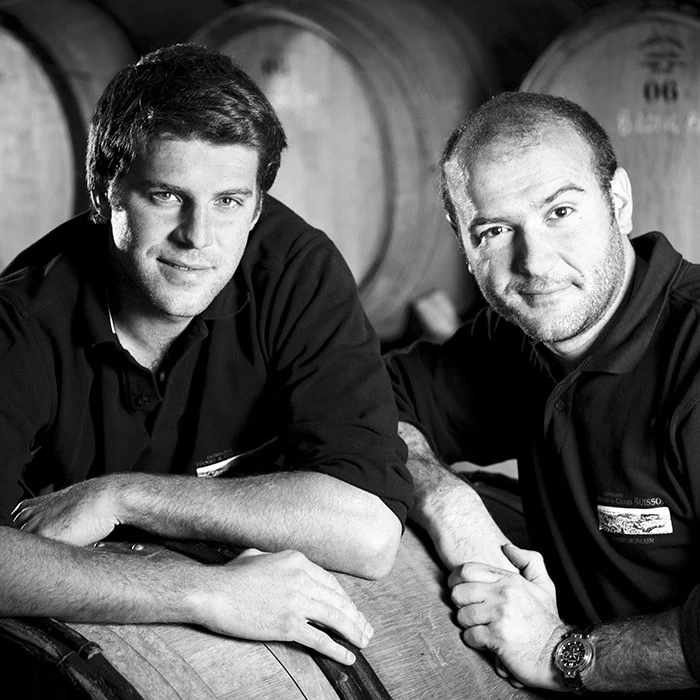
Domaine Henri & Gilles Buisson