Native yeast, measured Burgundy élevage
- Falstaff Winery - Listed · 2026
- Michelin 2 Grapes · 2026
- Pearl 4 Star Prestige · 2025
Pruning before the cellar
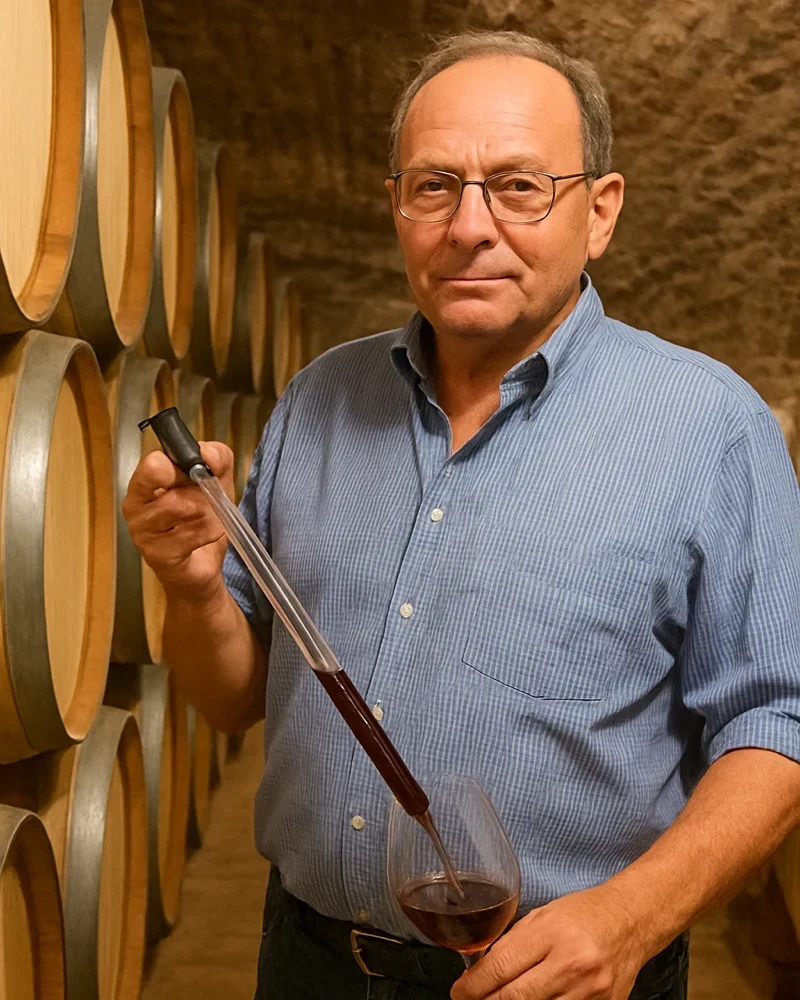
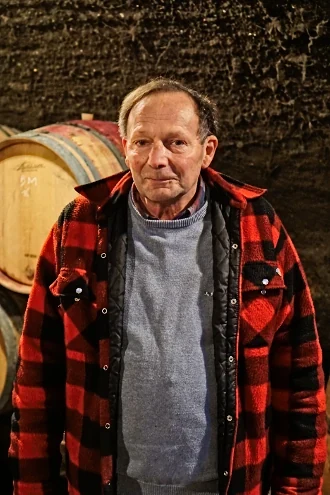
Guyot-Poussard pruning sets the first line before fruit reaches the cellar; Bruno Clair, winemaker at Domaine Bruno Clair in Marsannay-la-Côte, keeps that vineyard decision connected to the wines that follow. His role at the domaine is not split between grower and cellar hand. Farming, harvest choice, fermentation, aging and calibration sit in the same discipline, with Pinot Noir, Chardonnay and Aligoté treated as the estate vocabulary rather than as separate performances.
The domaine works across 27 hectares in Burgundy, a scale broad enough to carry range and small enough for decisions to remain close to the parcels. Clair’s authorship is in the sequence: sustainable and organic methods in the rows, ambient fermentations in the cellar, considered oak, patient élevage. Precision matters more here than display. The estate is known for Burgundy shaped through site expression, with Pinot Noir most closely associated with Clair’s hand, but the method does not ask one bottle to stand for the whole house.
Native yeast and measured oak
The white-wine work begins with ambient yeast fermentation, then moves into 16 to 18 months on the lees in foudres and barrels. New oak stays within 0 to 25%, a frame rather than a signature. The choices keep Chardonnay and Aligoté in contact with time and texture without letting wood overtake the line of the wine.
For the reds, Clair works with 20 to 50% whole-cluster fruit, ambient yeast fermentation and punch-downs. Barrel aging runs 18 to 20 months, with new oak ranging from 20 to 50%. Those figures give the cellar its grammar: stems as structure when the fruit can carry them, native fermentation as a link to the parcel, extraction by the hand rather than by force, and élevage long enough for the wines to settle. The method is intervention, but controlled intervention. It keeps soil, fruit and aging in order.
Limestone under a quiet house
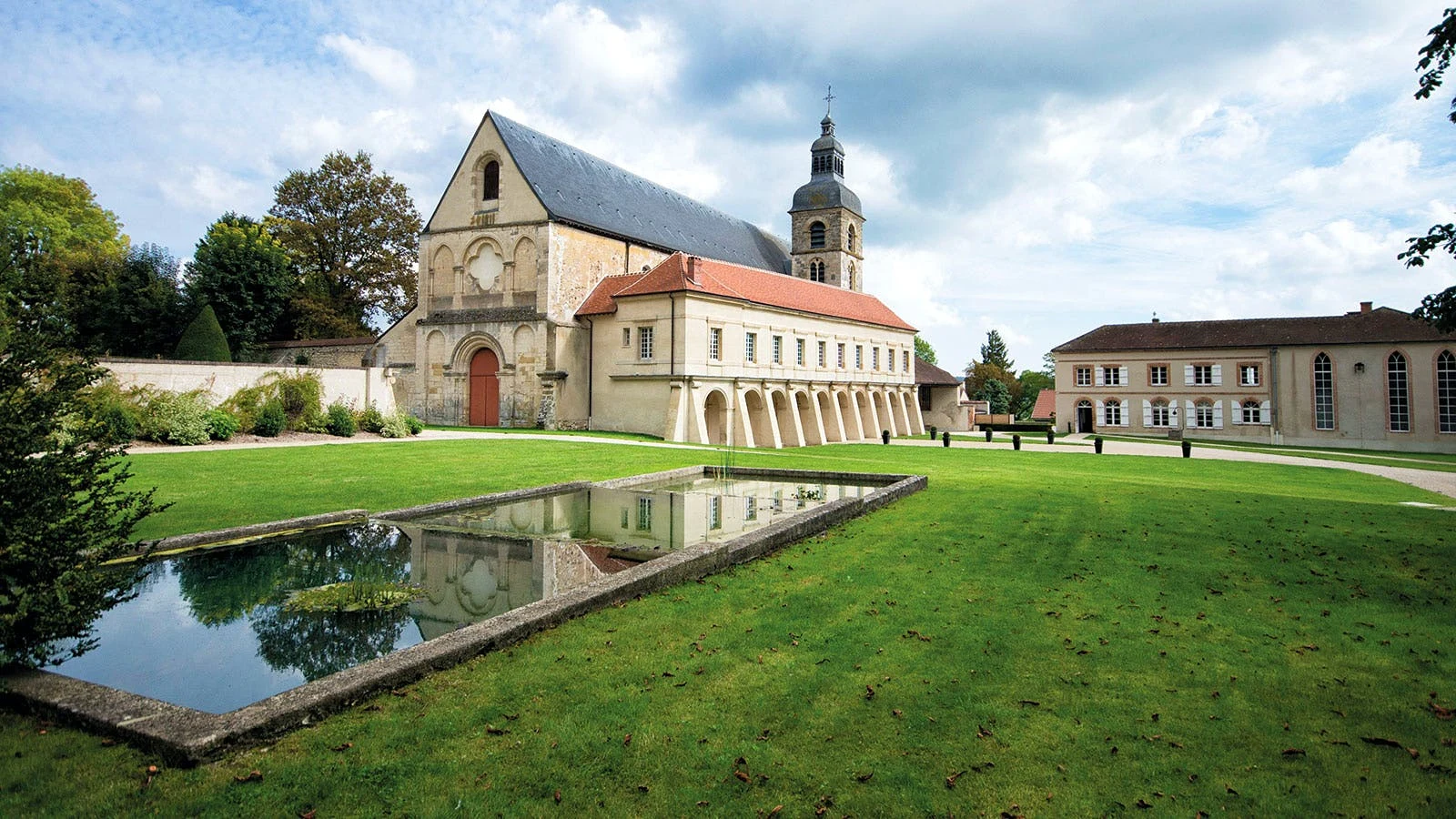
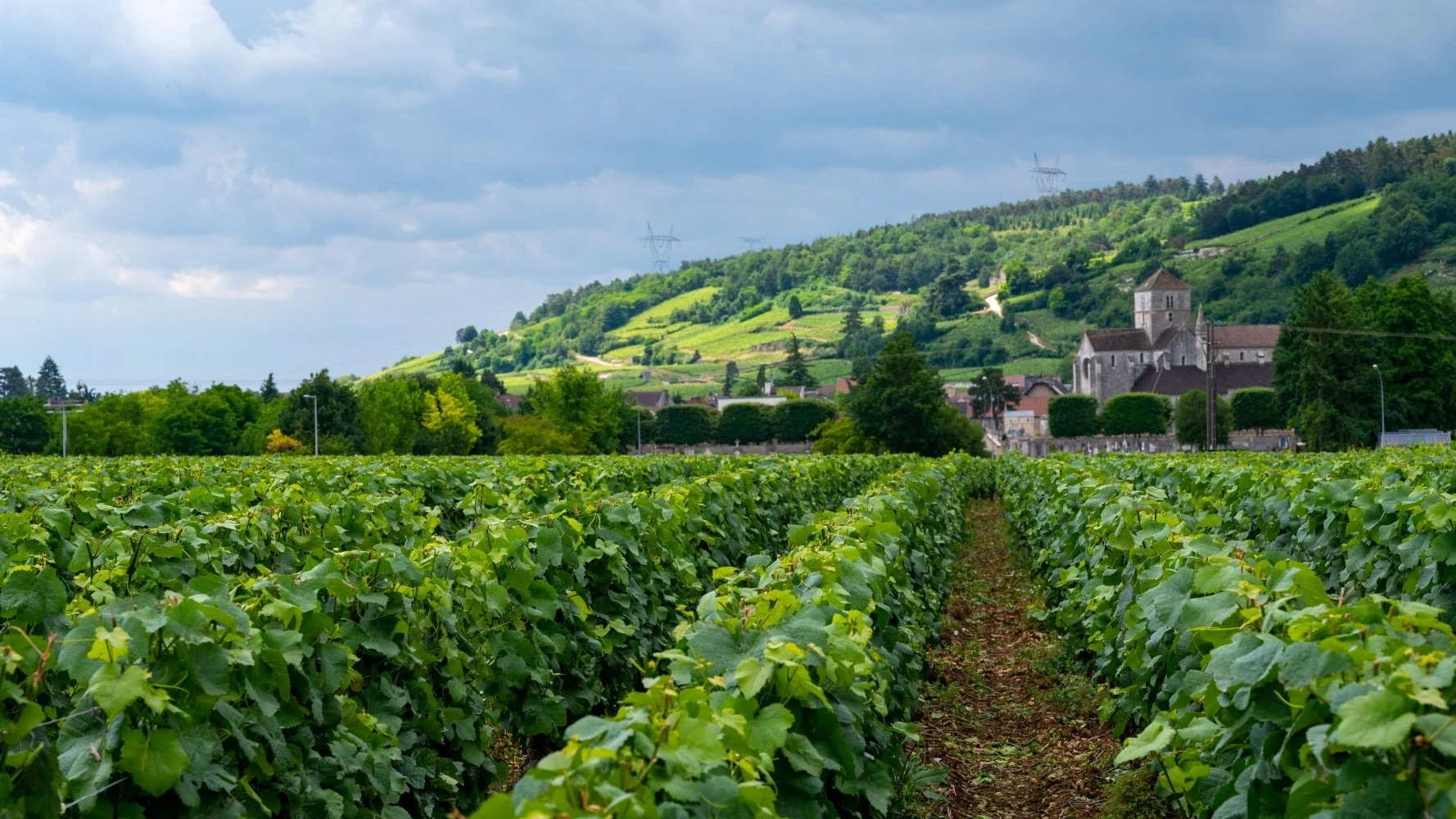
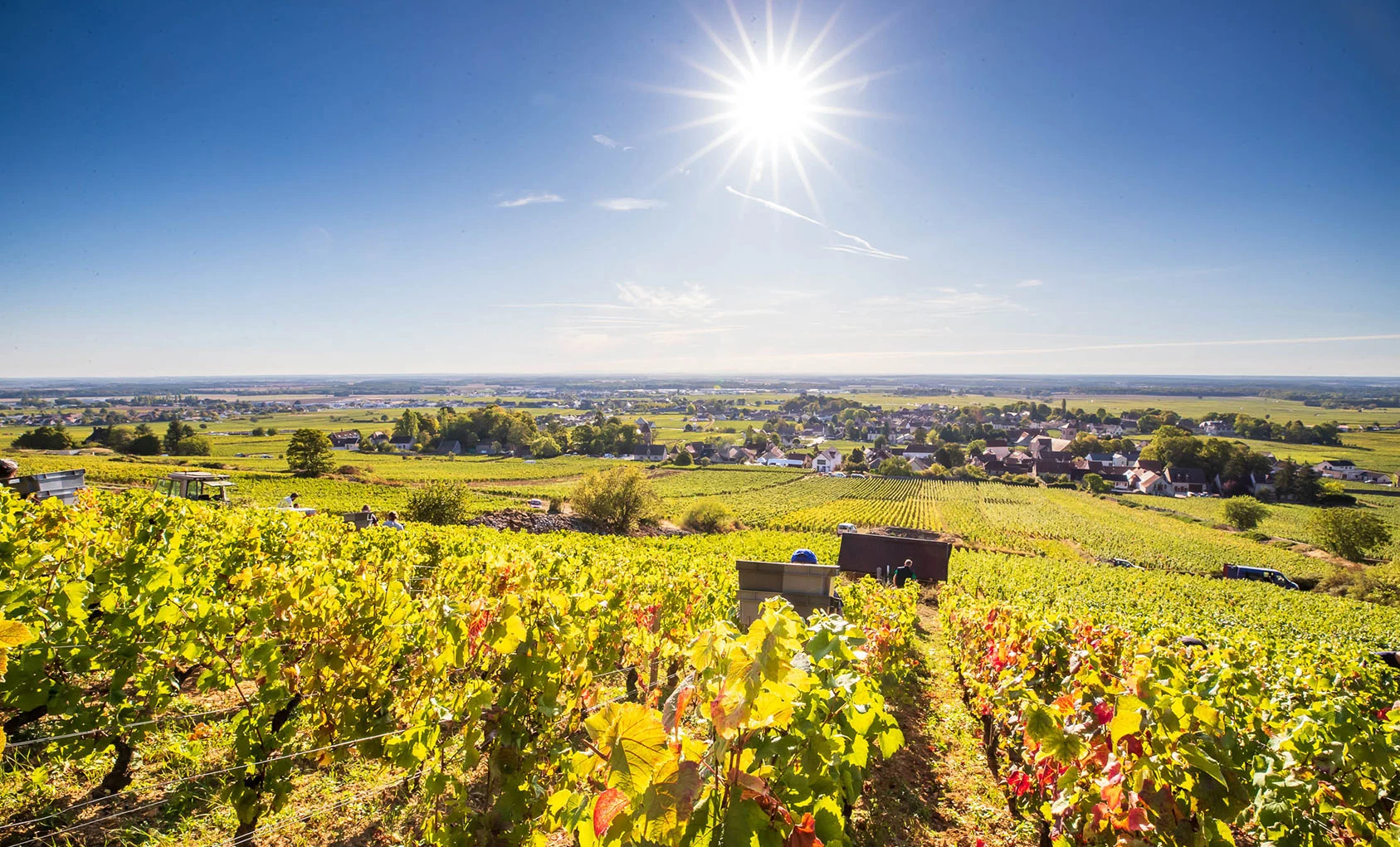
The work takes place in Marsannay-la-Côte, where vineyards and cellars sit with limestone bedrock as part of the estate’s physical register. The room around the wines is quiet, refined in the Burgundian sense: not polished for spectacle, but arranged around finesse, minerality and balance. The cellar does not need to announce its seriousness. Foudres, barrels, lees, stems and punch-downs do that work.
In the vineyard, no plowing between rows, manure soil treatments and cover crops keep soil management inside the winemaking conversation. These are not background tasks. They shape the fruit before fermentation begins and keep the hands in the same argument from pruning to élevage.
Site before excess
Recognition has placed Domaine Bruno Clair in conversation with Bonnes-Mares and Chambertin-Clos-de-Bèze, and Clair’s work holds breadth and restraint together. The estate’s current line is still built from the same materials, Pinot Noir, Chardonnay, Aligoté, ambient yeast, measured oak, and the 27 hectares that give Domaine Bruno Clair its range.
Questions
Frequently asked
Who makes the wines at Domaine Bruno Clair?
Bruno Clair is the winemaker at Domaine Bruno Clair in Marsannay-la-Côte, and his work connects vineyard decisions, fermentation and ageing in one discipline.
What grapes are used here?
The estate works with Pinot Noir, Chardonnay and Aligoté.
How are the wines made?
The domaine uses sustainable and organic methods in the vineyard, ambient fermentations in the cellar and considered oak during patient élevage. The white wines ferment with ambient yeast and spend 16 to 18 months on the lees in foudres and barrels, while the reds use 20 to 50% whole-cluster fruit, ambient yeast fermentation, punch-downs and 18 to 20 months of barrel ageing.
What is Domaine Bruno Clair known for?
It is known for Burgundy shaped through site expression, with Pinot Noir most closely associated with Clair’s hand.
How does a visit work?
Visits are by appointment only, and the address is 5 Rue du Vieux Collège, 21160 Marsannay-la-Côte. On-site parking is available, and the dress code is smart casual.
The field
How it compares
| Place | Notes | Awards |
|---|---|---|
| Domaine Bruno Clair | Marsannay-la-Côte, $$$ | · |
| Dom Pérignon | Hautvillers | · |
| Domaine Coillot Bernard Père et Fils | Marsannay-la-Côte | · |
| Domaine Comte Georges de Vogüé | Chambolle-Musigny | · |
| Domaine du Château de Marsannay | Marsannay-la-Côte | · |
| Domaine Jean Fournier | Marsannay-la-Côte | · |
| Ridge Vineyards | Cupertino | World's 50 Best |