Made ByWinery
- Michelin Main Selection · 2026
- Falstaff Winery - Listed · 2026
- Pearl 2 Star Prestige · 2025
The Sunday letter
Find new places through the people who run them.
Our Sunday email brings you the chefs, winemakers and hoteliers behind our newest stories. See a sample before you subscribe.
See a sample of the Sunday emailOne email a week. Unsubscribe from any issue.
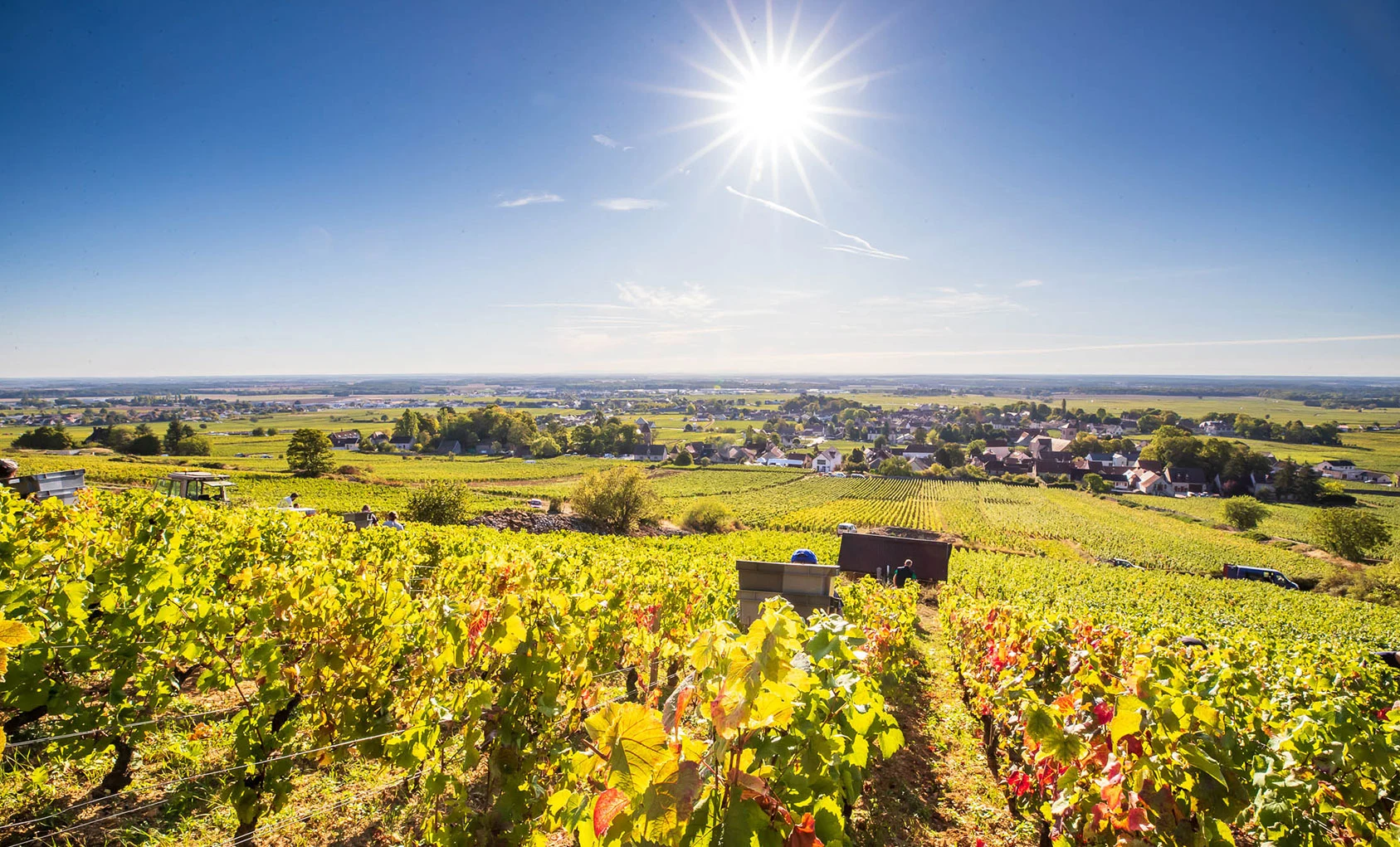
Marsannay operates inside Burgundy's recognized appellation structure as the northernmost AOP of the Côte d'Or, and the only commune in the region granted appellation status for red, white, and rosé production across a single terroir. The village sits at the technical and commercial threshold between the Côte de Nuits grand cru belt and the broader Bourgogne AOP umbrella, a position that has historically placed Marsannay producers in the role of accessible entry-point rather than cellar investment. Domaine Sylvain Pataille, working from estate parcels across 15 hectares and operating as a négociant-éleveur on selected purchased fruit, has since 1999 represented a counter-argument to that accessibility frame: a producer willing to extract grand cru discipline from village-level fruit and to price the resulting cuvées into the Côte de Nuits peer set rather than into the Bourgogne tier below.
The domaine was founded in 1999 by Sylvain Pataille, a trained oenologist who completed formal studies at the University of Dijon before working harvest and cellar positions across multiple Côte d'Or estates in the late 1990s. That training sequence, formal viticulture and winemaking credentials followed by working apprenticeship inside established domaines, is the standard transmission path for the post-1990 generation of Burgundy producers who entered the field without inherited vineyard holdings. Estate holdings were assembled gradually over the subsequent decade, with the domaine reaching its current 15-hectare footprint by the early 2010s. The holdings are split across Marsannay AOP (the majority), Gevrey-Chambertin AOP, and small parcels in Bourgogne Côte d'Or. That geographic spread, anchored in Marsannay but reaching into the premier and grand cru villages to the south, structures the domaine's output as a working study in terroir gradation within a single winemaking protocol.
The cellar protocol at Domaine Sylvain Pataille is built on extended skin maceration and whole-cluster fermentation at percentages higher than the Côte de Nuits baseline. Typical red-wine fermentations run 21 to 28 days on skins, with whole-cluster inclusion ranging from 30% to 100% depending on vintage ripeness and stem lignification. The Marsannay rosé, the only rosé bottling in the portfolio and one of fewer than ten rosés bottled by serious Côte d'Or domaines, is produced by saignée rather than by direct press, with 12 to 18 hours of skin contact before bleeding off the free-run juice. That saignée method is the traditional Burgundy rosé protocol but has largely fallen out of favor among volume producers in favor of direct press, which yields lighter color and softer structure. Pataille's continued use of saignée positions the Marsannay rosé as a red-wine analog rather than as a blanc-adjacent cuvée, with tannin presence and cellar-aging potential closer to a light red than to a rosé d'été.
Oak regimes across the reds follow the modern Burgundy consensus: 15% to 25% new French oak for village-level cuvées, 30% to 40% new oak for premier cru and lieu-dit bottlings, with total élevage running 14 to 18 months before bottling. The domaine does not practice bâtonnage (lees-stirring) on the reds, a restraint that aligns with the current Côte de Nuits school and distinguishes Burgundy red protocol from Côte de Beaune white protocol, where weekly bâtonnage is standard. Fining and filtration are minimal; most cuvées are bottled unfined and unfiltered after a single racking, a practice that has become the mark of quality-focused Burgundy production since the mid-2000s but remains uncommon among village-level domaines operating at commercial scale.
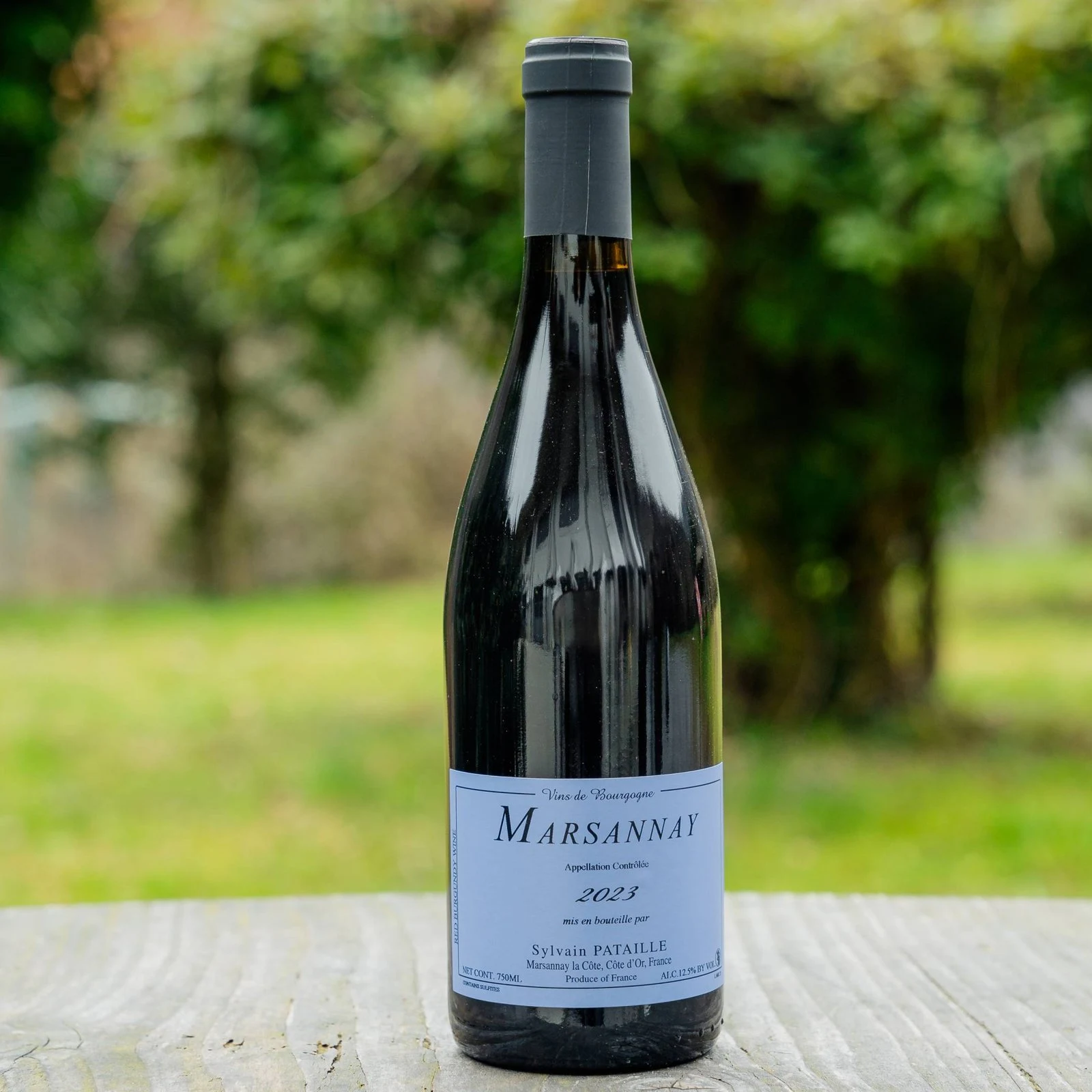
The domaine's output structure is organized around single-vineyard and lieu-dit bottlings rather than around village-level blends. The Marsannay holdings are divided into six separate cuvées, each named for its specific parcel: Les Longeroies, Les Champs-Salomon, Clos du Roy, Les Grasses Têtes, En Montchenevoy, and Aux Genelières. That lieu-dit-level granularity is standard practice among the top-tier Côte de Nuits grand cru producers but rare in Marsannay, where most domaines bottle a single village-level red and a single village-level white. The resulting range, six Marsannay reds, one Marsannay rosé, one Marsannay white, plus Gevrey-Chambertin and Bourgogne cuvées, positions Domaine Sylvain Pataille as the most terroir-focused producer operating inside the Marsannay AOP. The trade-off is commercial complexity: six separate SKUs inside a single village appellation fragment the domaine's production volume and require the buyer (whether importer, sommelier, or private collector) to learn the stylistic and structural distinctions between parcels that sit within a few hundred meters of one another.
The Gevrey-Chambertin holdings are split between village-level parcels and a single premier cru parcel in Au Closeau. The premier cru bottling, fewer than 1,000 bottles per vintage, is the domaine's highest-priced cuvée and the clearest signal of Pataille's ambition to sit inside the Côte de Nuits premier and grand cru peer set rather than inside the Marsannay village tier. The Au Closeau parcel borders Clos Saint-Jacques, widely considered the finest premier cru site in Gevrey-Chambertin and often priced above grand cru Chambertin itself. That proximity is not merely geographic; the soil profile and drainage pattern of Au Closeau are continuous with Clos Saint-Jacques, and the two sites share the same eastward slope and altitude band. The resulting wine is structured red, high-acid, built for 15 to 20 years of cellar aging. It reads as a junior version of the Clos Saint-Jacques archetype rather than as a village Gevrey, and is priced accordingly: release prices for the Au Closeau cuvée sit closer to €80 to €100 per bottle, well above the €30 to €50 range typical of village Gevrey and inside the lower band of premier cru pricing.
Annual production across the domaine is approximately 60,000 bottles, split roughly 80% red, 15% white, and 5% rosé. That production volume places Domaine Sylvain Pataille in the middle tier of Burgundy estate domaines, well above the 10,000- to 20,000-bottle micro-domaines that define the top of the quality pyramid, but well below the 150,000- to 300,000-bottle production volumes of the large négociant-éleveurs (Faiveley, Drouhin, Jadot) who dominate Burgundy's export markets. The domaine's scale is large enough to support year-round distribution through importers in the United States, the United Kingdom, and Northern Europe, but small enough that individual cuvées, particularly the lieu-dit Marsannays and the Au Closeau premier cru, sell out within the first 12 months of release.
Distribution structure at Domaine Sylvain Pataille follows the standard Burgundy three-tier model: the domaine sells to importers, importers sell to distributors or directly to retail accounts, and final allocation is controlled by the importer rather than by the domaine. The United States importer is Kermit Lynch Wine Merchant, the Berkeley-based operation that has represented many of the defining natural-wine and low-intervention domaines in Burgundy, the Rhône, and the Loire since the 1970s. That importer relationship is itself a trade signal: Kermit Lynch's portfolio is heavily curated, with fewer than 150 producers across all of France, and inclusion in the portfolio functions as a peer-recognition marker inside the trade. The domaine does not operate an allocation list directly to private buyers or restaurant accounts; all B2B sales are routed through the importer network, and retail access is determined by the importer's allocation protocol rather than by domaine-level waiting lists.
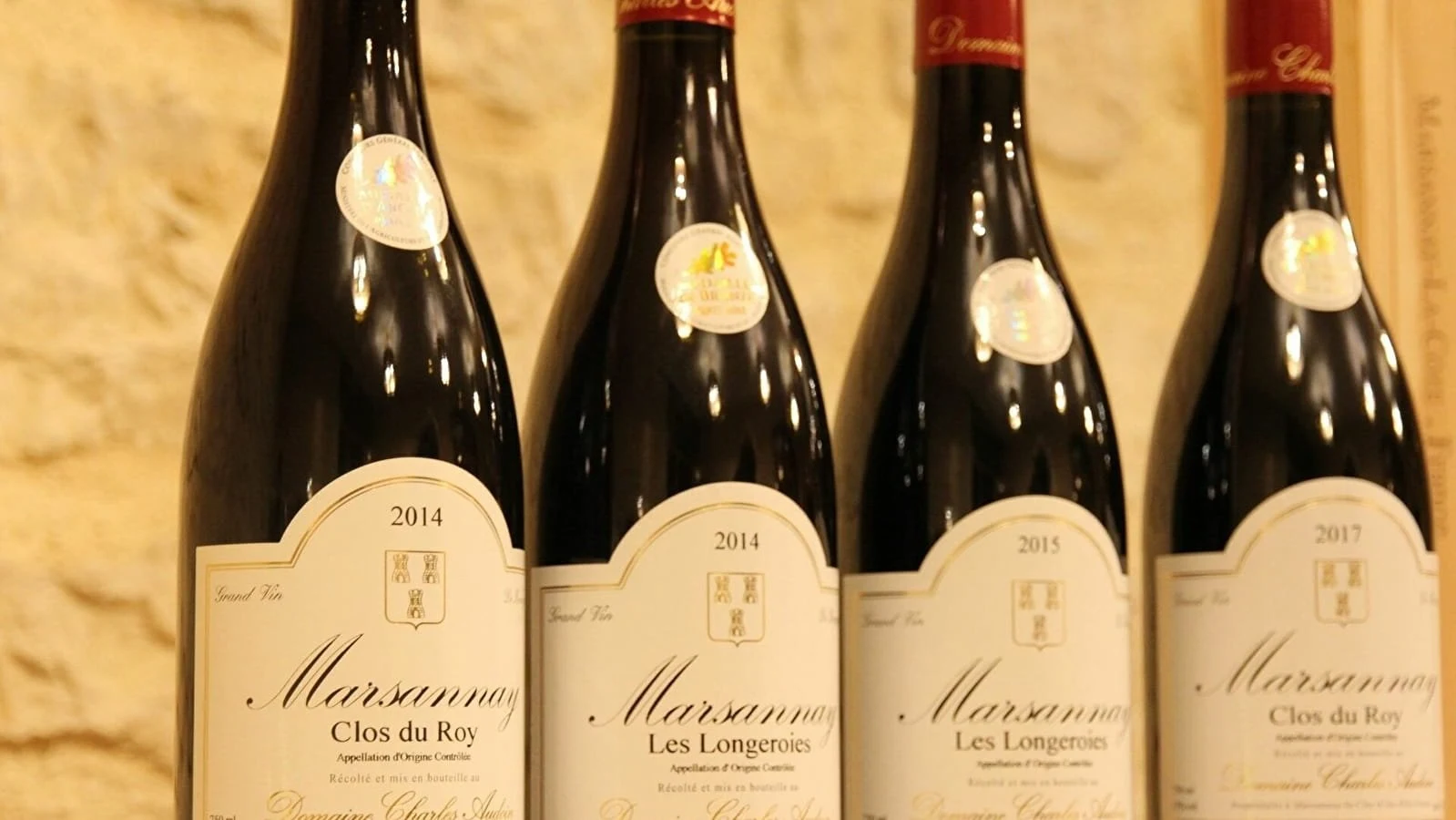
Marsannay as an appellation has historically sat outside the Burgundy quality conversation. The village was granted AOP status only in 1987, decades after the Côte de Nuits grand cru villages to the south, and the appellation's boundaries include flatland parcels and higher-slope parcels that would not qualify for village-level status in Gevrey-Chambertin or Chambolle-Musigny. The result is a wide quality spread within the appellation, with some producers bottling industrial-volume Marsannay at €12 to €15 per bottle and others, Domaine Sylvain Pataille, Domaine Bruno Clair, Domaine Bart, Domaine Charles Audoin, bottling lieu-dit and single-vineyard cuvées at €30 to €50. That bifurcation is unusual in Burgundy, where appellation boundaries typically correlate more tightly with price bands. The Marsannay AOP functions as two separate appellations in practice: a volume tier selling into the same market as Bourgogne AOP, and a quality tier priced and distributed alongside village-level Gevrey-Chambertin and Chambolle-Musigny.
Domaine Sylvain Pataille sits firmly in the quality tier and has been a driver of the appellation's gradual revaluation over the past two decades. The domaine's lieu-dit bottlings, particularly Clos du Roy and Les Longeroies, are consistently reviewed in trade publications (Burghound, Vinous, Wine Advocate) at scores of 89 to 92 points, a range that overlaps with premier cru Gevrey-Chambertin and village-level Chambolle-Musigny. That scoring convergence has allowed Pataille and a small peer set of Marsannay producers to justify pricing their wines into the Côte de Nuits village tier rather than into the Bourgogne tier, a shift that has gradually pulled the appellation's reputation upward. The trade press now references Marsannay in the same sentence as Fixin and Savigny-lès-Beaune, historically overlooked appellations at the northern and southern ends of the Côte d'Or that have seen similar revaluation over the past 20 years.
The rosé bottling at Domaine Sylvain Pataille deserves separate attention. Marsannay is the only Côte d'Or appellation with AOP status for rosé, and the village's rosé tradition dates to the 19th century, when local producers bottled saignée rosé as a way to concentrate their red-wine fermentations while monetizing the bled-off juice. That practice fell out of favor in the mid-20th century as Burgundy's reputation shifted toward age-worthy reds and grand cru whites, and by the 1980s fewer than a handful of Marsannay producers were bottling rosé at all. Pataille's decision to continue the tradition, and to price the rosé at €20 to €25 per bottle, well above the €10 to €15 range typical of Provence rosé, positions the cuvée as a historical reference rather than as a summer-picnic wine. The rosé is structured for the table rather than for the aperitif, with tannin presence and acid drive that allow it to pair with charcuterie, pâté, and roast chicken in the same way a light red would. That positioning is uncommon in the broader rosé category, where most producers target the aperitif occasion and design the wine accordingly (lower alcohol, lower tannin, residual sugar for balance). Pataille's rosé reads as a Burgundy red in rosé form, and the trade has largely accepted that framing: the cuvée is regularly listed on serious wine programs and appears in sommelier competitions as a pairing option for poultry and charcuterie courses.
The domaine's white-wine production is limited to a single Marsannay Blanc cuvée and a Bourgogne Aligoté. The Marsannay Blanc is Chardonnay from estate parcels in the lower-slope sectors of the appellation, fermented and aged in 20% new oak for 12 months. The style is restrained and high-acid, closer to Chablis than to Meursault, with minimal lees contact and no bâtonnage. That protocol is the inverse of the Côte de Beaune white-wine school, where weekly lees-stirring and 18 to 24 months of élevage are standard, and the resulting wine reads as lean and mineral-driven rather than as rich and textured. The Aligoté, Burgundy's secondary white grape, planted primarily in the Côte Chalonnaise and in Bouzeron AOP, is bottled as a Bourgogne AOP cuvée rather than as a village-level wine, a designation that reflects the grape's second-tier status in Burgundy's varietal hierarchy. Pataille's Aligoté is fermented in stainless steel and bottled after six months, a quick turnaround that preserves the grape's characteristic high acidity and citrus-peel aromatics. The cuvée is priced at €15 to €18 per bottle, the lowest-priced wine in the domaine's range and the only bottling designed for early consumption rather than for cellar aging.
Access to Domaine Sylvain Pataille's wines is structured through the three-tier importer system described above. Retail availability in the United States is concentrated in major markets (New York, San Francisco, Los Angeles, Chicago) and in wine-focused independent retailers rather than in grocery or big-box chains. Restaurant placement is similarly concentrated, with the domaine's cuvées appearing primarily on serious wine programs rather than on neighborhood-bistro lists. That distribution pattern is typical of quality-focused Burgundy domaines operating at the 60,000-bottle scale: large enough to support consistent importer relationships, but too small to achieve broad retail penetration. Private buyers without access to a well-curated retail account typically source Domaine Sylvain Pataille wines through online retailers or through direct relationships with Kermit Lynch-aligned shops. The domaine does not sell directly to consumers and does not operate a tasting room or cellar-door sales program, a protocol that is standard among Burgundy estate domaines and reflects the region's historical orientation toward the trade rather than toward wine tourism.
Questions
Frequently asked
Who works at Domaine Sylvain Pataille?
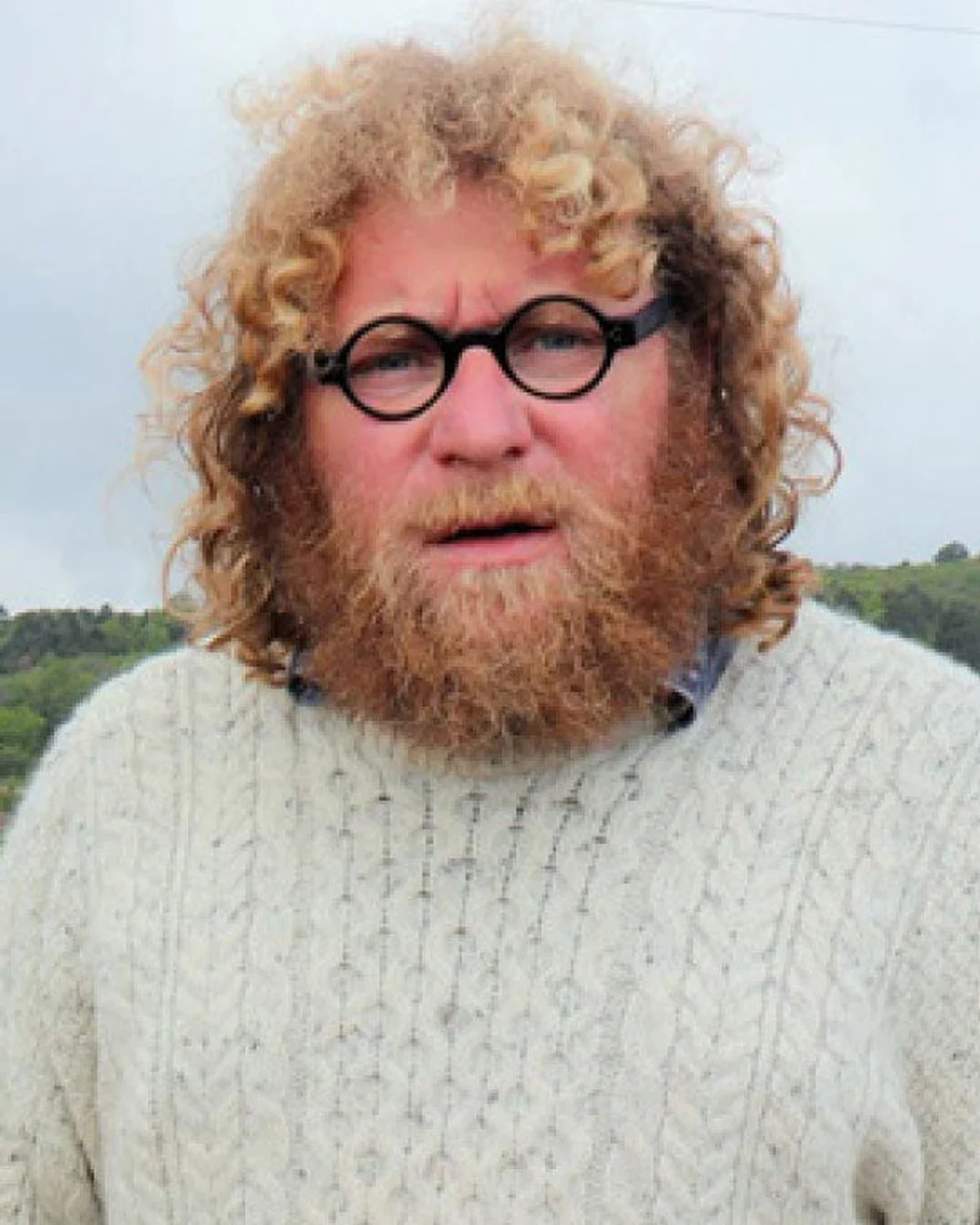
Made By profiles Sylvain Pataille (Winemaker) at Domaine Sylvain Pataille.
How expensive is Domaine Sylvain Pataille?
Domaine Sylvain Pataille is listed at a price level of $$$.
The field
How it compares
| Place | Notes | Awards |
|---|---|---|
| Domaine Sylvain Pataille | Marsannay-la-Côte, $$$ | · |
| Domaine Bruno Clair | Marsannay-la-Côte | · |
| Domaine Charles Audoin | Marsannay-la-Côte | · |
| Domaine Coillot Bernard Père et Fils | Marsannay-la-Côte | · |
| Domaine du Château de Marsannay | Marsannay-la-Côte | · |
| Domaine Jean Fournier | Marsannay-la-Côte | · |
| Ruinart | Reims | World's 50 Best |
In residence
Similar places
The Sunday letter
Get the next Made By story in your inbox.
We send one email every Sunday morning with the places and people we covered that week.
See a sample of the Sunday emailOne email a week. Unsubscribe from any issue.