Winemaker
Sylvain Pataille
Winemaker, Domaine Sylvain Pataille
- Discipline
- Winemaker
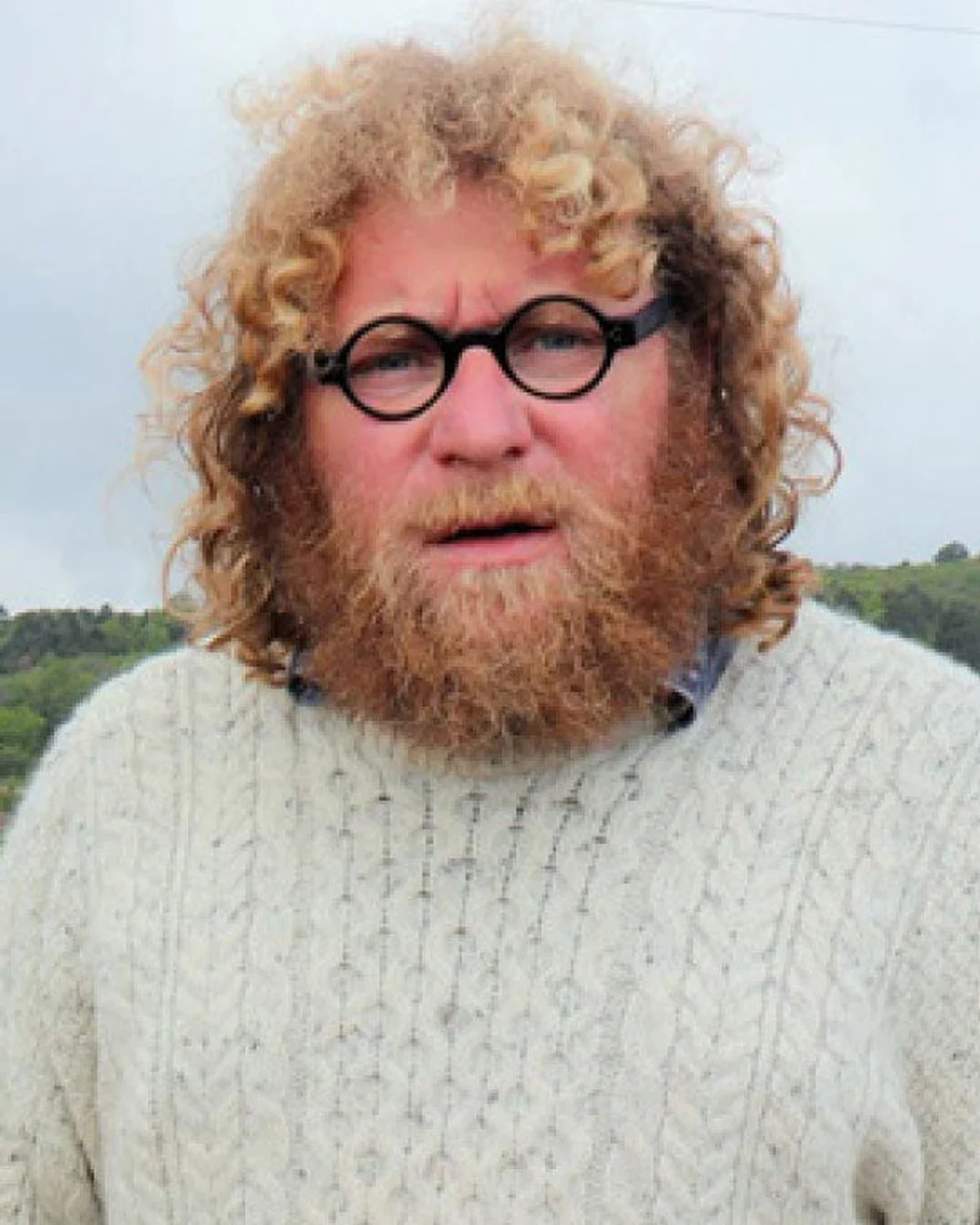
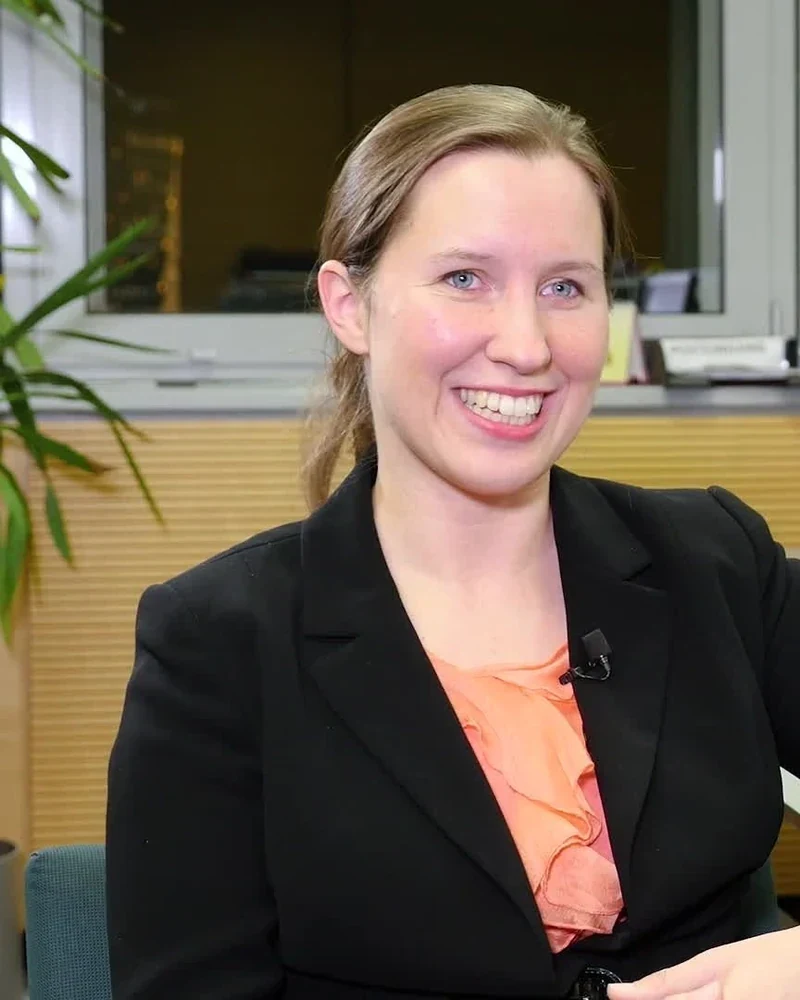
Portrait of Sylvain Pataille
i. Biography
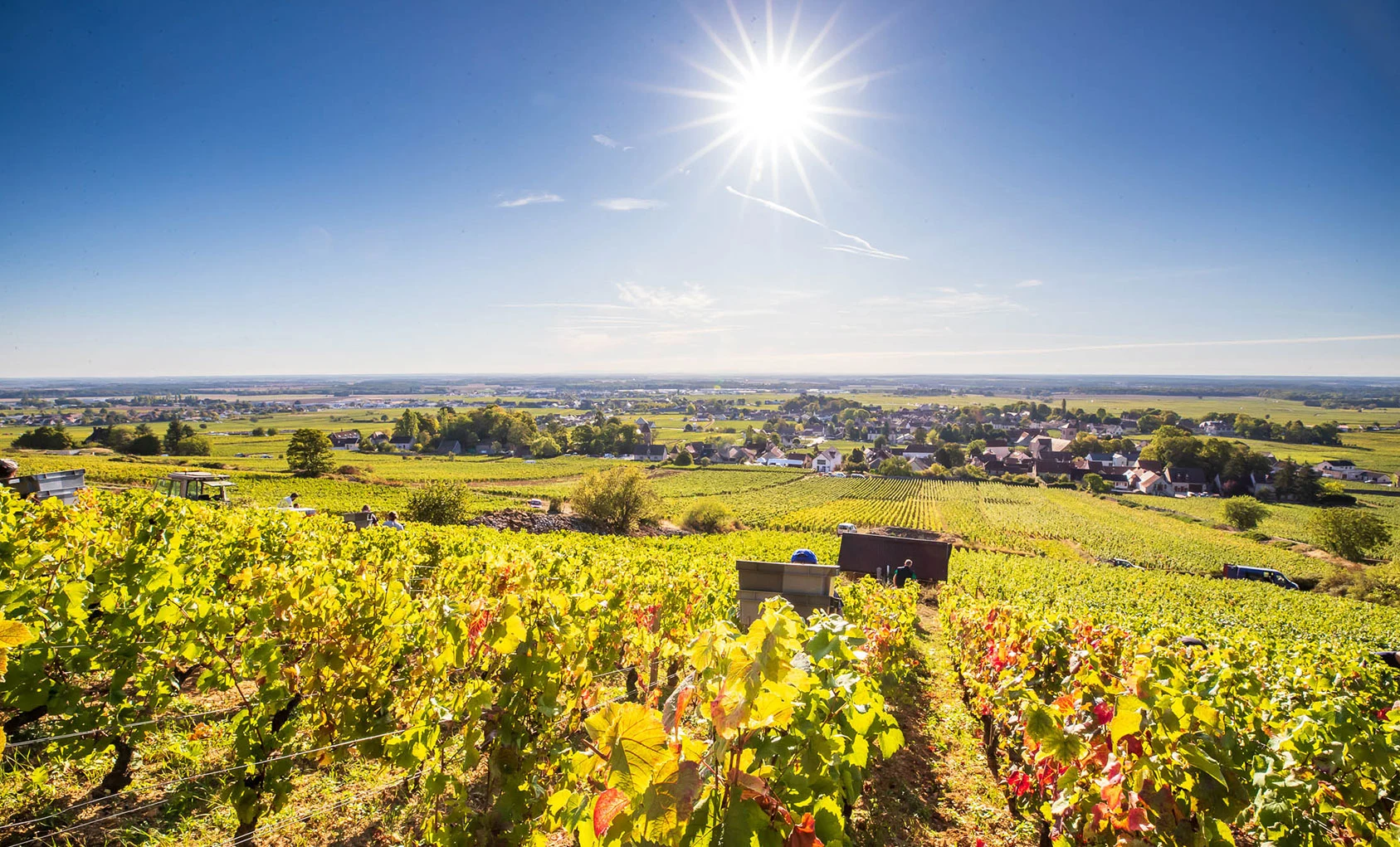
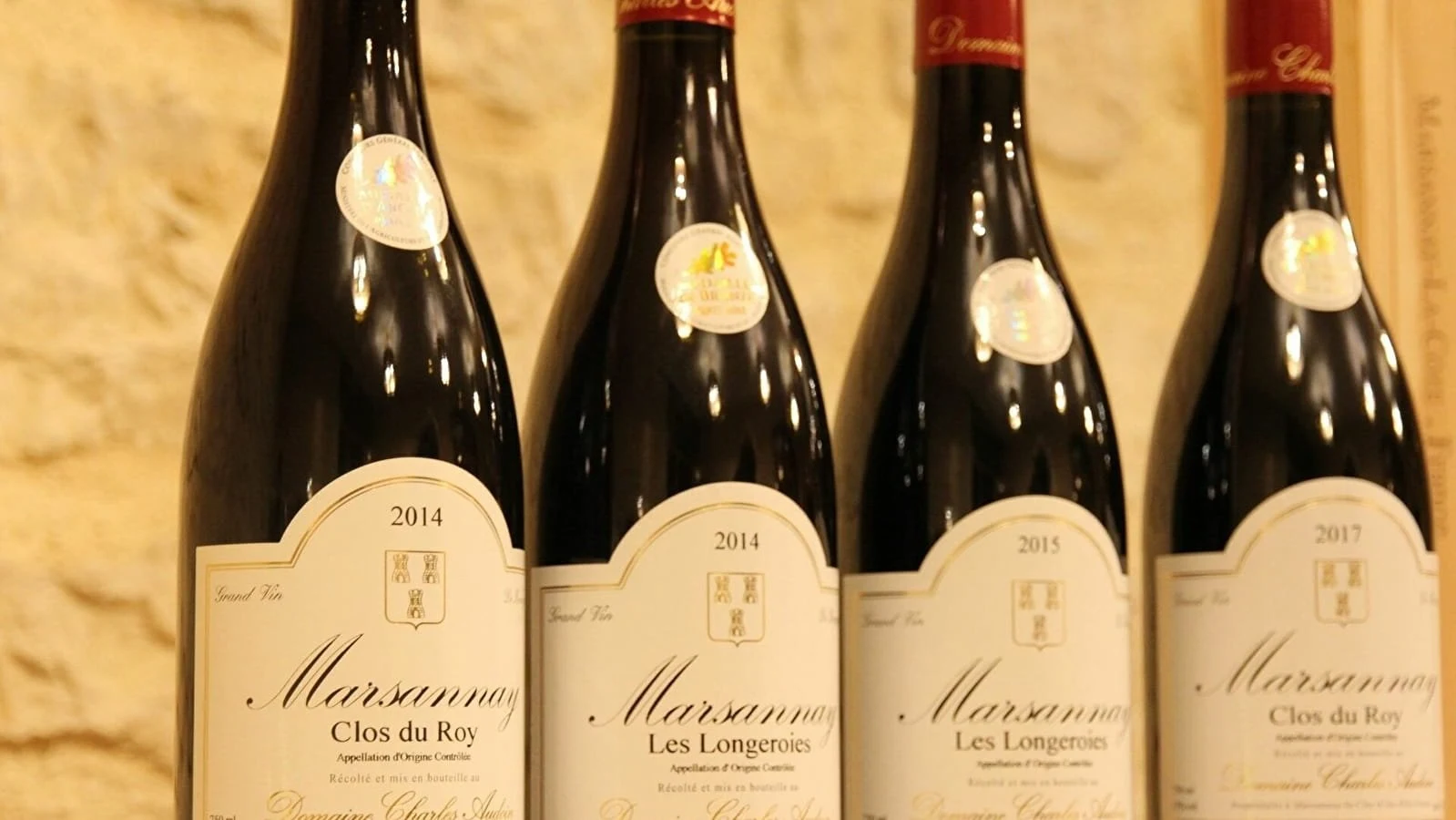
Sylvain Pataille is owner and winemaker of Domaine Sylvain Pataille in the Marsannay area of Burgundy, France, a role formed through technical training rather than inheritance. His route ran through wine school in Beaune, then oenology work, and then a domaine begun in 1999 with just 1 hectare of vines. He also works as an independent consultant oenologist for growers in the Côte-d’Or and Côte Chalonnaise. This dual formation, both at his own estate and in the wider working context of Burgundy vineyards, remains central to his identity. An early position as a lab employee with Kyriakos Kynigopoulos in Beaune, Burgundy, from 1997 to 2001 gave him a technical base in analysis and measurement. That background informs the way the wines are made and read: intuition is present, but it operates within close checking and cellar discipline. In his own view, he already had a clear idea of what wine should be, something exceptional that cannot be confined to preconceived standards. At the domaine, organic and biodynamic farming are used to make the village legible through fruit rather than category assumptions. Organic viticulture certified by Ecocert in 2008, biodynamic methods, ambient-yeast fermentation, 0 to 30 percent new oak, minimal SO2 added at bottling, whole-cluster vinification, long macerations, low sulfur, and protracted élevage define the working grammar. These are slow methods aimed at preserving structure, savor, and place while allowing the wines to settle into form. Aligoté is a central tool in this reading. In Pataille’s hands, it has carried site differences with unusual clarity, making slope, soil, exposure, and texture part of the wine’s structure rather than background information. Single-vineyard Aligoté bottlings became a clear marker for the domaine because they showed distinct terroir differences and an energy and expression beyond what tasters had been seeing in Chardonnay. This sharpened the understanding of Marsannay in the glass, presenting it as a subject of close, specific work rather than as secondary Burgundy material. The domaine’s signature bottlings, Single-vineyard Aligoté, Marsannay L’Ancestrale, and Marsannay rosé, show different applications of the same Marsannay reading. The Aligoté wines emphasize site distinction. Marsannay L’Ancestrale carries depth and reserve, and its 2021 expression was described by Wine Advocate as often Pataille’s most structured, reserved bottling, informed by old-vine origins. Marsannay rosé occupies its own place in the range, and Jancis Robinson described it as particularly fine and unusually aged for ages in oak. Together, these wines define the outside view of the domaine: Marsannay examined closely, with patience, and without forcing the wines into received hierarchy. Pataille’s work is measured, site-attentive, and grounded in distinctions that can disappear when the appellation is treated too broadly. In Marsannay, that approach has made the domaine notable for careful, patient wines that preserve individuality and clarity.
The Sunday letter
Read Made By's new profiles every Sunday.
Meet the chefs, winemakers and sommeliers behind the places we cover. See a sample below before you subscribe.
See a sample of the Sunday emailOne email a week. Unsubscribe from any issue.
Explore
Similar Winemakers
The Sunday letter
Get the next Made By profile in your inbox.
We send one email every Sunday morning with the people we profiled that week.
See a sample of the Sunday emailOne email a week. Unsubscribe from any issue.