Domaine Coillot Bernard Père et Fils
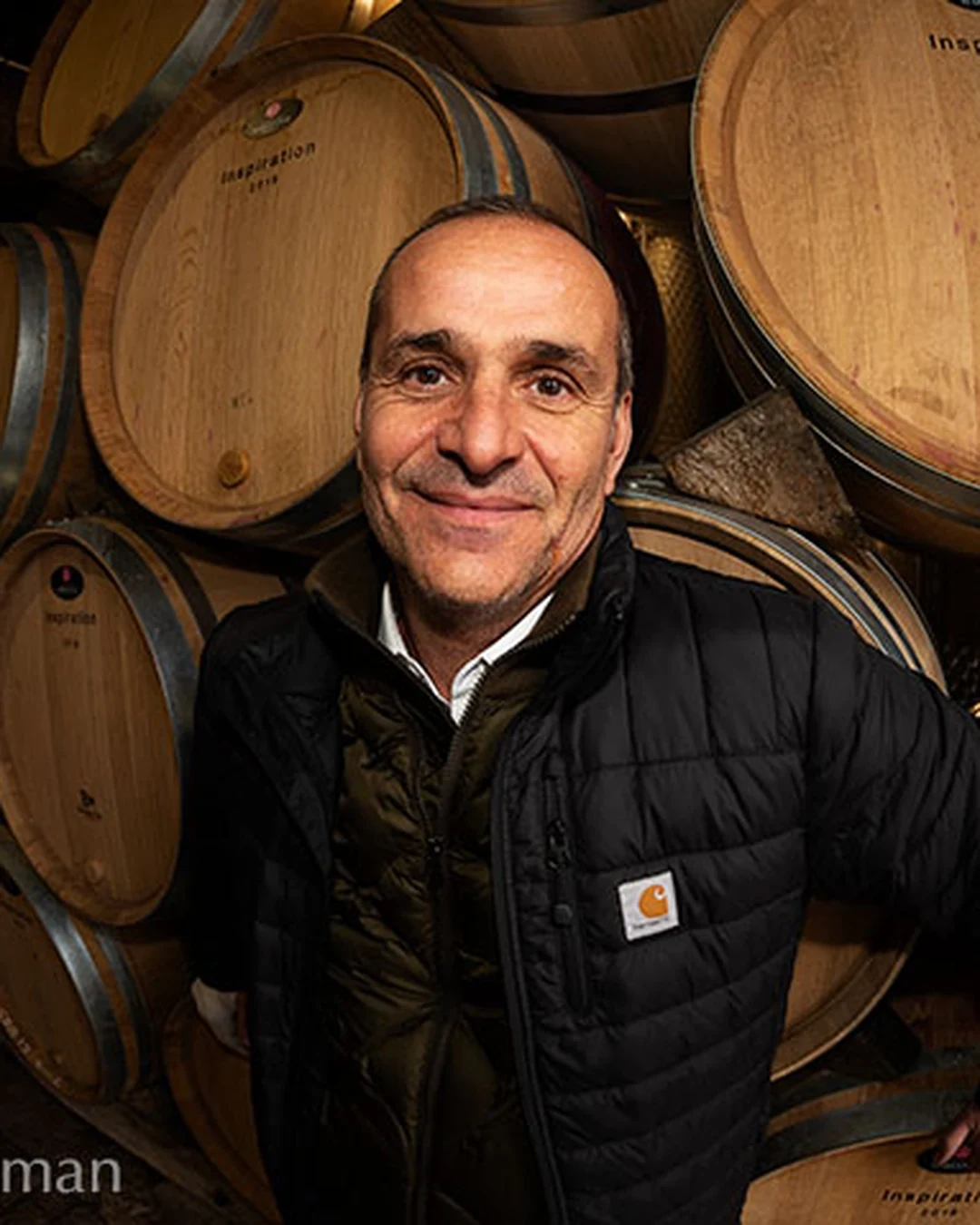
In Residence
Christophe Coillot
Winemaker
- 01CityMarsannay-la-Côte, France
- Falstaff Winery - Listed · 2026
Domaine Coillot Bernard Père et Fils is a traditional Bourgogne family domaine in Marsannay-la-Côte. Its appeal is quiet and cellar-focused rather than built around a large tourism complex: a place for direct tastings and estate-grown wines, especially Marsannay and Côte de Nuits reds. The address to the visitor is therefore relatively direct. This is a domaine to approach for the wines, the cellar context and the local identity of Marsannay-la-Côte, not for a layered hospitality program or a highly produced destination experience.
For visitors planning time in Marsannay-la-Côte, the useful frame is simplicity. This is not presented as a luxury hospitality stop or a staged wine attraction. It is better understood as a classic, rustic, hidden-gem domaine where the cellar experience supports the wines rather than becoming the main event. That distinction is important: the value of a visit lies in the directness of the setting and the chance to read the domaine through what it pours, rather than through amenities, spectacle or elaborate interpretation.
Marsannay terroir without cellar-door theatre
The profile of Domaine Coillot Bernard Père et Fils is deliberately focused: a family domaine centered on estate-grown Marsannay and Côte de Nuits reds. That makes it most relevant for travelers who want to understand the local wine identity through a cellar tasting rather than through elaborate visitor programming. In this sense, the domaine fits a more traditional Burgundy rhythm, where the visit is less about performance and more about paying close attention to place, appellation and the character of the wines in the glass.
The tone is quiet and traditional. Expect the emphasis to stay on the domaine, the village and the wines rather than on a large-scale tourism format. Specific production figures, vineyard holdings, farming claims, cellar techniques and formal certifications are not confirmed here, so the strongest editorial case is the simpler one: a grounded Bourgogne domaine with a restrained, cellar-led style of visit. It is not necessary to overstate the proposition. The available picture is already coherent: a family-run Marsannay-la-Côte address whose interest comes from its focus and its lack of unnecessary theatre.
Reliable takeaway is that Domaine Coillot Bernard Père et Fils belongs to the quieter side of Marsannay-la-Côte wine travel. It should be read as part of the village’s more intimate tasting landscape, where modesty and direct contact can be more central than visitor infrastructure. For the right traveler, that quieter register is not a limitation but the point of the stop.
A Côte de Nuits profile that keeps Marsannay in focus
Domaine is best read through its focus on estate-grown Marsannay and Côte de Nuits reds. That gives it a clear place in a Burgundy itinerary: not as a broad leisure destination, but as a focused stop for visitors interested in the wines of Marsannay-la-Côte and the Côte de Nuits. The framing is narrow in a useful way. Rather than trying to represent every possible dimension of Bourgogne hospitality, the domaine appears most meaningful for people who are already oriented toward red wines from this part of the region and want a grounded cellar encounter.
Its listed price level is $$, which positions it as a relatively approachable wine-country stop rather than a luxury-format experience. In practical terms, that reinforces the overall reading of the venue: this is not the address to choose for conspicuous polish, but it may be a sensible fit for visitors who want their time and attention directed toward the domaine’s wines and local setting.
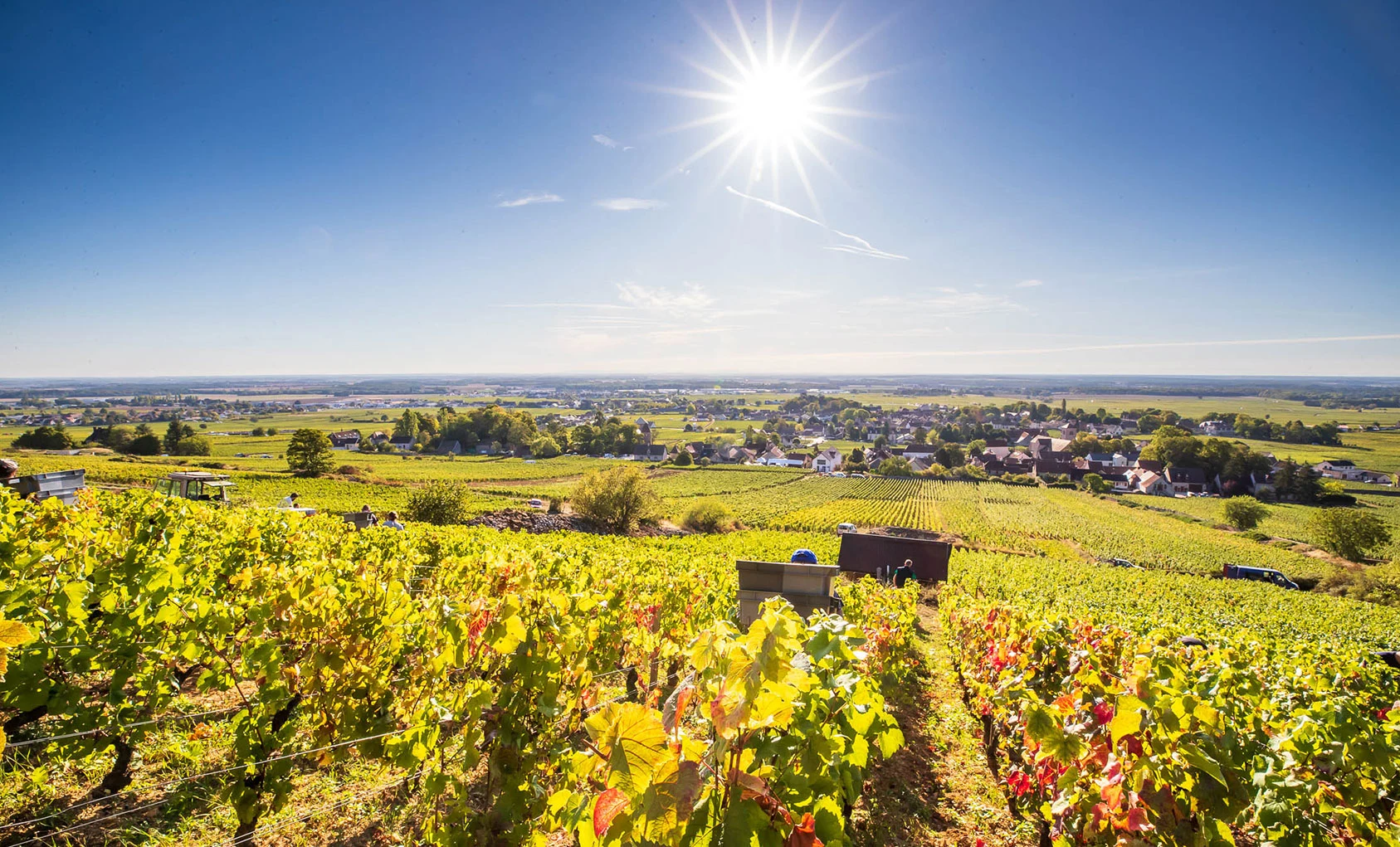
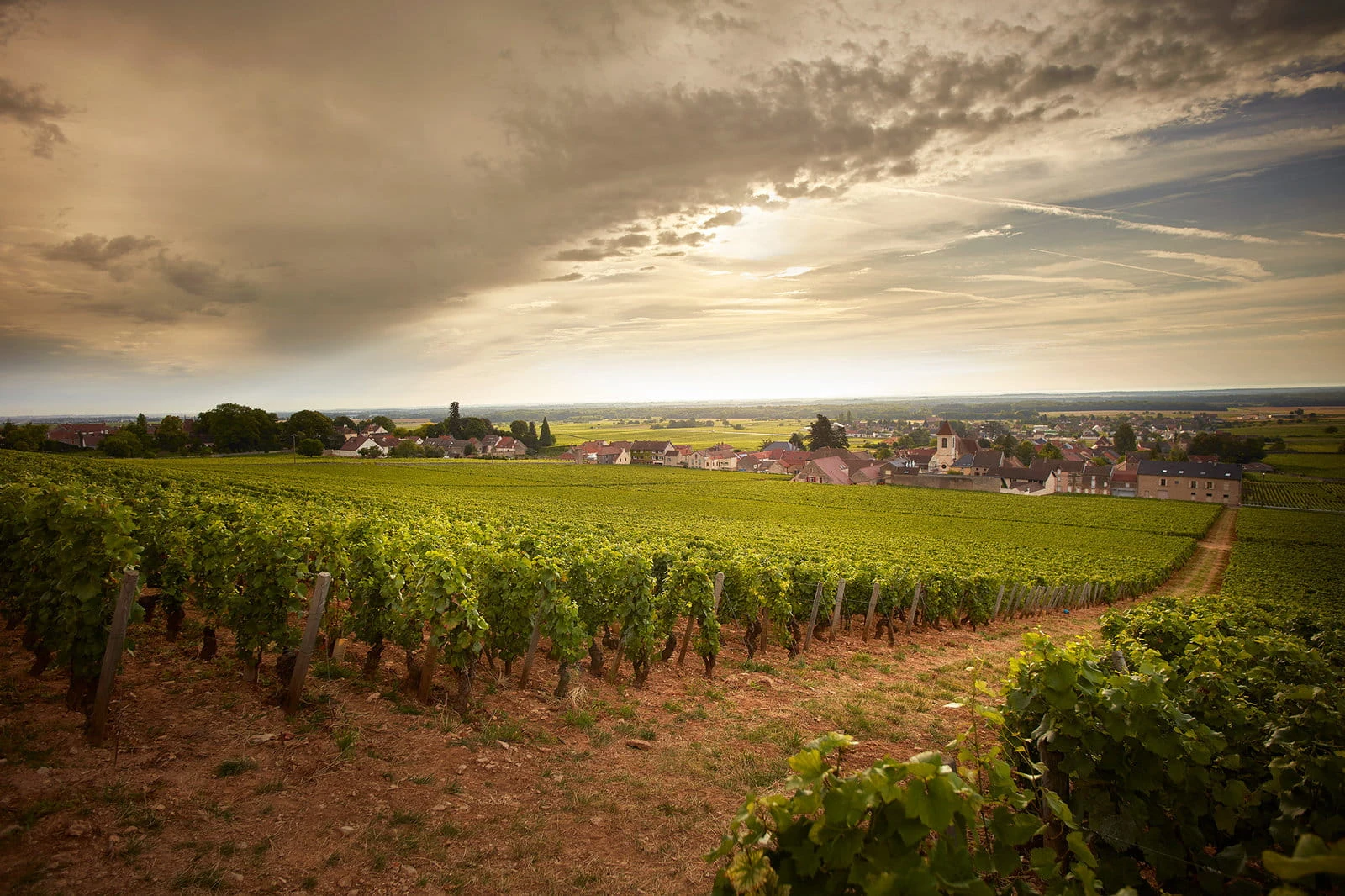
The setting is described as classic, rustic and quiet. That matters for expectations: visitors looking for a polished tourism complex should look elsewhere, while those interested in a more direct family-domaine experience may find the low-key character to be the point. Rustic, in this context, should be understood less as a drawback than as a cue to the style of the visit. The domaine’s appeal is tied to restraint, familiarity and cellar-side focus, not to the kind of formal presentation that can make wine travel feel detached from the place producing the wine.
How to place it within a Marsannay wine day
For a Marsannay-la-Côte itinerary, Domaine Coillot Bernard Père et Fils works well as a focused cellar stop built around the village’s wine identity. Use it to anchor a quieter day of local tasting, then compare the experience with other Marsannay-la-Côte wine stops generically rather than assuming a single style across the village. That comparative approach is useful because the domaine’s character is specific: traditional, family-based, cellar-led and centered on its wines. It can help give shape to a day that is less about volume of visits and more about understanding one local expression at close range.
Meals, hotels, bars and non-cellar activities should be planned separately through broader Marsannay-la-Côte resources. Keeping those elements distinct will make the visit easier to frame. Treat the domaine as the wine-focused component of the day, then build the rest of the itinerary around it rather than expecting one stop to supply every part of the travel experience.
The editorial case is clear: Domaine Coillot Bernard Père et Fils is most compelling as a traditional Bourgogne family domaine in Marsannay-la-Côte, focused on estate-grown Marsannay and Côte de Nuits reds, with a direct cellar-tasting character and a quiet, rustic sense of place. Its strength is the clarity of that proposition. For visitors who value a low-key encounter with Marsannay-la-Côte wine culture, it offers a direct and grounded way into the village’s cellar landscape.
Questions
Frequently asked
Who works at Domaine Coillot Bernard Père et Fils?
Made By profiles Christophe Coillot (Winemaker) at Domaine Coillot Bernard Père et Fils.
How expensive is Domaine Coillot Bernard Père et Fils?
Domaine Coillot Bernard Père et Fils is listed at a price level of $$.
The field
How it compares
| Place | Notes | Awards |
|---|---|---|
| Domaine Coillot Bernard Père et Fils | Marsannay-la-Côte, $$ | · |
| Chateau Leoville Las Cases | Saint-Julien-Beychevelle | · |
| Domaine Bruno Clair | Marsannay-la-Côte | · |
| Domaine du Château de Marsannay | Marsannay-la-Côte | · |
| Domaine du Clos de Tart | Morey-Saint-Denis | · |
| Domaine Faiveley | Nuits-Saint-Georges | World's 50 Best |
| Domaine Jean Fournier | Marsannay-la-Côte | · |
In residence
Similar places
Chateau Leoville Las Cases
Saint-Julien-Beychevelle, France
Domaine Bruno Clair
Marsannay-la-Côte, France
Domaine du Château de Marsannay
Marsannay-la-Côte, France
Domaine du Clos de Tart
Morey-Saint-Denis, France
Domaine Faiveley
Nuits-Saint-Georges, France
50 Best
Domaine Jean Fournier
Marsannay-la-Côte, France