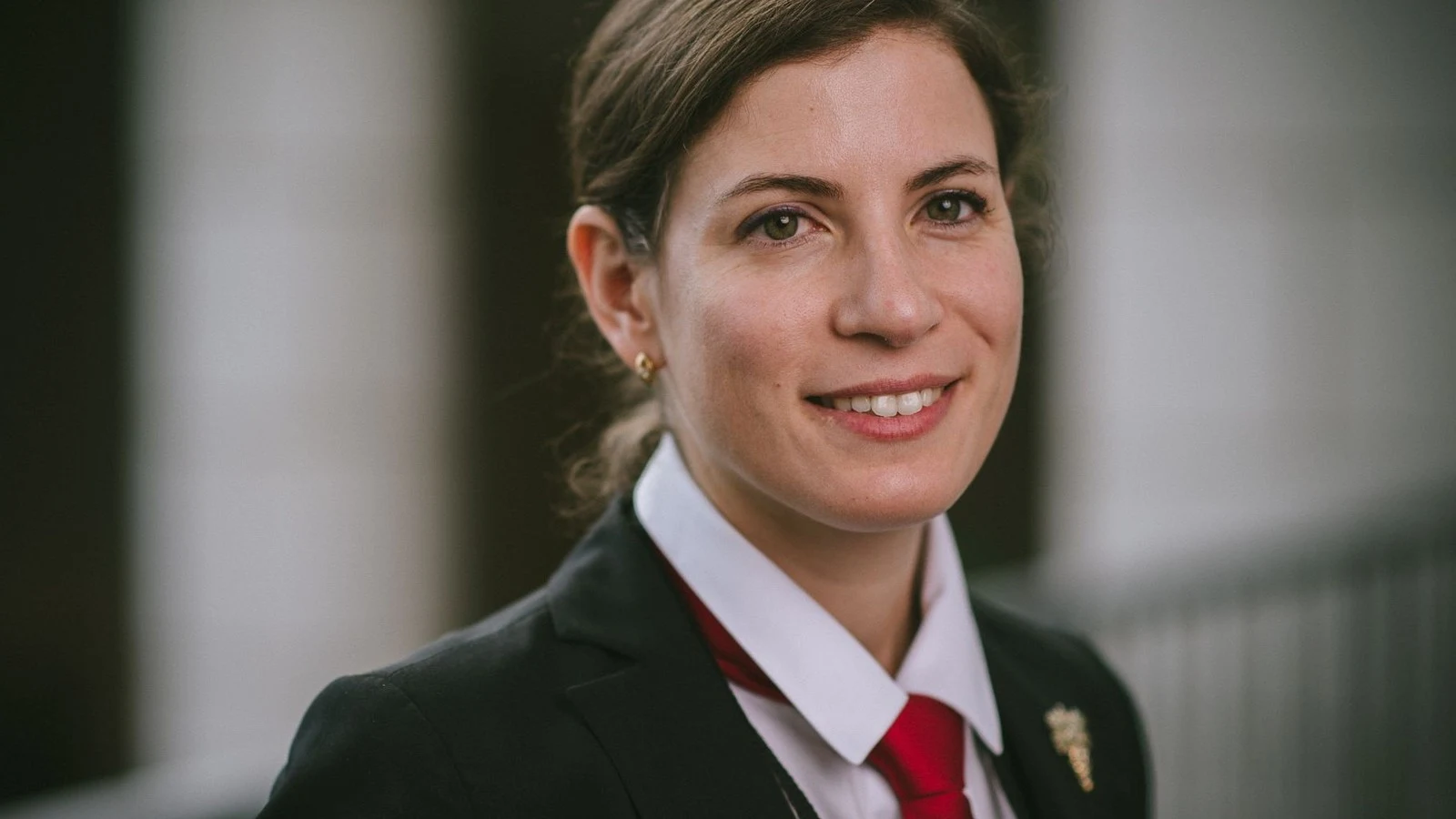
Wine Enthusiast named Merry Edwards its 2026 American Wine Legend, tracing a cellar life from Mount Eden to Russian River Pinot Noir.
HM
Director of Editorial Standards
Hugo Marchetti
Filed October 23, 2026
11 min read
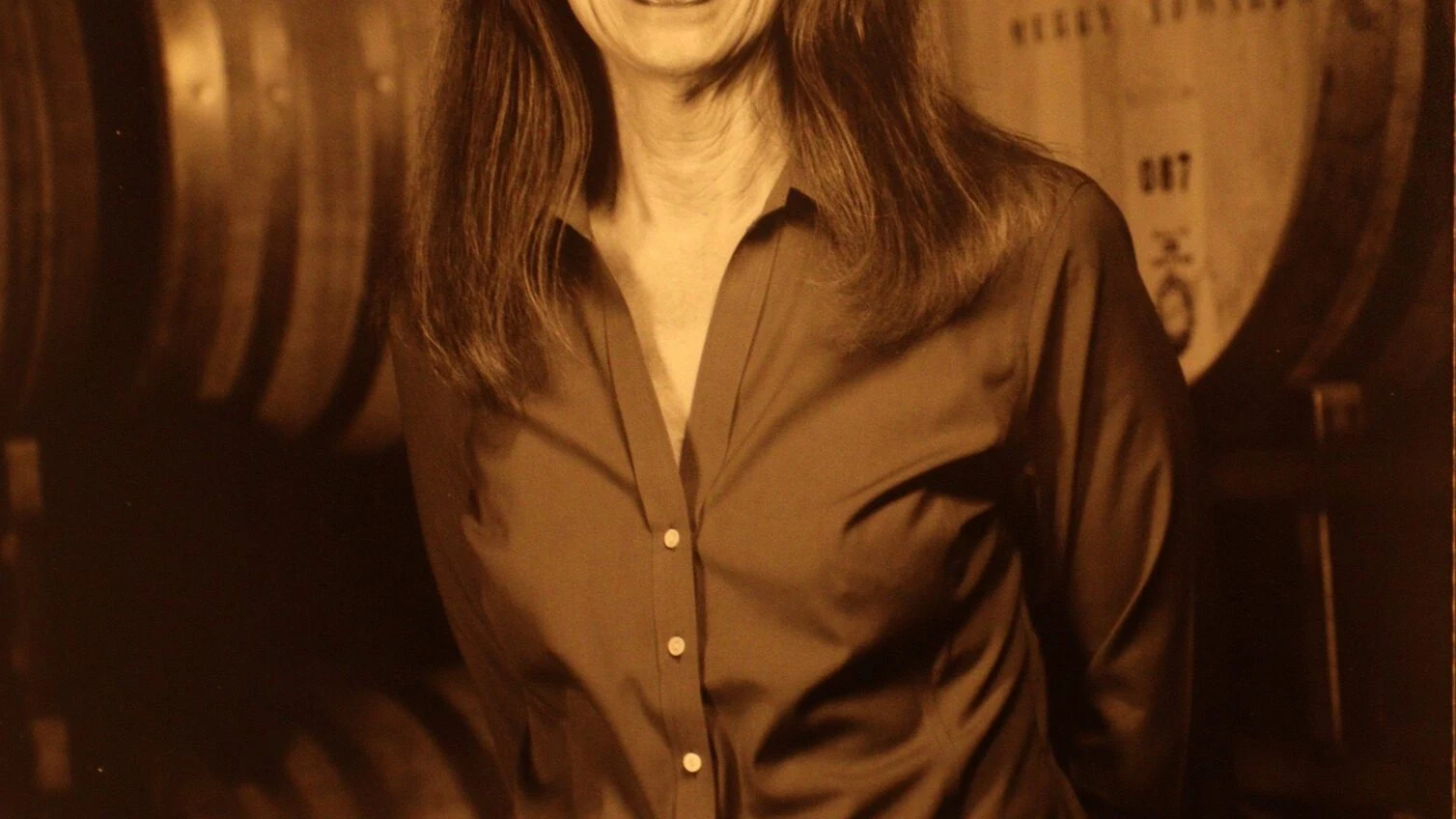
At Mount Eden Vineyards in the Santa Cruz Mountains, Merry Edwards fixed her attention on Pinot Noir clones before California’s modern appellation map had settled into the shape drinkers now recognize. Merry Edwards, one of California’s first female winemakers, is Wine Enthusiast’s 2026 American Wine Legend, a title that lands after five decades of work in the cellar, the vineyard, and the apprenticeship chain she left behind (Scu1).
The award gives a name to a career that moved through Mount Eden Vineyards in the 1970s, Matanzas Creek Winery from 1977 to 1984, a family project called Merry Vintners, and the 1997 founding of Merry Edwards Winery and Vineyards. The through-line was Pinot Noir, watched clone by clone, site by site, with Russian River Valley and Sonoma Coast fruit taking the lead in her own wines.
The Sunday letter
Get our new stories in your inbox every Sunday.
One email with our newest profiles and guides. See a sample before you subscribe.
Edwards retired in 2020. The winery now belongs to Maison Louis Roederer, and Heidi von der Mehden, one of the winemakers who trained under Edwards, now makes the wines at Merry Edwards Winery. Edwards’s method still carries her name at Merry Edwards Winery.
Why Merry Edwards was named 2026 American Wine Legend
Wine Enthusiast’s 2026 American Wine Legend title marks Edwards’s career from her first professional work at Mount Eden Vineyards in 1974 to the wines bottled under her own label in the Russian River Valley. Edwards was a scientist before turning to wine.
Edwards earned a B.S. in Physiology from the University of California, Berkeley in 1970. In 1971, while she was in graduate school in nutrition at Berkeley, she met Andrew Quady, now of Quady Winery, who was studying winemaking at the University of California, Davis. Within a month, Edwards shifted her graduate studies to wine at Davis. In the winter of 1973, she earned a master’s degree in Food Science with an emphasis in Enology (Scu1).
Edwards entered the cellar when California wine was still forming much of its modern language around site, clone, and regional identity. She was one of California’s first woman winemakers, and she arrived with formal enology training from the University of California, Davis before many drinkers had any fixed idea of what California Pinot Noir should taste like, age like, or cost in attention.
Berkeley, Davis, and the first turn toward wine
Before the clone selection, before the Meredith Estate vineyard, before the six vineyard-designate Pinot Noirs, there was the change in graduate study. Within a month of meeting Andrew Quady in 1971, Edwards moved from nutrition at Berkeley to wine at Davis.
The Davis degree placed her in the technical side of winemaking. Food Science with an emphasis in Enology meant chemistry, fermentation, sensory work, and the practical decisions that later follow a winemaker to the bench: what fruit to take, what clone to plant, what site to trust over multiple vintages. Edwards’s later career kept science at the center of her winemaking. Her Food Science degree with an emphasis in Enology put chemistry, fermentation, sensory work, and site decisions at the center of her winemaking.
Her early home life supplied another kind of training. Edwards remembered holiday meals at her maternal grandmother’s home in Illinois, and she said her grandmother was her inspiration in learning to cook. In the kitchen, she learned by watching what hands do to heat, fat, salt, and time. In the cellar, she learned what fruit keeps telling her after fermentation, after élevage, after bottle age.
By 1974, Edwards began her career at Mount Eden Vineyards in the Santa Cruz Mountains. Mount Eden Vineyards gave her Pinot Noir at a moment when California was still testing how far that grape could go outside Burgundy’s frame. Edwards did not step into a finished canon.
Mount Eden, UCD 37, and the clone that kept her name
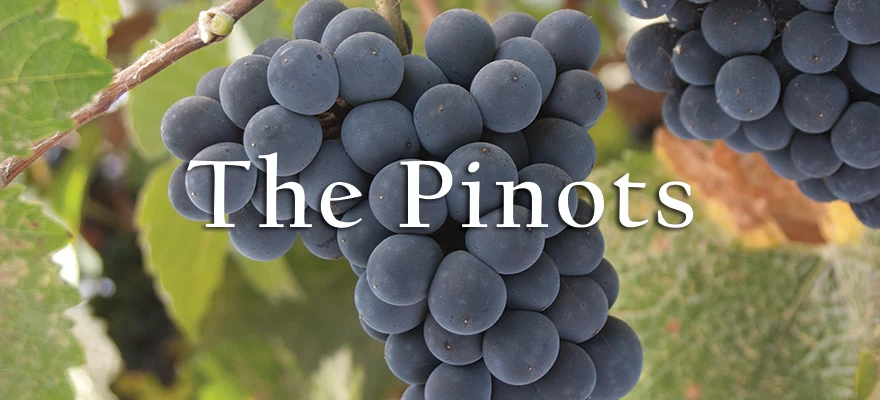
At Mount Eden, Edwards became focused on the differences among Pinot Noir clones. That focus eventually led her to isolate a clone from Mount Eden now known as UCD 37, or the Merry Edwards Selection. UCD 37 carries her into vineyards beyond any single label, because clone work travels through cuttings, planting decisions, and the quiet arithmetic of what a grower chooses to propagate.
Close-up of dark blue/purple Pinot Noir grape clusters on the vine with leaves visible in the background.
Clone selection has consequences in the vineyard. A clone is selected because a vine has shown a set of traits worth repeating. The decision sits before the cellar, before the barrel, before the label design. It is a choice about what kind of raw material the maker wants to meet each harvest. Edwards’s work with UCD 37 put her name at that pre-fermentation point, where wine style begins as plant material.
The Mount Eden years also matter because Edwards was not yet working under the shelter of her own brand. At Mount Eden, she was learning inside another house, with the discipline of a young winemaker in a California industry still in motion. In the Santa Cruz Mountains, Edwards studied clonal differences closely enough to use them in her Pinot Noir work.
UCD 37 ties bottles back to Edwards’s clone work. UCD 37 tied Edwards’s work to the vineyard decision, the propagation record, and the work she began at Mount Eden and carried into Sonoma County.
Matanzas Creek and the long road through Russian River Valley
Edwards became the founding winemaker at Matanzas Creek in 1977 and remained there until 1984. The move took her to Sonoma County and placed her in a younger winery while the region’s identity was still developing (Scu1).
She lived in Sebastopol within the Russian River Valley. From that position, Edwards recognized the area’s potential for the wines she believed California could make. The claim later took shape in bottle: her wines helped cement the Russian River Valley’s reputation as a standard bearer for Pinot Noir, and restaurants across the country poured the wines from her own label.
In 1984, Edwards left Matanzas Creek to work full time on consulting and Merry Vintners, a small winery she and her family founded in the Russian River Valley. Merry Vintners ceased production in 1989 after lenders called back the loans of many small wineries. That year, Vintech recruited Edwards as vice president and winemaker of Laurier Winery.
From Mount Eden to Meredith Estate, Edwards spent more than two decades moving through California wine with Pinot Noir as the constant. Mount Eden supplied early Pinot Noir work and the UCD 37 selection. Matanzas Creek gave Edwards a founding winemaker’s station from 1977 to 1984. Merry Vintners gave her a family label in Russian River Valley, then closed in 1989. Laurier kept her in the cellar.
Meredith Estate and the winery built around vineyard designates
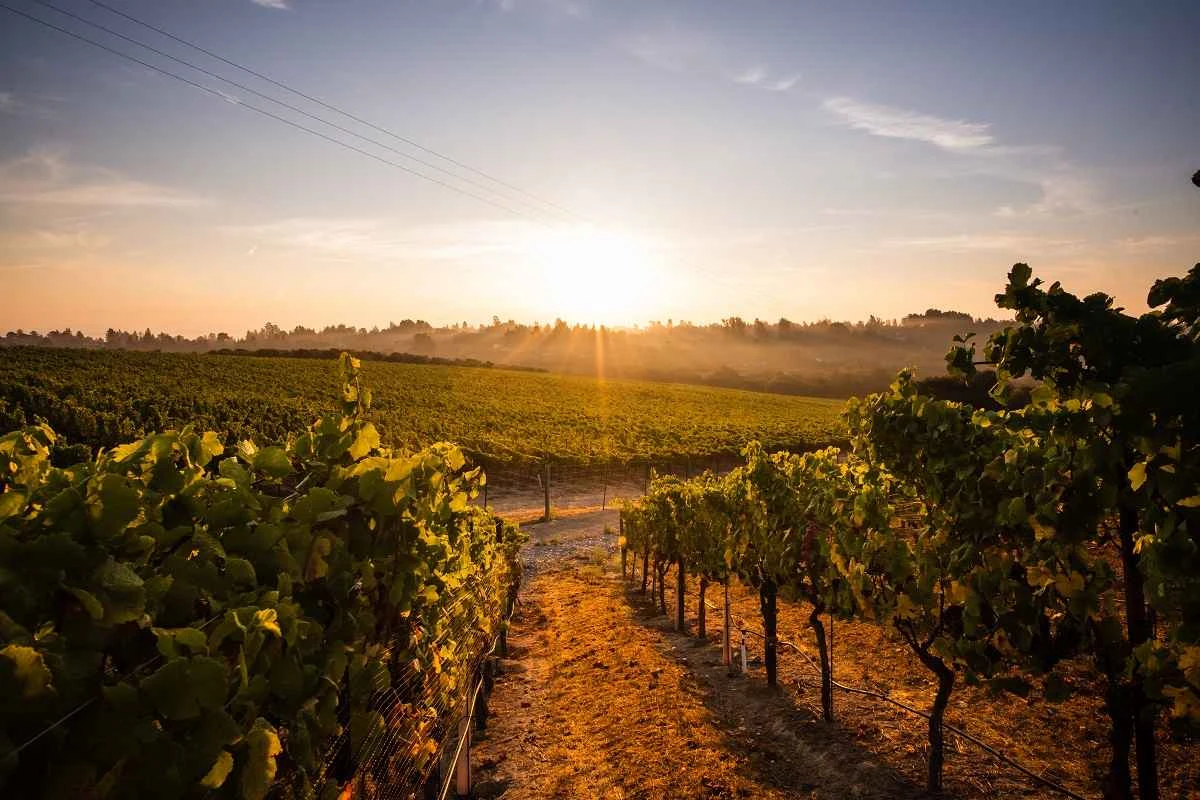
In 1996, Edwards purchased the site that would become Meredith Estate. In 1997, she co-founded the venture that produced wines from select Pinot Noir grapes from the Russian River Valley and Sonoma Coast, including fruit from her own vineyards.
Wide shot of vineyard rows at sunrise/sunset with golden light, mist, and power lines.
The portfolio includes two regional blends and six vineyard designates. The structure organizes the wines by region and named site.
The 1996 Meredith Estate purchase gave Edwards a site she could tie to her own name and method. A vineyard designate asks for patience from both sides of the transaction. A vineyard designate depends on the grower and winemaker returning to the same ground across vintages. Edwards had already spent years studying clones and regional possibility. Meredith Estate gave that study a home vineyard.
In 2006, Edwards and her husband and business partner Ken Coopersmith began construction of their own Merry Edwards Winery. The winery formally opened for visitors in 2008. That visitor timeline matters because it placed the work in front of drinkers at the estate level, after the label had already built its reputation through restaurants, press attention, and age-worthy Pinot Noir.
The bottles beside Pinot Noir
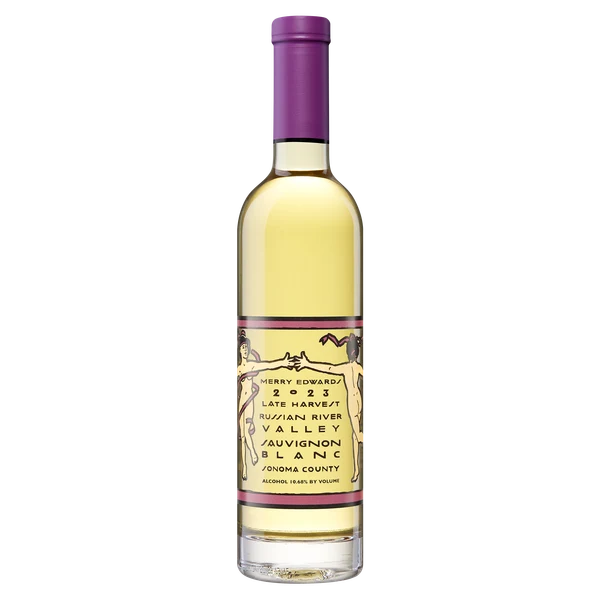
Pinot Noir defined Edwards’s career, and the winery also produced other varieties. In 2001, Merry Edwards Winery added a barrel-fermented Sauvignon Blanc blend to the portfolio. In 2010, the winery added a single vineyard Olivet Lane Chardonnay. The house also produces a late-harvest, cane cut style Sauvignon Blanc when the vintage permits, along with blanc de blancs and rosé on a periodic basis.
A bottle of Merry Edwards Late Harvest Russian River Valley Sauvignon Blanc from Sonoma County.
Those additions matter because they show how the program widened without losing its center. The Sauvignon Blanc arrived as a barrel-fermented blend, a cellar decision that asks the wine to carry both grape character and the texture of fermentation choices. The Olivet Lane Chardonnay arrived as a single vineyard wine, keeping the estate’s language of site close to the label.
The Pinot Noir program carries two regional blends and six vineyard designates. The Sauvignon Blanc, Chardonnay, late-harvest bottling when vintage allows, blanc de blancs, and rosé sit around that core. It is a cellar program organized around named place, grape identity, and the decisions Edwards put in motion before her retirement.
The Merry Edwards winemaker signature continues under Heidi von der Mehden across that whole structure. Pinot Noir remains the defining discipline. The other bottles show how the winery’s method extends beyond one grape without turning away from site.
The apprenticeship chain after Edwards
Edwards’s influence runs through names as much as through bottles. Greg Brewer, Christine Benz, Jeff Stewart, Julia Iantosca, and Greg La Follette all learned their craft under her guidance. In a trade built on cellar hours, the list functions like a map of apprenticeship rather than a footnote.
Von der Mehden now carries the most direct line, making wines at Merry Edwards Winery under Maison Louis Roederer’s ownership. Edwards stepped aside as the winery’s winemaker in late 2018 and named her replacement. In early 2019, Edwards and Ken Coopersmith sold the winery to Champagne Louis Roederer. Edwards retired in 2020.
Edwards built the program, named her successor, and left the cellar with a winemaker trained inside the method. The question is always who tastes, who blends, who says the wine is ready.
Greg Brewer, Christine Benz, Jeff Stewart, Julia Iantosca, and Greg La Follette extend the Edwards influence beyond the Russian River Valley address. It includes clone attention, the belief that California Pinot Noir could age, and the expectation that a winemaker should be able to explain why one site deserves its own bottling.
What to watch now at Merry Edwards Winery
Maison Louis Roederer owns Merry Edwards Winery now. Edwards built the structural set: Russian River Valley and Sonoma Coast Pinot Noir, two regional blends, six vineyard designates, the barrel-fermented Sauvignon Blanc blend, Olivet Lane Chardonnay, and the periodic wines made when the vintage allows.
A clone selected at Mount Eden. A 1977 founding winemaker post at Matanzas Creek. A 1996 vineyard purchase. A 1997 label. A successor named before retirement. Merry Edwards Winery continues with Russian River Valley and Sonoma Coast wines through another vintage.
The Sunday letter
Get the next Made By guide in your inbox.
We send one email every Sunday morning with the guides and profiles we published that week.