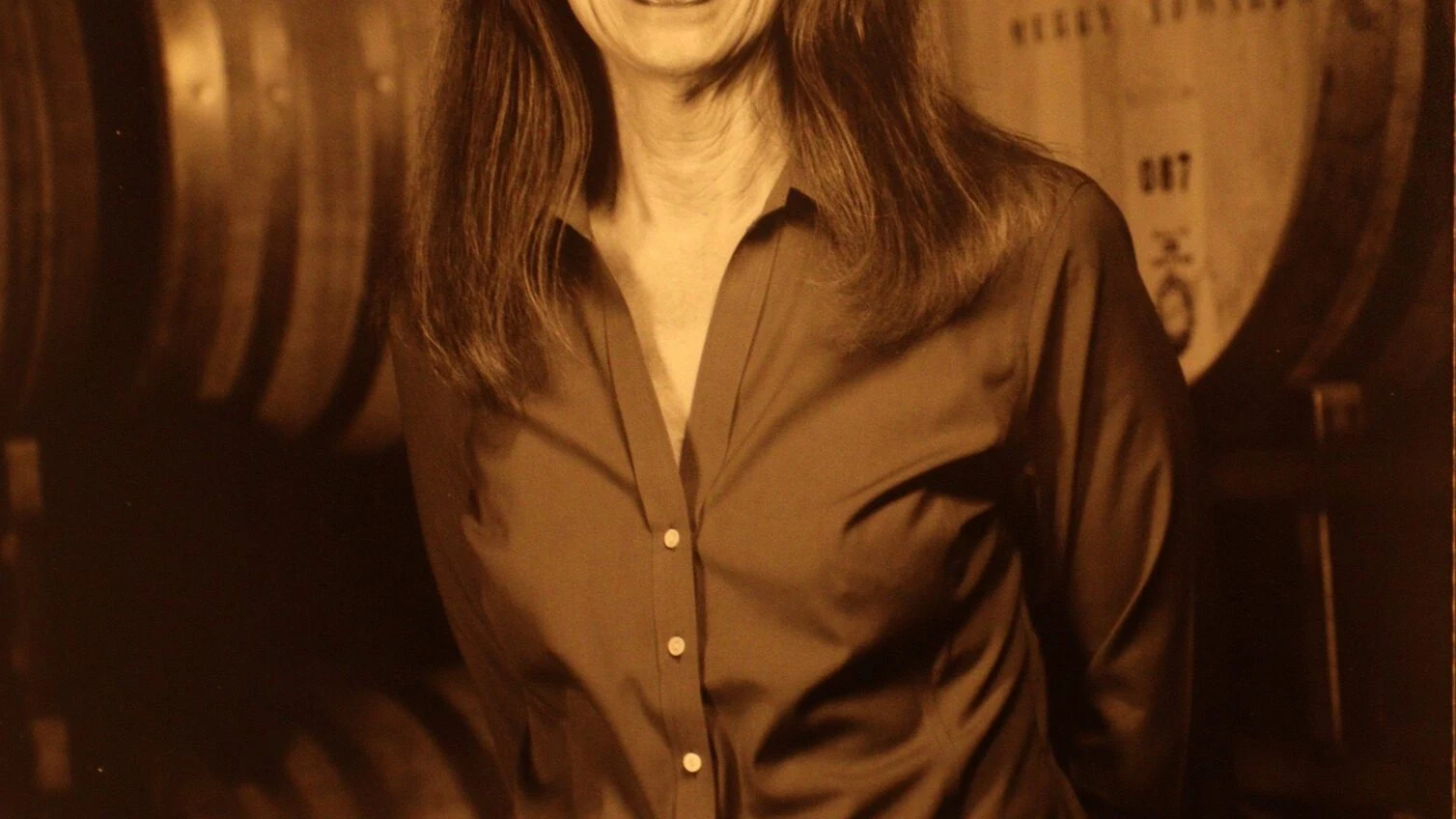
Sommelier Paz Levinson named DWWA Co-Chair for 2027
Paz Levinson steps into the DWWA 2027 Resident Co-Chair role after more than a decade judging, with Maison Pic floor work behind her.
HM
Director of Editorial Standards
Hugo Marchetti
Filed October 23, 2026
10 min read
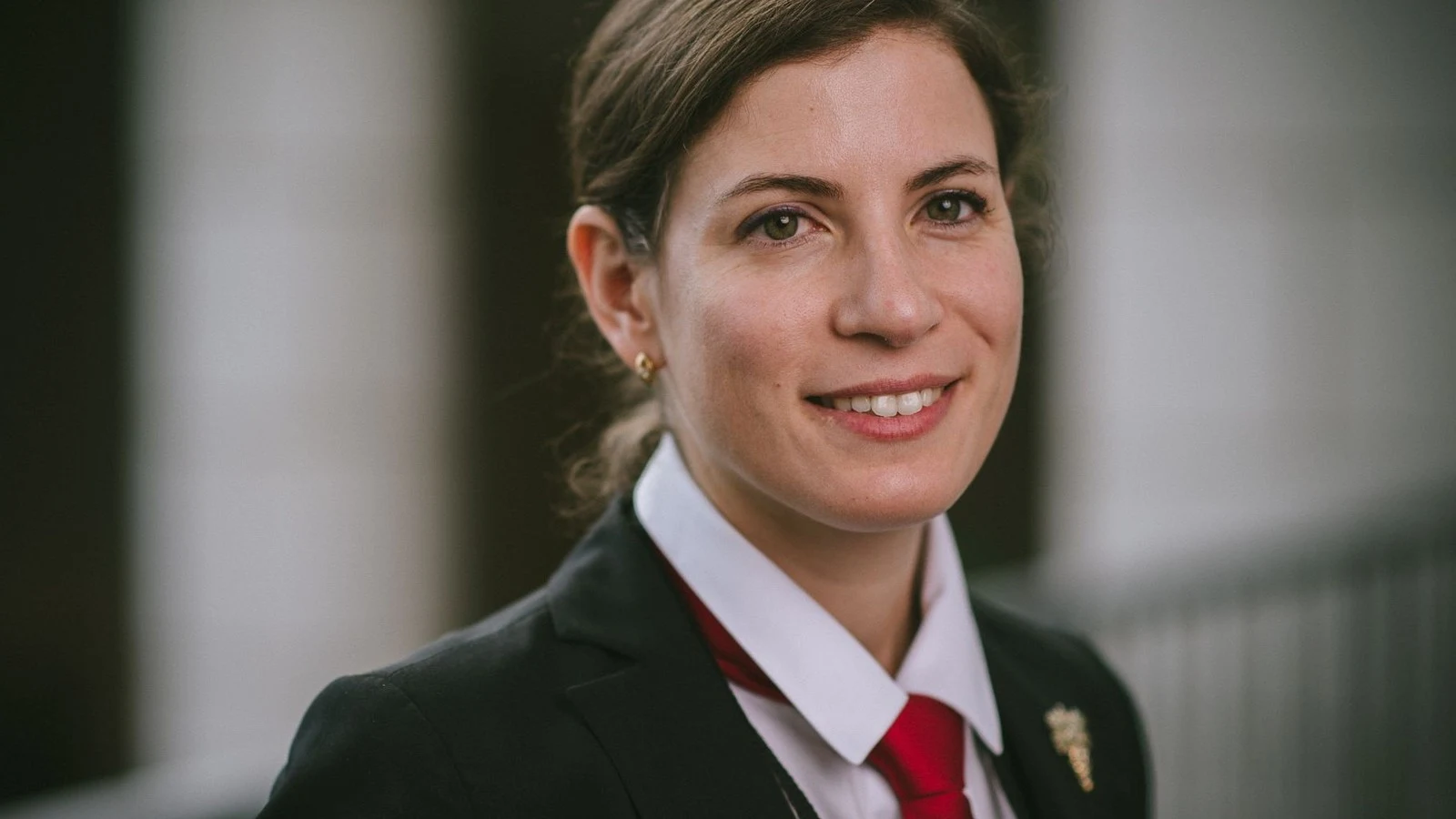
Paz Levinson begins this new assignment with a familiar act: sitting before a set of glasses, reading colour first, then aroma, then the palate’s evidence, one wine beside its peers. Paz Levinson DWWA 2027 Resident Co-Chair is now a formal title for work built over more than a decade of judging at the Decanter World Wine Awards, after years on restaurant floors in Buenos Aires and Paris (Decanter3).
The appointment puts Levinson inside the last stage of a competition she already knows from the bench. In 2027, she joins the Resident Co-Chair role, a one-year position introduced in 2026 and held each year by a different Regional Chair. Caro Maurer MW held the inaugural post; Levinson follows with a different set of tools, sharpened on the floor rather than in the cellar alone (Decanter3).
The Sunday letter
Get our new stories in your inbox every Sunday.
One email with our newest profiles and guides. See a sample before you subscribe.
The Resident Co-Chair role brings Levinson into the team responsible for DWWA’s final decisions. The position rotates annually and sits alongside the Co-Chairs, who oversee every stage of judging and act as final arbiters. For 2027, that means Levinson will follow the process beyond the regional panels and into the final Best in Show selections.
Levinson has already judged DWWA flights from the other end of the table. DWWA judging asks for repetition: flights grouped by region, style, vintage, and price band; wines tasted blind; glassware chosen to let the evidence show. The work is a sequence of small calls, returned to and checked against the panel.
DWWA entries from the same regions can show the difference between polish and progress year after year. She can also remember which wines once fell away in early rounds and which now force a panel to slow down.
CAVE, Restó, and the Buenos Aires apprenticeship
Levinson’s wine career began in Argentina, where she worked as head sommelier at Buenos Aires restaurants including Restó and Nectarine. At the same time, she completed a BA in Literature. Levinson’s restaurant and literature background helps explain the shape of her later work: a sommelier’s job requires memory, argument, and the ability to choose the right word without covering the wine.
In 2006, Levinson earned her professional sommelier diploma from the Centro Argentino de Vinos y Espirituosas, known as CAVE. She later taught there for five years. She trained students at CAVE for five years (Decanter3).
Levinson was named Best Sommelier of Argentina by the Argentinean Association of Sommeliers in 2010 and again in 2014. In 2015, she won the ASI and APAS Best Sommelier of the Americas. The following year, she placed fourth at the ASI Best Sommelier of the World competition in Mendoza.
She also became the first Argentine to pass the Court of Master Sommeliers’ Advanced Sommelier examination. The Advanced Sommelier exam asks for theory, tasting, and service under pressure. Levinson brought that discipline back into her restaurant work, then into judging rooms where a wine has to be separated from label, reputation, and country expectation.
Paris service with Marco Pelletier and Anne-Sophie Pic
After Argentina, Levinson moved to France and worked at the three-Michelin-star restaurant of Hotel Le Bristol in Paris alongside Marco Pelletier. From there she joined Maison Pic. She is now Executive Head Sommelier, Cheffe Sommelière Exécutive, at Maison Pic, and she became the first woman to hold the role of Executive Beverage Director across Anne-Sophie Pic’s restaurants.
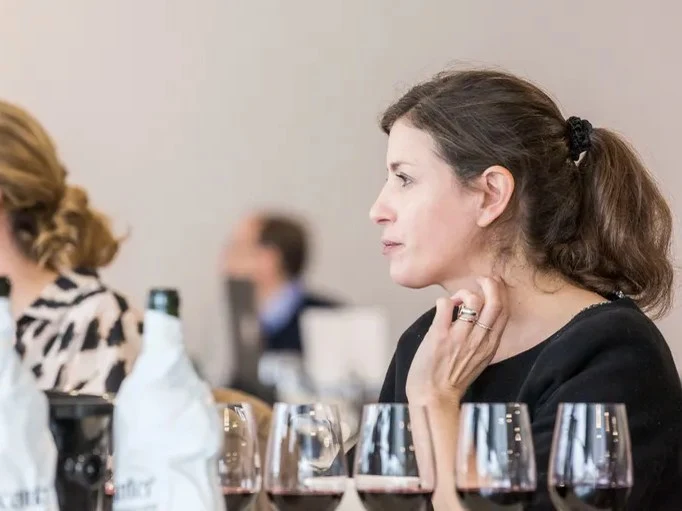
A woman with dark hair in a ponytail is seated at a wine tasting, with multiple wine glasses in front of her.
Restaurant work changes the way a judge listens to a wine. A bottle on a list has to survive contact with the table. It has to sit with food, budget, sequence, and occasion. Levinson’s current role at Maison Pic places her inside a restaurant group where wine decisions have to move across different rooms and markets, while still meeting the standards of Anne-Sophie Pic’s kitchens.
Levinson's choice of Olivier Horiot's Métisse Brut Nature reflects her palate. Levinson said she would like to mark the moment with Champagne, ideally at the restaurant of a chef she admires, with Olivier Horiot’s Métisse Brut Nature. She described Horiot’s wines as profound, balanced, subtly oxidative, and strongly gastronomic. Levinson thinks about Champagne as a table wine, with food beside it and texture carrying part of the argument.
A restaurant sommelier brings the memory of pairing pressure to a DWWA panel. Acidity has a job. Oxidative notes have a place or they do not. Price has to meet the glass. Levinson’s work across France and Argentina gives the Resident Co-Chair role a floor-trained eye, the kind that asks what a wine can do once it leaves the judging room.
What a restaurant sommelier brings to blind judging
"I believe I can bring the perspective of someone who works with wines across different restaurants and markets, where the constant pursuit of quality, value for money and relevance is essential"1
The DWWA table is blind, with wines grouped by categories, price bands, and peer groups. Wines arrive inside categories, price bands, and peer groups. A judge tastes a wine against its declared context. Levinson’s restaurant work gives her daily practice in context through wine-list decisions.
She has described the choice of new releases for a wine list as requiring curiosity, an open mind, and quality discipline. At DWWA, the same habits apply with a different tempo. The panel moves through flights; judges compare structure, balance, and expression; the strongest bottles advance toward the rounds where Co-Chairs and, in 2027, the Resident Co-Chair help make final calls.
Levinson has also pointed to the current evolution of natural wines, especially in France, as an area of interest. Natural wines on a list have to be served, explained, and understood in relation to diners who may or may not share the producer’s vocabulary. On a judging bench, the wine has to meet the same basic demands as every other entry: it has to taste complete, balanced, and convincing beside its peers.
A sommelier trained to read a bottle through service, market, value, and food now sits where final awards are decided.
South America on the DWWA bench
Levinson’s former Regional Chair role for Argentina and the Rest of South America (excluding Chile) gives her a long view of the continent’s DWWA entries, and she has watched the standard change from inside the judging room, flight by flight.
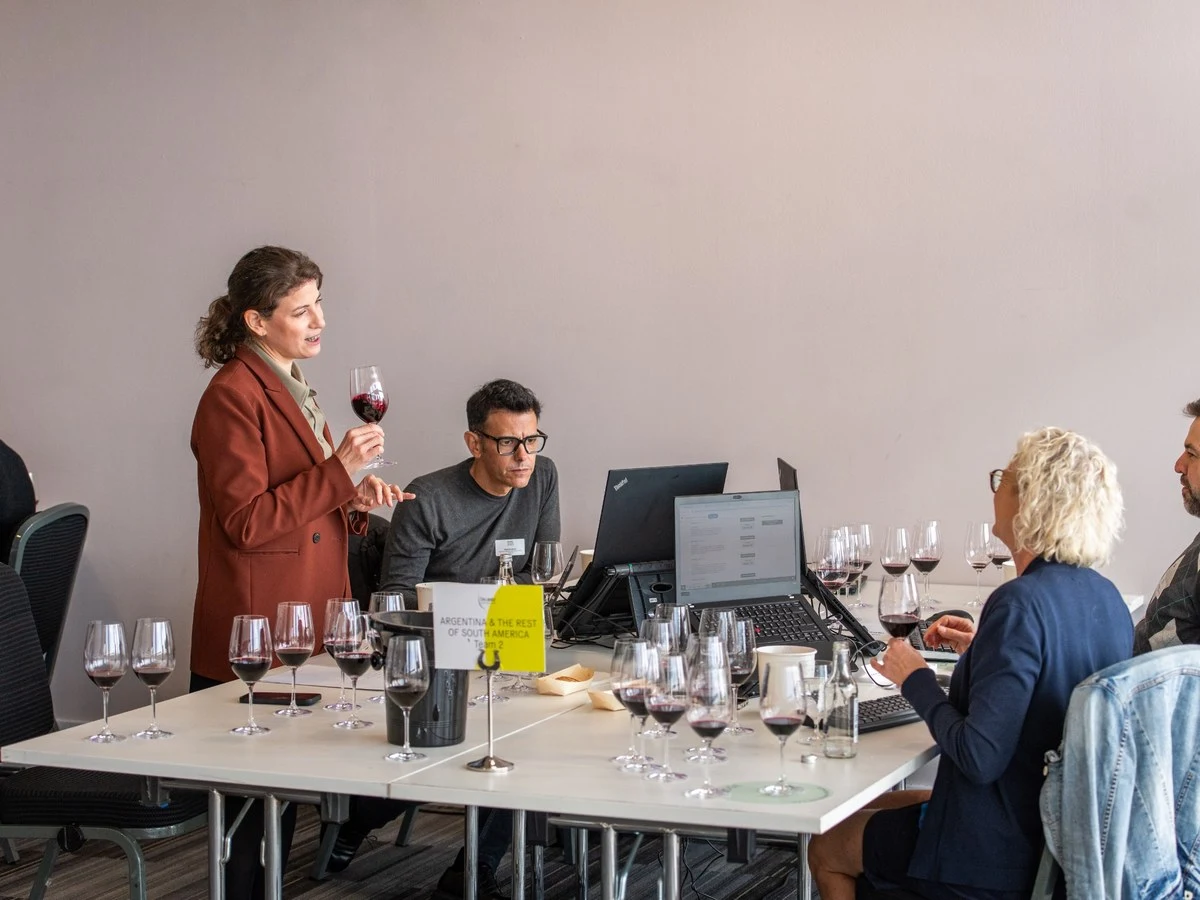
A wine tasting session with a woman in a rust-colored blazer standing and holding a wine glass.
"Ten years ago, I remember it was relatively easy to eliminate wines or find entries that did not quite meet the standard for a medal"2
Today, she finds the wines more balanced and better made. Brazil has been part of that shift. The country won 225 medals at a recent DWWA, including its highest-ever totals of Golds and Silvers. Levinson has said that many Brazilian entries surprise the whole panel.
Her 2027 post matters most for emerging and less visible regions. DWWA’s blind format can lift wines that arrive without familiar labels or region prestige. Levinson has spoken of the pleasure of finding wines that might otherwise go unseen, then giving them visibility through the judging process. For producers outside the most established circuits, a medal can put a wine into conversations where importers, sommeliers, and buyers are already paying attention.
Her own work outside the judging room has followed the same line. Levinson co-founded Argentina Reloaded, a series of events presenting Argentine wine in gastronomic capitals. She also co-wrote Crónicas del Vino Argentino, published in 2023, a portrait of the country’s winemakers drawn from a road trip across its wine regions. Those projects place her beside growers and producers.
For South America, the handoff to Regine Lee MW and Eduardo Milan keeps the regional bench named while Levinson moves into a broader role. Lee is managing director of UK importer Indigo Wines; Milan is a Brazil-based wine consultant and former Wine Editor of Revista ADEGA. Their presence keeps the Argentina and Rest of South America panels in specialist hands for 2027.
The 2027 pass: final decisions and what to watch
Levinson’s 2027 role brings her to the final Best in Show selections. At that stage, a wine has already passed through earlier judging rounds, blind and beside its peers. The remaining work asks for perspective across categories, regions, vintages, and price bands. The final Best in Show selections ask the Co-Chairs to compare excellence without flattening the differences between styles.
Levinson has described her first reading of a wine as beginning quickly on the nose, with aroma and colour offering clues before the palate confirms them. That sequence requires knowing when the first impression holds and when it must be checked. A wine can announce itself aromatically and fail on the palate. A quieter wine can gather force with air and structure. Blind judging rewards the panel that gives both possibilities enough time.
Levinson has pointed producers considering entry to the conditions: ideal tasting circumstances, excellent glassware, and panels with the qualifications to give direct, fair feedback. In the initial rounds, wines are tasted blind alongside peers grouped by region, style, vintage, and price band. Those groupings matter because they keep a wine from being judged against an irrelevant model. A young release stands with comparable wines, and a price band becomes part of the context.
Levinson has written and worked in education. Levinson has written for publications and websites including GuildSomm. She works as a restaurant consultant and as an educator for organisations including Wines of Argentina. Her DWWA role therefore sits at a crossing point: service, judging, teaching, and the work of translating wine regions for people who buy, pour, study, and drink.
The next visible work is the 2027 Decanter World Wine Awards bench, where Paz Levinson DWWA Resident Co-Chair will help follow the selection process to its final stage. Watch the wines that emerge from South America, the natural wine entries she has said interest her, and the bottles that carry enough character to slow a panel after a long day of tasting.
The Sunday letter
Get the next Made By guide in your inbox.
We send one email every Sunday morning with the guides and profiles we published that week.