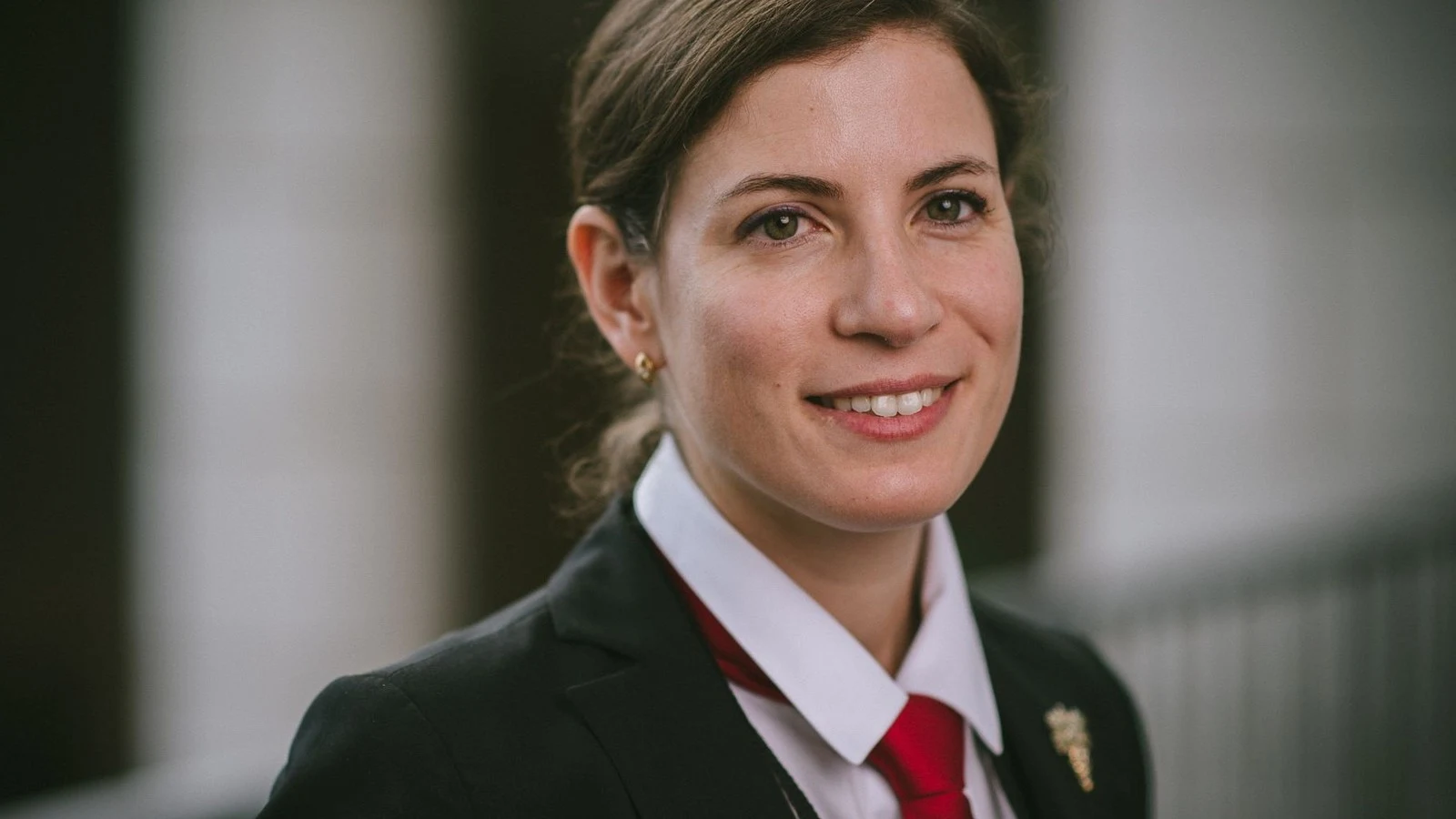
Chef Gizela Ho Is Building Good Morning 96 on Fillmore
After more than a decade at Rich Table, Gizela Ho is building Good Morning 96 on Fillmore with salted duck egg soufflé and seafood.
HM
Director of Editorial Standards
Hugo Marchetti
Filed October 24, 2026
9 min read
Gizela Ho has signed a lease at 2235 Fillmore St., where the former Ten-Ichi room will become Good Morning 96, her first restaurant after more than a decade on the Rich Table bench. Good Morning 96 is planned for midyear 2027.
Ho left Rich Table less than a year ago, after serving as sous chef and cooking there for more than a decade. The move gives San Francisco a cook trained in an established dining room who is now writing her own opening menu in a narrow Fillmore Street space that once held Ten-Ichi, the Japanese restaurant that closed in 2024 after billionaire investor Neil Mehta purchased the building.
The Sunday letter
Get our new stories in your inbox every Sunday.
One email with our newest profiles and guides. See a sample before you subscribe.
Good Morning 96 carries a family date. 1996 was when Ho's grandfather opened his restaurant in Hong Kong. For a chef raised in Guam, with family ties to Hong Kong and years spent cooking in San Francisco, that reference puts the new restaurant inside a lineage of work, waiting, and eventual ownership (Sfstandard2).
Good Morning 96 Brings Gizela Ho to Upper Fillmore
Good Morning 96 will sit in the Upper Fillmore, a neighborhood Ho chose after her first pass through the city's commercial real estate market. The address sits inside a corridor already in motion, with Mehta buying properties in the area and Ho drawn to a street where people keep moving past the storefront.
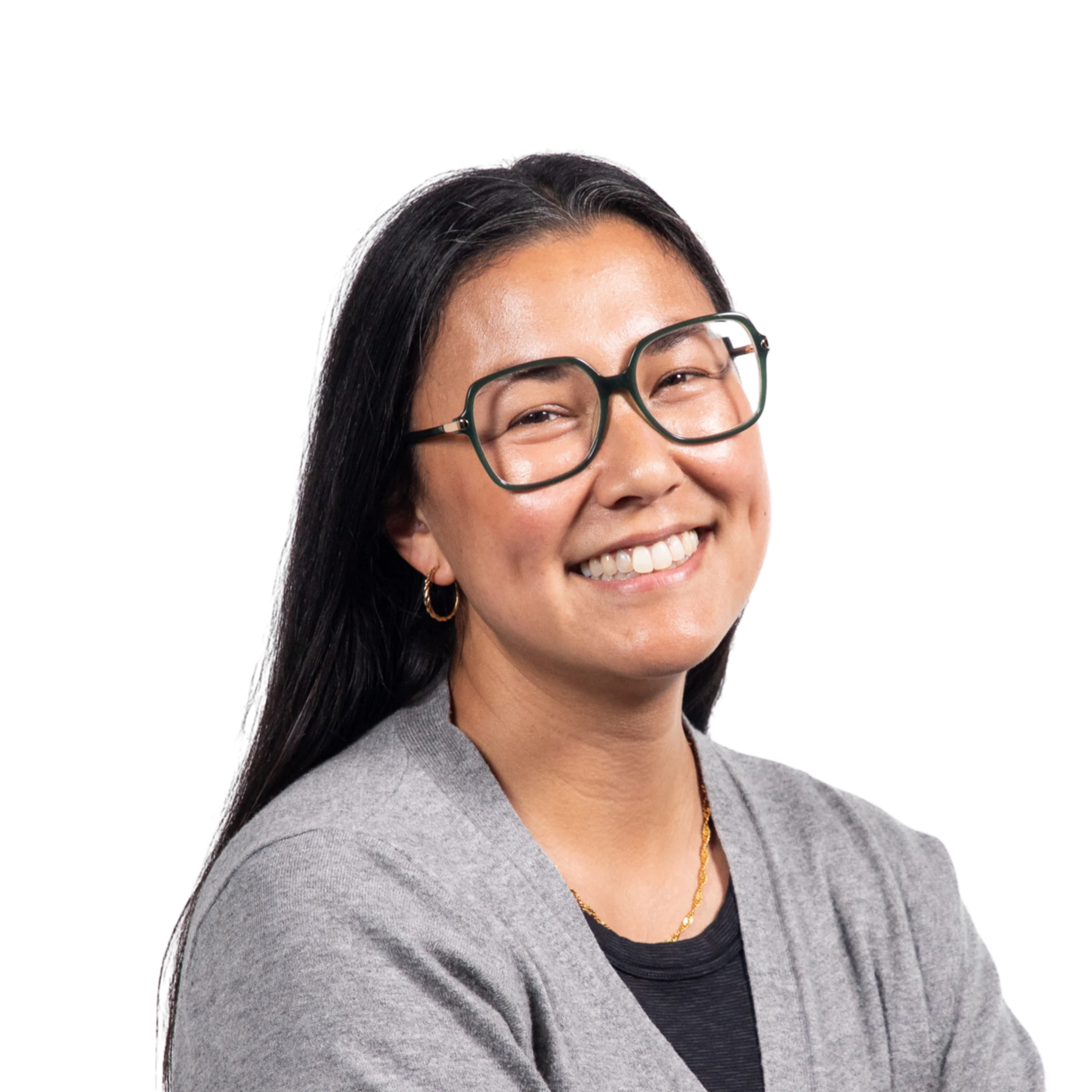
It is a professional portrait of a woman with long dark hair, glasses, and a gray cardigan.
The former Ten-Ichi space had a narrow footprint, a boxy shape, a gray exterior, and tall ceilings. The kitchen sat in the back. The details gave her a problem to solve.
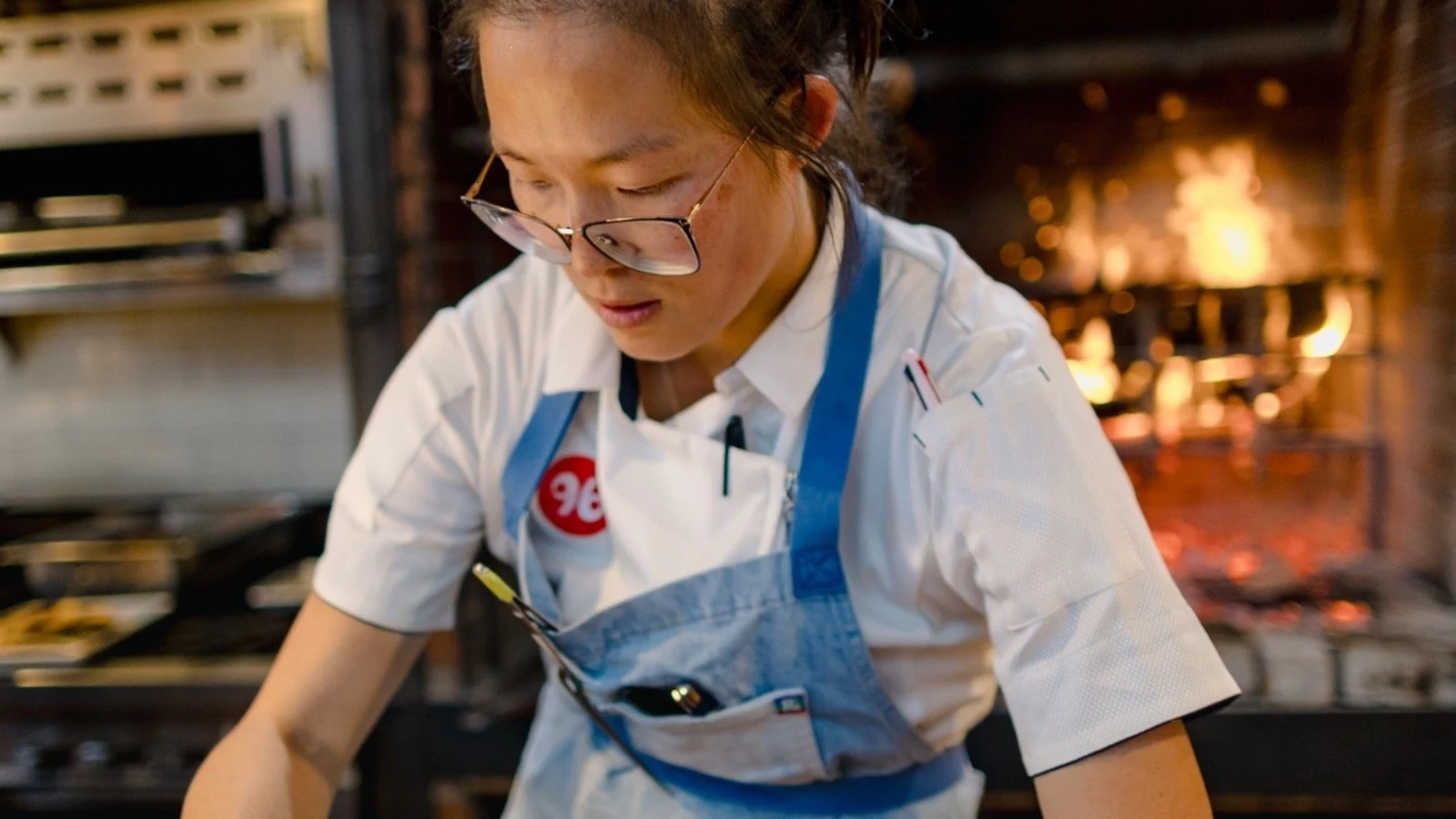
Ho's plan now includes an extensive renovation, with a mezzanine that will serve as a private dining room. She also wants to open up the kitchen, moving the work from the back of the space toward the visual center of the restaurant. An open kitchen changes sound, pacing, staffing, heat, and the way a cook stands under pressure. An open kitchen turns the hands into part of the room.
Good Morning 96 will be closer in size to Rich Table than Ho first imagined. Her early idea was a smaller restaurant with minimal staff. The Fillmore space pushed the plan larger. A tighter room lets the owner stay close to every plate. A larger room asks for systems, station leads, and a crew trained to carry the method when the chef steps away from the pass.
The Menu Begins With Salted Duck Egg and Stuffed Wings
Ho is building a menu rooted in California cuisine and shaped by global influences, with seafood and vegetables carrying much of the weight. She has been testing crudos and ceviches, and she has said she hopes to have an extensive raw menu.
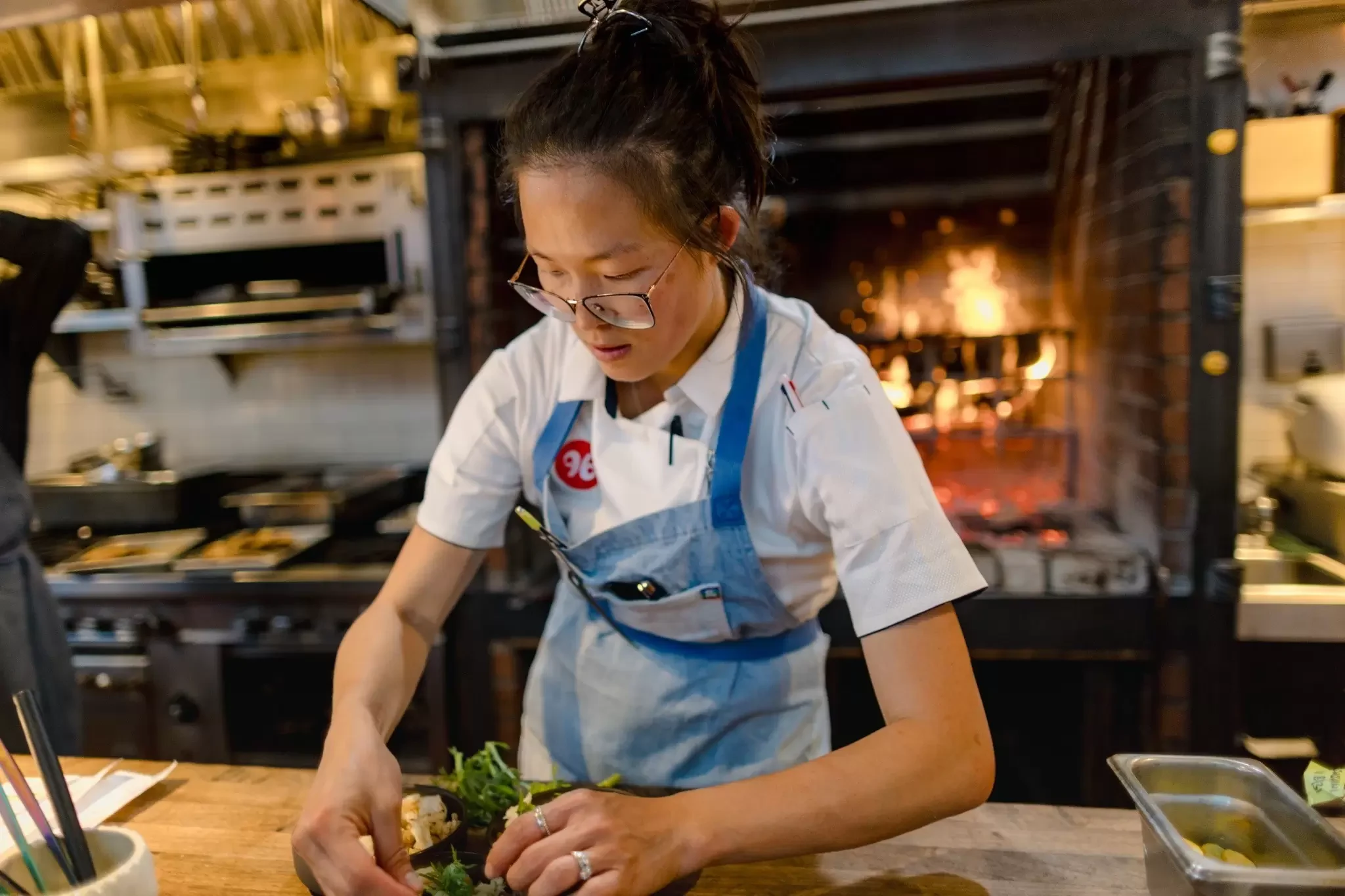
A chef in a blue apron and white shirt with glasses is plating food in a professional kitchen.
The dish that has already gathered attention is a scallop and shrimp-stuffed chicken wing glazed in garlic and fish-sauce caramel. Ho cooked it for a dinner at Angeler in partnership with Nisei, and the wings sold out despite her preparing more than enough for the event. After that service, she spent a few months refining the recipe. The reference point is Hong Kong fried fish balls, turned into a wing that carries shellfish inside poultry, caramel on the outside, and street-food memory underneath the technique.
The salted duck egg soufflé is planned for the opening menu. Ho made it for a September dinner at Oakland 's Pomet. A soufflé asks for timing that does not forgive drift: the base, the fold, the oven, the carry to the table. In Ho's version, the salted duck egg makes the dish savory and aligned with her seafood-and-vegetable direction.
Dungeness crab salad uses pomelo and spaghetti squash, with smoked trout crumble and red curry sauce. A cucumber and zucchini salad from her Rich Table years may return under sesame granita, a cold, savory finish suited to San Francisco's warmer days. She has also placed a molten black sesame cookie on the menu, a dish developed for one of her earliest pop-ups.
The Good Morning 96 restaurant will also have a full beverage program. Ho does not plan an extensive bottle list, and she wants approachable options by the glass and cocktails in the room. The tight footprint still has to make space for that program, so the bar cannot be treated as an afterthought. In a restaurant shaped by raw seafood, salted egg, garlic and fish-sauce caramel, red curry sauce, sesame, and pomelo, the glassware has to work bench-side with the food.
From Sous Chef to Solo: Gizela Ho's Path
Ho's more than a decade at Rich Table gave her time on the tools before the first Good Morning 96 service. Rich Table also gave her Evan Rich as a former boss and sounding board. When the Fillmore space first felt difficult, Ho brought the problem back to him. "I had a hard time imagining it into something that I could be excited about. Then I talked to Evan [Rich] about it," said Gizela Ho.1
The predecessor can remain in the room as technique, discipline, or one conversation that changes how a chef sees a lease. Ho's move is independent, but it follows the older apprenticeship rhythm: watch, repeat, lead a station, run a service, leave, build.
Ho has cooked through collaborations and pop-ups across the Bay Area. She partnered with Nisei in May, Ox & Tiger in June, Prubechu in July, and Peony Seafood Restaurant in September. She also cooked at Angeler in partnership with Nisei and at Pomet in Oakland. Those dinners served as testing ground for the stuffed wing and the salted duck egg soufflé. The stuffed wing moved from event plate to months of recipe work. The salted duck egg soufflé moved from Pomet toward the opening menu.
Ho has also said the menu reflects what she loved eating growing up in Guam. Ho was raised in Guam, has family ties to Hong Kong, trained in San Francisco, and was formed through travel. She is using California as the place where crab, squash, pomelo, cucumber, zucchini, sesame, salted egg, seafood, and vegetables can sit in the same kitchen.
She is also trying out a Hong Kong-style pork chop, and she has pointed to mapo schnitzel as a dish that appeared on the Rich Table menu. Those two references show a cook willing to put crisp meat, heat, and memory into formats that cross kitchens. The cut, sauce, crust, and seasoning have to hold under service.
The Former Ten-Ichi Space Gets Rebuilt Around the Hands
Good Morning 96 will use Ten-Ichi's former address, and Ho's renovation plan changes how the room will work. The mezzanine will create a private dining room above the main floor. The kitchen, now pushed to the back, is slated to become more visible. The tall ceilings that first made the space feel difficult become part of the solution once a mezzanine enters the plan.
Ho has cited Wong Kar-wai's 2000 film In the Mood for Love as an influence for the interior. She favors saturated color and moody rooms, with deep burgundy and white already part of her personal visual language from her wedding palette. She also plans to include design motifs common in Guam. The dining room carries Guam, Hong Kong, San Francisco, Rich Table, and the new Fillmore address in the same frame as the food.
The renovation also raises the stakes for service. A mezzanine private dining room needs timing from the kitchen, pacing from the floor, and a beverage program that can move between a main dining room and a separate group upstairs. A visible kitchen asks cooks to hold posture through the rush.
Ho is in talks with A-Frame Hospitality, the consultancy tied to the opening of The Happy Crane. She has also secured part of the funding needed for the restaurant. As a first-time owner, Ho has construction, staffing, service design, beverage storage, private dining, and the opening menu on her prep list before the first ticket prints.
The Midyear 2027 Window
The known window for Good Morning 96 is midyear 2027. Ho's design and construction teams have told her to plan for that timing, and she is treating the schedule with patience after decades in the industry. That patience fits the name. Her grandfather spent years as a street vendor before opening his Hong Kong restaurant in 1996. Ho is now building a first restaurant with a 30-year horizon in mind.
The address is 2235 Fillmore St. in San Francisco's Upper Fillmore, in the former Ten-Ichi space. The early menu signals to watch are the scallop and shrimp-stuffed chicken wing, the salted duck egg soufflé, crudos, ceviches, Dungeness crab salad when the season and timing allow, and the return of the cucumber and zucchini salad with sesame granita. The beverage program is kept within the limits of the room, with by-the-glass options, cocktails, and a bottle list.
She spent more than a decade under the pace of Rich Table, left less than a year ago, tested dishes through Nisei, Ox & Tiger, Prubechu, Peony Seafood Restaurant, Angeler, and Pomet, and now has a Fillmore room large enough to require a real crew. The next thing to watch is how she trains that crew, where she places the pass, and which dishes survive the first months of service. Good Morning 96 will open with family memory in its name; the restaurant will earn its shape through the hands that repeat the work night after night.
The Sunday letter
Get the next Made By guide in your inbox.
We send one email every Sunday morning with the guides and profiles we published that week.