Made ByWinery

- Michelin 2 Grapes · 2026
- Falstaff Winery - Listed · 2026
- Pearl 2 Star Prestige · 2025
The Sunday letter
Find new places through the people who run them.
Our Sunday email brings you the chefs, winemakers and hoteliers behind our newest stories. See a sample before you subscribe.
See a sample of the Sunday emailOne email a week. Unsubscribe from any issue.
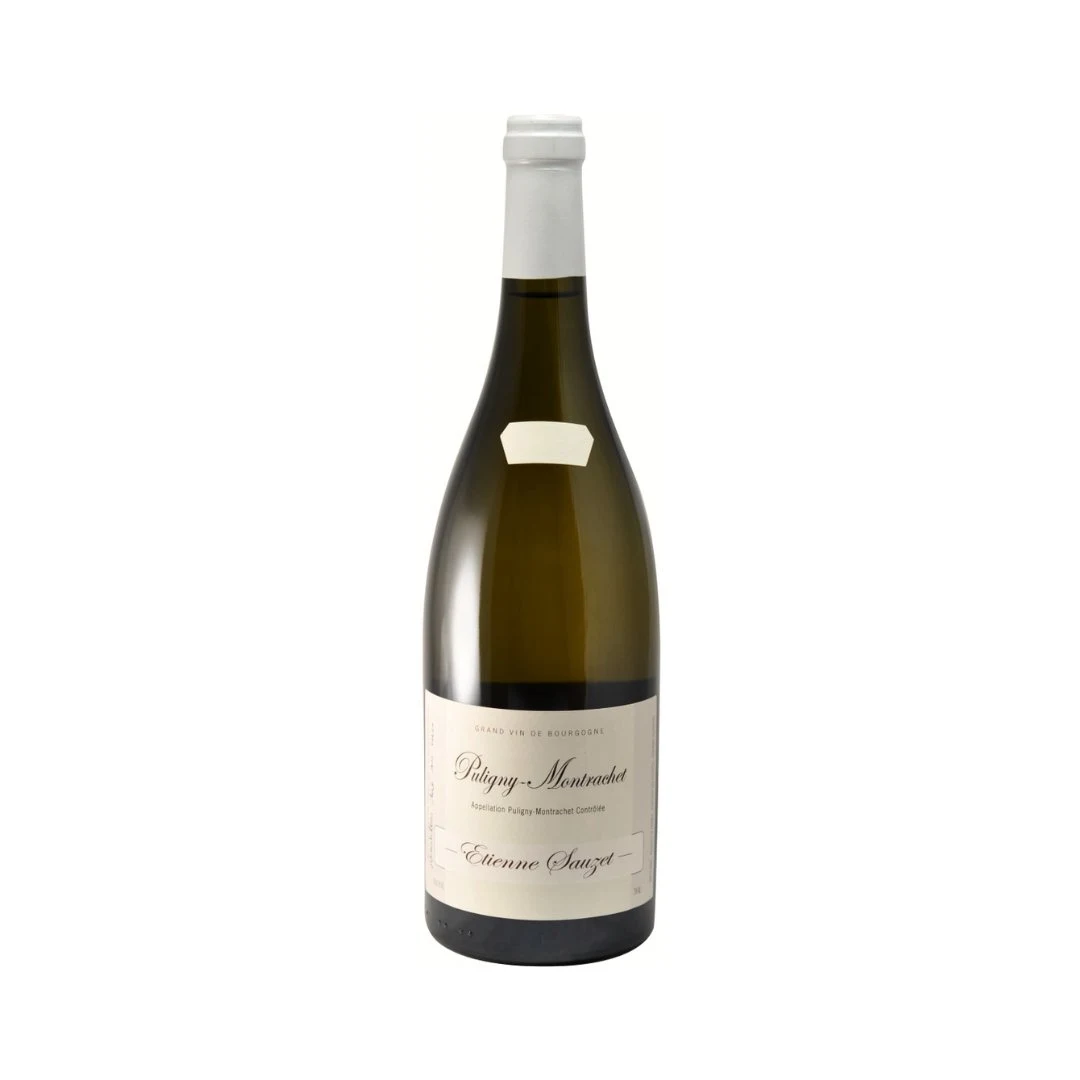
The Sauzet lineage in Puligny-Montrachet sits among the handful of estates that defined the modern technical standards for white Burgundy in the latter half of the twentieth century, a period when extended lees contact, late harvest timing, and restrained new-oak regimes replaced older models of early bottling and heavy oxidation. Domaine Étienne Sauzet, established in the first half of the twentieth century and reorganized under Étienne Sauzet's own hand in the first half of the twentieth century, carried that evolution through the work of his grandson Gérard Boudot from 1974 until Boudot's retirement in the early 2000s, at which point the domaine passed to Boudot's daughter Émilie Boudot, who has held the winemaking role since 2002. The estate holds 9.5 hectares across Puligny-Montrachet's premier cru and grand cru hierarchy, with holdings in Bienvenues-Bâtard-Montrachet, Bâtard-Montrachet, and Chevalier-Montrachet anchoring the top of the range, alongside parcels in Les Combettes, Champ Canet, La Garenne, Les Referts, and Les Perrières. A négociant line under the Sauzet name extends the portfolio into appellations the domaine does not own, but the estate-bottled wines remain the technical core and the lineage anchor.
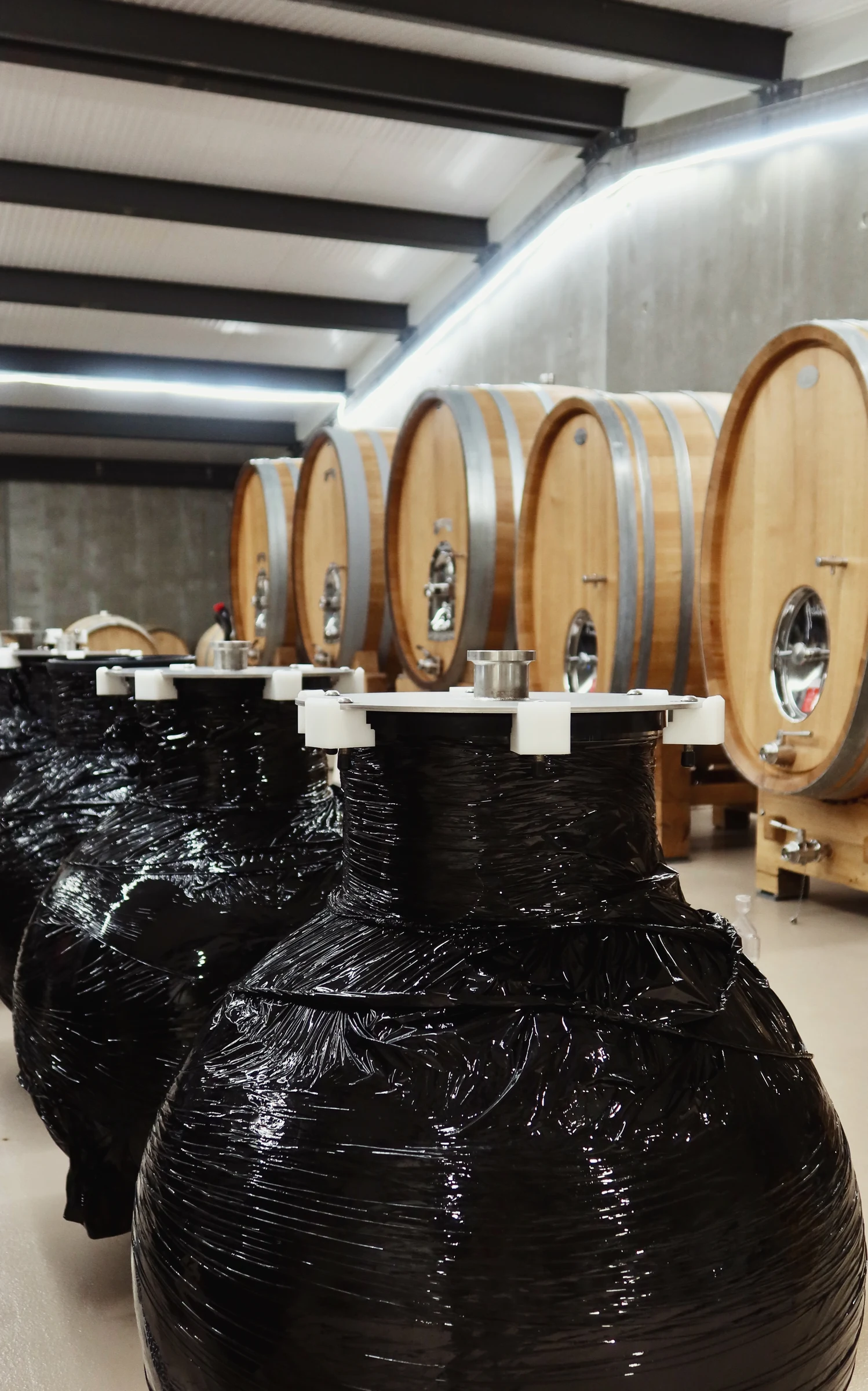
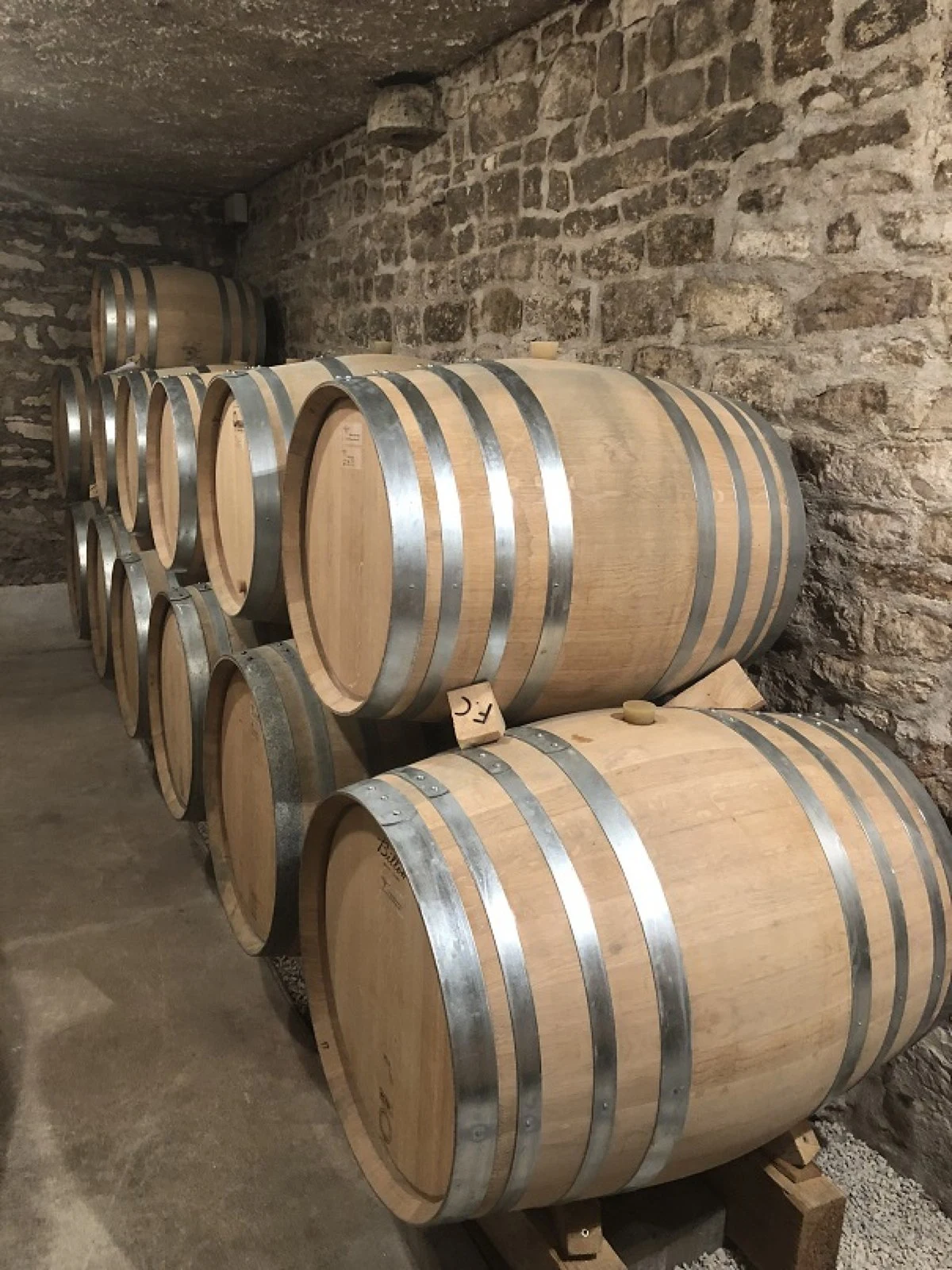
Émilie Boudot's tenure since 2002 marks more than two decades of continuity inside the Boudot-Sauzet technical frame, a model that privileges whole-cluster pressing, natural malolactic fermentation across the range (including the grands crus, a point of differentiation from estates that block malo in their leading wines), extended lees aging without stirring (bâtonnage is used sparingly and only in the village wines when the vintage requires it), and a restrained oak regime where new barrels represent roughly 15 to 20 percent of the total across premier cru bottlings and rise to 25 to 30 percent in the grands crus, well below the 40 to 50 percent common among peers in Chassagne-Montrachet and Meursault during the same period. Fermentation occurs in barrel rather than in tank, a choice that integrates oak early and reduces the phenolic extraction associated with post-fermentation transfer. Bottling occurs after roughly 18 months in cellar for the premier crus and 20 to 22 months for the grands crus, timed to the second winter after harvest to allow full malolactic completion and natural cold stabilization without filtration. The resulting wines read as mid-weight inside the Puligny spectrum, denser and more structured than the lighter villages from Leflaive or Carillon, less overtly rich than the high-ripeness model pursued by Ramonet in Chassagne, and the house style leans toward floral aromatics and saline minerality over the tropical-fruit ripeness that defines warmer-vintage or higher-alcohol expressions elsewhere in the Côte de Beaune.
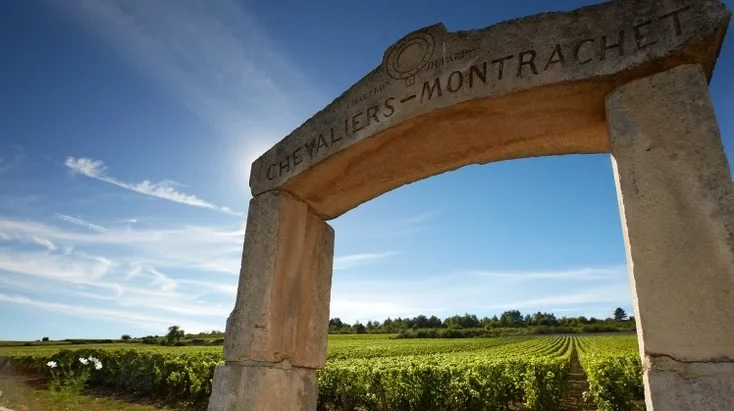
The grand cru holdings form the technical and commercial apex of the domaine's range. Bienvenues-Bâtard-Montrachet, a 3.69-hectare grand cru appellation that sits immediately upslope of Bâtard-Montrachet itself and abuts the Puligny village boundary, accounts for 0.17 hectares of the Sauzet holdings, among the larger parcels in the appellation, which is divided among only eleven producers. Bâtard-Montrachet, the 11.86-hectare grand cru that straddles the Puligny-Chassagne commune line, contributes 0.13 hectares. Chevalier-Montrachet, the 7.36-hectare grand cru that sits atop the slope directly above Le Montrachet itself, provides 0.05 hectares. The Chevalier parcel sits in the cooler, higher-elevation northern section of the appellation and produces the lightest and most mineral-driven of the three grand cru bottlings in the Sauzet range, while the Bâtard and Bienvenues bottlings read as denser and riper, with more weight in the mid-palate and a phenolic structure closer to the Chassagne model than to the Puligny archetype. Annual production across the three grand cru wines totals roughly 800 to 1,000 bottles per cuvée, with the Chevalier the smallest and the Bienvenues the largest of the three. Allocation lists control access to the grand cru bottlings; retail distribution is limited, and secondary-market pricing for recent vintages runs from €400 to €600 per bottle for the Bienvenues and Bâtard and €500 to €700 for the Chevalier, placing the Sauzet grands crus in the middle tier of the Puligny-Montrachet grand cru pricing hierarchy, above Carillon and Chavy-Chouet, below Leflaive and the leading bottlings from Domaine de la Romanée-Conti.
The premier cru tier carries the larger share of the domaine's total production and the clearest view of the Boudot technical frame. Les Combettes, a 6.77-hectare premier cru that sits at the southern edge of Puligny and abuts the Meursault commune line, accounts for 1.35 hectares of the Sauzet holdings, the largest single parcel in the estate portfolio. The Combettes parcel sits on deep clay-limestone soils that retain moisture through the growing season and produce wines with more mid-palate density and less overt minerality than the cooler, stonier parcels higher on the slope. Champ Canet, a 4.52-hectare premier cru in the northern section of Puligny, provides 1.13 hectares and produces a lighter, more floral wine with higher acidity and less phenolic weight. La Garenne (1.07 hectares) and Les Referts (0.53 hectares) contribute smaller volumes and sit stylistically between the Combettes density and the Champ Canet lift. Les Perrières, a 13.52-hectare premier cru that spans the mid-slope above the village and includes some of the stoniest, most mineral-driven soils in Puligny, accounts for 0.72 hectares and produces the most tightly wound and cellar-worthy of the Sauzet premier cru range. The Perrières bottling typically requires five to seven years in bottle to open and shows its best form at ten to fifteen years, while the Combettes and Champ Canet reach earlier drinkability at three to five years and peak at eight to twelve. Annual production across the premier cru tier totals roughly 3,000 to 4,000 bottles per cuvée, with the Combettes the largest and the Referts the smallest. Pricing in the retail channel runs from €80 to €120 per bottle for current releases, positioning the Sauzet premier crus in the upper tier of Puligny pricing alongside Leflaive and above the village-dominant estates like Chavy-Chouet and Bachelet-Ramonet.
Village Puligny-Montrachet bottling draws from 2.8 hectares across multiple parcels and serves as the technical baseline for the house style, whole-cluster pressed, barrel-fermented with indigenous yeasts, malo completed naturally, 15 percent new oak, 14 to 16 months in barrel before bottling. The wine reads as denser and more structured than typical village Puligny from peers like Carillon or Chavy-Chouet, with more phenolic grip and less immediate fruit expressiveness, and the style sits closer to a light premier cru than to the archetypal village-level white Burgundy. Annual production totals roughly 8,000 to 10,000 bottles, and the wine is the most widely distributed of the Sauzet range, available through standard retail and restaurant channels at €40 to €60 per bottle in recent vintages. The négociant line, bottled under the Étienne Sauzet name but sourced from purchased fruit rather than estate-owned parcels, extends the portfolio into appellations like Chassagne-Montrachet, Meursault, and Bourgogne Blanc, but the wines are produced in separate lots and do not carry the same technical signatures as the estate bottlings, shorter lees aging, higher new-oak percentages in some cuvées, and earlier bottling schedules to meet volume commitments. The négociant wines account for roughly 40 percent of total production under the Sauzet name but represent a separate commercial and technical tier from the estate range.
Access to the estate-bottled wines operates through a tiered allocation system managed directly by the domaine and through a small network of importers in key markets. The grand cru bottlings are allocation-only, with access determined by purchase history and relationship rather than by open retail availability. The premier cru bottlings see limited retail distribution but are available on allocation lists for established buyers, and the village Puligny is the only wine in the estate range that reaches open retail and restaurant channels in meaningful volume. The domaine does not operate a tasting room open to the public, and cellar visits are by appointment only, typically reserved for trade buyers and allocation-list clients. Secondary-market access is more open but comes at a significant premium: recent-vintage Combettes and Perrières bottlings trade at €120 to €180 per bottle on the secondary market, roughly double the ex-cellar release price, and the grands crus command multiples of three to four times the release price within two to three years of bottling. The allocation structure and the limited production volumes place Sauzet in the top tier of access difficulty among Puligny estates, comparable to Leflaive and more restrictive than peers like Carillon, Chavy-Chouet, or Colin-Deleger, whose larger production volumes and more open distribution models make their wines easier to access through standard retail and restaurant channels.
The Boudot family succession from Gérard to Émilie marks a generational transition inside a working technical model rather than a stylistic reboot, and the continuity from the 1990s through the 2020s is more pronounced than the change. Émilie Boudot's vintages since 2002 have maintained the restrained oak regime, the natural malo protocol, and the extended lees aging that defined her father's tenure, and the house style remains firmly inside the mid-weight, mineral-driven lineage that crystallized in Puligny during the 1970s and 1980s under the influence of estates like Leflaive, Carillon, and Sauzet itself. The vineyard holdings have remained stable since the early 2000s, with no significant parcel acquisitions or sales, and the technical program in the cellar has seen only minor adjustments, slightly later harvest timing in recent vintages to accommodate warmer growing seasons, marginally lower sulfur additions at bottling to align with broader trends in white Burgundy, and selective use of larger-format barrels (500-liter puncheons rather than 228-liter barriques) in the village wines to reduce oak influence without abandoning barrel fermentation. The resulting wines read as classical Puligny inside the Sauzet lineage rather than as explorations of new technique, and the domaine's position inside the Puligny hierarchy has remained stable across the generational transition, a top-tier estate by holdings and reputation, a mid-tier estate by volume and distribution reach, and a high-tier estate by pricing and allocation difficulty.
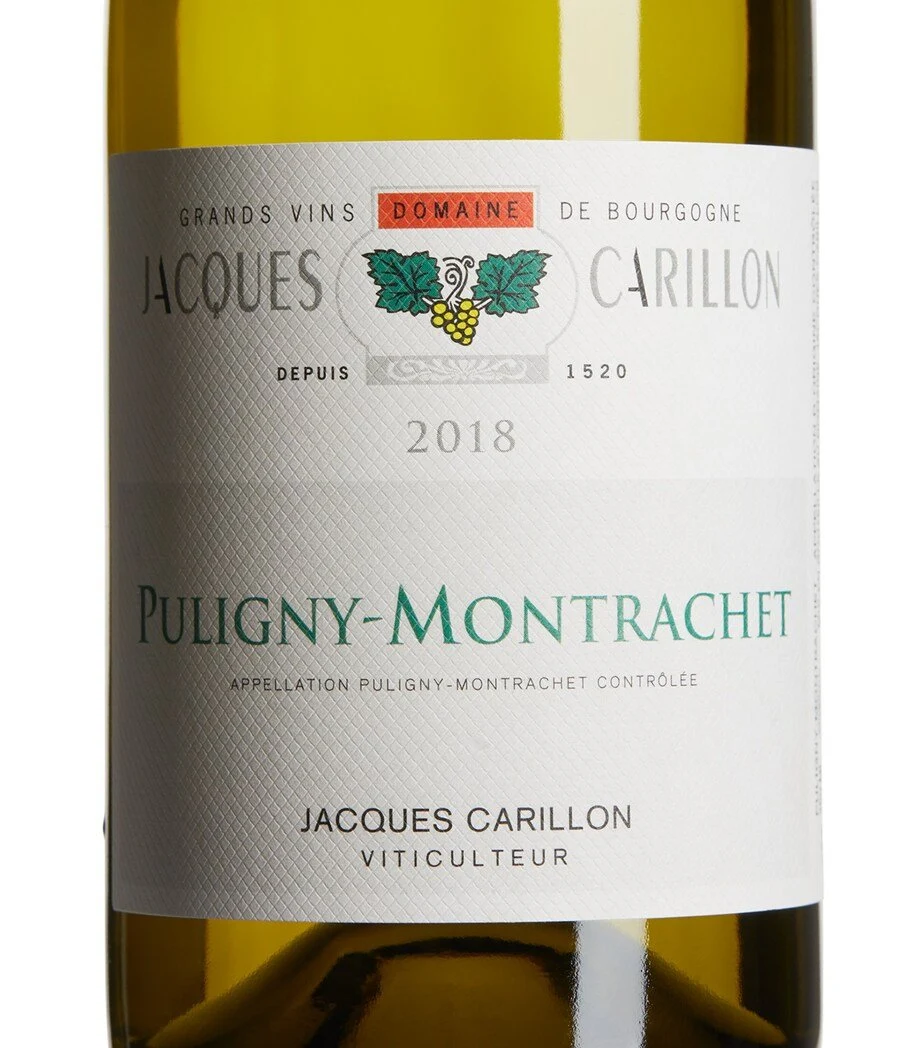
The peer set inside Puligny-Montrachet divides along lines of production scale, allocation intensity, and stylistic weight. Domaine Leflaive operates at a larger scale (24 hectares of estate holdings versus Sauzet's 9.5 hectares) and commands higher pricing and tighter allocation lists, but the two estates sit in the same technical and stylistic lane, restrained oak, natural malo, extended lees aging, mid-weight structure, mineral-driven aromatics. Domaine Jacques Carillon works at a smaller scale (5 hectares) and produces lighter, more delicate wines with less phenolic grip and earlier drinkability, but the Carillon range is more accessible through retail channels and priced 20 to 30 percent below Sauzet across comparable tiers. Domaine Benoît Ente, a younger estate founded in the 1990s, sits stylistically between Sauzet and Carillon, denser than Carillon, lighter than Sauzet, and operates at a similar allocation intensity but with smaller total production and higher per-bottle pricing at the top of the range. Domaine Thomas-Collardot, a less widely distributed estate with holdings in Les Folatières and Les Referts, produces wines in a richer, higher-alcohol style with more new oak and less mineral transparency, and the estate's commercial positioning skews toward the export market rather than toward Burgundy's traditional allocation-list buyers. Among Chassagne-Montrachet producers, Domaine Ramonet works at a higher ripeness level and higher alcohol than Sauzet, with more tropical-fruit aromatics and less saline minerality, while Domaine Blain-Gagnard and Domaine Fontaine-Gagnard sit closer to the Sauzet model but with deeper clay soils and riper phenolic profiles that shift the wines toward the Chassagne archetype. The Sauzet position inside this peer set, top-tier by holdings and reputation, mid-tier by accessibility, classical by style, has remained stable across two decades of Émilie Boudot's tenure and reflects the durability of the Boudot technical frame inside a highly competitive and closely watched appellation.
Questions
Frequently asked
Who works at Domaine Etienne Sauzet?
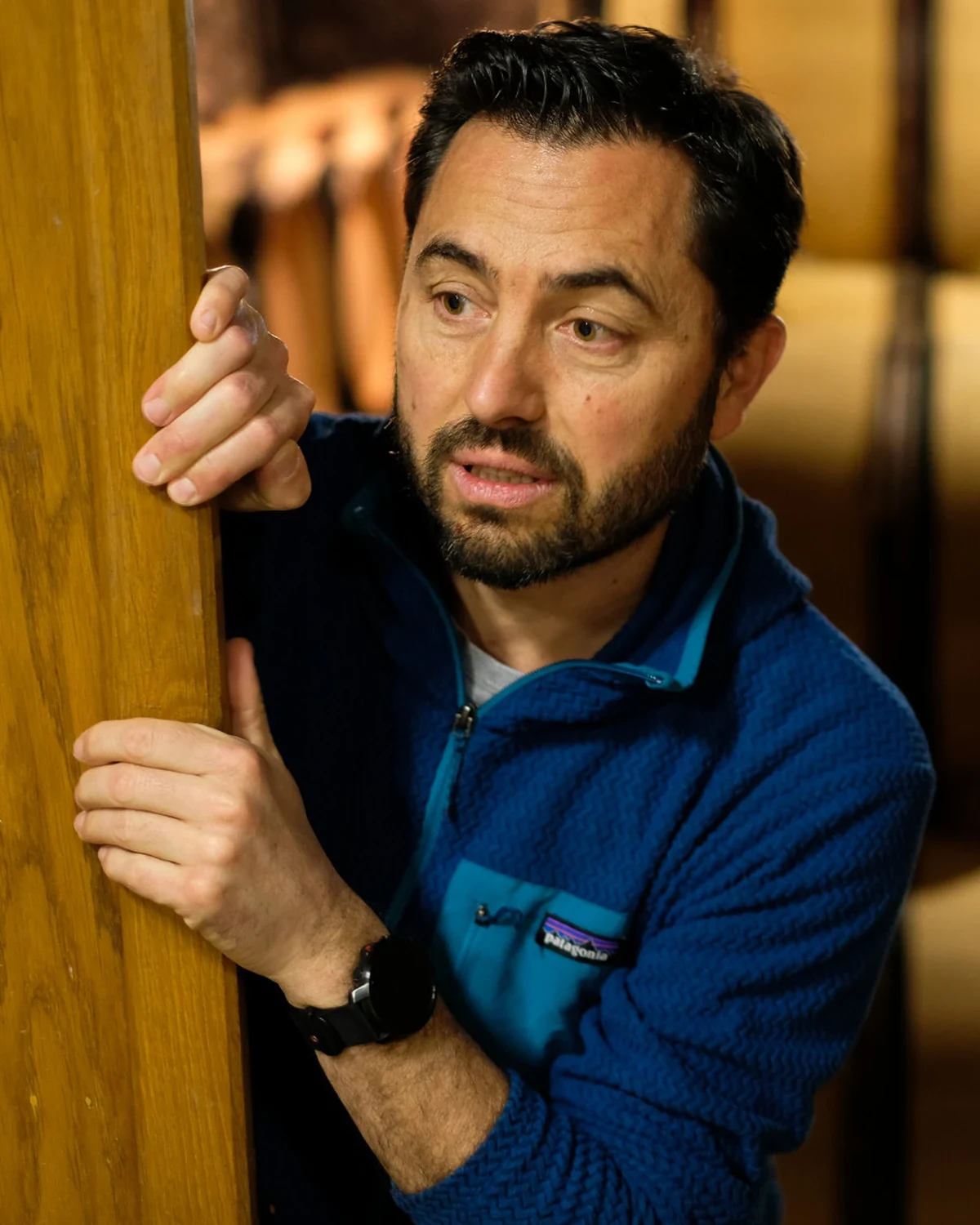
Made By profiles Émilie Boudot (Winemaker) and Benoît Riffault (Winemaker) at Domaine Etienne Sauzet.
How expensive is Domaine Etienne Sauzet?
Domaine Etienne Sauzet is listed at a price level of $$$$.
The field
How it compares
| Place | Notes |
|---|---|
| Domaine Etienne Sauzet | Puligny-Montrachet, $$$$ |
| Benoît Ente | Puligny-Montrachet |
| Chapelle de Blagny | Puligny-Montrachet |
| Domaine François Carillon | Puligny-Montrachet |
| Domaine Jacques Carillon | Puligny-Montrachet |
| Domaine Leflaive | Puligny-Montrachet |
| Domaine Paul Pernot et ses Fils | Puligny-Montrachet |
In residence
Similar places
The Sunday letter
Get the next Made By story in your inbox.
We send one email every Sunday morning with the places and people we covered that week.
See a sample of the Sunday emailOne email a week. Unsubscribe from any issue.