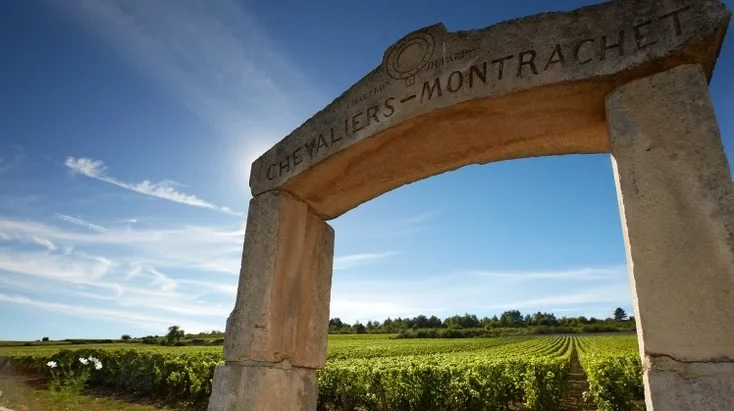
Domaine Jacques Carillon pairs cave tasting and vineyard tour experiences with a quiet Puligny-Montrachet setting and vineyard views; Michelin Main Selection, 2026.
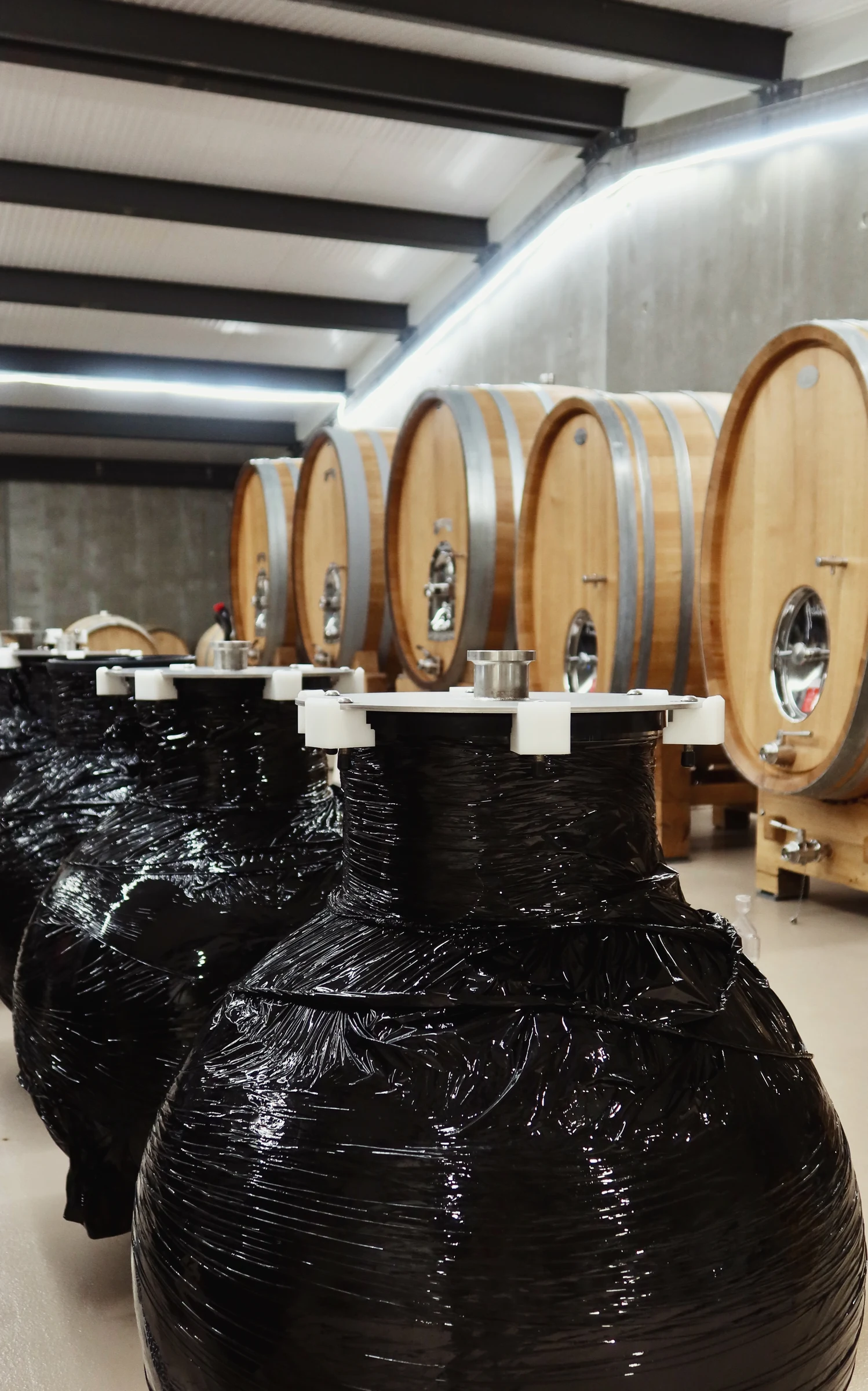
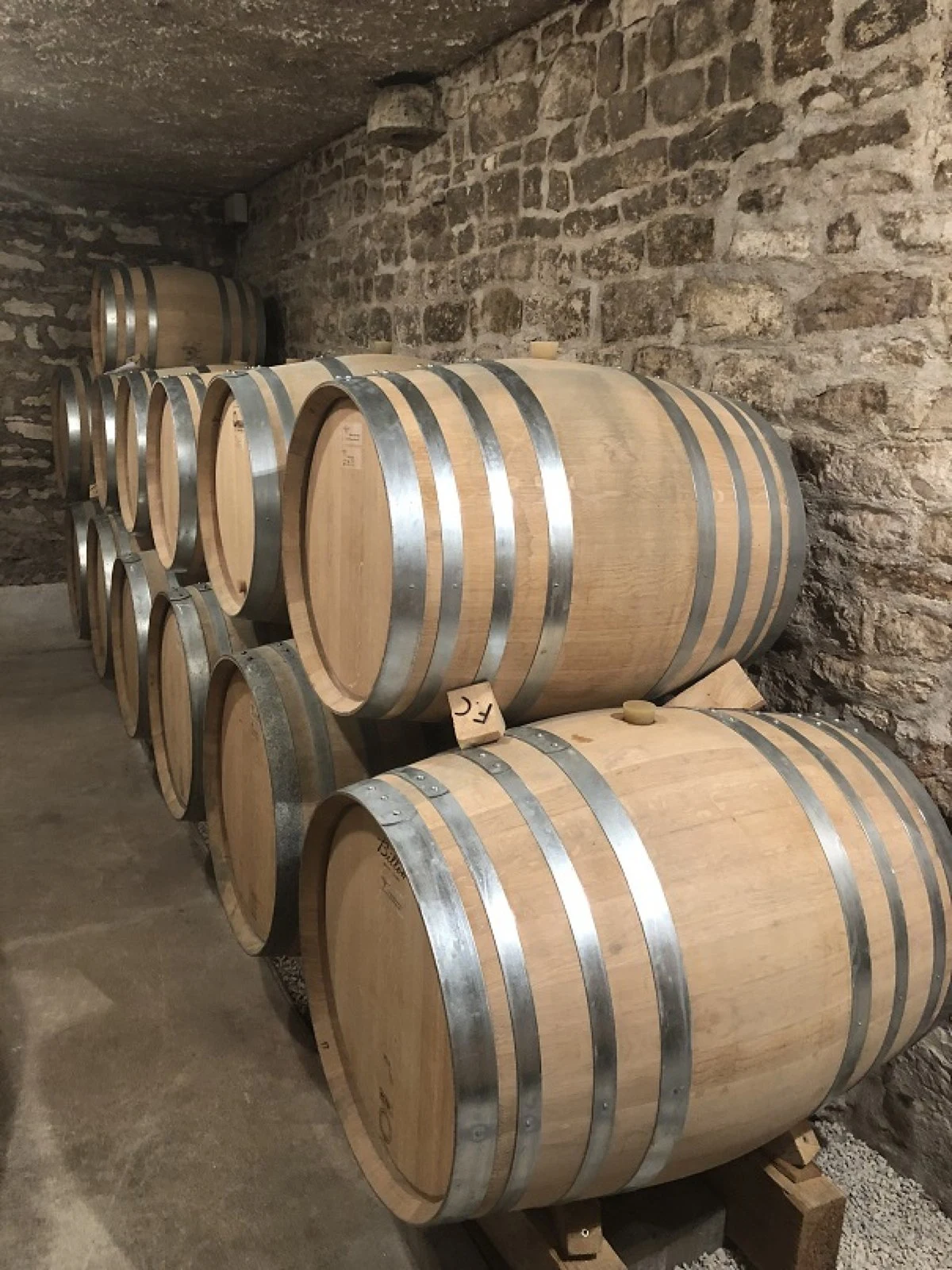
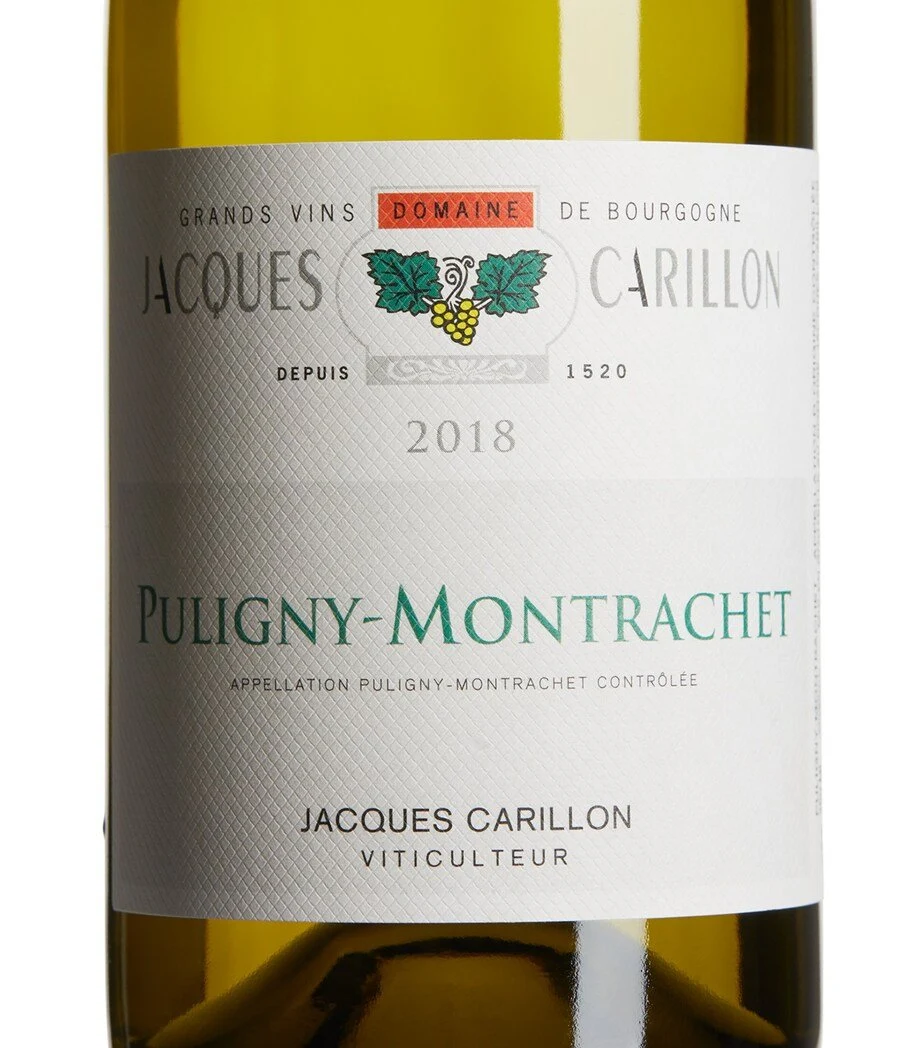
Puligny-Montrachet remains the technical center of white Burgundy production, and within the commune's tightly held 220 hectares, a small number of domaines have carried the Chardonnay tradition through multiple generations without deviation from the classical barrel-fermentation, bâtonnage-driven approach that defines the appellation. Domaine Jacques Carillon operates inside that transmission, working roughly 5.5 hectares across the Puligny-Montrachet premier cru ladder and a single climat parcel in the adjacent Chassagne-Montrachet appellation. The domaine's current holdings include parcels in Les Combettes, Les Perrières, Les Referts, and Champ Canet, each expressing the high-limestone, shallow-soil profile that separates the premier cru band from the village-level vineyards below. Jacques Carillon established the current domaine in the early 2010s, continuing the Carillon family winemaking tradition that dates to the mid-19th century and that ran under the Carillon name through multiple branches before consolidating into the current Jacques Carillon label in the early 2010s. The domaine's winemaking sits firmly inside the Puligny-Montrachet consensus approach developed across the postwar decades by the Louis Carillon generation and refined through the 1980s and 1990s as temperature-controlled fermentation and careful lees management became standard practice. Whole-bunch pressing without settling precedes spontaneous fermentation in 228-litre Burgundian pièces with a modest percentage of new oak typically running 20 to 25 percent across the premier cru parcels, and a bâtonnage regime that lasts through the first winter before the wine is left undisturbed through the following summer. The protocol avoids the longer lees contact and higher new-oak ratios that mark the more oxidative Meursault school and equally avoids the ultra-reductive, stainless-influenced style that some younger Burgundy producers have adopted. The resulting wines sit in the classical Puligny register: taut, mineral-driven, with citrus and white-flower aromatics and a structure built on acidity and tension rather than on weight or phenolic grip. Alcohol levels remain moderate by contemporary standards, typically 12.5 to 13.5 percent, and the wines show their best after five to eight years in bottle when the early reductive phase has resolved and the limestone-derived salinity has fully integrated. The premier cru parcels form the core of the domaine's production. Les Combettes sits at the southern end of the Puligny premier cru band, directly above the village-level vineyards and just below the border with Meursault, on a gentle slope with southeast exposure and thin topsoil over Bathonian limestone. The climat produces wines that lean toward the richer, rounder end of the Puligny spectrum, with more evident fruit and a slightly broader mid-palate than the steelier climats higher on the slope. Les Perrières occupies a higher position on the same hillside, with rockier soil and better drainage, and the resulting wines show more pronounced salinity and a longer, more linear finish. Les Referts sits further north along the premier cru band, closer to the Bâtard-Montrachet lieu-dit, with a cooler microclimate and later ripening that pushes the vintage variation wider: in warm years the wines show generous white-fruit aromatics, in cool years they require longer cellaring to resolve the early minerality. Champ Canet, the domaine's smallest premier cru holding, sits just below Les Combettes and produces a wine that sits between the Combettes richness and the Perrières tension, often released as a blend with other parcels depending on the vintage. The domaine also works a small parcel in the Chassagne-Montrachet premier cru Les Macherelles, on the southern slope of the Montrachet hill where the limestone band continues across the commune boundary. The Chassagne bottling shows a slightly different aromatic profile than the Puligny cuvées, with more stone-fruit character and a rounder texture, reflecting both the slightly warmer microclimate and the deeper clay-limestone mix in the Chassagne soils. The village-level Puligny-Montrachet cuvée is drawn from parcels in Les Enseignères and other lieux-dits below the premier cru band, fermented and aged under the same protocol as the premier cru wines but with a shorter élevage and a lower percentage of new oak, typically 15 to 20 percent. The village bottling serves as the entry point to the domaine's style and remains one of the more reliable expressions of classical Puligny-Montrachet available at its price tier, typically released at 25 to 35 euros ex-cellar and appearing on trade lists at 50 to 75 euros depending on the market. Jacques Carillon's cellar work follows the Louis Carillon template with minimal deviation. Harvest timing targets full physiological ripeness without over-ripeness, typically in the second or third week of September depending on the vintage, with hand-sorting in the vineyard and a second sorting at the cellar before pressing. Fermentation proceeds spontaneously with ambient yeasts, and temperatures are allowed to rise naturally to 20 to 22 degrees Celsius before cooling slightly during the slower tail of primary fermentation. Malolactic fermentation occurs naturally in barrel the following spring, and the wines remain on full lees through the summer with weekly bâtonnage during the first four to six months, then left undisturbed until the first racking in late summer or early autumn. The wines are bottled after 12 to 14 months in barrel, unfined and lightly filtered, and released roughly 18 months after harvest. The élevage regime is conservative by contemporary standards; some Puligny producers now extend barrel aging to 16 or 18 months and reduce or eliminate fining and filtration entirely, but it produces wines that show early aromatic clarity and that age predictably, reaching a first drinking window at five years and holding through 15 years in strong vintages. The domaine's total production runs to roughly 2,500 to 3,000 cases annually, with the premier cru cuvées accounting for roughly 60 percent of total volume and the village-level Puligny-Montrachet and Chassagne-Montrachet cuvées making up the remainder. The wines are distributed through a traditional Burgundy négociant network, with allocations to longstanding importers in the United States, the United Kingdom, Belgium, and Japan, and direct cellar sales accounting for a small percentage of total release. The domaine does not maintain a formal allocation list in the manner of the largest Puligny houses, but availability on the open market remains limited and the premier cru cuvées are typically pre-sold to established trade buyers before general release. Retail pricing sits in the middle tier of the Puligny premier cru market: the premier cru bottlings release at 45 to 65 euros ex-cellar depending on the climat and the vintage, placing the domaine below the top-tier Puligny houses such as Domaine Leflaive and Domaine Étienne Sauzet but above the larger cooperative-affiliated producers and the entry-level négociant bottlings. The domaine's market position reflects both the quality consistency of the wines and the relatively modest scale of the operation. Jacques Carillon does not command the same per-bottle pricing or the same critical attention as the largest Puligny houses, but the wines reliably express the limestone-driven, high-acid Puligny style without the stylistic experimentation or the commercial calculation that marks some of the younger producers in the appellation. The premier cru cuvées are benchmark examples of their respective climats and serve as useful reference points for understanding the variation across the Puligny premier cru band. Collectors and sommeliers sourcing for a list treat the domaine as a reliable mid-tier Puligny producer, and the wines appear regularly on trade lists in markets with strong Burgundy representation. The village-level Puligny-Montrachet bottling remains one of the more dependable values in the appellation, offering a clear expression of the domaine's style at a price point that allows for broader distribution than the premier cru cuvées. The Louis Carillon lineage that Jacques Carillon inherited represents one of several family branches that have worked the Puligny-Montrachet vineyards for over a century. The Carillon name appears across multiple domaines in the commune, including Domaine Louis Carillon et Fils, which was divided in 2010 when Jacques Carillon took a portion of the family holdings and began bottling under his own label. The division followed a pattern common in Burgundy, where multi-generational domaines split as younger family members seek to establish independent operations and to differentiate their winemaking approach from the parent domaine. In practice, the technical differences between the two Carillon domaines remain modest, with both working inside the same classical Puligny framework and both maintaining the same harvest-timing, barrel-fermentation, and bâtonnage protocols that the Louis Carillon generation established. The market treats the two domaines as separate entities, but sommeliers and collectors familiar with the lineage recognize the shared stylistic foundation and the overlapping parcel holdings that define both operations. Jacques Carillon's work inside the cellar has maintained the domaine's stylistic consistency while making incremental adjustments to reflect shifts in the Puligny-Montrachet climate over the past decade. Harvest dates have advanced by roughly one week compared to the 1990s baseline, and the domaine now picks earlier in the ripening window to preserve acidity and to avoid the over-ripeness that has become more common in warm vintages. The new-oak percentage has remained stable, with Jacques Carillon resisting the trend toward higher toast levels and heavier extraction that some producers adopted in the 2000s. The resulting wines show more restraint than the richer, more oxidative Meursault style and more tension than the fuller-bodied Chassagne-Montrachet style, sitting firmly in the Puligny-Montrachet technical lane. The domaine's peer set includes Domaine Benoît Ente, Domaine Thomas-Collardot, and the mid-tier cuvées from Domaine Étienne Sauzet, all of which work inside the same classical barrel-fermentation framework and all of which target the same taut, mineral-driven profile that defines Puligny-Montrachet at its most precise. Access to the domaine's wines remains structured through traditional Burgundy allocation channels, with direct cellar visits available by appointment but with most of the annual production committed to longstanding trade relationships established during the Louis Carillon era. The domaine does not operate a tasting room or a formal visitor program, and walk-in purchases are not available. Importers and distributors in established markets receive allocations based on historical purchase volume, and the wines typically appear on retail shelves and restaurant lists within six to twelve months of release. Secondary-market pricing for older vintages remains modest compared to the top-tier Puligny producers, with premier cru bottlings from strong vintages trading at 75 to 125 euros per bottle depending on the climat and the age, and village-level bottlings from recent vintages available at 40 to 60 euros. The domaine's wines do not command the same speculative premiums as the largest Burgundy estates, but they offer a clear entry point into the Puligny-Montrachet premier cru category for collectors and sommeliers who prioritize stylistic consistency and terroir expression over brand recognition.
1 Imp. Drouhin, 21190 Puligny-Montrachet
Puligny-Montrachet
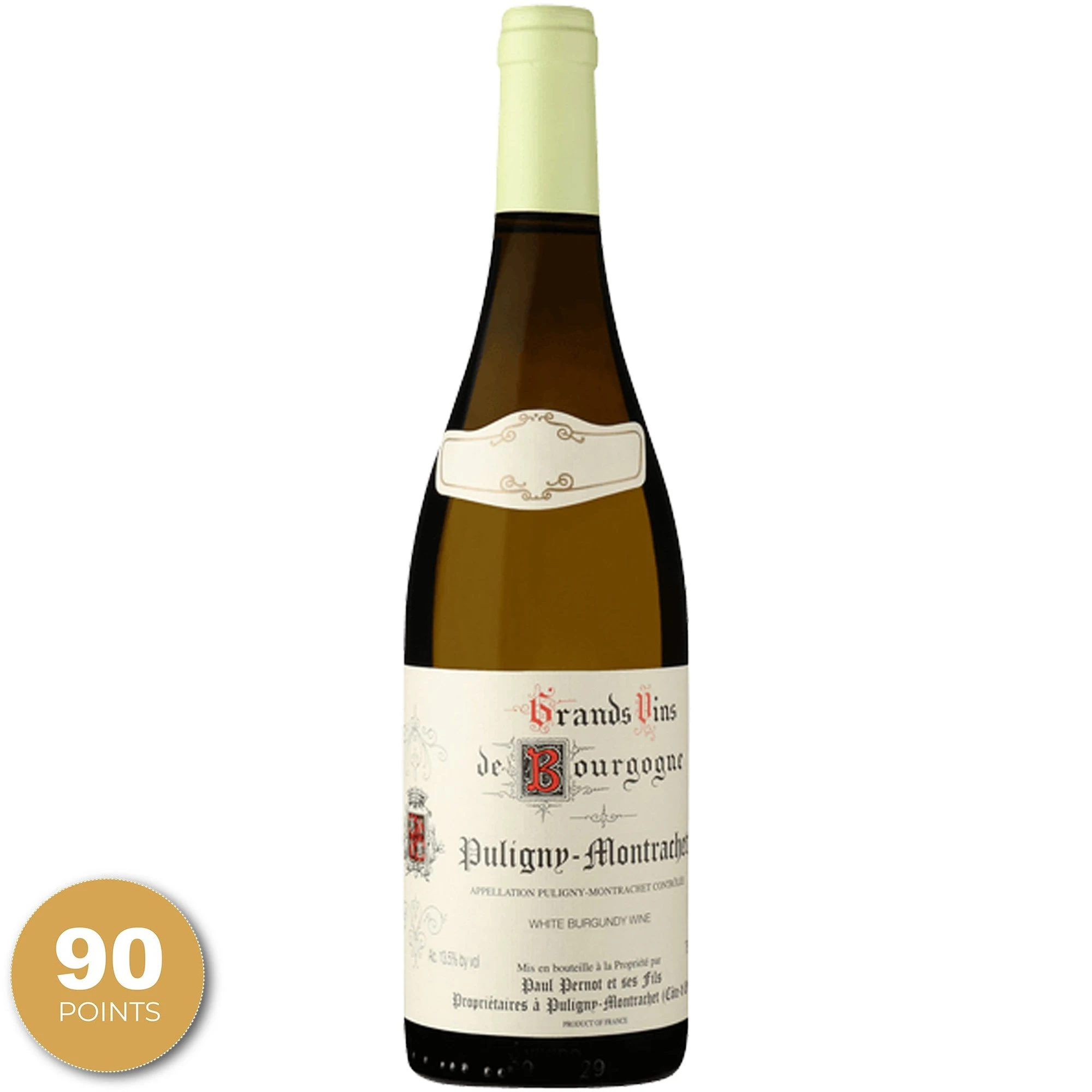
Domaine Paul Pernot et ses Fils