Made ByWinery

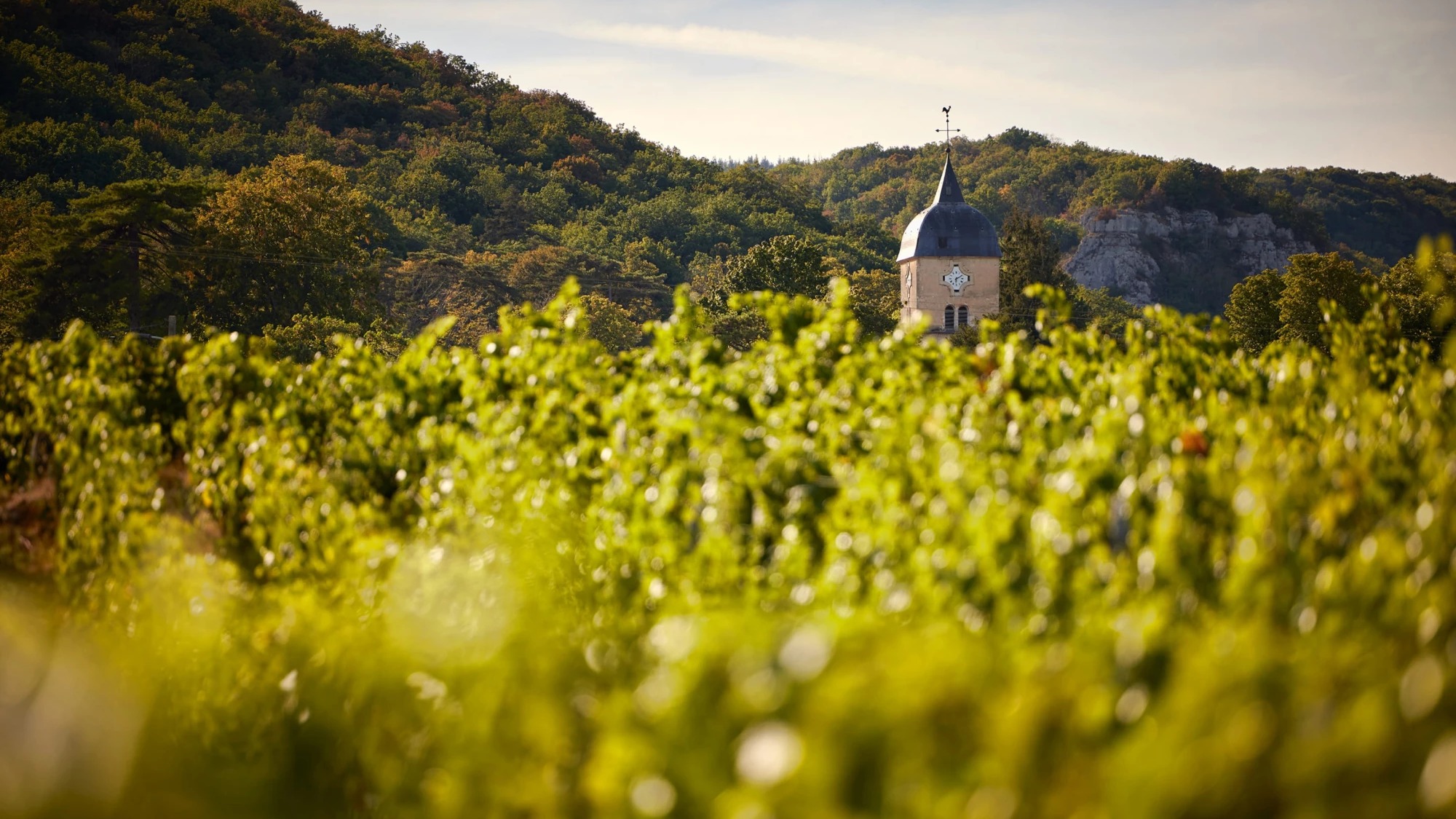
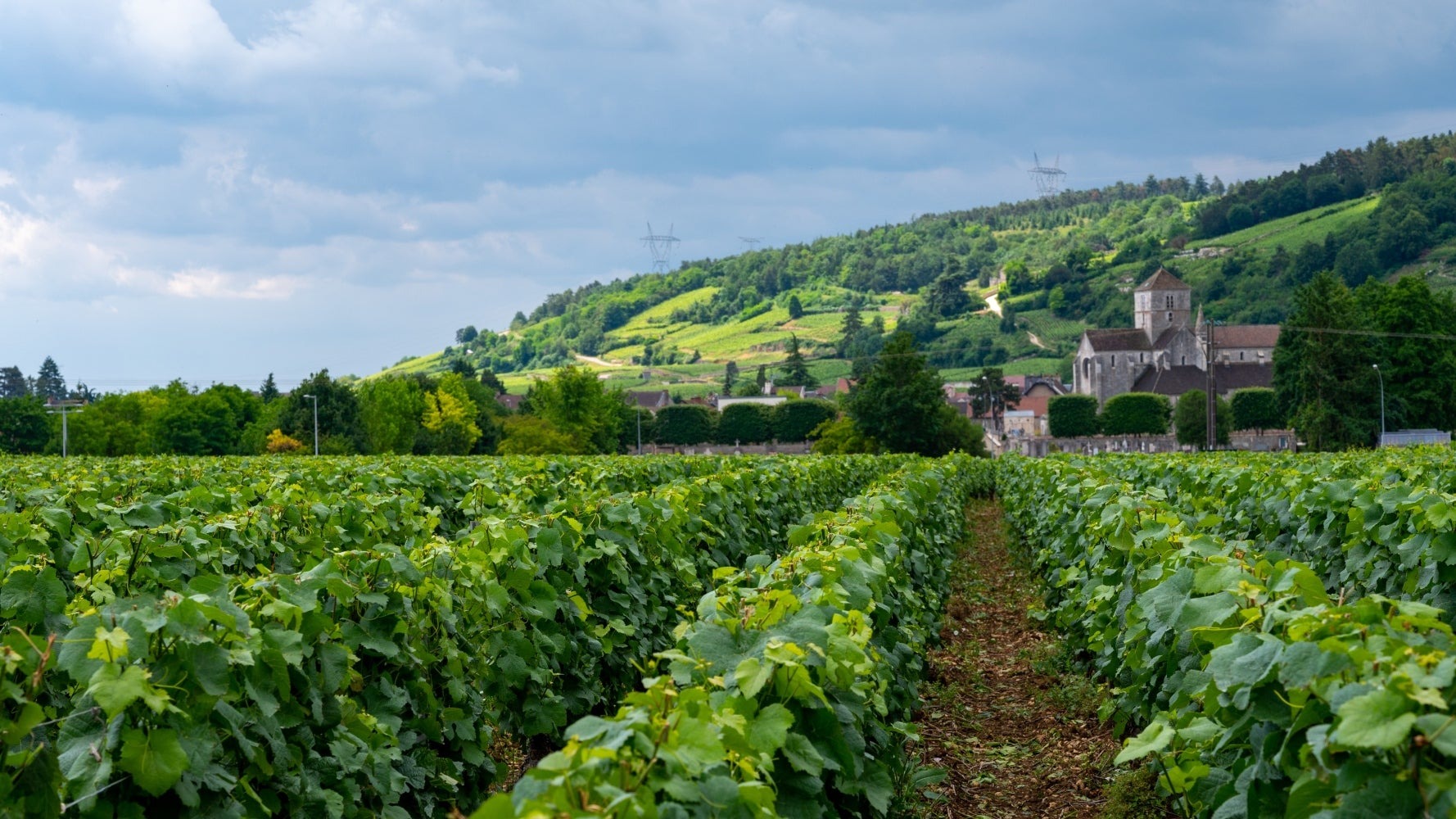
Domaine Georges Roumier pairs vineyard views with quiet, sustainable cave and private tastings at 4 Rue de Vergy in Chambolle-Musigny.
At a glance
- Price
- $$$$
- Neighborhood
- Chambolle-Musigny
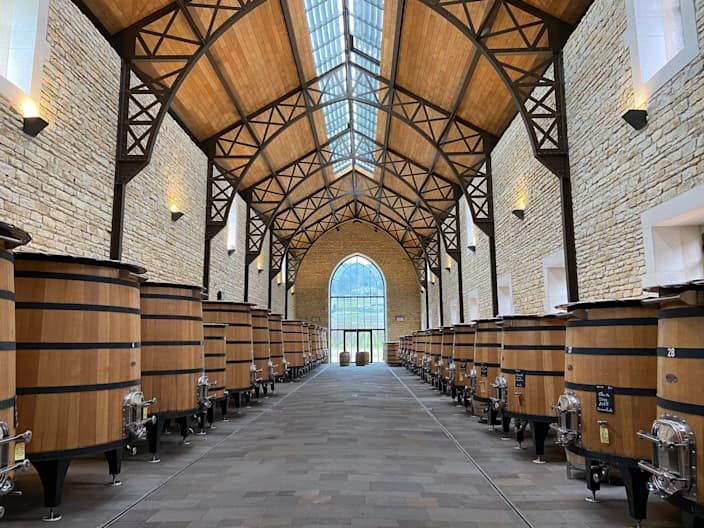
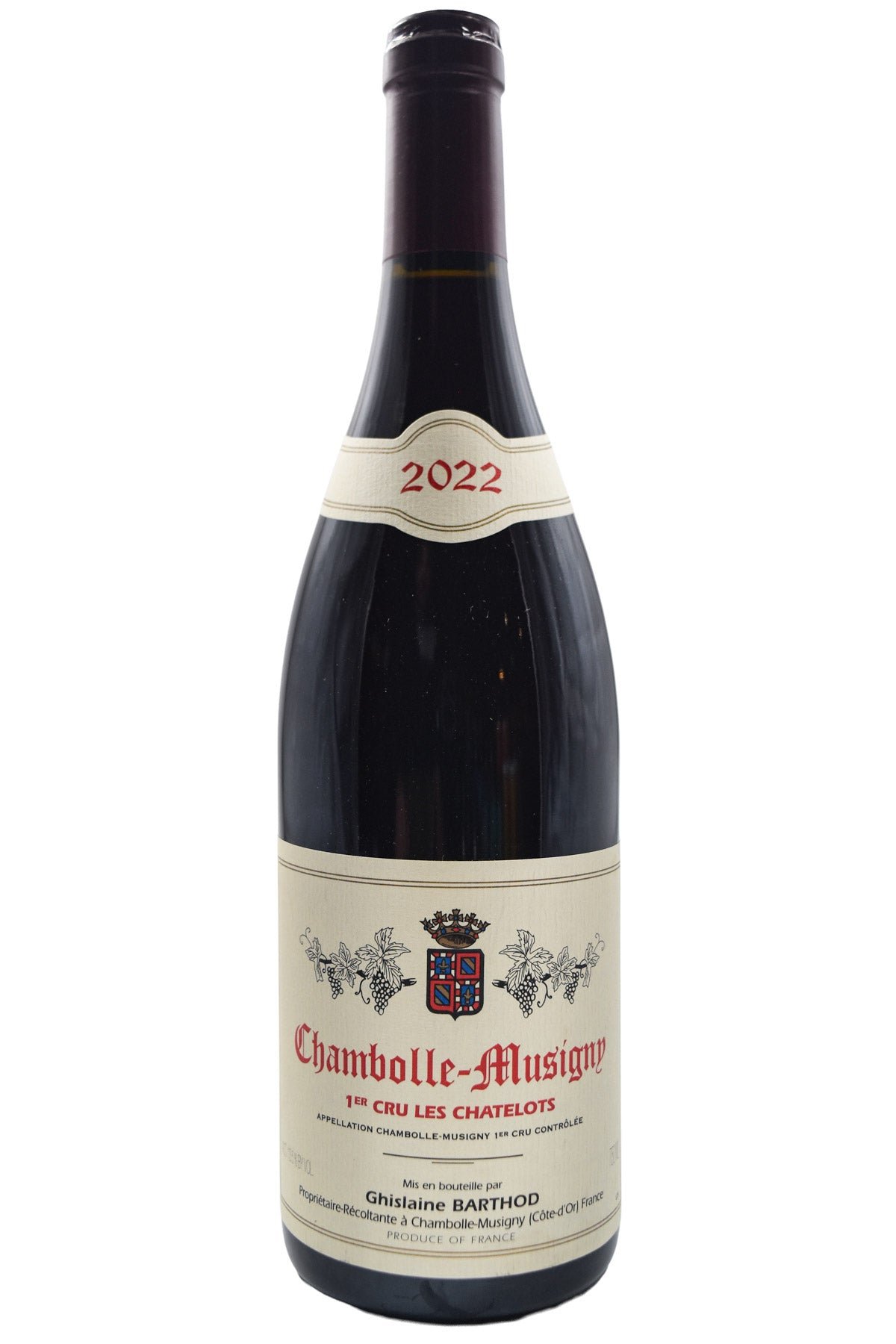
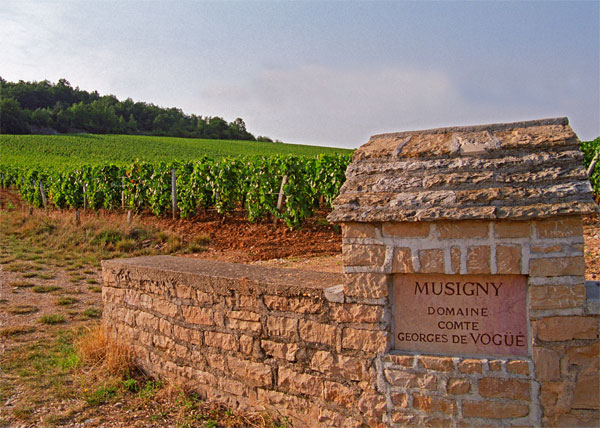
The Burgundian négociant-to-domaine transition that reshaped the Côte d'Or in the mid-twentieth century produced a cohort of grower-bottlers whose vineyards had been farmed for generations but whose wines had been sold to négociants until the economic calculus shifted. Domaine Georges Roumier, based in Chambolle-Musigny, sits inside that transmission. The estate was founded in 1924 when Georges Roumier married Geneviève Quanquin, daughter of a prominent Chambolle family whose holdings included parcels in Musigny, Bonnes-Mares, and Chambolle-Musigny Premier Cru Les Amoureuses. Georges Roumier began domaine-bottling a portion of the production in the 1940s, but the shift to estate production across the entire harvest did not crystallize until the 1960s under his son Jean-Marie Roumier. Christophe Roumier, Jean-Marie's son, took over cellar management in 1981 and has held the role since, representing the third generation of the same family line and the fourth decade of continuity under a single winemaker. The estate today comprises approximately 12 hectares across Chambolle-Musigny, Morey-Saint-Denis, and Corton. The headline parcel is 0.10 hectares in Musigny Grand Cru, purchased in 1978 and representing one of the smallest allocations inside a climat that totals just under 11 hectares. Bonnes-Mares Grand Cru accounts for 1.39 hectares of the domaine's holdings, split across two parcels in the Chambolle side of the climat. The Premier Cru Les Amoureuses, 0.40 hectares, sits directly below Musigny and is widely treated by the trade as a near-Grand Cru site despite its formal classification. The domaine also holds parcels in Chambolle-Musigny Premier Cru Les Cras (1.20 hectares), Morey-Saint-Denis Premier Cru Clos de la Bussière (2.59 hectares, a monopole held by Roumier), and Corton-Charlemagne Grand Cru (0.44 hectares). Village-level Chambolle-Musigny accounts for approximately 5 hectares across multiple parcels. Christophe Roumier's cellar protocol sits inside the restrained Burgundian school that favors long élevage, moderate new-oak percentages, and minimal intervention at bottling. Whole-cluster fermentation percentages vary by vintage and parcel but typically run between 50% and 100% for the Grand Cru and Premier Cru cuvées, with destemming reserved for village-level fruit and for vintages where stem ripeness is incomplete. Fermentation occurs in open-top wooden cuves after a cold maceration of three to five days; total maceration length runs 18 to 25 days depending on the vintage. Pigeage is performed by foot twice daily during active fermentation. The wines are aged in oak barrels for 16 to 18 months, with new-oak percentages ranging from 30% to 50% for Grand Cru cuvées, 20% to 30% for Premier Cru, and 10% to 20% for village-level wines. The domaine does not filter and bottles without fining in most vintages. The Roumier style, particularly in the Musigny and Bonnes-Mares cuvées, reads as transparent to site rather than to winemaker signature. The Musigny bottling, produced in quantities of approximately 300 to 400 bottles per year, is widely cited in trade publications as one of the benchmarks for the climat, sitting alongside Domaine Comte Georges de Vogüé and Domaine Jacques-Frédéric Mugnier as the three dominant producers inside the appellation. The Bonnes-Mares, with annual production closer to 5,000 bottles, shows the structure and density typical of the climat, balanced with the aromatic lift and floral register associated with the domaine's Chambolle parcels. Les Amoureuses, the estate's most allocated Premier Cru, is priced into the Grand Cru peer set by secondary-market multiples and is consistently cited as the single most sought-after 1er Cru bottling in Burgundy by allocation-list difficulty. Vineyard management under Christophe Roumier has shifted incrementally toward organic protocols over the past two decades, though the domaine does not hold formal organic certification. Yields are controlled through winter pruning and green harvest, with average yields across the estate running between 30 and 35 hectoliters per hectare for Grand Cru parcels and 35 to 40 hectoliters per hectare for Premier Cru. Harvest is manual, with sorting performed in the vineyard and again on a sorting table before the fruit enters the cuves. The domaine employs a permanent team of five in the vineyards and cellar, with seasonal workers brought in during harvest. The Morey-Saint-Denis Premier Cru Clos de la Bussière, the domaine's monopole holding, represents a stylistic counterpoint to the Chambolle parcels. The climat sits on the northern edge of Morey-Saint-Denis adjacent to Gevrey-Chambertin, and the wines show more earth, darker fruit, and firmer tannin structure than the Chambolle-based cuvées. The 2.59-hectare parcel was acquired by Georges Roumier in the 1920s and has remained a monopole since; annual production runs approximately 10,000 bottles. The wine is aged in 20% new oak and is typically more approachable in its youth than the Grand Cru bottlings, though it ages well over 15 to 20 years. Corton-Charlemagne, the domaine's only white-wine Grand Cru, was added to the holdings in 1991. The 0.44-hectare parcel sits in the lower-slope section of the climat, and the wine is vinified in barrel with indigenous yeast and aged for 12 to 15 months in 30% to 40% new oak. The cuvée is structured and mineral-driven rather than overtly rich, sitting closer in style to the restrained Chablis Grand Cru school than to the broader, more tropical profile associated with some Corton-Charlemagne producers. Annual production is approximately 2,000 bottles. Access to Roumier bottlings is structured through a long-standing allocation system. The domaine does not maintain a public tasting room and does not sell directly to consumers except for a small allocation reserved for walk-in buyers at the cellar by appointment. The majority of production is allocated to a fixed list of négociants, importers, and private clients, many of whom have held allocations for decades. The allocation system is not transparent and operates on multi-generational relationships; new clients are rarely added. Secondary-market pricing for the Musigny, Bonnes-Mares, and Les Amoureuses cuvées consistently runs at multiples of five to ten times the ex-cellier price, reflecting the scarcity and the demand from collectors. The domaine does not participate in futures sales and releases wines approximately two years after the vintage, following the completion of élevage and bottling. The Roumier cellar sits on Rue de Vergy in the center of Chambolle-Musigny village, a traditional Burgundian working cellar with no visitor facilities beyond a small tasting room used for professional trade visits. Christophe Roumier is known within the Burgundy trade as technically rigorous and press-averse, giving few interviews and declining most media requests. The domaine does not employ a public relations firm and does not participate in large-scale trade tastings. Wine-writing coverage of Roumier is dominated by trade publications and critic reviews rather than by feature profiles, and the domaine's reputation is built almost entirely on the wines themselves rather than on media presence. In the broader Chambolle-Musigny peer set, Roumier sits alongside Domaine Comte Georges de Vogüé, Domaine Jacques-Frédéric Mugnier, and Domaine Ghislaine Barthod as the four producers most consistently cited by critics and by the trade as definitive of the appellation. Vogüé holds the largest Grand Cru holdings in Musigny (7.2 hectares versus Roumier's 0.10 hectares) and operates at significantly higher production volume; Mugnier, with 1.13 hectares in Musigny and a similar restrained cellar protocol, is the closest stylistic peer. Barthod, a Premier Cru specialist with no Grand Cru holdings, represents the village and 1er Cru side of Chambolle and is widely respected for transparency to terroir across a portfolio of single-vineyard cuvées. Roumier's position inside this peer set is defined by the combination of Grand Cru holdings, multi-generational family continuity, and a cellar protocol that has remained stable across four decades under Christophe Roumier's tenure. The domaine's vertical aging potential is a recurring subject in trade discussions of Burgundy cellar architecture. The Musigny and Bonnes-Mares cuvées are typically cited as requiring 10 to 15 years of bottle age to reach full expression, with the potential to age for 30 to 40 years in strong vintages. The Les Amoureuses is more approachable earlier but still benefits from 8 to 12 years of cellaring. The village-level Chambolle-Musigny, by contrast, is structured for earlier drinking and reaches its peak between 5 and 10 years post-vintage. This aging curve reflects the domaine's commitment to whole-cluster fermentation, moderate extraction, and extended élevage, all of which favor longevity over immediate accessibility. Christophe Roumier's son, Jean-Baptiste Roumier, joined the domaine in 2020 and is expected to represent the fourth generation in the cellar, though formal succession has not been announced. The addition of a fourth-generation family member to the estate is itself a signal of continuity inside a region where inter-generational transmission of domaines has become increasingly fragile due to inheritance taxation and the rising land values of Grand Cru parcels. The Roumier holdings, particularly the Musigny parcel, represent a significant asset concentration, and the preservation of the estate under family ownership is watched closely by the Burgundy trade as a test case for the long-term viability of small-parcel Grand Cru producers.
Know before you go
- Dress code
- smart_casual
- Reservations
- appointment_only
Address
4 Rue de Vergy, 21220 Chambolle-Musigny
Chambolle-Musigny · Burgundy
How it compares
- Cuisine
- Pinot Noir, Chardonnay
- Awards
- 1 recognition
- Notes
- Chambolle-Musigny, $$$$
- Cuisine
- Pinot Noir, Chardonnay
- Awards
- 1 recognition
- Notes
- Chambolle-Musigny, $$$$
- Cuisine
- Pinot Noir, Gamay
- Awards
- 1 recognition
- Notes
- Chambolle-Musigny, $$$$
- Cuisine
- Pinot Noir, Chardonnay
- Awards
- 1 recognition
- Notes
- Chambolle-Musigny, $$$
- Cuisine
- Pinot Noir, Chardonnay
- Awards
- 1 recognition
- Notes
- Chambolle-Musigny, $$$$
- Cuisine
- Pinot Noir, Chardonnay
- Awards
- 1 recognition
- Notes
- Chambolle-Musigny, $$$$