Made ByWinery

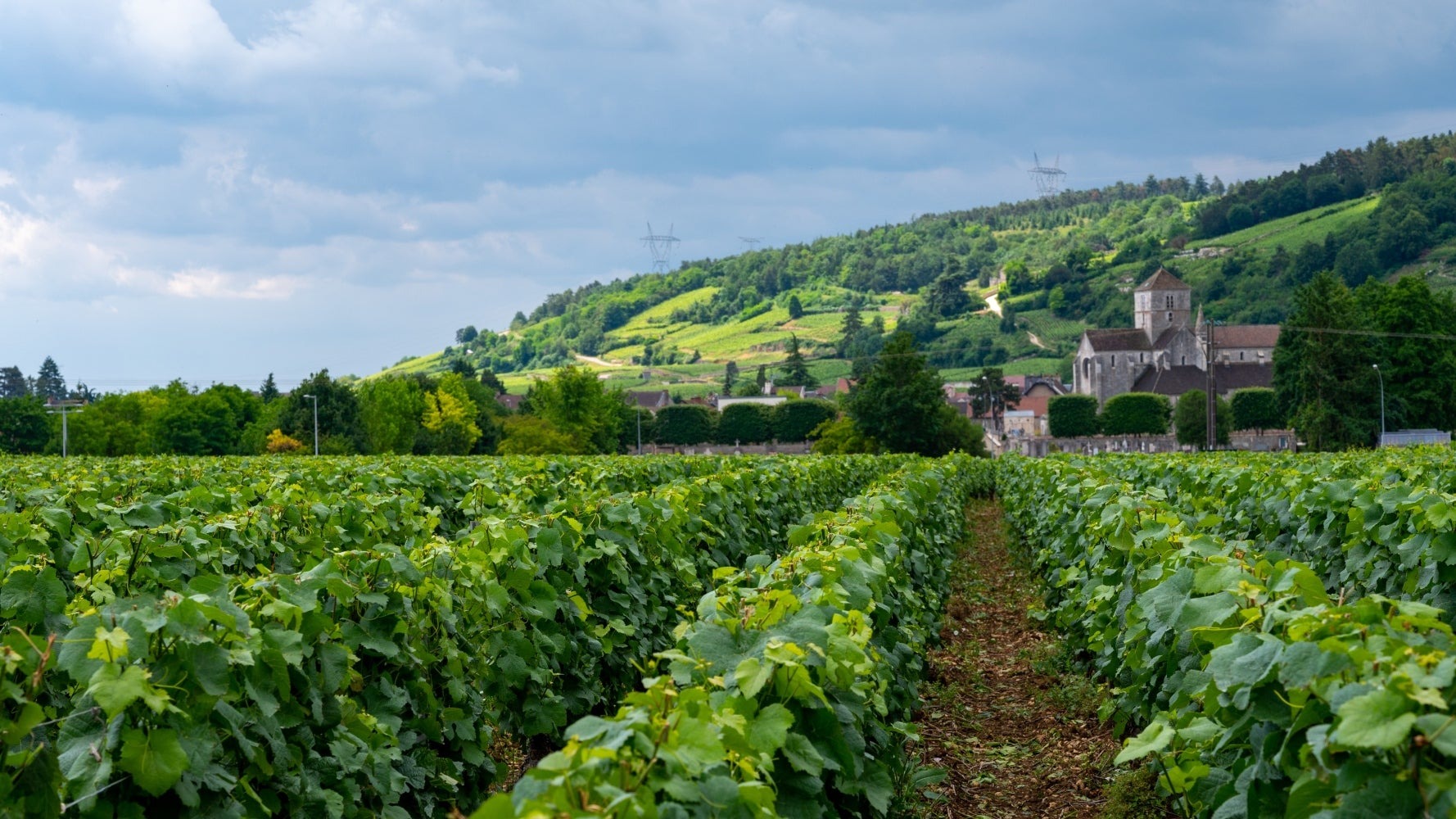
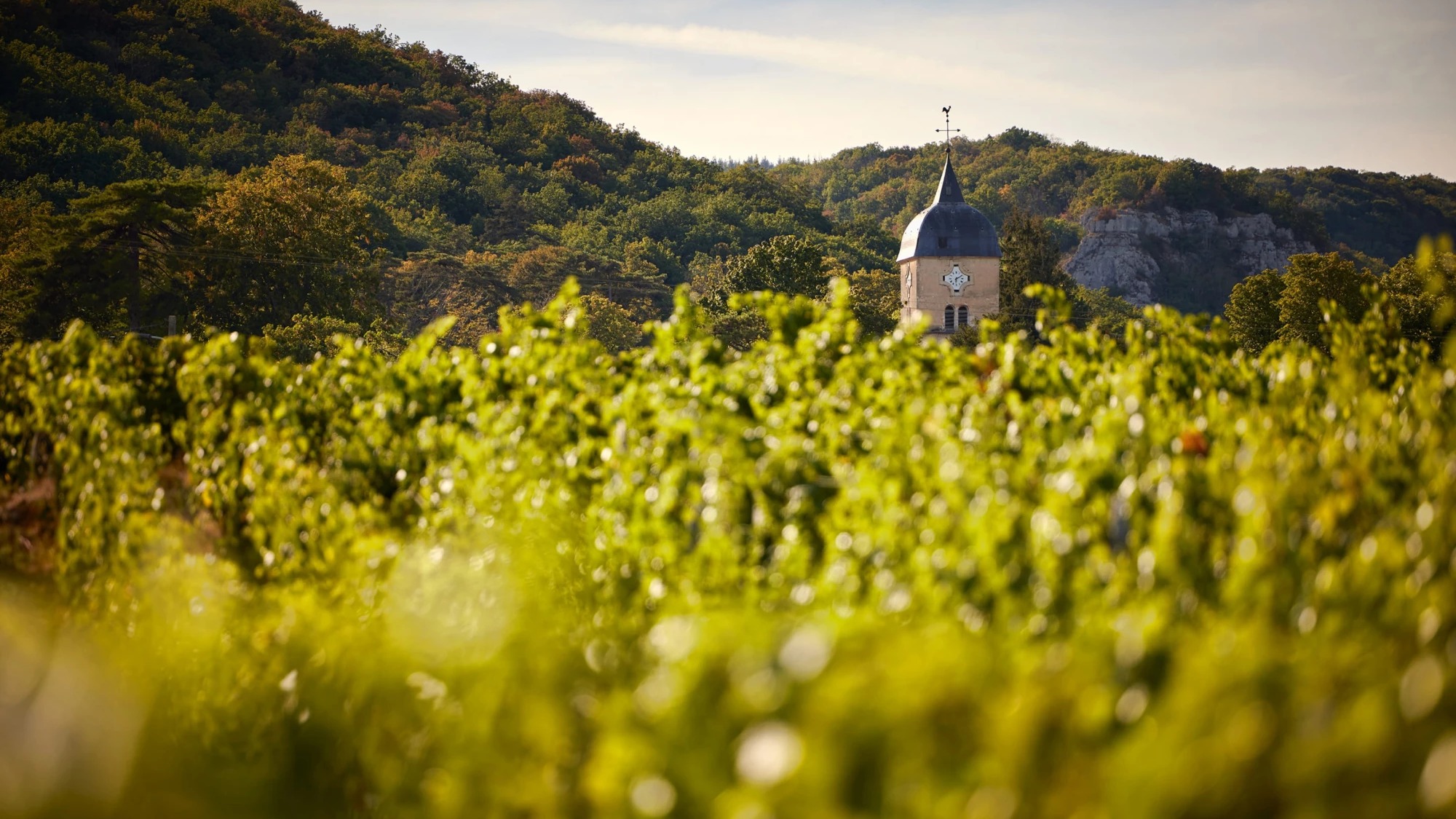
Domaine Hudelot-Noëllat in Chambolle-Musigny pairs vineyard views with cave tasting and vineyard tour options, plus 2026 Falstaff Winery and Michelin 1 Grape recognition.
At a glance
- Price
- $$$$
- Neighborhood
- Chambolle-Musigny
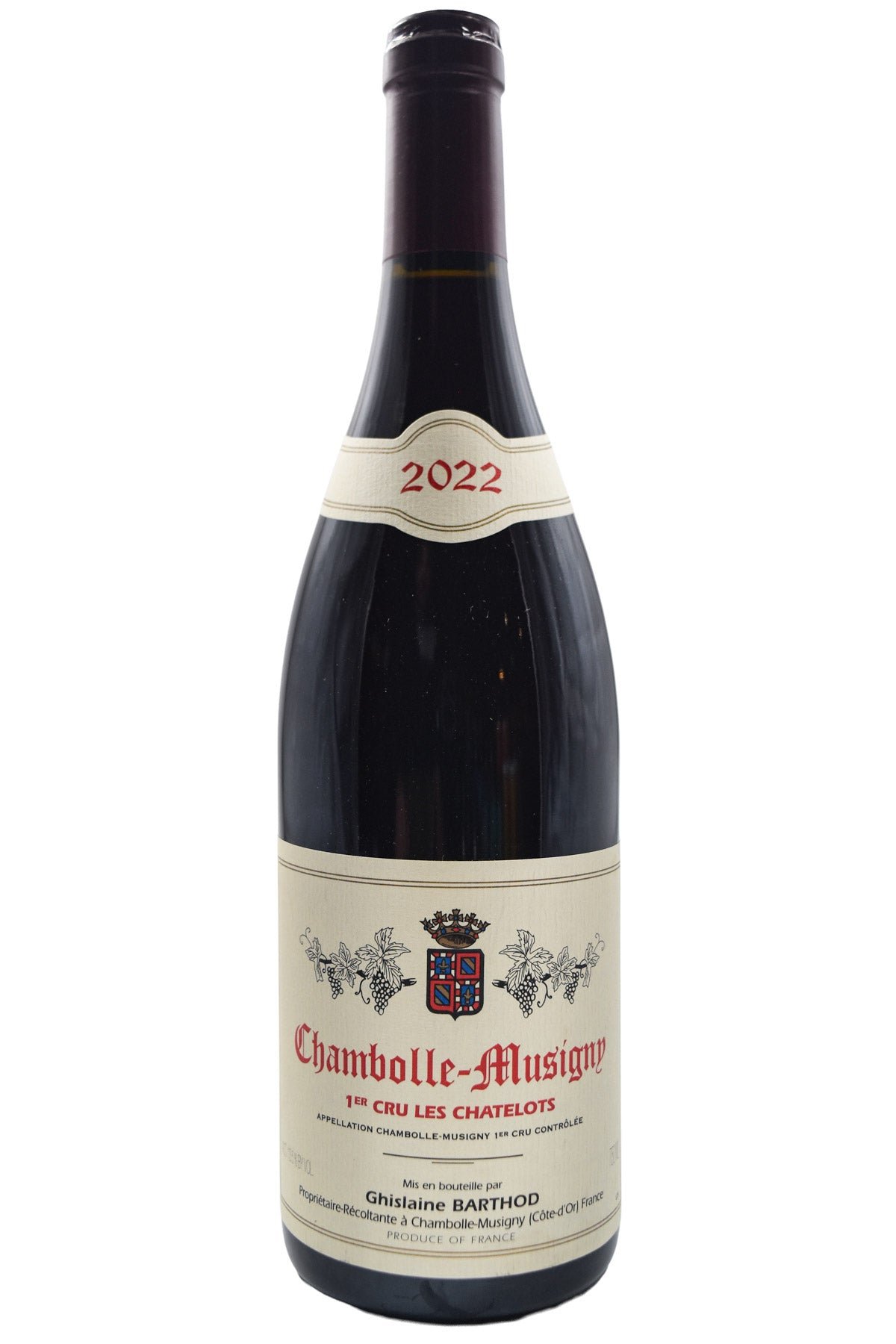
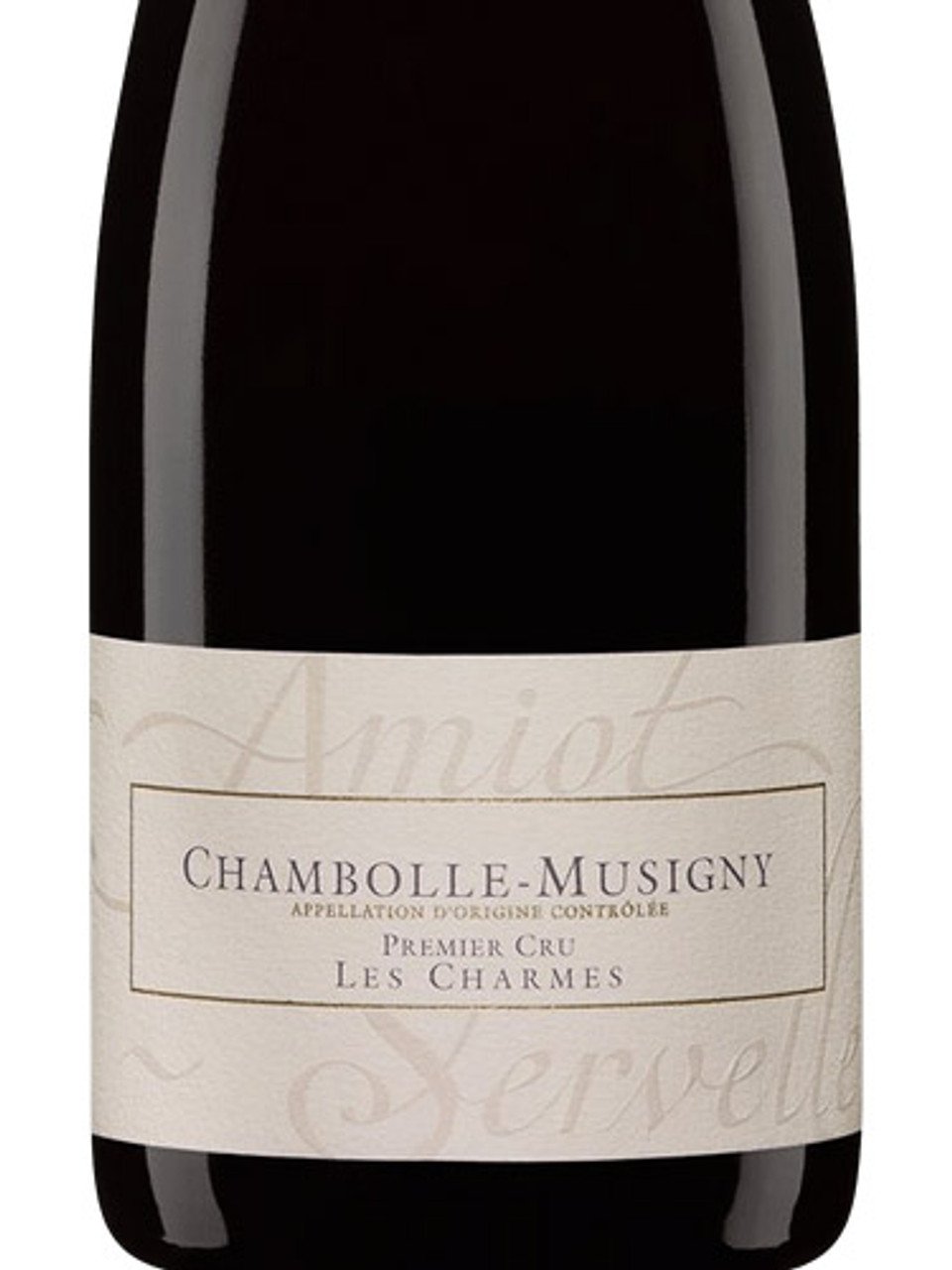
The Vosne-Romanée lineage that dominates Burgundy's grand cru conversation has produced a second tier of domaines that work inside the same viticultural tradition but at a smaller production scale and with less allocation pressure than the DRC or Leroy benchmarks. Domaine Hudelot-Noëllat, based in Vougeot and now under the direction of Charles van Canneyt, operates inside that frame, a family domaine holding parcels in Richebourg, Romanée-Saint-Vivant, and across the Vosne-Romanée appellation. The estate was founded in 1962 by Alain Hudelot, and the holdings were consolidated following his 1978 marriage to Odile Noëllat, bringing together vineyards from both family lines. The estate has been producing wine under the unified Hudelot-Noëllat name since the 1962 vintage, though the Hudelot and Noëllat family vineyard holdings reach back into the nineteenth century. Van Canneyt, grandson of the founders, took full operational control in 2007 following Alain Hudelot's retirement and has since refined the house style toward longer élevage and reduced new-oak percentages, positioning the domaine closer to the Dujac and Roumier school of transparency than to the richer extraction seen in the Ponsot or Gros lineages. The estate comprises roughly 10 hectares, split across fourteen appellations. The grand cru holdings are the load-bearing parcels: 0.28 hectares in Richebourg (the Verroilles parcel, mid-slope), 0.50 hectares in Romanée-Saint-Vivant (the Clous parcel, lower slope), 0.10 hectares in Clos de Vougeot (mid-slope, near the Château), and 0.20 hectares in Grands-Échézeaux. The premier cru holdings include parcels in Vosne-Romanée Les Suchots (0.85 hectares), Les Malconsorts (0.48 hectares), and Les Beaumonts (0.43 hectares), plus smaller parcels in Nuits-Saint-Georges Les Murgers (0.70 hectares) and Chambolle-Musigny Les Charmes (0.24 hectares). Village-level holdings in Vosne-Romanée, Chambolle-Musigny, Nuits-Saint-Georges, and Vougeot round out the portfolio. Total annual production sits between 3,500 and 4,000 cases, with the grand cru bottlings accounting for roughly 15% of that volume. Van Canneyt works inside the low-intervention protocol that became the Burgundy baseline in the 1990s: hand-harvesting, whole-cluster inclusion where stems show full lignification (typically 30 to 50 percent across the grand cru cuvées, closer to 20 percent on the village wines), cold maceration for four to six days, indigenous-yeast fermentation in open wooden cuves, punch-downs twice daily during active fermentation, and a total cuvaison of roughly 18 to 22 days. The pressing is pneumatic, the settling is by gravity, and the wine moves to barrel without racking. The grand cru parcels see élevage in roughly 30 to 40 percent new Tronçais oak, down from the 50 to 60 percent new-oak regime that was standard at the domaine in the 1980s and early 1990s. The premier cru wines see 20 to 30 percent new oak, the village wines 15 to 20 percent. Total élevage runs 16 to 18 months, with racking once mid-élevage and a light fining with egg white before bottling. No filtration. The house style sits on the transparent, high-toned side of the Vosne spectrum, closer to the Mugneret-Gibourg reference than to the denser, darker Anne Gros bottlings, with a focus on mid-palate tension and aromatic lift rather than on extraction or richness. The Richebourg holding is the domaine's flagship parcel. The Verroilles climat sits mid-slope in the northern section of the appellation, directly above the Romanée-Saint-Vivant boundary and adjacent to the DRC's Richebourg parcel. The vines were planted in 1920, 1950, and 1978, with the oldest parcel accounting for roughly half the domaine's 0.28-hectare plot. The soil profile is classic Richebourg: shallow limestone scree over hard Premeaux limestone, with high clay content at the surface and a sharp drainage gradient. Van Canneyt's Richebourg bottlings show the appellation's signature density and structure but with less new-oak marking than the DRC or d'Auvenay references. The wine reads as limestone-driven rather than as barrel-driven, with a long finish that extends on minerality and acidity rather than on tannin or extraction. The typical release is allocated, with most of the production moving through the domaine's long-standing négociant relationships in France, the UK, and the US. Allocation is by historical purchase volume rather than by mailing list, and the domaine does not maintain a consumer-direct allocation system. Bottles enter the secondary market quickly and trade at prices that sit between the Mugneret-Gibourg and Roumier Bonnes-Mares benchmarks, roughly $600 to $900 per bottle on release for recent vintages, rising to $1,200 to $1,800 for older vintages in good provenance. The Romanée-Saint-Vivant holding sits in the Clous climat, lower-slope and therefore cooler and more limestone-driven than the Richebourg parcel. The vines date to 1959, making this one of the older parcels in the appellation. The wine shows more aromatic lift and less mid-palate density than the Richebourg. It sits closer to the Sylvain Cathiard style than to the richer DRC reference, and ages on a faster curve, typically showing well between eight and twenty years post-vintage where the Richebourg requires ten to thirty. The Grands-Échézeaux parcel is even smaller and sees less attention in the trade, but the wine follows a similar aromatic profile to the Romanée-Saint-Vivant: high-toned, floral, structured on acidity rather than on tannin, and transparent to vintage variation. The Clos de Vougeot holding is mid-slope, which in the Clos places it in the tier-two quality zone, above the lower-slope parcels that drain poorly and below the upper-slope parcels that sit adjacent to Musigny and Grands-Échézeaux. The wine reads as Clos de Vougeot in structure but with less density than the Méo-Camuzet or Gros Frère et Soeur bottlings from higher on the slope. Premier cru bottlings carry the commercial load for the domaine. Les Suchots, the largest holding, sits on the southern edge of Vosne-Romanée adjacent to the Nuits-Saint-Georges boundary. The soil is heavier here than in the Richebourg or Romanée-Saint-Vivant parcels, with more clay and less limestone scree, and the wine shows correspondingly more mid-palate weight and less aromatic lift. Van Canneyt's Suchots reads as a bridge between the grand cru style and the village style. It carries some of the Richebourg structure but at a lower price point and with earlier drinking windows. Les Malconsorts, a smaller parcel directly below La Tâche, is widely considered the top premier cru in Vosne and in some vintages trades at prices that approach or exceed those of lesser grand cru appellations. The domaine's Malconsorts bottling shows the climat's signature floral lift and minerality, and in strong vintages (2015, 2019, 2022) sits close to the grand cru tier in quality if not in appellation status. The Nuits-Saint-Georges Les Murgers parcel, on the border between Nuits and Vosne, shows the darker, more structured Nuits profile. This is the densest and most tannic wine in the premier cru range and requires the longest cellaring. The Chambolle-Musigny Les Charmes parcel, a small holding on the southern edge of the appellation, produces a lighter, more aromatic wine that drinks well young and serves as the domaine's entry point into the Chambolle style. Van Canneyt's shift away from new oak and toward longer whole-cluster inclusion represents a broader stylistic movement inside the Côte de Nuits that began in the 1990s and accelerated in the 2000s. The early Burgundy allocations of the 1980s, driven by importers like Kermit Lynch and Robert Kacher in the US and by Berry Bros. & Rudd and Corney & Barrow in the UK, favored the richer, more extracted style that was then standard at domaines like Ponsot, Engel, and the earlier DRC releases. The Dujac model, which prioritized whole-cluster fermentation, minimal extraction, and low new-oak percentages, offered an alternative that was slower to gain commercial traction but became the reference point for the next generation of vignerons. Roumier, Mugneret-Gibourg, Cathiard, and more recently Tremblay and Fourrier all work inside that lineage. Van Canneyt's stylistic evolution at Hudelot-Noëllat sits inside that same trajectory: the early releases from the 1980s and 1990s show more new-oak marking and darker fruit profiles; the releases from the 2000s onward show more transparency, higher-toned aromatics, and a clearer expression of the individual climat. The shift is most visible in the Richebourg bottlings, where the 1990 and 1995 vintages read as dense, extracted, and oak-marked, while the 2010, 2015, and 2019 vintages read as transparent, aromatic, and limestone-driven. The domaine's access model follows the standard Burgundy allocation protocol: long-standing relationships with négociants and importers take the majority of the production, with a small portion reserved for direct sales through the domaine's tasting room in Vougeot. The allocation is not formalized through a mailing list, and the domaine does not operate a futures program. Most US allocation moves through the Kermit Lynch and Wilson Daniels channels; UK allocation moves through Berry Bros. & Rudd, Corney & Barrow, and Justerini & Brooks; French allocation is split among the major Burgundy négociants (Drouhin, Jadot, Latour) and a small number of independent cavistes in Paris and Lyon. The domaine does not participate in en primeur campaigns, and the wines are released roughly 18 months post-vintage once élevage is complete. Bottles are available at the domaine for walk-in purchase, but stock is limited and the grand cru bottlings sell out quickly. The tasting room operates by appointment only, and visits are restricted to trade buyers and long-standing clients. No public tours, no casual tastings. The domaine maintains a low profile relative to its grand cru holdings and does not engage in marketing beyond the standard trade-sample program and the annual spring tastings in Beaune. In the peer set, Hudelot-Noëllat sits in the tier below the DRC / Leroy / d'Auvenay allocation ceiling but above the négociant-volume producers like Drouhin or Jadot. The closest peers by production scale and allocation structure are Mugneret-Gibourg, Cathiard, Forey Père & Fils, and Confuron-Cotetidot, all family domaines with small grand cru holdings, long-standing négociant relationships, and allocation models that favor historical buyers over mailing-list subscribers. By style, the domaine sits closer to the Dujac / Roumier / Mugneret-Gibourg school than to the richer Ponsot or Gros lineages, and the wines are often grouped with those references in comparative tastings. The pricing follows the same peer set: the grand cru bottlings sit between the Mugneret-Gibourg and Roumier benchmarks, the premier cru bottlings sit between the Cathiard and Fourrier benchmarks, and the village bottlings sit in the mid-tier Vosne range alongside Forey and Gros Frère et Soeur. The secondary market for older vintages is active but not as deep as the market for DRC, Leroy, or Rousseau, and bottles from the 1990s and 2000s trade at prices that reflect the domaine's second-tier allocation status rather than its grand cru quality.
Know before you go
- Dress code
- smart_casual
- Reservations
- appointment_only
- Parking
- street
Address
5 Anc. Rte RN 74, 21220 Chambolle-Musigny
Chambolle-Musigny · Burgundy
How it compares
- Cuisine
- Pinot Noir, Gamay
- Price
- $$$$
- Notes
- Chambolle-Musigny
- Cuisine
- Pinot Noir, Chardonnay
- Price
- $$$$
- Notes
- Chambolle-Musigny
- Cuisine
- Pinot Noir, Chardonnay
- Price
- $$$
- Notes
- Chambolle-Musigny
- Cuisine
- Pinot Noir, Chardonnay
- Price
- $$$$
- Notes
- Chambolle-Musigny
- Cuisine
- Pinot Noir, Chardonnay
- Price
- $$$$
- Notes
- Chambolle-Musigny
- Cuisine
- Pinot Noir, Chardonnay
- Price
- $$$$
- Notes
- Chambolle-Musigny