Meursault Chardonnay at parcel scale
- Michelin Main Selection · 2026
Parcel scale in Meursault
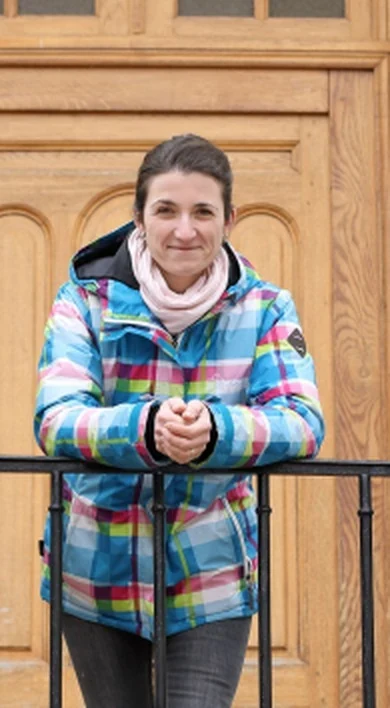
Plowing and tilling set the pace before the cellar does. Anne Boisson, winemaker at Anne Boisson in Meursault, works from a family domaine whose holdings keep the decisions close to the vine. Her name now appears on wines from the Boisson family estate, after the former Boisson-Vadot label gave way in 2017 to separate sibling-led identities for Anne and Pierre Boisson. The inheritance is substantial in history and small in handwork: Anne manages 1.5 hectares between Meursault and Auxey-Duresses, with cultivation, selection, élevage, and release held at a scale where a change in one parcel can still be read in the bottle. The family line reaches back through Bernard Boisson and Née Vadot, whose vineyards passed into the next generation, and farther into a 200-year viticultural legacy in Meursault. Anne’s role is not separated from that continuity. She is co-producer and decision-maker, working under her own label within the family cellars, where authorship sits beside inheritance rather than replacing it.
Chardonnay held by soil and barrel
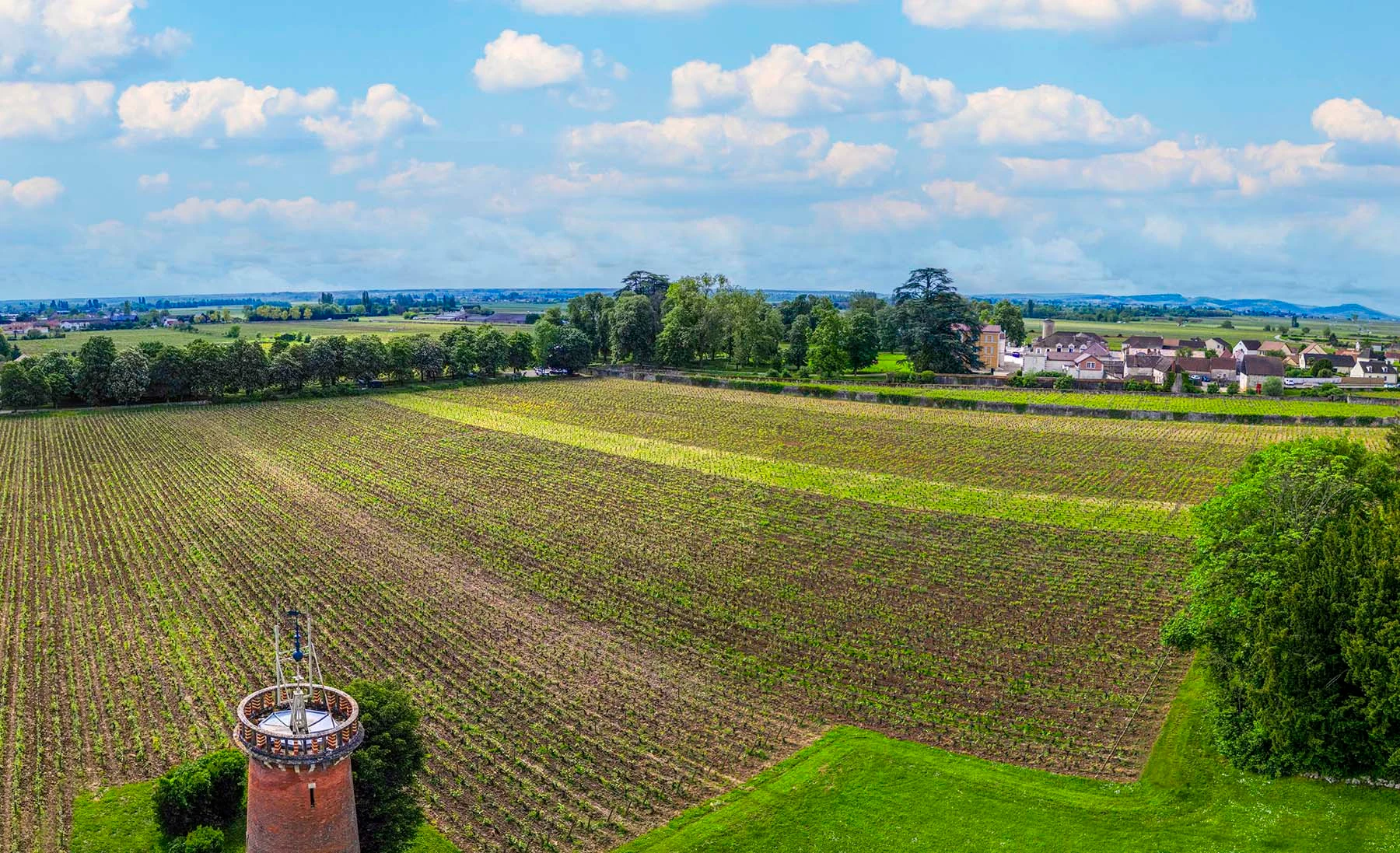
The method here begins with restraint in the vineyard. Chemical fertilizers are excluded; the soils are worked by plow and tiller, keeping the roots in direct conversation with the calcareous marl that gives Meursault Chardonnay its line. Harvesting is manual, a slow sorting by hand before any cellar decision can refine what the season has allowed. In the winery, the whites ferment in oak barrels with indigenous yeasts, then age for a long period in oak with a very moderate use of new barrels. That choice matters. New wood can easily speak over Chardonnay from these sites; used oak gives structure without making the barrel the subject. The domaine also works with Aligoté and Pinot Noir, though the Meursault frame remains white wine first. The house style is often described through racy acidity, stone fruit, citrus, wet rock, and a saline finish, not as ornament, but as the result of fruit, marl, and barrel being kept in proportion.
The Sunday letter
Find new places through the people who run them.
Our Sunday email brings you the chefs, winemakers and hoteliers behind our newest stories. See a sample before you subscribe.
See a sample of the Sunday emailOne email a week. Unsubscribe from any issue.
The cellar without distance
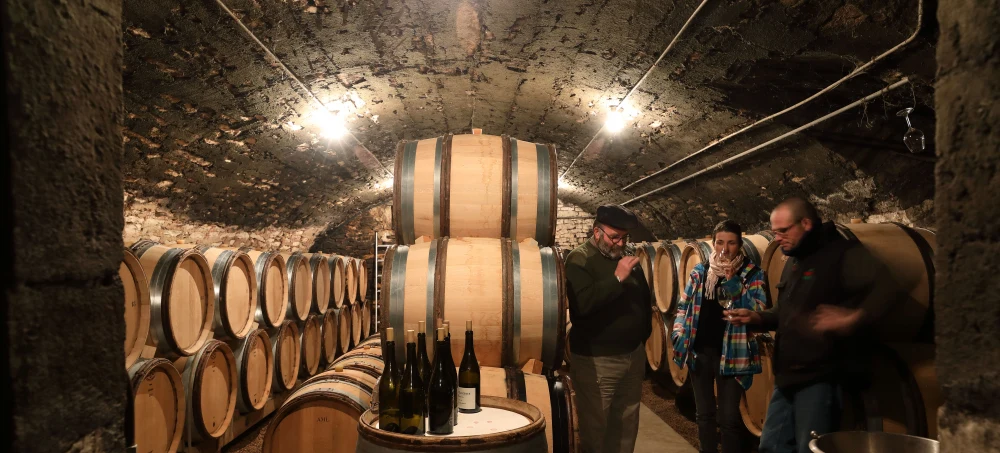
The cellar in Meursault is shared family ground, not a stage set. Barrels hold the quiet here; the work belongs to topping up, tasting, waiting, and deciding when a bottling has carried enough time. The tasting room follows the same register, intimate and guided, with the wine poured close to the place that made it. Nothing in the room asks to be louder than the glass. The estate’s setting, between Meursault and Auxey-Duresses, gives the domaine its practical shape: small holdings, named sites, Burgundy weather, and a cellar program built around still white wine with room for still red. The next release does not need a larger claim. It will be measured in the same 1.5 hectares, and in the Anne Boisson label on a bottle of Meursault.
Questions
Frequently asked
Who makes the wines at Anne Boisson?
Anne Boisson is the winemaker and co-producer behind the label, working within the family domaine in Meursault.
What does the domaine work with?
The estate manages 1.5 hectares of family vines between Meursault and Auxey-Duresses, with Chardonnay as the main focus and smaller amounts of Aligoté and Pinot Noir.
How are the wines made?
The vines are worked without chemical fertilizers, with plowing and tilling in the soils, and the grapes are harvested by hand before fermentation in oak barrels with indigenous yeasts and a long élevage in oak with only a moderate use of new barrels.
Is a visit or tasting open without an appointment?
Visits are by appointment only, and the tasting room is described as intimate and guided.
The field
How it compares
| Place | Notes |
|---|---|
| Anne Boisson | Meursault, $$$ |
| Domaine Arnaud Ente | Meursault |
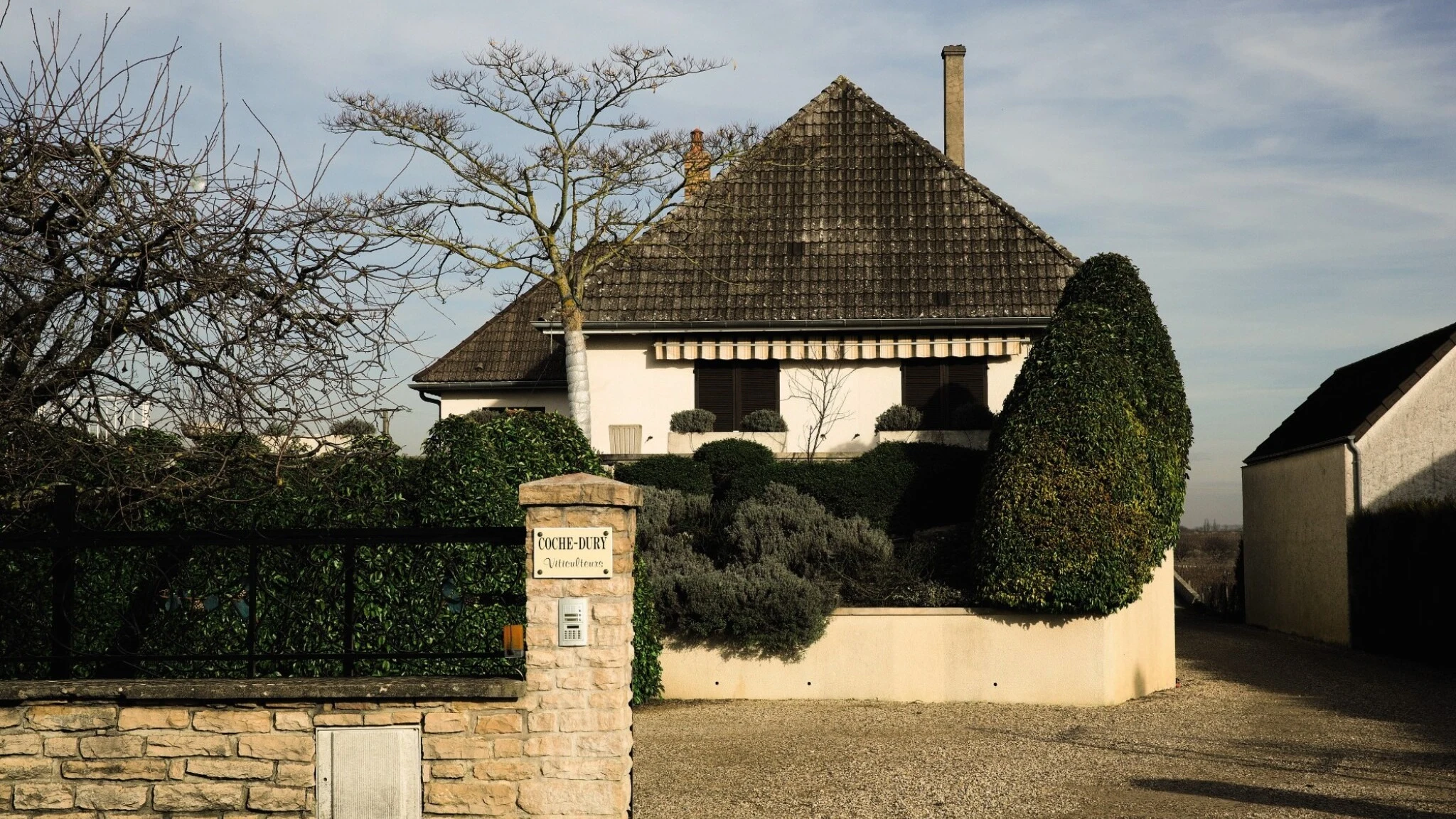
| Domaine Coche-Dury | Meursault |
| Domaine des Comtes Lafon | Meursault |
| Domaine Henri Boillot | Meursault |
| Domaine Jacques Prieur | Meursault |
| Domaine Roulot | Meursault |
In residence
Similar places
The Sunday letter
Get the next Made By story in your inbox.
We send one email every Sunday morning with the places and people we covered that week.
See a sample of the Sunday emailOne email a week. Unsubscribe from any issue.