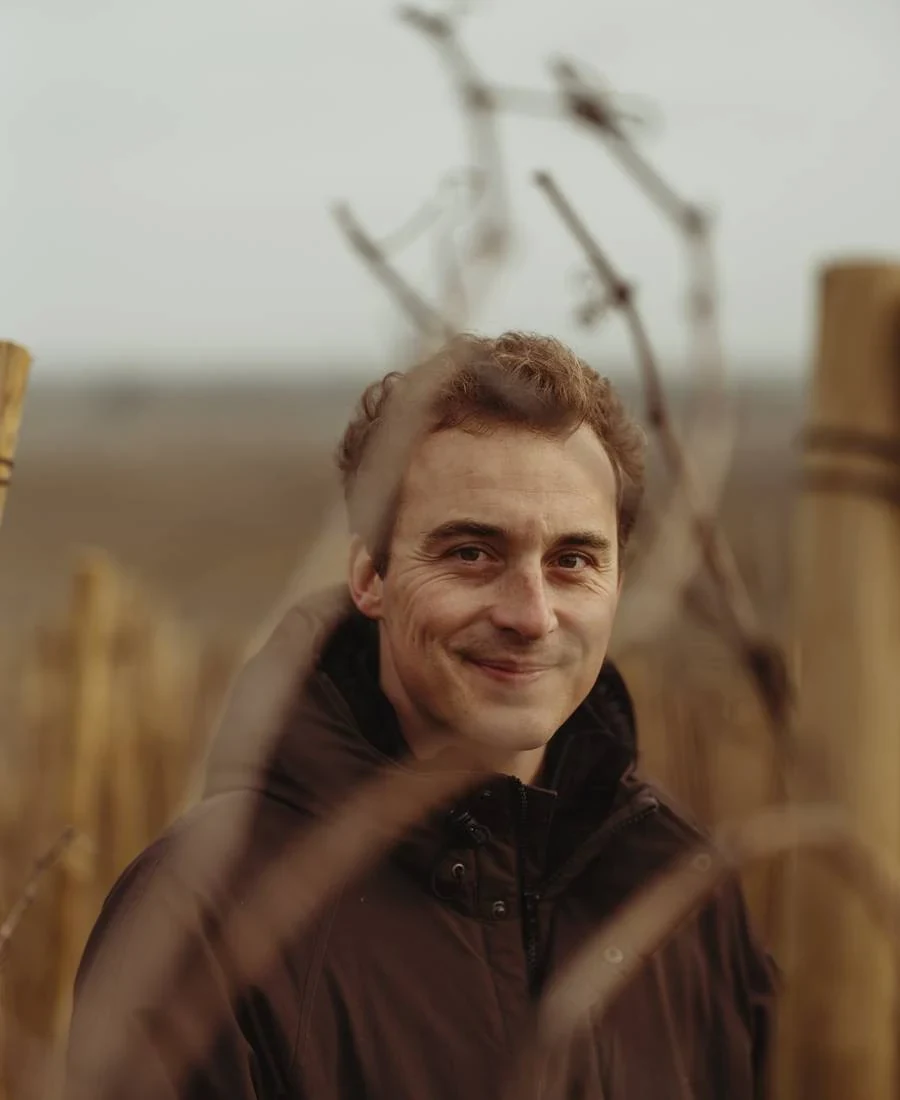
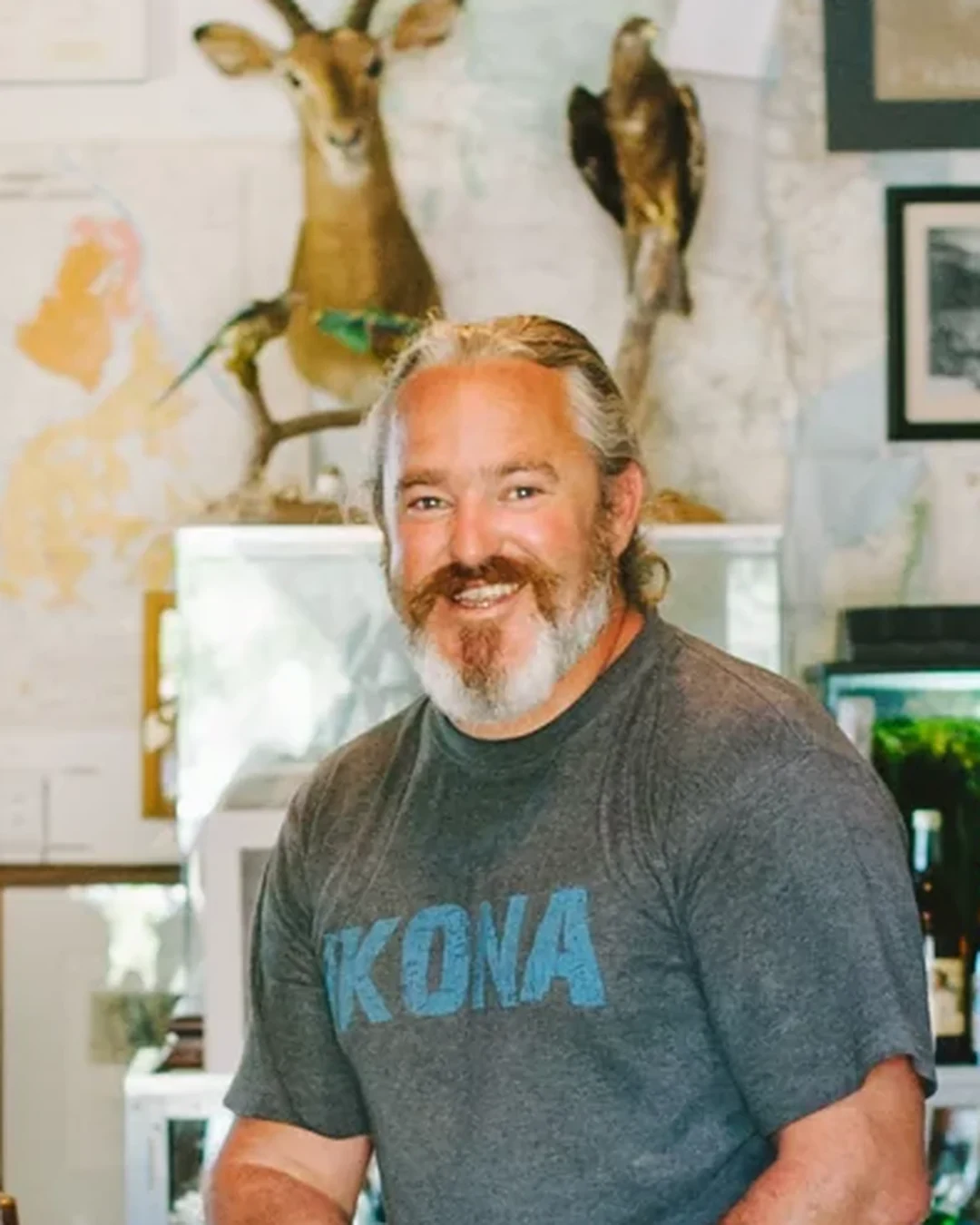
Portrait of Charles Lachaux
i. Biography
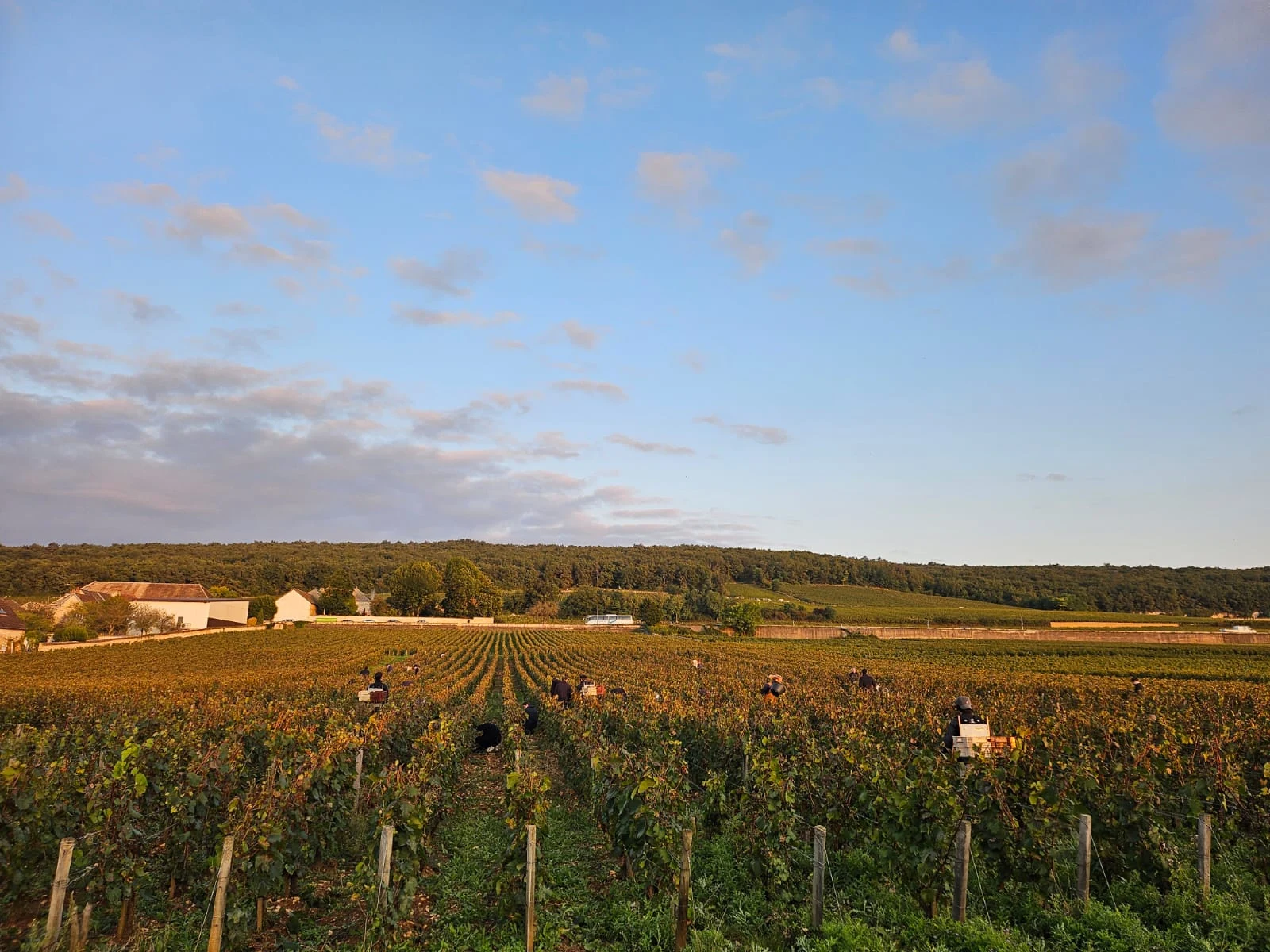
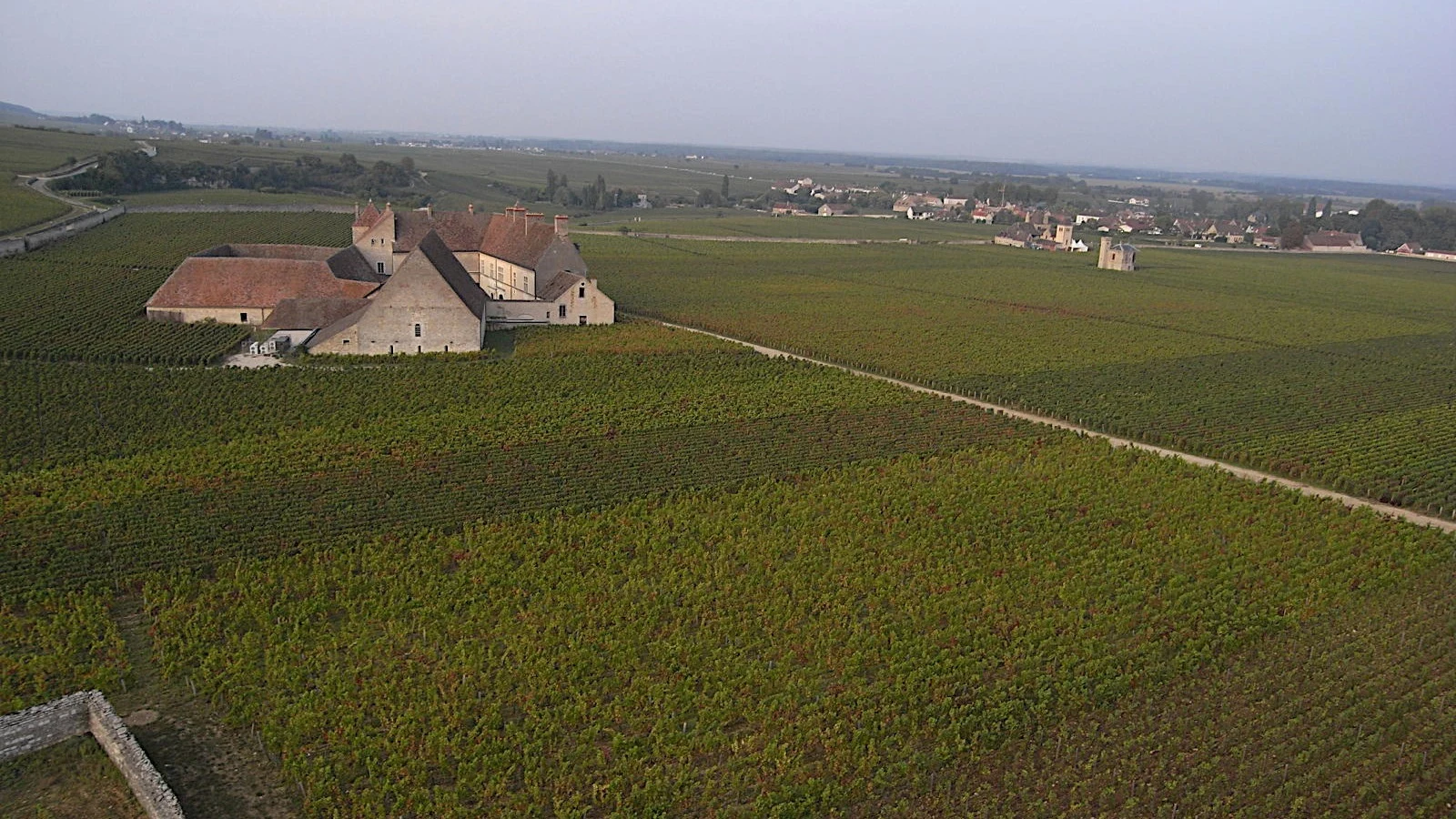
In Vosne-Romanée, France, Pinot Noir is worked under close scrutiny, with vineyard decisions carrying into the finished wine. At Domaine Arnoux-Lachaux, Charles Lachaux works with estate fruit from the Côte de Nuits appellations through choices that put farming ahead of cellar overlay. Taller posts, untrimmed vines, less oak, and ceramic sandstone vats mark a method built around brightness, fruit definition, and a reduced imprint of technique. "To have taken so many risks in such a conservative region and profession in order to achieve my goals," Charles has said.
The Sunday letter
Read Made By's new profiles every Sunday.
Meet the chefs, winemakers and sommeliers behind the places we cover. See a sample below before you subscribe.
See a sample of the Sunday emailOne email a week. Unsubscribe from any issue.
The Making
Domaine Arnoux-Lachaux has been led by Charles Lachaux since 2011, with the work centered on how inherited vineyards are farmed, picked, and moved through the cellar. The role is active rather than merely custodial: vine growth, fruit handling, and Pinot Noir élevage are treated as linked decisions, each affecting how directly site and grape remain legible. The Charles Lachaux micro-négoce, founded in 2019, extends that work outside the domaine's estate holdings. Where Domaine Arnoux-Lachaux is tied to family continuity and owned fruit, the micro-négoce operates in a more immediate register, with wines shaped for directness while still carrying the same attention to picking, fermentation, and élevage.
At Work Now
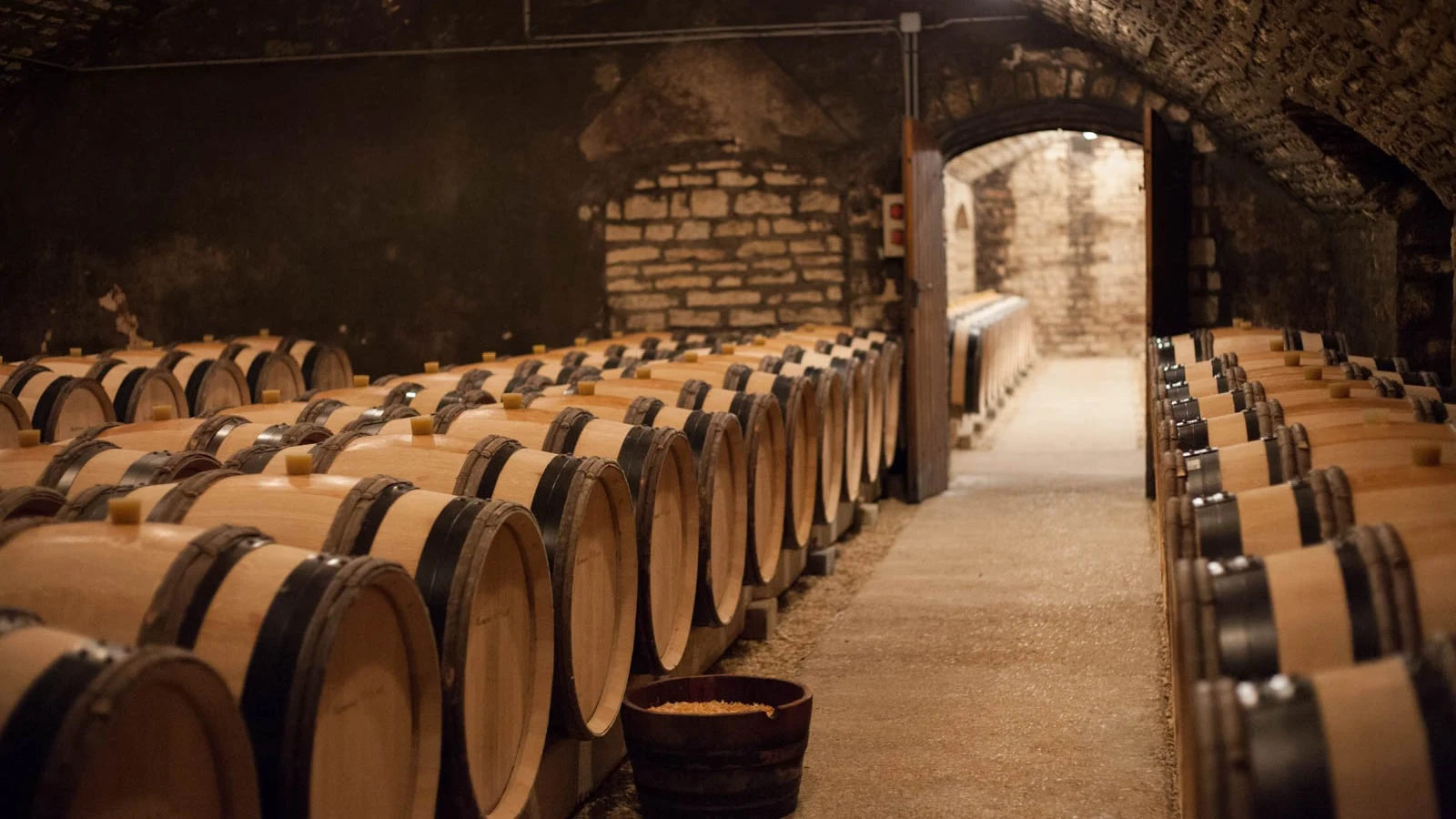
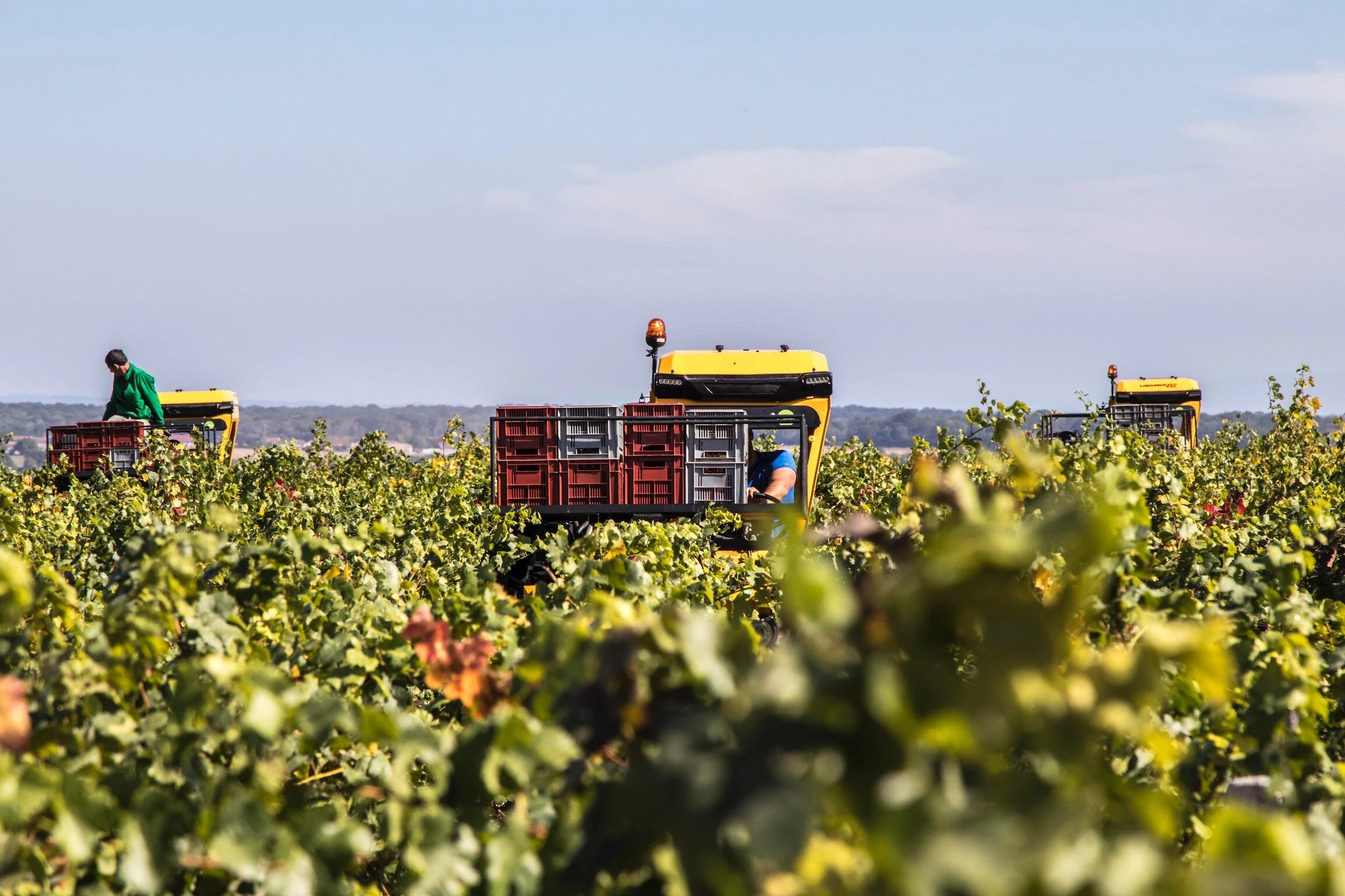
Domaine Arnoux-Lachaux in Vosne-Romanée is owned by Charles Lachaux. The Charles Lachaux micro-négoce began with Aligoté as its impetus: Charles Lachaux Aligoté is made from grapes the Arnoux family had once bottled before later selling them to négociants, and he wanted to vinify those grapes again. The project therefore returns a known parcel of material to bottling under his own name, rather than starting from an abstract idea of expansion. The debut Charles Lachaux label in 2019 included five wines rather than only Aligoté. For reds at the micro-négoce, the method uses mostly whole-cluster fermentation over indigenous yeasts, vertical pressing, modest new oak, and shorter aging than the domaine wines. The négociant wines are fruit-driven vins de soif intended for immediate pleasure while still able to age, built around freshness and drinkability without treating those aims as separate from structure. At the family domaine, farming and cellar changes are explicit. Charles Lachaux uses organic agriculture with biodynamic viticulture. His vineyard methods include tall posts, not trimming the vines, stopping plowing, not mowing, and pinching grass. Other changes include stopping tilling and trimming the apex, increasing leaf area, changing the pruning system, and replacing barrels with ceramics. The result is a vineyard architecture that prioritizes canopy, height, and leaf area over a clipped visual order. By 2019, the house style included no trimming, early picking, no destemming, short macerations, reduced new oak, and experimentation with ceramic vessels. The replacement of wooden barrels with ceramic sandstone vats was meant to express the brightness of his Pinot Noirs as purely as possible. In practice, that move reduces overt wood signature and puts more pressure on fruit, stems, texture, and acidity to carry the wine.
Career - Head — Domaine Arnoux-Lachaux, Vosne-Romanée, Burgundy, France (2011–present) - Founder — Charles Lachaux micro-négoce, Burgundy, France (2019–present)
Signature
Charles Lachaux Aligoté is the key bottling inside the Charles Lachaux micro-négoce because it supplied the reason for the project. The wine comes from grapes the Arnoux family had once bottled before later selling them to négociants, and the decision to vinify those grapes again gives the label its practical starting point.
FAQ What is Charles Lachaux's current role? Charles Lachaux is owner of Domaine Arnoux-Lachaux. What is Charles Lachaux known for? Pinot Noir from Côte de Nuits appellations at Domaine Arnoux-Lachaux.
Explore
Featured in
Similar Winemakers

The Sunday letter
Get the next Made By profile in your inbox.
We send one email every Sunday morning with the people we profiled that week.
See a sample of the Sunday emailOne email a week. Unsubscribe from any issue.