Winemaker
Marc Bachelet
Winemaker, Domaine Bachelet-Monnot
- Discipline
- Winemaker
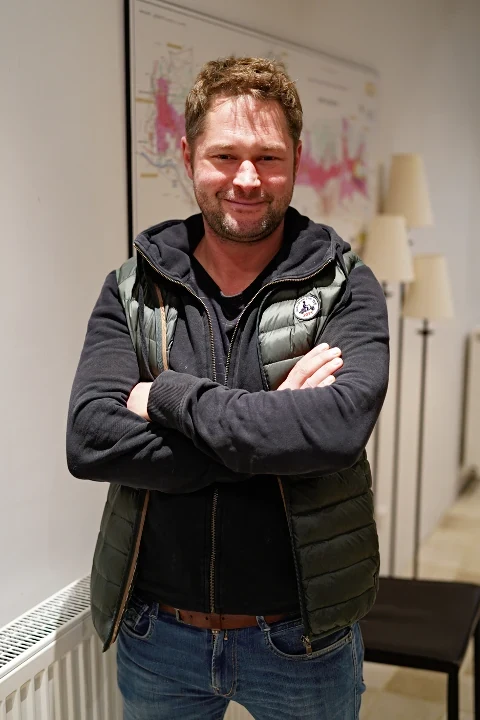
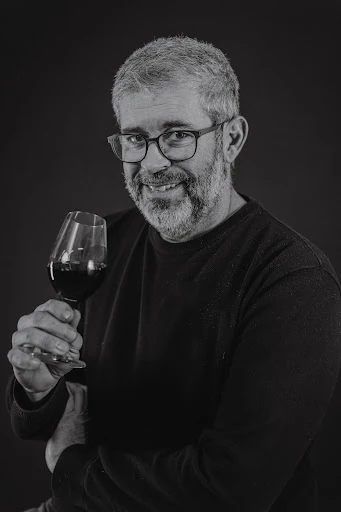
Portrait of Marc Bachelet
i. Biography
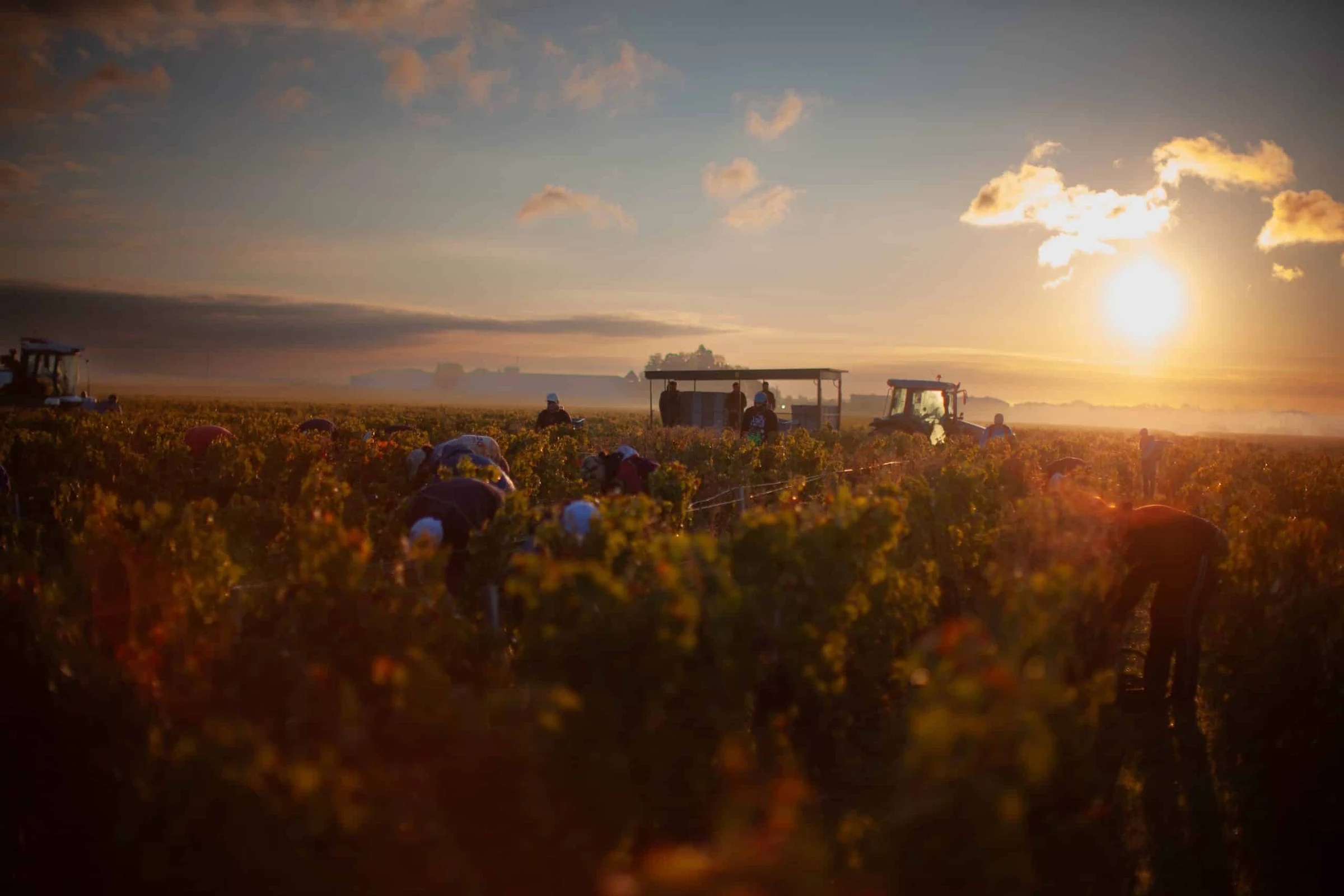
Marc Bachelet is the co-founder of Domaine Bachelet-Monnot, where he has helped shape a Burgundian identity built on steadiness, precision, and a strong sense of place. Since 2005, his work has centered on repeated decisions in the vineyard and cellar rather than declaration, with an approach that favors tension, texture, mineral drive, and freshness over weight. The domaine’s style depends on careful farming, thoughtful cellar work, and restraint used as a technical choice. Sustainable farming at the domaine is described as très lutte raisonnée. The brothers practice organically and work organically, though the estate is not certified. Their vineyard work is practical and exacting: soils are ploughed, vine health is monitored, herbicides are avoided, de-budding is strict, and grapes are hand-picked at optimum ripeness. The aim is to keep vine condition and fruit condition ahead of cellar correction. Harvest timing is treated as a freshness decision. In 2023, Marc and Alex began harvesting in Puligny on September 5, working early in the morning to avoid heat. The fruit was moved in temperature-controlled trucks and stored overnight before pressing in an air-conditioned winery. The reasoning was direct, since ripening was moving quickly and brightness in the wines was the priority. Cellar intervention is measured. The brothers micro-dose sulphur when necessary and do not add sulphur at bottling, using small doses so the wine can be bottled with very little free SO2 while remaining protected. Pressing, lees aging, and larger oak barrels are used in service of freshness. The 350-liter barrels help avoid overt oak flavor while supporting precise mineral flavors and taut structure. White-wine élevage follows a defined sequence: long pressing, fermentation with indigenous yeasts in larger 350-liter barrels, 12 months in barrel, then an additional 6 months in stainless steel tank before release. Grand Cru wines use 50% new oak, with less new oak across the rest of the range. Red-wine work has moved further toward whole-bunch use, ranging from 20% to 60% in 2023, with moderate new oak use. The red Maranges is made with a small proportion of whole bunches. Across both colors, the same discipline applies: structure without heaviness, expression without exaggeration. About 60% of production is white wine, and roughly 90% is exported from France. Recognition around the domaine has formed around serious, structured white wines and demonstrative, pleasure-bent reds. The Bachelet brothers are noted for great white wines, with red wines said to have reached the same standard. Puligny-Montrachet 1er Cru Les Folatières stands out as a signature bottle, a refined Chardonnay from a Premier Cru site in the Côte de Beaune, showing concentration and pronounced minerality. The range is described as clean, pure, transparent, and bursting with mineral energy, with little to no reduction and enough structure to age. Marc favors white wines with acidity and alcohol levels around 12.8% to 13.4%. Career: Co-founder, Domaine Bachelet-Monnot, Dezize-lès-Maranges, France.
The Sunday letter
Read Made By's new profiles every Sunday.
Meet the chefs, winemakers and sommeliers behind the places we cover. See a sample below before you subscribe.
See a sample of the Sunday emailOne email a week. Unsubscribe from any issue.
Explore
In the same rooms
Similar Winemakers

The Sunday letter
Get the next Made By profile in your inbox.
We send one email every Sunday morning with the people we profiled that week.
See a sample of the Sunday emailOne email a week. Unsubscribe from any issue.