Made ByWinery
- Michelin 3 Grapes · 2026
- Falstaff Winery - Listed · 2026
- Pearl 4 Star Prestige · 2025
The Sunday letter
Find new places through the people who run them.
Our Sunday email brings you the chefs, winemakers and hoteliers behind our newest stories. See a sample before you subscribe.
See a sample of the Sunday emailOne email a week. Unsubscribe from any issue.
Saint-Aubin sits in the hinge zone of the Côte de Beaune, a commune that produces roughly 60% white wine from Chardonnay and 40% red from Pinot Noir, a white-dominant balance shared with neighbouring Chassagne-Montrachet but distinct from the red-dominant profile of Volnay or Pommard. The appellation holds twenty premier cru climats spanning both colours, and while Saint-Aubin lacks grand cru designation, the premier cru sites on the higher slopes, Les Murgers des Dents de Chien, En Remilly, Les Frionnes, deliver Chardonnay of tension and minerality that often trades closer to Puligny-Montrachet than to village-level peers. Domaine Hubert Lamy has been working this terrain since 1973, when Hubert Lamy founded the estate, and since 1995 under the direction of Olivier Lamy, who represents the second-generation succession and has pushed the cellar toward longer élevage, reductive handling, and a deliberately lower intervention profile than the Hubert-era bottlings.
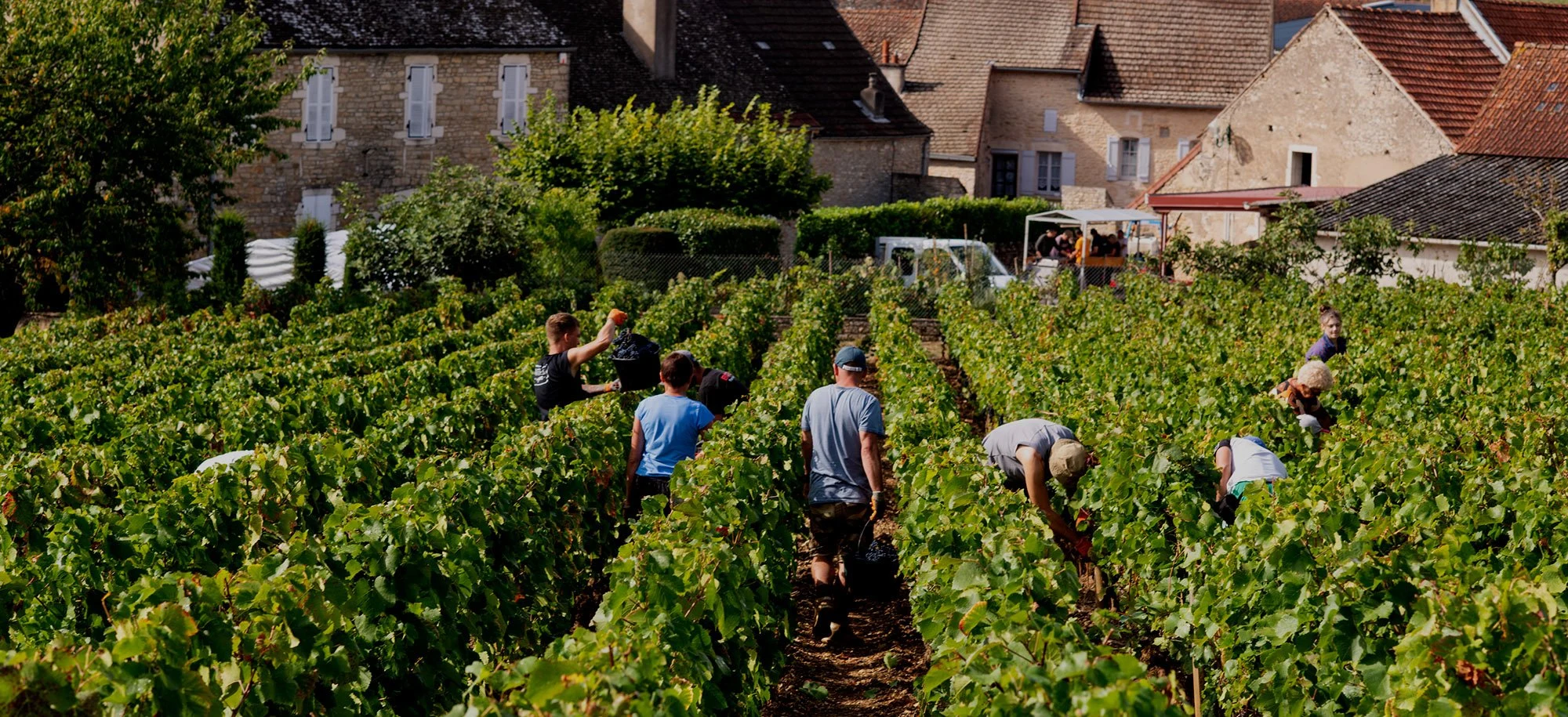
The domaine works 18.5 hectares across Saint-Aubin, Puligny-Montrachet, Chassagne-Montrachet, and Santenay, with holdings concentrated in Saint-Aubin premier cru: Les Frionnes, Clos de la Chatenière (a monopole), En Remilly, Derrière Chez Edouard, and Les Murgers des Dents de Chien. Olivier Lamy farms the parcels without herbicides, ferments village and premier cru whites in 228-litre Burgundy pièces with indigenous yeasts, and raises the wines on fine lees with bâtonnage through the first six months before racking. The élevage runs 12 to 14 months for village whites, 14 to 16 months for premier cru Chardonnay, with new-oak percentages held between 10% and 25% depending on the climat, lower than the 30% to 40% regime common at neighbouring Domaine Marc Colin or the higher-toast programs at Chassagne estates working richer fruit. The cellar protocol sits closer to the Raveneau school of long élevage with minimal sulphur than to the faster-turnover, higher-oak profile of 1980s Côte de Beaune whites, and the resulting wines read as taut and site-expressive rather than as richly oaked.
Olivier Lamy's first vintage as head winemaker was 1995, succeeding his father Hubert, who had built the estate from a standing start in 1973 and sold fruit in bulk before beginning estate bottling in the early 1980s. The 1995 handover marked a cellar-protocol shift: Olivier reduced sulphur additions, extended the élevage window by two to three months, stopped fining the premier cru whites, and began bottling by climat rather than by blended cuvée. The 2000s saw further reductions in new oak and the introduction of a small percentage of 400-litre demi-muids for the top premier cru sites, a vessel choice that lengthens the wood-contact period while reducing the oak-toast signature. By the mid-2010s, the domaine's whites were being cited in trade as exemplars of the current Saint-Aubin style, mineral-driven, less opulent than 1990s Côte de Beaune benchmarks, and built for cellaring rather than for early-drinking appeal. Decanter and Vinous have both profiled the estate in working-winemaker features; World of Fine Wine included Olivier Lamy in a 2018 piece on second-generation Burgundy vignerons reshaping cellar practice inside inherited domaines.
The red program at Lamy runs parallel to the white in approach but sits outside the critical spotlight. The domaine produces village-level Santenay and Saint-Aubin rouge alongside premier cru Clos du Meix in Saint-Aubin, with the same low-intervention fermentation protocol, indigenous yeasts, whole-cluster percentages between 20% and 40% depending on vintage ripeness, punch-downs by foot during the two-week cuvaison, 12 to 14 months in barrel with 10% to 15% new oak. The reds are structured closer to the Volnay model, fine tannins, high-toned red fruit, restrained extraction, than to the deeper, richer profile of Pommard or Gevrey-Chambertin. Annual production across both colours sits near 7,000 cases, with roughly two-thirds white and one-third red, and the estate operates on an allocation model for premier cru bottlings while village-level wines see broader distribution through importers in the UK, US, and Northern Europe.
Signature Outputs and Cellar Technique
The premier cru Clos de la Chatenière is the domaine's monopole and the most cited bottling in trade coverage. The climat sits at 300 to 320 metres elevation on a southeast-facing slope, with shallow limestone soils over Bathonian bedrock, a geological layer shared with the upper slopes of Puligny-Montrachet. Olivier Lamy works the parcel with horse-drawn ploughs to avoid soil compaction, hand-harvests in small cases, and ferments the fruit in a combination of 228-litre pièces and a single 400-litre demi-muid. The wine sees no bâtonnage after the first six months and is bottled without fining or filtration. The resulting profile is reductive in youth, struck match, wet stone, green almond, and opens with five to seven years of bottle age into a saline, citrus-driven Chardonnay that reads closer to Chablis grand cru than to the richer, more tropical profile of Meursault. The 2017 and 2019 vintages have been particularly noted in Vinous tasting reports for their tension and length.
Premier cru En Remilly sits higher on the slope at 320 to 340 metres and produces a leaner, more mineral-driven wine than Clos de la Chatenière. Olivier Lamy uses 15% new oak here, ferments in pièces only, and racks the wine after 12 months to neutral barrels for a final four months of élevage before bottling. The En Remilly bottling is structured for long cellaring, ten to fifteen years is the typical drinking window cited in trade, and the wine's acid structure and phenolic grip place it inside the same longevity bracket as Puligny-Montrachet premier cru from Les Pucelles or Le Cailleret. The village-level Saint-Aubin blanc, by contrast, is fermented entirely in neutral oak, raised for 12 months, and bottled with light filtration; it reads as an entry-level expression of the house style and is priced at roughly half the premier cru rate, making it the most accessible point of entry into the Lamy program.
On the red side, the premier cru Clos du Meix is the headline bottling. The climat is a small enclosure on the mid-slope of Saint-Aubin, with east-southeast exposure and limestone-clay soils. Olivier Lamy works the parcel organically, hand-sorts the fruit, ferments with 30% to 40% whole clusters in open-top wooden cuves, and raises the wine in 228-litre barrels with 15% new oak for 14 months. The wine is bottled without fining. The resulting profile is floral and fine-boned, red cherry, rose petal, white pepper, and sits closer to the Chambolle-Musigny register than to the darker, more structured reds of Gevrey-Chambertin or Nuits-Saint-Georges. Annual production of Clos du Meix runs below 150 cases, and the bottling is allocated primarily to long-standing European clients and to a small number of US importers.
Access Structure and Distribution
Domaine Hubert Lamy operates on a mailing-list allocation model for premier cru bottlings, with release prices set annually in the spring following harvest. Village-level wines see open distribution through importers, with broader retail availability in the UK, US, Belgium, and Switzerland. The domaine does not maintain a public tasting room; trade visits and journalist tastings are scheduled by appointment through the estate office in Saint-Aubin. Olivier Lamy pours at La Paulée de Meursault and at Grands Jours de Bourgogne, the biennial trade event, and the domaine participates in the annual Saint-Aubin Fête de la Saint-Vincent in January, when the village opens cellars to trade and collectors. Allocation-list placement is handled through importers rather than directly from the estate, and premier cru bottlings typically sell out within the first quarter of release. Secondary-market pricing on Clos de la Chatenière and En Remilly runs 20% to 30% above release on recent vintages, a markup consistent with other second-tier Côte de Beaune whites outside the grand cru appellations.
Peer-Set Position and Lineage Context
Within Saint-Aubin, Domaine Hubert Lamy sits alongside Domaine Marc Colin and Domaine Joseph Colin as the three most cited estates in trade coverage, with all three working similar premier cru holdings and operating on allocation models. Marc Colin's cellar program runs slightly richer and more oaked than Lamy's, with new-oak percentages near 30% and a more pronounced bâtonnage regime, producing wines that read as closer to the Meursault profile. Joseph Colin, by contrast, works a reductive protocol similar to Olivier Lamy's but with shorter élevage, 12 months rather than 14 to 16, and bottles earlier, producing wines that are tighter in youth but open faster. Lamy's program sits between these two poles: less oak than Marc Colin, longer élevage than Joseph Colin, and a deliberately reductive handling that pushes the wines toward the Chablis end of the Chardonnay spectrum rather than toward the Meursault end.
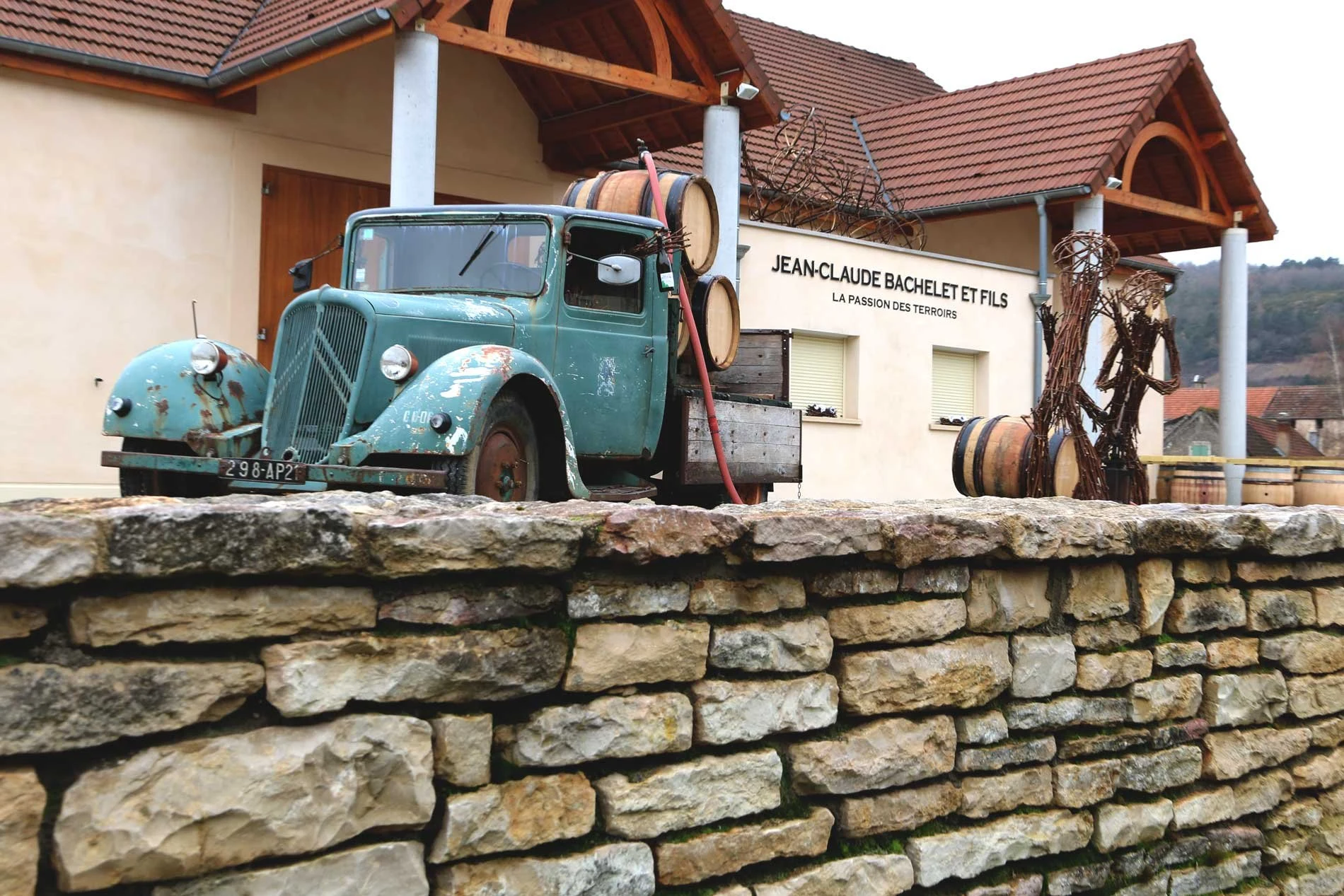
Outside Saint-Aubin, the domaine's peer set extends to other second-generation Côte de Beaune estates working low-intervention protocols inside inherited holdings: Domaine Jean-Claude Bachelet in Beaune, Domaine Cécile Tremblay in Morey-Saint-Denis, and Jean-Marc & Thomas Bouley in Volnay. All four domaines share a similar generational transition, founding vignerons in the 1970s or 1980s, second-generation succession in the 1990s, and cellar-protocol shifts toward longer élevage, lower sulphur, and minimal fining. The resulting wines read as more site-expressive and less polished than the domaines that came to prominence in the 1980s under the international-market preferences of that decade, and all four estates are now cited in trade as exemplars of the current Burgundy style rather than as continuations of the 1990s house programs.
The broader Burgundy wine region context places Lamy inside the mid-tier of Côte de Beaune white producers, below the grand cru estates of Puligny-Montrachet and Chassagne-Montrachet (Domaine de la Romanée-Conti, Domaine d'Auvenay, Domaine Georges Roumier) but above the village-only producers working without premier cru holdings. The absence of grand cru designation in Saint-Aubin keeps the domaine's pricing accessible relative to Puligny or Chassagne benchmarks, and the reductive cellar protocol appeals to the same trade audience that sources from Raveneau in Chablis or from the lower-intervention producers of the Loire. For collectors and sommeliers working inside the Côte de Beaune, Lamy functions as a value proposition: premier cru Chardonnay of genuine site-expression and cellaring potential at roughly half the price of equivalent Puligny-Montrachet premier cru, with the trade-off being the absence of grand cru prestige and the longer drinking window required for the wines to open fully.
For a fuller view of the Saint-Aubin landscape, see our full Saint-Aubin wineries guide. Broader regional context is available in our full Saint-Aubin restaurants guide, our full Saint-Aubin hotels guide, our full Saint-Aubin bars guide, and our full Saint-Aubin experiences guide. For comparison with other second-generation Burgundy estates, see Domaine Dugat-Py in Gevrey-Chambertin.
Questions
Frequently asked
Who works at Domaine Hubert Lamy?
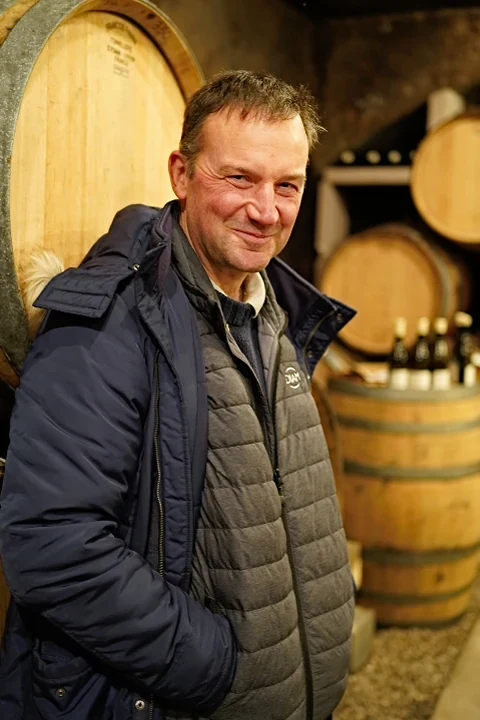
Made By profiles Olivier Lamy (Winemaker) at Domaine Hubert Lamy.
How expensive is Domaine Hubert Lamy?
Domaine Hubert Lamy is listed at a price level of $$$.
The field
How it compares
| Place | Notes | Awards |
|---|---|---|
| Domaine Hubert Lamy | Saint-Aubin, $$$ | · |
| Ata Rangi | Martinborough | World's 50 Best |
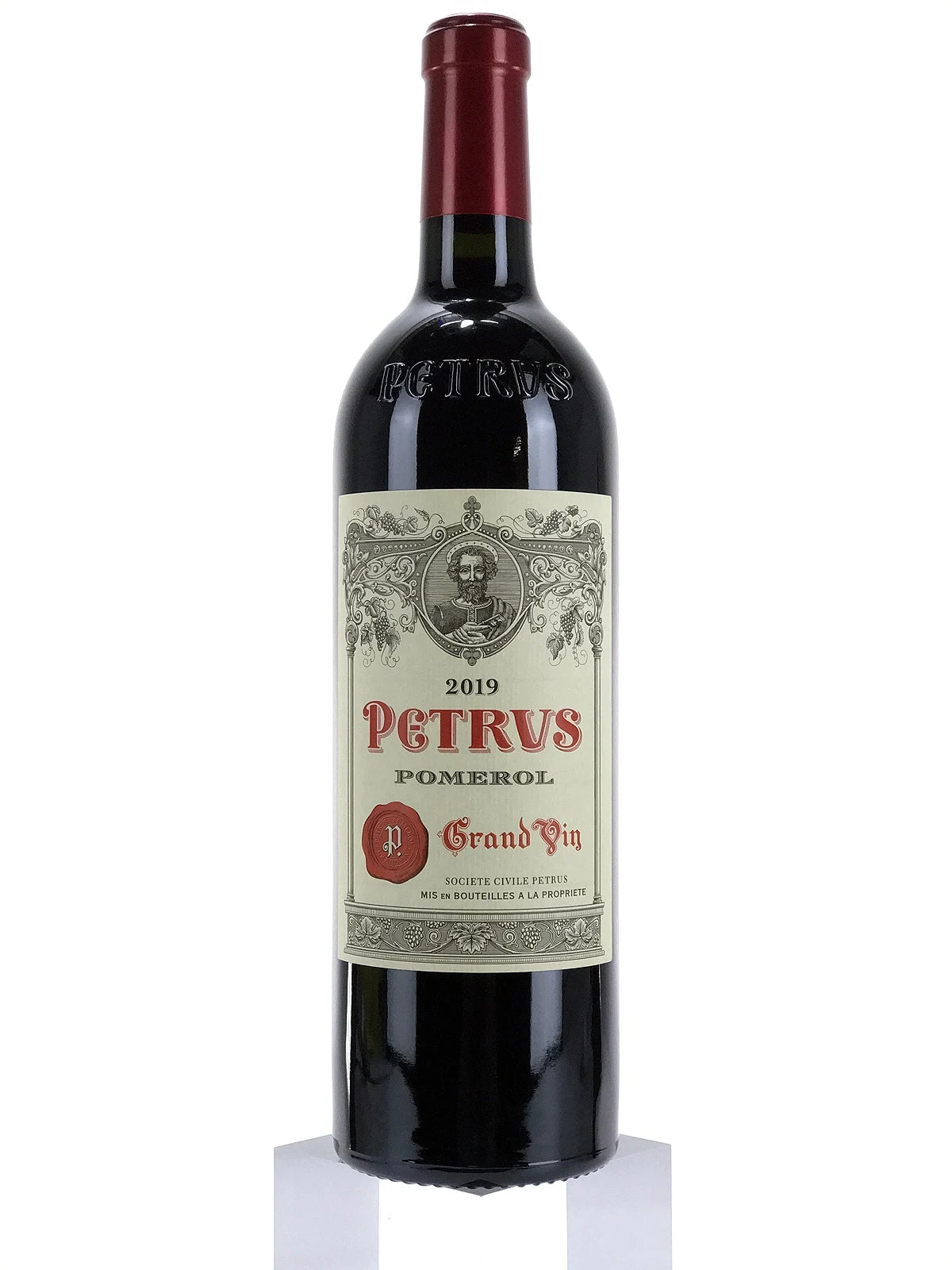
| Château La Fleur-Pétrus | Pomerol | · |
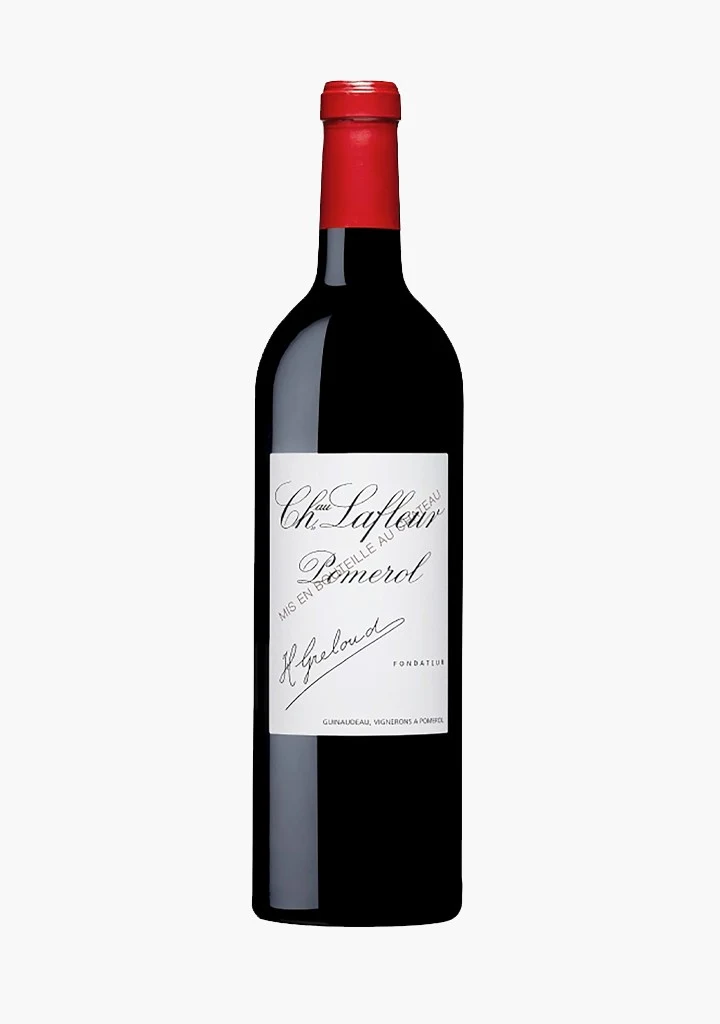
| Château Lafleur | Pomerol | · |
| Domaine Jean-Claude Bachelet | Saint-Aubin | · |
| Domaine Larue | Saint-Aubin | · |
| Domaine Marc Colin et Fils | Saint-Aubin | · |
In residence
Similar places
The Sunday letter
Get the next Made By story in your inbox.
We send one email every Sunday morning with the places and people we covered that week.
See a sample of the Sunday emailOne email a week. Unsubscribe from any issue.