Chardonnay from limestone Saint-Aubin slopes
- Falstaff Winery - Listed · 2026
Chardonnay sorted before barrel
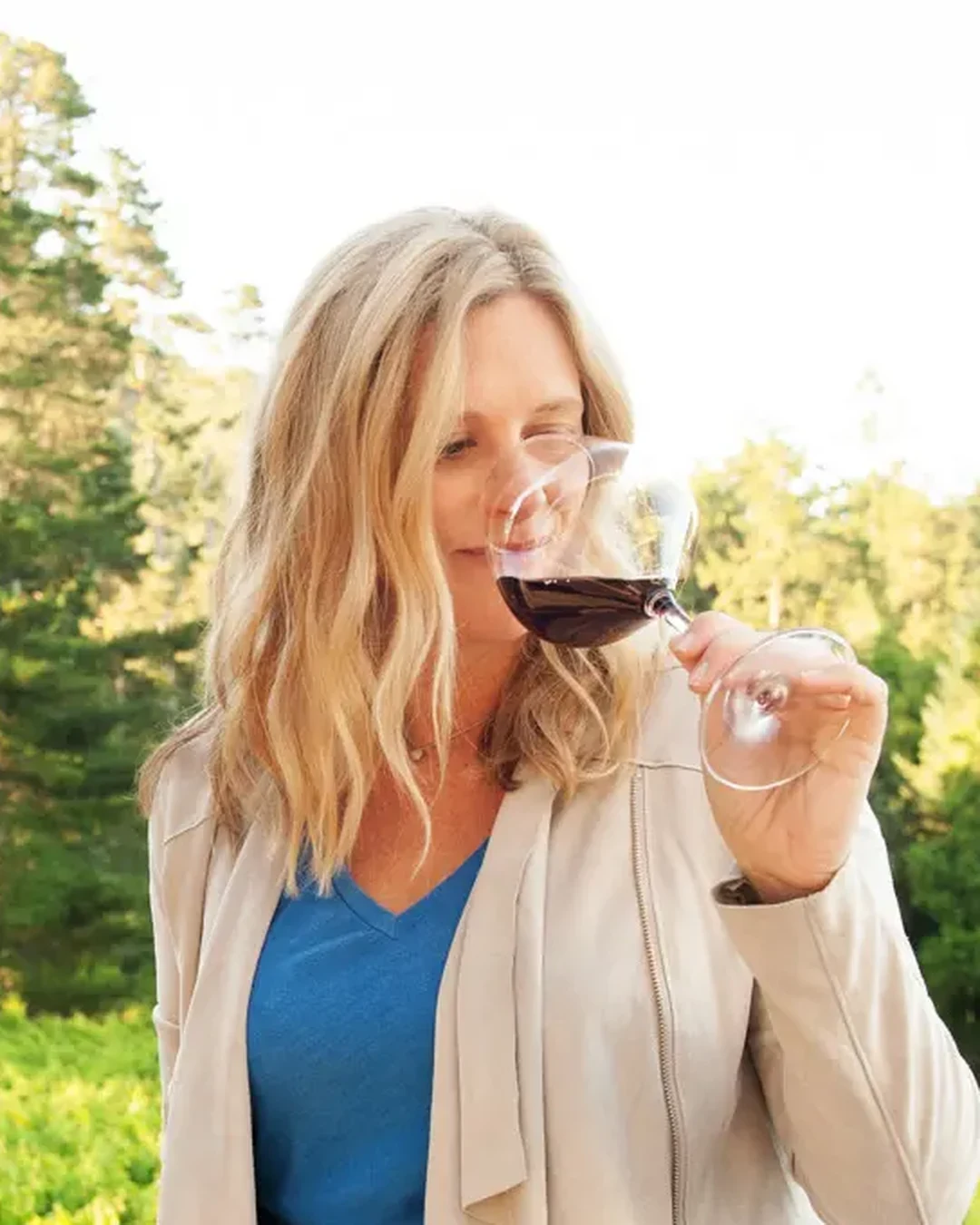
Hand-sorted Chardonnay comes into the cellar before barrel, and Katy Wilson works as winemaker at Domaine Larue in Saint-Aubin, carrying that fruit through a house built on white Burgundy. Her path began with agriculture at Cal Poly San Luis Obispo, then moved into cellar work as Associate Winemaker at Kamen Wines. The base of the practice is still farming, harvest, and the judgment of when to intervene. At Domaine Larue, that discipline meets a family estate founded in 1946 and held through three generations, with a Saint-Aubin identity shaped by limestone, slope, and patience. The domaine farms 17 hectares, 42 acres, across Saint-Aubin, Chassagne-Montrachet, Puligny-Montrachet, and Aloxe-Corton, but its center of gravity remains Saint-Aubin AOC. Wilson’s role here sits inside a wider working life that also includes LaRue Wines, Anaba Wines, Claypool Cellars, Reeve Wines, and Smith Story Wine Cellars. The through-line is not breadth for its own sake. It is the same cellar question, repeated with different fruit: how to carry vineyard material to bottle without sanding away the place it came from.
Seventeen hectares on limestone slopes
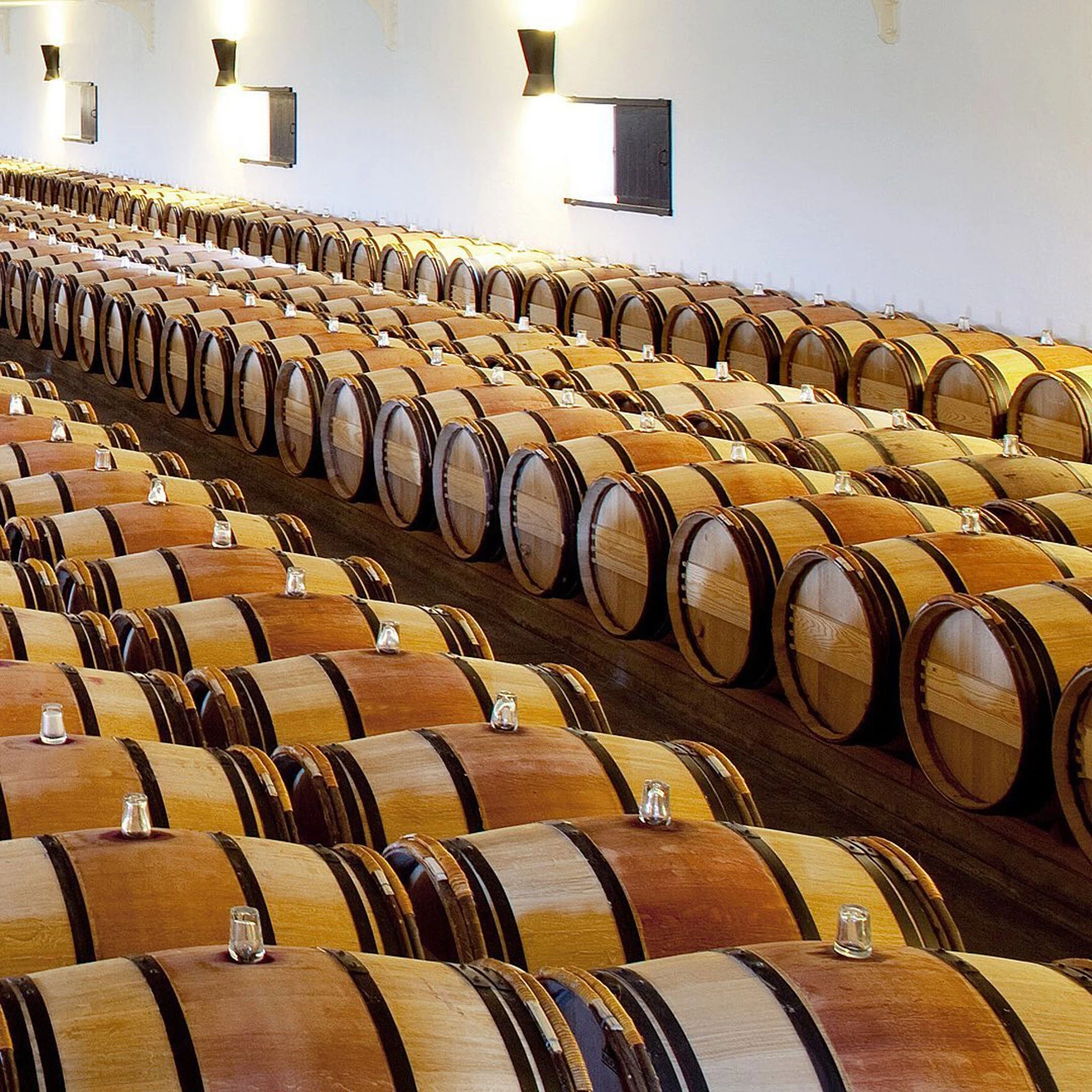
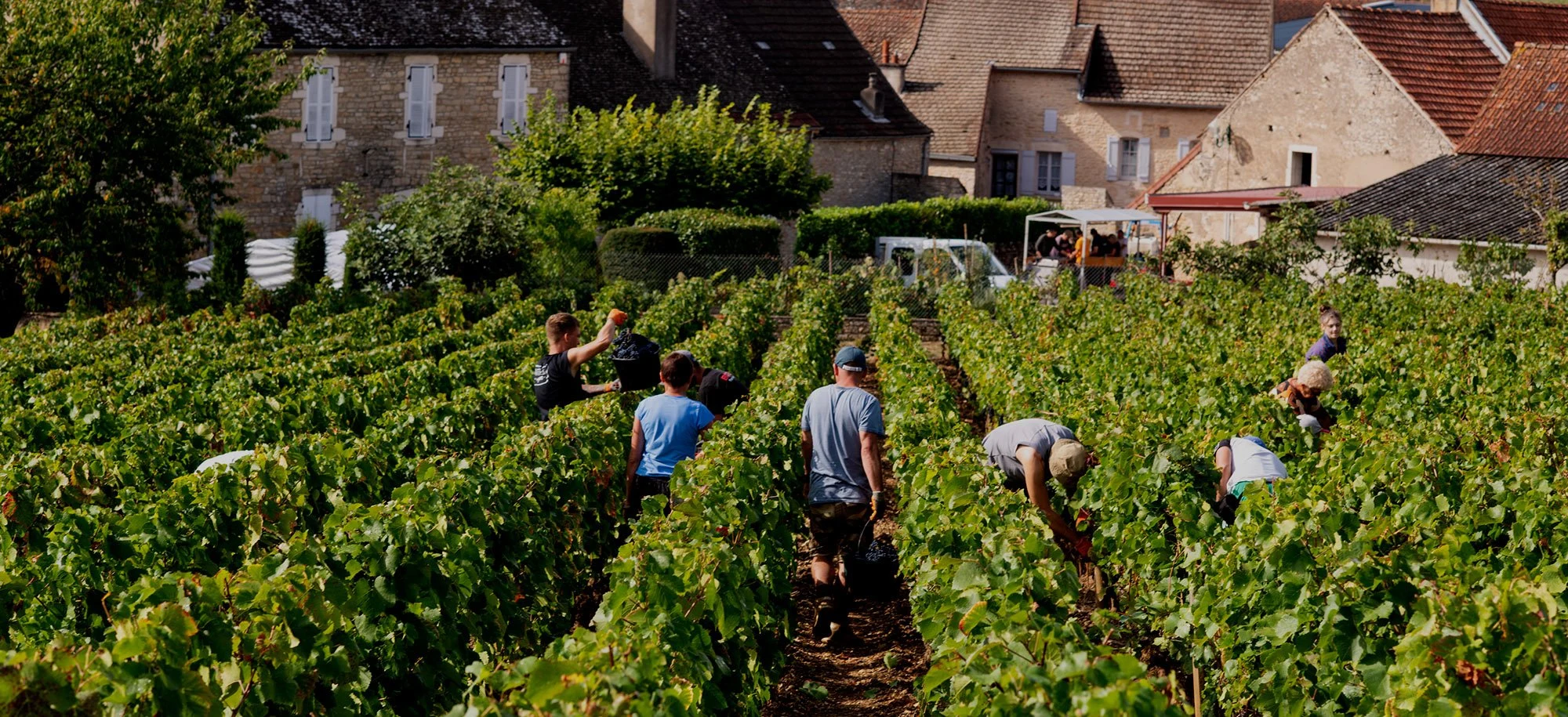
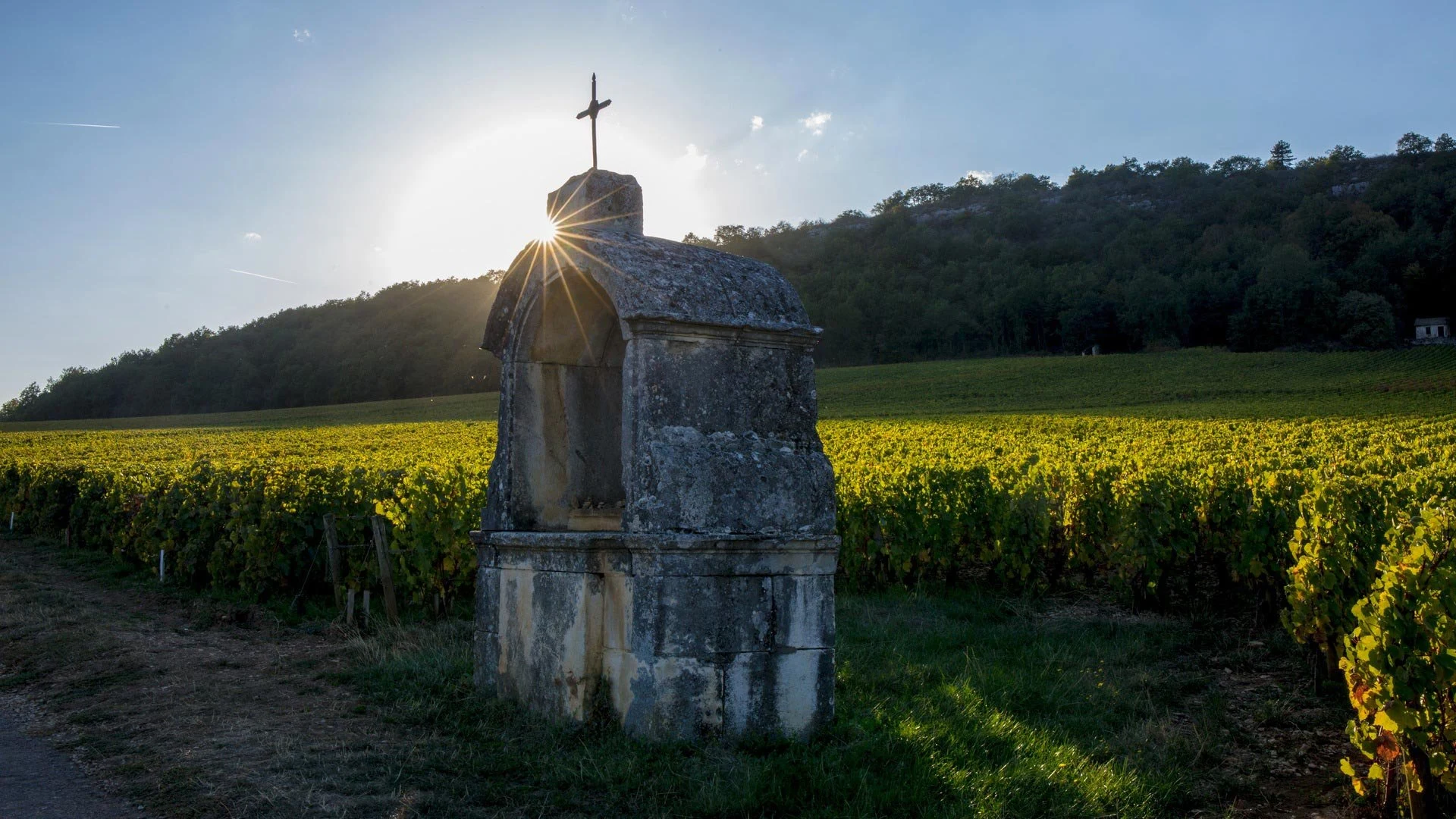
The method at Domaine Larue begins in the vineyard, with sustainable farming and grapes harvested and sorted by hand. In the southern part of Saint-Aubin, the domaine works seven premier cru climats on south, southeast, and southwestern slopes, set in clay soils with a high concentration of limestone. Elevations run from 800 to 1,200 feet, enough variation for each parcel to keep its own line. In the cellar, white grapes are pressed, settled, and moved to barrel by gravity. Fermentation takes place in barrel with 20% new oak, followed by élevage on lees for 10 months; other white wines may rest sur lie for 10 to 12 months, with occasional bâtonnage. The oak program stays moderate, closer to support than signature. Across the range, the domaine makes 22 cuvées, including 14 white and 8 red, but Chardonnay is the language most closely tied to this place. Saint-Aubin Blanc draws on Champ Tirant and Bas de Jourcul, parcels planted between 1971 and 2005, with an average vine age of 40 years.
A quiet cellar for precise Burgundy
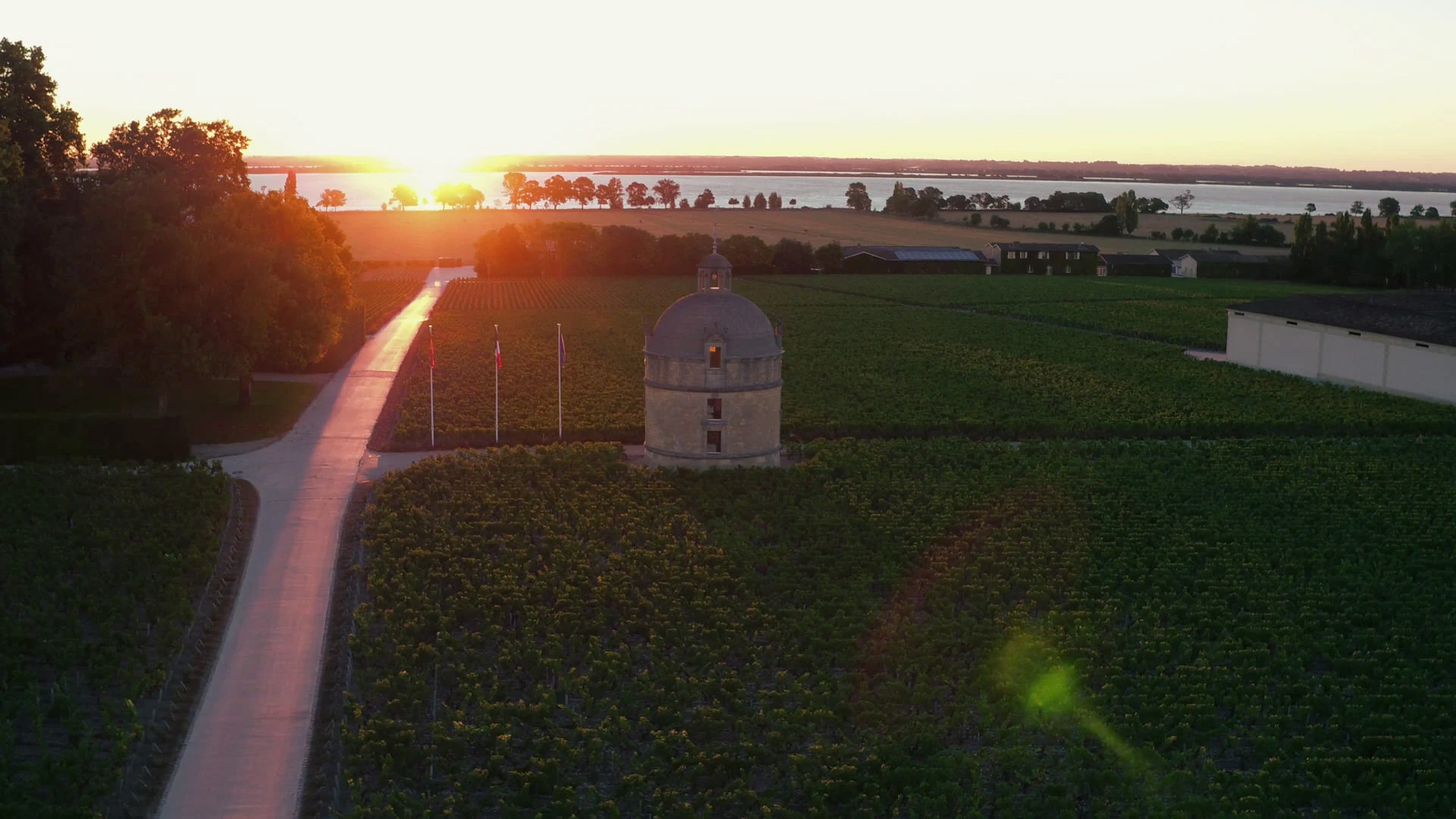
The room at Domaine Larue is quiet in the Burgundian way: practical, close to the vineyards, and more concerned with sequence than display. Fruit comes in by hand, the press work sets the tone, barrels carry the slow part, and the tasting room belongs to a domaine where the cellar is not a backdrop. Saint-Aubin does not need theatre here. The village sits among names that can pull attention away from it, yet the work keeps returning to its own climats, especially the white crus on limestone. That restraint gives the wines their shape. They are built for clarity first, then texture, then time in bottle, with the cellar leaving enough space for site to stay visible. Murgers des Dents de Chien is in the vineyard, not in a claim.
Questions
Frequently asked
Who makes the wine at Domaine Larue?
Katy Wilson works as winemaker at Domaine Larue in Saint-Aubin. Her background includes agriculture at Cal Poly San Luis Obispo and cellar work as Associate Winemaker at Kamen Wines.
What is Domaine Larue known for?
Domaine Larue is a family estate founded in 1946 and now held through three generations. Its Saint-Aubin identity is shaped by limestone, slope, and patient cellar work, with Chardonnay most closely tied to the place.
How does the domaine work in the vineyard and cellar?
The domaine farms 17 hectares across Saint-Aubin, Chassagne-Montrachet, Puligny-Montrachet, and Aloxe-Corton with sustainable farming and hand sorting at harvest. In the cellar, white grapes are pressed, settled, and moved to barrel by gravity, then fermented in barrel with 20% new oak and aged on lees for 10 months.
What kinds of wines does Domaine Larue make?
The domaine makes 22 cuvées in total, including 14 white wines and 8 red wines. Saint-Aubin Blanc draws on Champ Tirant and Bas de Jourcul, and the domaine also works seven premier cru climats in the southern part of Saint-Aubin.
Do visits need to be booked in advance?
Yes. Domaine Larue lists an appointment-only reservation policy.
The field
How it compares
| Place | Notes | Awards |
|---|---|---|
| Domaine Larue | Saint-Aubin, $$$ | · |
| Château Latour | Pauillac | · |
| Chateau Mouton Rothschild | Pauillac | World's 50 Best |
| Domaine Hubert Lamy | Saint-Aubin | · |
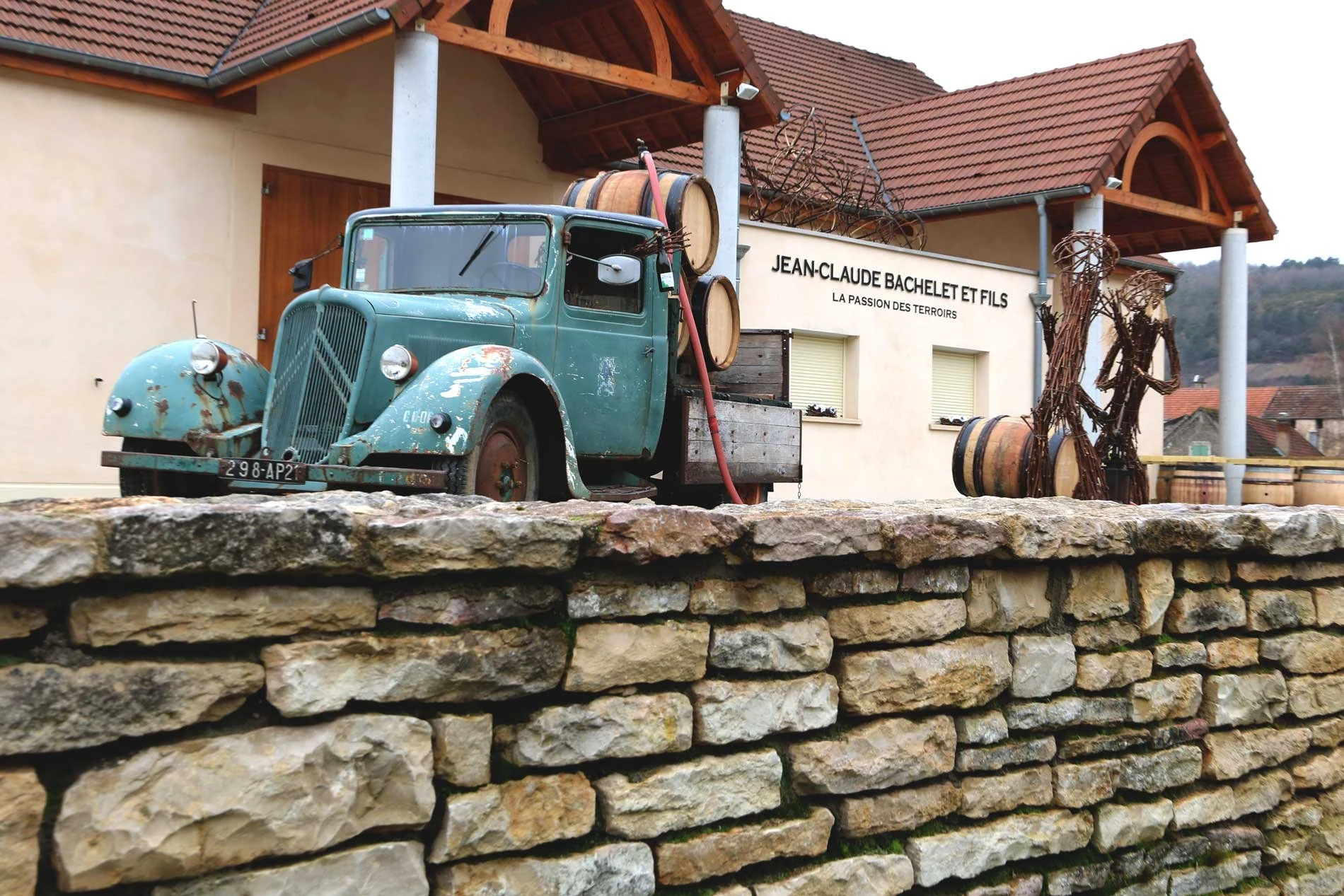
| Domaine Jean-Claude Bachelet | Saint-Aubin | · |
| Domaine Marc Colin et Fils | Saint-Aubin | · |
| Giacomo Conterno | Monforte d'Alba | · |