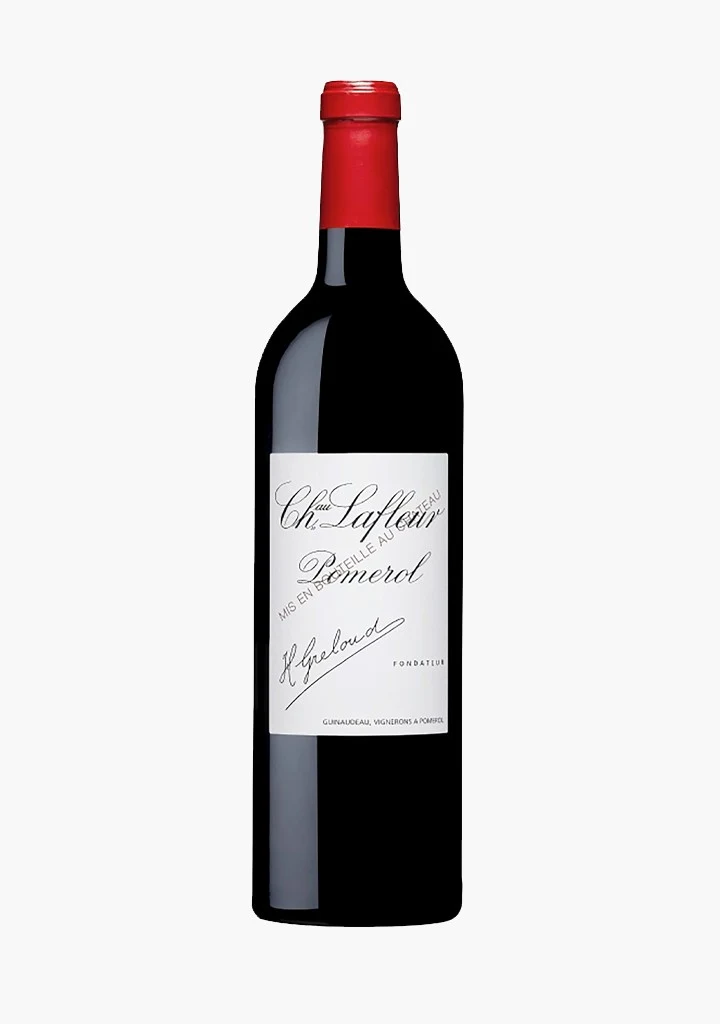
Infusion before extraction in Pomerol
- Michelin 3 Grapes · 2026
- Falstaff Winery - 5 Stars · 2026
- Pearl 4 Star Prestige · 2025
The season before the cellar
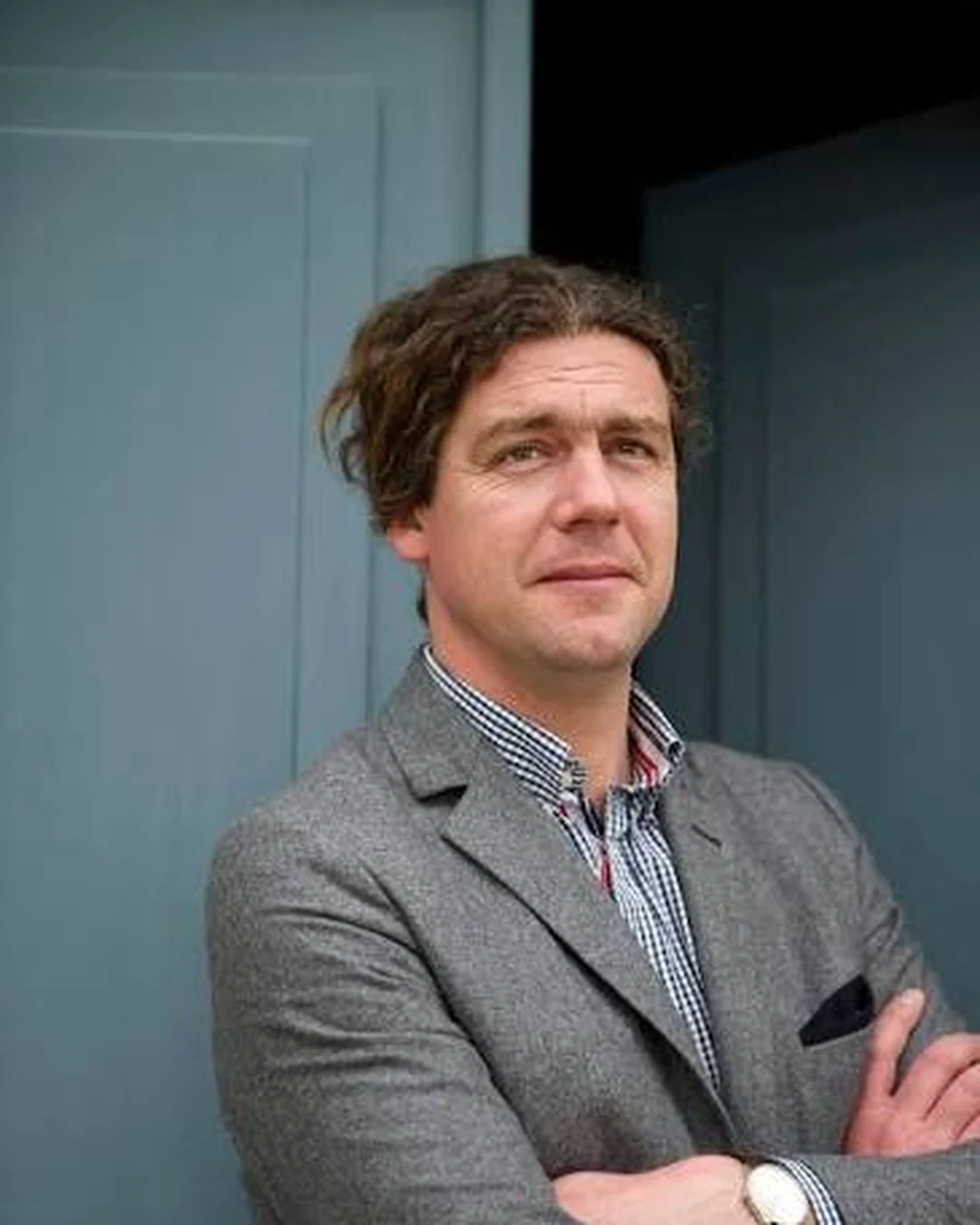
Fermentation at Château Lafleur in Pomerol begins with restraint: Baptiste Guinaudeau, winemaker, speaks of infusion rather than extraction. He has held the post since 2002, managing and farming the estate as part of the same discipline rather than separating vineyard work from cellar work. The phrase matters here because it fixes the work to the fruit before it reaches the vat. Guinaudeau has described the team’s place plainly: "What are we the champions of? Of nothing. We are, first and foremost, farmers; our lives follow the rhythm of the seasons." At Lafleur, that is not a line of modesty. It is the method. The estate is small, 4.5 hectares in Pomerol AOC, planted to Merlot and Cabernet Franc, known locally here as Bouchet. The wine comes from watching those parcels closely enough that tannin can be handled without force. Guinaudeau’s role stays close to that circuit: observation in the vineyard, decisions in the cellar, and a finished wine held to purity and restraint.
Infusion before extraction
Omri Ram, cellar-master and vineyard manager at Château Lafleur, joined the house in 2013 after studying viticulture and oenology in Montpellier and working in Israel, New Zealand, and Spain. His work at Lafleur sits beside Guinaudeau’s, with production tied to massale selection and to the expression of site across Merlot, Cabernet Franc, and Sauvignon Blanc wines within the wider family holdings. At this address, the central wine rests on equal parts old-vine Merlot and Bouchet, drawn from gravel, clay, and sand. The house gives an annual scale of about 12,000 bottles, a figure that keeps the cellar’s decisions close to the fruit rather than spread across volume. Guinaudeau puts the fermentation point directly: "We don’t use the word extraction, we want to infuse, the best tannins come without intervention in the first days of fermentation." The sentence gives the technical position. The first days matter. The best tannins are not forced out, they are allowed into the wine.
A quiet manor among gravel and clay
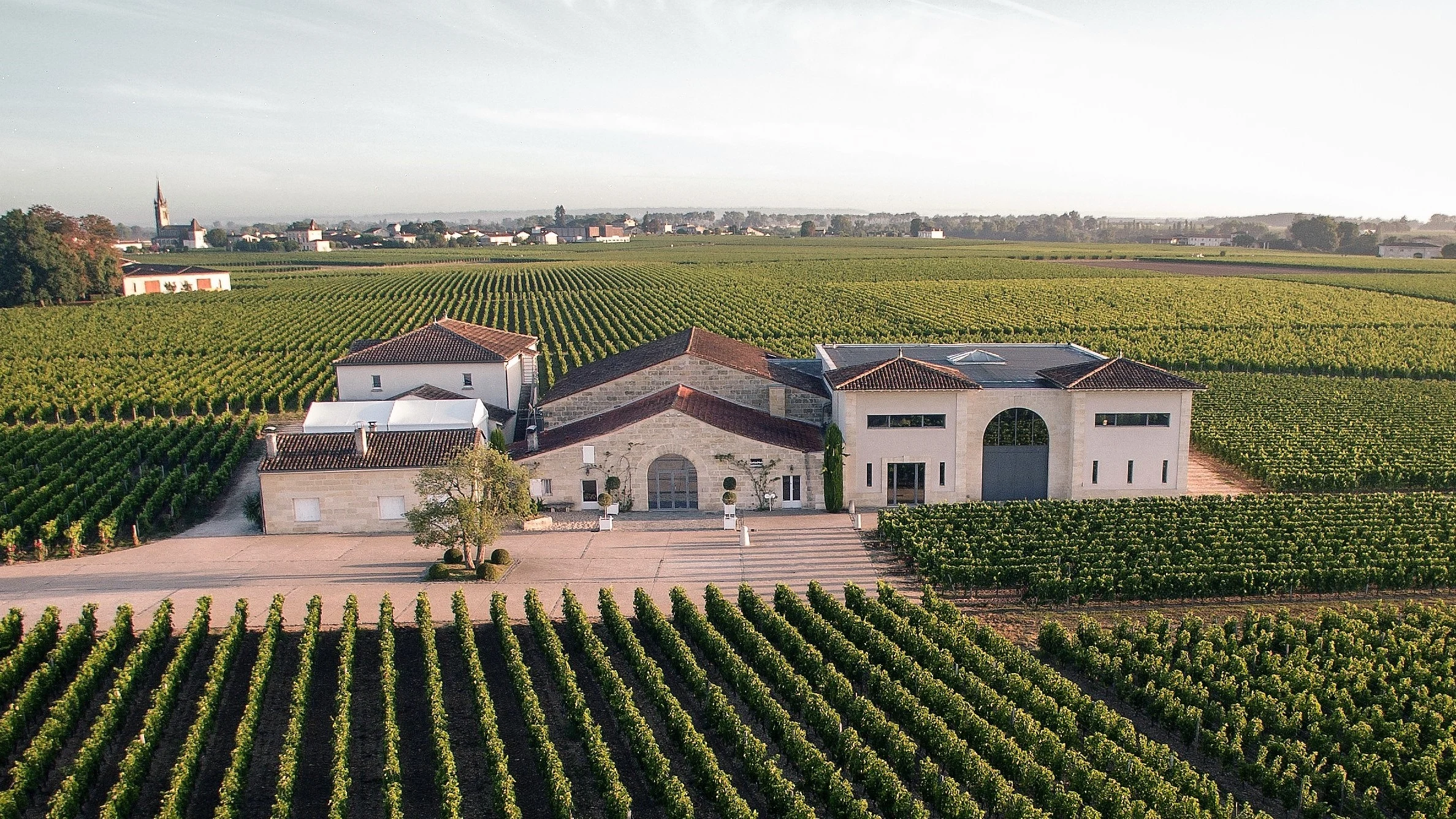
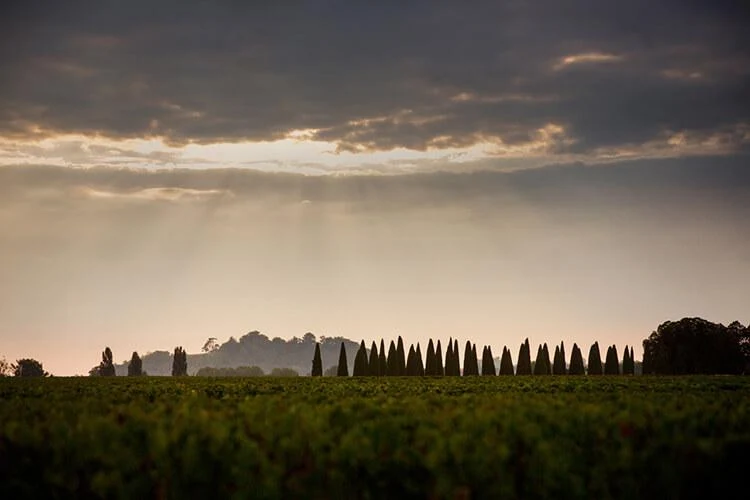
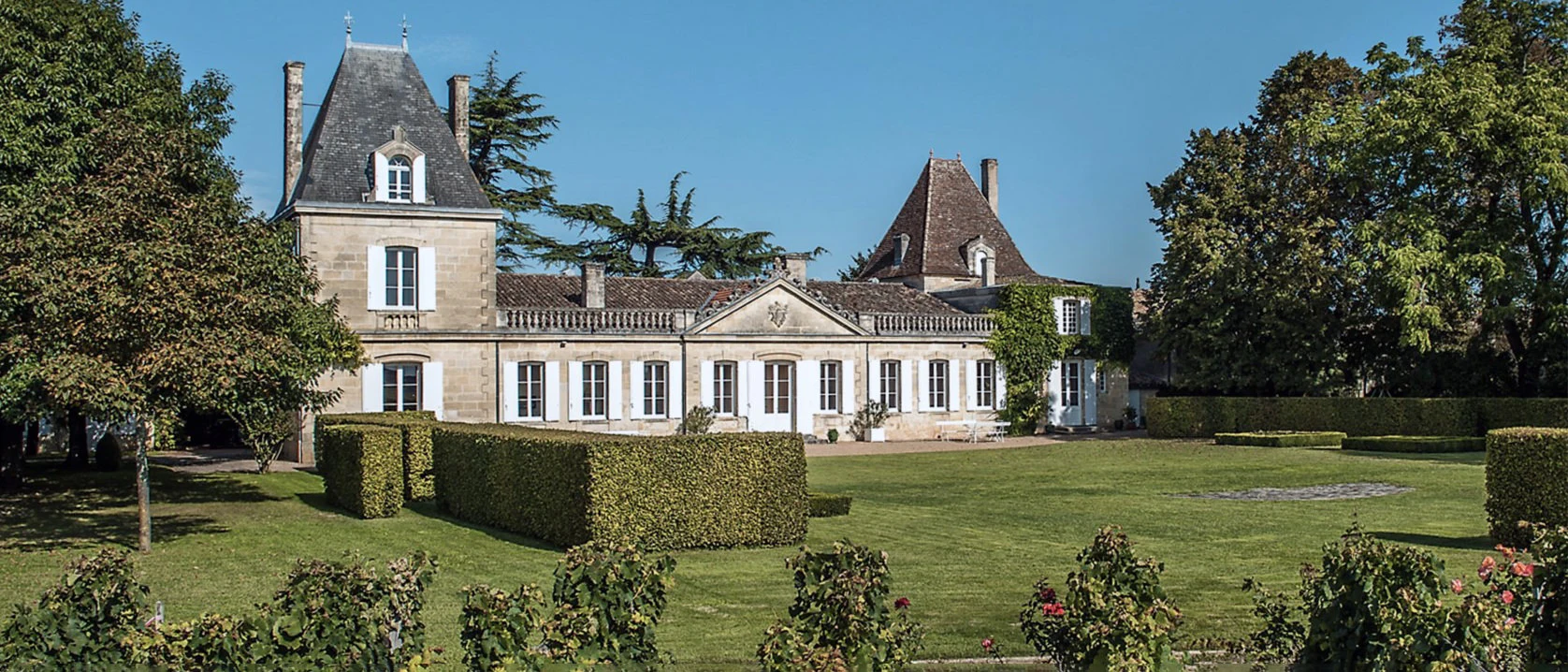
The manor house does not need theatre around it. Lafleur sits among its parcels in Pomerol, with the quiet of a working estate rather than the polish of a staged room. The vineyard is close enough to feel like part of the cellar, not a view beyond it. Gravel, clay, and sand carry the house’s vocabulary as much as barrels or tanks do; they are the materials the hands answer to each season. In the tasting room, the register stays private and still. The scale helps. A 4.5-hectare estate can be walked as a set of decisions, not as an abstract holding. The work asks for patience at every point: farming before picking, infusion before extraction, aging before release. Lafleur’s atmosphere follows that same line, intimate, controlled, and centered on the wine rather than display.
The same hand on the place
What continues here is not a new program but a long thread held taut through each vintage. Guinaudeau still manages and farms the estate, with Ram working across vineyard and cellar, and the house keeps its attention on the connection between season, soil, fermentation, and tannin. The next movement is the next harvest, when the rhythm returns to the same 4.5 hectares at Château Lafleur.
Questions
Frequently asked
Who makes the wine at Château Lafleur?
Baptiste Guinaudeau has been winemaker since 2002, and Omri Ram is the cellar-master and vineyard manager. The estate is run with vineyard and cellar work kept closely linked.
What is Château Lafleur known for?
The estate is known for a restrained approach in both the vineyard and the cellar, with fermentation handled by infusion rather than extraction. Its central wine comes from old-vine Merlot and Bouchet, the local name for Cabernet Franc, grown on gravel, clay, and sand in Pomerol.
How large is the estate?
Château Lafleur is a small estate of 4.5 hectares in Pomerol AOC. The house gives an annual scale of about 12,000 bottles.
Can visits be booked by appointment?
Yes. Visits are by appointment only.
Is there parking on site, and is there a dress code?
There is an on-site parking lot, and the dress code is smart casual.
The field
How it compares
| Place | Notes |
|---|---|
| Château Lafleur | Pomerol, $$$$ |
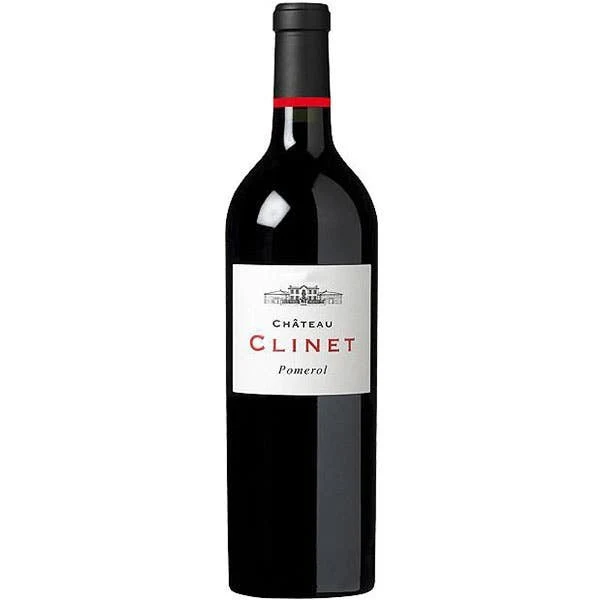
| Château Clinet | Pomerol |
| Château La Conseillante | Pomerol |
| Château La Fleur-Pétrus | Pomerol |
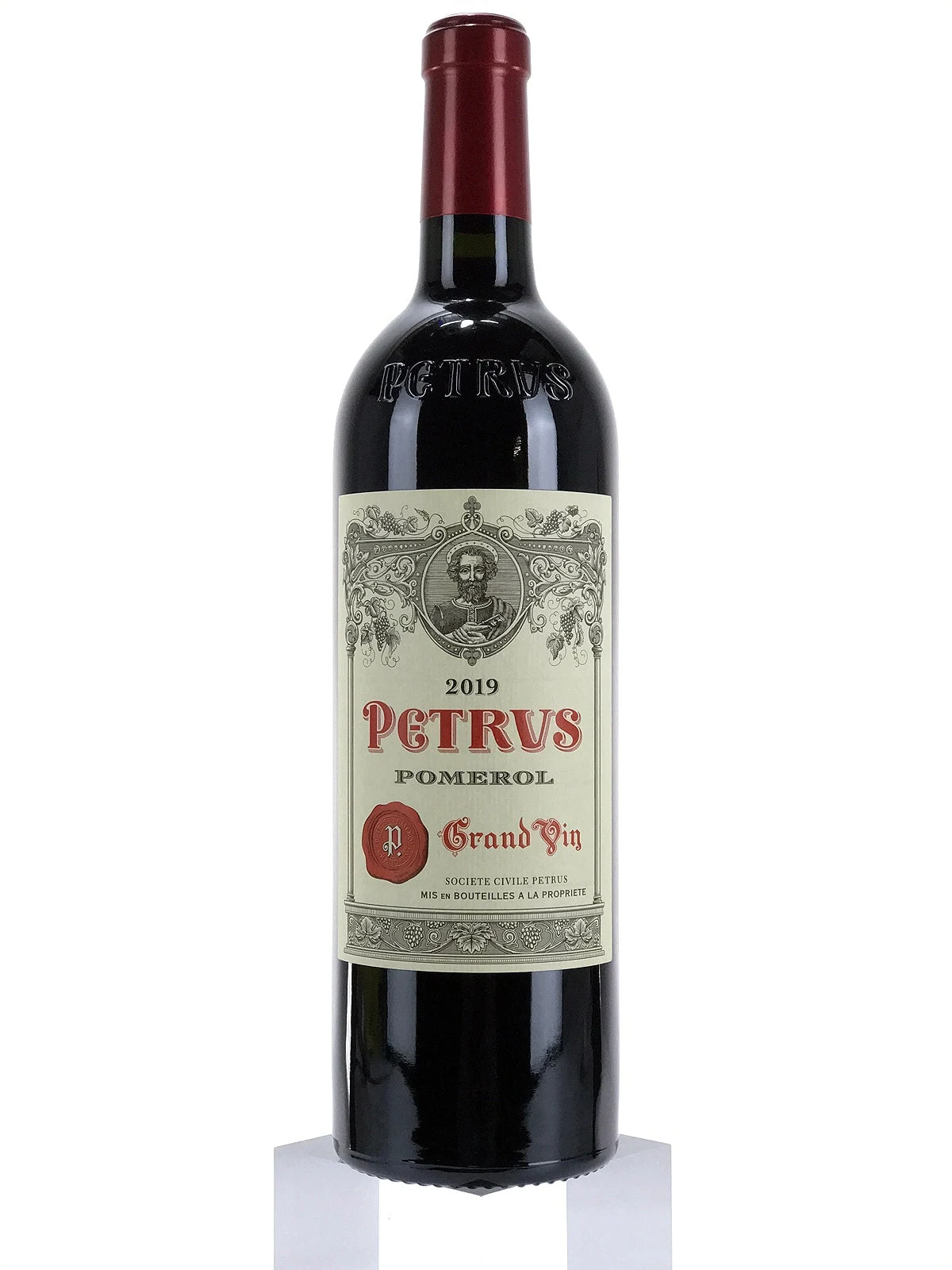
| Chateau Petrus | Pomerol |
| Château Trotanoy | Pomerol |
| Vieux Château Certan | Pomerol |