The Places · France
Pomerol
Made By profiles 15 places in Pomerol, spanning winery — each tied to the people and producers behind it.

01.Winery
Chateau Petrus
Pomerol, France
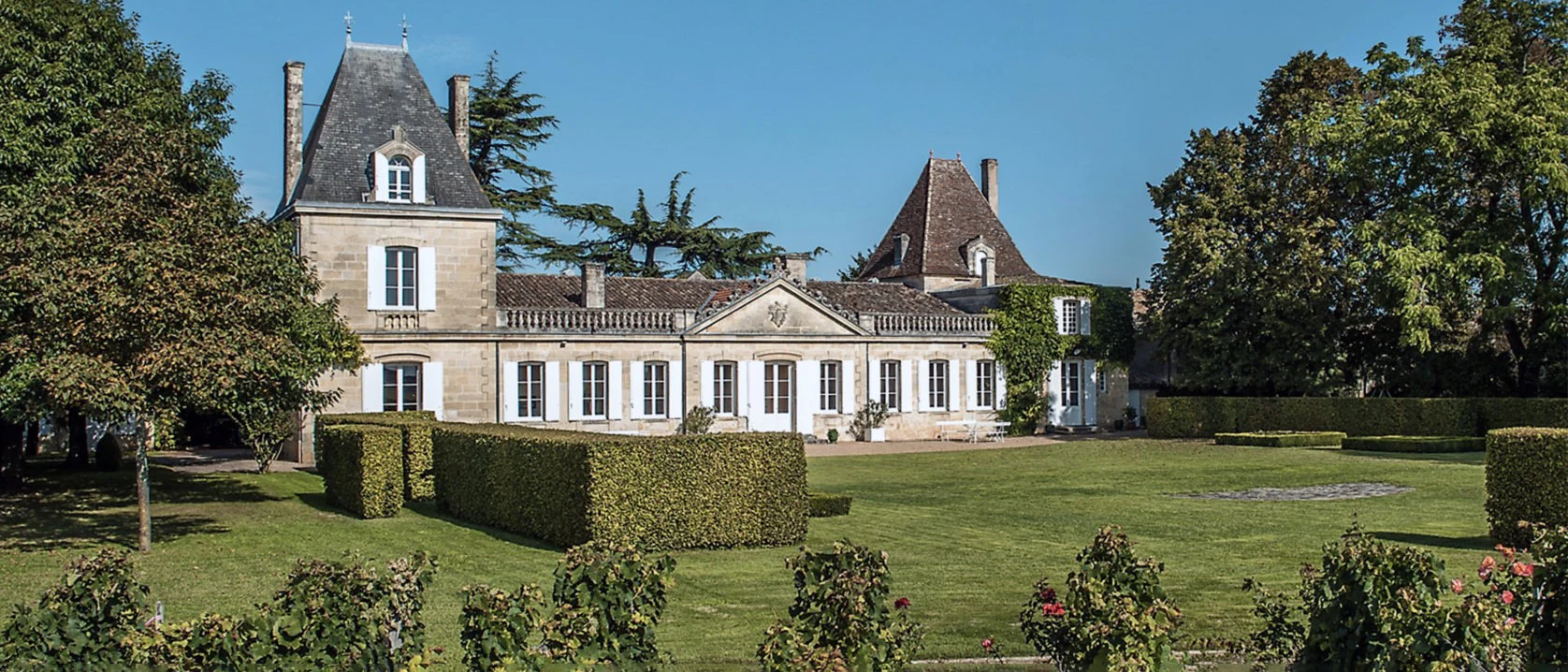
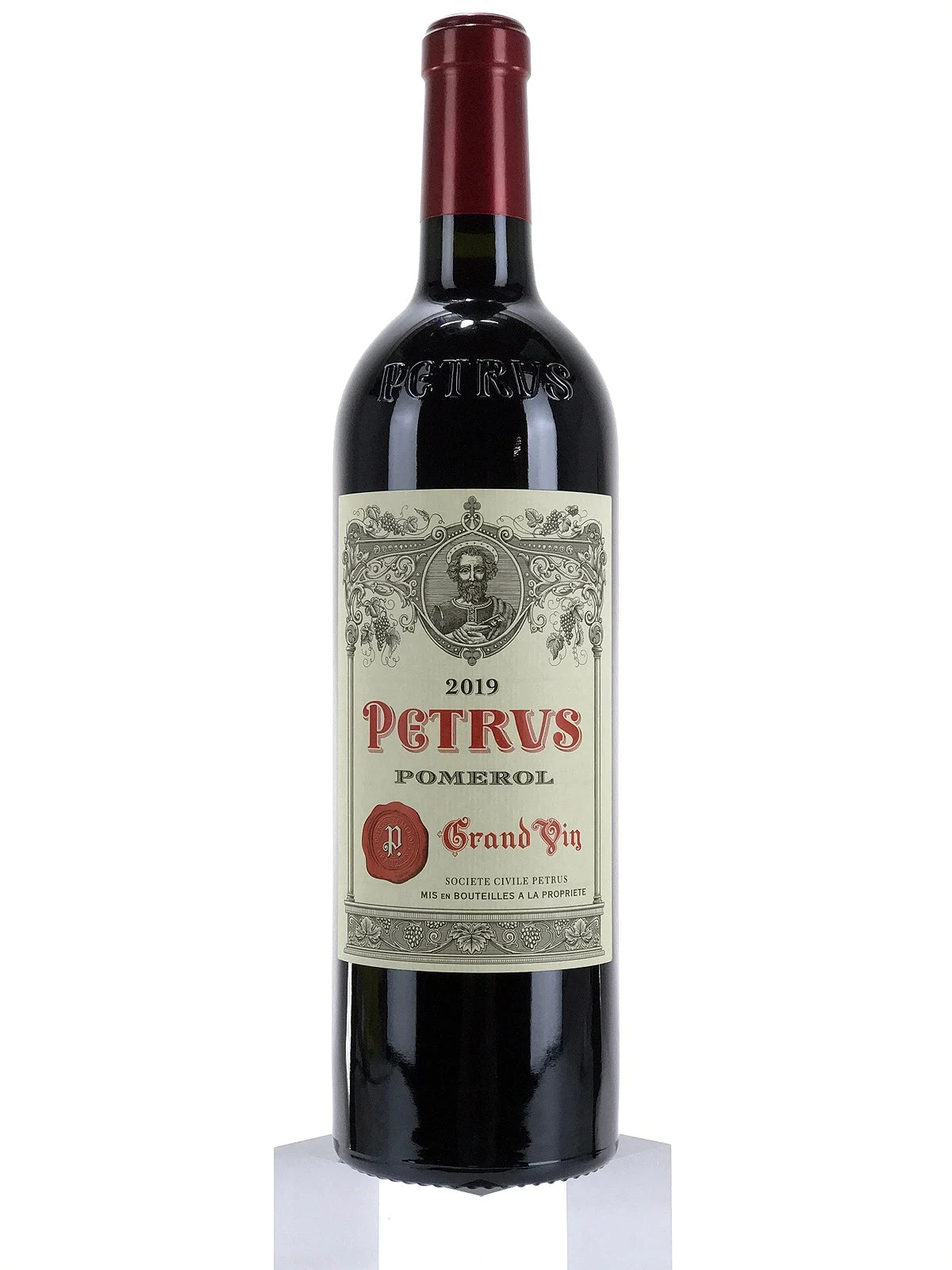
Pétrus sits at the apex of Pomerol, producing Merlot-dominant wines from a single hectare of blue clay that has defined the appellation's identity since its first commercial vintage in 1929. Under winemaker Olivier Berrouet, the estate holds a Pearl 5 Star Prestige rating (2025) and remains one of the most allocation-constrained releases in Bordeaux. Visits are by appointment only, placing it firmly in the collector-access tier of Right Bank estates.
● 1 artisanView →
02.Winery
Château Lafleur
Pomerol, France
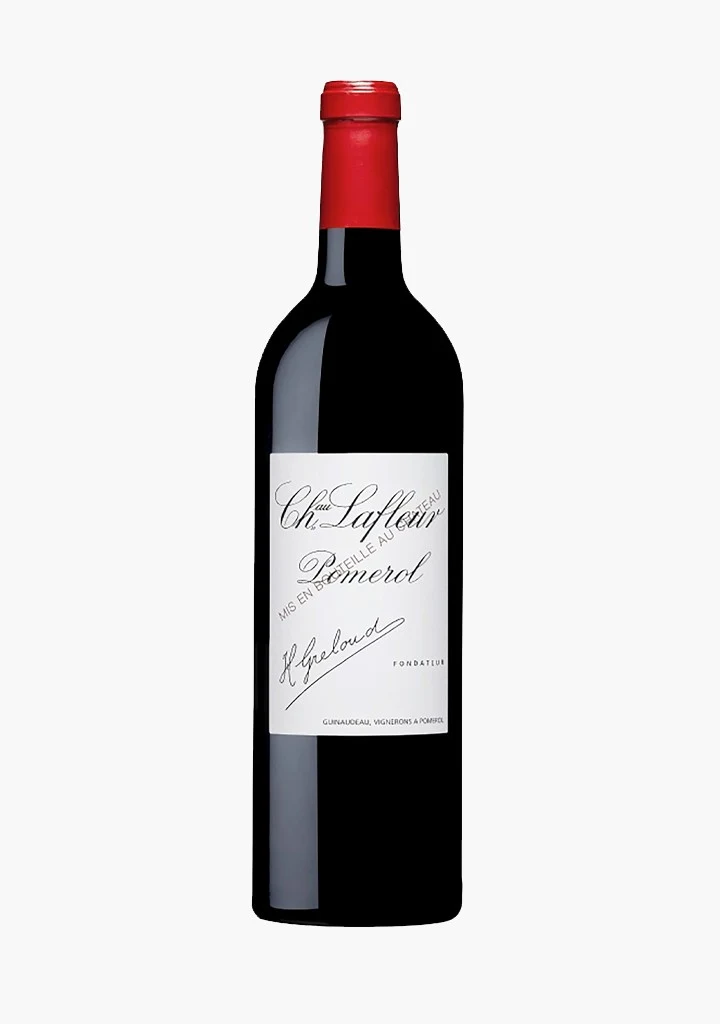
Château Lafleur sits at the upper tier of Pomerol's tightly held estates, where a two-hectare footprint and an annual production measured in thousands rather than tens of thousands of bottles defines the competitive set. Under winemakers Omri Ram and Baptiste Guinaudeau, the estate holds a Pearl 4 Star Prestige rating (2025), placing it among the appellation's most closely watched addresses for collectors and en primeur buyers alike.
● 1 artisanView →
03.Winery
Château La Fleur-Pétrus
Pomerol, France
Château La Fleur Petrus sits in the heart of Pomerol on gravelly-clay soils that define the appellation's most serious addresses. Under winemaker Edouard Moueix and the stewardship of the Moueix family, it holds a Pearl 4 Star Prestige rating (2025) and occupies a well-defined position in the mid-to-upper tier of Right Bank Merlot. Visits require advance planning; allocations are limited and demand from collectors keeps the estate's releases tightly distributed.
● 1 artisanView →
04.Winery
Vieux Château Certan
Pomerol, France
Vieux Château Certan occupies a singular position on the Pomerol plateau, producing Merlot-dominant blends from one of the appellation's most storied parcels of clay-gravel terroir. Under winemaker Alexandre Thienpont, the estate holds a Pearl 4 Star Prestige rating from EP Club (2025), placing it among a narrow tier of Right Bank properties that reward patient cellaring and careful allocation tracking.
● 1 artisanView →
05.Winery
Château Les Carmes Haut-Brion
Pomerol, France
One of Bordeaux's older continuously operating estates, Château Les Carmes Haut-Brion traces its first vintage to 1782 and holds a Pearl 4 Star Prestige rating for 2025. The estate sits within the Pessac-Léognan appellation adjacent to Haut-Brion, with winemaker Guillaume Pouthier overseeing production. It represents a distinct tier of Left Bank precision inside a region more often associated with Pomerol's clay-driven Merlot.
● 1 artisanView →
06.Winery
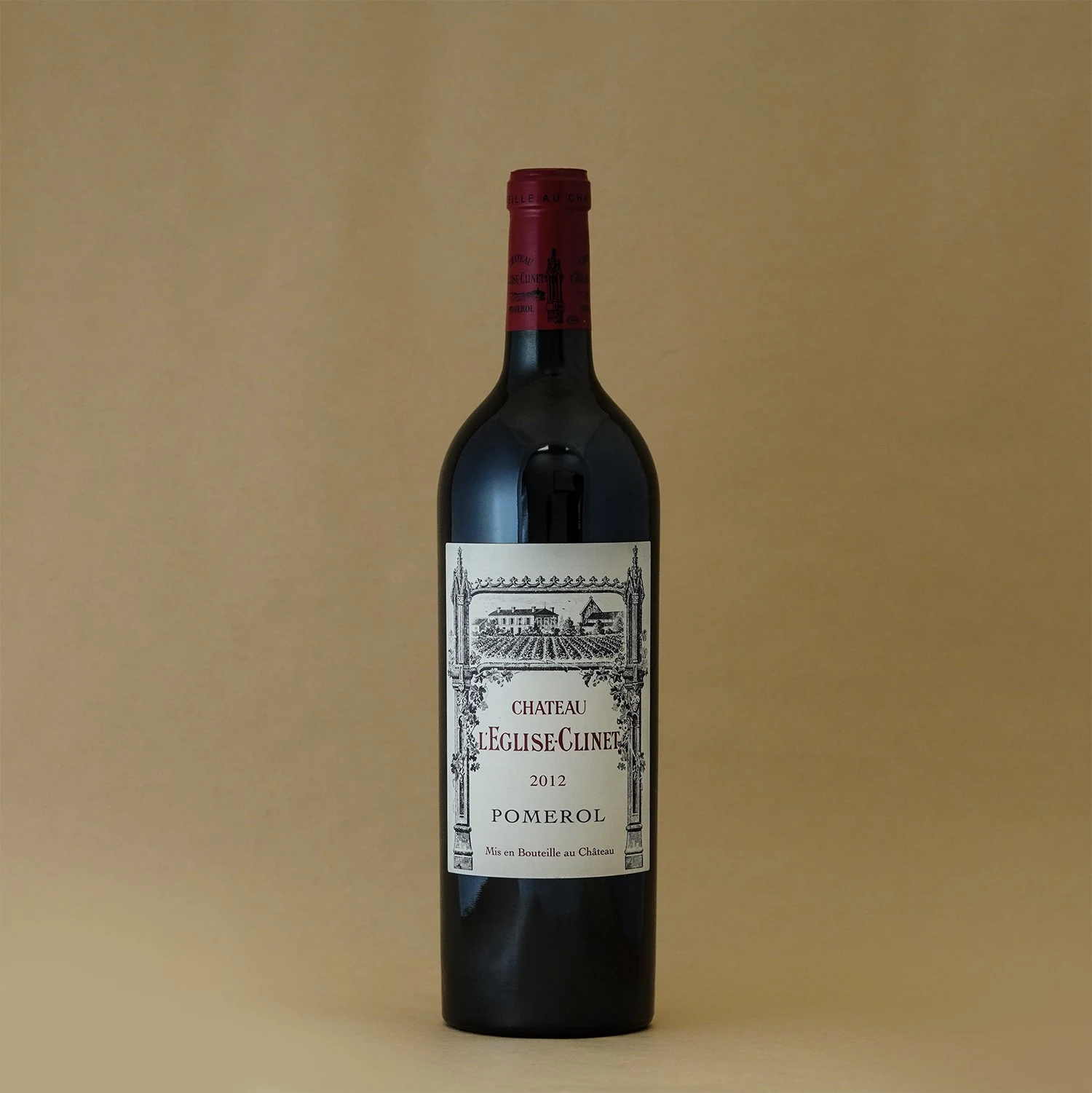
Château L'Eglise Clinet
Pomerol, France
Château L'Eglise Clinet holds a Pearl 3 Star Prestige rating (2025) and sits among Pomerol's most closely watched properties, shaped for decades by the late Denis Durantou. The estate's address on the plateau puts it in direct proximity to the appellation's most celebrated soils, and its wines carry the density and aromatic precision that define Pomerol's upper tier.
● 1 artisanView →
07.Winery
Château Trotanoy
Pomerol, France
Château Trotanoy is one of Pomerol's most scrutinised addresses, carrying a Pearl 3 Star Prestige rating for 2025 and a winemaking legacy shaped by Jean-Claude Berrouet across decades at the estate. On the right bank's most prized clay and gravel soils, it sits in the same rarefied tier as the appellation's most allocation-driven producers. Acquiring a bottle demands patience; drinking one demands attention.
● 1 artisanView →
08.Winery
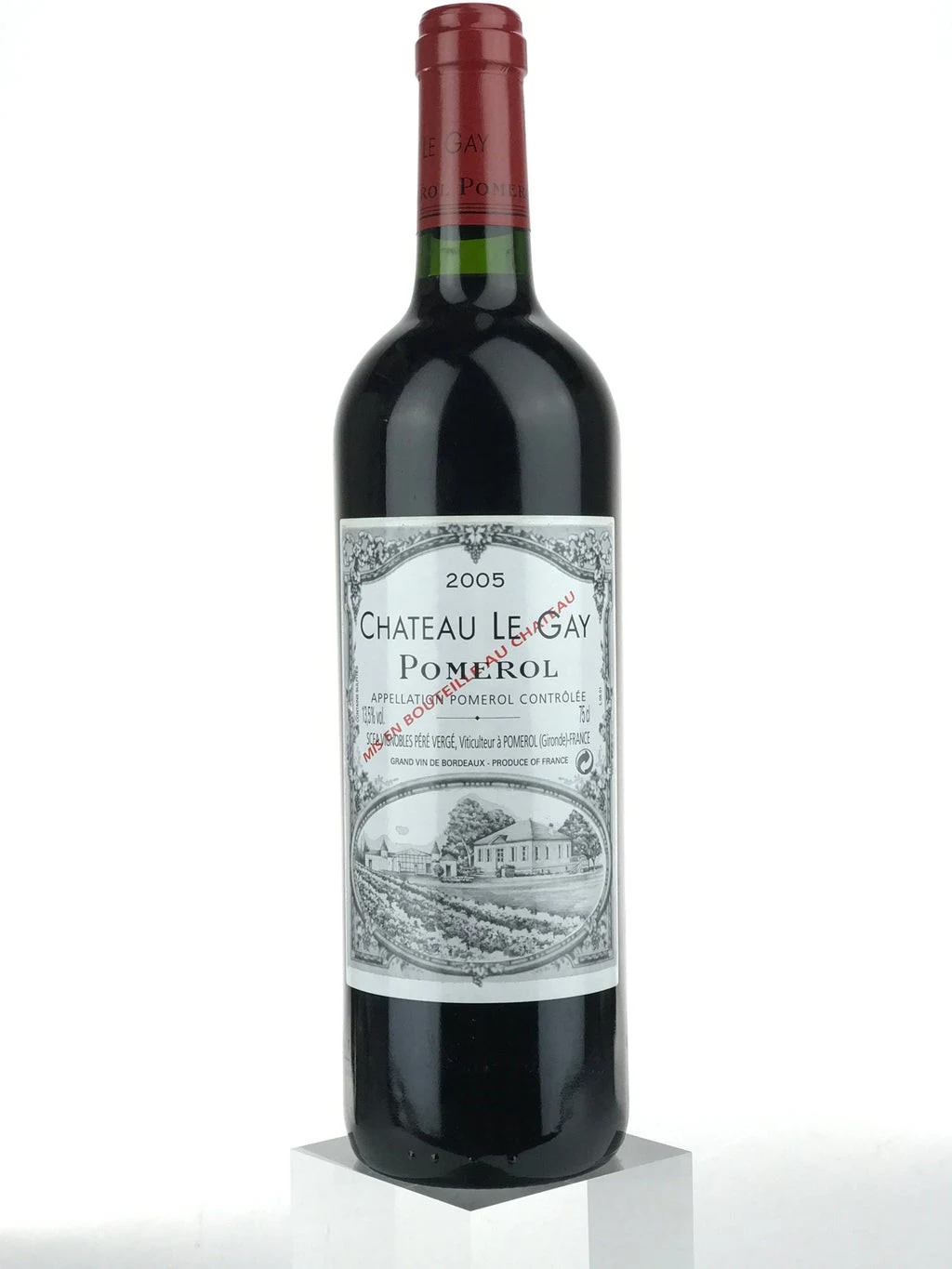
Château Le Gay
Pomerol, France
Château Le Gay occupies a quiet parcel of Pomerol clay-and-gravel terroir managed by Henri Parent and winemaker Marcelo Pelleriti. The estate earned a Pearl 3 Star Prestige rating in 2025, placing it among the appellation's most closely watched producers. Located at 11 Chemin de Chantecaille, it sits within the dense network of right-bank estates that define Merlot-dominant winemaking at its most concentrated.
● 1 artisanView →
09.Winery
Château Gazin
Pomerol, France
One of Pomerol's larger estates by appellation standards, Château Gazin has held its ground on the plateau for generations under the de Bailliencourt dit Courcol family. Winemaker Nicolas de Bailliencourt dit Courcol oversees a Merlot-dominant program that earned a Pearl 3 Star Prestige rating in 2025, placing the château firmly in Pomerol's upper tier alongside neighbours that command considerably higher prices.
● 1 artisanView →
10.Winery
Château Clinet
Pomerol, France
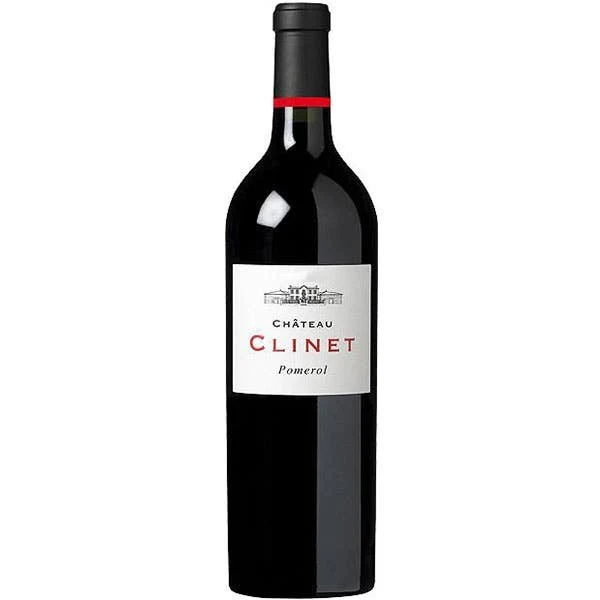
Château Clinet holds a Pearl 3 Star Prestige rating (2025) and occupies a precise position within Pomerol's clay-plateau hierarchy, where Merlot-dominant blends reach significant concentration and age-worthiness. Under winemaker Ronan Laborde, the estate produces wines that sit in the upper tier of the appellation's competitive set, drawing comparisons to neighbours like Château Trotanoy and Château L'Eglise Clinet. Visits are by appointment at 16 Chemin de Feytit, Pomerol.
● 1 artisanView →11.Winery
Château La Cabanne
Pomerol, France
Château La Cabanne belongs to the quieter side of Pomerol: family-owned, modest in scale, and shaped by clay-rich vineyard land rather than visitor spectacle. Its 10-hectare estate, HVE Level 3 certification, and production of around 20,000 bottles per vintage make it a useful lens on polished, Merlot-led Bordeaux from a small Pomerol address.
● 1 artisanView →
12.Winery
Château L'Évangile
Pomerol, France
One of Pomerol's most historically rooted estates, Château L'Évangile has been producing wine since 1741 from a clay-rich plateau that abuts Pétrus on its northern border. Under winemaker Jean Pascal Vazart, the estate, now part of the Rothschild portfolio, produces Merlot-dominant blends that carry the geological fingerprint of their Pomerol terroir into every vintage.
● 1 artisanView →13.Winery
Château Le Pin
Pomerol, France
Château Le Pin is a Pomerol wine address defined by scale rather than spectacle: 2.7 hectares, estate-grown Merlot, and annual production counted in hundreds of cases. Its influence comes from terroir, scarcity, and a modern Right Bank style built around concentration, new French oak, and long cellar life rather than public-facing hospitality.
● 1 artisanView →14.Winery
Château La Chenade
Pomerol, France
Château La Chenade gives Lalande-de-Pomerol a Right Bank reading built on clay-gravel soils, Merlot dominance, and the Durantou family’s precise cellar style. The wine sits in a generous, earlier-drinking register than many more structured Pomerol references, with critic attention including an 85-point Matthew Jukes score for the 2024 vintage.
● 1 artisanView →15.Winery
Château Rolland-Maillet
Pomerol, France
Château Rolland-Maillet belongs to the quieter Right Bank conversation: small-scale, Merlot-led Saint-Émilion Grand Cru shaped by clay-gravel soils and the Rolland family’s Bordeaux lineage. Its appeal is less about visitor spectacle than about terroir, barrel work, and the compact production logic that draws collectors toward serious, low-volume estates.
● 1 artisanView →