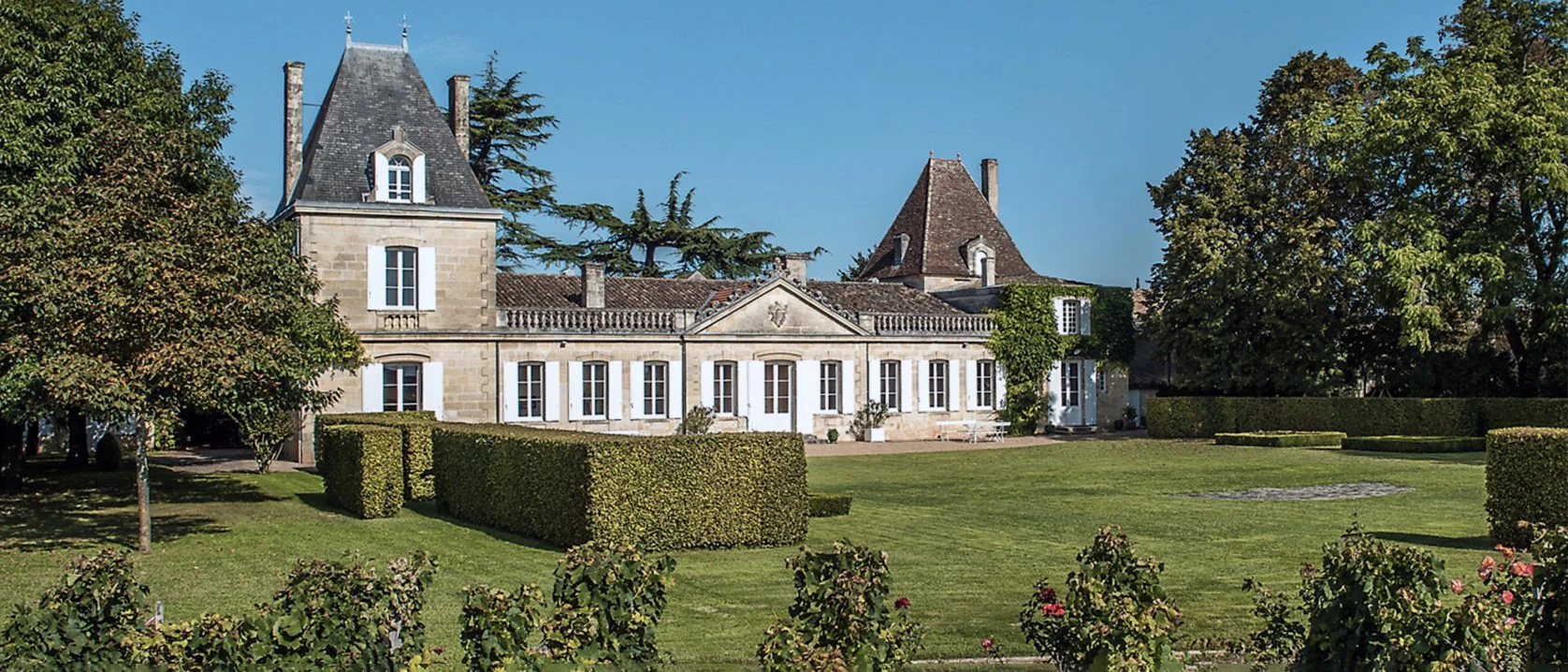
Château Rouget
- 01CityPomerol, France

Parcel by parcel in Pomerol
- Falstaff Winery - 2 Stars · 2026
Parcel selection on the upper plateau
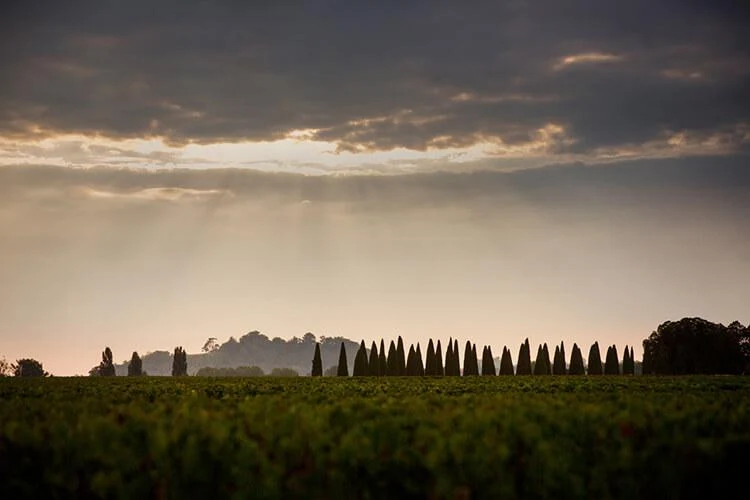
Edouard Labruyere reads the rows as winemaker at Château Rouget in Pomerol, before the cellar has any say. His work begins with separation: gravel, sand and clay are not treated as one surface, and the estate’s clay-gravel parcels on the upper Pomerol plateau ask for a different hand from the sandier ground. Rouget has been in official records since 1700 and became part of the Labruyere Family’s work in 1992, but the present discipline is practical rather than ceremonial. Labruyere’s role is to hold the property to its parcels, not to smooth them into a single idea too early. Château Rouget is one of the larger estates in the appellation, with about 17 hectares of vines, and that scale makes selection more important, not less. The vineyard carries Merlot at the center, with Cabernet Franc and Cabernet Sauvignon in the mix. In this part of Pomerol, the hand has to decide what belongs together and what should remain apart until blending. That is the station Labruyere keeps.
Wood vats, whole berries and separate lots
The method at Rouget gives each lot room to declare itself. Vinification takes place in 50 hectoliter and 60 hectoliter wood vats, alongside temperature-controlled stainless steel tanks, so plots can move through the cellar without being collapsed into one mass. The grapes are only partially crushed, and some fruit ferments as whole berries, a choice made for freshness and less oxidation. Whole cluster fermentation accounts for close to 45% of production, bringing stems into the ferment where structure can support the fruit rather than cover it. About 35% of the harvest is handled through micro-vinification, entirely in barrels. Malolactic fermentation also takes place in barrel, then the wine ages in 50% new French oak for an average of 15 to 18 months. The house produces roughly 6,500 cases annually, enough volume to require a disciplined cellar map, and little enough that the differences between parcels still matter in the final blend.
A quiet cellar for Merlot-driven work
The estate sits in the northern part of the Pomerol appellation, where the room around the work is quieter than the ambition behind it. Tastings of Château Rouget tend to return to texture: silk, polish, a classic Right Bank line, the kind of refinement that comes from oak aging held in proportion. The cellar is not a stage for novelty. It is a place for sorting, fermenting, tasting and waiting, with the vineyard’s gravel, sand and clay carried forward in separate decisions before they become Château Rouget. Since the 2023 vintage, the estate has been certified organic, giving the vineyard work a formal frame for what the wines had already asked of the team: attention row by row, then patience barrel by barrel. The concrete thing to follow is the Grand Vin as the Cabernet Sauvignon parcel reaches its place in the blend.
Questions
Frequently asked
Who makes the wine at Château Rouget?
Edouard Labruyere is the winemaker at Château Rouget in Pomerol, and his work is parcel by parcel across the estate’s 17 hectares of vines.
What is Château Rouget known for in the cellar?
The cellar work is built around separation and careful blending, with parcels handled in wood vats and temperature-controlled stainless steel tanks, some fruit fermented as whole berries, and about 35% of the harvest made through micro-vinification in barrels.
What grapes are grown here?
Merlot sits at the center of the vineyard, with Cabernet Franc and Cabernet Sauvignon also in the mix.
Can visits be arranged casually?
Visits are by appointment only, and there is on-site parking.
Has the estate received any formal recognition?
Château Rouget has been in official records since 1700, and the estate has been certified organic since the 2023 vintage.
The field
How it compares
| Place | Notes |
|---|---|
| Château Rouget | Pomerol, $$$$ |
| Château La Conseillante | Pomerol |
| Château La Fleur-Pétrus | Pomerol |
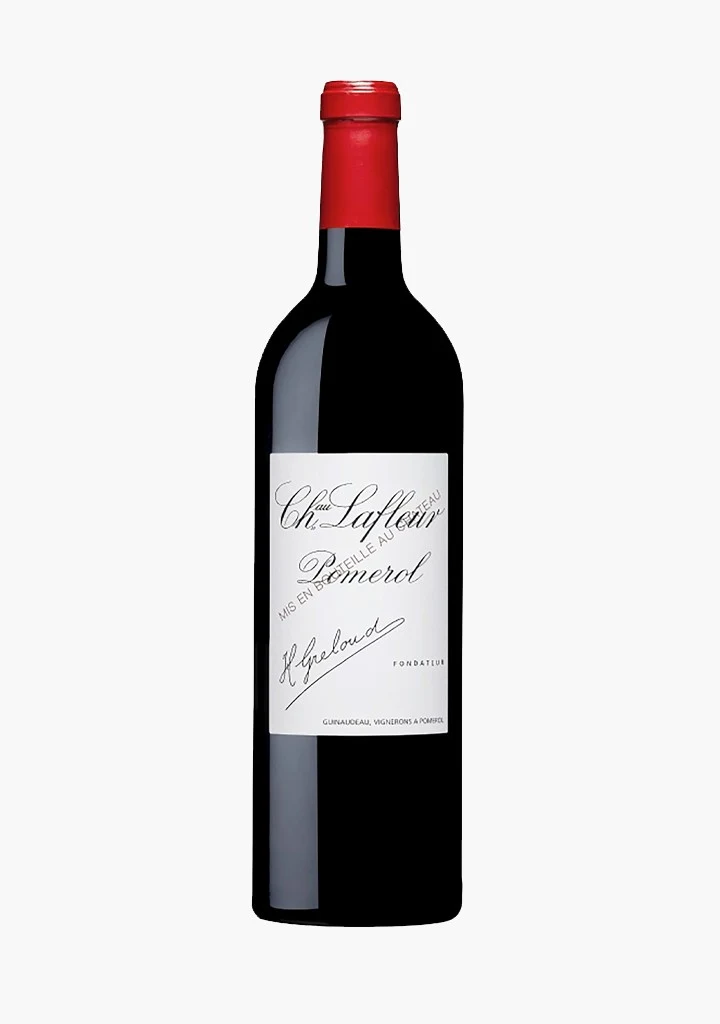
| Château Lafleur | Pomerol |
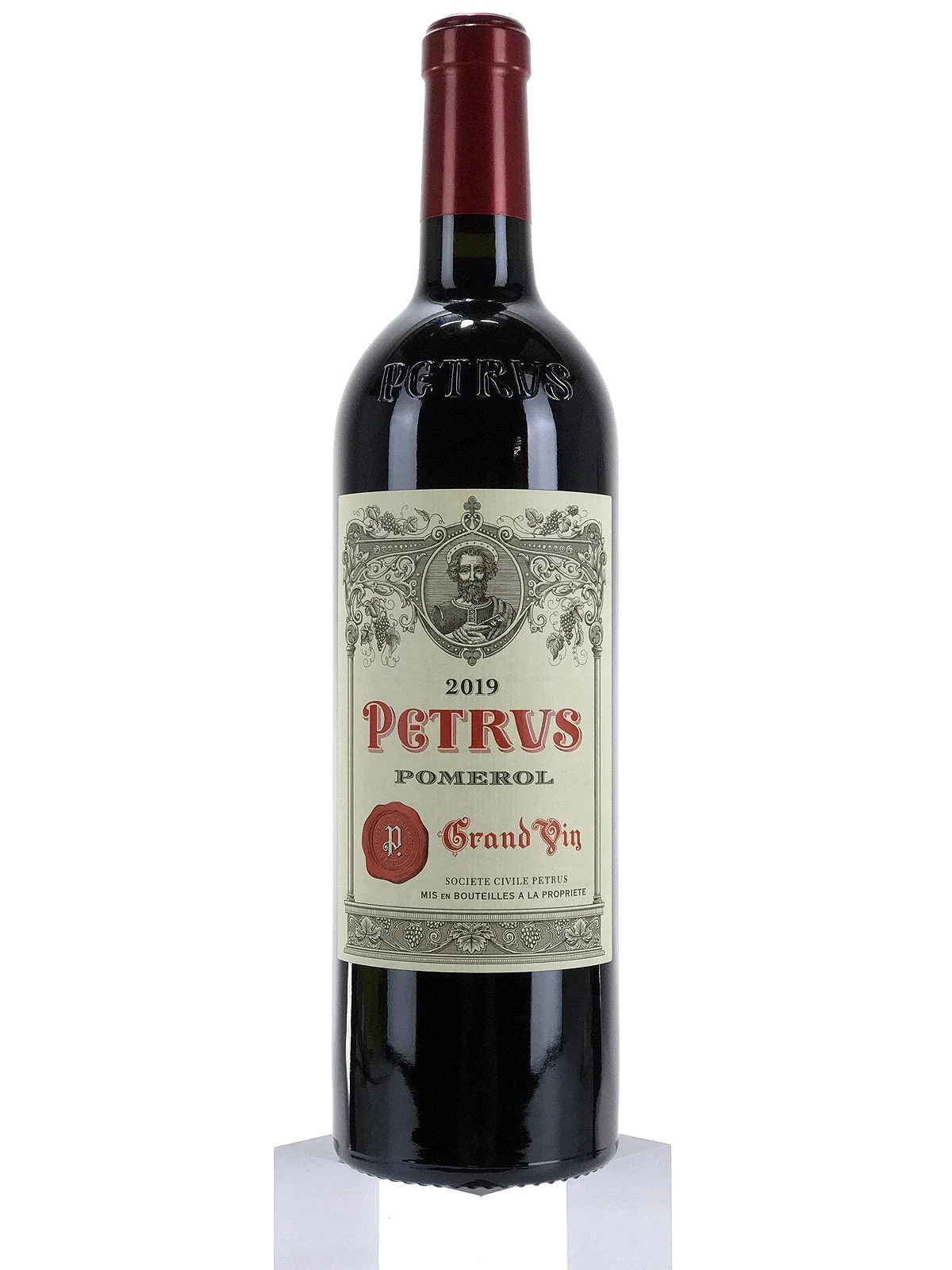
| Chateau Petrus | Pomerol |
| Château Trotanoy | Pomerol |
| Vieux Château Certan | Pomerol |