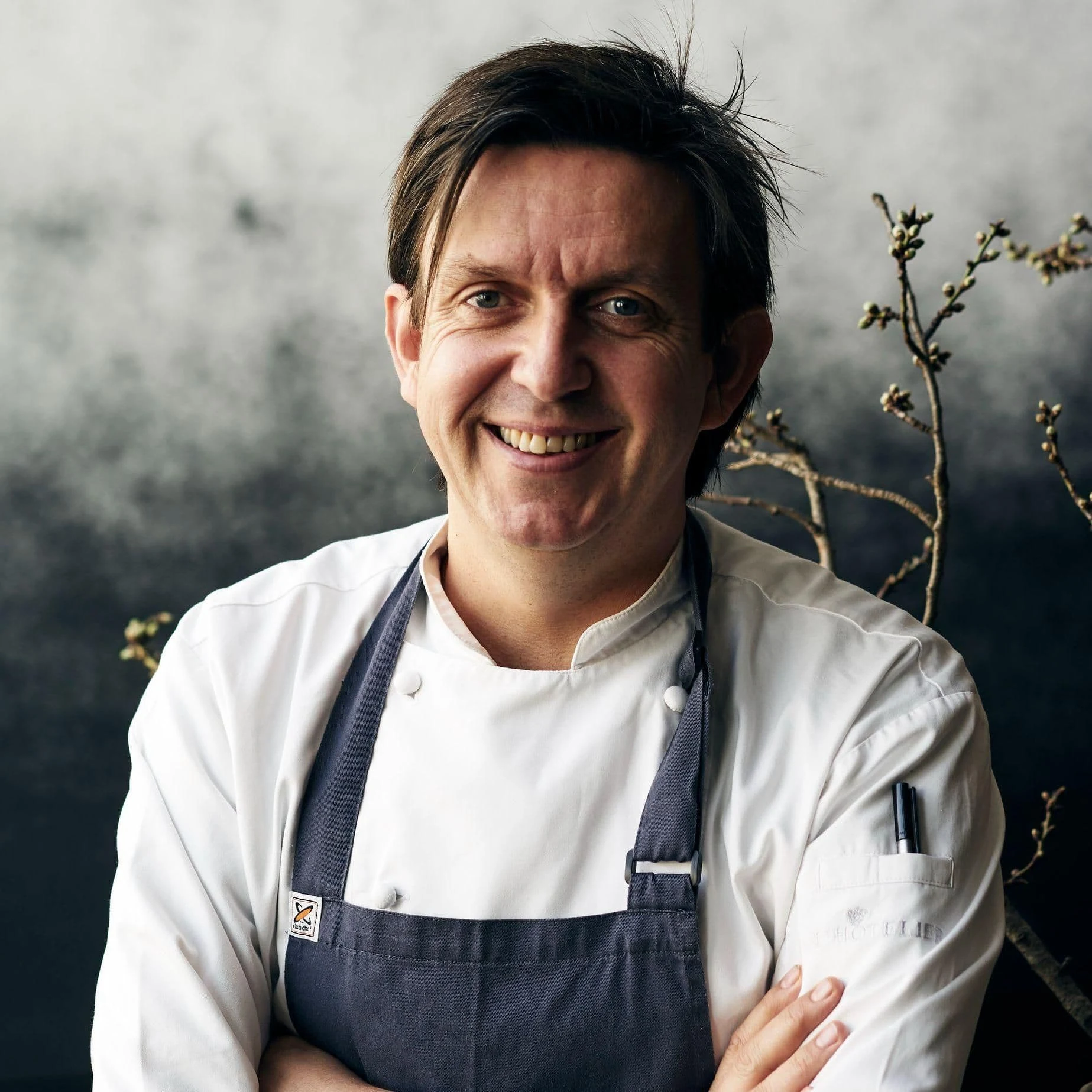
Julien Howsepian first put his hands on Kosta Browne's production work when he joined the winery in 2012 as a production assistant.
HM
Director of Editorial Standards
Hugo Marchetti
Filed October 30, 2026
9 min read
VinePair Podcast: Kosta Browne's Julien Howsepian
Julien Howsepian first put his hands into Kosta Browne's production work when he joined the winery in 2012 as a production assistant.1 Today, he is the winemaker responsible for the Sebastopol cellar, at a Kosta Browne based in Sebastopol, California,2 working inside a house founded by Dan Kosta and Michael Browne in 19973 and still judged against its 2009 Sonoma Coast Pinot Noir, Wine Spectator's #1 Wine of the Year in 2011.1
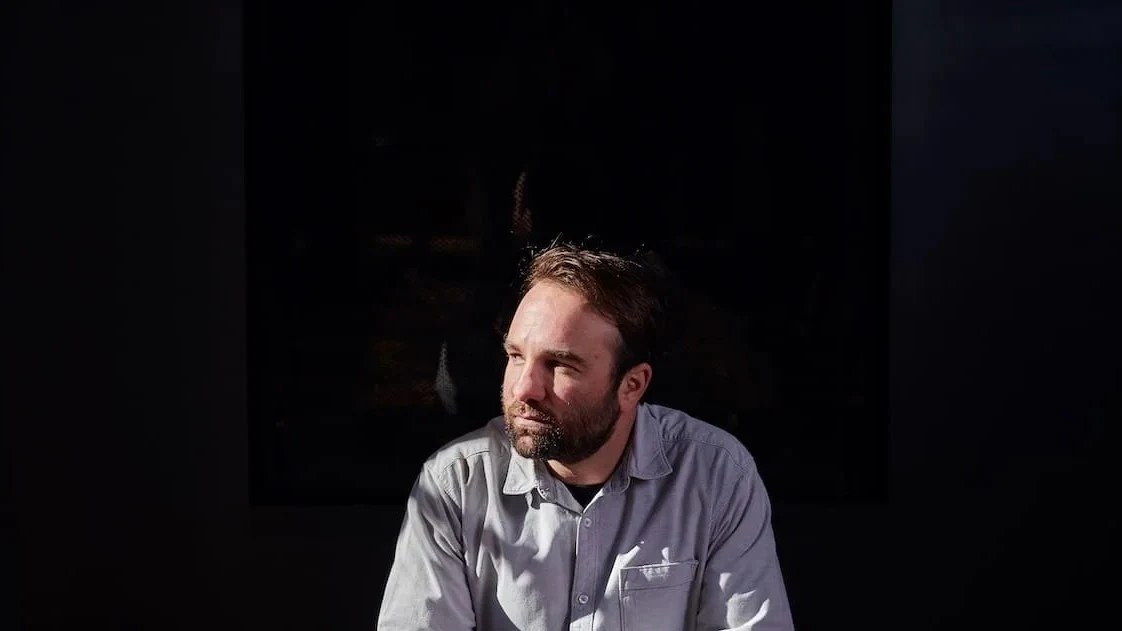
Julien Howsepian at Kosta Browne today
Julien Howsepian was named winemaker at Kosta Browne in 2019.3 Dan Kosta and Michael Browne founded the winery in 1997,3 and the house already carried the public memory that follows a cellar long after the last bottle in a vintage is emptied.
The Sunday email
Get new Made By stories every Sunday.
Every Sunday we send a lead story and up to four more about the chefs, winemakers, sommeliers and hoteliers behind the restaurants, bars, wineries and hotels we cover.
Free. One email a week, and you can unsubscribe from any issue.
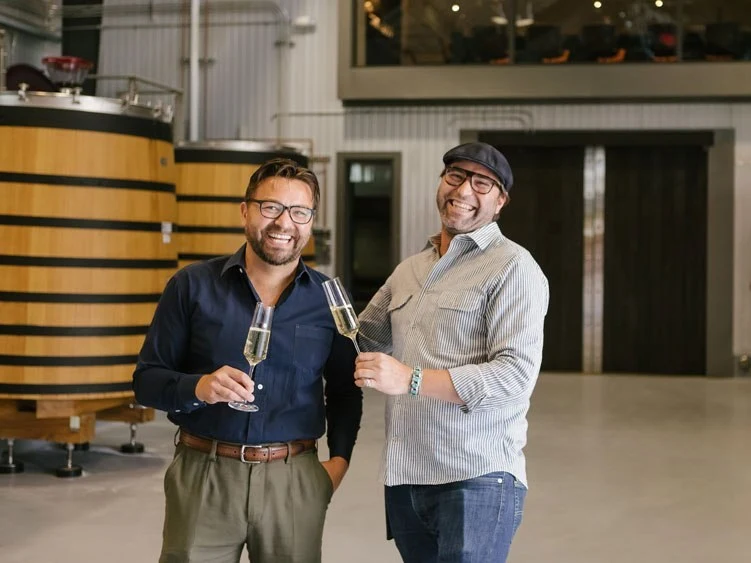
Two men in business casual attire holding champagne glasses in a winery production facility with large wooden.
Howsepian has been head winemaker at Kosta Browne since 2019,4 in the Duckhorn era of the winery's life. Duckhorn Wine Company acquired Kosta Browne in 2018.3 The house name remains the public handle; the daily work belongs to the person deciding what the fruit can bear, what the cellar should hold onto, and how much history a new vintage can carry.
The scale matters for anyone drinking or following Kosta Browne Pinot Noir. As of the 2018 Duckhorn sale, Kosta Browne produced approximately 30,000 cases annually,1 and about 85 percent of production was sold direct to consumer through a roughly 30,000-member mailing list.1 Those numbers describe a cellar whose choices travel quickly to people who have already given the label a place in memory. Howsepian's work sits at that join, between the hand and the list, between a wine's private making and its public expectation.
How Julien Howsepian climbed Kosta Browne's cellar ladder
Howsepian holds a degree in viticulture and enology from UC Davis.4 That gave him the formal side of the discipline: the science language, the vineyard and cellar vocabulary, the ability to read acid, sugar, phenolic ripeness, and microbial risk as parts of the same working problem. It is where a maker learns the movement of a cellar before he is allowed to name its direction.
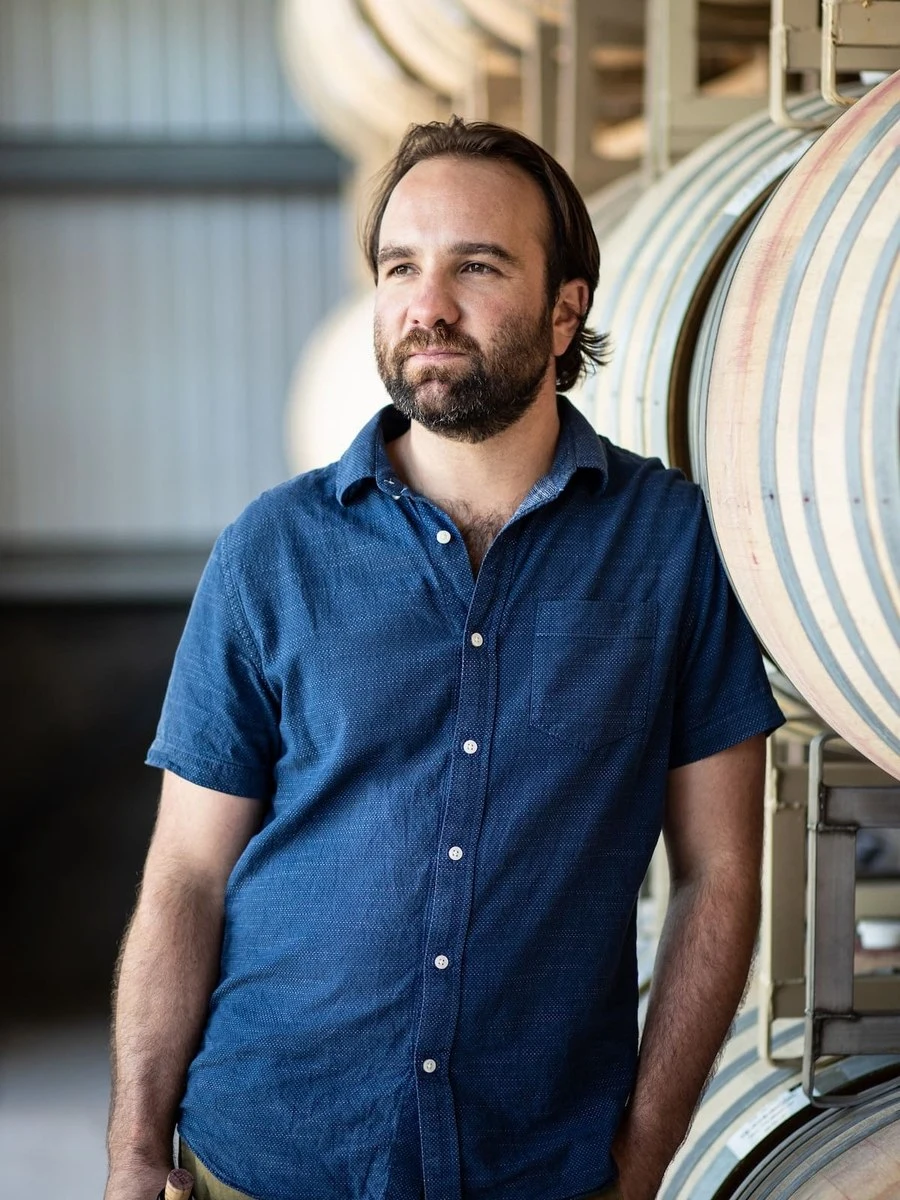
A man in a blue short-sleeved button-up shirt stands in front of large wooden barrels in what appears to be a winery facility.
Howsepian advanced through cellar master and assistant winemaker before being named winemaker in 2019 at age 34.1 The sequence matters when tracing the apprenticeship: production assistant, cellar master, assistant winemaker, winemaker. It is the long way inside a house whose reputation was already built. Howsepian did not arrive at Kosta Browne as a consultant. He climbed through the cellar's own muscle memory. A cellar master learns where a winery keeps its habits, which lots move easily, which lots need patience, which barrels become useful only after time has taken the edge off an early impression.
The lineage before him began outside the cellar. Dan Kosta and Michael Browne met while working at John Ash & Co. restaurant in Santa Rosa.1 That origin gives Kosta Browne a service-side root: wine first understood through guests, tables, and the pass between hospitality and taste. Open the label now, and that dining-room beginning still matters; the bottle has to stand in front of people who know the house by memory.
The 2018 acquisition by Duckhorn Wine Company3 placed that memory inside a larger company structure. Howsepian's rise the following year reads less like a break than a succession from within the tools of the place. He had already worked the station below the station. That kind of time changes a maker's authority.
The Kosta Browne Pinot Noir work Julien Howsepian inherited
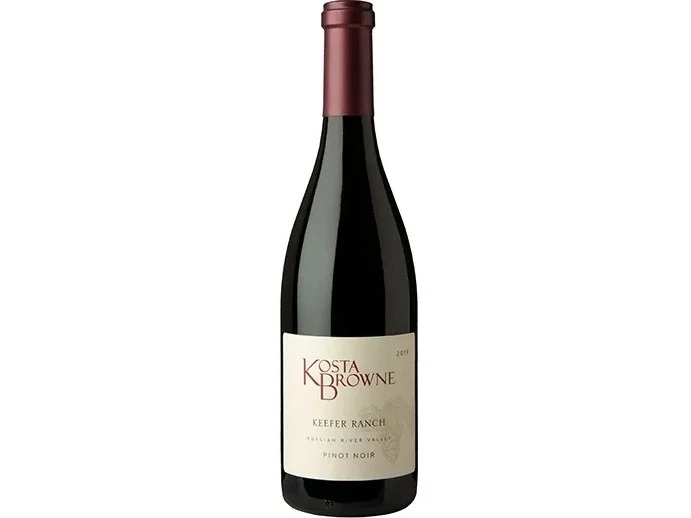
The wine that still names the house in shorthand is Pinot Noir. That bottle predates Howsepian's tenure as winemaker. For anyone opening Kosta Browne, Pinot is the first place to look: the house treats it as a recurring argument with site, ripeness, extraction, élevage, and memory.
A single bottle of Kosta Browne Keefer Ranch Pinot Noir on a neutral background.
Kosta Browne produced approximately 30,000 cases annually as of the 2018 sale,1 with 85 percent of the annual production of 30,000 cases going to the mailing list.5 At that volume, a winemaker's method gets tested by repetition. The hand has to work through systems.
The craft problem is how to keep the cellar's grammar legible across many lots, many allocations, and many drinkers who arrive with a memory of the label before they pull the cork. Pinot Noir gives little cover to vague intention. Too much extraction writes over the site. Too little structure can leave the wine without carry. Oak can frame, or it can talk over the fruit.
The physical station has its own scale. The winery operates from a facility in Sebastopol, the practical anchor for connecting Kosta Browne's house style to the cellar where Howsepian works.
For those tracing how house style depends on apprenticeship, the adjacent Made By reading is not another tasting note; it is time on the tools in other stations: Bobby Stuckey's story, Lettie Teague's wine-columnist portrait, and Maggie Frerejean-Taittinger at French Bloom. The stations differ. The question is the same: what does long practice leave in the finished work?
The people in Julien Howsepian's Kosta Browne lineage
Dan Kosta and Michael Browne founded Kosta Browne in 1997.3 Their names remain on the label as origin and as pressure. Kosta and Browne met while working at John Ash & Co. restaurant in Santa Rosa.1 That restaurant beginning matters because it places the winery's first imagination close to the dining room. The bottle had to speak to people at the table before it became an object of allocation.
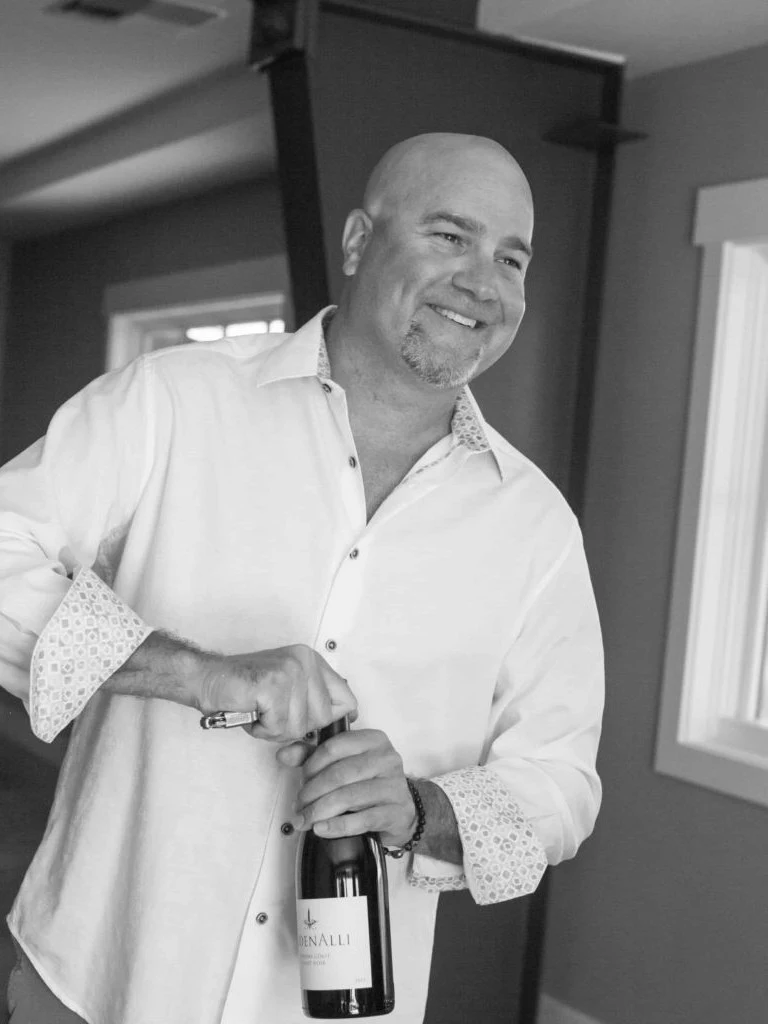
A professional portrait of a bald man in a white dress shirt holding a wine bottle, photographed indoors.
Nico Cueva was winemaker at the time of the 2018 sale.5 Cueva was winemaker when Duckhorn entered the story and before Howsepian was named winemaker in 2019.3 Succession in a winery is rarely a clean cut. It is more often a transfer of habits, barrels, grower relationships, picking memories, and unresolved questions from the previous vintage.
The team around production carries names, too. Associate winemakers and production staff support the cellar work. In a cellar of this size, production assistance means the method has to move from the winemaker's intention into daily execution: fruit to tank, tank to barrel, barrel to blend, blend to bottle. That makes Kosta Browne less a single signature than a staffed discipline, hands repeating the method until the house voice can survive the season.
Where to taste Julien Howsepian's Kosta Browne work in Sebastopol
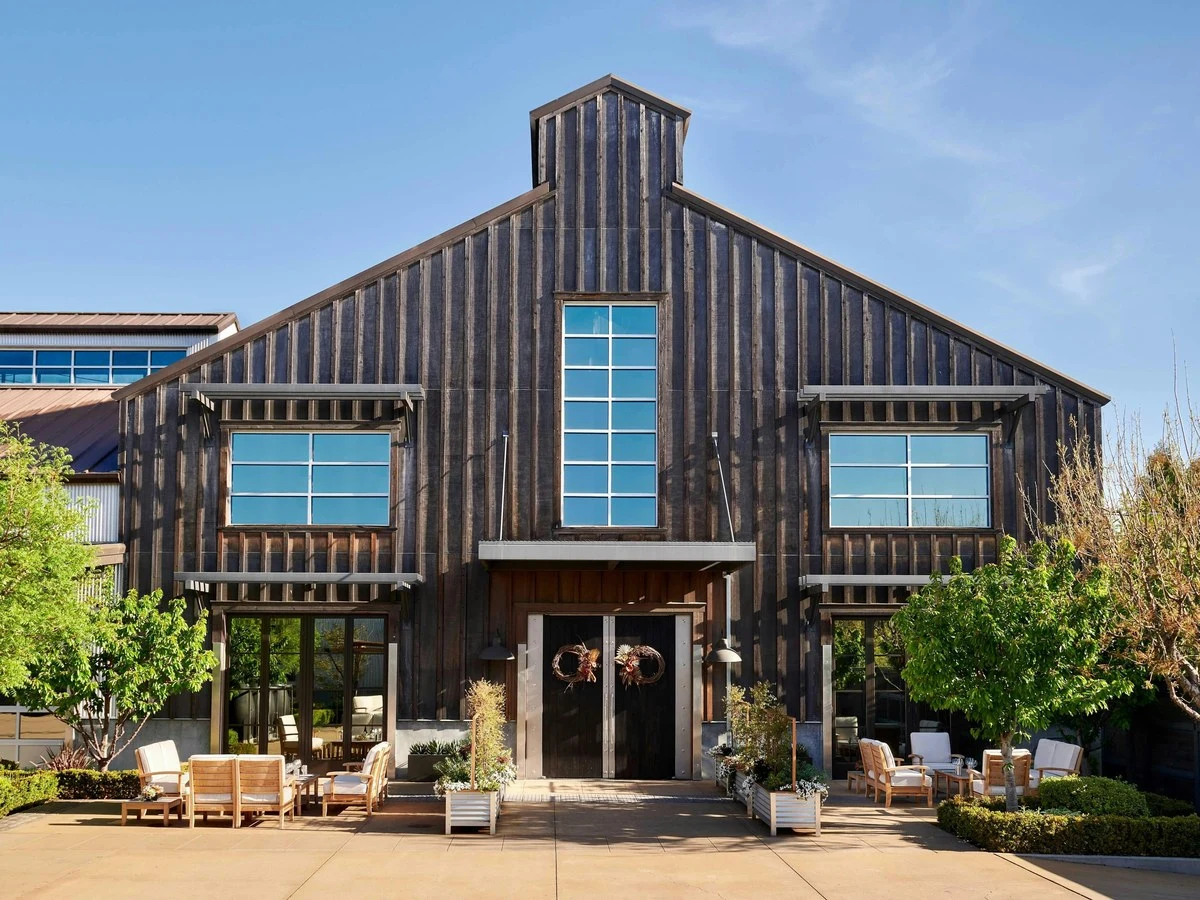
Kosta Browne is located at 200 Morris St, Sebastopol, CA 95472.2 The winery requires advanced reservation,2 and Kosta Browne is not open to the public, though appointments can be made by active members of the list.6 To connect the maker's cellar path to the glass, begin there.
Exterior of a converted barn-style winery building with weathered vertical wood siding.
For contact, the phone number is (707) 823 74302 and the email address is kb@kostabrowne.com.2
Why Julien Howsepian matters at Kosta Browne
Howsepian matters because he took the bench after the legend had already hardened. He has been head winemaker since 2019,4 and his name reaches back to a winery founded in 1997 by Dan Kosta and Michael Browne and to a 2009 Sonoma Coast Pinot Noir named Wine Spectator's #1 Wine of the Year in 2011. The work is not imitation of an old bottle. At a roughly 30,000-case annual scale as of the 2018 sale,1 it asks for more than instinct. It requires cellar memory earned station by station. Howsepian's path through production assistant, cellar master, assistant winemaker, and winemaker is the quiet proof of that discipline.
Frequently Asked Questions
Who is Julien Howsepian?
Julien Howsepian is the winemaker leading Kosta Browne in Sebastopol, California,2 and he has been head winemaker there since 2019.4
Where did Julien Howsepian study winemaking?
Julien Howsepian has a degree in viticulture and enology from UC Davis.4
How did Julien Howsepian start at Kosta Browne?
Howsepian joined Kosta Browne in 2012 as a production assistant,1 then advanced through cellar master and assistant winemaker by age 34.1
What is Julien Howsepian's Kosta Browne lineage known for?
Kosta Browne's 2009 Sonoma Coast Pinot Noir was named Wine Spectator's #1 Wine of the Year in 2011.1
Can you visit Julien Howsepian's winery at Kosta Browne?
Kosta Browne is not open to the public, though appointments can be made by active members of the list,6 and advanced reservation is required.2
The Sunday email
Get new Made By stories every Sunday.
Every Sunday we send a lead story and up to four more about the chefs, winemakers, sommeliers and hoteliers behind the restaurants, bars, wineries and hotels we cover.