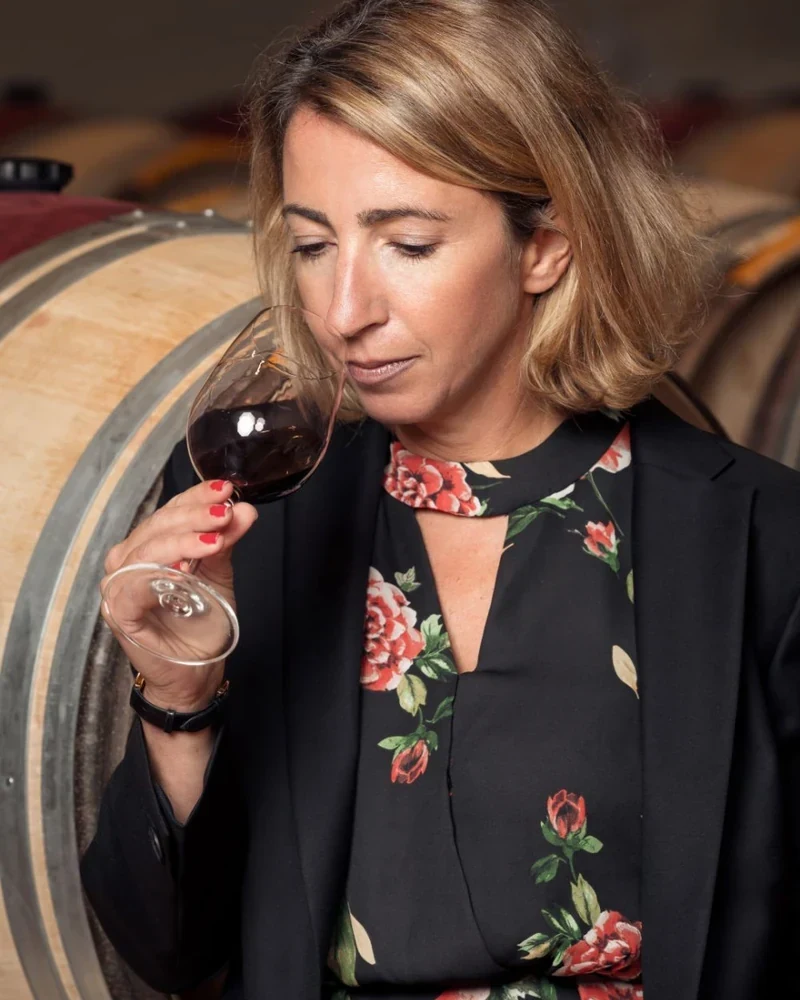
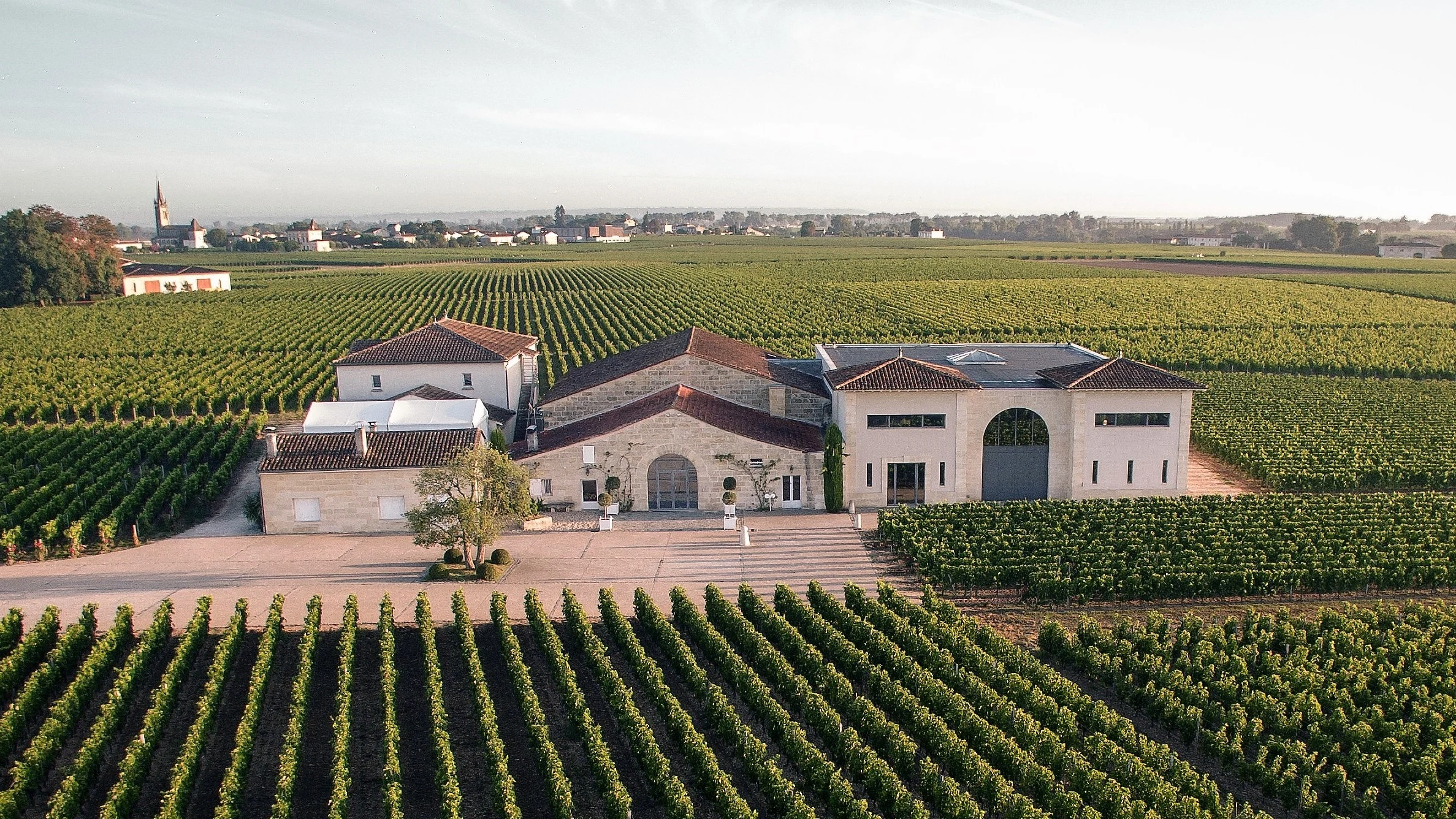
Marielle Cazaux, Managing Director and winemaker, guides Château La Conseillante in Pomerol with parcel-led Right Bank craft today.
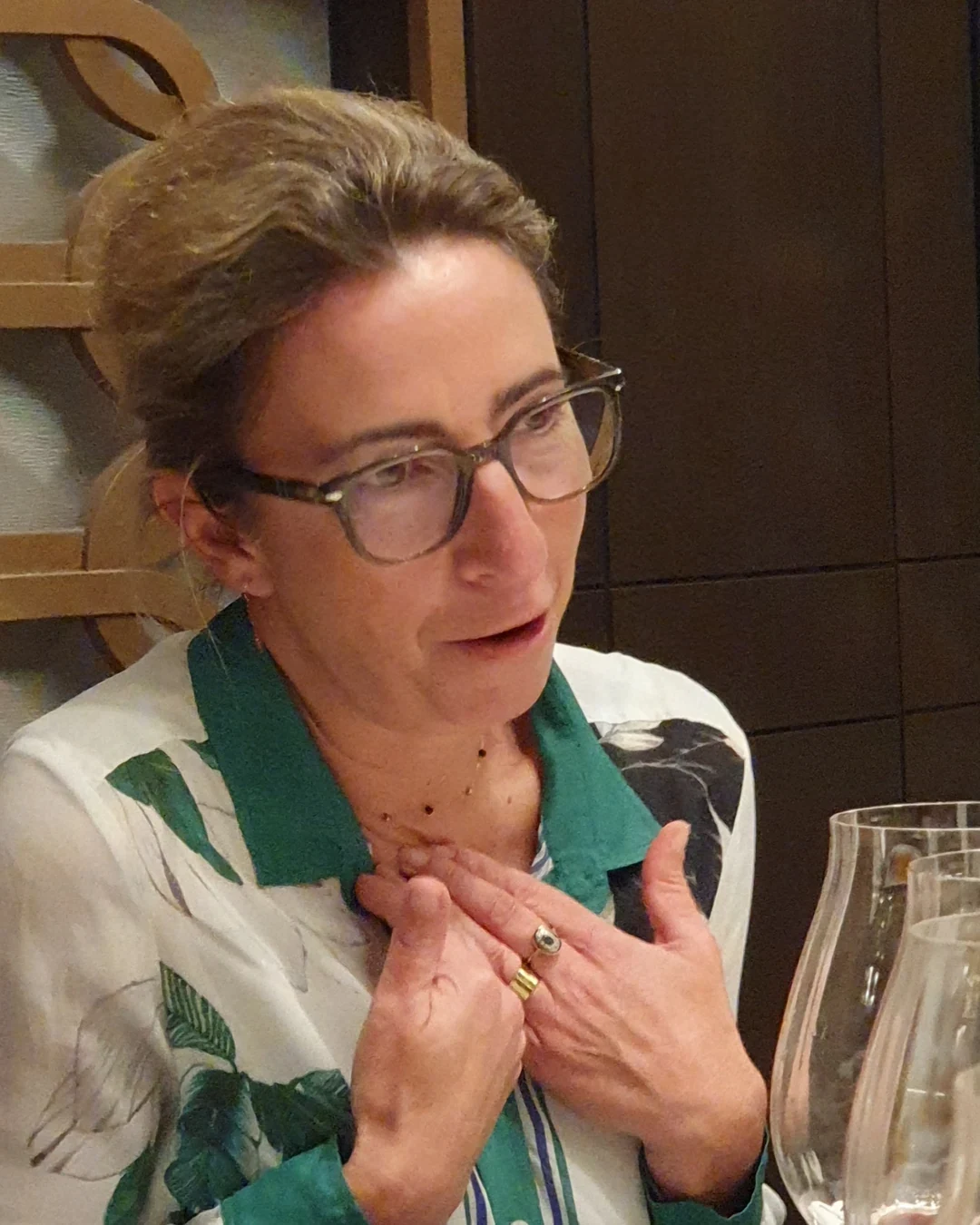
Grey clay and sandy gravel set the first decision. Marielle Cazaux, Managing Director and winemaker at Château La Conseillante in Pomerol, works from that division before the cellar has anything to say. Her route to this station began with ENITA Bordeaux and the University of Bordeaux, then with internships at Ridge Vineyards in Sonoma County and Château Suduiraut in Sauternes in 2001. In 2004 she became Technical Director at Château Lezongars in Côtes de Bordeaux. Since 2015, she has carried the cellar and management remit at La Conseillante, where the post asks for continuity as much as intervention.
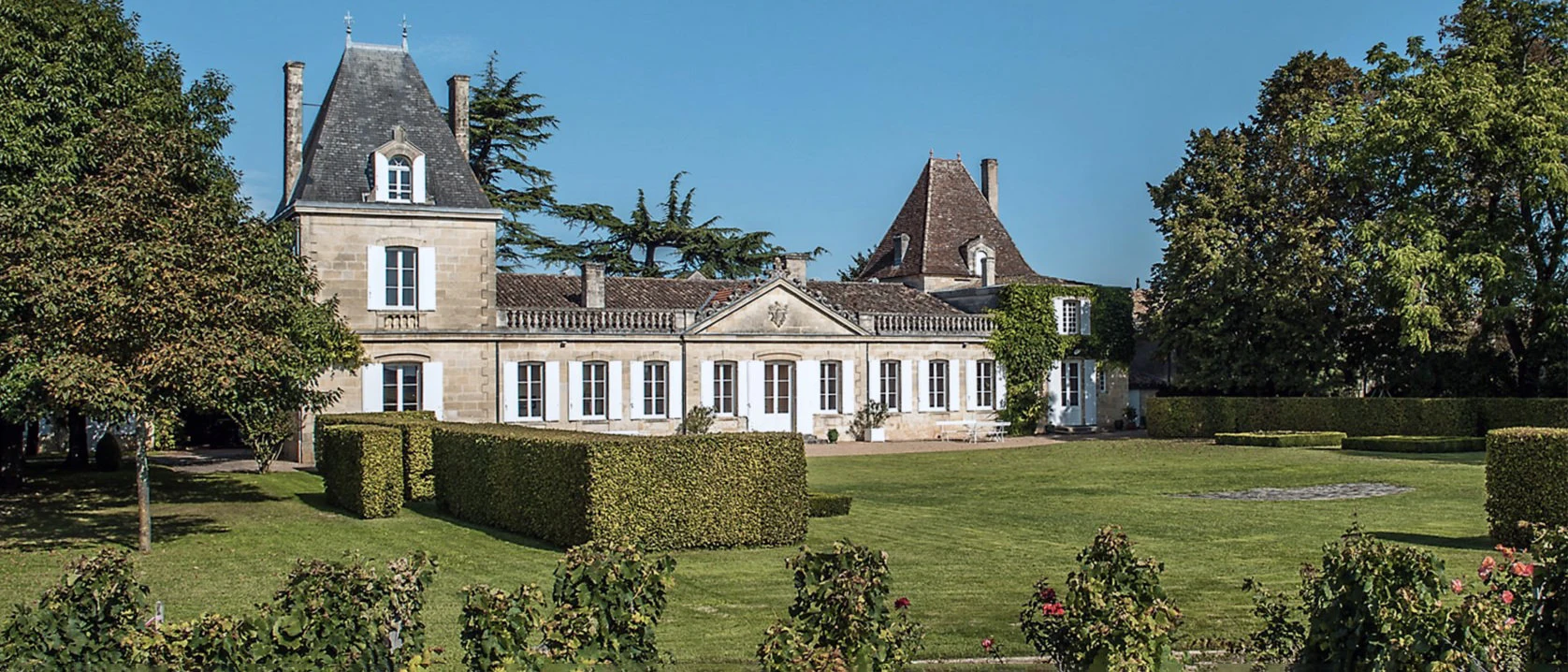
The estate’s own history gives that work a narrow frame. Its name comes from Catherine Conseillan, the Libournaise merchant who acquired the vineyard around 1735 to 1754 and gave the property its name. By 1756, wines were being produced and marketed as La Conseillante. The Nicolas family has owned the estate since 1871, and the present stewardship includes Jean Valmy Nicolas, Bertrand Nicolas, and Marie France Nicolas, with Jean Valmy Nicolas handling much of the day-to-day work. Cazaux’s place in that lineage is technical rather than theatrical. Her own sentence keeps the emphasis there: “I have been in training since my very first internships as an agricultural engineering student, so since 2001.”
The vineyard is a contiguous block of 12.3 hectares, divided into 18 parcels, a rare practical advantage in Pomerol because the estate can work plot by plot without losing the coherence of a single holding. Planting is led by Merlot with Cabernet Franc, the classic Right Bank exchange between clay and gravel. The figures matter here: the vineyard is 80% Merlot and 20% Cabernet Franc, with roughly 60% grey clay and 40% sandy gravel over red clay subsoil. Most Cabernet Franc sits in the gravel and sand; Merlot carries the weight of the clay.
In the cellar, La Conseillante keeps those separations active. The house ferments and ages individual plots separately, using temperature-controlled stainless steel tanks, first installed here in 1971. A 4-day cold pre-fermentation precedes fermentation with skin contact. Malolactic fermentation takes place in tank, and the Grand Vin ages for approximately 18 months in French oak, with 50 to 70% new barrels and the remainder second-use oak. A small 3% of production ages in amphorae. The method is not a display of novelty. It is a way of keeping the vineyard legible until blending.
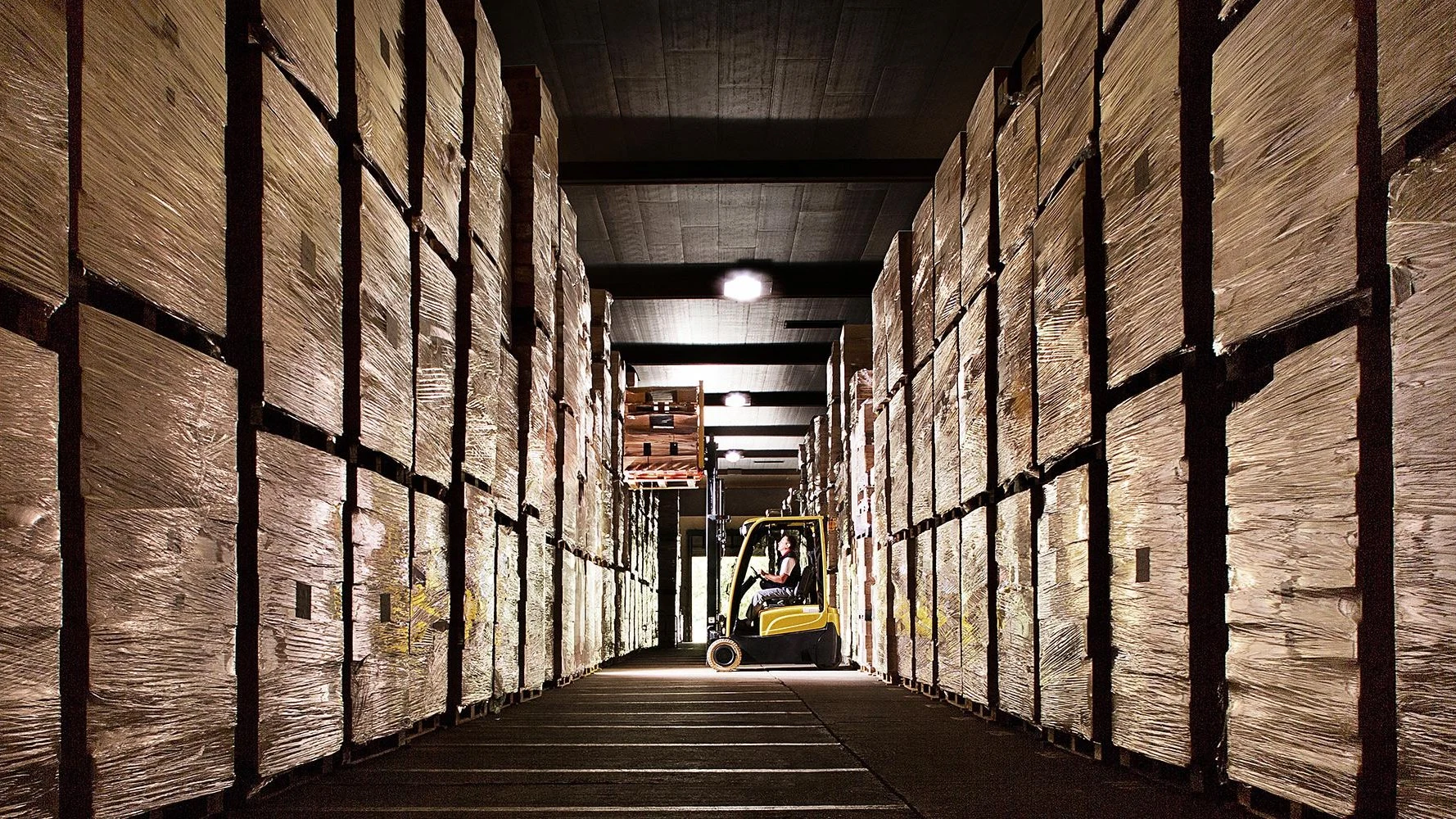
The cellar at Château La Conseillante is quiet in the way working cellars often are: not silent, but ordered around timing, temperature, and the small corrections that do not need an audience. Stainless steel gives the fermentations their control; oak and amphorae take over later, each with a different pressure on the wine. The tasting room belongs to the same register, formal without noise, close to the vineyard rather than apart from it.
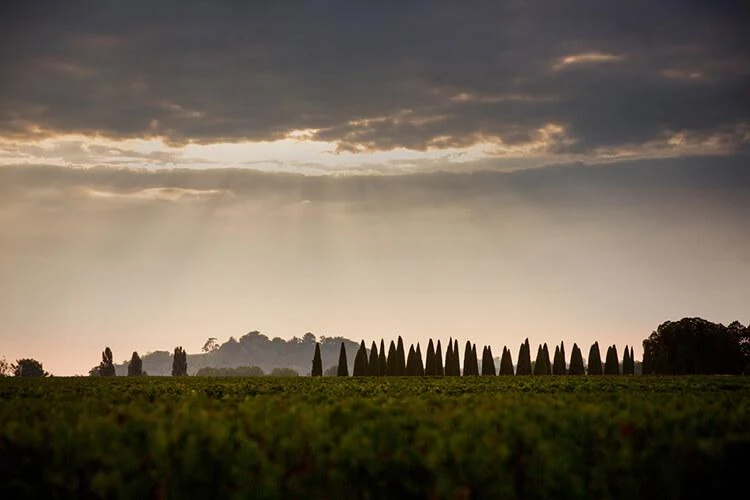
Outside, the estate sits on the eastern tip of the Pomerol plateau, where its soils pull in two directions. The clay gives depth and roundness, while the gravel and sand bring lift to the Cabernet Franc. La Conseillante’s visual identity carries its own long memory: the purple capsule, chosen for the wine’s hue and violet aromas, and the 1871 label with the silver-bordered shield and the letter N. Those details remain close to the bottles, not as decoration alone, but as the house’s working signature around the Grand Vin.
Pomerol, Nouvelle-Aquitaine, Frankreich
Pomerol