Pomerol read through old vines
- Falstaff Winery - 4 Stars · 2026
- Michelin 2 Grapes · 2026
- Pearl 4 Star Prestige · 2025
Before the malolactic finished
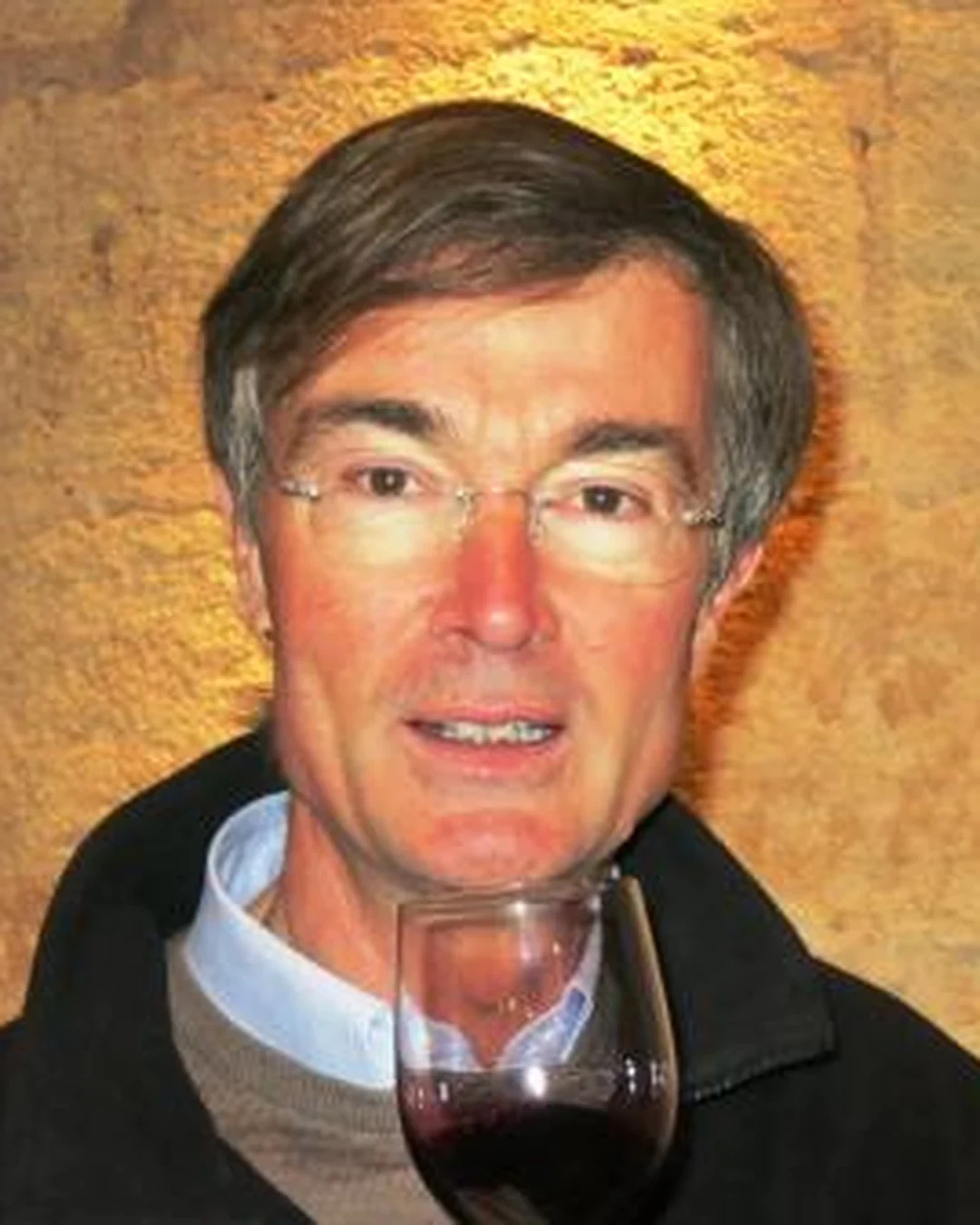
Before malolactic fermentation had finished, Alexandre Thienpont, winemaker at Vieux Château Certan in Pomerol, was already reading the 2012 wine against memory. He described that vintage as sitting between 2005 and 2006, a comparison made while the wine was still becoming itself. That is the scale of the work here: not spectacle, not a performed cellar romance, but judgment applied early, then tested over time. Thienpont has held the winemaker post at Vieux Château Certan from 1985 to the present, working inside a Pomerol estate managed by the Thienpont family since 1924. The continuity matters because the house language depends on recognition. Thienpont once rejected a claimed 1945 by saying it had nothing to do with the 1945 VCC and did not have the signature of the château. In that sentence, authenticity is not a certificate. It is taste, memory, proportion, and the discipline to know when a bottle has lost the hand of the place.
A small estate read block by block
The estate works from 14 hectares on the Pomerol plateau, with clay, clay-gravel, and gravel under vine. Merlot, Cabernet Franc and Cabernet Sauvignon form the vocabulary, but the grammar belongs to the site: an old single-block vineyard, an intimate scale, and a production that sits at 4,000-5,000 cases annually. The wine is still red under the Pomerol AOC, made conventionally, with the emphasis falling on continuity rather than display. The available facts do not set out the full cellar protocol, and the house need not be reduced to guessed barrel percentages or invented timings. What can be said is enough. Thienpont reads the wine through comparison, through vintage relation, and through the estate signature he is willing to defend in public. The craft here is a long form of recognition. A ferment is not only a chemical passage; it is a moment when a maker begins to ask whether the wine has the cadence of Vieux Château Certan.
The cellar stays quiet around the work
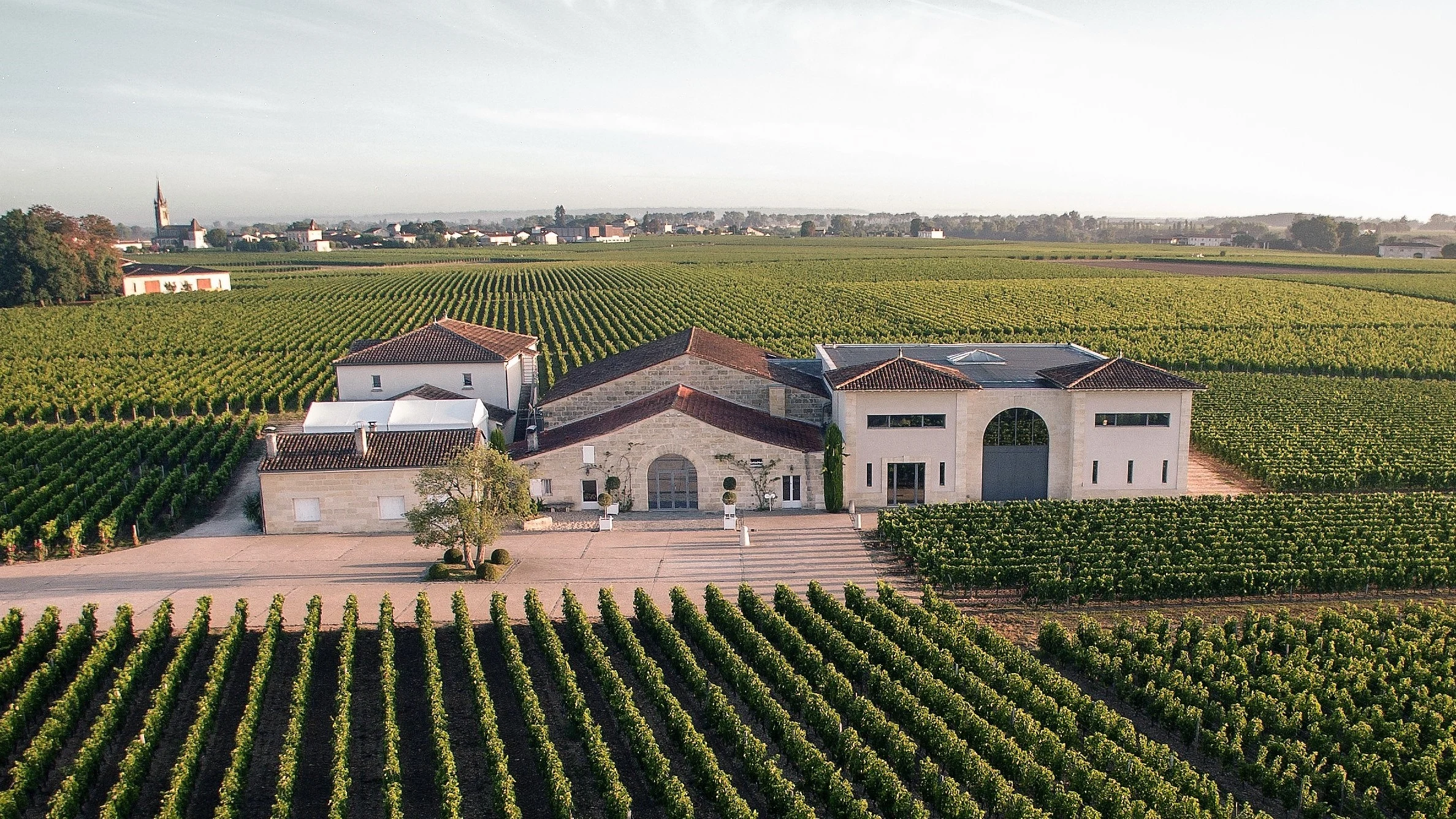
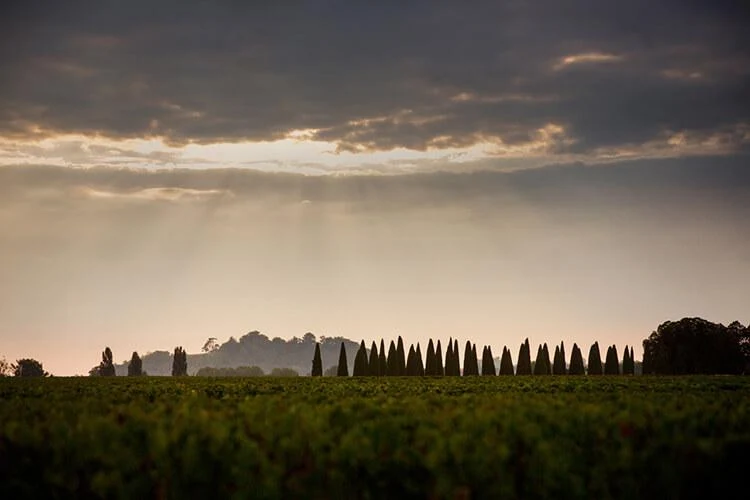
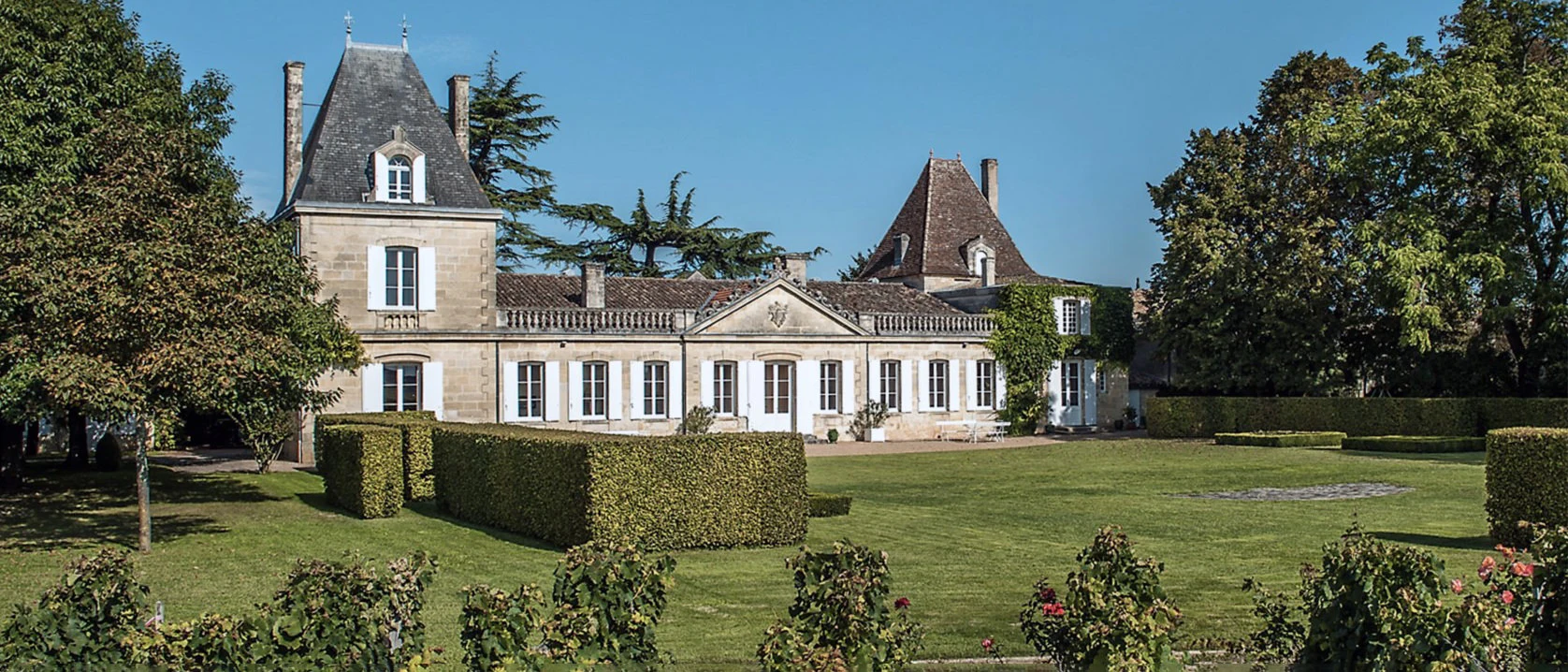
The place carries the quiet of a historic château rather than the volume of a tasting room built to impress. Around it, ancient vines hold their line across the plateau, and the vineyard soils change from clay to gravelly ground without asking for drama. The cellar, the vineyard, and the tasting room belong to the same register: classic, elegant, and close to the work. Private and cave tastings sit within that atmosphere, but the central encounter is still with the wine and the decisions behind it. Two current-year awards sit beside the estate name, yet the stronger pressure comes from the bottle itself, especially when Thienpont speaks of signature. A wine can be recognized as Vieux Château Certan.
Questions
Frequently asked
Who makes Vieux Château Certan?
Alexandre Thienpont has held the winemaker post at Vieux Château Certan since 1985, working within the Thienpont family estate in Pomerol.
What is the estate known for?
The estate is known for red wine made under the Pomerol AOC from Merlot, Cabernet Franc and Cabernet Sauvignon, with the work shaped by old vines on the Pomerol plateau.
What kind of visit does it offer?
Visits are by appointment only, and the venue includes private and cave tastings.
Is there practical information for arriving by car?
There is an on-site parking lot at Château Certan de May in Pomerol.
The field
How it compares
| Place | Notes |
|---|---|
| Vieux Château Certan | Pomerol, $$$$ |
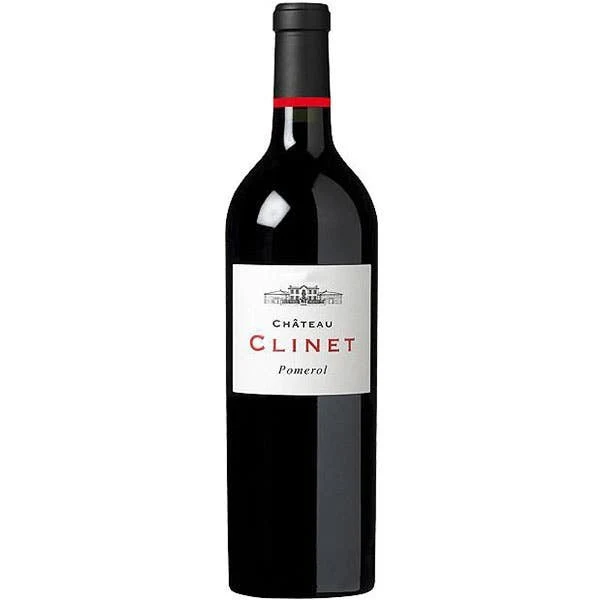
| Château Clinet | Pomerol |
| Château La Conseillante | Pomerol |
| Château La Fleur-Pétrus | Pomerol |
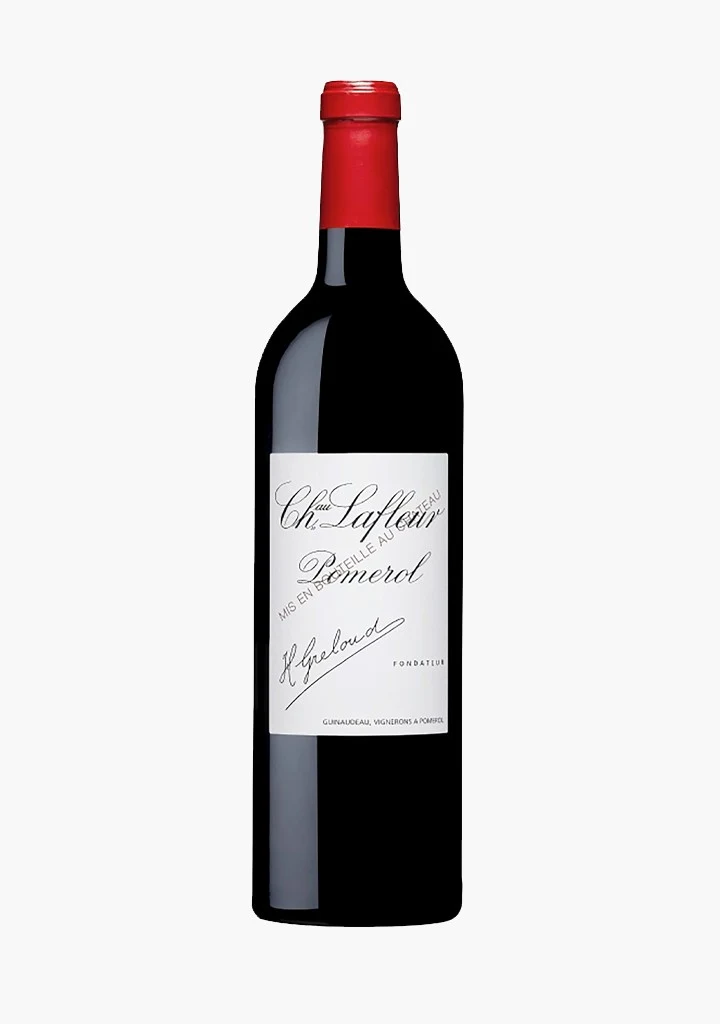
| Château Lafleur | Pomerol |
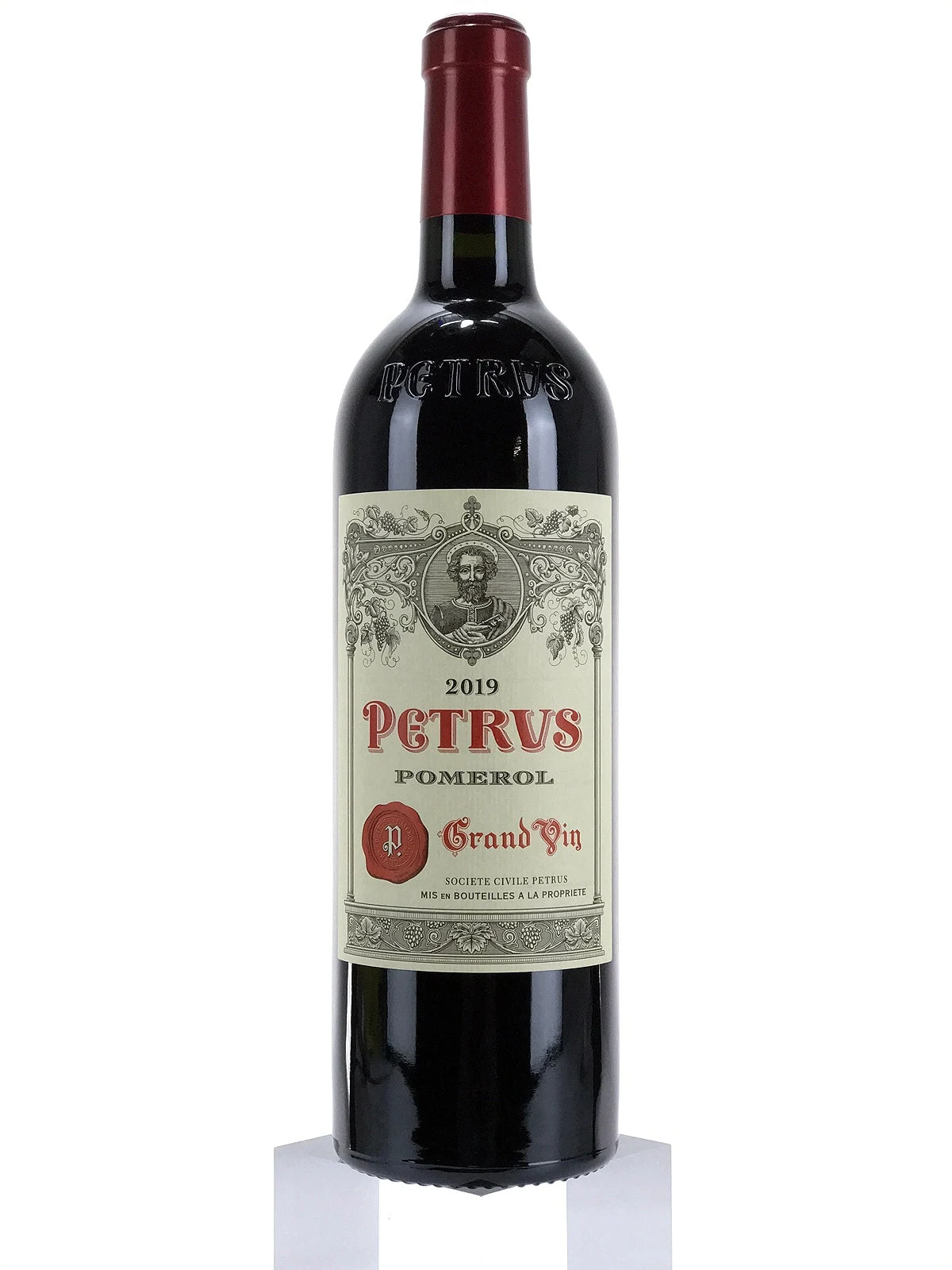
| Chateau Petrus | Pomerol |
| Château Trotanoy | Pomerol |